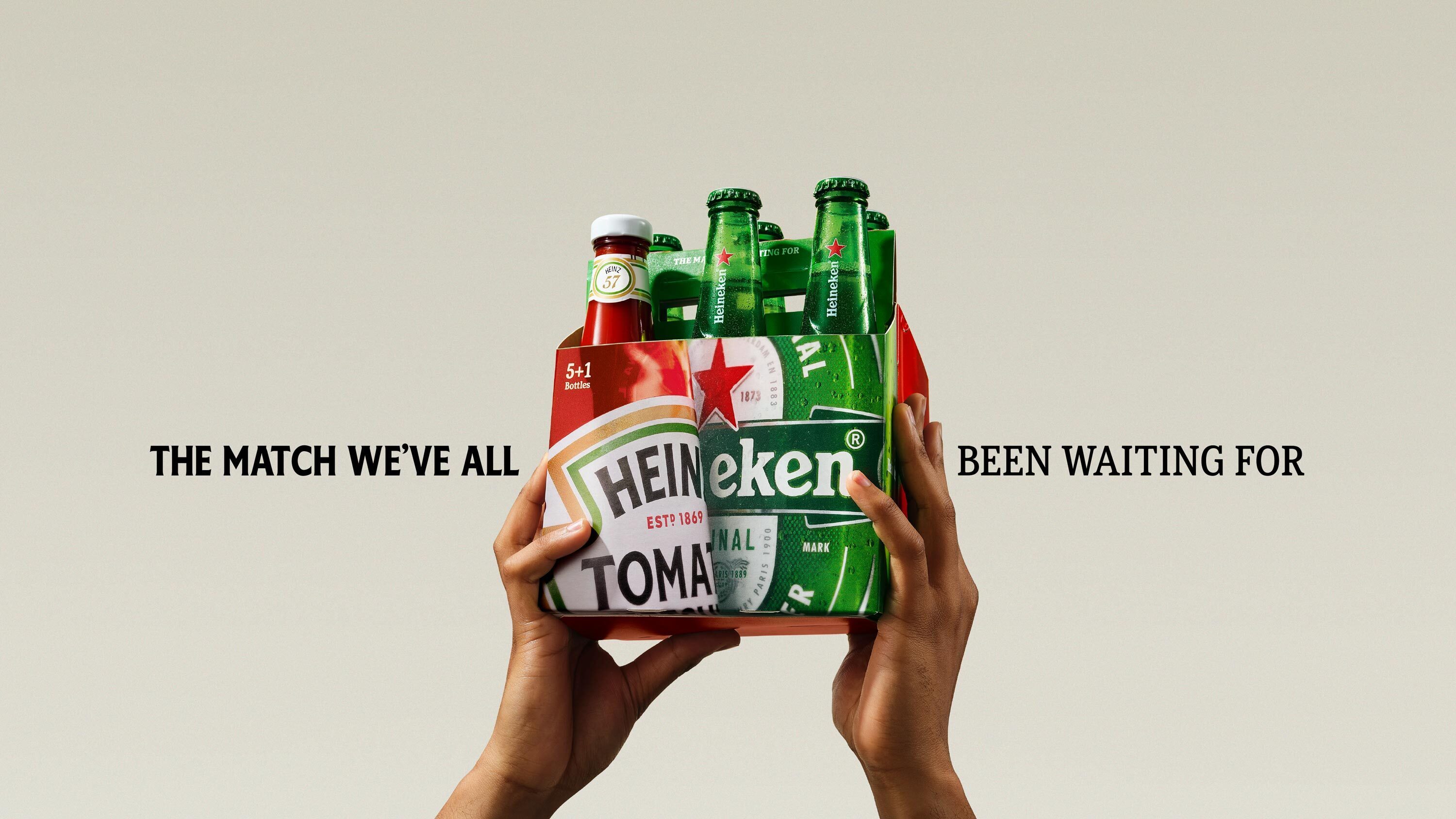
Heinz and Heineken launch their first collaboration, a limited six-pack of five beers and one ketchup bottle timed to the World Cup.
Rolex marks 100 years of the Oyster with a 23-minute film that argues the case for the watch through the people who wore it.
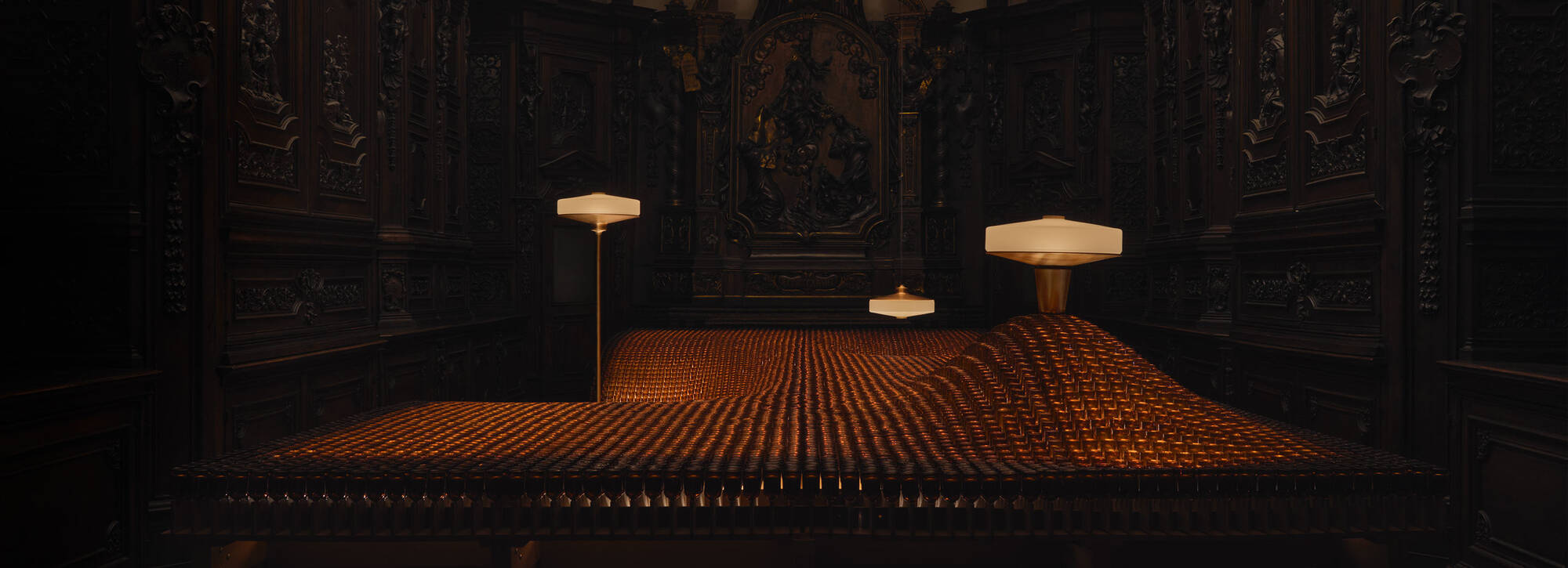
Aesop presents its first lighting collection, Apose, during Milan Design Week 2026 with architect Rodney Eggleston.
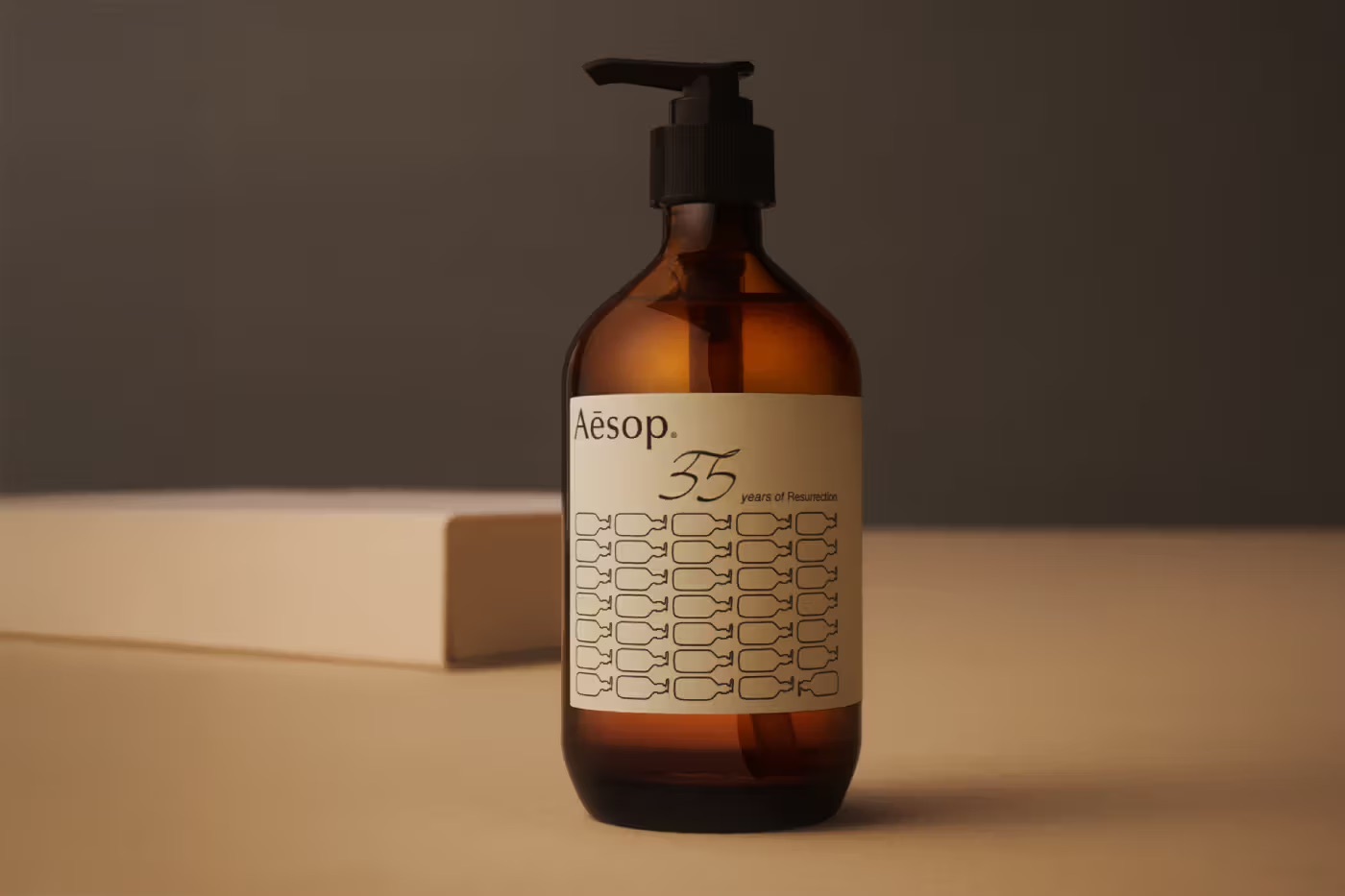
Aesop's Resurrection Aromatique Hand Wash has become an unofficial status marker in upscale bathrooms worldwide.
Partnerships with Apollo and EQT put private markets in the app at a one euro minimum and move the brand into wealth management.
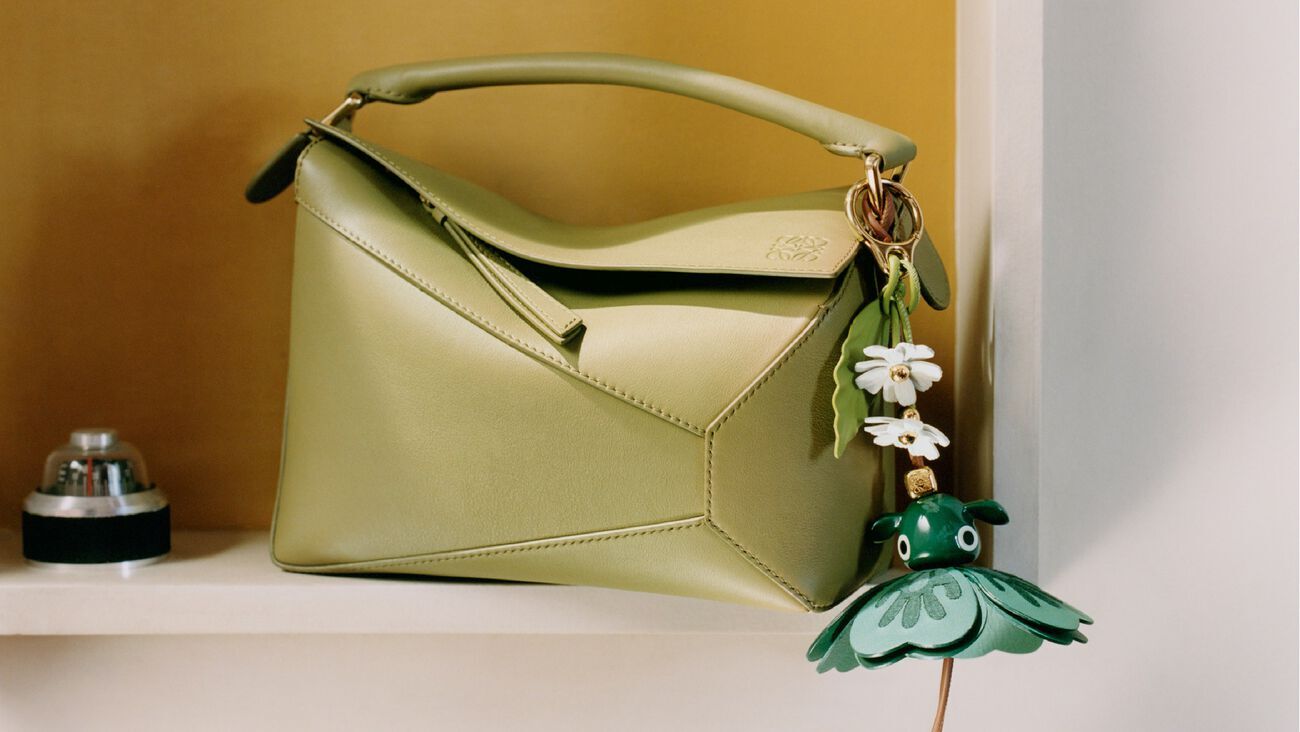
Loewe marked ten years of the Puzzle bag with 19 archive reissues, a new Confetti design, and a full digital retrospective.
Jaguar retired the leaper and introduced a four-symbol identity system built on 'Exuberant Modernism.'
In 2024 Google retired the Bard name and unified its consumer AI under a single brand, Gemini, matching the model that powers it.
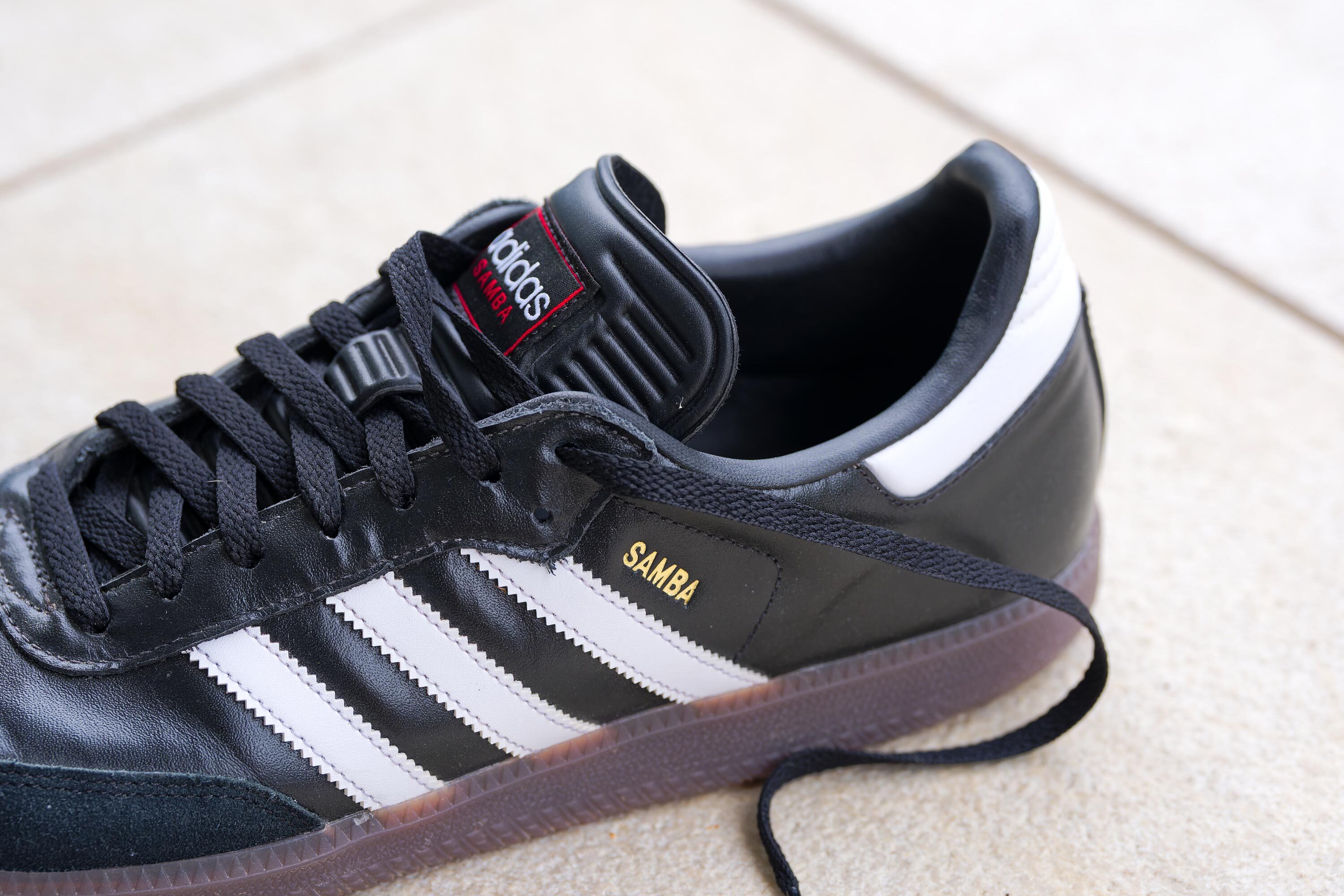
The adidas Samba becomes a fashion phenomenon, leading a terrace sneaker revival driven by collaborations and the brand's own archive.
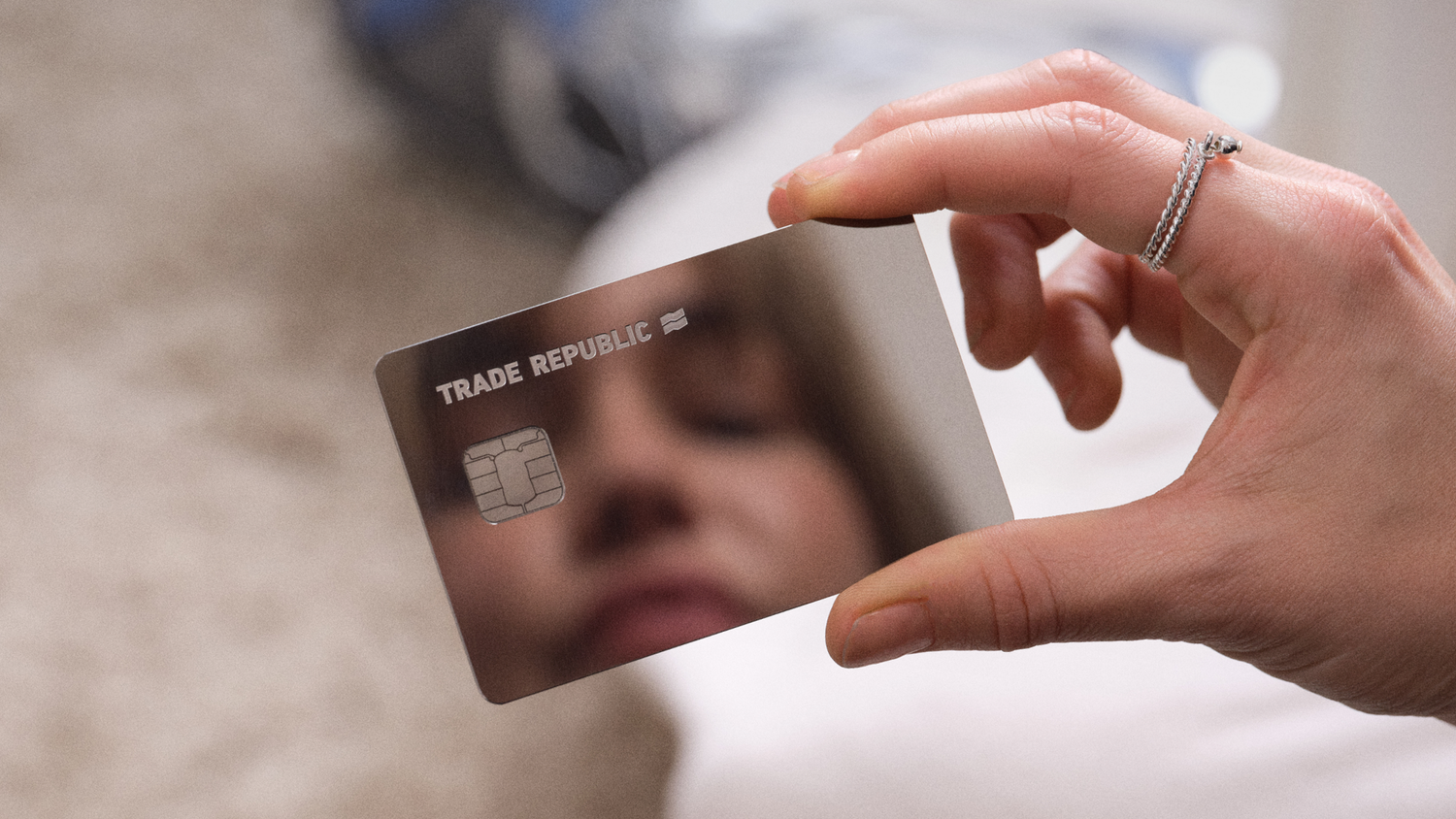
A broker's first physical object draws more than a million people onto a waitlist, and pays 1 percent of every payment into a savings plan.
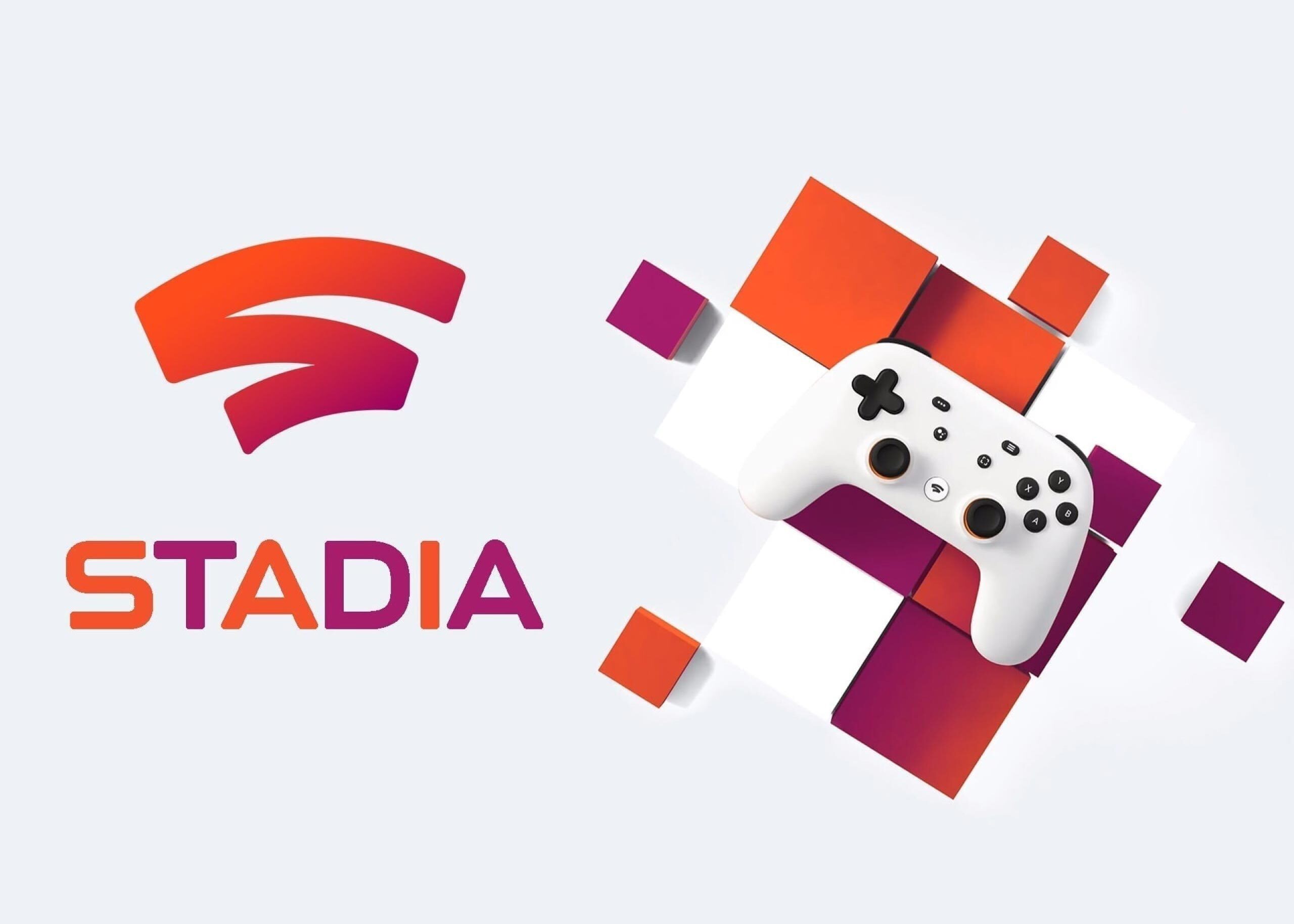
Stadia arrived as Google's entry into gaming and closed three years later, refunding every purchase customers had made.
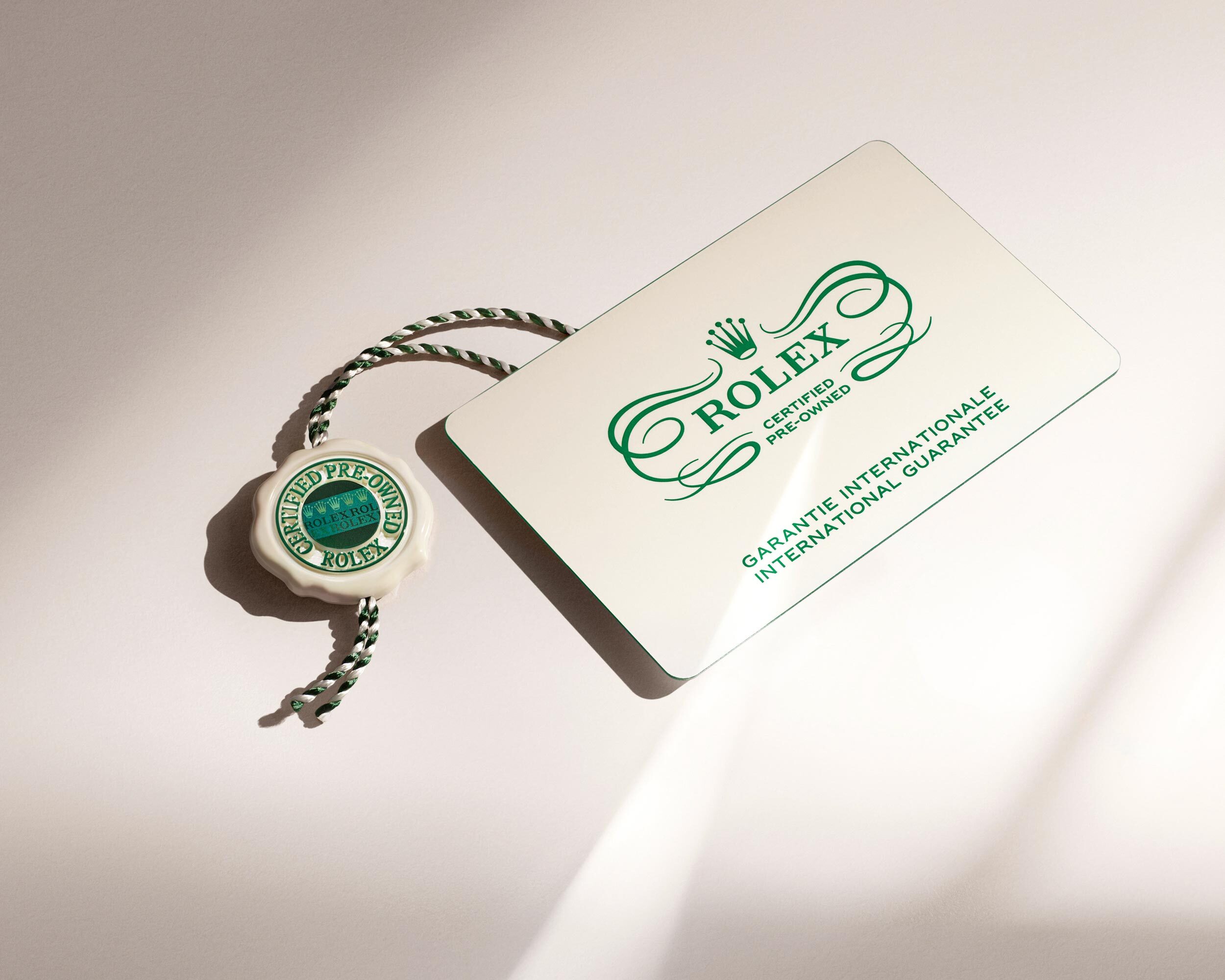
Rolex announced its Certified Pre-Owned programme on 1 December 2022, attaching a new two-year guarantee to watches it is not selling new.
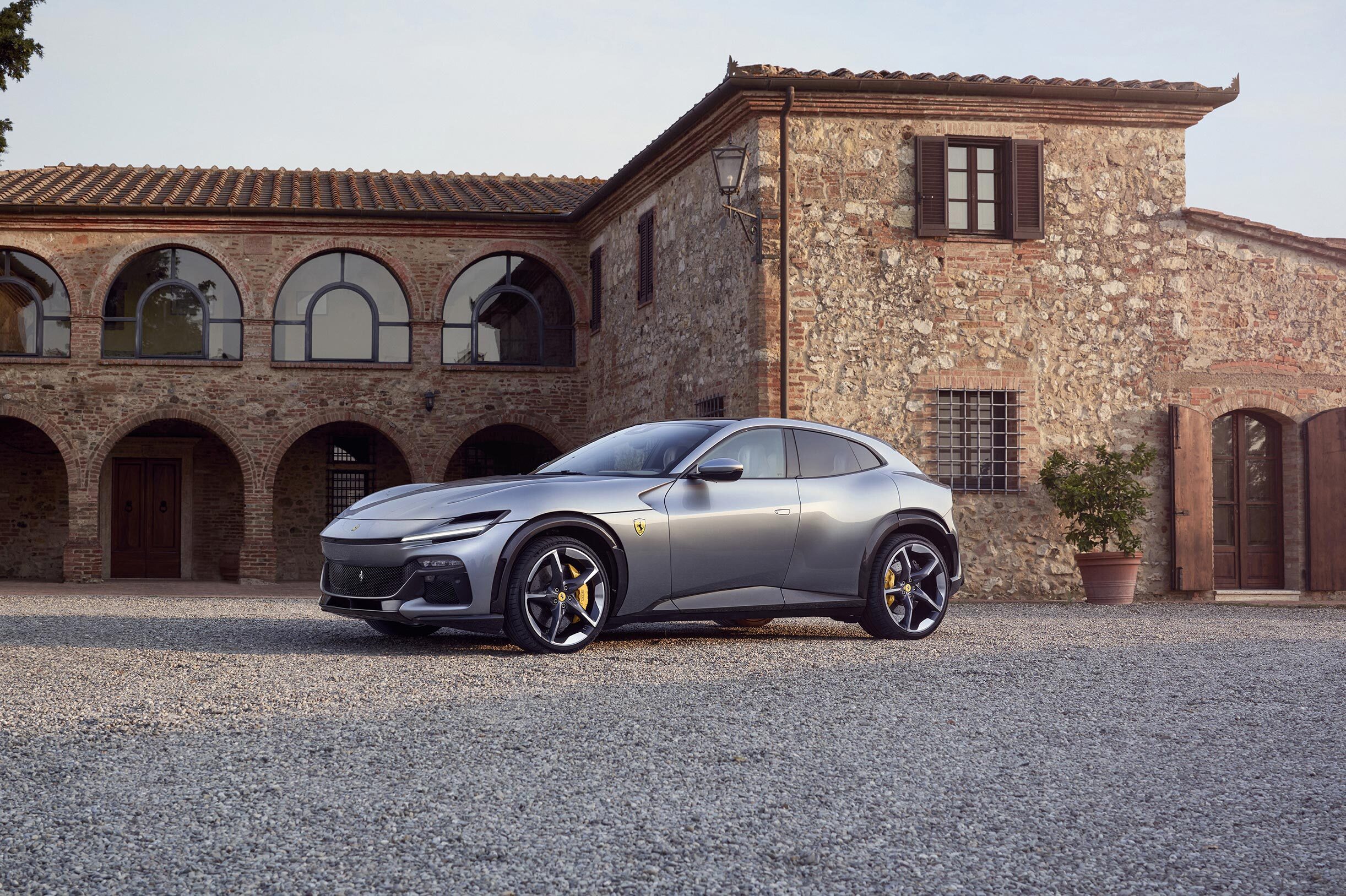
Ferrari reveals its first four-door car as the Purosangue and insists it is not an SUV, defending its positioning through naming and language.
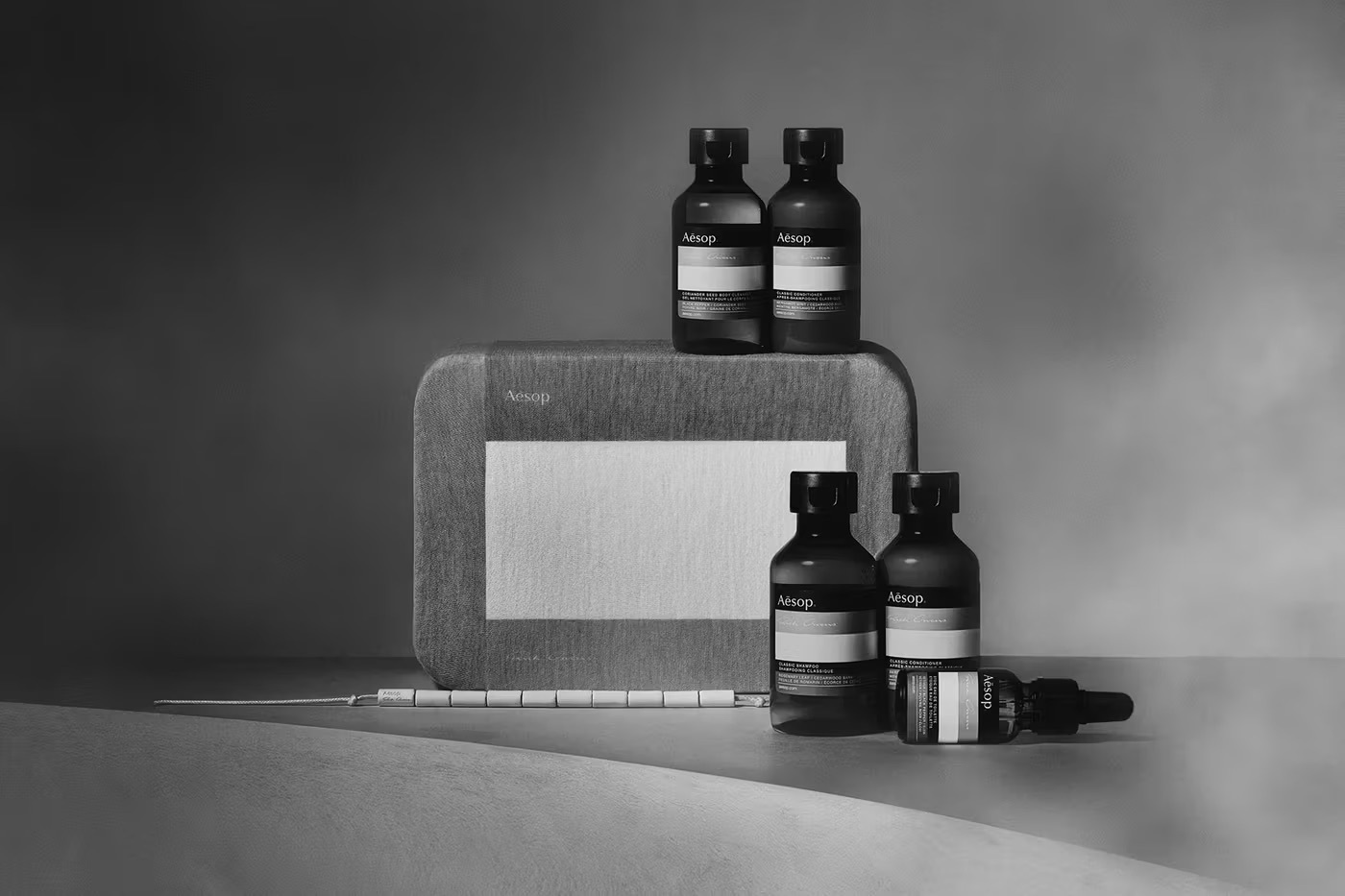
Fashion designer Rick Owens and Aesop release a candle, travel kit, and fragrance called Stoic in March 2022.
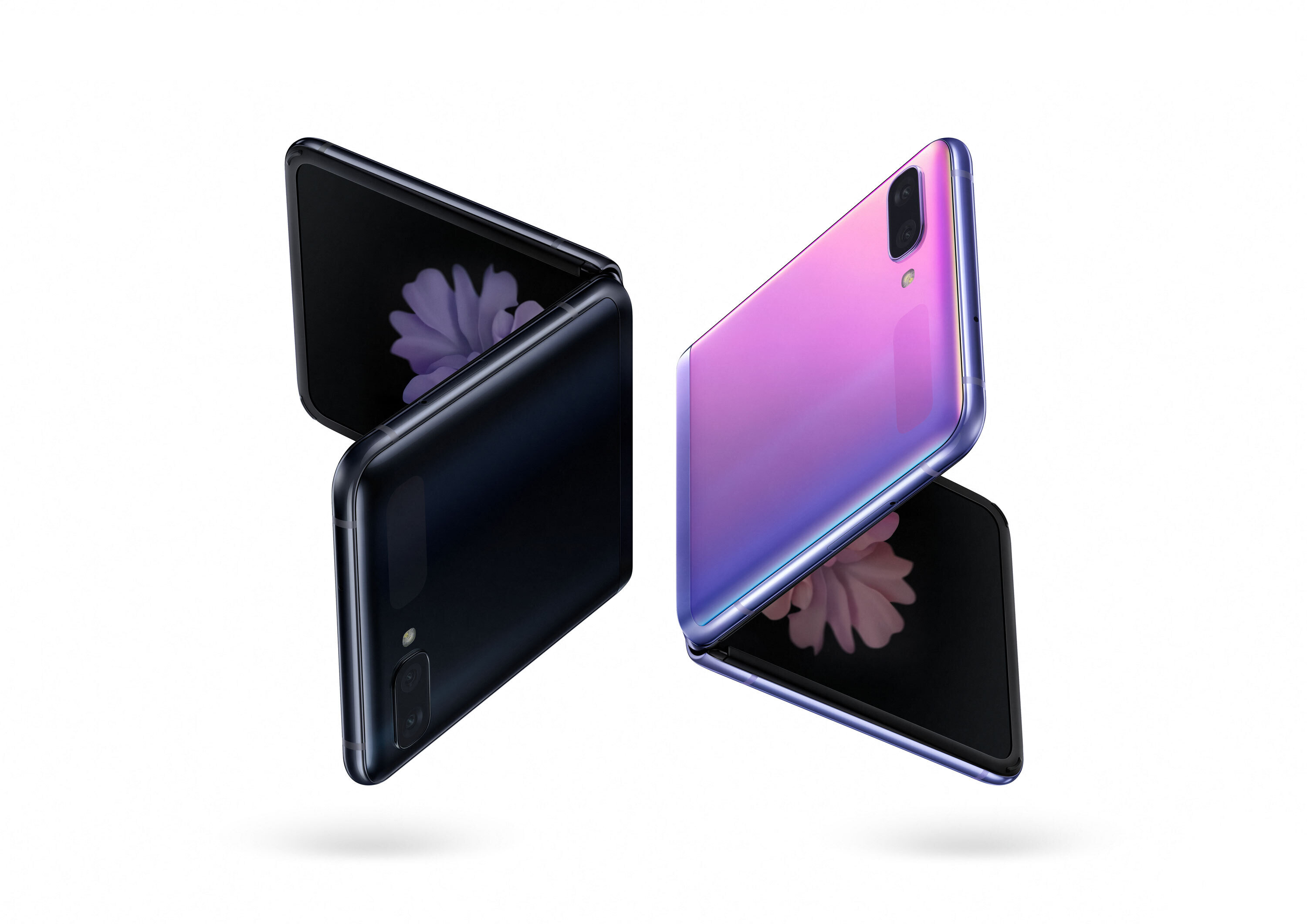
Samsung adds Galaxy Z as the name for its foldables, then folds the Note into the S Ultra tier, tidying a portfolio built by accretion.
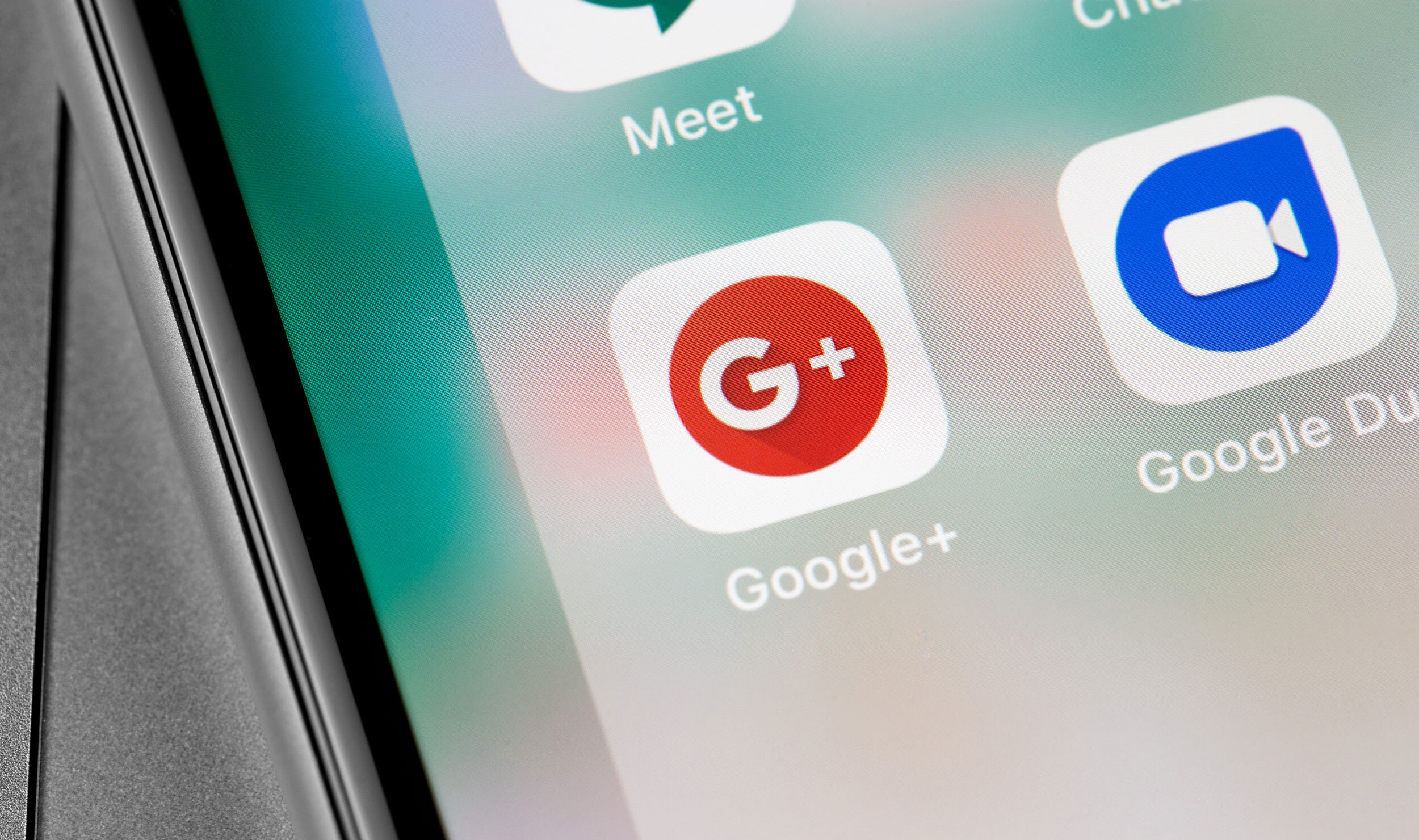
Google+ was meant to become the social layer beneath every Google product, and instead became a lesson in forcing a brand on people.
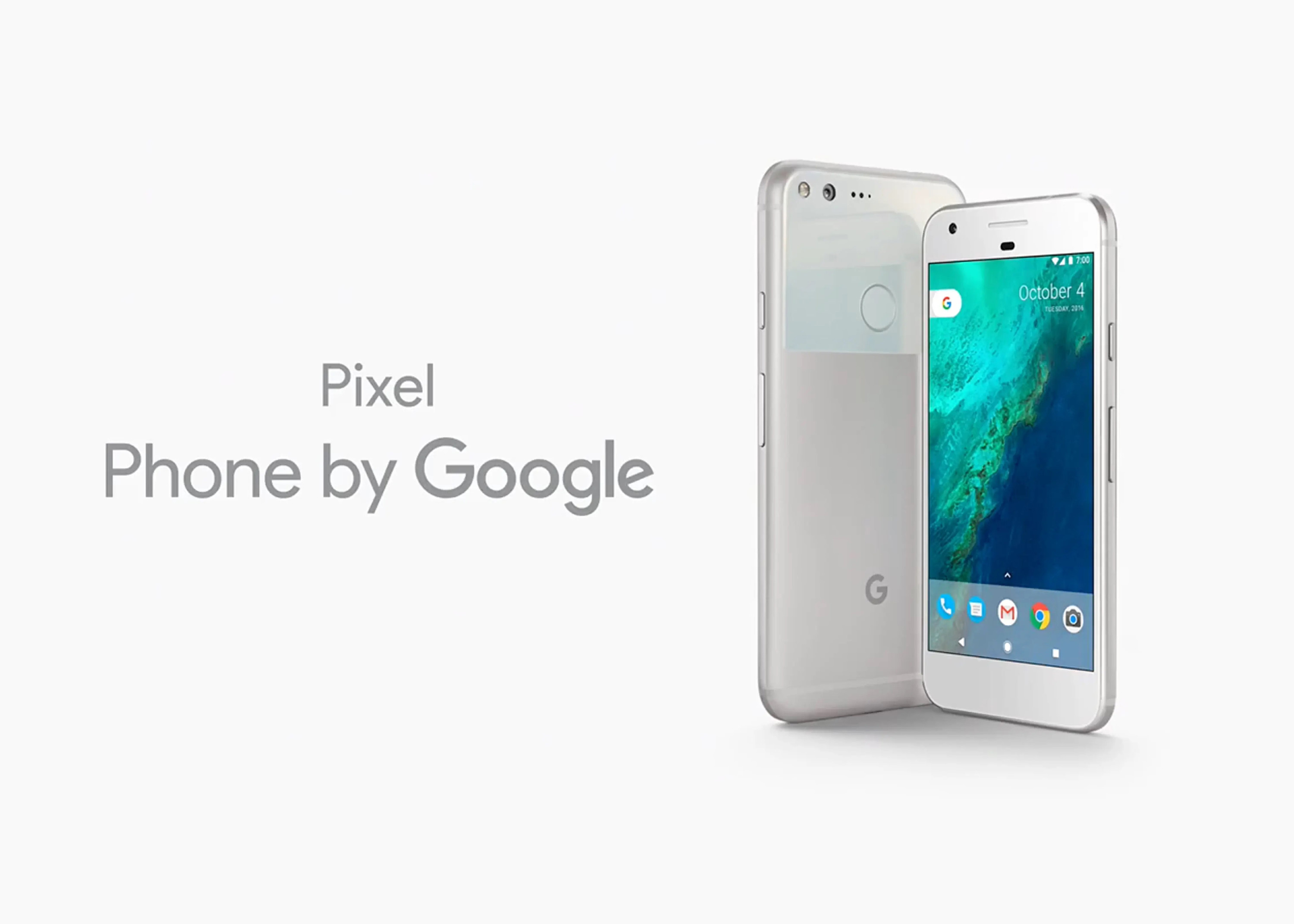
The Pixel was the first phone designed and sold entirely under Google's name, turning the software company into a hardware brand.
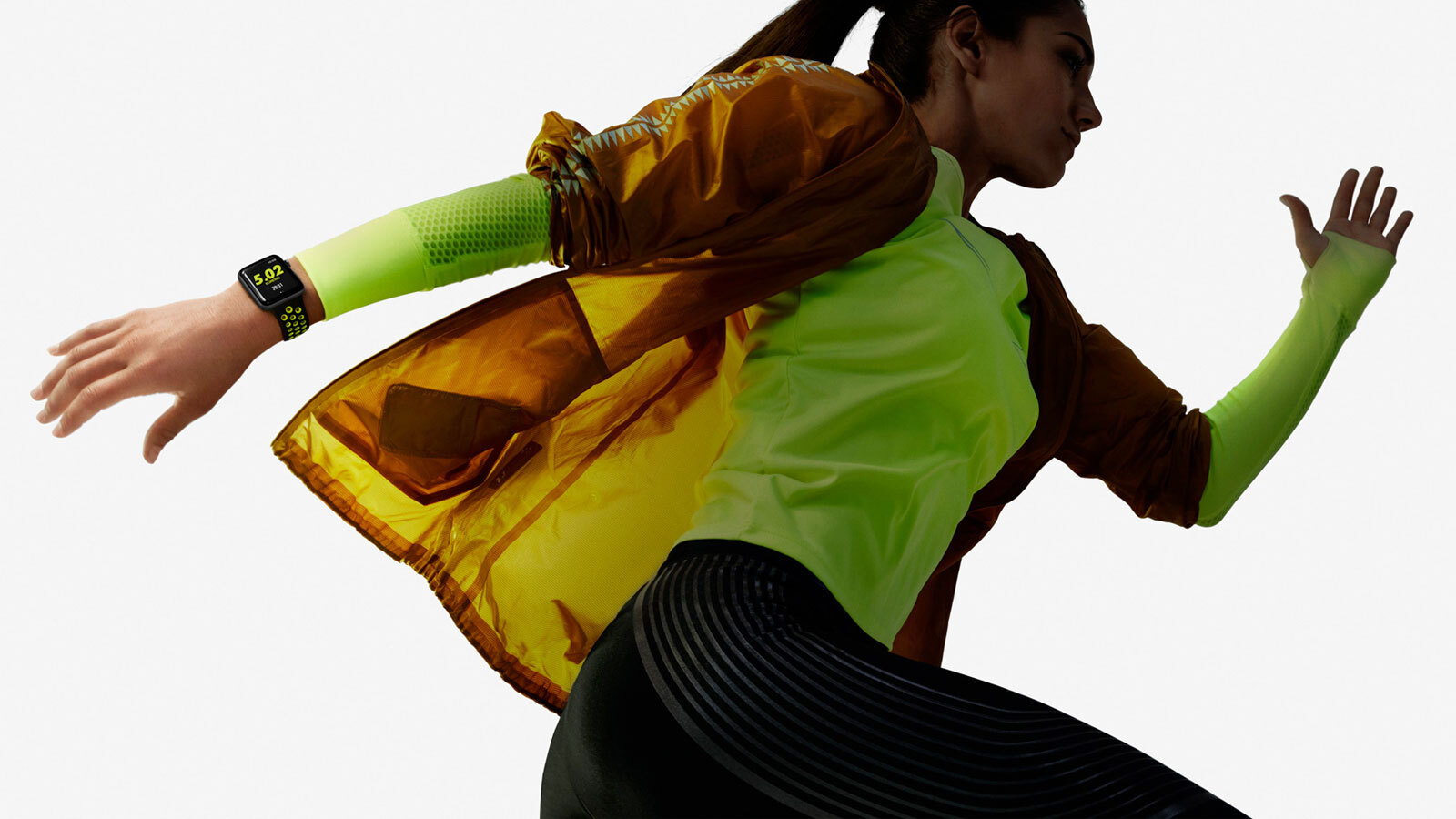
Apple and Nike launched Apple Watch Nike+ in 2016, extending a fitness partnership that began with Nike+iPod a decade earlier.
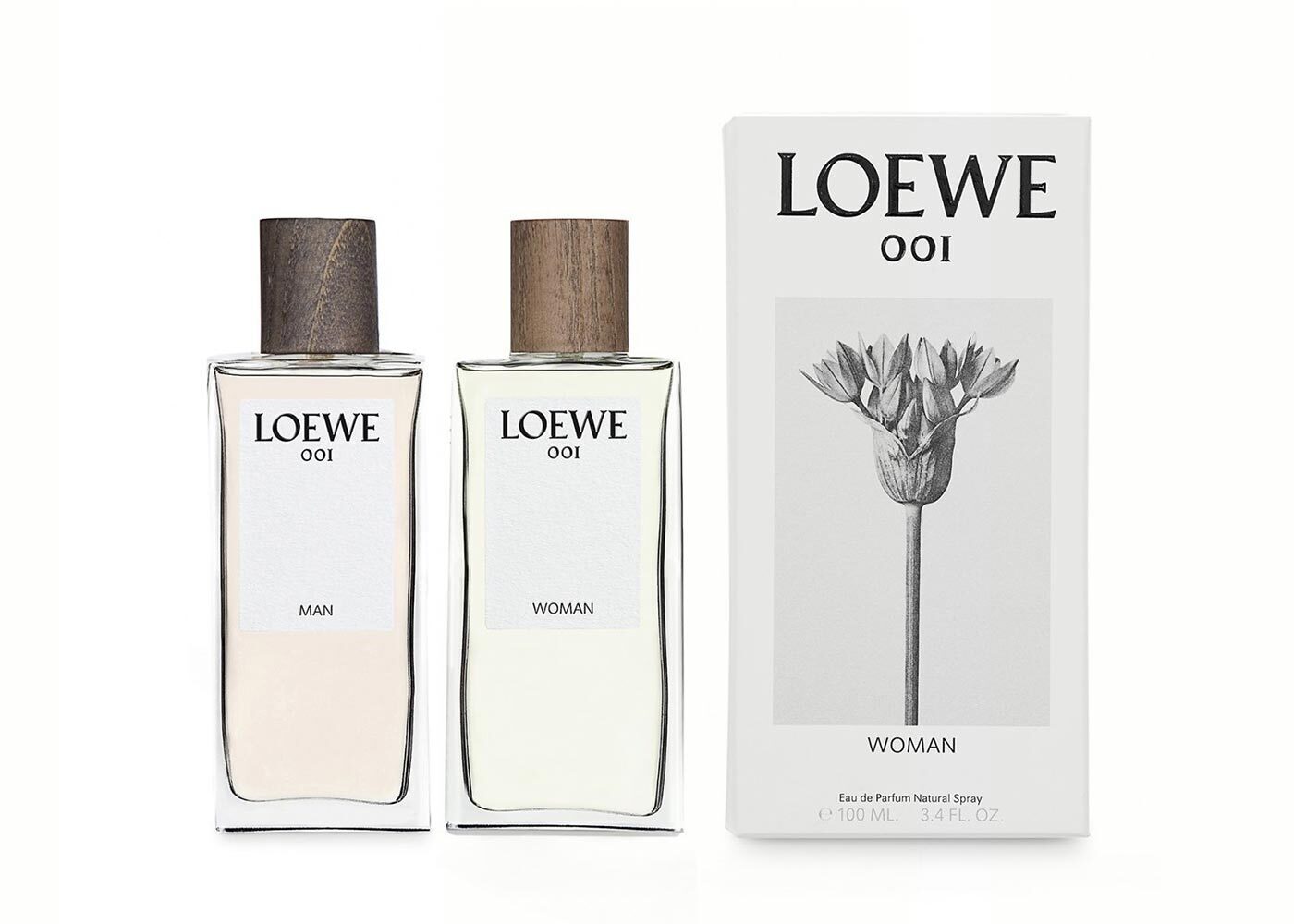
Jonathan Anderson named Loewe's first fragrance 001 in 2016 and packaged it in a book-like box designed with M/M (Paris).
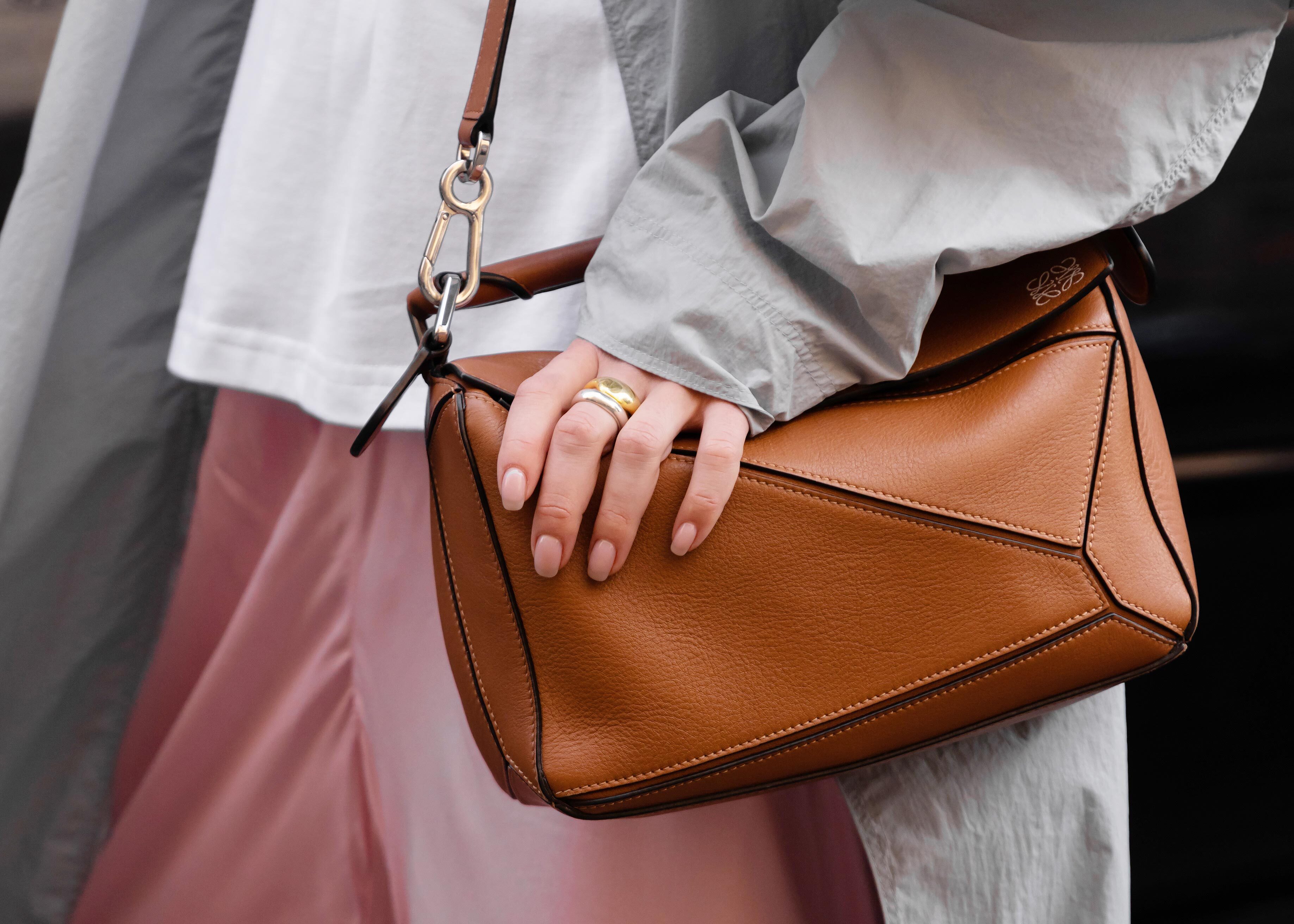
Loewe's Puzzle bag, designed under Jonathan Anderson, turned leather craft into a modern signature and anchored the brand's revival.
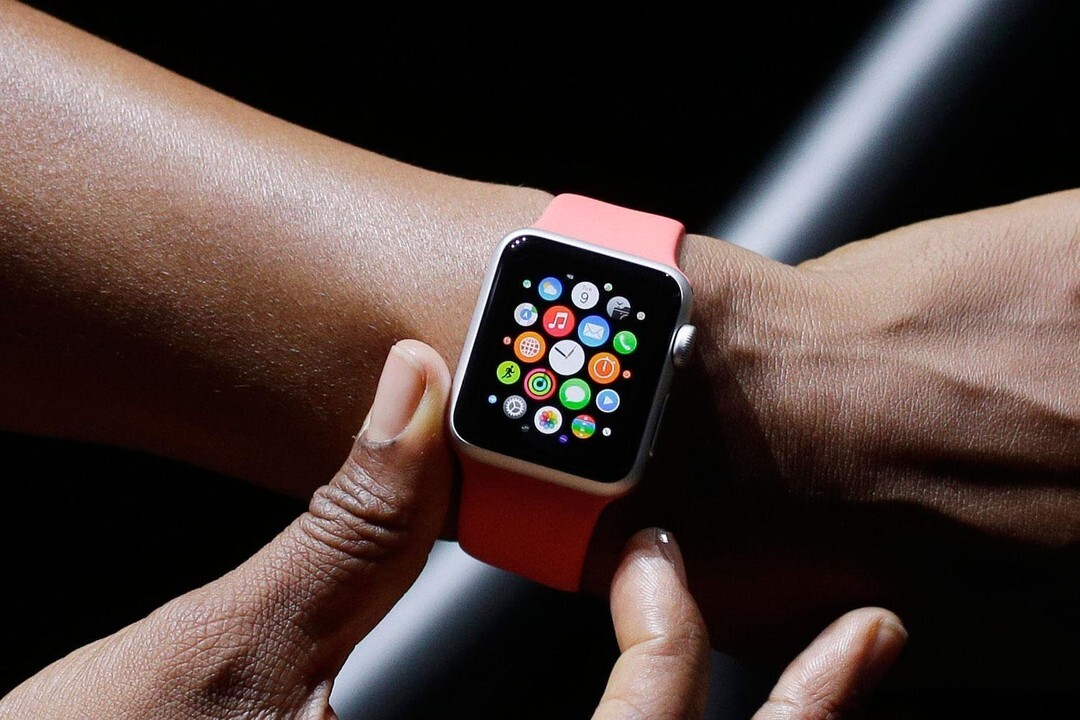
In 2014 Apple introduced the Watch, its first new category under Tim Cook, and positioned it as the most personal device the company had made.
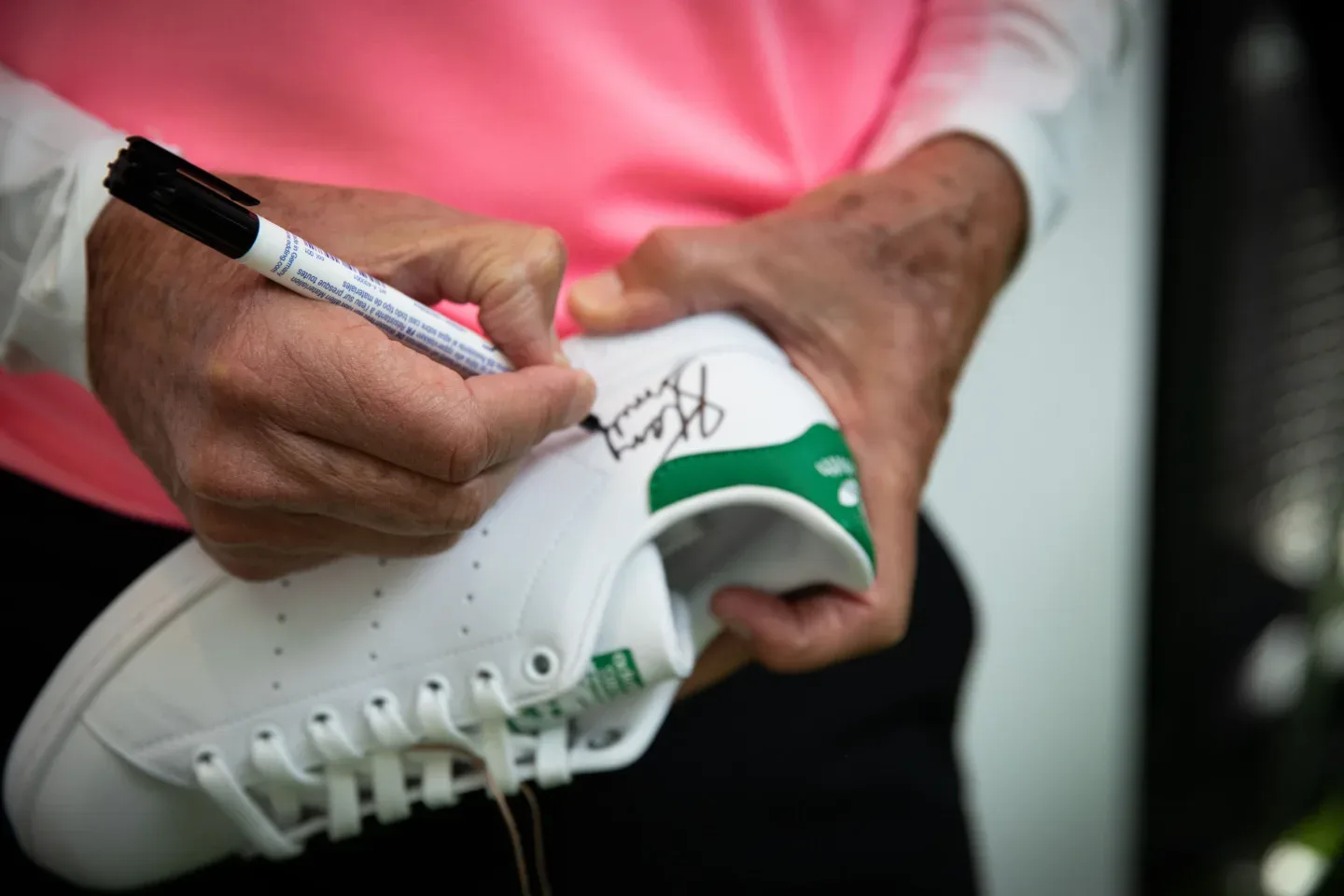
adidas withdrew the Stan Smith, then relaunched it in 2014 using scarcity to turn an old tennis shoe into a fashion phenomenon.
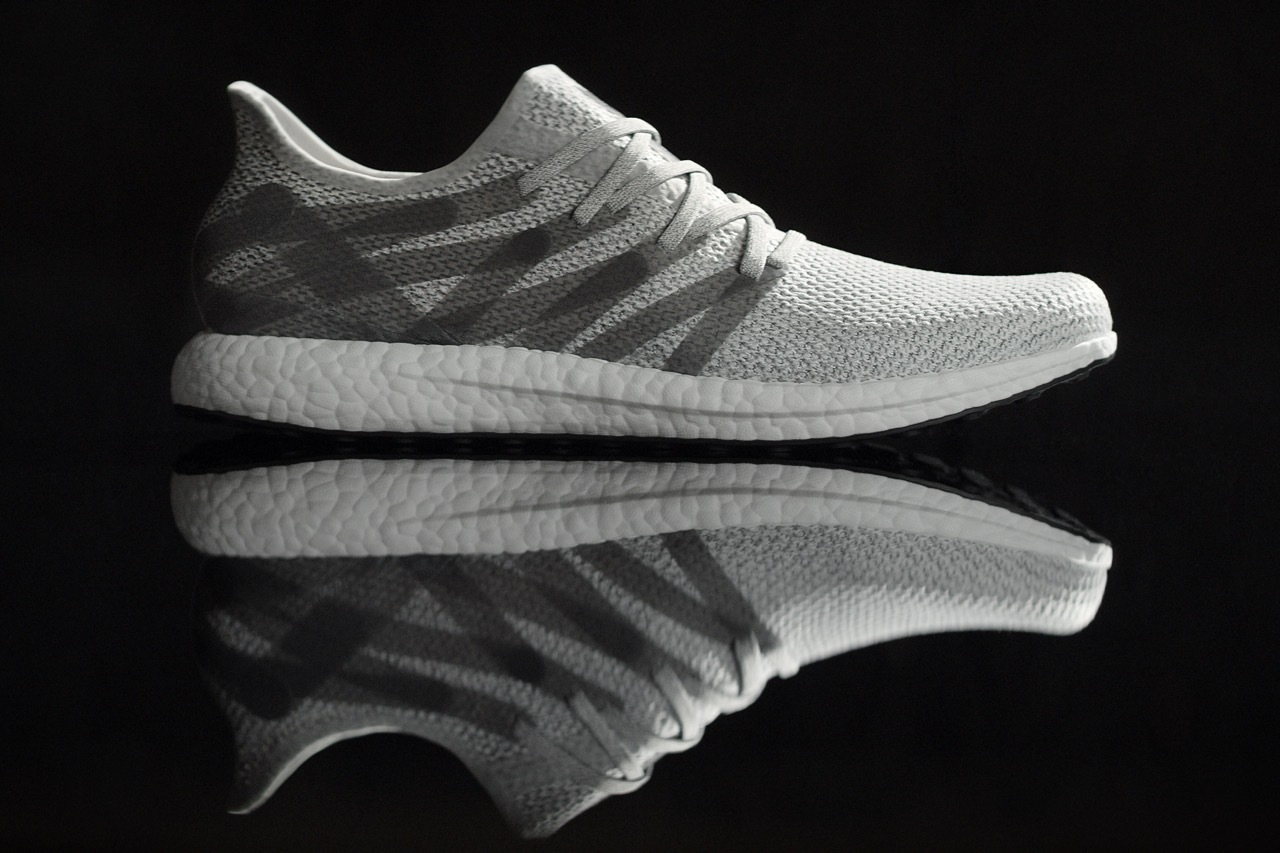
adidas launched Boost in 2013, a cushioning technology developed with BASF that became a branded ingredient across its shoes.
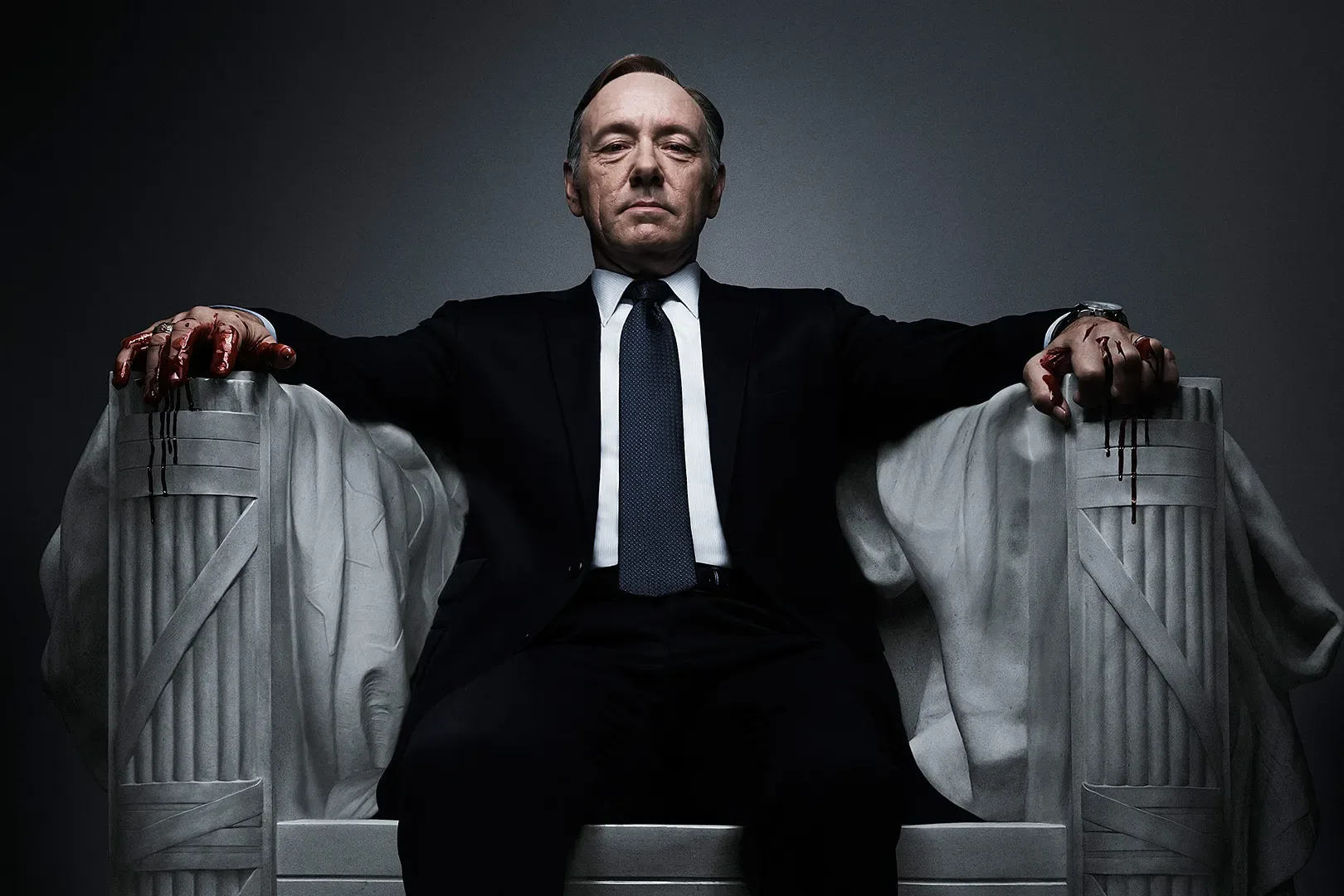
Netflix releases all 13 episodes of House of Cards on 1 February 2013, repositioning the streaming service as an original content brand.
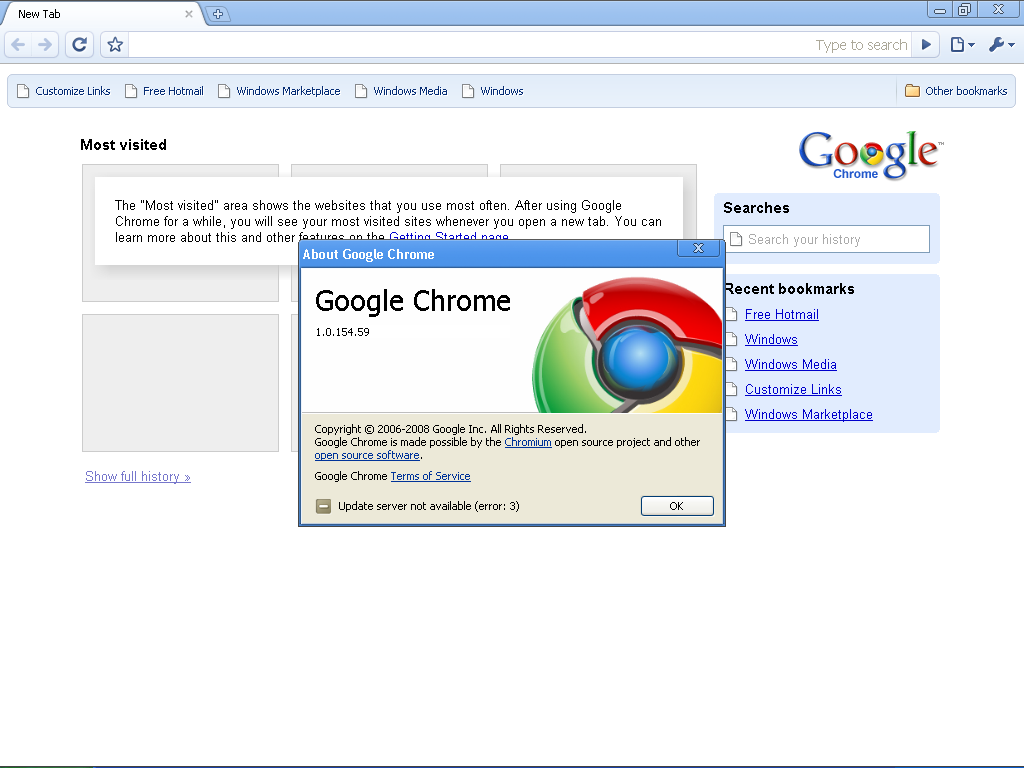
Google released its own browser in 2008, securing the path to its search engine and creating a product brand with a family of its own.
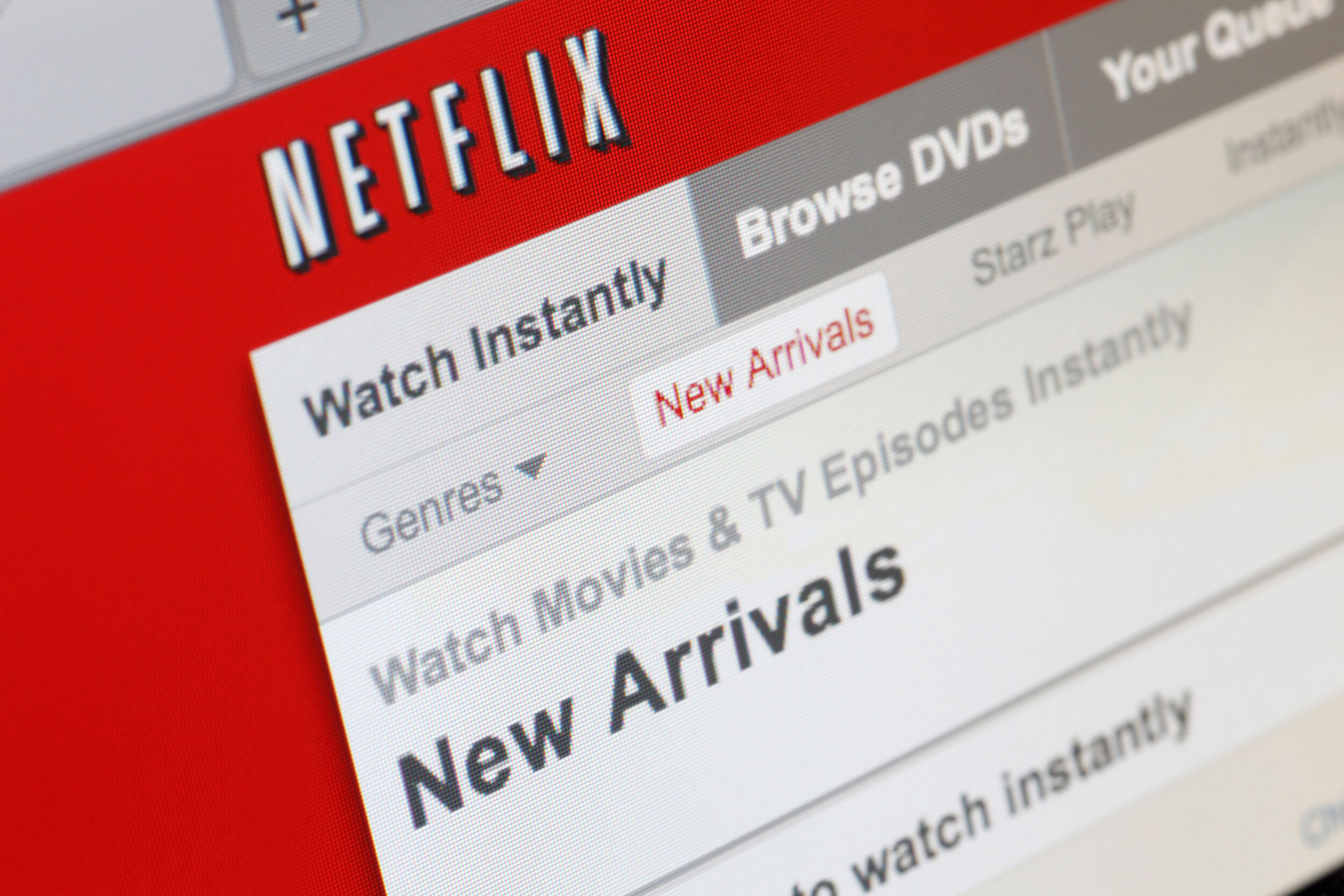
Netflix introduces the Watch Now streaming feature in January 2007, beginning the pivot that carried the brand beyond the red envelope.
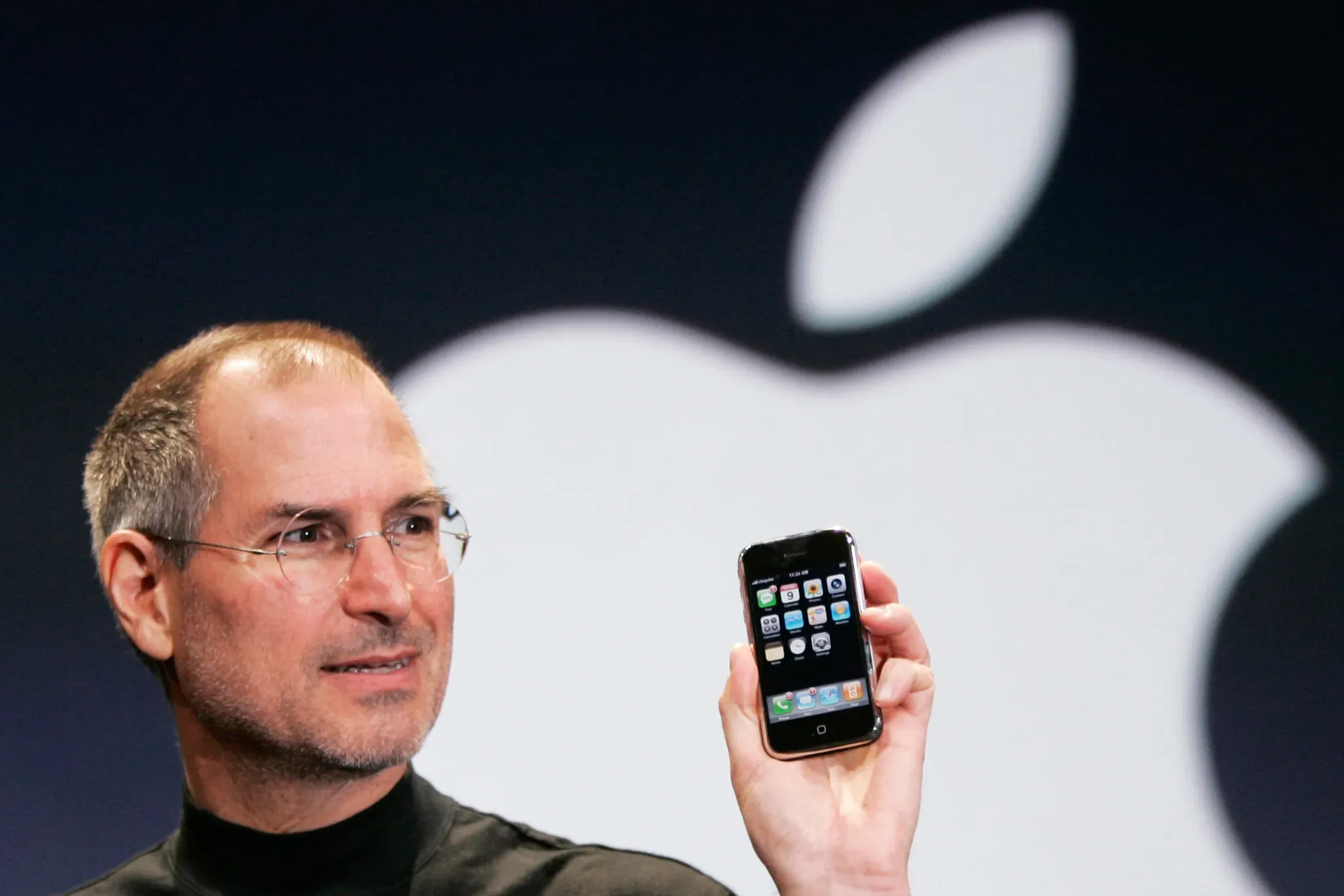
In 2007 Apple unveiled the iPhone and quietly redefined what the company stood for, from computer maker to mobile platform.
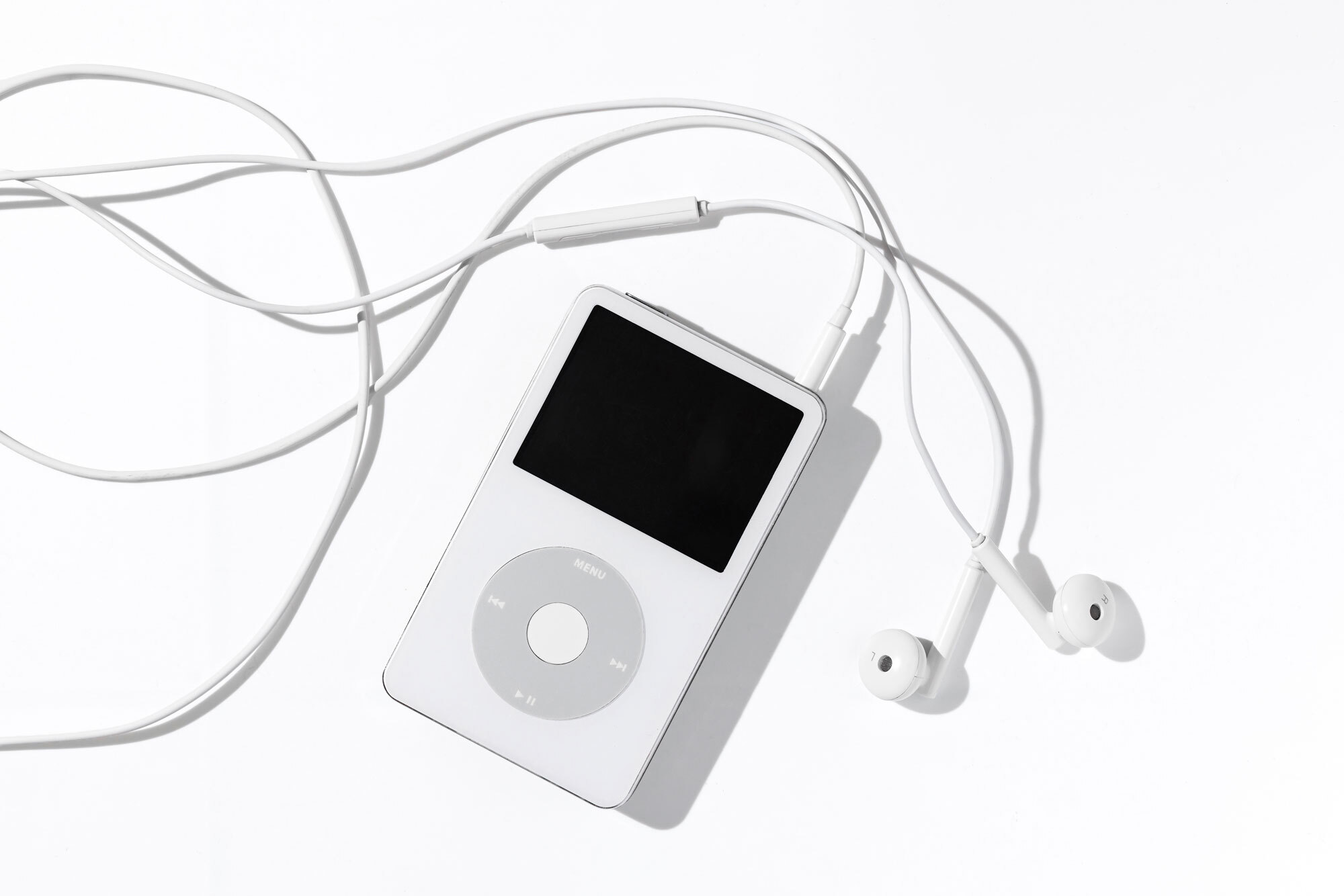
A music player and a piece of software turned a struggling computer company into a consumer brand, and white earbuds did the advertising.
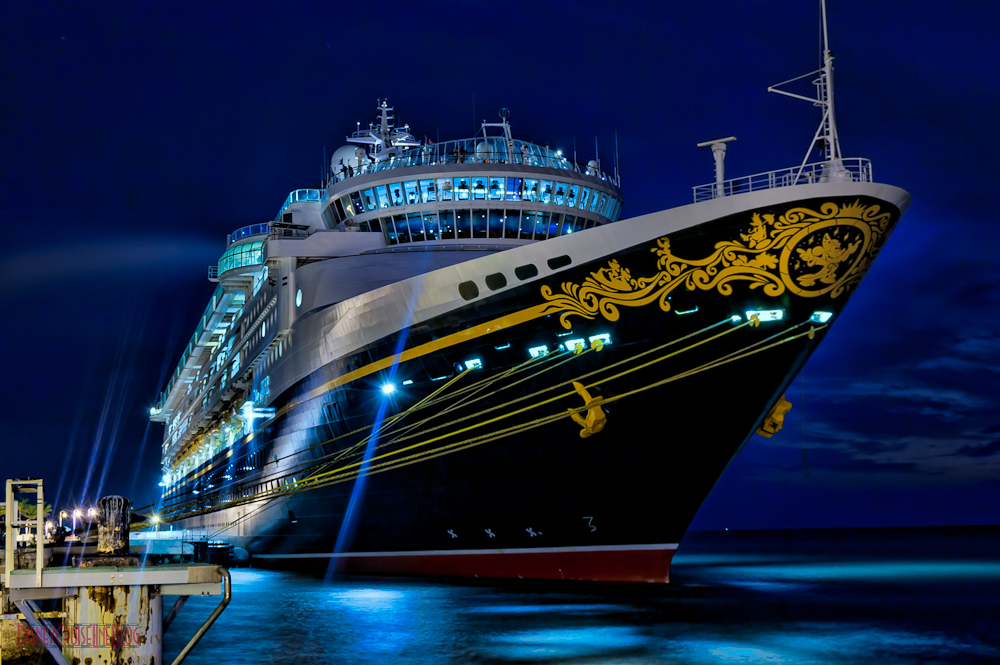
In 1998 Disney launched its first cruise ship, the Disney Magic, carrying the brand's immersive storytelling out onto the open sea.
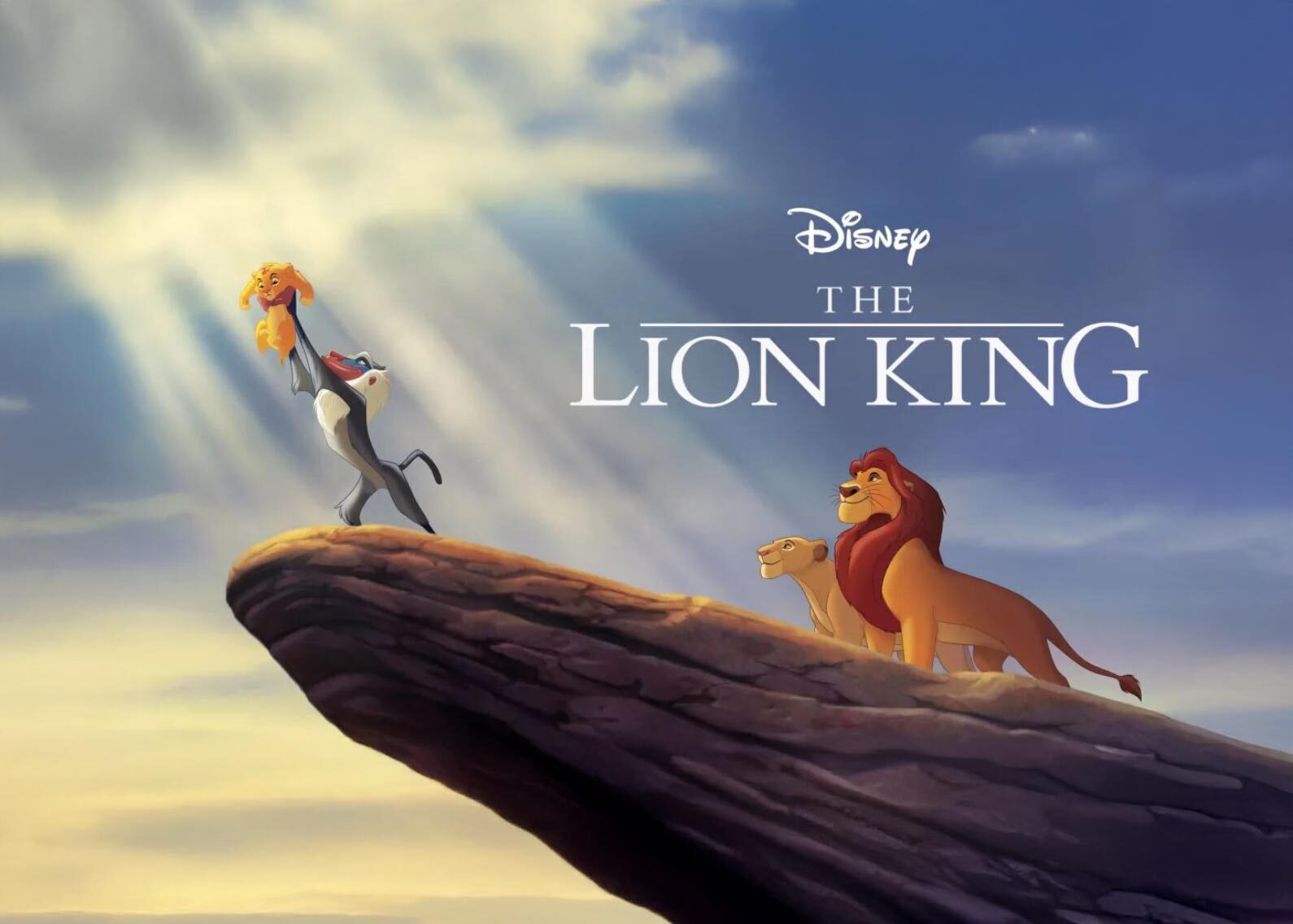
The Lion King became the commercial peak of the Disney Renaissance and the studio's first great hit built on an original story.
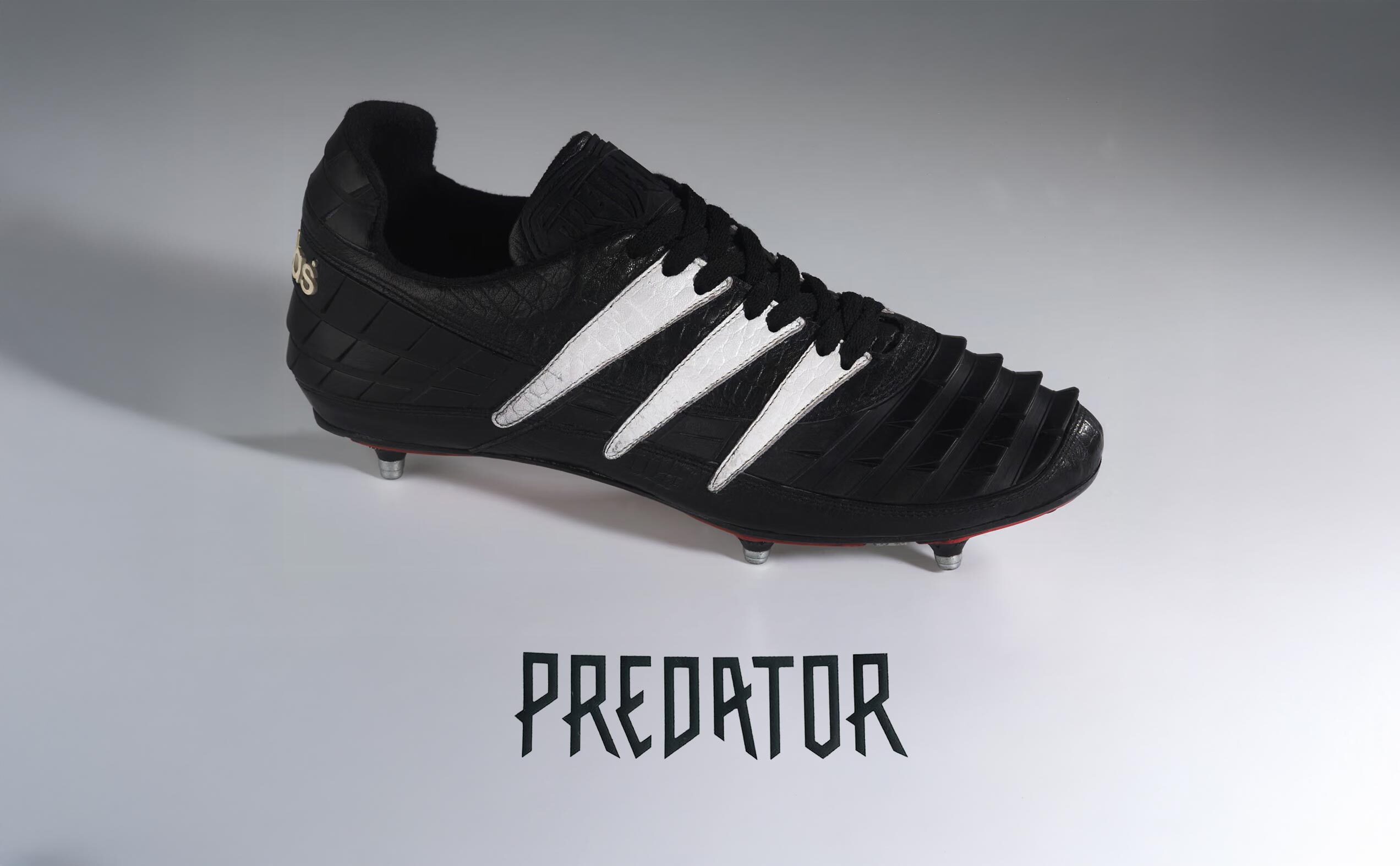
adidas launched the Predator boot in 1994, an invention by Craig Johnston that became a defining football brand for decades.
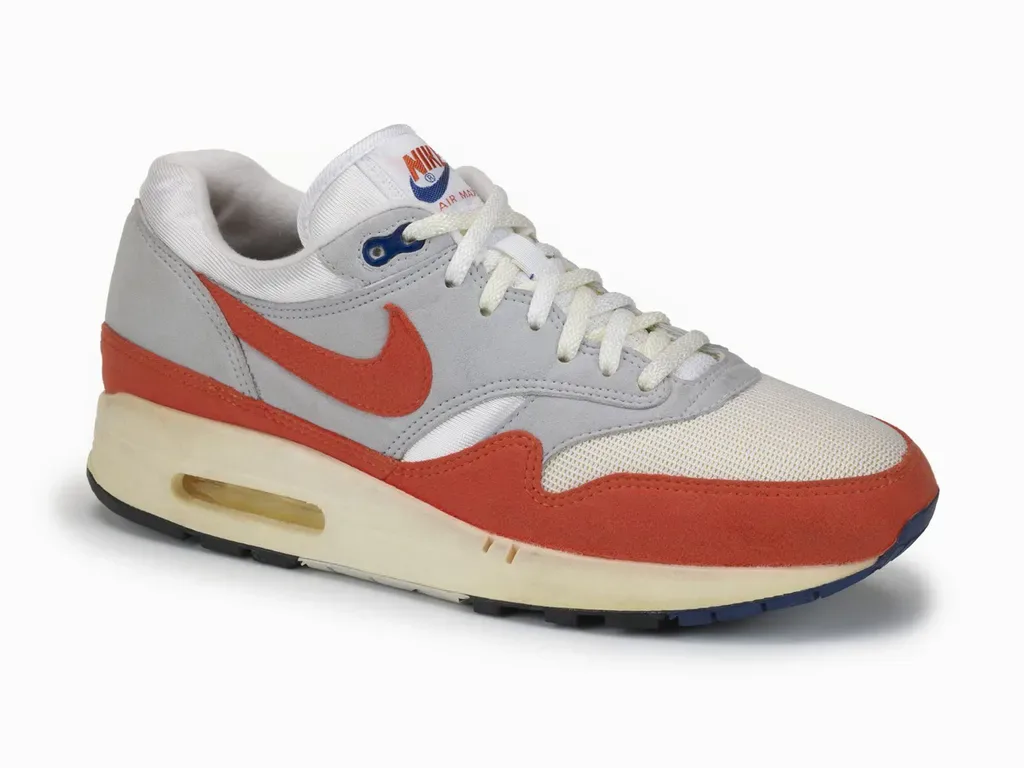
On 26 March 1987 Nike released the Air Max 1, the first sneaker to expose its Air unit, designed by Tinker Hatfield.
Nike launched the Air Jordan 1 on 1 April 1985, designed by Peter Moore and worn by Michael Jordan, foundation of the Jordan sub-brand.
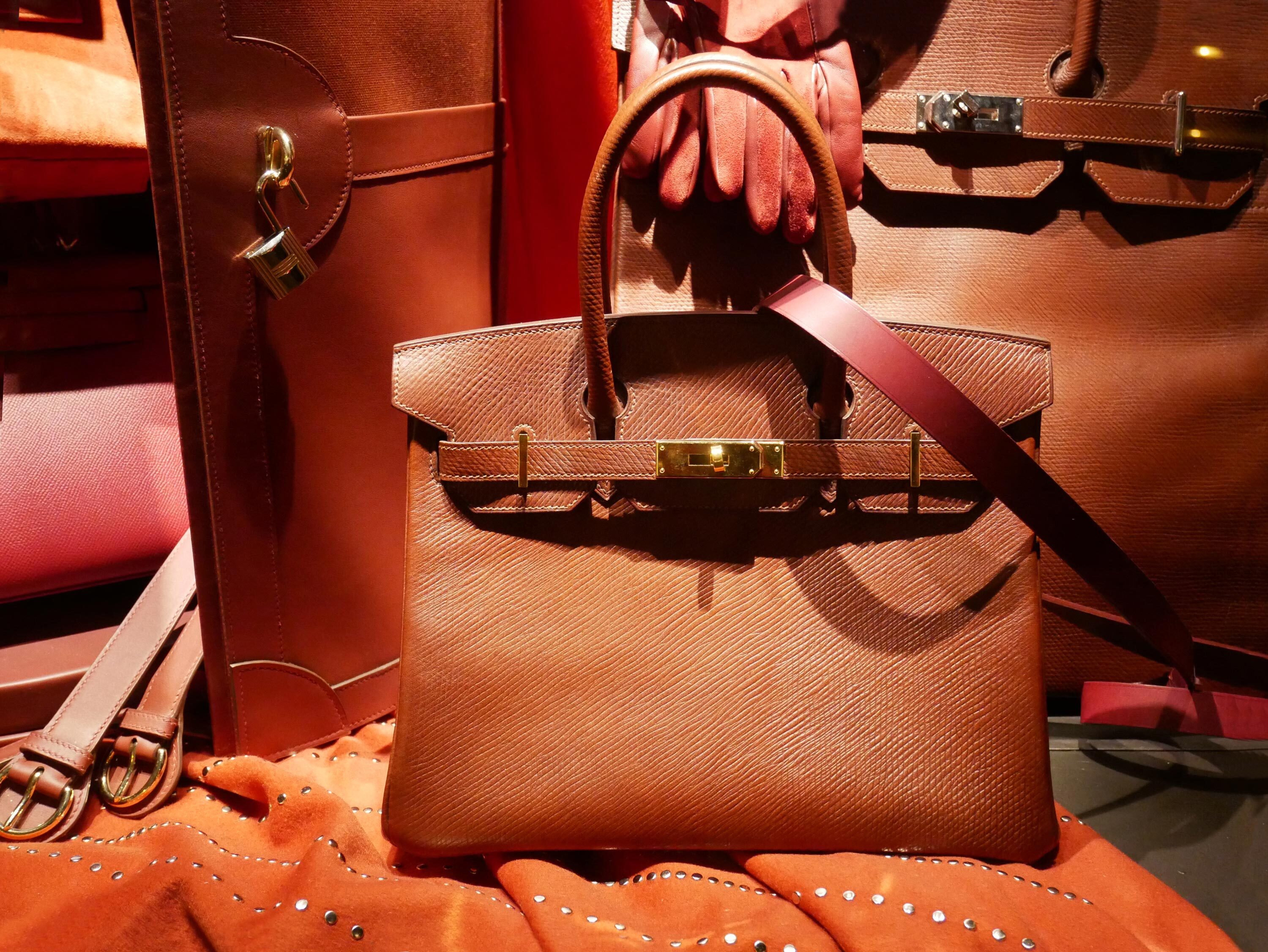
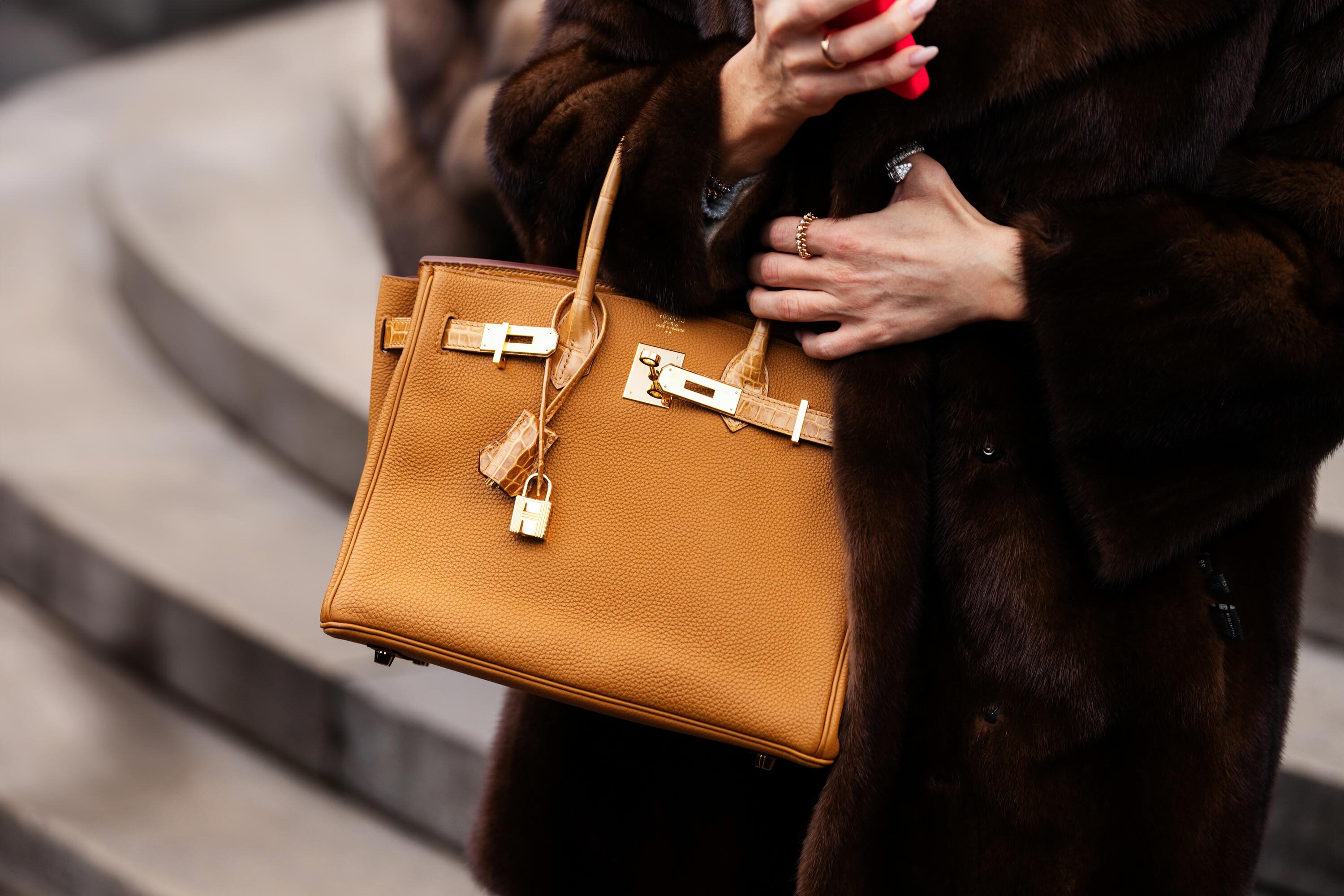
The 1984 Birkin turned a chance flight into Hermès' defining brand asset, built on controlled scarcity rather than advertising.
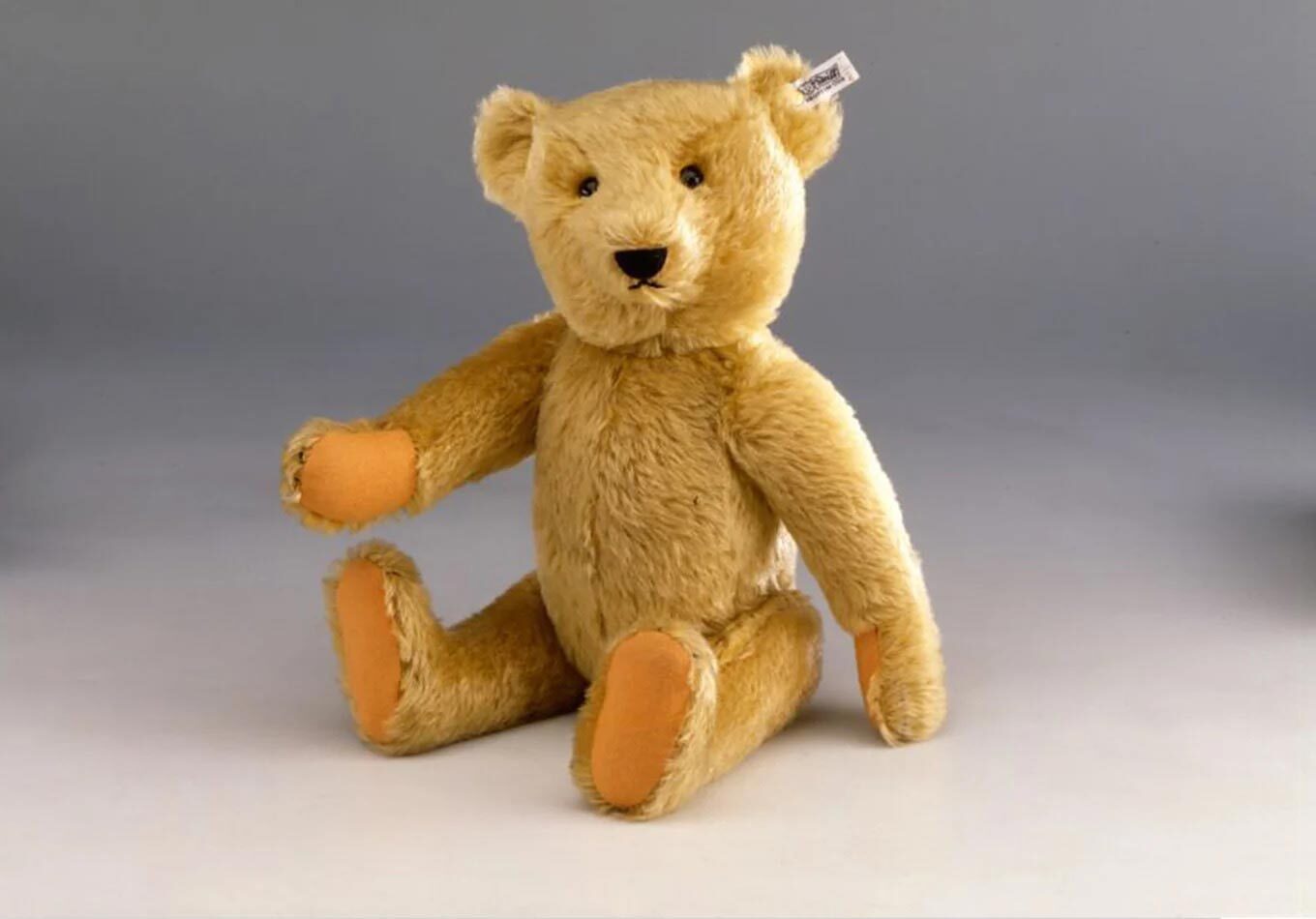
Steiff turns its archive into a category and reframes the teddy bear as a collectible with the Papa Bear, a limited edition for the brand's 100th anniversary.
In 1977, two decades after Grace Kelly made it famous, Hermès formally renamed its Sac à Dépêches the Kelly bag, with her permission.
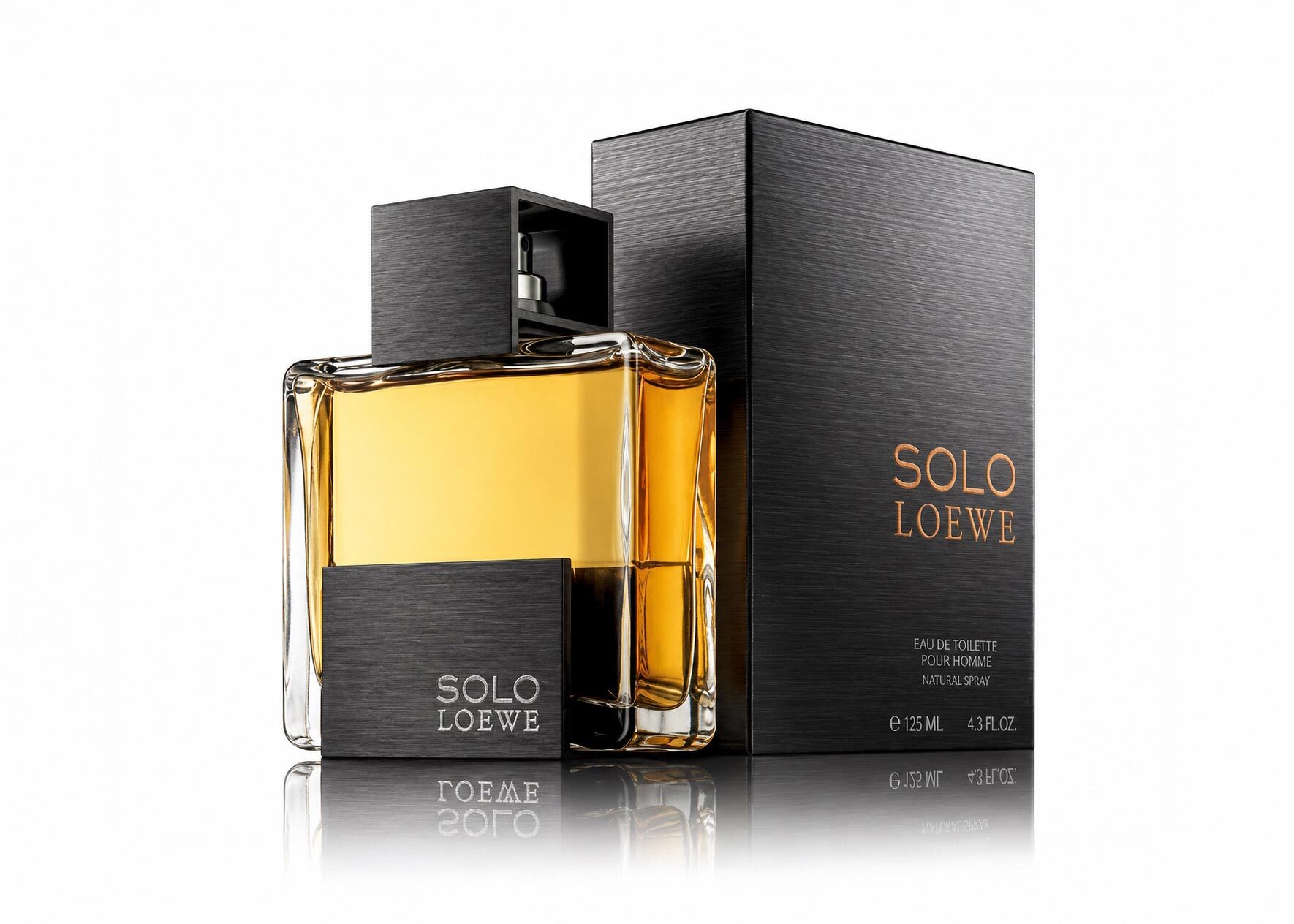
Since its first perfume in 1972, Loewe has released a new signature fragrance roughly once a decade, building a slow, plain-named line.
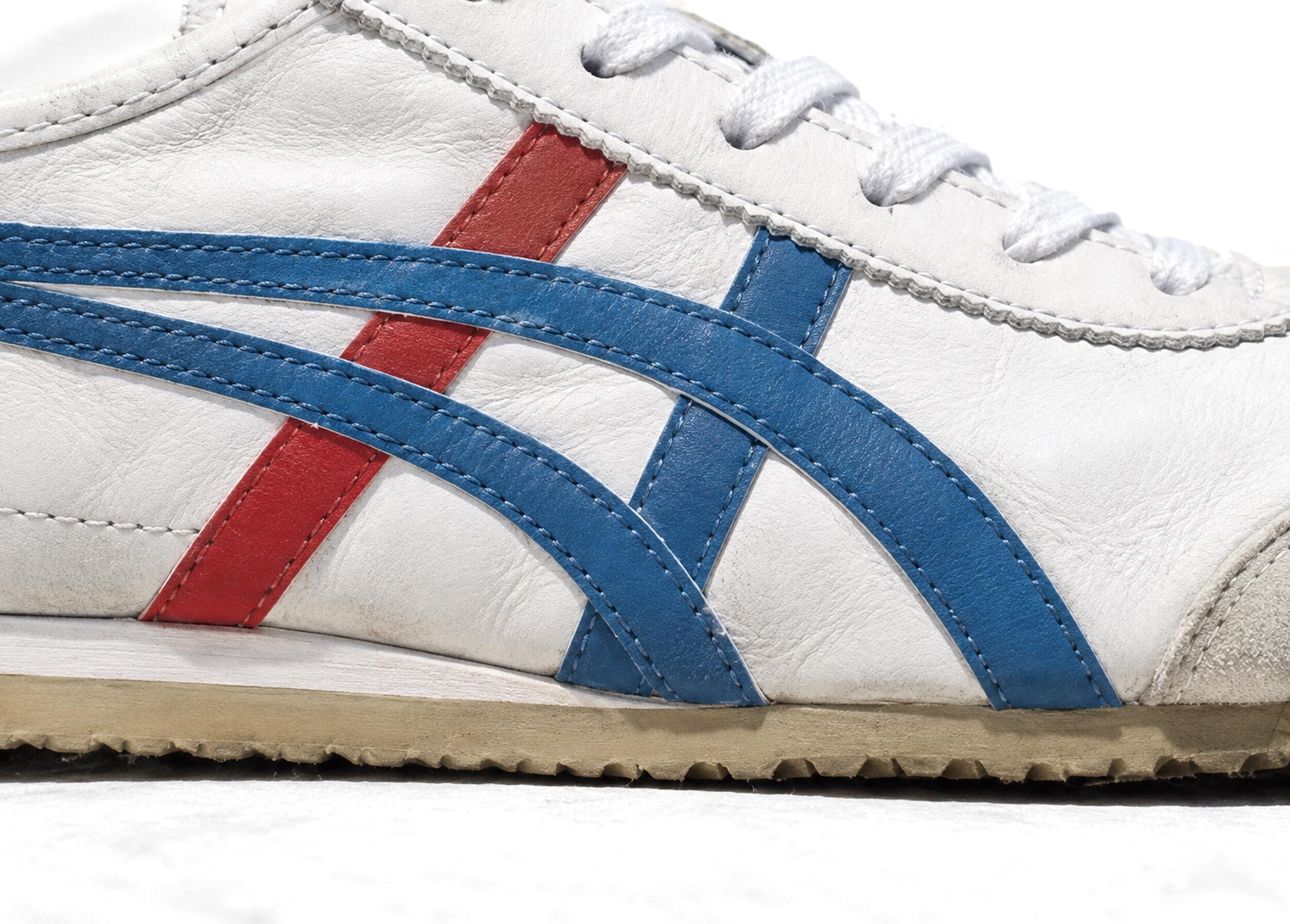
A staff competition produced the crossed stripe in 1966. The brand that made it was retired in 1977, and the mark carried on.
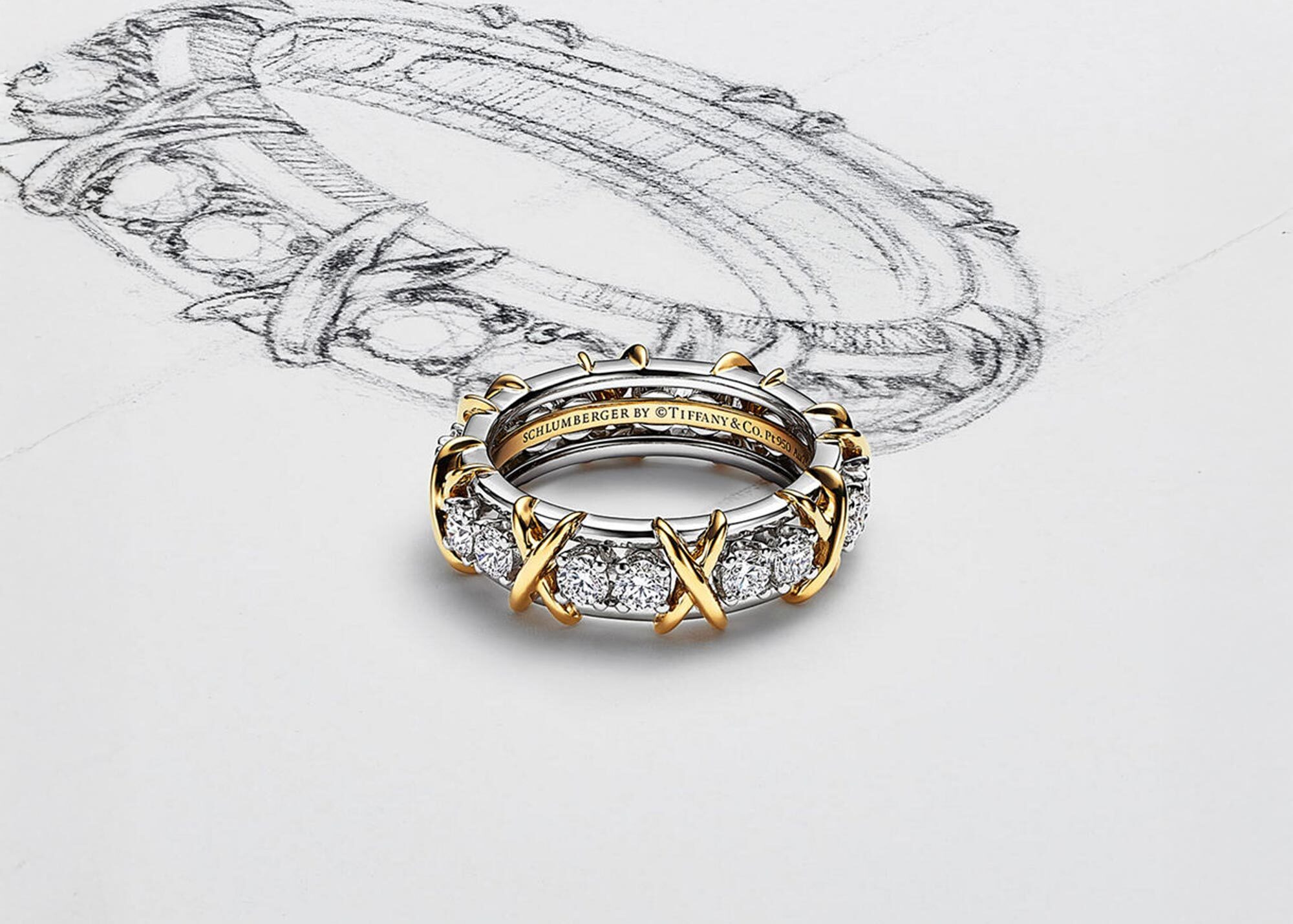
In 1959, Tiffany designer Jean Schlumberger created the Sixteen Stone ring, founding a named-designer tradition the house still relies on.
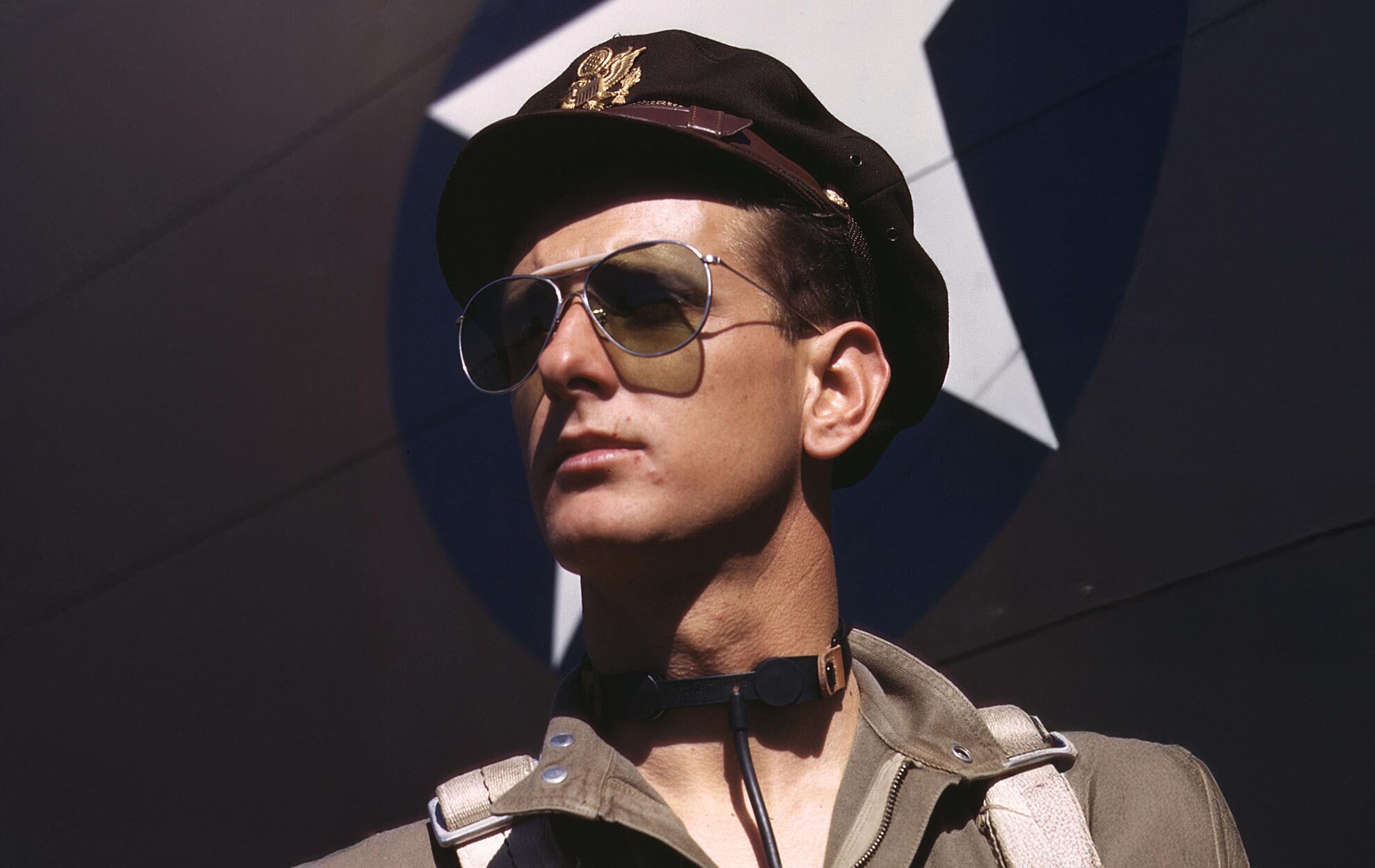
Ray-Ban introduced the Aviator in 1937, a Bausch & Lomb design that turned anti-glare lenses into a brand.
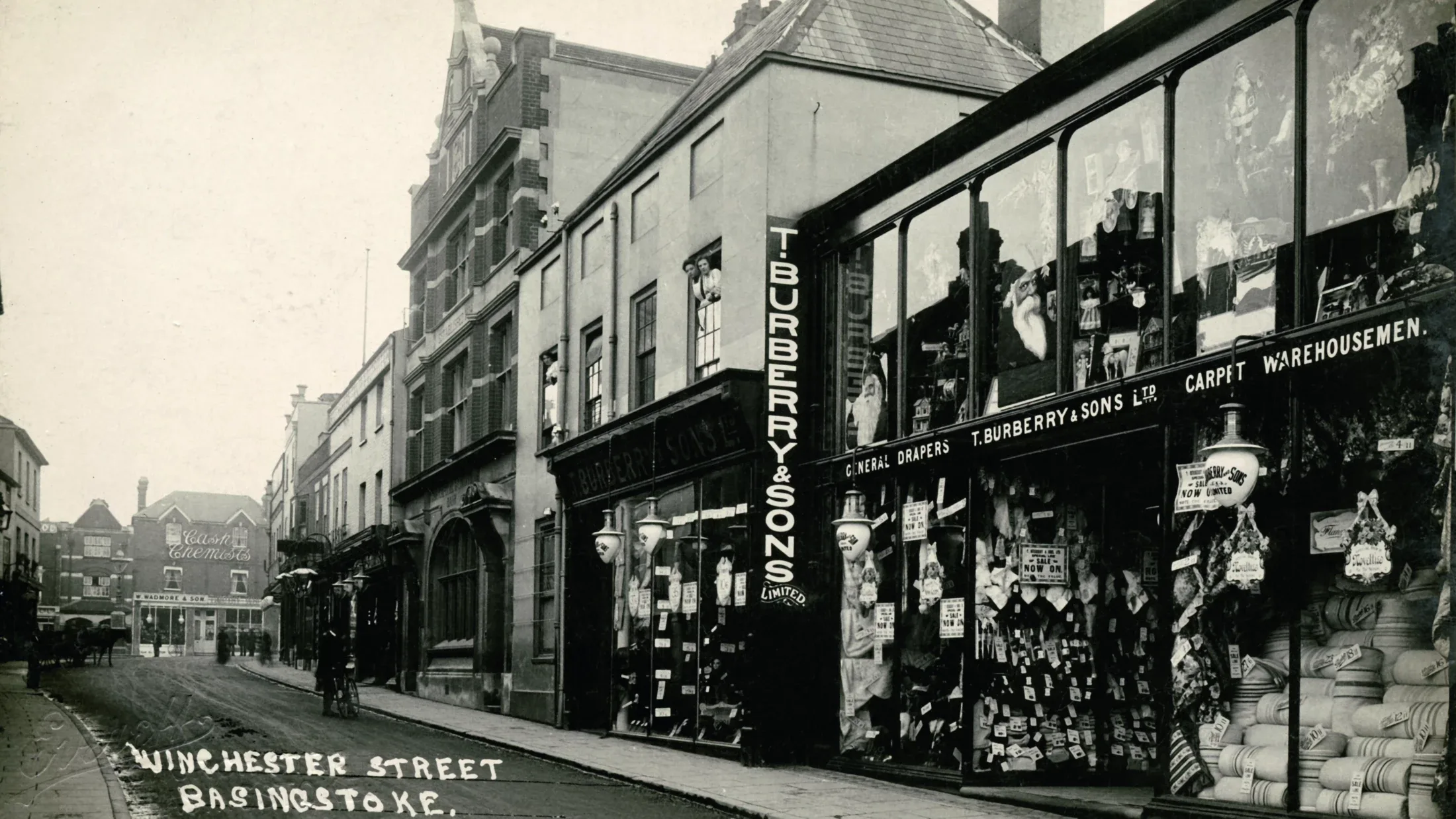
In 1879, Thomas Burberry invents gabardine, a tightly woven, breathable and weatherproof fabric that anchors the house for over a century.