Brand strategy and positioning
Strong brands are not built from a single clever idea. They are built in layers, from the reason a brand exists to the way it is led over decades. This section walks that whole arc in order, from theory to the concepts you can apply.
The evolution of positioning
Positioning is not a fixed rule but an idea that has shifted with every era — from loud product claims to today's experiments. Each decade reframed what it means to stand apart.
-
1950s
The Product era
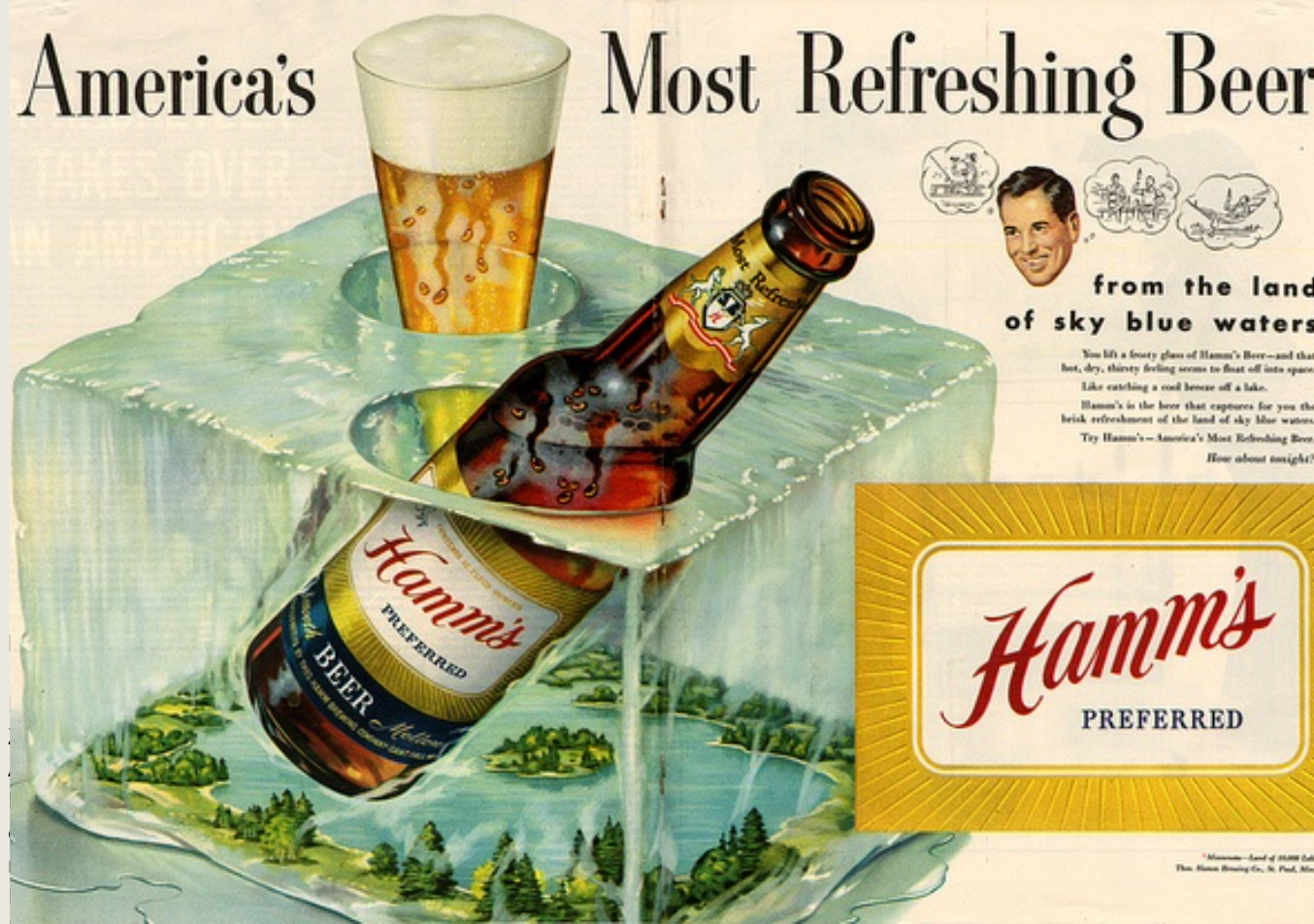
Brands competed on what the product could do, and claims grew louder. As me-too products multiplied, features alone stopped setting any brand apart.
Takeaway A strong product is not enough when everyone offers the same.
Hamm's positioned itself on the product, as America's most refreshing beer.
-
1960s
The Image era
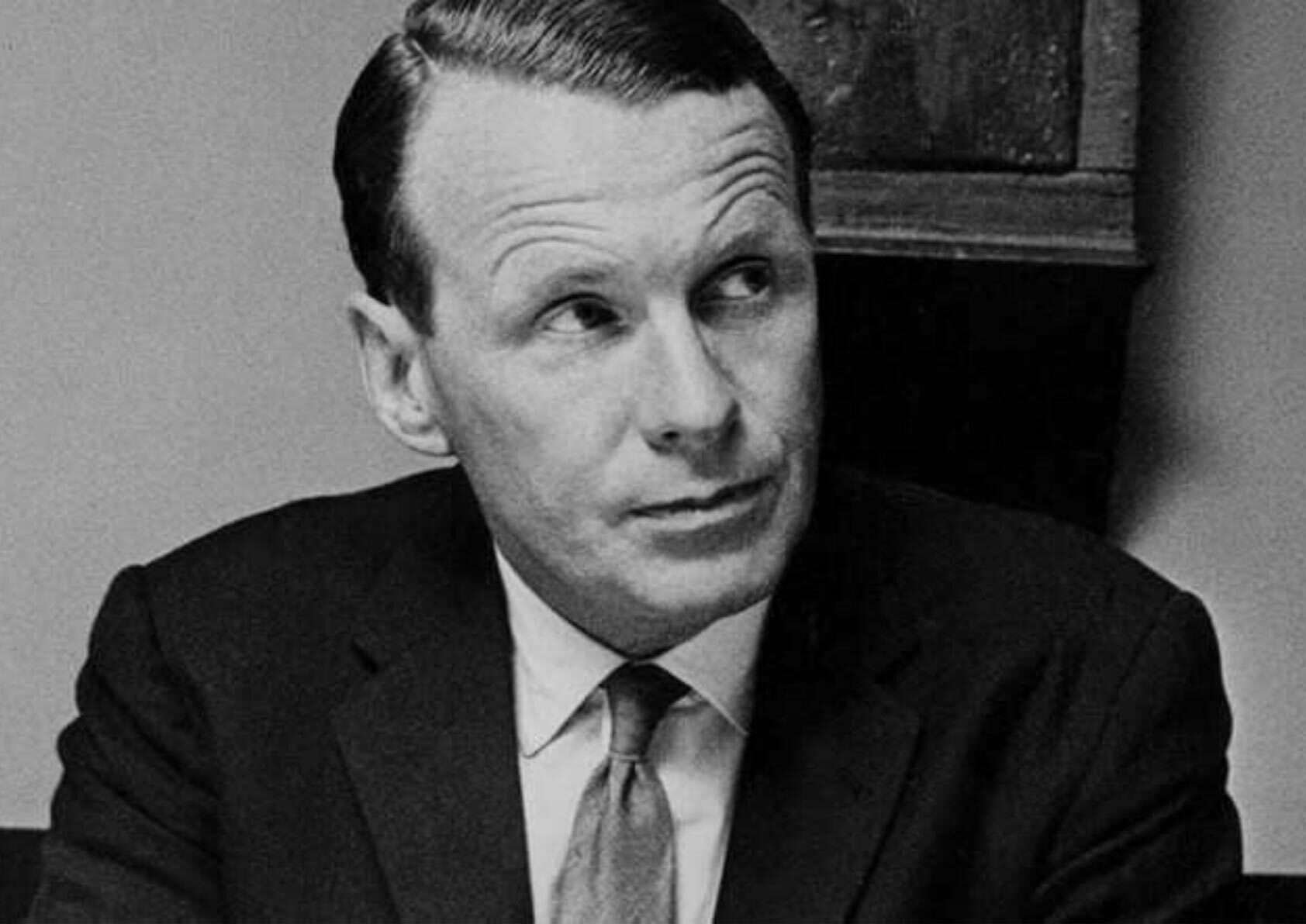
David Ogilvy argued that the image of a brand outlasts any single product claim. The work moved toward reputation, character and trust.
Takeaway Brands need credibility and character, not only benefits.
Ogilvy built brands on personality and reputation rather than feature lists.
-
1980s
The Positioning era
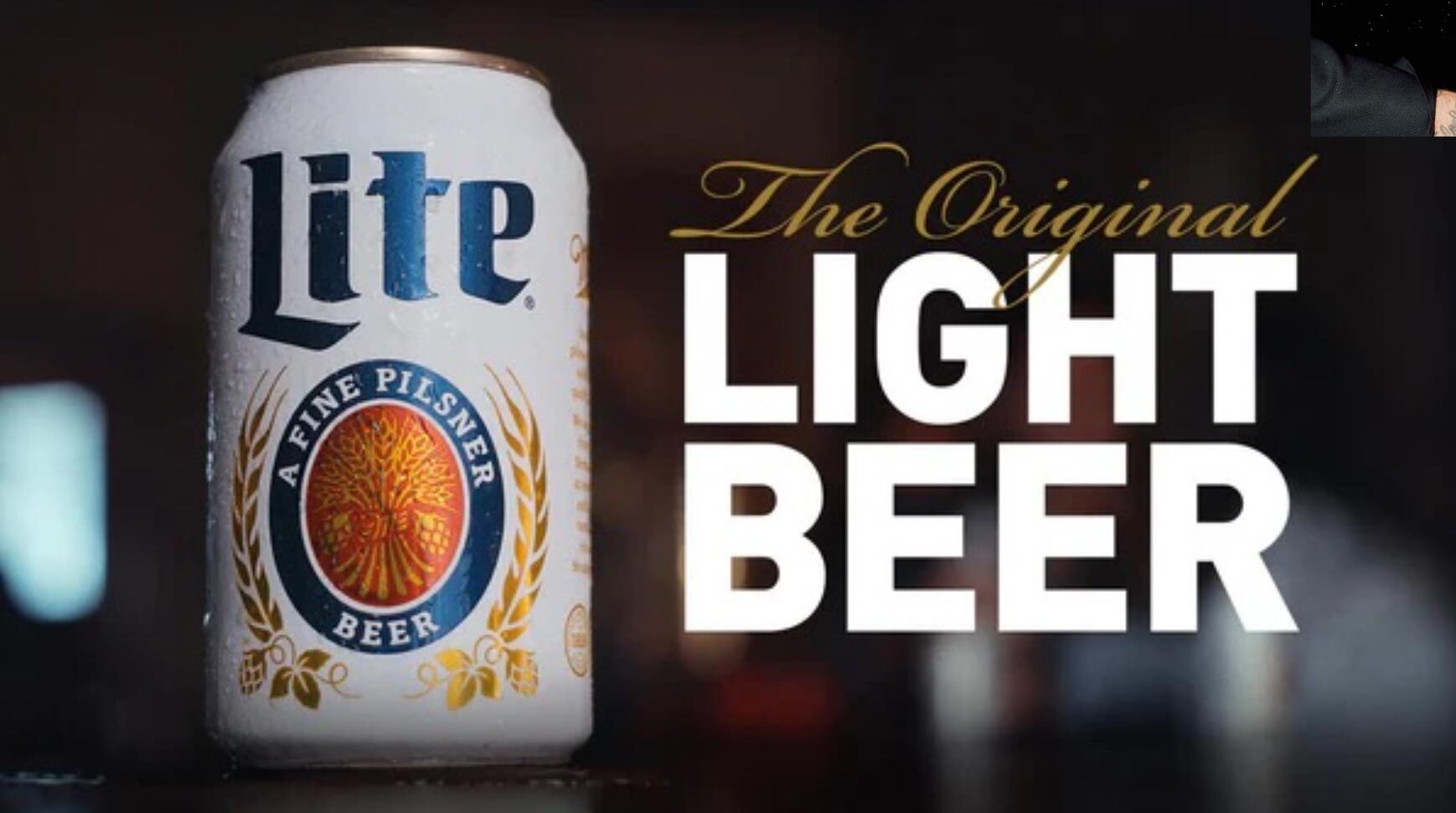
Al Ries and Jack Trout framed positioning as owning a clear place in the customer's mind, defined against competitors.
Takeaway Without a position, a brand has no relevance.
Miller Lite claimed the light beer territory and made the category its own.
Positioning › -
2010s
The Why era

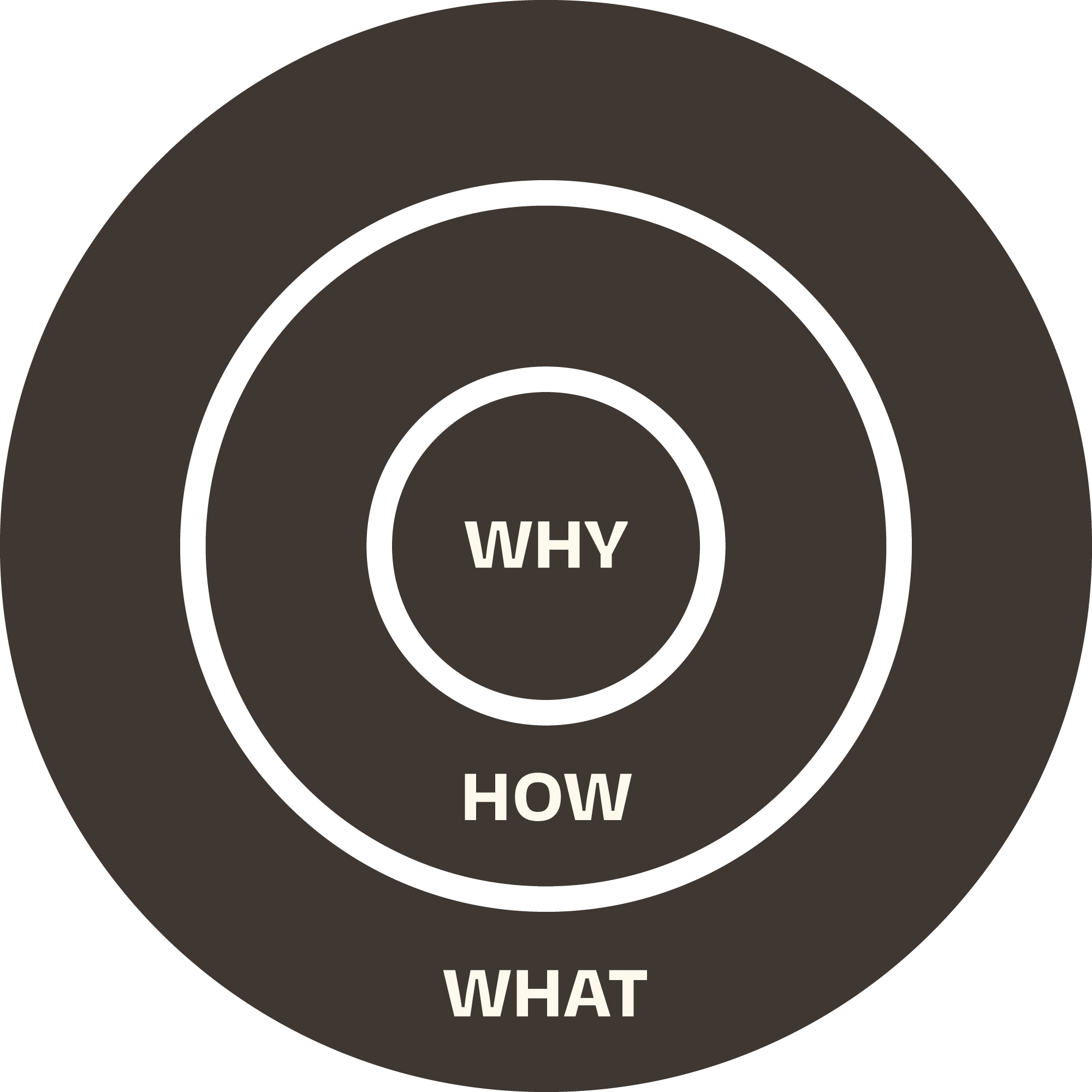
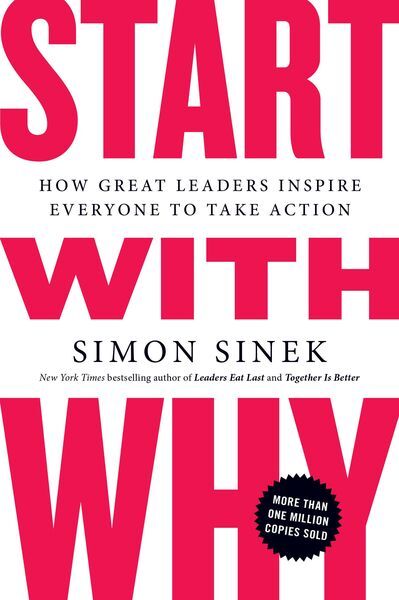
Simon Sinek's Golden Circle moved the conversation from what a brand sells to why it exists, with purpose winning both customers and talent.
Takeaway People buy why you do it, not only what you do.
Start with Why reframed positioning around purpose and belief.
Golden Circle › -
2020s
The Saturation era
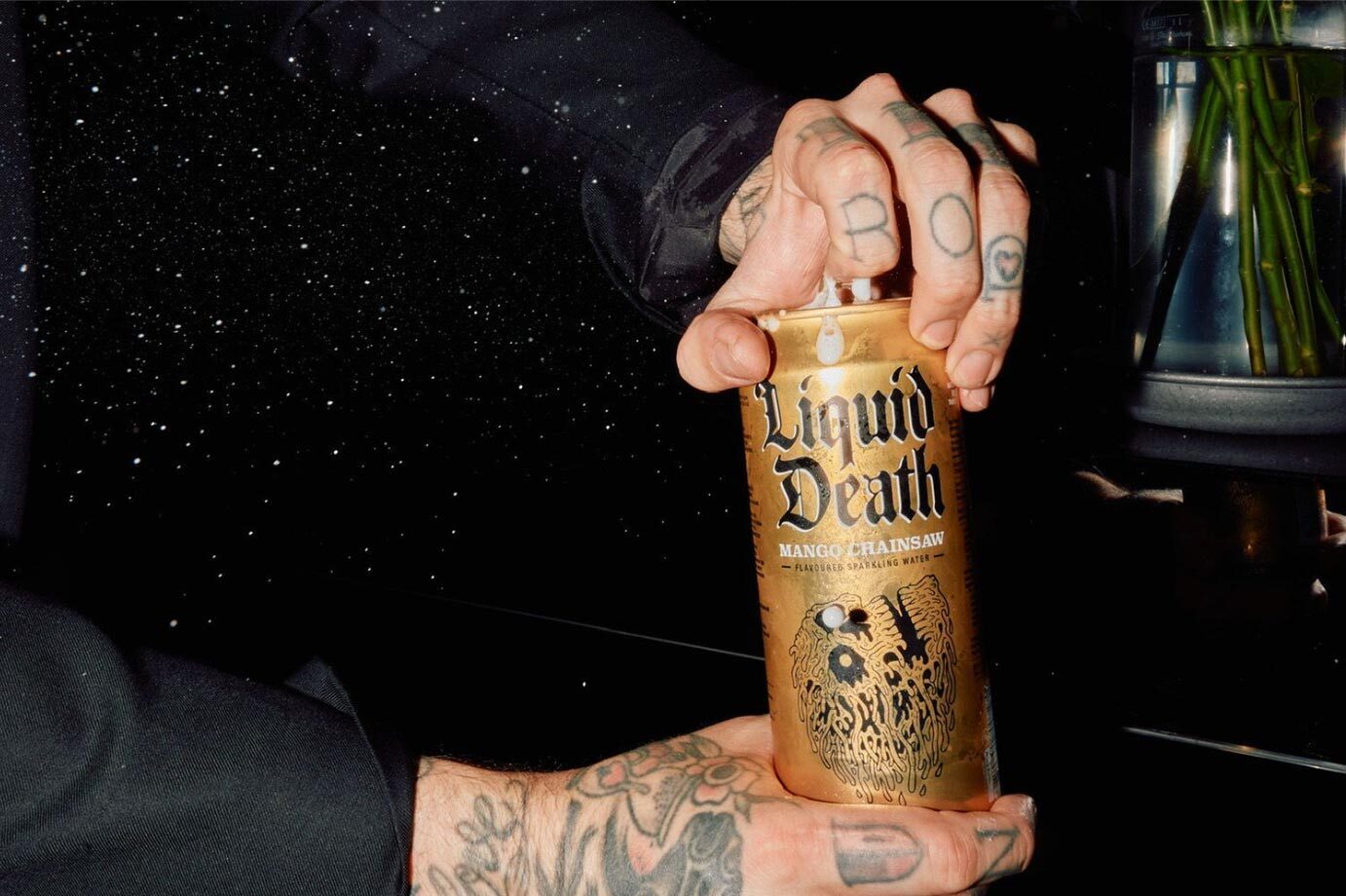
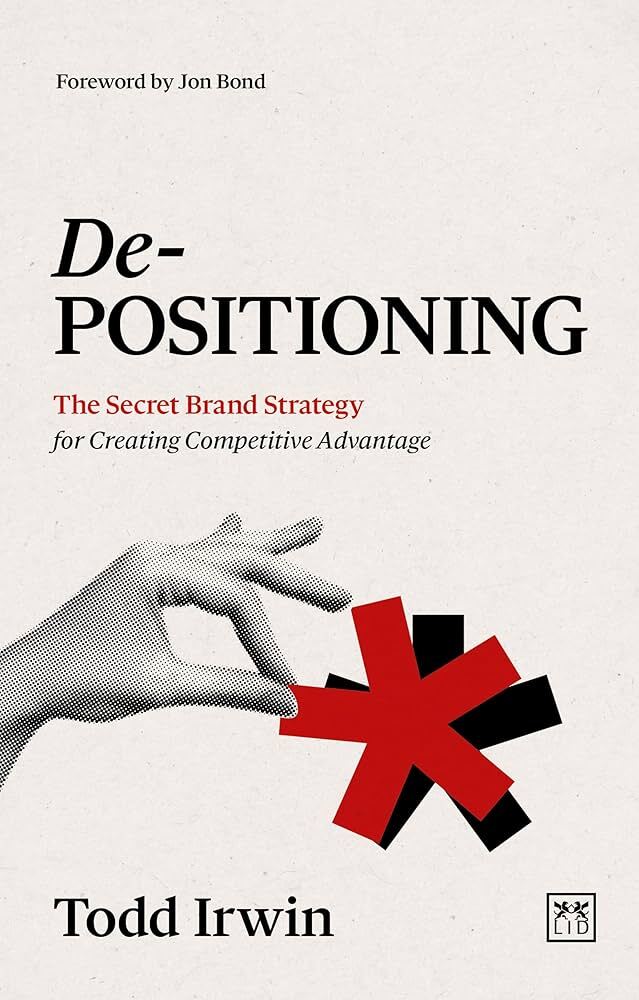
In saturated markets brands win in two opposite ways. Some de-position rivals by solving the customer's most important problem better than anyone, making the competition irrelevant. Others win on sheer distinctiveness, with identities that refuse to look like the category.
Takeaway Out-solve the competition, or out-stand it. Substance or distinctiveness, not sameness.
Zoom out-solved Skype on ease and reliability, while Liquid Death sold plain water as a heavy-metal rebellion.
De-Positioning ›
How a brand concept is built
Positioning is one chapter in a larger story. A complete brand concept is built in seven stages, and each one rests on the stage before it. Read them in order to see how a brand goes from a reason to exist to a position it can defend for decades.





Positioning models and frameworks
There is no single way to arrive at a position. Classic positioning models tend to look too far inward, treating the brand's own view as the whole picture, which fits poorly with markets that behave like networks rather than closed industries.5 The models here take different routes into the same problem, so read each as a lens, not a law.
Compare the models
 Brand Holosphere
|
 Brand-Market Connector (BMC)
|
 Golden Circle
|
 Brand Steering Wheel
|
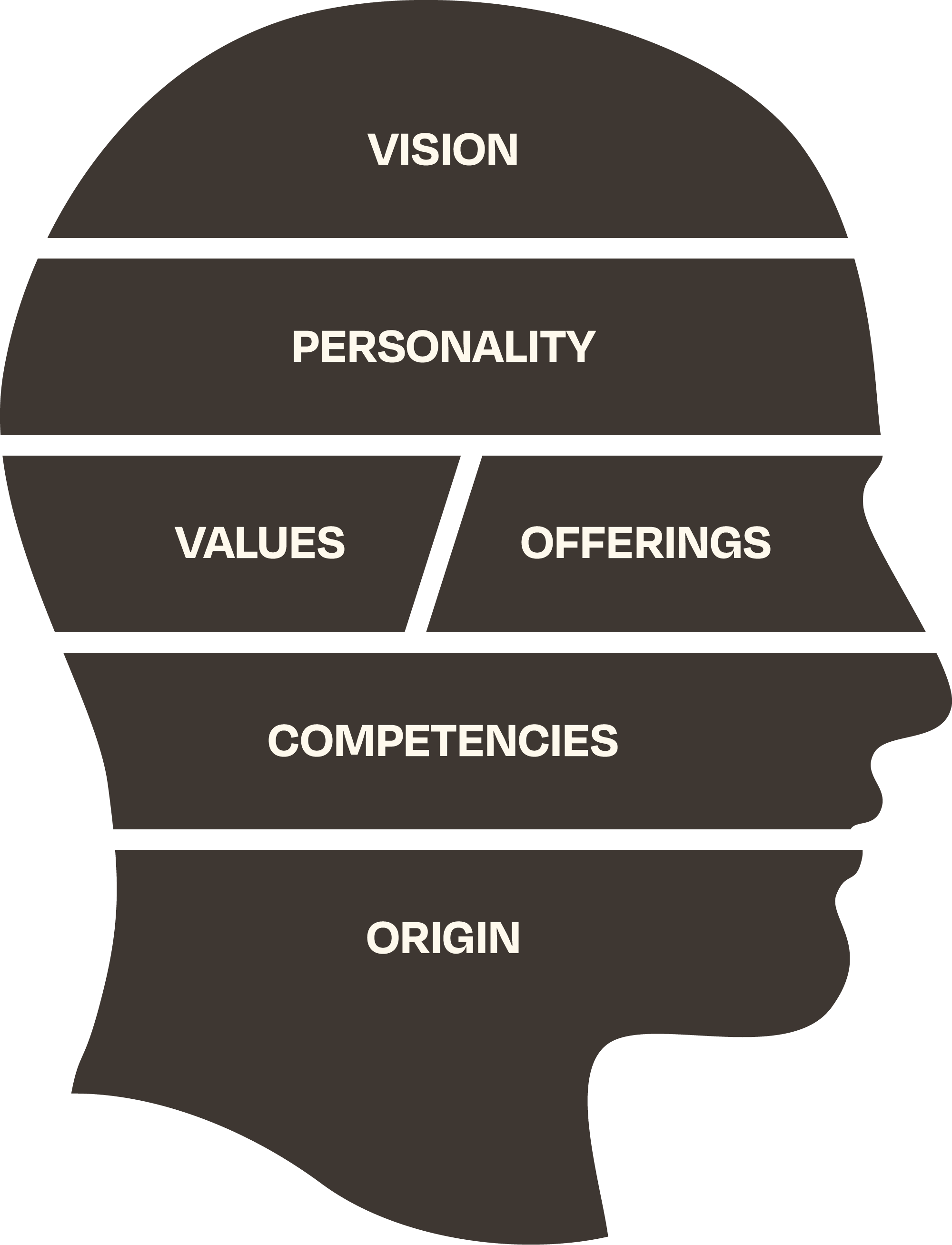 Burmann Brand Identity Model
|
 Unilever Brand Key
|
|
|---|---|---|---|---|---|---|
| Best for | Corporate and umbrella brands, holistic and agile brand management, dynamic markets | Brands in fast-changing markets, agile marketing teams, complexity reduction | Purpose-driven brands, founders, internal alignment | Systematic brand identity analysis, ensuring consistency, internal brand clarity | Defining brand identity, internal brand alignment, clarifying a brand's self-image | FMCG brands, product brands, multi-brand portfolios |
| Complexity | ★ ★ ★ | ★ ★ ★ | ★ ★ ★ | ★ ★ ★ | ★ ★ ★ | ★ ★ ★ |
| Practical Application | ★ ★ ★ | ★ ★ ★ | ★ ★ ★ | ★ ★ ★ | ★ ★ ★ | ★ ★ ★ |
| Market Analysis | ★ ★ ★ | ★ ★ ★ | – | – | – | ★ ★ ★ |
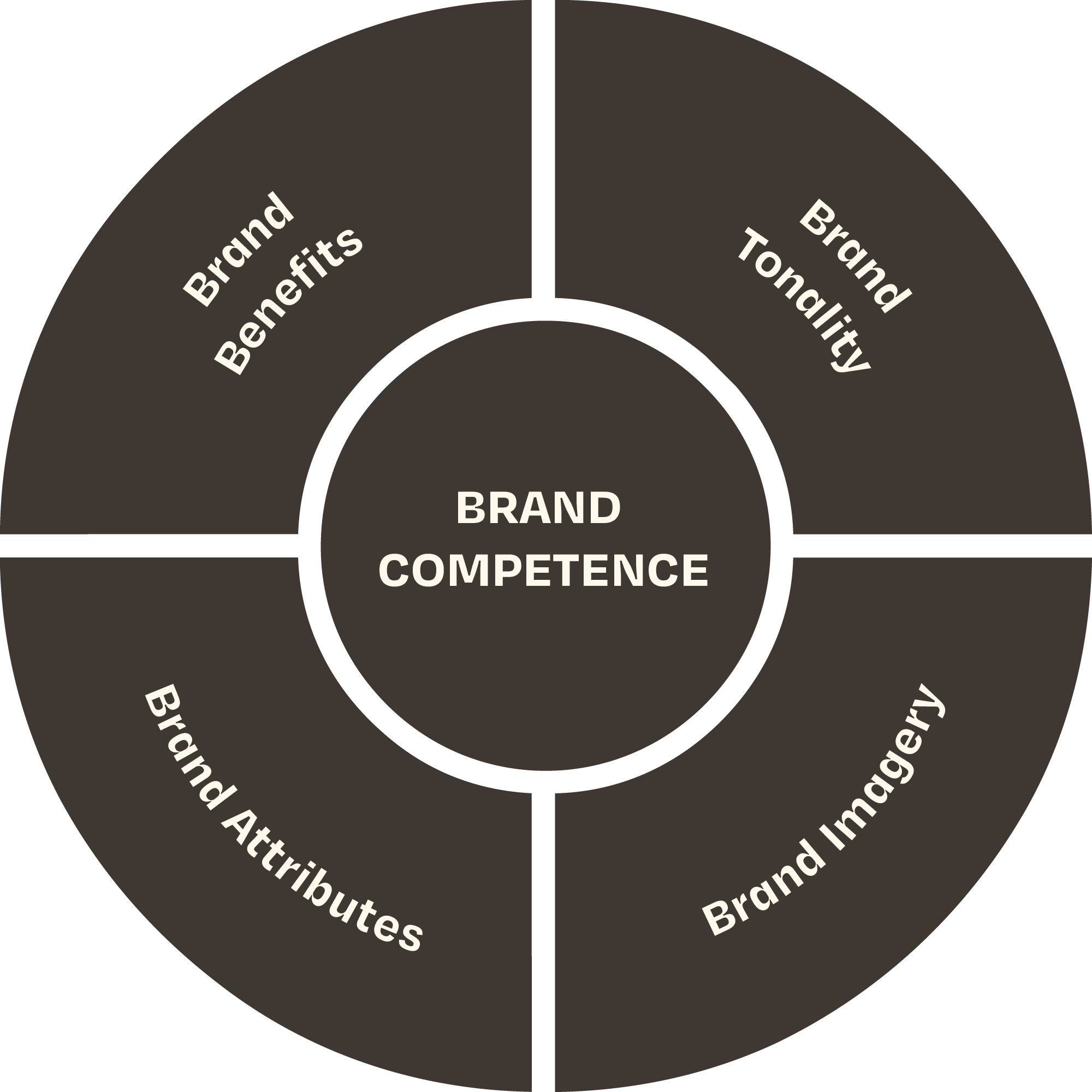
| Key Strength | The Brand Holosphere is a positioning model developed in 2018 by Uli Drömann, together with the Bran… | The Brand-Market Connector was developed by Annette Bruce and Christoph Jeromin as part of their con… | Simon Sinek's Golden Circle is a framework for leadership and inspiration consisting of three concen… | The Brand Steering Wheel (Markensteuerrad) by Franz-Rudolf Esch is one of Germany's most widely used… | The Burmann Brand Identity Model derives six components of brand identity from the traits of a stron… | The Unilever Brand Key is a positioning model developed in the mid-1990s by Unilever, one of the wor… |
| Year Introduced | 2018 | 2016 | 2009 | 2005 | 2003 | 1990 |
| Creator | Uli Drömann | Annette Bruce, Christoph Jeromin | Simon Sinek | Franz-Rudolf Esch | Christoph Burmann | Unilever (internal development) |
| View model | View model | View model | View model | View model | View model |
Recommended reading
1 Freitag, A. Von Marken und Menschen. (Brands as meaning-loaded terms that deliver a chain of associations.)
2 Neumeier, M. The Brand Gap. (Differentiation as the fifth job of design; focus means giving something up.)
3 Casanova, M. (2005). "Public Relations als strategisches Führungsinstrument." In: Rademacher, L. (Hrsg.), VS Verlag. See also Bauer, Klepper, Perrey, Tochtermann (2011). Die Marke macht's. McKinsey & Company.
4 Ries, A. & Trout, J. Positioning: The Battle for Your Mind. McGraw-Hill.
5 McGrath, R. (2013). The End of Competitive Advantage. Harvard Business Review Press. (Think in arenas rather than industries.)