The end of the solely combustion engine-powered car
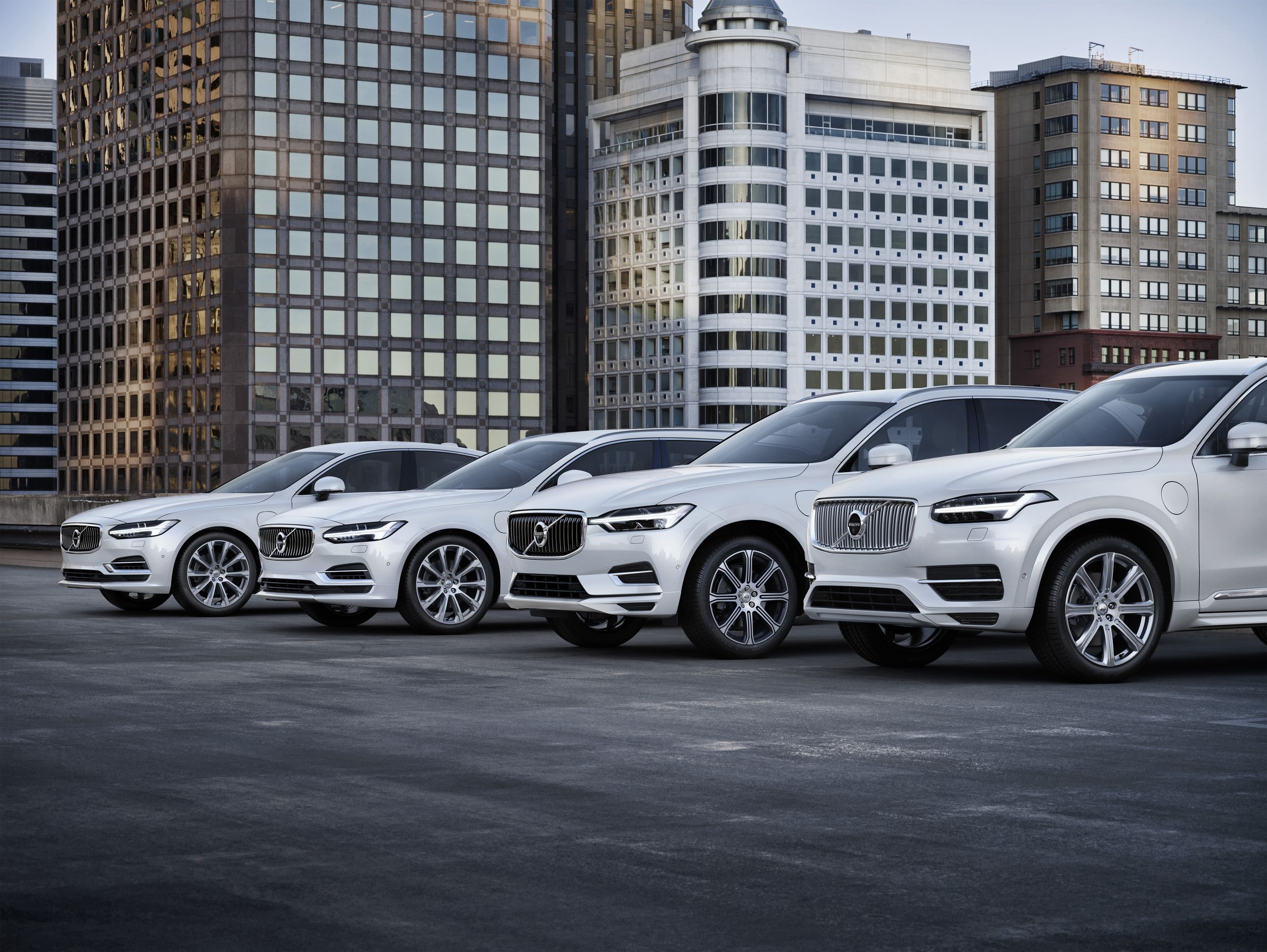
On 5 July 2017 Volvo Cars announced that every Volvo launched from 2019 would have an electric motor.1 Håkan Samuelsson, president and chief executive, framed the decision in one sentence: "This announcement marks the end of the solely combustion engine-powered car."1 The range would combine fully electric cars, plug-in hybrids and 48 volt mild hybrids, and five fully electric cars were planned between 2019 and 2021, three of them Volvos and two from Polestar.1 The Associated Press described Volvo as the first major carmaker to move away from cars powered only by internal combustion engines.2
The wording carried more weight than the technical content. Existing models without an electric motor were to stay in production for some years, and mild hybrids still run on a combustion engine.3,2 Yet the phrase "the end of" turned a gradual product plan into a date, and a date is something a brand can be measured against.
Customer demand as the stated reason
Samuelsson put the customer at the centre: "This is about the customer."1 He added: "People increasingly demand electrified cars and we want to respond to our customers' current and future needs."1 The company also linked the move to its own footprint, aiming for climate neutral manufacturing operations and 1 million electrified cars sold, both by 2025.1 Presenting electrification as a reply to demand rather than to regulation kept the announcement in the language of service, which is how Volvo addressed its buyers on every other subject.
Source: AutoMotoTV
Protection as the link to safety
Volvo was known for its estate cars and its safety features, as the AP noted on the day.2 Samuelsson connected the electric shift directly to that reputation. Electrification, he told the AP, would "strengthen our brand image, which is a lot about protecting what is important for you".2 The sentence widens the idea of protection from the people inside the car to the air around it. For a brand whose identity rests on keeping people from harm, a cleaner drivetrain could be told as the same promise extended outward, not as a change of direction.
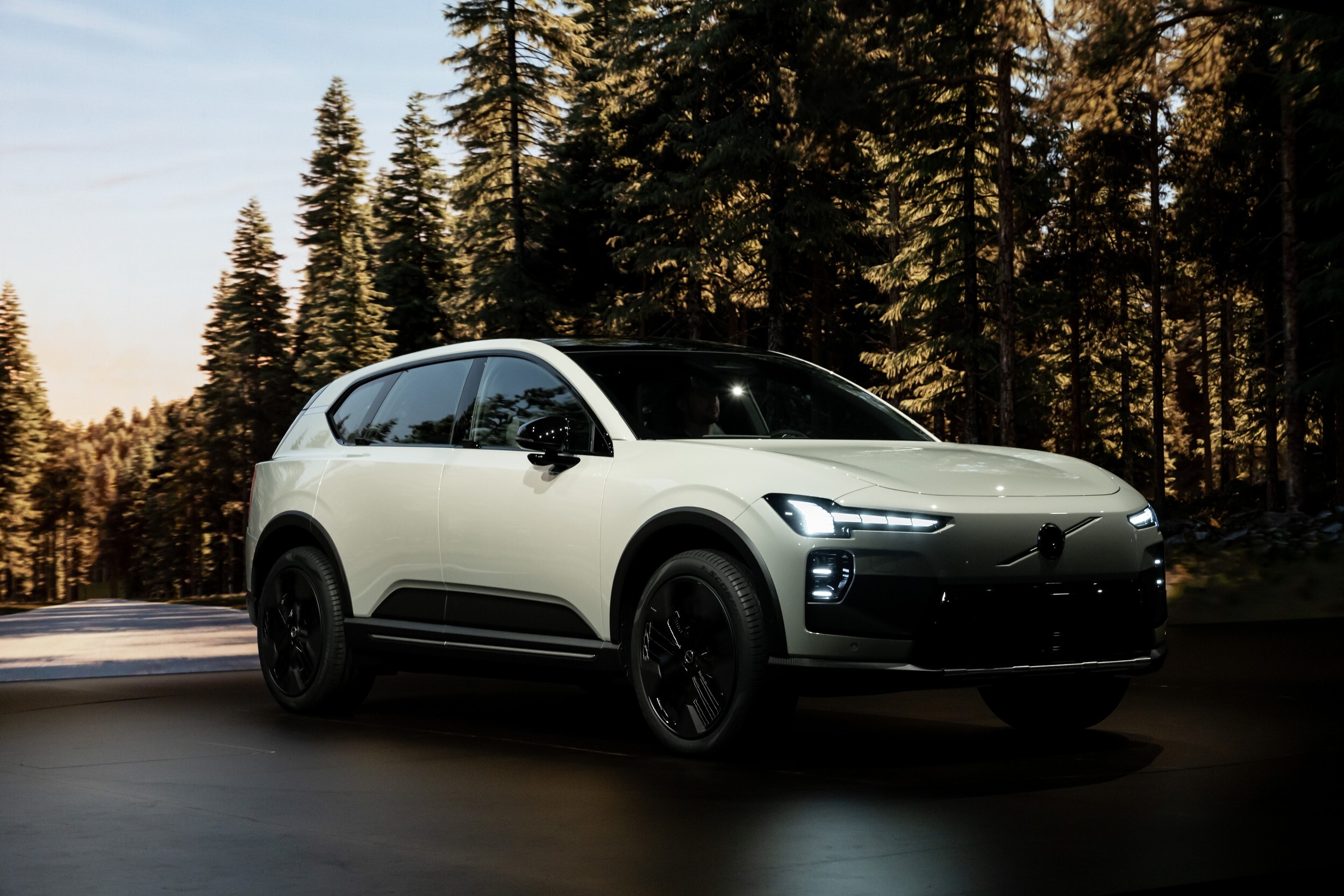
The engineering later follows the same story. When production of the fully electric XC40 Recharge starts in Ghent on 1 October 2020, Volvo stresses that its safety engineers redesigned and reinforced the frontal structure, because there is no engine there, and that the battery pack sits in a safety cage embedded in the body.4 The stated aim is to "help keep people as safe as in any other Volvo".4 The car had been presented on 16 October 2019 as the first fully electric Volvo and the first model of Recharge, the umbrella name for all chargeable Volvos.5 Samuelsson said at the time: "We have said this several times before: for Volvo Cars, the future is electric".5
Polestar as a separate voice
The 2017 strategy also gave Polestar a new role. On 21 June 2017 Volvo had announced that Polestar, its performance car arm, would become a separately branded, electrified global high performance car company, led by Thomas Ingenlath, until then Senior Vice President Design at Volvo.6 Future Polestar cars would no longer carry a Volvo logo.6 Samuelsson called it "a truly differentiated stand-alone brand within the Volvo Car Group".6 The split let Volvo keep its own electric story centred on safety and everyday use, while electric performance went to a different name.
From all electric to mostly electric
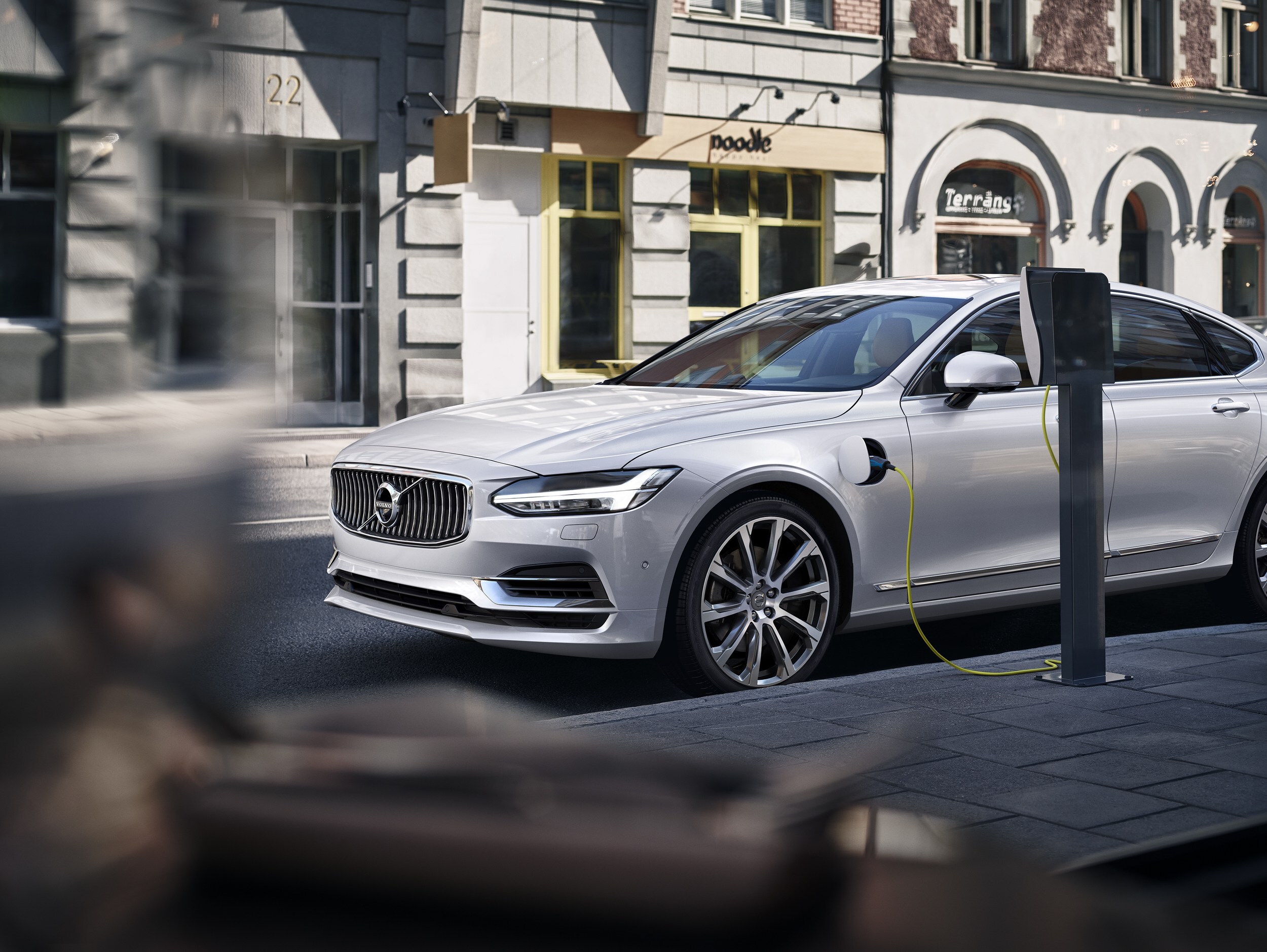
On 2 March 2021 Volvo Cars goes further and announces that it intends to sell only fully electric cars by 2030, phasing out every car with a combustion engine, hybrids included.7 Fully electric cars are to reach 50 per cent of global sales by 2025 and are to be sold online only.7 Henrik Green, Chief Technology Officer, states: "There is no long-term future for cars with an internal combustion engine".7 The 2017 date becomes an absolute goal, and the brand's electric promise now has no exceptions.
On 4 September 2024 the company adjusts that target. By 2030, 90 to 100 per cent of global sales are now to be electrified, meaning fully electric cars or plug-in hybrids, with up to 10 per cent mild hybrids if needed.8 Volvo cites a slower rollout of charging infrastructure, withdrawn incentives in some markets and uncertainty from tariffs on electric cars.8 In the second quarter of 2024, fully electric cars account for 26 per cent of its sales.8 Jim Rowan, Chief Executive of Volvo Cars, holds on to the principle: "We are resolute in our belief that our future is electric".8
For the brand, the revision moves the emphasis from a deadline to a direction. The 2017 pledge had made Volvo early and specific, and the 2021 goal made it absolute. The 2024 wording keeps the long term aim of becoming a fully electric car company but returns hybrids to the 2030 picture.8 Rowan explains the change with customers and markets adopting electric cars at different speeds, which places the decision once more where Samuelsson placed the original pledge, with the customer.9
Written with AI assistance, edited by a human. Find out more about our Use of AI.
1. Volvo Cars, "Volvo Cars to go all electric", press release, 5 July 2017, for the announcement that every Volvo launched from 2019 has an electric motor, the mix of fully electric, plug-in hybrid and 48 volt mild hybrid models, the five fully electric cars planned for 2019 to 2021 including two from Polestar, the 2025 goals for climate neutral manufacturing and 1 million electrified cars, and the quotations from Håkan Samuelsson, president and chief executive. https://www.volvocars.com/intl/media/press-releases/3A81618D9C7C8F89/
2. Matti Huuhtanen, Associated Press, via HeraldNet, "Volvo is first major carmaker to forgo traditional engines", 5 July 2017, for the description as the first major carmaker to move away from cars powered only by combustion engines, the hybrids in the plan, Volvo being known for station wagons and safety features, and the quotation from Hakan Samuelsson, Volvo president and CEO, on the brand image (the AP adds "(customers)" after "for you" in its text). https://www.heraldnet.com/?p=523703
3. NPR, "All New Volvo Models Will Be Electric Or Hybrid Starting In 2019", 5 July 2017, for existing models staying in production for some years and Volvo as the first traditional automaker to set a date for phasing out cars powered only by combustion engines. https://www.npr.org/sections/thetwo-way/2017/07/05/535596277/all-new-volvo-models-will-be-electric-or-hybrid-starting-in-2019
4. Volvo Cars, "Volvo Cars starts production of fully electric XC40 Recharge", press release, 1 October 2020, for the start of production in Ghent, the redesigned and reinforced frontal structure, the battery safety cage, and the stated aim to keep people as safe as in any other Volvo. https://www.volvocars.com/intl/media/press-releases/F6E91EA12A432B6A/
5. Volvo Car Canada, "Volvo Cars launches fully electric Volvo XC40 Recharge as part of new electrified car line", press release, 16 October 2019, for the XC40 Recharge as the first fully electric Volvo, Recharge as the umbrella name for chargeable Volvos, and the quotation from Håkan Samuelsson, chief executive. https://news.cision.com/volvo-car-canada/r/volvo-cars-launches-fully-electric-volvo-xc40-recharge-as-part-of-new-electrified-car-line,c4178380
6. Volvo Cars, "Polestar announces new management team to develop electrified performance brand for Volvo Cars", press release, 21 June 2017, for Polestar becoming a separately branded electrified global high performance car company, Thomas Ingenlath, Senior Vice President Design at Volvo, as its chief executive, Polestar cars without a Volvo logo, and the quotation from Håkan Samuelsson, president and chief executive of Volvo Cars. https://www.volvocars.com/us/media/press-releases/83D741CE658CC816/
7. Volvo Cars, "Volvo Cars to be fully electric by 2030", press release, 2 March 2021, for the goal of selling only fully electric cars by 2030, the phasing out of hybrids, the 50 per cent target for 2025, online only sales, and the quotation from Henrik Green, Chief Technology Officer at Volvo Cars. https://www.volvocars.com/uk/media/press-releases/D10C8E63BE89BBBB/
8. Volvo Cars, "Volvo Cars adjusts electrification ambitions, remains committed to fully electric future", press release, 4 September 2024, for the 90 to 100 per cent electrified target for 2030, up to 10 per cent mild hybrids, the reasons given, the share of fully electric cars in the second quarter of 2024, the long term aim of becoming a fully electric car company, and the quotation from Jim Rowan, Chief Executive of Volvo Cars. https://www.volvocars.com/intl/media/press-releases/E5E3621129484ACD/
9. NBC News, "Sweden's Volvo Cars scraps plan to only sell electric vehicles by 2030", 4 September 2024, for the remark by Jim Rowan, CEO of Volvo Cars, that customers and markets adopt electric cars at different speeds. https://www.nbcnews.com/business/autos/swedens-volvo-cars-scraps-plan-only-sell-electric-vehicles-2030-rcna169553