
Entering a category without admitting it
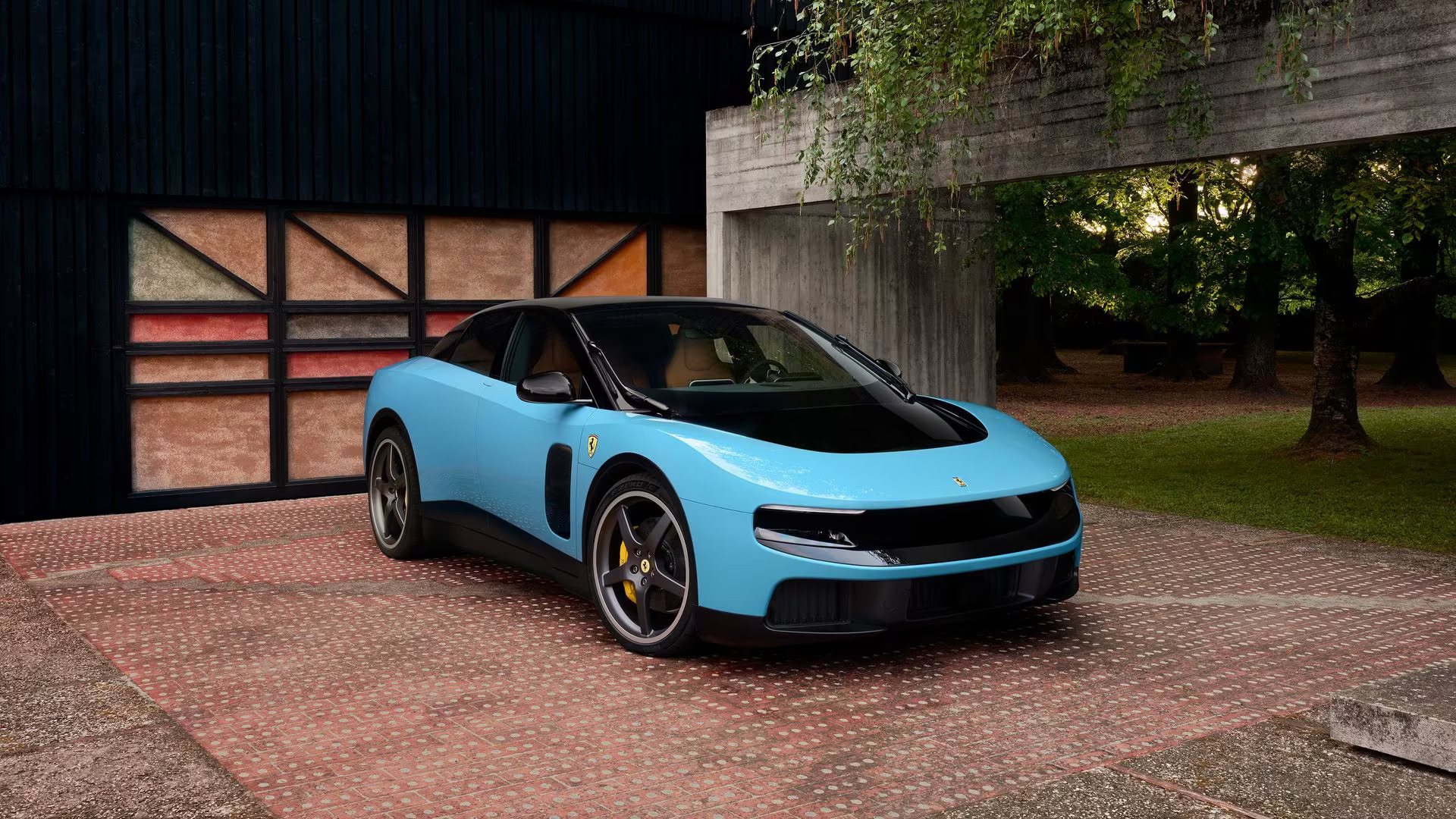
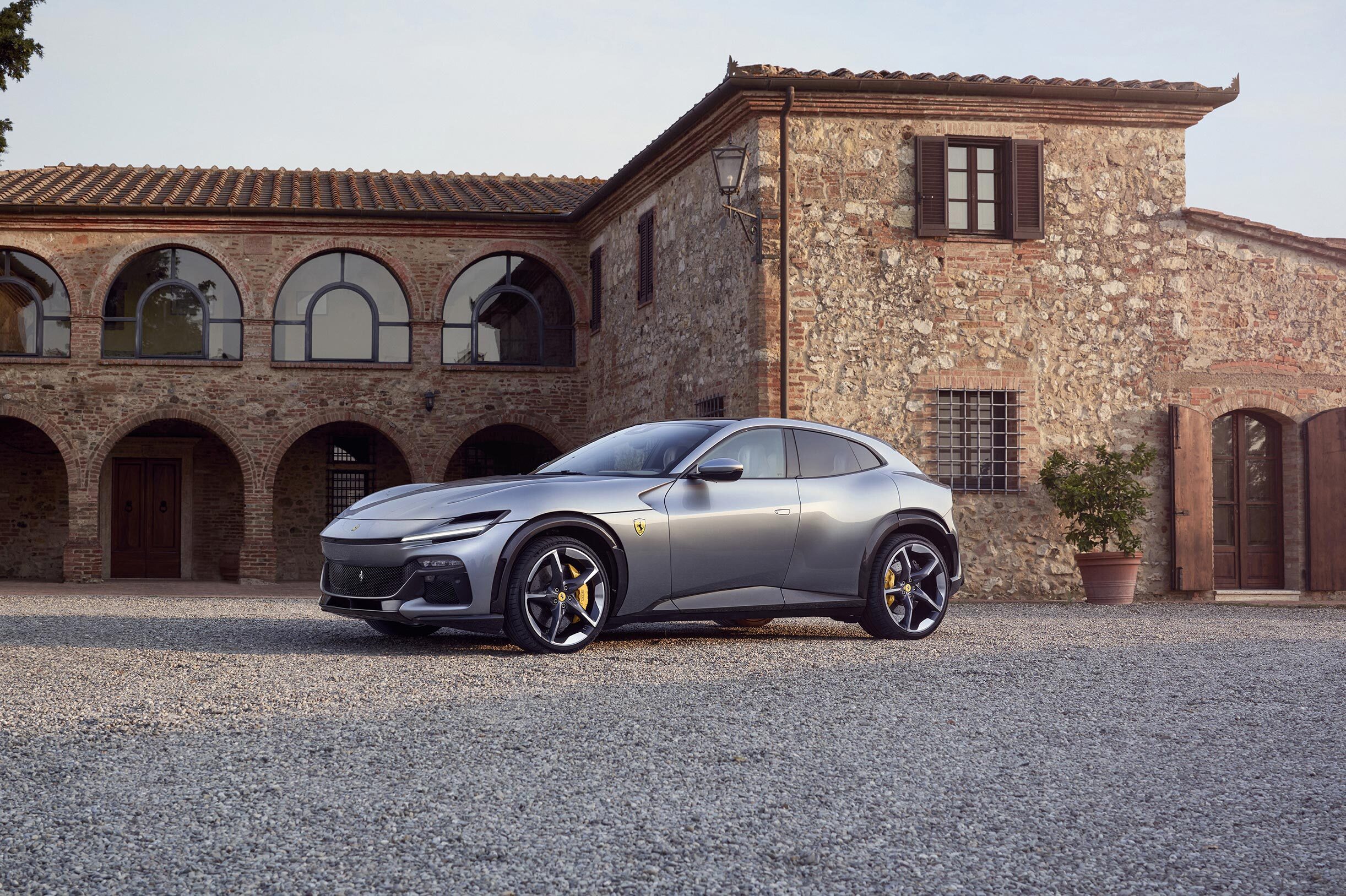
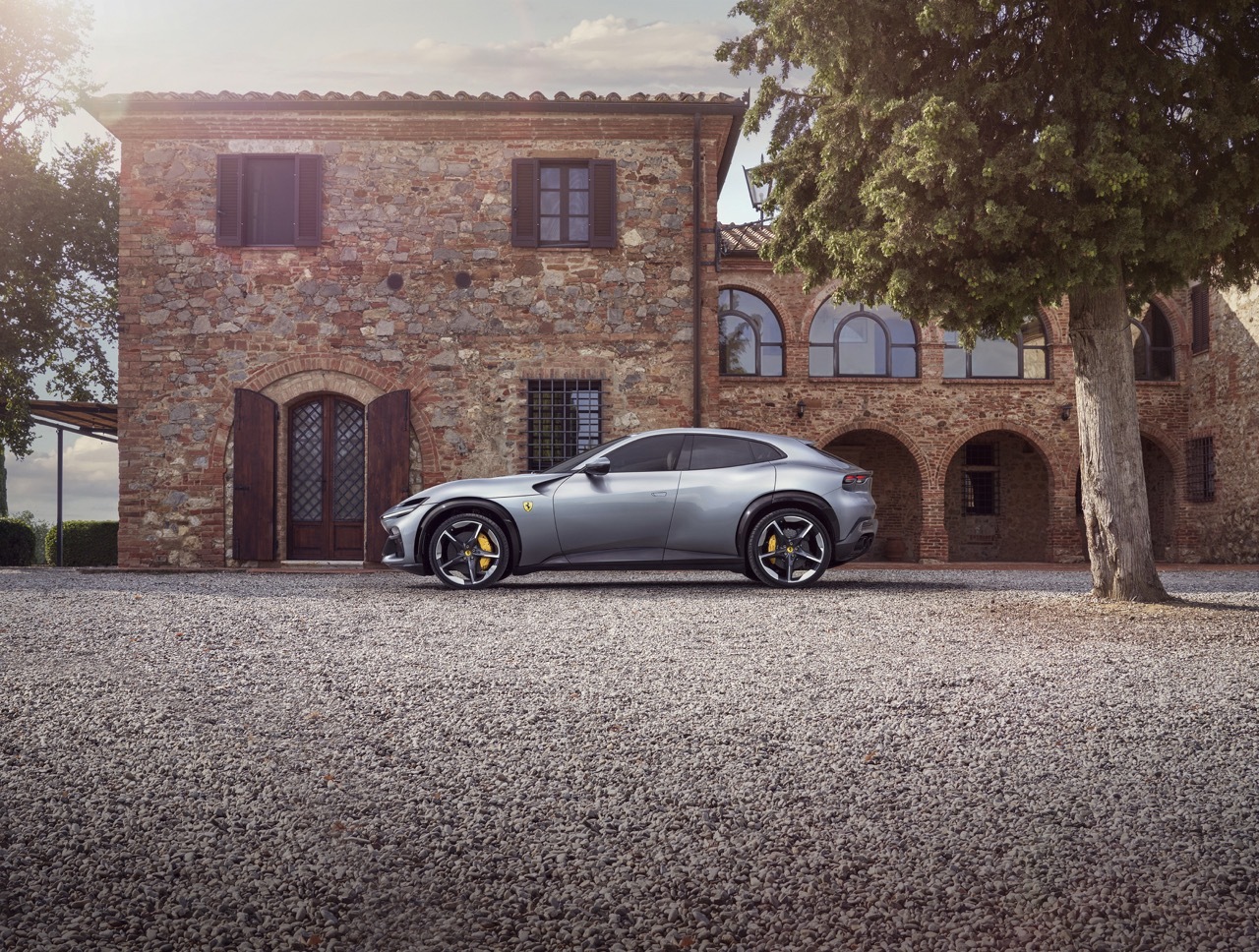
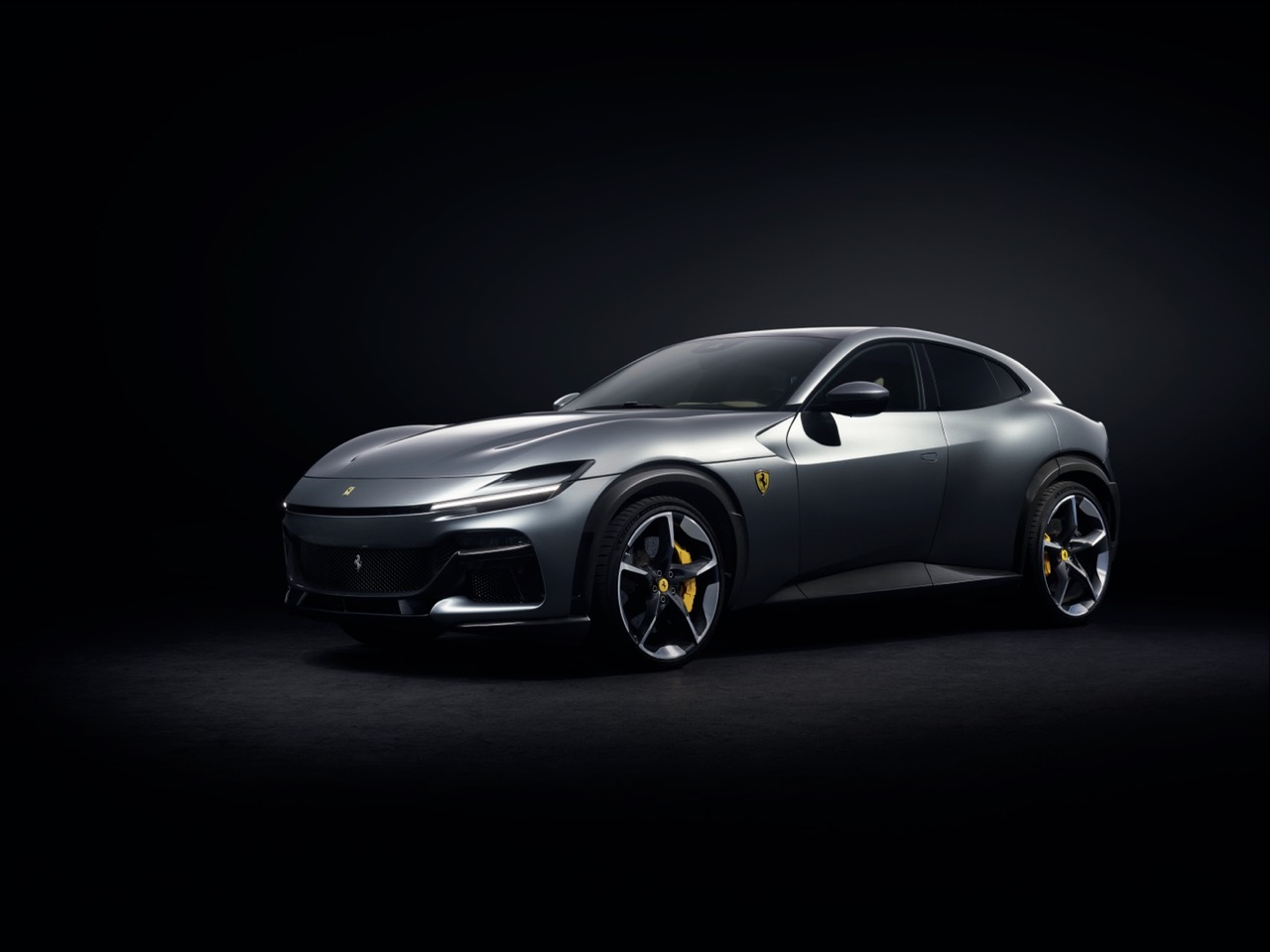
When Ferrari reveals the Purosangue in September 2022, it does something it has never done before. The car is the first four-door, four-seat vehicle in the company's history, a body style that the rest of the luxury market has long since embraced through high-riding sports utility vehicles. Yet Ferrari is careful to frame the moment not as a surrender to a trend but as a continuation of its own logic, and the language it chooses to do so is as deliberate as the engineering.
The clearest signal is the name. Purosangue is Italian for thoroughbred, a word that points directly at the horse on the badge and at the idea of breeding and pedigree rather than at utility or family practicality. Where most rivals lean on model numbers or names that suggest adventure and space, Ferrari selects a word that keeps the conversation on bloodline and performance, anchoring a new kind of car firmly within the marque's existing story.
Three letters instead of three
Ferrari goes further than naming. The company refuses the term SUV altogether and describes the Purosangue as an FUV, a Ferrari Utility Vehicle. The substitution is small but pointed. By coining its own category, Ferrari signals that the car should be measured against Ferraris rather than against the SUVs of other luxury brands. It is a classic positioning move, redefining the frame of reference so that direct comparison becomes difficult and the brand sets the terms of how its product is understood.
This is branding through vocabulary. The label a company attaches to a product shapes the expectations buyers and commentators bring to it, and Ferrari understands that accepting the SUV term would place the Purosangue in a crowded field where it risks looking like a latecomer. Inventing the FUV designation lets Ferrari claim the body style while rejecting the associations that come with the established category name.
Engineering the argument
The positioning is not only rhetorical. Ferrari supports its claim with technical choices designed to distance the Purosangue from a conventional SUV. The car uses a mid-front-mounted engine paired with a gearbox at the rear, a transaxle layout associated with sports cars, and carries a naturally aspirated V12, the engine configuration most closely tied to Ferrari's heritage. The weight distribution sits close to even, again echoing a sports car rather than a tall utility vehicle.
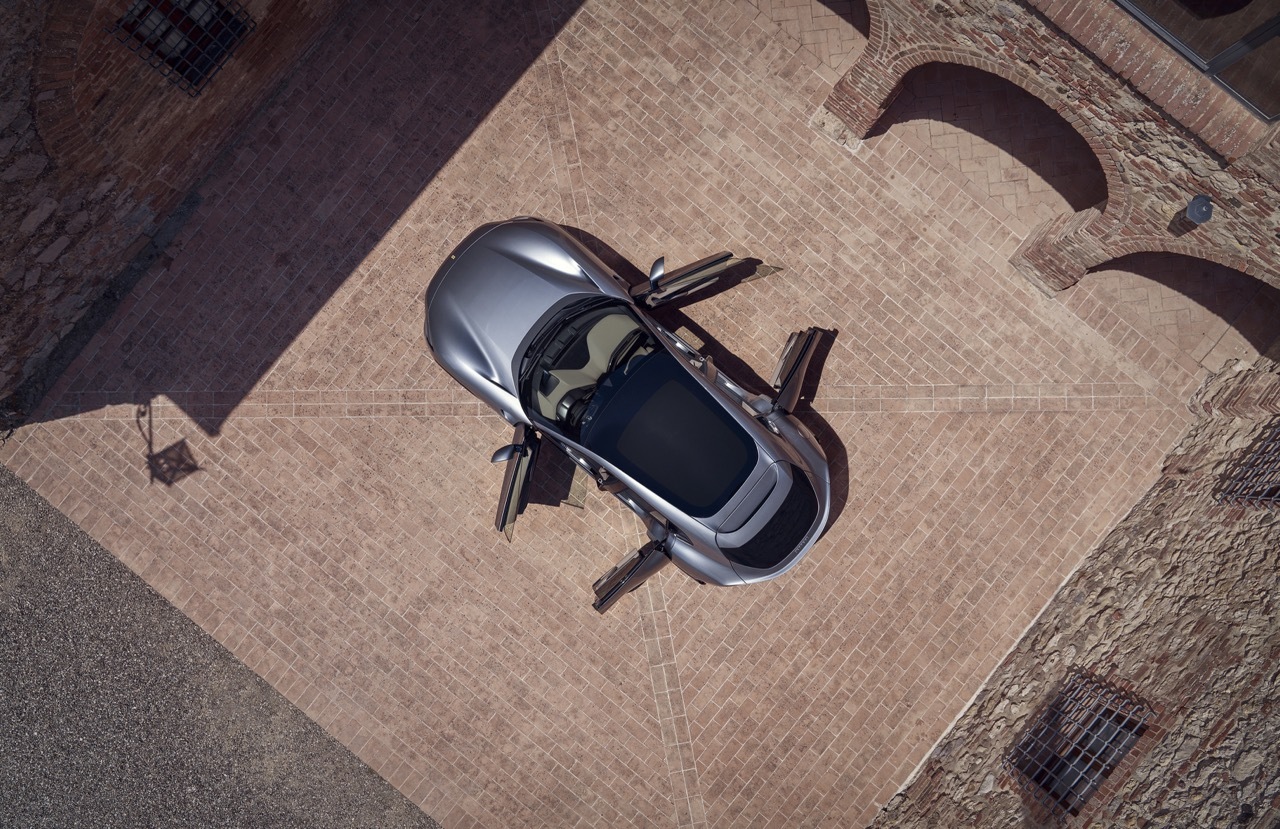
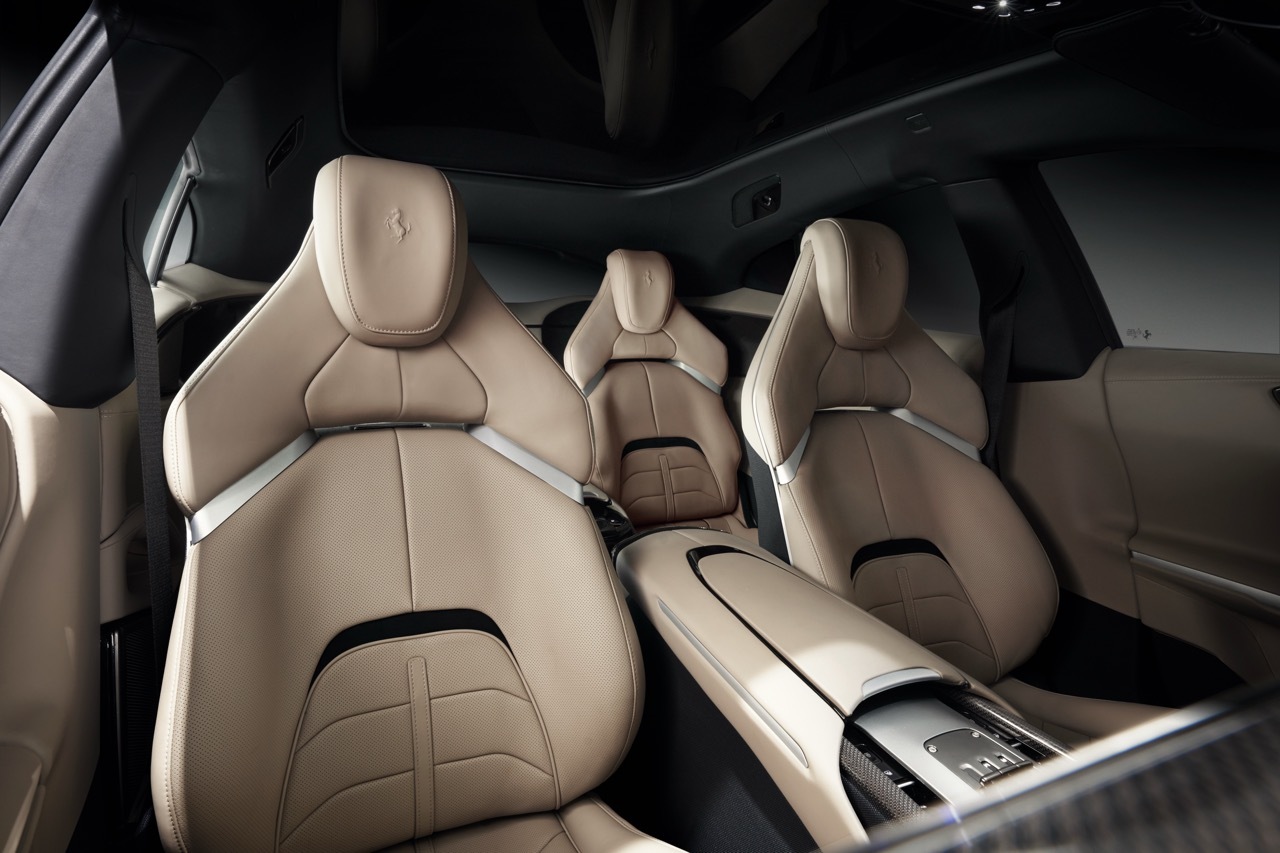
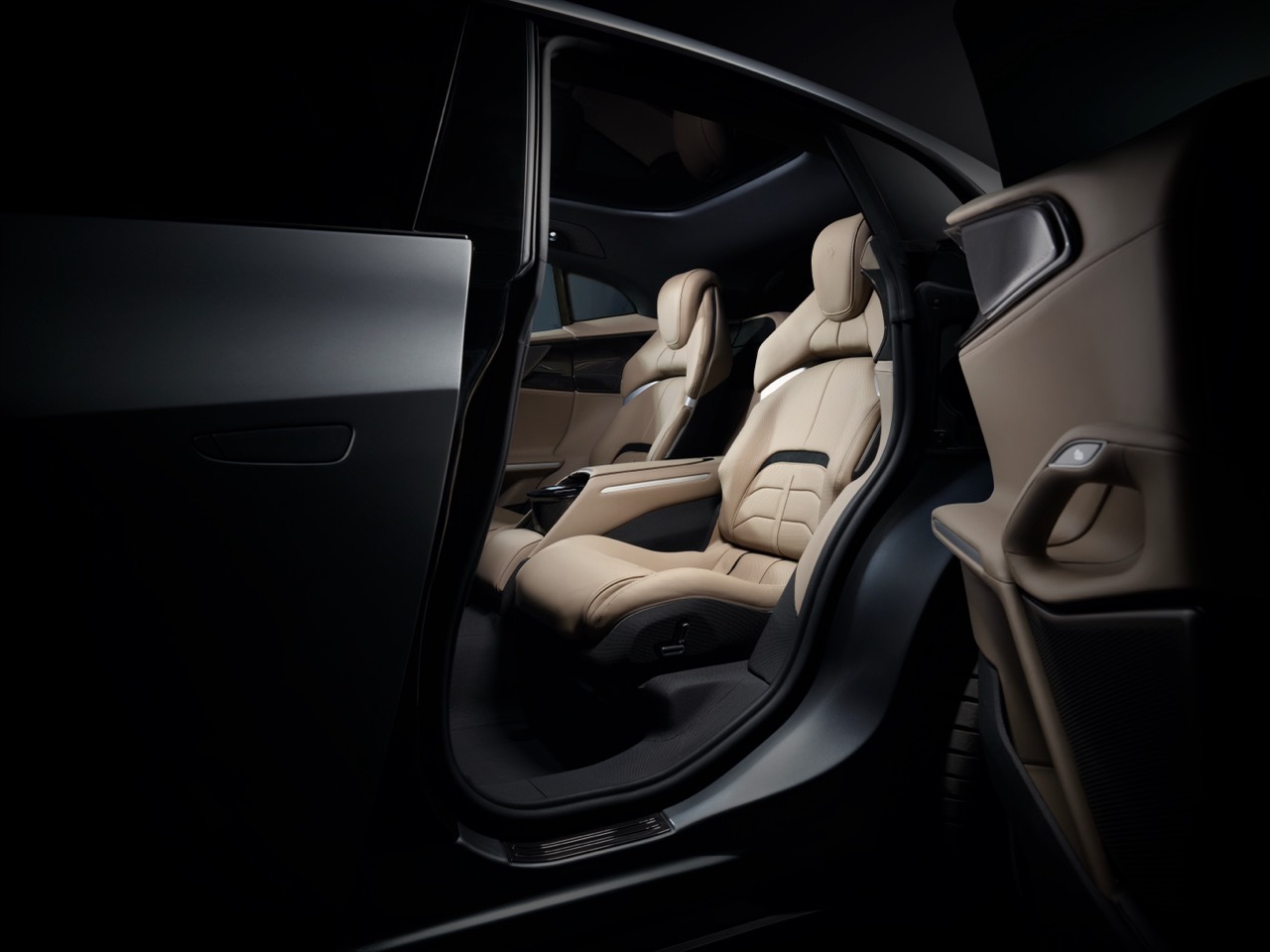
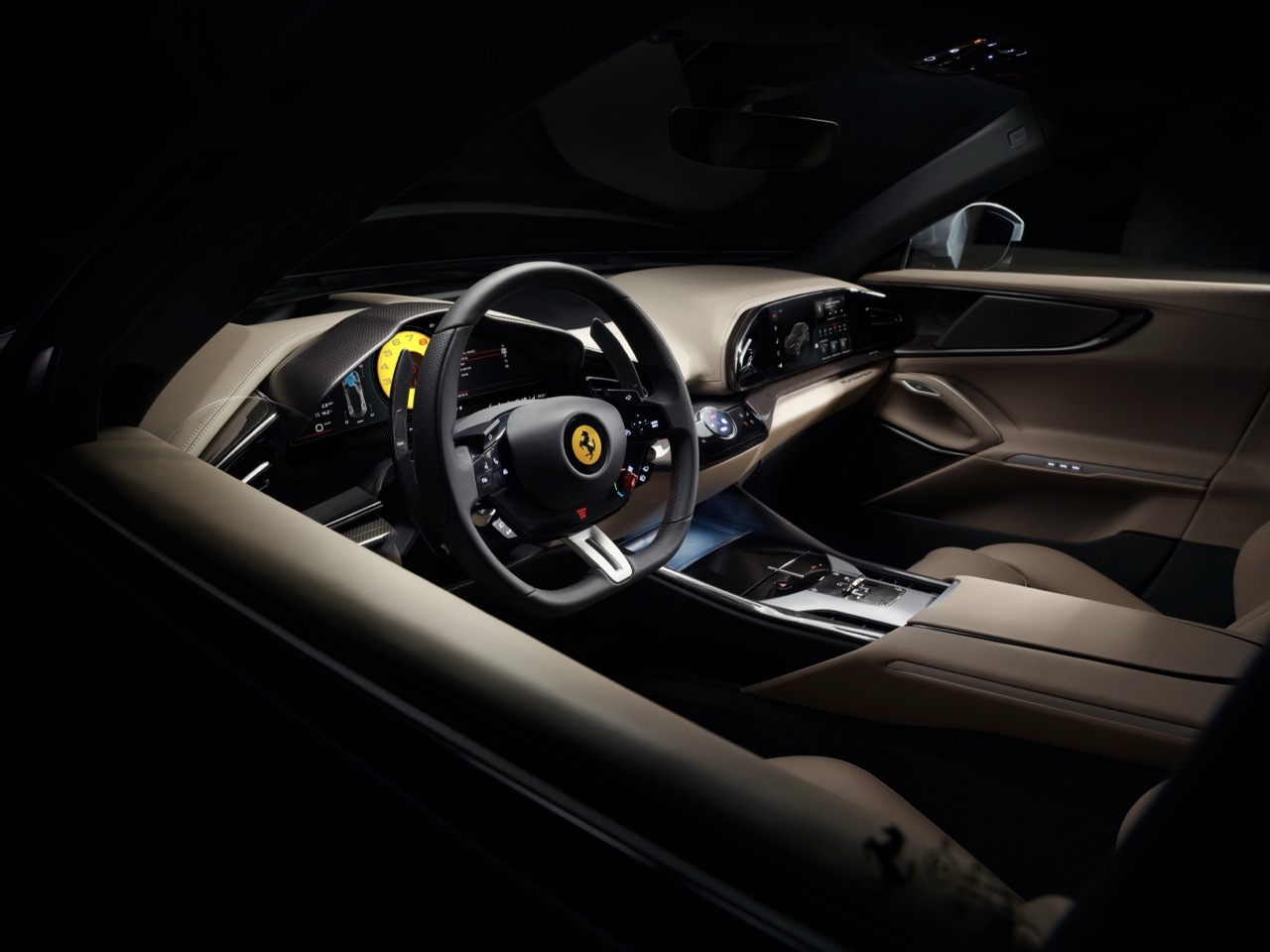
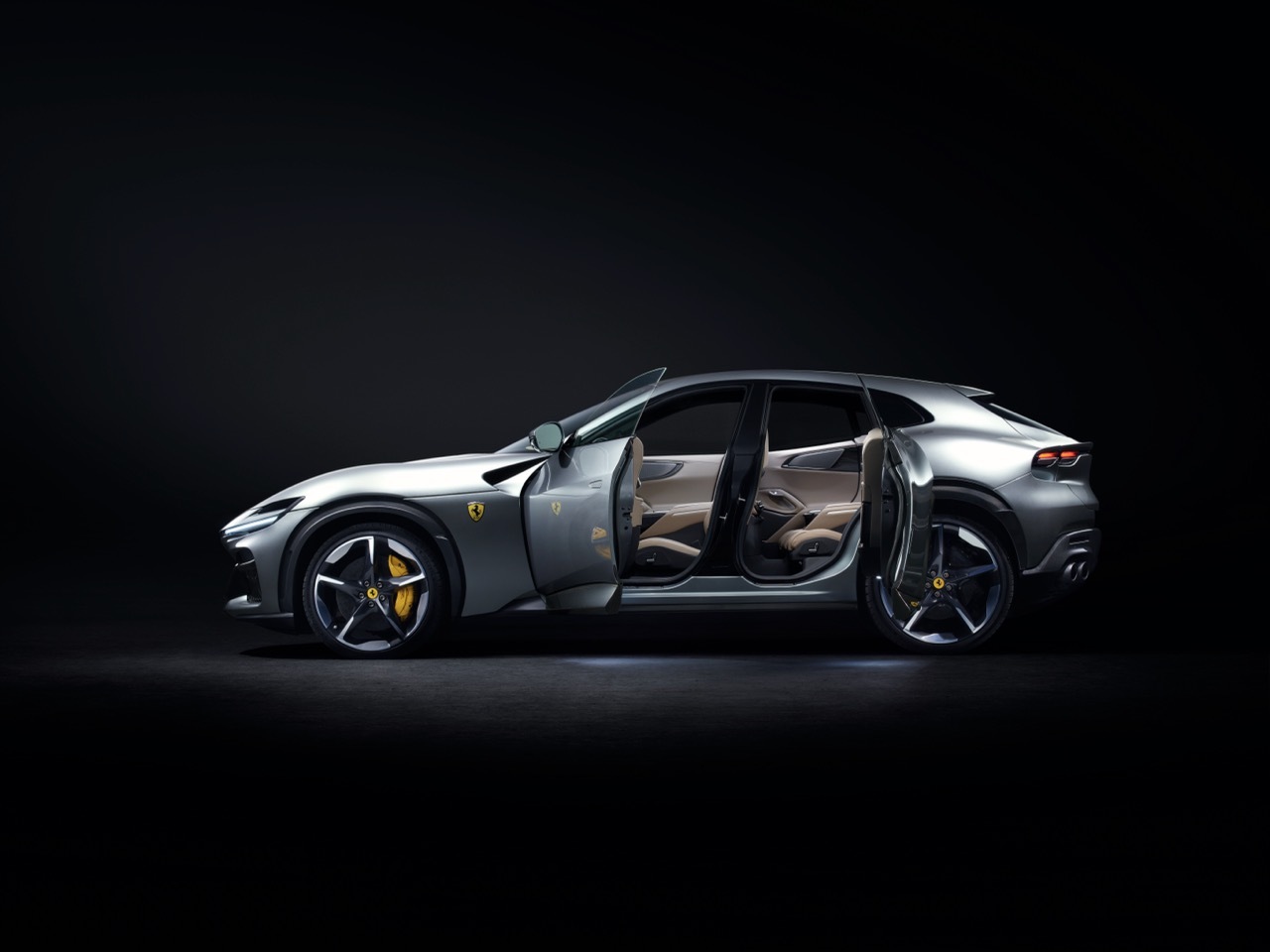
These details give the brand a substantive basis for its language. Ferrari can argue that the Purosangue is a four-door sports car that happens to seat four in comfort, rather than an SUV adapted to carry a prestigious badge. The rear-hinged doors, presented as welcome doors, reinforce the sense of a bespoke design rather than a borrowed format. Whether observers accept the distinction or not, the engineering lets Ferrari make the case on its own terms.
Protecting the core while widening the base
The Purosangue answers a commercial reality. The fastest-growing segment of the luxury car market for more than a decade has been the high-riding four-door, and rivals across the premium and ultra-luxury tiers have entered it. Ferrari's challenge is to participate without appearing to chase volume or to dilute the focus on driving that defines the brand. The naming and positioning are the tools it uses to square that circle.
Scarcity remains part of the answer. Ferrari indicates that the Purosangue will be produced in limited numbers relative to demand and kept to a capped share of the company's output, so that the new body style broadens the brand's appeal without flooding the market. This keeps the Purosangue consistent with the discipline that governs the rest of the range, where deliberate constraint sustains desirability.
The strategy reflects a wider truth about brand extensions. Moving into a new product category is most dangerous when it forces a brand to adopt the conventions and language of that category, because doing so can blur what made the brand distinctive. Ferrari's response is to enter the segment while refusing its vocabulary, building a car with four doors yet insisting, through its name, its FUV designation and its engineering, that it remains a Ferrari first and a practical vehicle second.
The Purosangue therefore reads as much as a branding exercise as an engineering one. Ferrari demonstrates that a company can expand into a popular format without conceding the positioning that gives it value, provided it controls the words used to describe the result. By naming the car for a thoroughbred and declining to call it an SUV, Ferrari extends its range while keeping the meaning of the brand intact.
Written with AI assistance, edited by a human. Find out more about our Use of AI.