The social layer that never became one
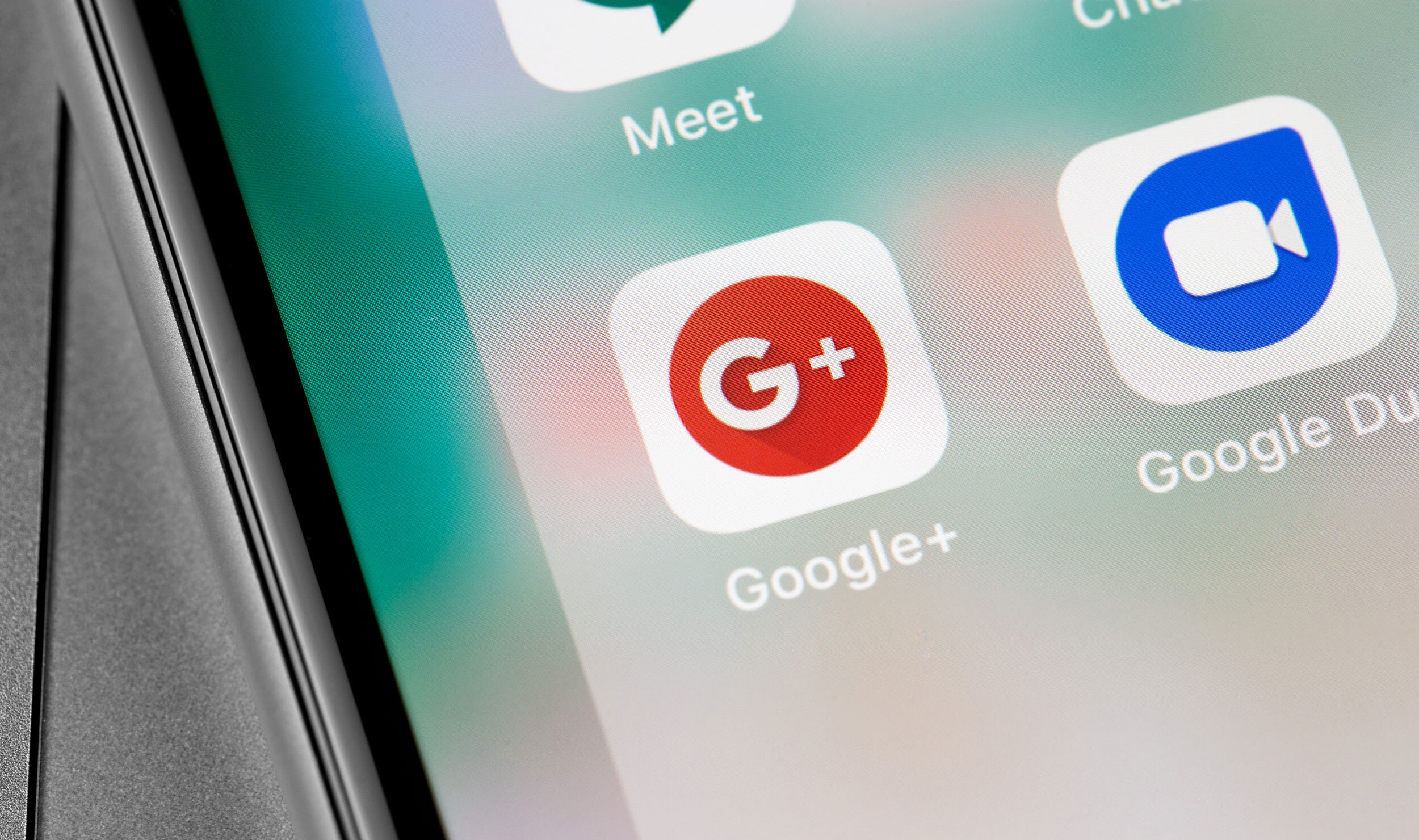
On 2 April 2019, Google shut the consumer version of Google+, the social network it had launched on 28 June 2011 and had at one point described as the unifying layer beneath everything the company made. The closure ended eight years of effort, several forced integrations and a great deal of internal cost.
The launch had been strong. Google+ reached 10 million users within two weeks, 25 million within a month and around 90 million by the end of 2011. It was led by Vic Gundotra, a senior vice president who had made social the company's declared priority, and it arrived with a set of ideas that were better than the market gave them credit for.
What Google+ actually offered
The central feature was Circles, a way of sorting contacts into groups so that a post could be addressed to close friends, colleagues or family rather than to everyone at once. Facebook's model at the time flattened all relationships into a single category of friend, and the criticism that this made honest posting difficult was widespread. Circles was a direct answer to it.
Hangouts, the group video chat built into the service, was genuinely ahead of its competitors and eventually outlived the network that introduced it. Sparks, a discovery tool for interests, was weaker but coherent. The visual design, led internally, was cleaner than Facebook's and prefigured the Material Design language Google would introduce in 2014.
The proposition, in brand terms, was reasonable: a social network for people who wanted control over who saw what. What went wrong had little to do with the product.
Distribution mistaken for demand
Google had an enormous installed base and chose to use it. A Google+ profile was attached to Gmail accounts, promoted through the Google homepage, and from November 2013 required in order to comment on YouTube. That last decision produced one of the most visible user revolts in the company's history, with the YouTube co-founder Jawed Karim posting on his own long-dormant channel to ask why a Google+ account was now needed to leave a comment.
The integration inflated the numbers and hollowed out the meaning. Google reported 540 million monthly active users by October 2013, but the figure counted anyone signed in to any Google service. Independent measurement told a different story: an average of a few minutes per month on the site in early 2012, against several hours on Facebook. In 2014 The New York Times described Google+ as a ghost town, and later analysis found that around 90 per cent of sessions lasted under five seconds.
This is the structural lesson. A brand can be distributed without being adopted. Google had the ability to place Google+ in front of more people than any competitor could reach, and no ability to make them want it. Forcing the product into services people had chosen for other reasons converted indifference into resentment, and attached that resentment to the Google name rather than only to the new brand.
The naming compounded the problem. Google+ was a corporate name with a mathematical operator attached, and it read as an addition to something rather than as a place. Facebook, Twitter and Instagram had all chosen words with no prior meaning inside another product, which left them free to become whatever their users made of them. Google+ announced its dependency in its own name.
An ending in two stages
Gundotra left in April 2014 and his successor, Bradley Horowitz, quietly reduced Google+ to a community and interest platform, unpicking the integrations over the following two years. The brand continued in that reduced form until October 2018, when Google announced the closure, citing low engagement and a software flaw that had exposed profile data through an API. A second exposure affecting 52.5 million users was disclosed in December, and the shutdown date was brought forward to April 2019.
Parts of the effort survived. Google Photos was built out of the network's photo tools, Hangouts became a product in its own right, and the enterprise version continued as Google Currents before folding into Google Chat in 2023. The Google account itself, unified across services during the Google+ years, also outlasted the network it was built to feed.
What did not survive was the idea that a company could will a social brand into existence from an adjacent position of strength. Google+ was competently designed, generously funded and pushed through the largest distribution network on the consumer internet, and none of it produced the one thing a social network requires, which is people who want to be there.
Written with AI assistance, edited by a human. Find out more about our Use of AI.