
The 19-ligne calibre and its name
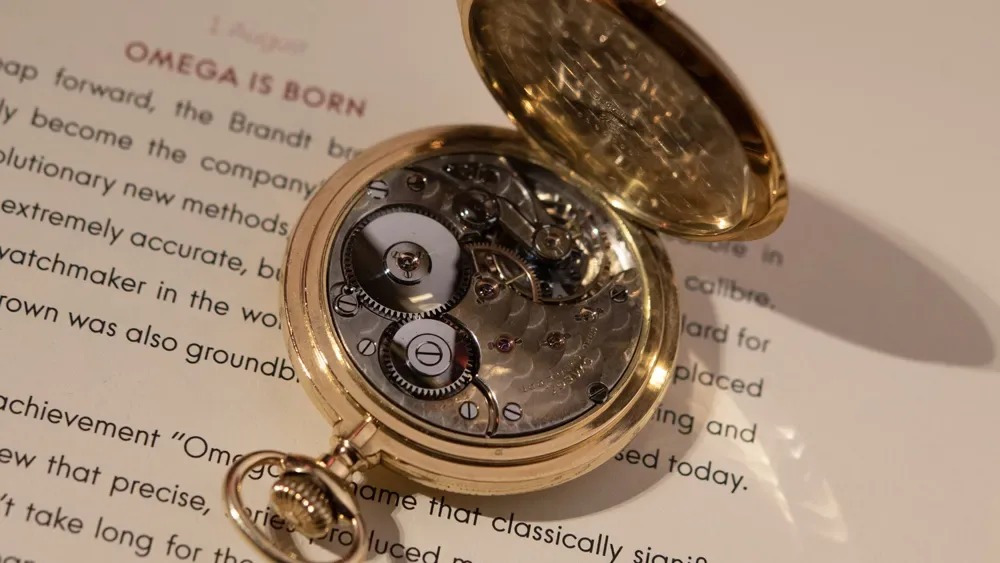
In 1894 the Brandt brothers released a new movement, the 19-ligne calibre. Omega's own account describes it as produced in series using new methods, as extremely accurate, and as built so that "every component could be replaced without modification by any watchmaker in the world". Winding and time-setting both ran through the stem and crown, an arrangement still widely used today.1
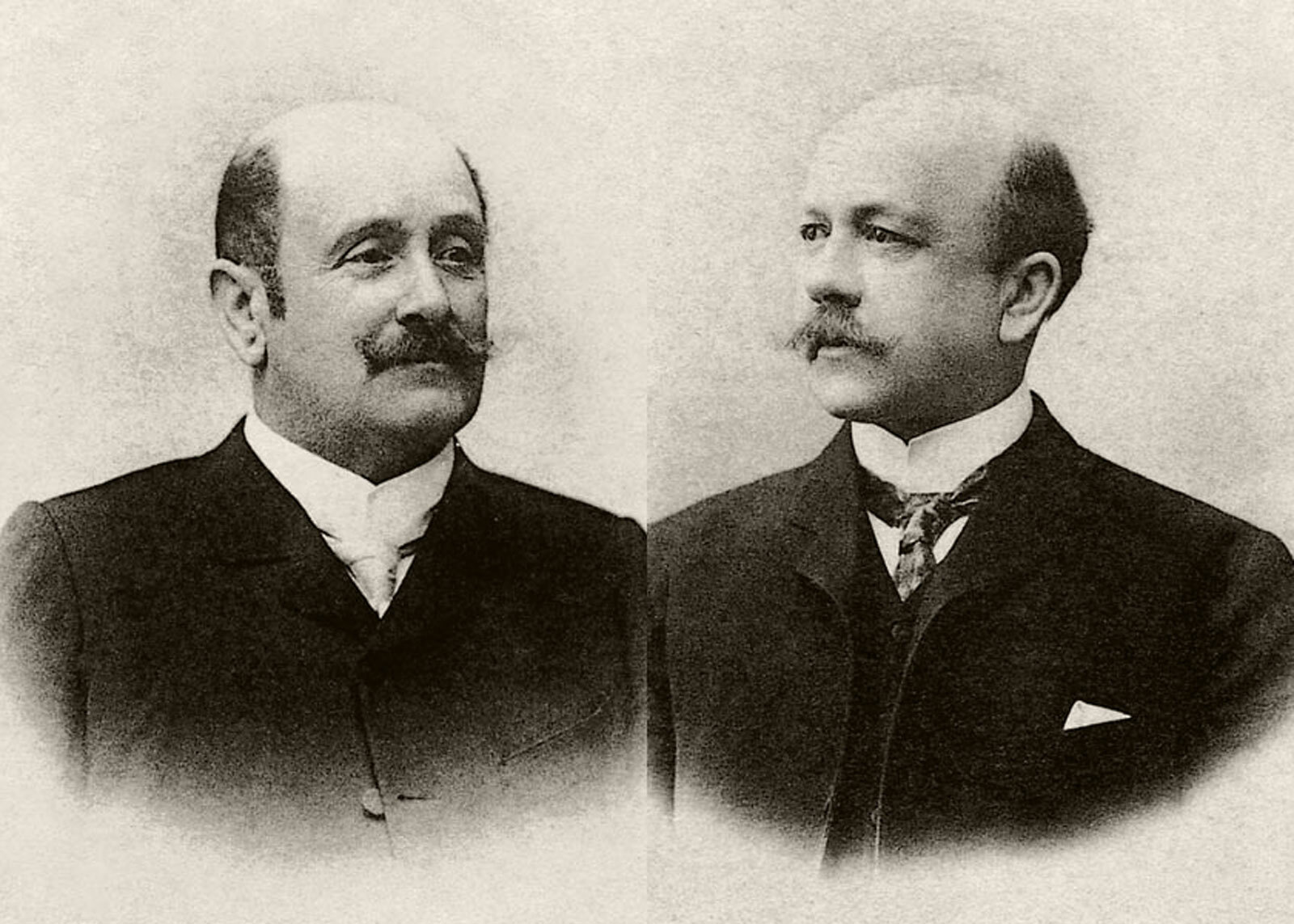
The brothers were the sons of Louis Brandt, who had started the business in La Chaux-de-Fonds in 1848.2 They called the new calibre Omega, which the company describes as "a name that classically signifies ultimate accomplishment".1 Omega is the last letter of the Greek alphabet.
The movement sold well enough to change the company. By 1903 Louis Brandt & Frère had renamed itself the Omega Watch Co.2 By the same year, according to Omega, it had become the largest manufacturer of finished watches in Switzerland.1
A product name that took over the company
Naming usually runs in one direction. A company names its products, and the products borrow what the company already stands for. In 1903 the Brandts ran it the other way. A single calibre watch had become better known than the house that made it, and the house took the movement's name.
The decision moved the source of the brand's authority. A family name says who made something, and its value depends on trust in those people. A product name says what was made. By adopting the calibre's name the company rested its identity on a promise about the product: series production, accuracy and repair by any watchmaker, rather than on the reputation of a founder. Much of Swiss watchmaking still carries the names of the people who began it. Omega carries the name of a thing that worked.
It also settled a question of brand architecture, the way a company organises its names, before the term existed. With the company and its best-known product sharing one word, there was no gap between the corporate brand and the product brand to manage. Every watch the company sold afterwards was, in name at least, a successor to the calibre of 1894.
For customers the change simplified the purchase. A buyer no longer needed to know which family firm in which Jura town stood behind a watch. The name on the dial and the name of the movement inside it were the same, so the reputation earned by one passed directly to the other. The more watches the company sold under that name, the more each new one benefited from those that came before.
What the letter gave the brand
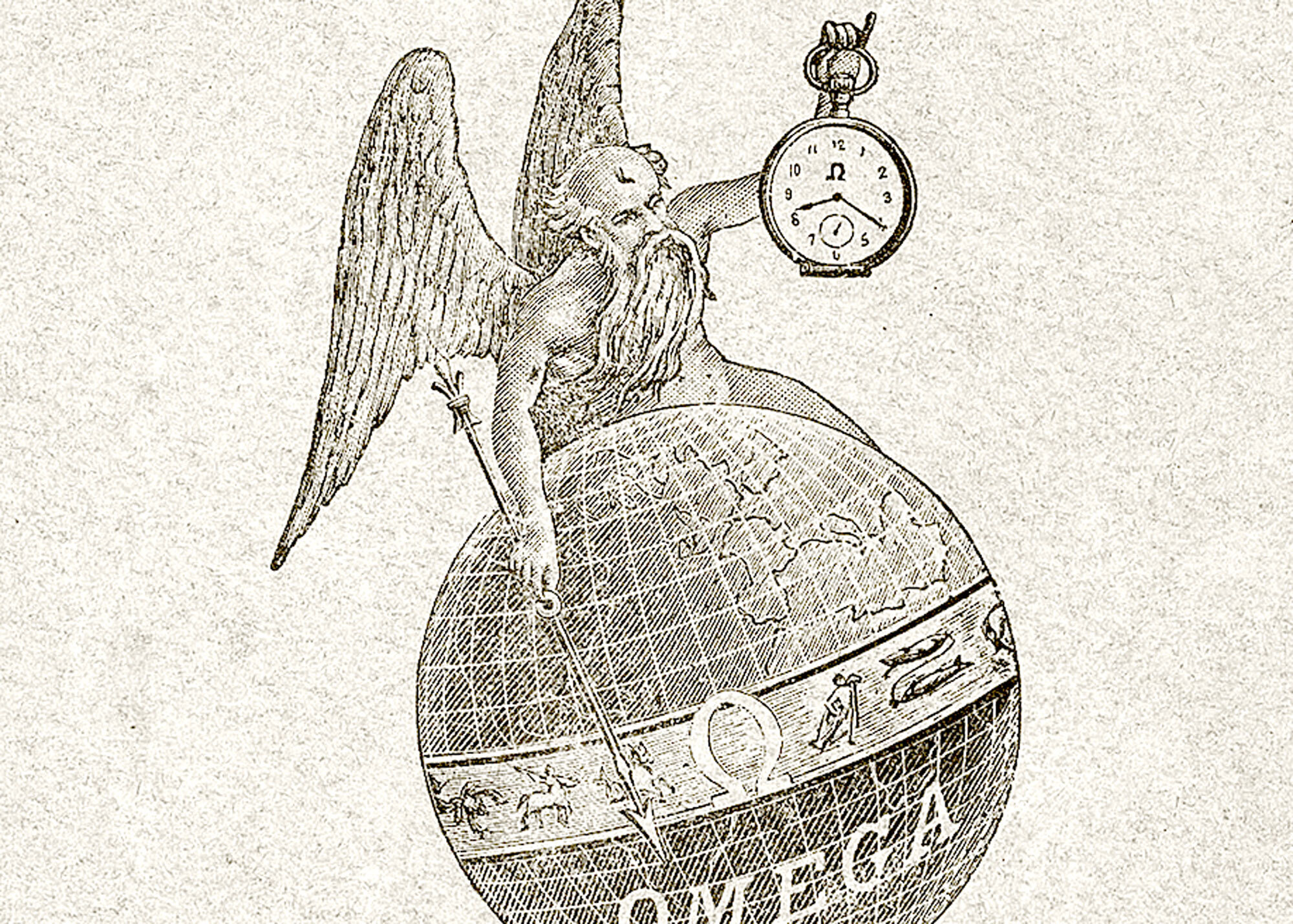
As a word, Omega had practical advantages that a family name could not match. It is short, it is pronounced much the same in most languages, and it comes with its own sign, the Greek capital Ω, which can stand for the brand without any lettering at all. For a company about to sell across Europe and beyond, those were commercial qualities as much as aesthetic ones.
The meaning carried further than the sound. A name that signifies the last word, or the ultimate achievement, sets an aspiration that does not date. It does not refer to a technology, a material or a decade, so it cannot be overtaken by progress in the way a descriptive name can.
A name that has to be kept
A name with a claim inside it is also an obligation. A brand called after the ultimate accomplishment invites the question of whether each new product lives up to the word. Omega's later history can be read as a series of answers given by third parties: the Olympic Games entrusted it with their timekeeping from 1932, and NASA qualified the Speedmaster for manned spaceflight in 1965. In both cases someone other than the company judged the watches against a demanding standard.
Omega's own account of 1894 supports that reading. It presents the calibre not as a single masterpiece but as an industrial achievement, a movement designed for series production and for repair anywhere in the world. From its first chapter the brand presents precision as something that can be reproduced at scale, which is the position its later commercial history grew into.
The Brandt family name has long since faded from view, while the word chosen for a pocket watch movement in 1894 is still the company's name. The calibre itself was superseded long ago. The name it gave the company was not.
Written with AI assistance, edited by a human. Find out more about our Use of AI.
1. OMEGA, "1894: OMEGA is born", OMEGA Chronicle, read 29 September 2026, for the 19-ligne calibre produced in series, its accuracy and fully interchangeable components ("every component could be replaced without modification by any watchmaker in the world"), winding and time-setting via stem and crown, the name OMEGA as "a name that classically signifies ultimate accomplishment", and OMEGA becoming the largest manufacturer of finished watches in Switzerland by 1903. The page carries the date 1 August 1894. https://www.omegawatches.com/chronicle/1894-omega-is-born
2. Wikipedia, "Omega SA", read 29 September 2026, for the founding by Louis Brandt in La Chaux-de-Fonds in 1848 and for Louis Brandt & Frère renaming the company Omega Watch Co. by 1903 on the success of the Omega brand. https://en.wikipedia.org/wiki/Omega_SA