
One letter for a new shape
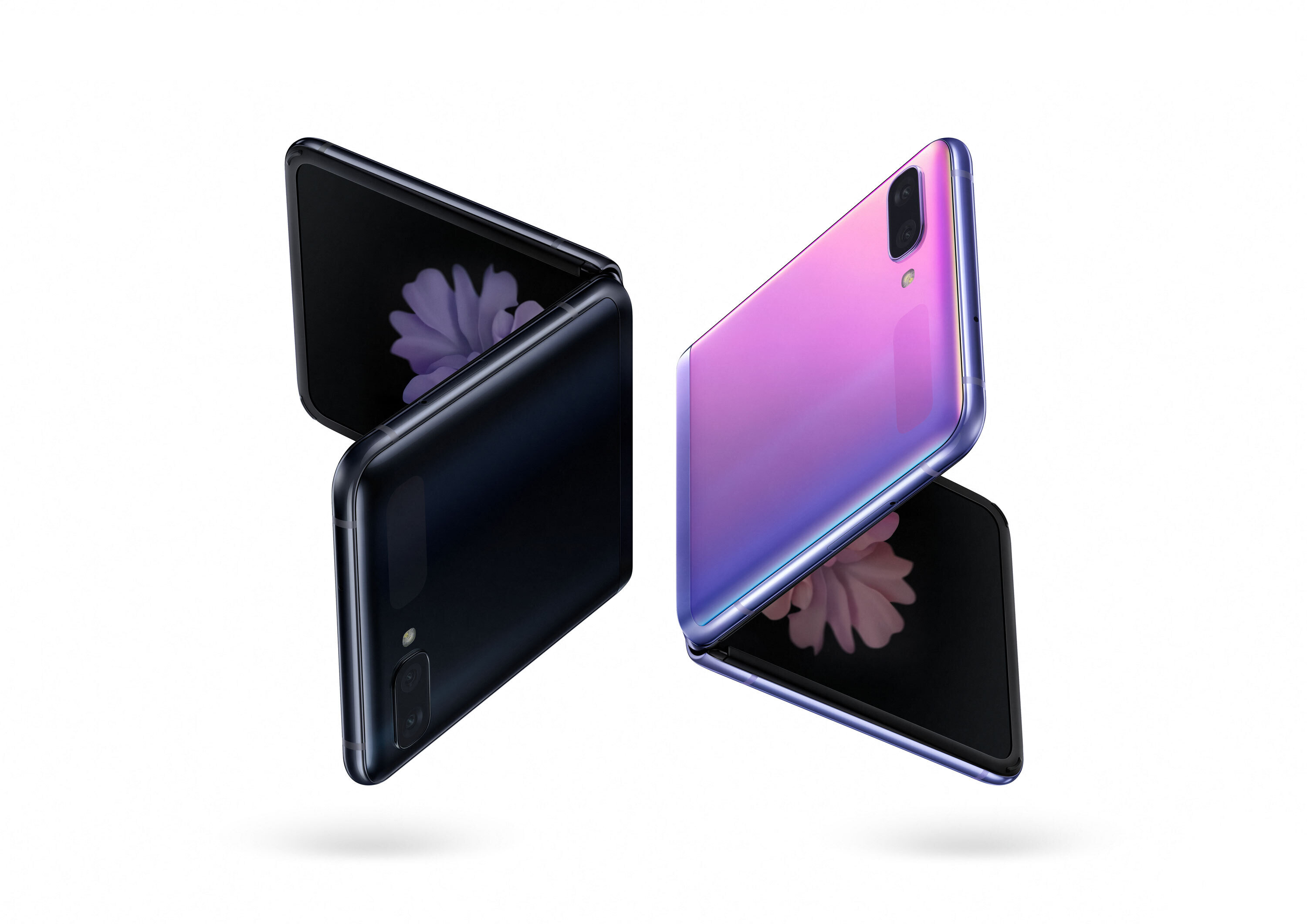
Samsung confirms in February 2020 that its folding phones will sit under a name of their own. The company tells Bloomberg on 12 February, the day after the Galaxy Z Flip is presented, that Z becomes the umbrella for the whole foldable portfolio, and that the letter is doing deliberate work. Samsung's stated reasoning is that Z "intuitively communicates the idea of a fold while delivering a dynamic, youthful feel". The first Galaxy Fold, released the previous year without the letter, is retrospectively brought into the line as the Galaxy Z Fold.
The decision looks small. It is a single character added to a product name. What it settles is a question Samsung's mobile portfolio had been carrying for a decade: how many names a brand needs before the names stop helping.
From a domestic phone brand to a single global one
Samsung had not always sold phones under its own name. In its home market it ran Anycall, a mobile brand established in 1993 that led the Korean market from the mid-1990s and also traded in greater China. Anycall was a market brand rather than a corporate one, and it operated alongside the Samsung name rather than beneath it. The brand was retired during the 2010s, latterly surviving only on feature phones, and the mobile business consolidated onto Samsung itself.
That consolidation set the pattern. Samsung would carry one corporate brand into every market, and any differentiation inside the portfolio would be made with sub-brands rather than with separate identities. Galaxy, introduced in 2009, became the container for all of it.
A portfolio built by accretion
What followed was growth without a governing rule. The Galaxy S arrived in 2010 as the flagship. The Galaxy Note followed in 2011, defined by a larger display and a stylus, and it created a second flagship rather than a variant of the first. The Galaxy A, M and J series filled the mid and entry tiers in different regions at different times. Individual devices acquired suffixes, plus signs and edition names.
By the late 2010s the portfolio described its own history more accurately than it described its present. A buyer could not read the range and understand what separated a Note from an S, because the answer had changed several times. The stylus was the original distinction. The screen size stopped being one once the S line grew. What remained was a name that carried an expectation Samsung had to keep meeting twice a year.


The Note becomes a feature
Samsung resolves that in February 2022. The Galaxy S22 Ultra ships with a stylus housed in the body, the silhouette the Note line had made its own, and the Note name is not carried forward. In briefings around the launch Samsung frames the change as a move from product to attribute, describing its thinking as treating the Note less as a device and more as an experience.
In brand architecture terms the change follows a familiar rule. A sub-brand earns its keep when it stands for something the parent cannot say on its own. Once the stylus, the large display and the professional framing could all be delivered inside the S line, the Note was carrying a promise the S Ultra already fulfilled. Retiring it removes a name and keeps the meaning.
There is a cost to the decision, and Samsung absorbs it. The Note had a following that identified with the name, built over more than a decade, and retiring a name that customers use to describe themselves carries a risk of attrition. Samsung takes the loss on the name and keeps the audience by keeping the stylus, which suggests the company had concluded that the attachment was to the object and not to the word.
What the system is for
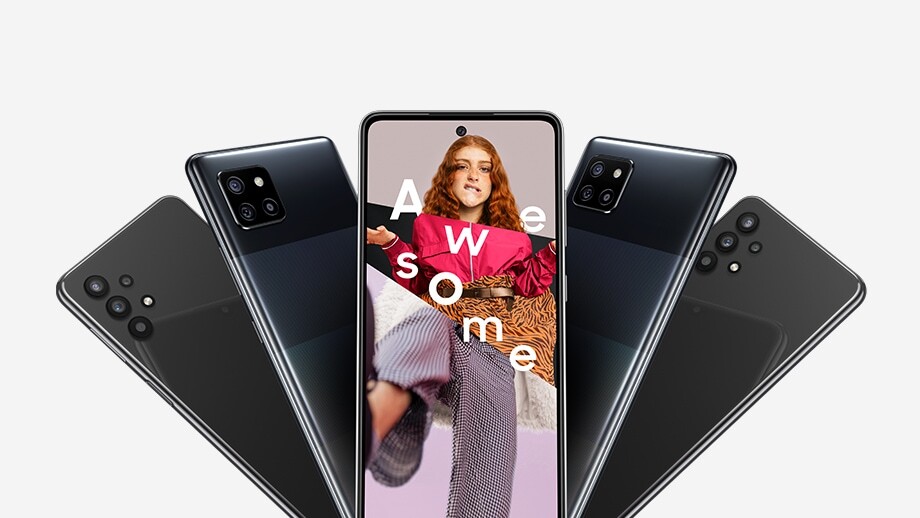
The result is a portfolio that reads as three statements rather than a list. Galaxy S is the flagship, with Ultra as its upper tier. Galaxy Z is the folding format. Galaxy A is the accessible range. Watches, earbuds, tablets and laptops sit under Galaxy with descriptive names rather than invented ones.
The naming work sits alongside the wider system Samsung builds for the mobile brand, including the Galaxy Visual Identity System introduced in 2023, which gives the portfolio a shared typographic and photographic behaviour to match its shared vocabulary. Neither piece of work produced a launch moment. Both are the kind of housekeeping that only becomes visible when it has not been done.
Samsung's approach through this period is consistent: no new brands, no separate identities, no acquisitions of naming territory. Everything it sells in mobile is a Galaxy, and the differences between Galaxies are expressed with single letters. For a company that once ran a separate phone brand in its home market, that is a considerable narrowing, and a deliberate one.
Written with AI assistance, edited by a human. Find out more about our Use of AI.