
Global technology company defining premium consumer electronics, software, and services through an identity built on simplicity, craft, and a tightly …
22 Articles
Nike is the world's largest athletic footwear and apparel company, building the brand around elite performance, athlete partnerships, and a long-runni…
12 ArticlesA partnership that began with a shoe
When Apple and Nike introduced Apple Watch Nike+ on 7 September 2016, they were not starting a relationship but formalising one that had run for a decade. The two companies had first joined forces in 2006, when the Nike+iPod Sport Kit paired a sensor placed in a Nike running shoe with an iPod nano. The sensor tracked time, distance, pace and calories, fed the data to the iPod, and delivered audio feedback through the runner's headphones. It was an early, influential example of two strong brands combining hardware, software and apparel around a single activity.
The 2006 kit mattered because it linked physical product to a digital service. Runners uploaded their data to the Nike+ online community, where they could track progress and compare results. That combination of device and platform prefigured the model both companies would later pursue independently, and it established a shared language of measured, connected fitness that the Apple Watch would eventually inherit.
The Watch as the natural successor
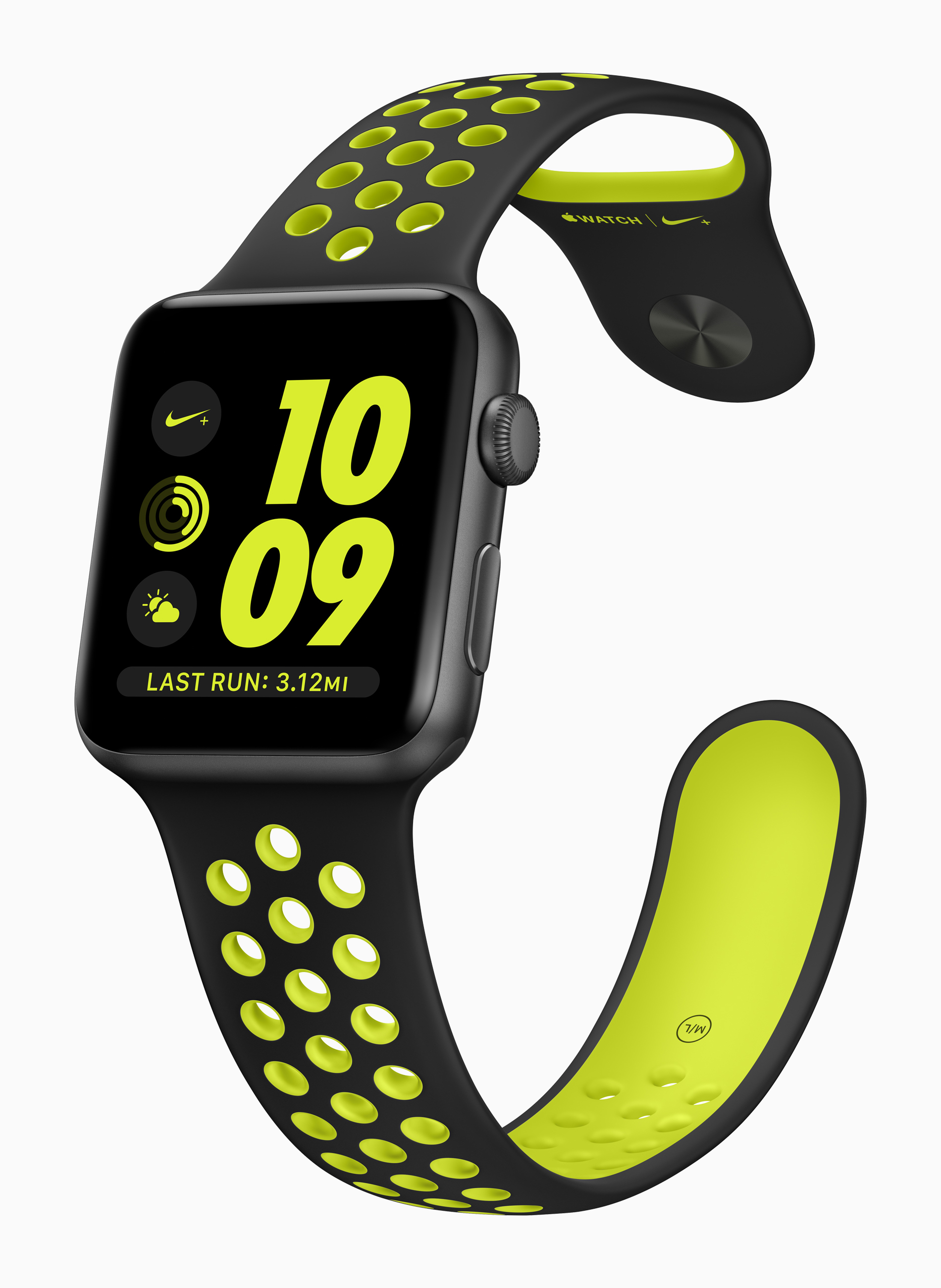
Apple Watch Nike+ took the idea off the shoe and onto the wrist. Built on Apple Watch Series 2, which added built-in GPS and 50-metre water resistance, the edition combined Apple hardware with Nike design and software. It shipped with perforated Nike Sport Bands, carried exclusive Nike watch faces, and integrated the Nike Run Club app so that tracking, coaching and community sat together on the device. The product arrived in stores on 28 October 2016.
The co-branding was carefully balanced. The hardware was unmistakably Apple, while the bands, faces and running experience were unmistakably Nike, and the name placed both marks side by side. Neither brand subordinated itself to the other. Instead each contributed the asset it was strongest in, so that the finished product read as a genuine collaboration rather than a licensing exercise.
What each brand gained
For Apple, the alliance supplied fitness credibility. The Apple Watch was still establishing its purpose in its first years, and health and activity tracking were emerging as its clearest use. Associating the device with Nike, a name synonymous with sport and running, helped position the Watch as a serious athletic tool rather than a general-purpose gadget. The Nike Run Club integration gave runners a reason to choose the Nike+ edition specifically.
For Nike, the partnership kept the brand at the centre of digital fitness without requiring it to build and sell its own hardware at scale. Nike had experimented with its own devices, including the FuelBand activity tracker, before stepping back from wearable hardware. Aligning with Apple let Nike focus on software, community and design while its products reached consumers on the most prominent smartwatch on the market. The collaboration let each company concentrate on its core strength.
A model for co-branding
The Apple and Nike relationship became a reference point for how two major brands can collaborate over the long term. Rather than a one-off special edition, it functioned as a continuing product line, updated across successive Apple Watch generations with new bands and faces. That continuity built familiarity and gave the collaboration a durability that most brand partnerships never reach.
The endurance also rested on keeping the collaboration meaningful rather than cosmetic. Each update paired new Nike Sport Band colours with revised watch faces and refinements to the Nike Run Club experience, so that the edition kept offering runners something the standard Watch did not. By tying the partnership to a genuine use rather than to styling alone, Apple and Nike gave it a reason to persist across generations. The Nike+ name remained a recognised sub-brand within the Apple Watch range, and it kept both companies visible in the daily routines of the people who ran with it.
The arrangement also illustrated a clear division of labour between complementary brands. Apple provided the platform and the engineering; Nike provided the sporting authority and the running ecosystem. Because their strengths did not overlap, the partnership avoided the tension that can arise when collaborators compete in the same territory. Each brand extended its reach into an area it could not have owned as convincingly alone.
Seen alongside Apple's parallel work with Hermès, which framed the Watch as a luxury object, the Nike edition showed how a single device could support very different brand meanings. With Hermès the Watch became a fashion accessory; with Nike it became a running partner. The Nike+ line demonstrated that a well-chosen collaboration could sharpen a product's positioning for a specific audience, and it turned a decade-old fitness experiment into one of the most enduring partnerships in consumer technology.
Written with AI assistance, edited by a human. Find out more about our Use of AI.