Uniqlo
Japanese retailer of affordable everyday basics that sells clothing as engineered tools for daily life under the name LifeWear, carried by named fabric technologies and a Japanese design identity.
- Founded
- 1984
- Industry
- Apparel · Retail
- Headquarters
- Japan
- Parent company
-
- Fast Retailing
Key Facts
“LifeWear”
Approaching issues from the customer perspective. Embracing innovation & challenge. Respecting and supporting individuals to foster both corporate and personal growth. Committing to ethical standards and correctness.
Fast Retailing, FAST RETAILING WAY (Our Values)Changing clothes. Changing conventional wisdom. Change the world.
Fast Retailing, FAST RETAILING WAY (presented as Corporate Statement)To create truly great clothing with new and unique value, and to enable people all over the world to experience the joy, happiness and satisfaction of wearing such great clothes. To enrich people's lives through our unique corporate activities, and to seek to grow and develop our company in unity with society.
Fast Retailing, FAST RETAILING WAY (The FAST RETAILING Group Mission)Positioning
Brand Chronology
Uniqlo signs Cate Blanchett as brand ambassador
2025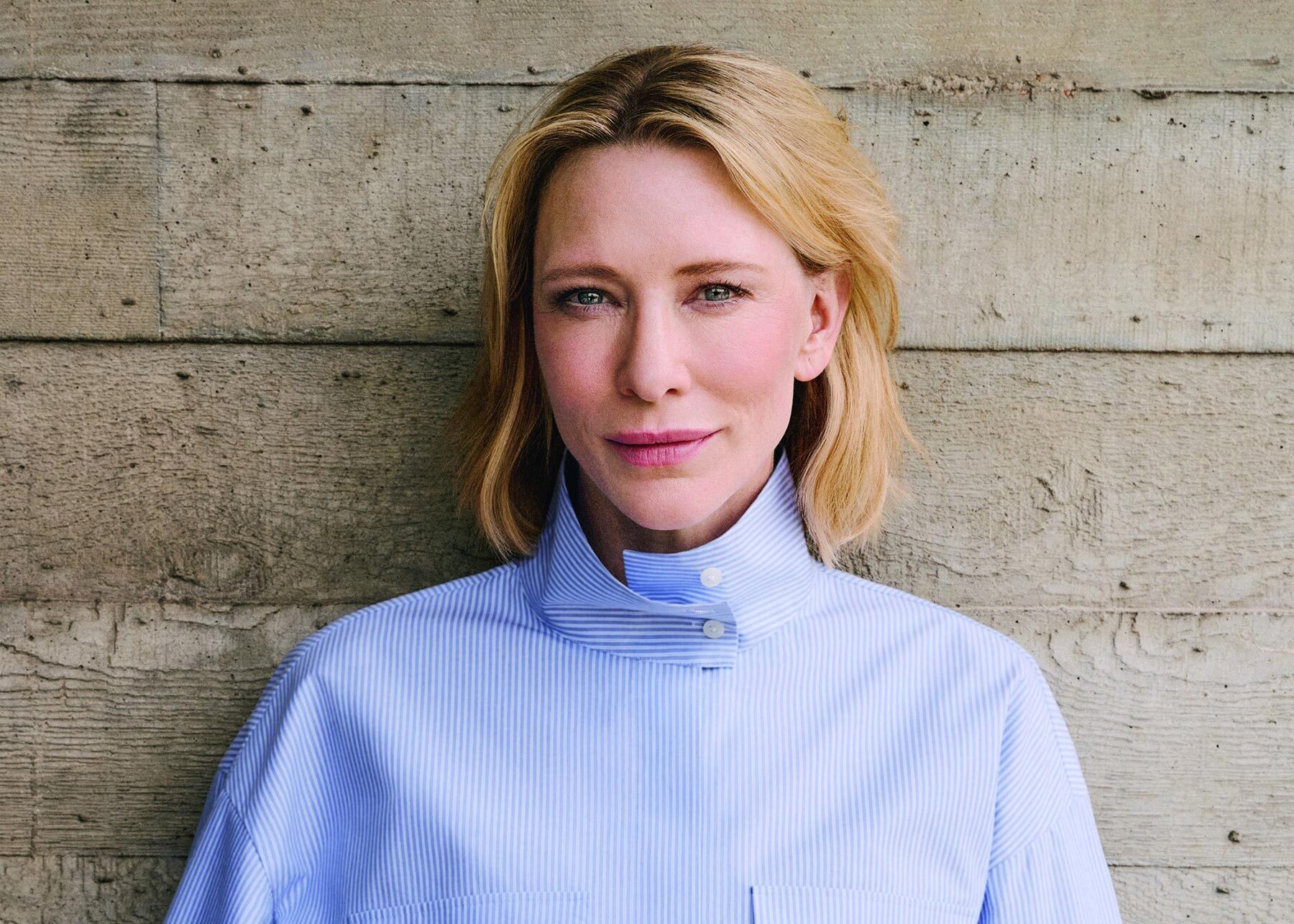
Roger Federer designs his first collection for Uniqlo
2025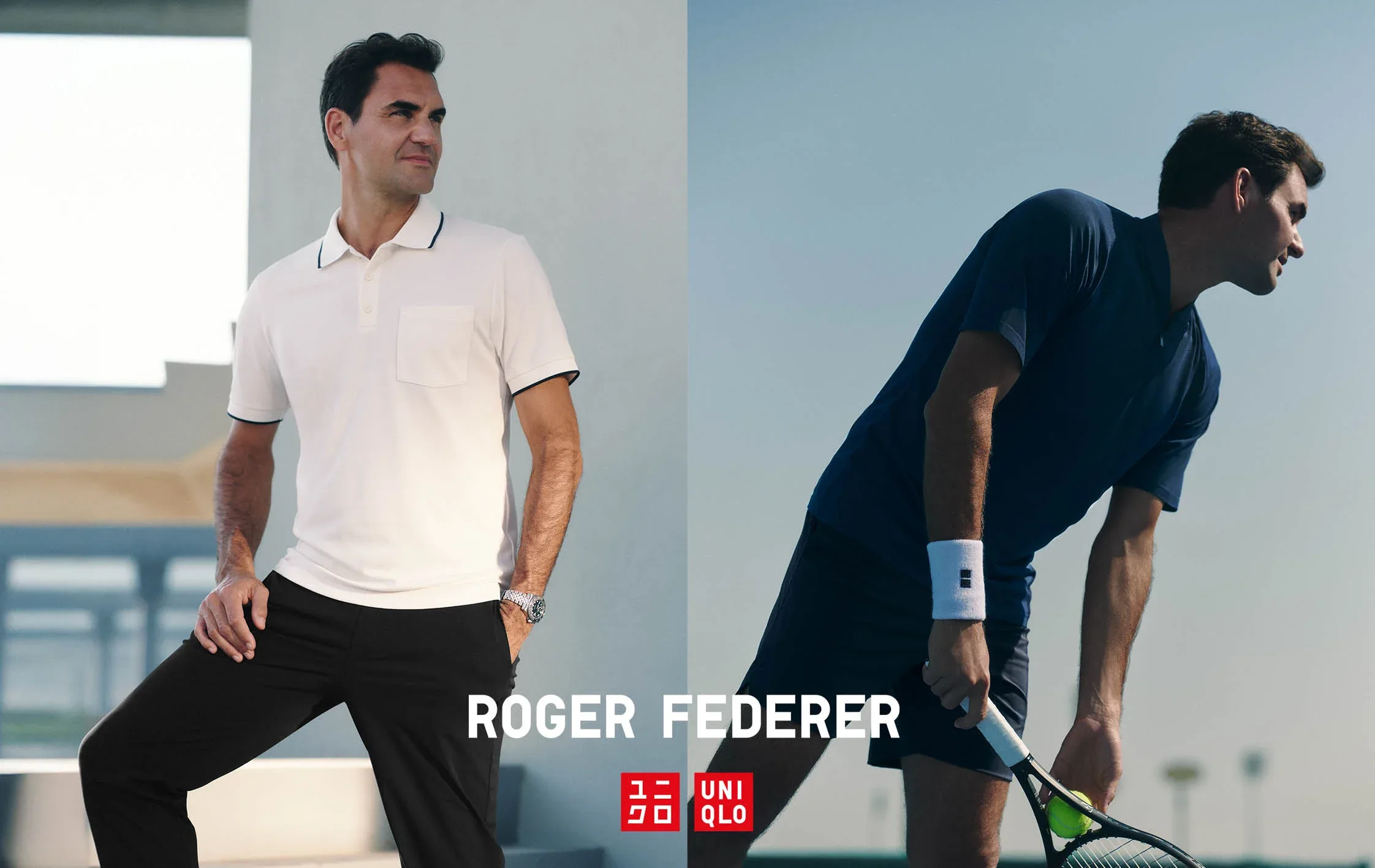
Uniqlo names its activewear Sport Utility Wear
2020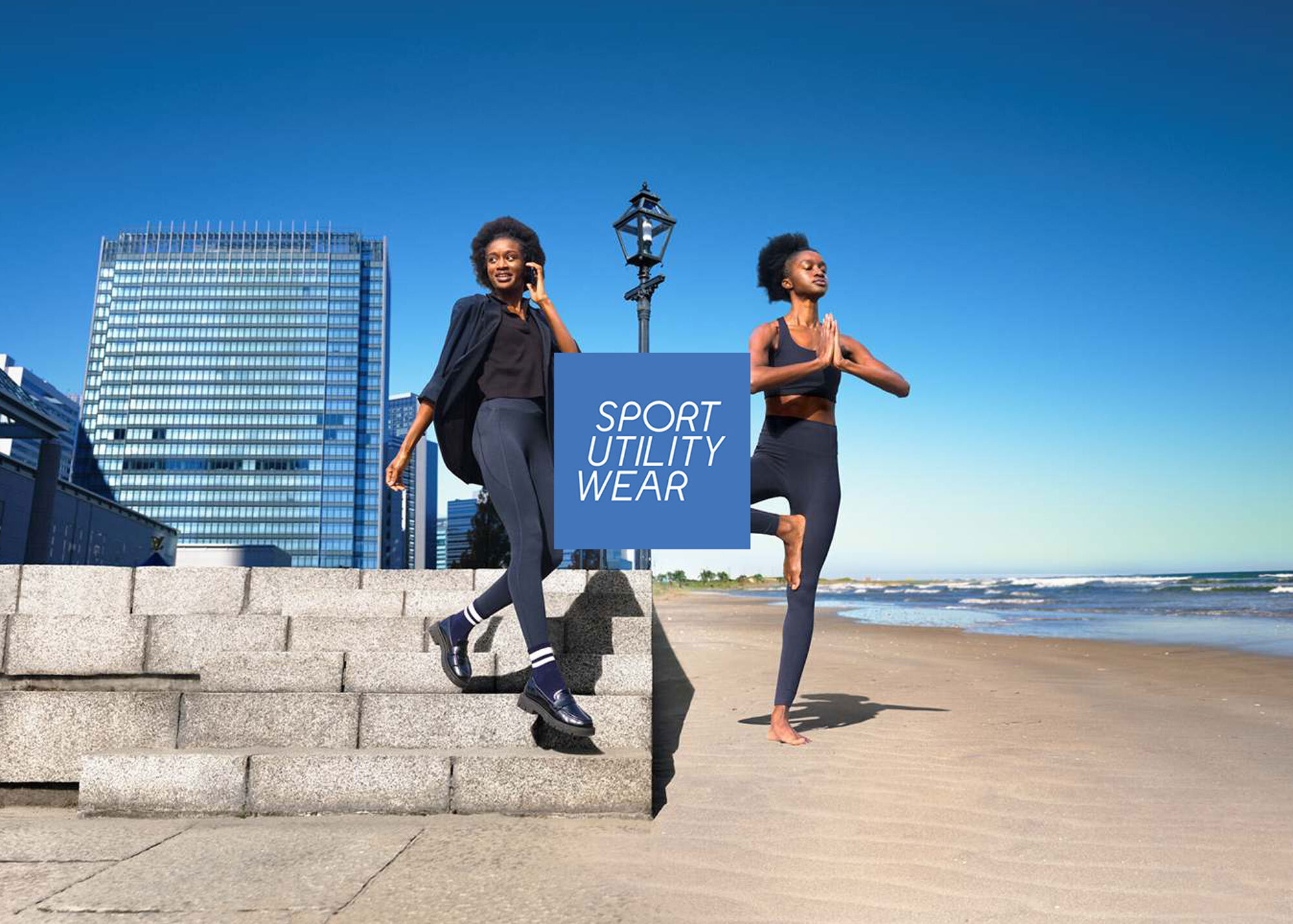
Roger Federer walks out at Wimbledon in Uniqlo
2018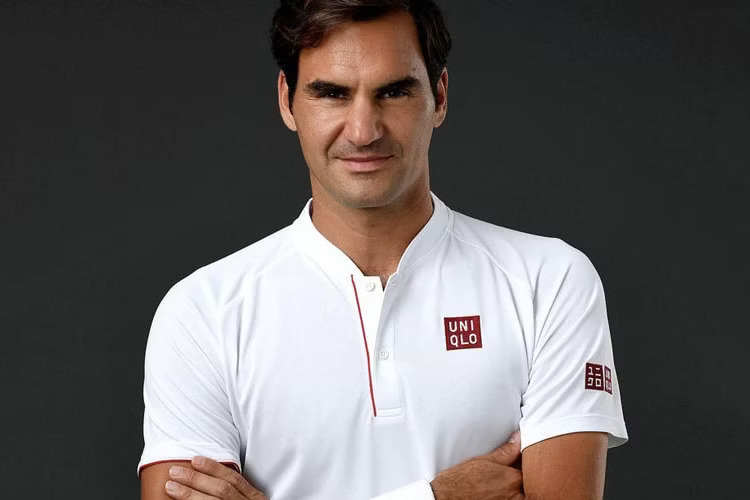
Loewe's designer starts a line with Uniqlo
2017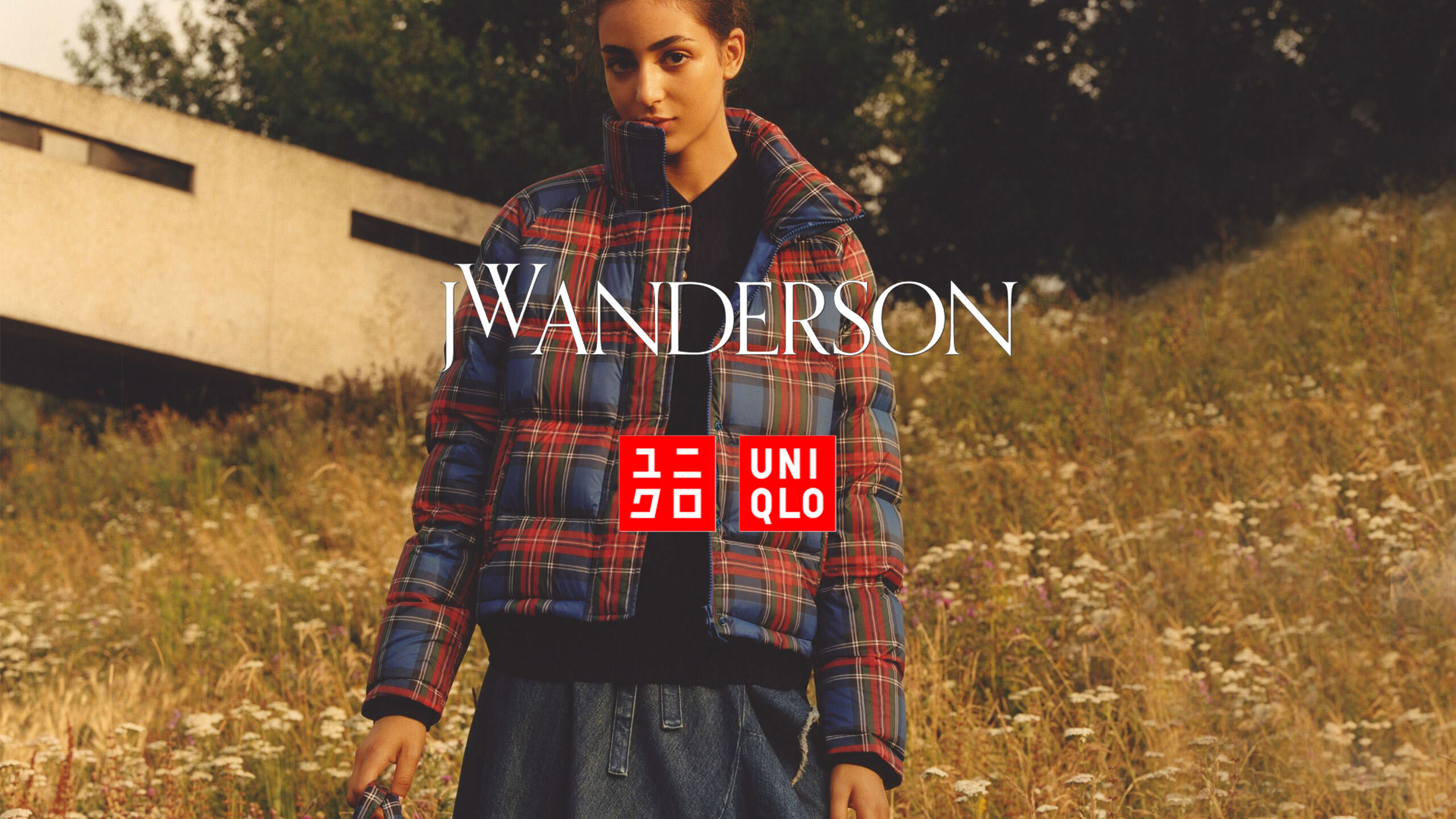
Uniqlo calls its clothing LifeWear
2013
Uniqlo opens its global flagship in SoHo
2006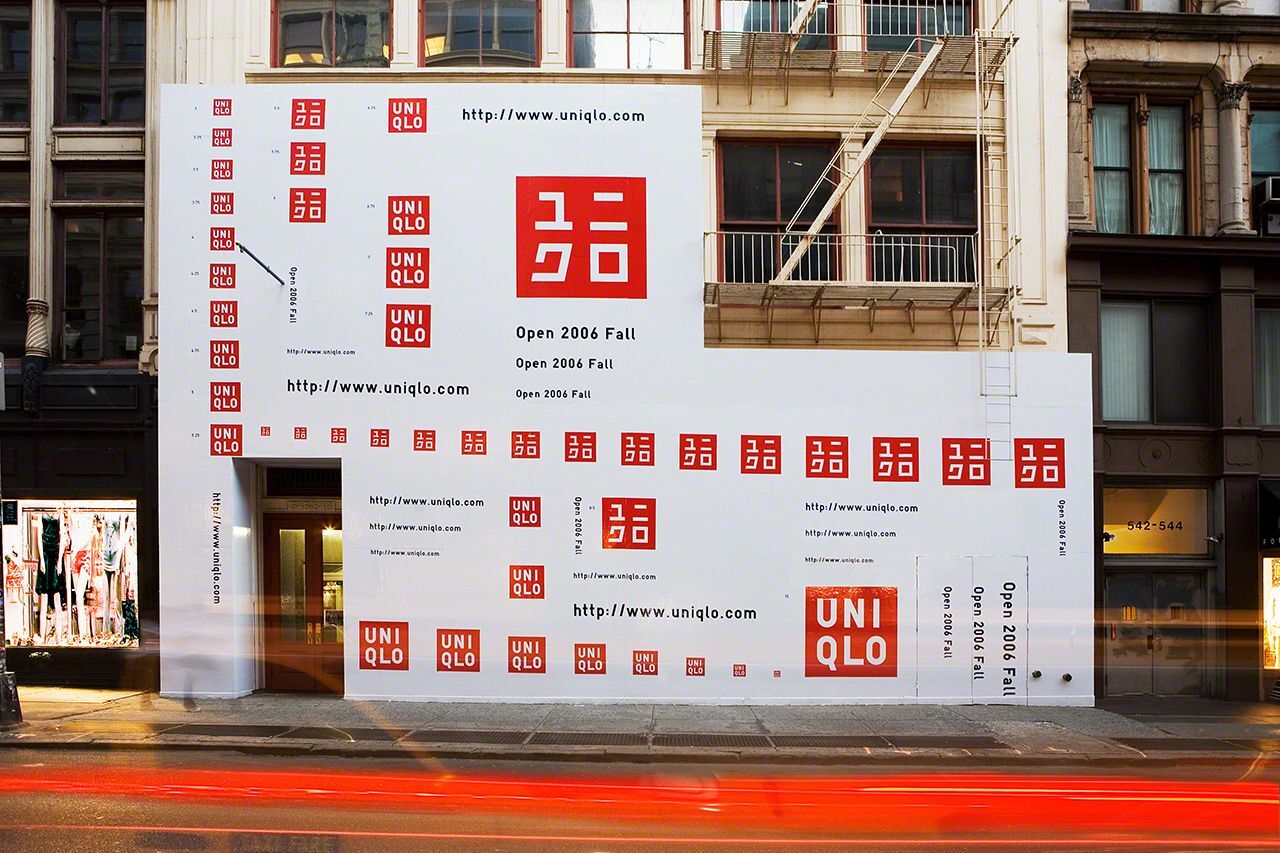
Logo Redesign
2006
The UNIQLO logo consists of two red squares, representing equality and balance between different cultures. One square shows the brand name in Japanese, while the other uses English, highlighting UNIQLO’s Japanese origins and its global presence.
The red color represents energy, passion, and determination and is also connected to Japanese culture. The white lettering creates a strong contrast, making the logo simple and recognizable. Overall, the logo reflects UNIQLO’s international identity and connection between Eastern and Western cultures.
Tadashi Yanai
returns as president
Uniqlo sells thermal underwear as HEATTECH
2003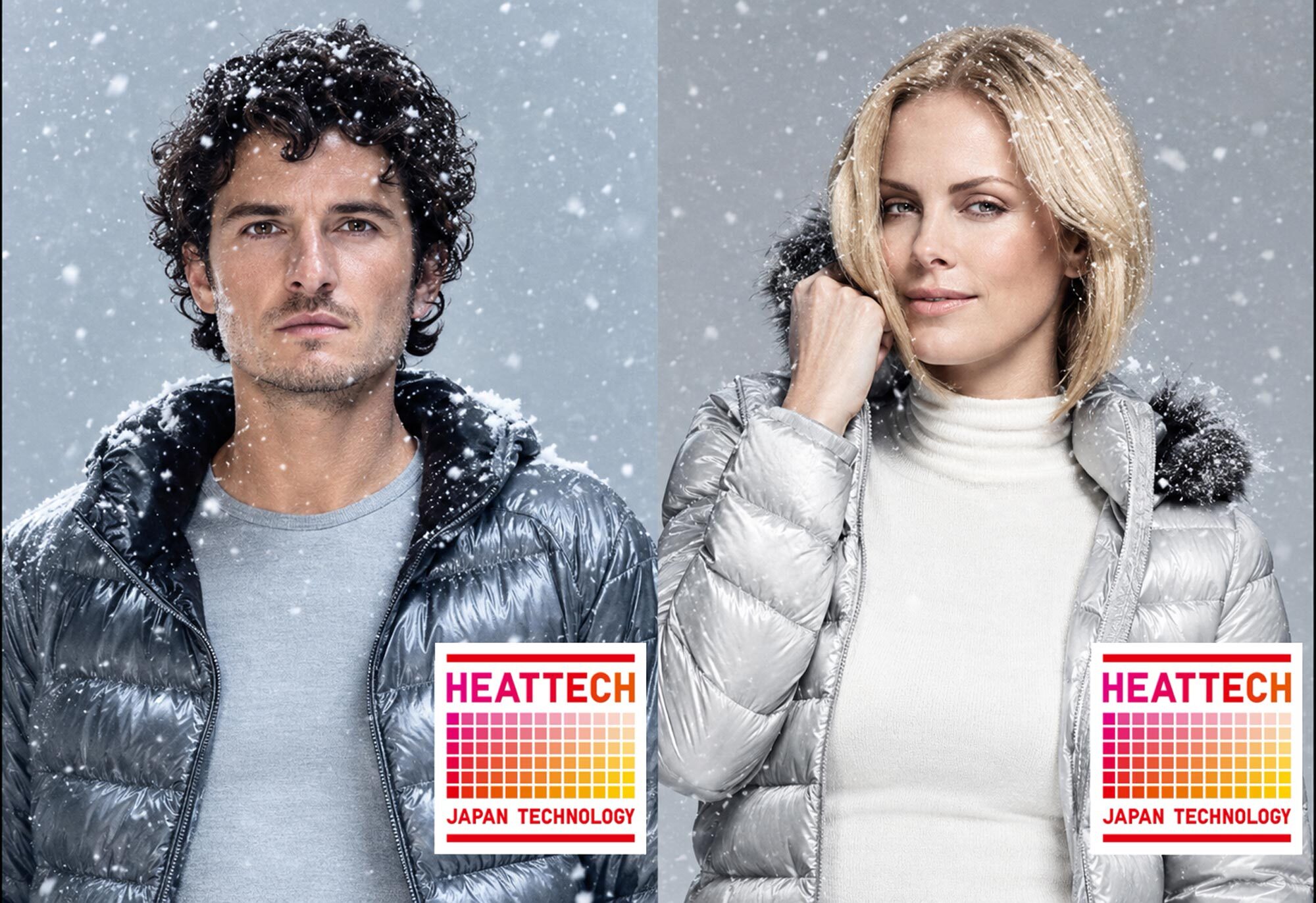
Genichi Tamatsuka
becomes president
Uniqlo sells fleece for 1,900 yen in Harajuku
1998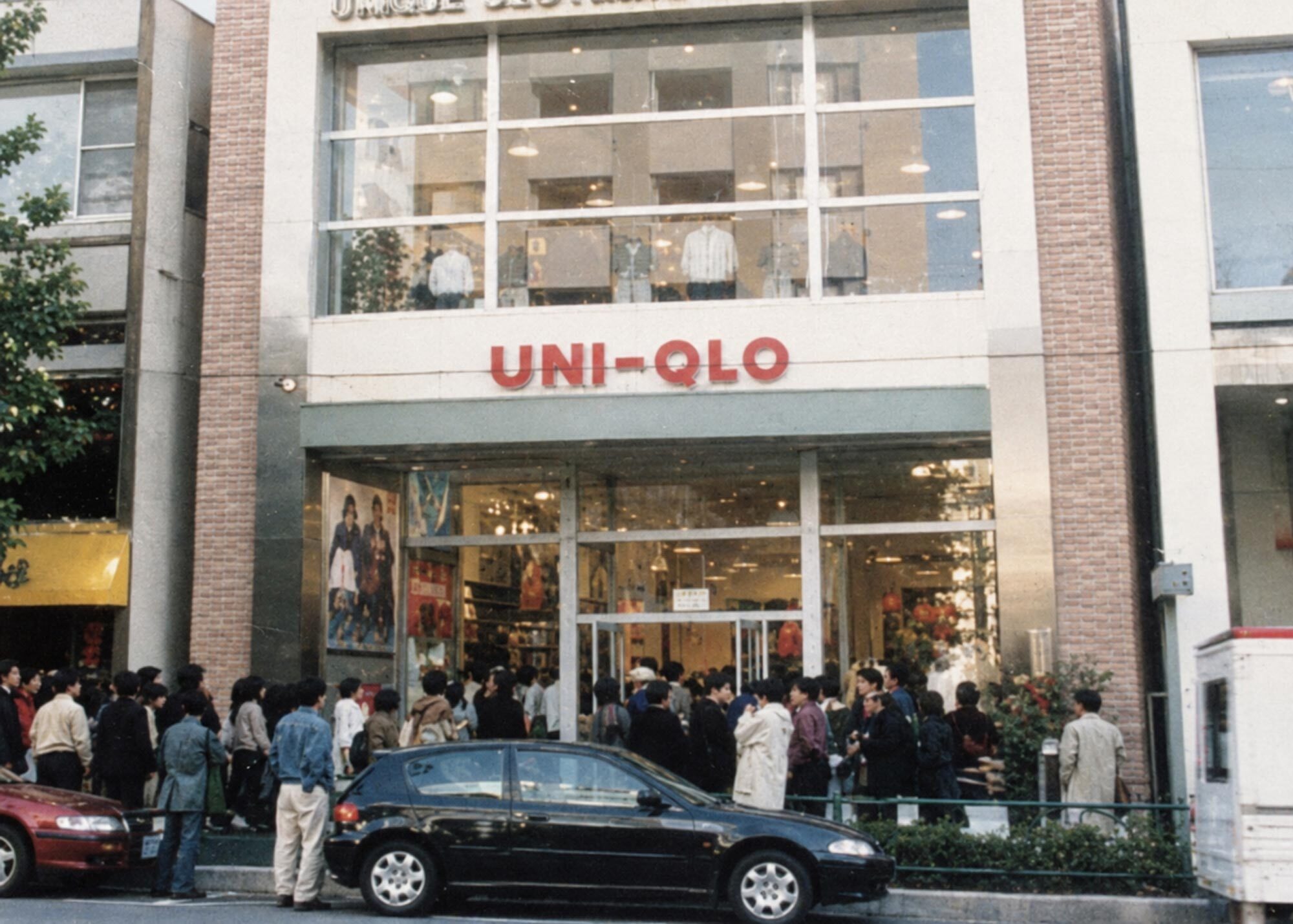
Logo Redesign
1998
The UNIQLO logo has an elegant and prestigious appearance. The burgundy square with white lettering creates a sense of luxury and refined style. The design reflects the brand’s development into a more established fashion company and its ambition to position itself among leading international fashion brands.
Logo Redesign
1991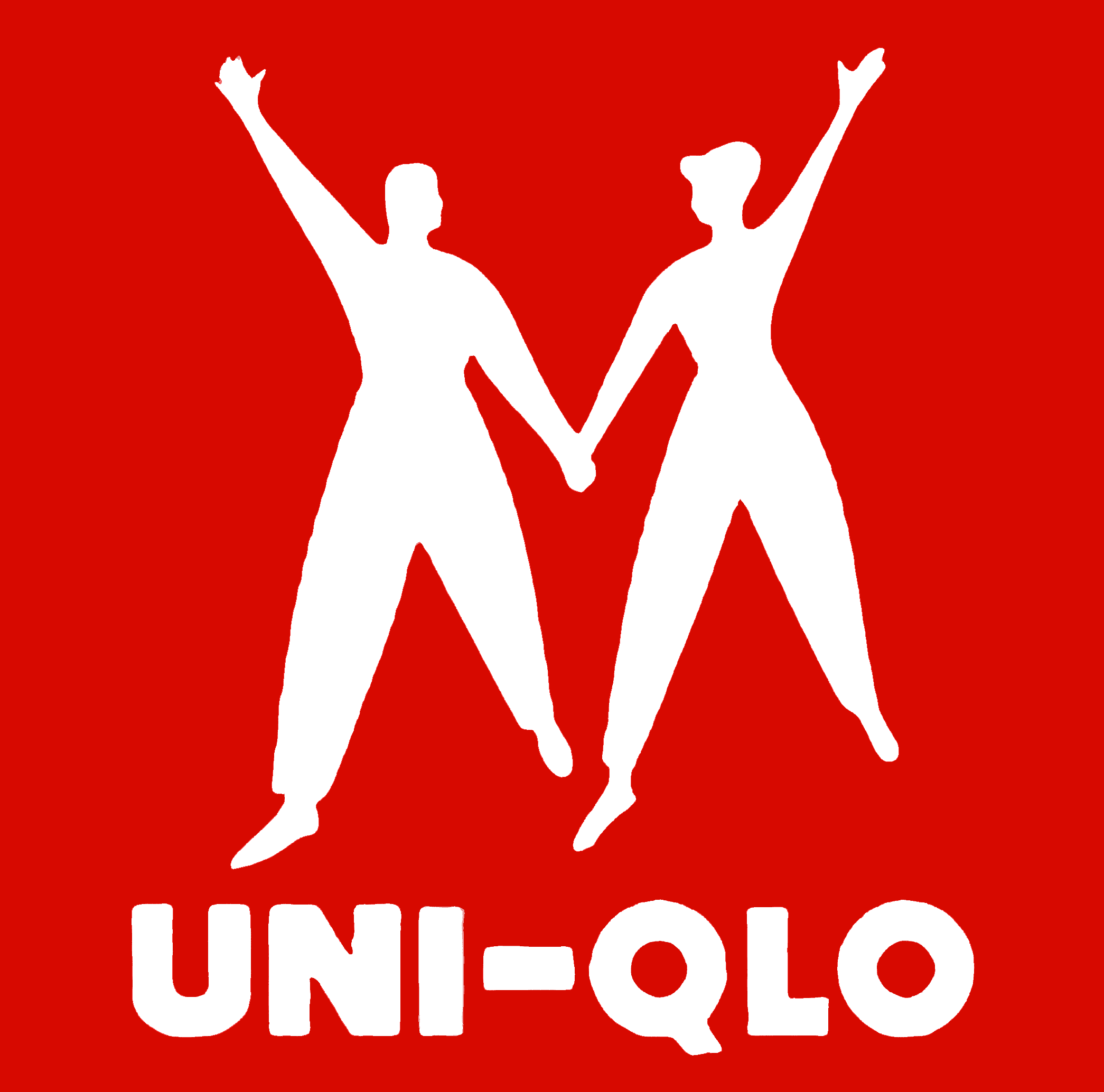
The logo reflects UNIQLO’s transformation into an international brand. The name came from “Unique Clothing,” with the “C” accidentally changed to a “Q” during registration, creating the distinctive name UNIQLO.
The logo shows a man and woman holding hands, symbolizing unity and harmony, while their raised arms represent victory and fulfilled wishes. The white figures and lettering stand out against the red square, which represents energy, success, and vitality. Overall, the logo communicates accessibility, diversity, and a vibrant international identity.
Uniqlo gets its name from a spelling mistake
1988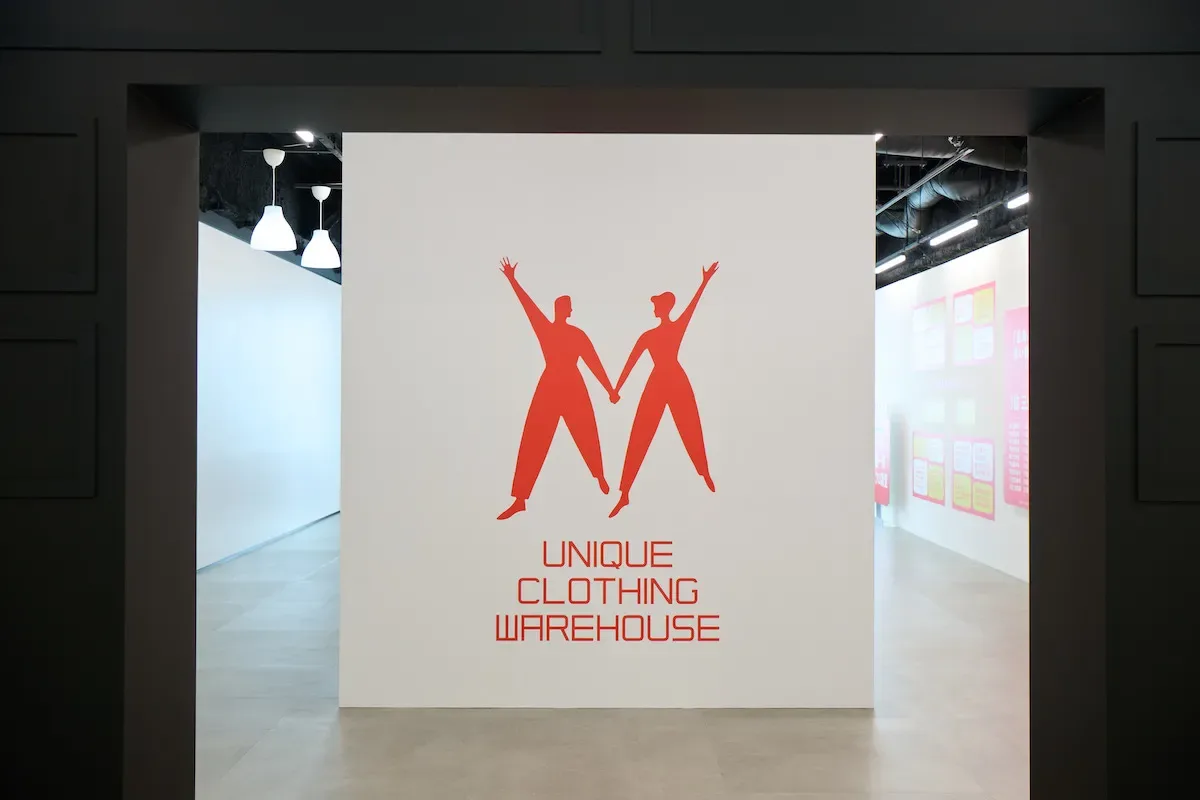
Logo Design
1984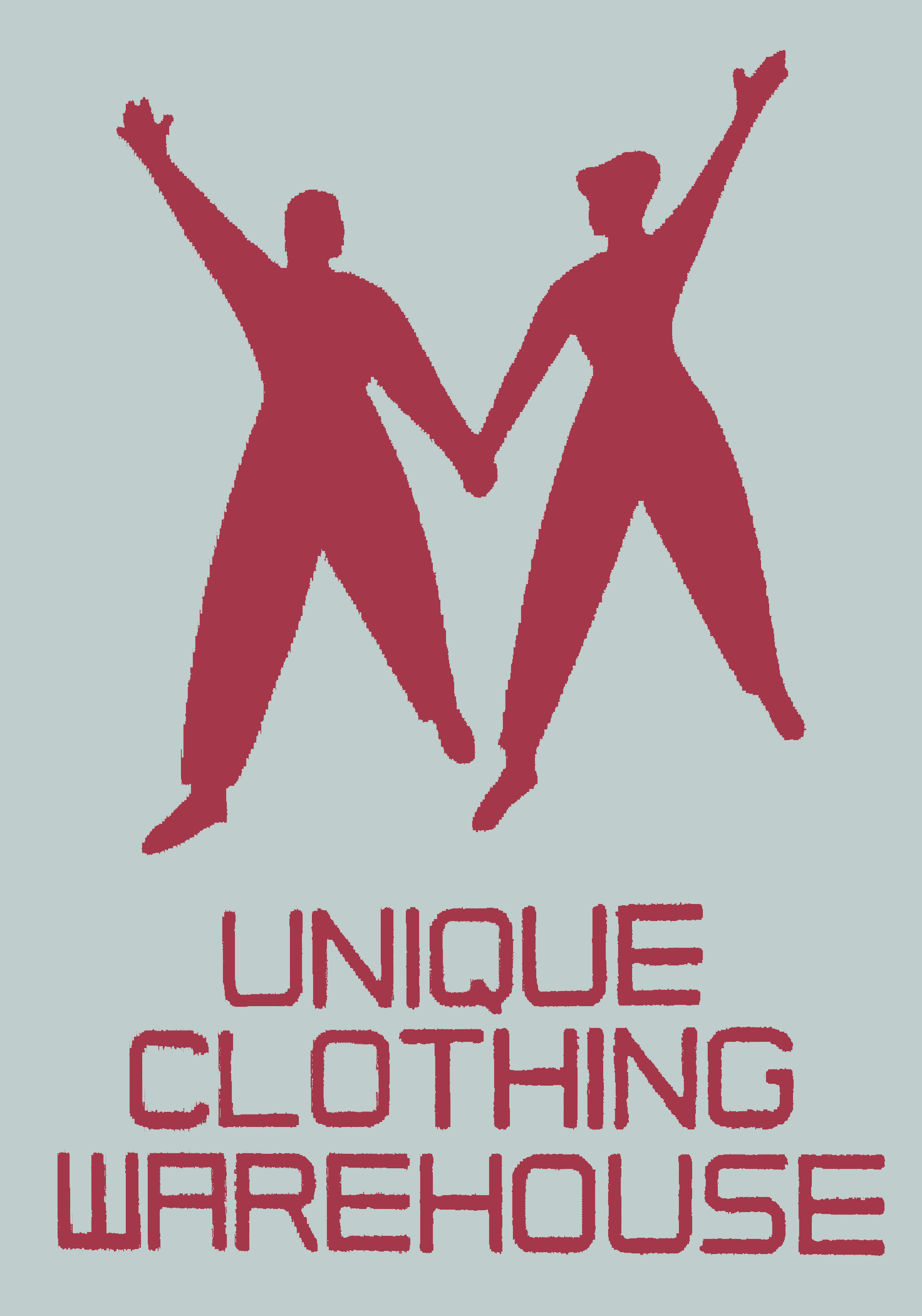
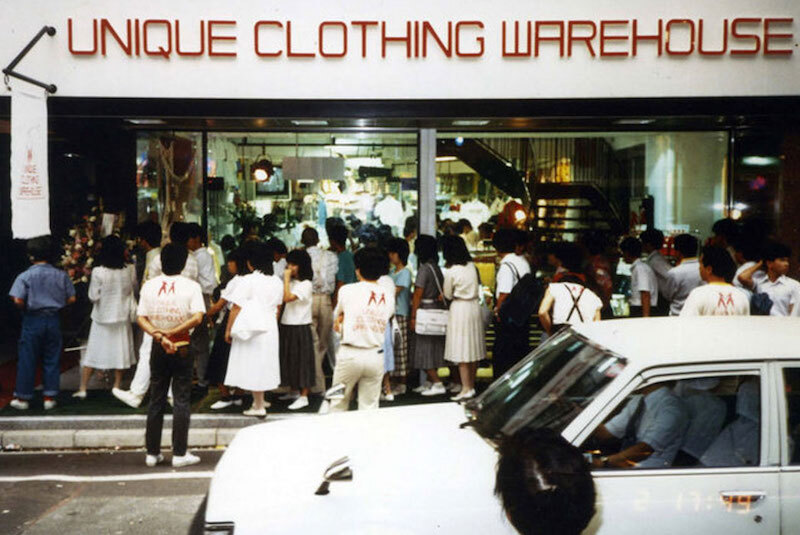
The 1984 logo reflects the brand’s focus on fashion, equality, and accessibility. Its elongated rectangular shape resembles a clothing label, connecting it to product design and mass production.
The logo features two male and one female figure in burgundy, symbolizing movement, joy, and friendliness. The mix of genders represents the brand’s unisex approach, offering clothing for both men and women. The brand name, “Unique Clothing Warehouse,” is written in a thin geometric font, giving the logo a modern, simple, and functional appearance.
Founded
1984