The first phone made by Google inside and out
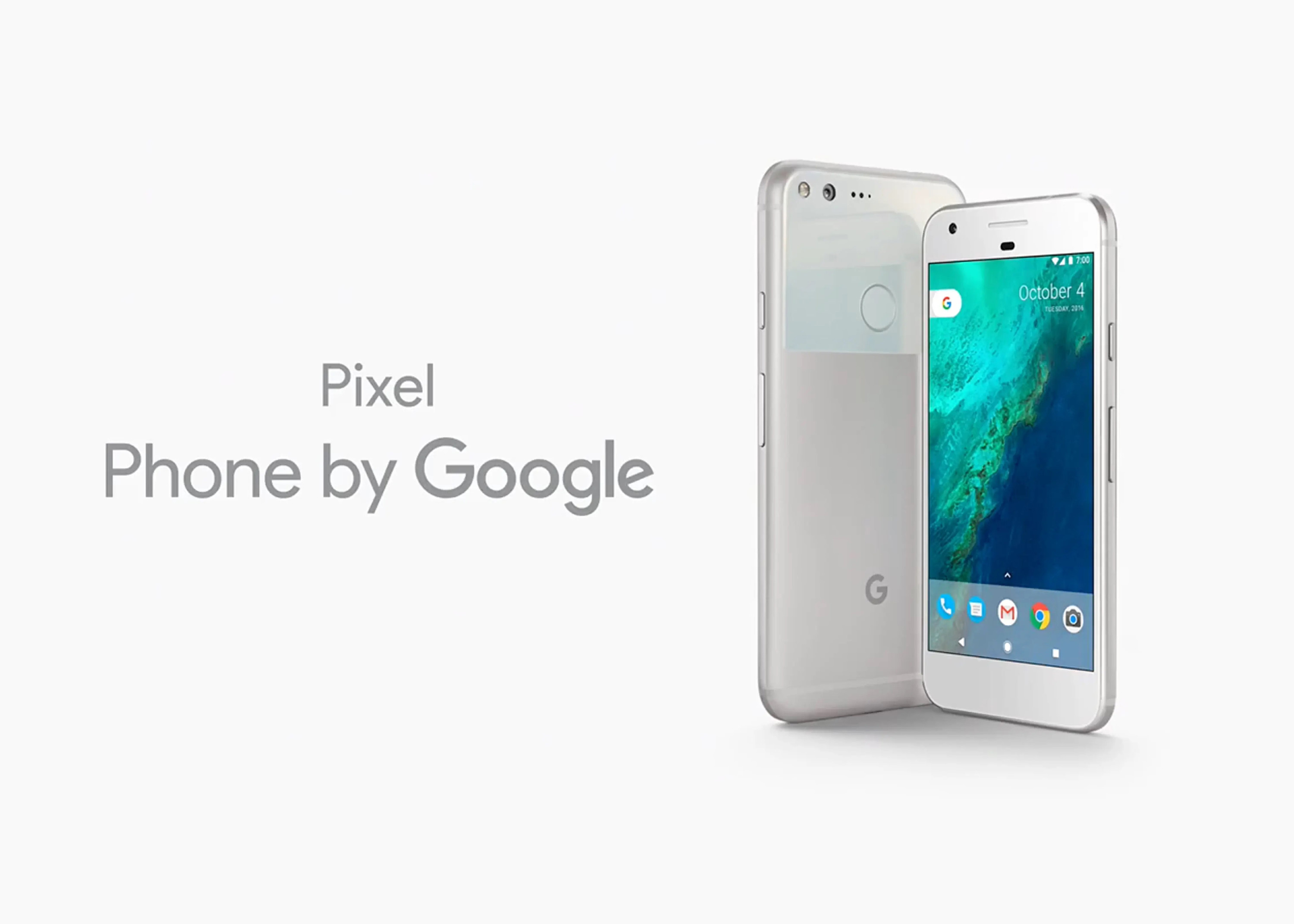
On 4 October 2016, at an event in San Francisco held under the line Made by Google, Google introduced the Pixel. The phone came in two sizes, five and five and a half inches, ran Android 7.1, and was priced from 649 US dollars, level with the iPhone it was measured against. Google sold it unlocked through its own store and, in the United States, through an exclusive retail partnership with Verizon. The company described it as the first phone made by Google inside and out.
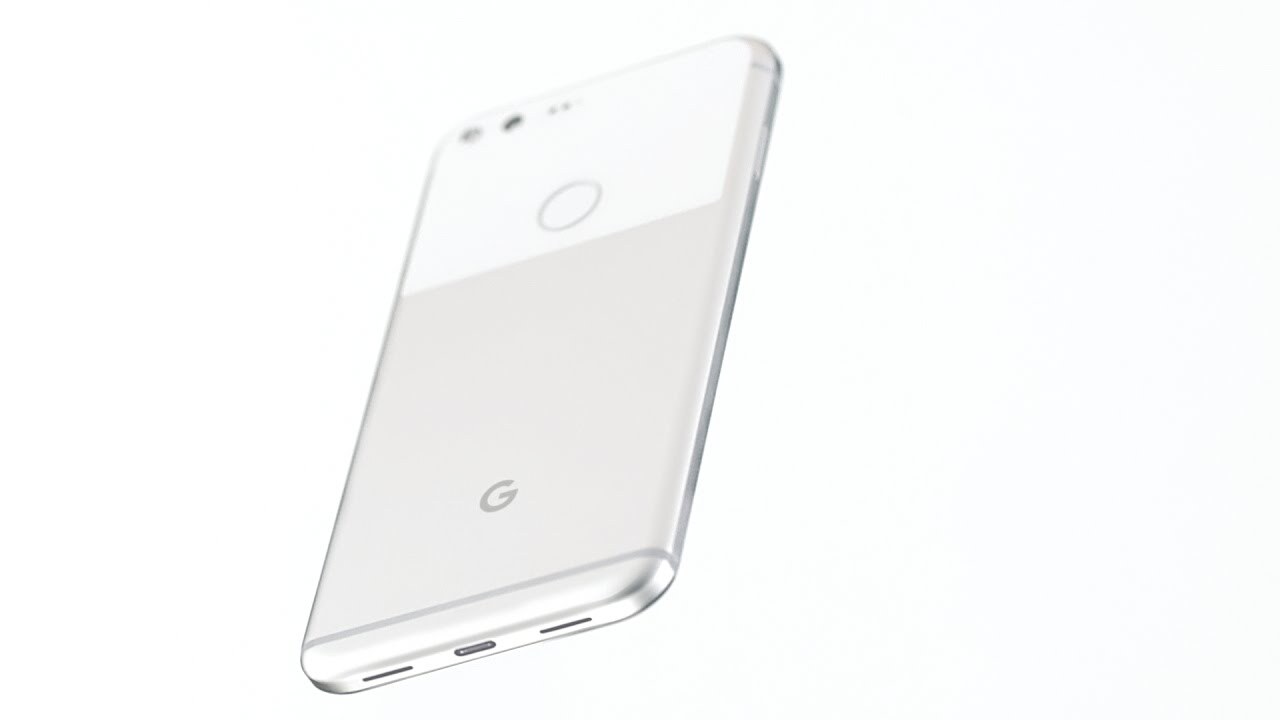
Google had put its name on phones before. The Nexus line, launched in 2010, consisted of reference devices built with partners whose names stayed on the hardware, intended to show manufacturers and developers what Android should look like rather than to sell in volume. The Pixel ended that arrangement. HTC assembled the first generation, but its name appeared nowhere on the device or in the marketing. The back panel carried a single G, and the Nexus programme was retired.
A hardware division with a mandate
The launch was the first public result of a structural decision. In April 2016, a year after the Alphabet restructuring separated Google's core business from its long-range projects, the company brought its scattered hardware efforts under a single division led by Rick Osterloh, the former president of Motorola. The mandate was to design hardware and software together, the way the companies Google competed with had always done.
Android, which Google had acquired in 2005, had given the company the world's largest mobile platform, but the platform reached consumers wrapped in other companies' interfaces and other companies' names. The Pixel gave Google ownership of the whole experience for the first time, and the software made the case for it: the Pixel was the first phone with the Google Assistant built in, and Google presented its camera as the highest rated smartphone camera it had ever shipped, backed by free unlimited storage for original quality photos in Google Photos.
Moving brand equity from software to objects
The launch campaign, developed by Droga5 and rolled out across six markets, addressed the central brand problem directly: people knew Google as a place to type, not as a thing to hold. Its key visual device was the search bar itself, stretched into the outline of a phone, so that the most recognized interface element the company owned became the silhouette of the new product.
"Our goal is to make people know and love us for our hardware, starting with phones, the same way they know and love us for search, email, maps, and more."
The line, from Adrienne Hayes, Google's vice president of marketing for mobile products, described a transfer of brand equity (the commercial value derived from brand recognition) from services to objects. The pricing carried the same message. Nexus devices had often undercut the market; the Pixel matched Apple at the top of it, which told buyers what category Google believed it now belonged in.
A name with room to grow
The name was not new. Google had used Pixel since 2013 for the Chromebook Pixel and later the Pixel C tablet, reserving it for the small number of devices the company designed itself. Promoting that mark to the flagship phone turned an internal signal into a consumer brand. Even the colour names, Quite Black, Very Silver and Really Blue, spoke in the self-aware tone Google used for its services, a signal that the brand voice was moving onto hardware unchanged.
What followed confirmed the intent. Pixel became the umbrella for earbuds, watches, tablets and folding phones, and the vehicle for the camera software and AI features that came to define how Google presents itself as a maker of products. Later generations moved to Google's own Tensor chips, completing the inside and out claim the first model had made ahead of its ability to fully deliver it.
The Pixel did not win significant market share in its first years, and it did not need to. Its work was positional: it moved Google from endorsing other makers' phones to selling its own name, and it gave the company a branded object to point at when it wanted to show what its software was for. The Nexus had been Google's answer to what an Android phone should be. The Pixel answered a different question, what a Google phone was, and the company has been answering it the same way since.
Source: Google Youtube
Written with AI assistance, edited by a human. Find out more about our Use of AI.