
A synthesiser maker's first product for IKEA
In February 2020 IKEA stores begin selling FREKVENS, a limited collection of speakers and lights developed with teenage engineering, the Stockholm company founded in 2005 and best known for its OP-1 synthesiser.1,2 At its core is a modular sound system: small speakers, a subwoofer, LED spotlights and a sound reactive multi-use light that stack together and take interchangeable fronts and accessories.2
For teenage engineering this is a change of scale. FREKVENS stands in IKEA stores next to footstools, bar stools, cups and a raincoat that IKEA's own designers made to complete the party.2 Jesper Kouthoofd, head of design and founder of teenage engineering, named the difference himself.
"Usually we do a little more niche products so I really appreciated working with a broader audience at IKEA."2
Two years from prototype to shelf
IKEA first presented the project in June 2018 at Democratic Design Days, its annual event in Älmhult, where it also showed its work with Virgil Abloh that year.3 It was the first product the two companies made together; teenage engineering had performed interactive synth shows at the IKEA Festival in Milan in 2017.3 Kouthoofd had worked with IKEA before, on a cardboard camera called Knäppa.1 At the 2018 presentation he described the ambition in one sentence: "We've wanted to make something that feels like IKEA, and at the same time challenge how we perceive them today."3
Sales were planned for July 2019 at the time.3 When the range finally arrives in early 2020, DJ Mag reports it as "finally available", nearly two years after the first preview.4 The delay keeps teenage engineering's name attached to IKEA in music media long before a single speaker is sold. Michael Nikolic, IKEA's creative lead on the project, pitched it in 2018 as "a playful collection that you easily scale up or down to suit your needs."3
The press kit describes an open process. The team built around 50 objects in three weeks, brought them to Älmhult and narrowed them down to sound.2 The guiding idea was Kouthoofd's: "why do you have to hide speakers. They are furniture in their own right."2 Development then moved to the factory floor, where teenage engineering worked directly with the electronics supplier.2 The studio did not hand over drawings and step back. It stayed inside IKEA's production chain, which is what kept the result recognisably its own
Source: IKEA Youtube
The teenage engineering look at IKEA prices
IKEA did not ask teenage engineering to disappear into the range. Nikolic, Creative Design Leader at IKEA of Sweden, said the collection "builds on teenage engineering aesthetic value" and that "Throughout the collaboration we joked that teenage engineering knew us better than we did!"2 He went further, saying of the studio:
"They added their rebellious touch to the IKEA identity which made it feel even more IKEA."2
The objects carry that touch openly: small cubes in black, red and yellow, in a modular system that takes visual cues from Bauhaus design.3,1 IKEA's own design principle, democratic design, promises "good form, function, quality, sustainability and low prices to the many people."5 FREKVENS applies it to a company whose name had stood for specialist instruments. In Italy the portable speaker starts at 19.95 euros.6 At that price, an object designed by teenage engineering reaches people who would never shop for a synthesiser, and the company's look becomes something sold by the stack in a furniture store.
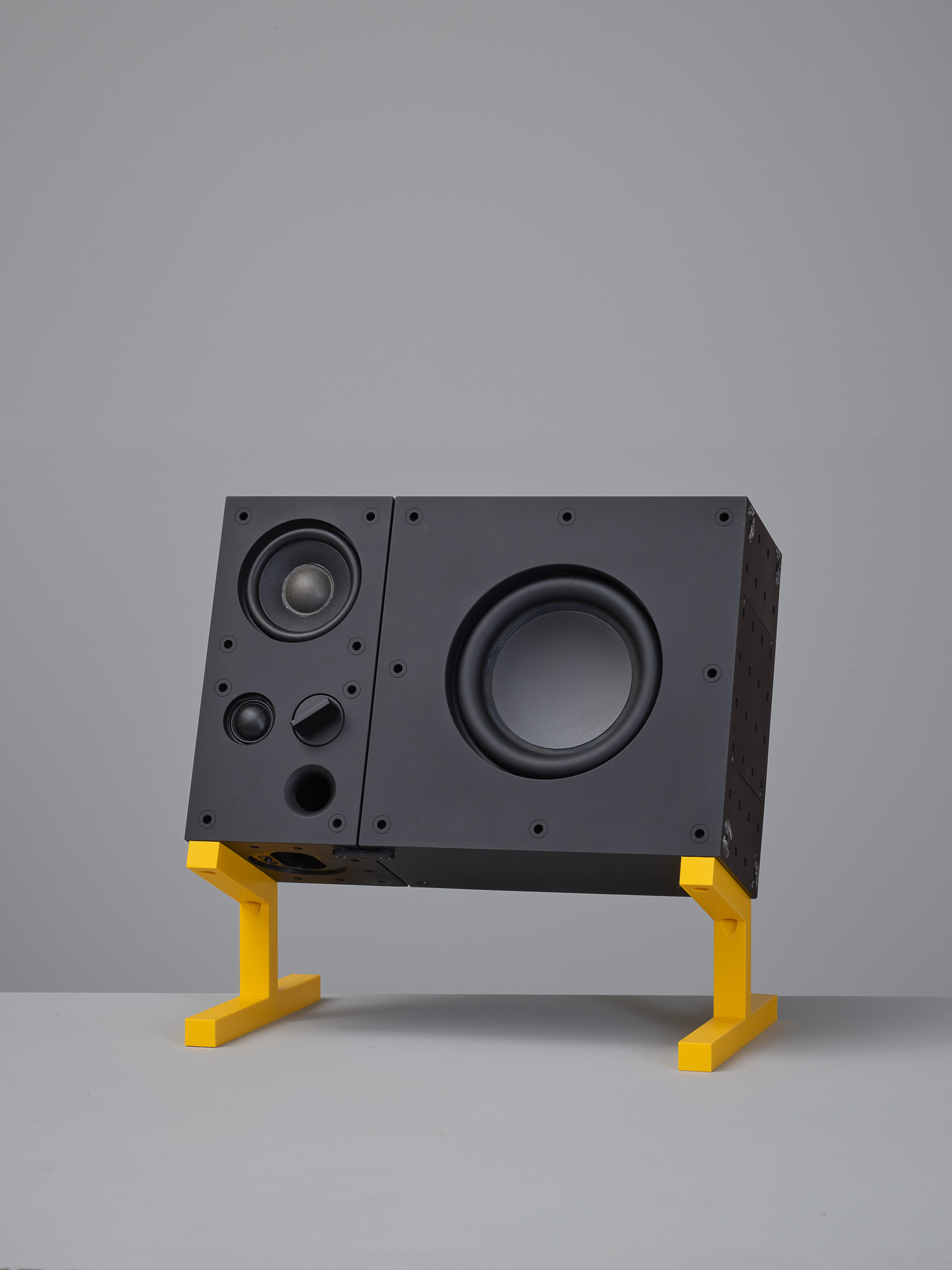
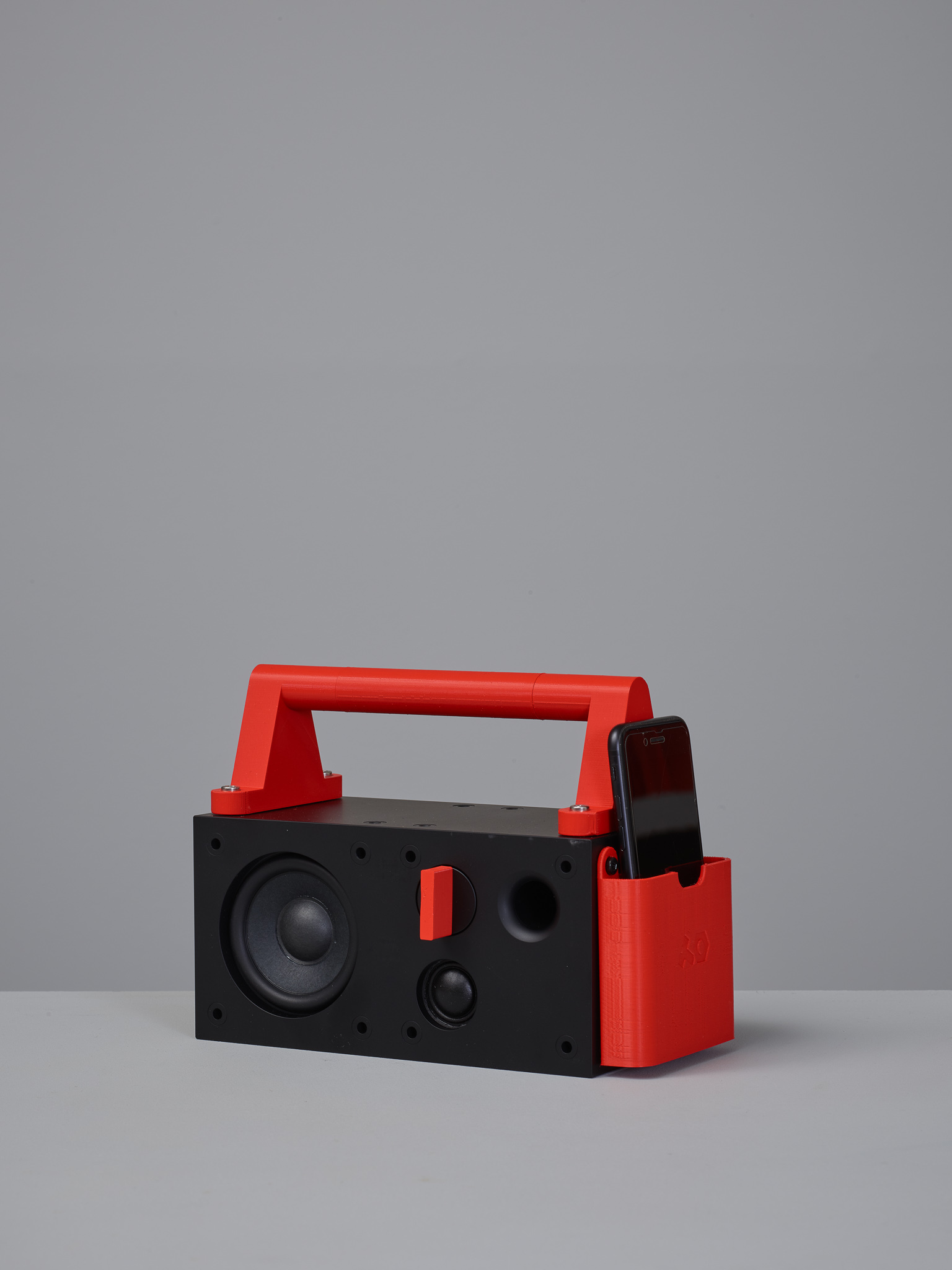
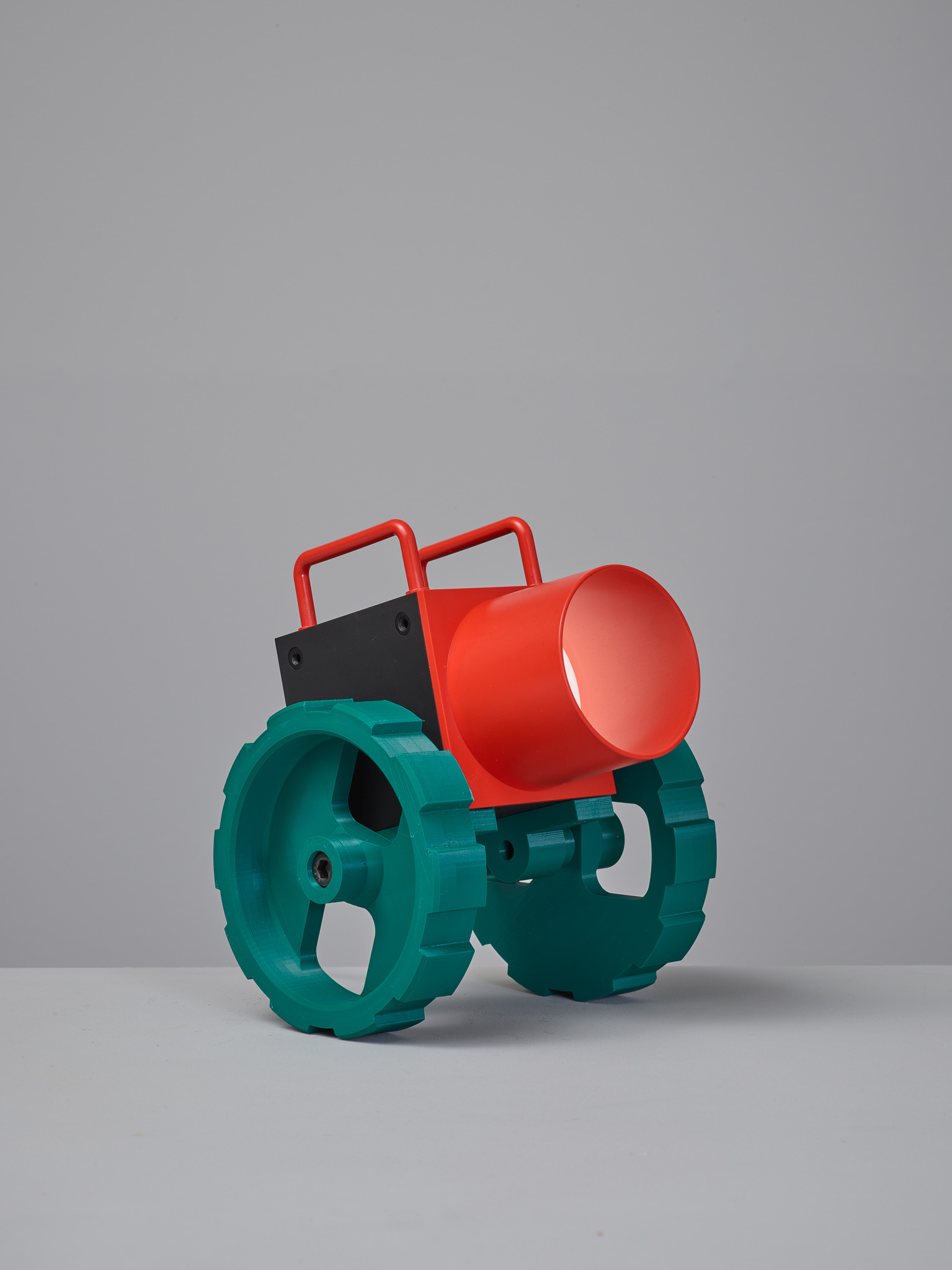
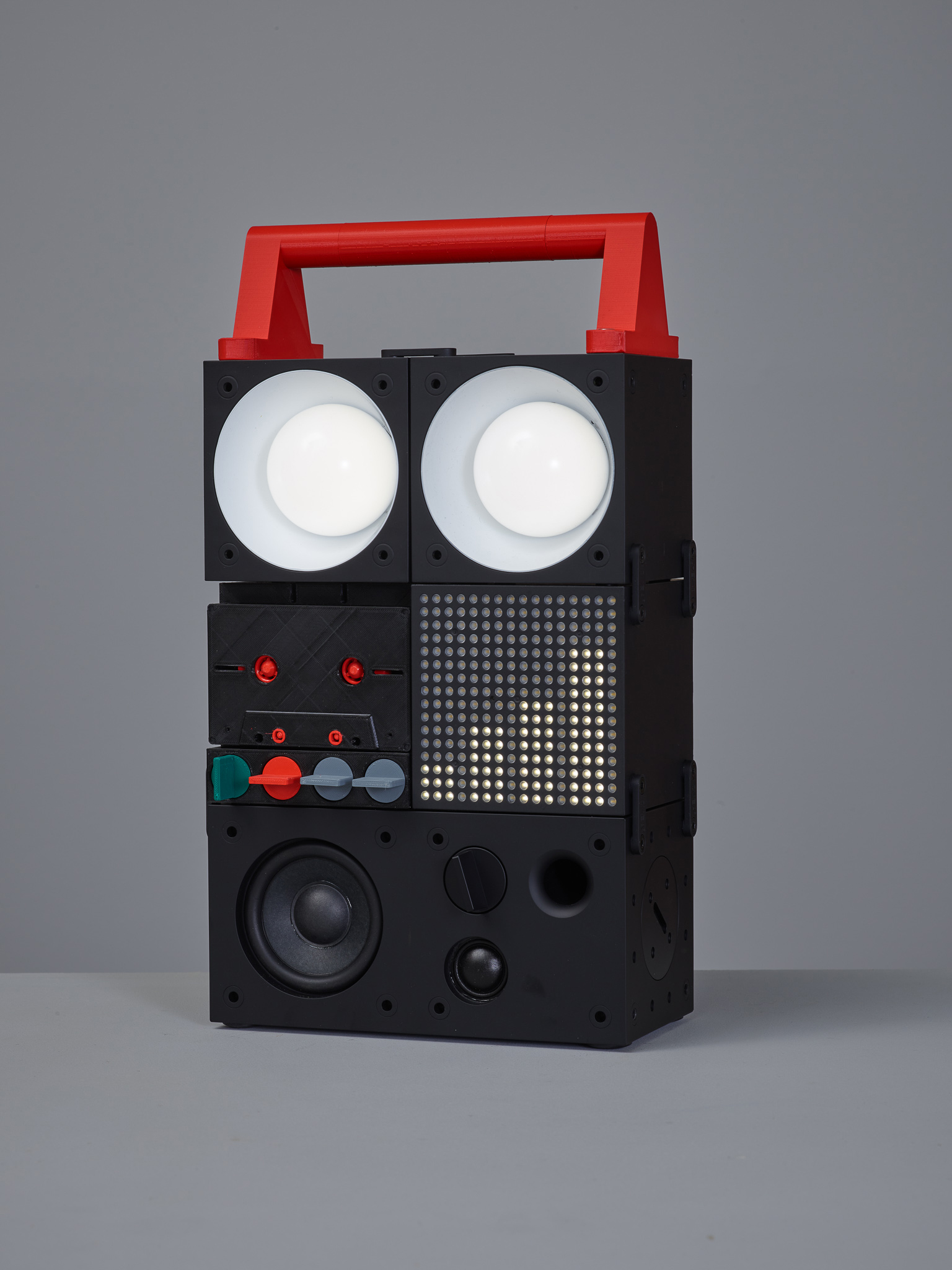
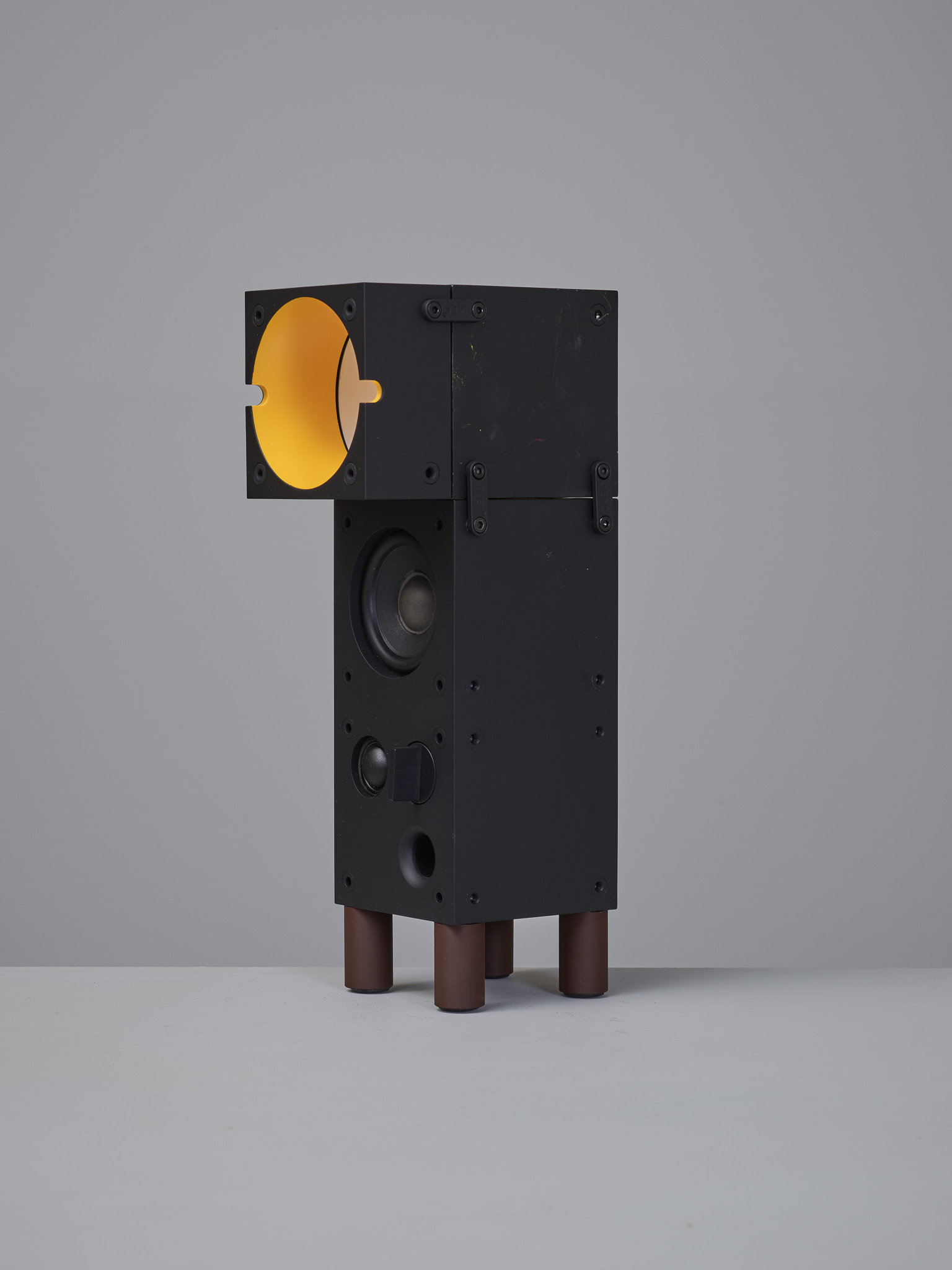
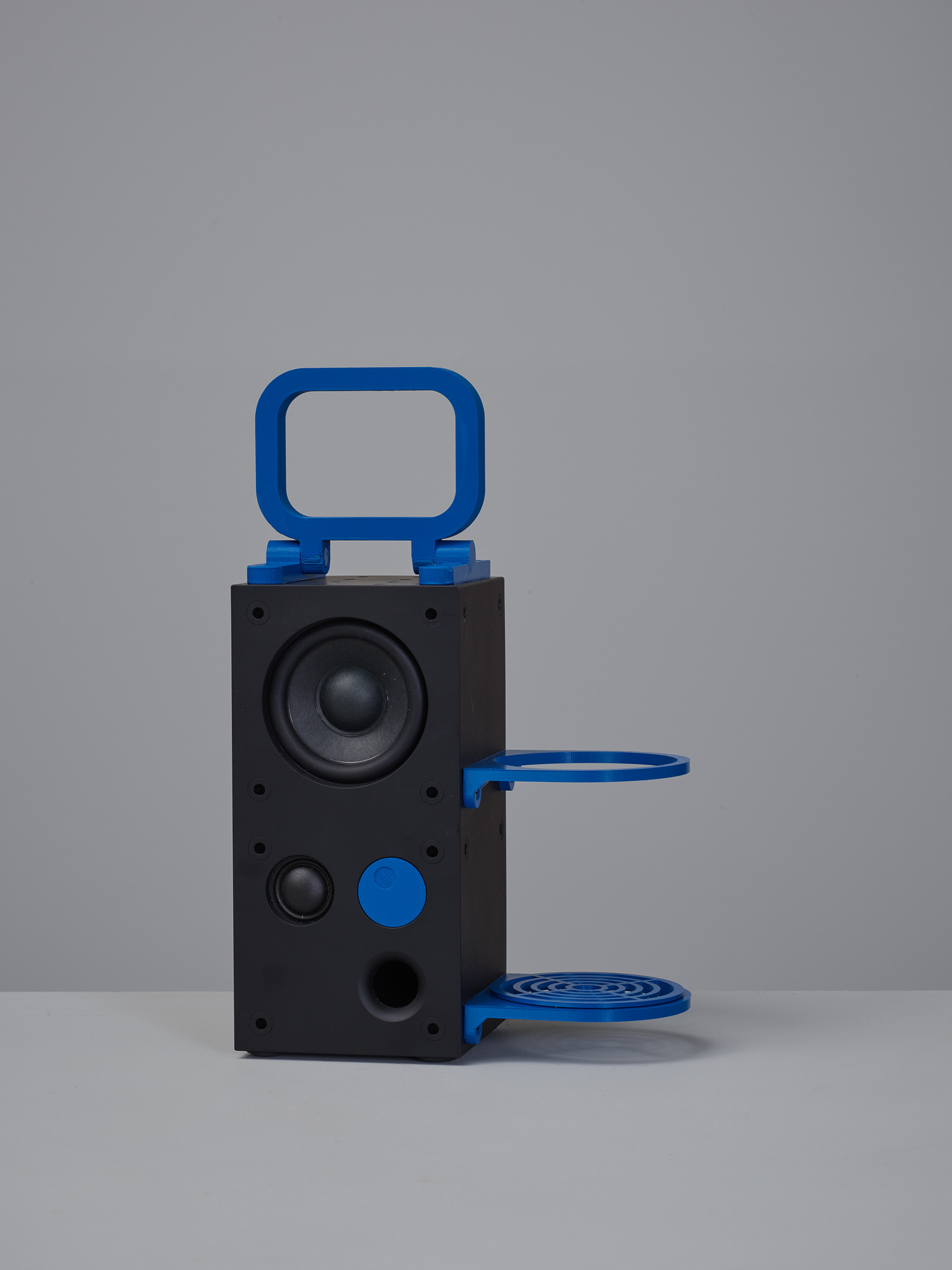
Hacks published after the launch
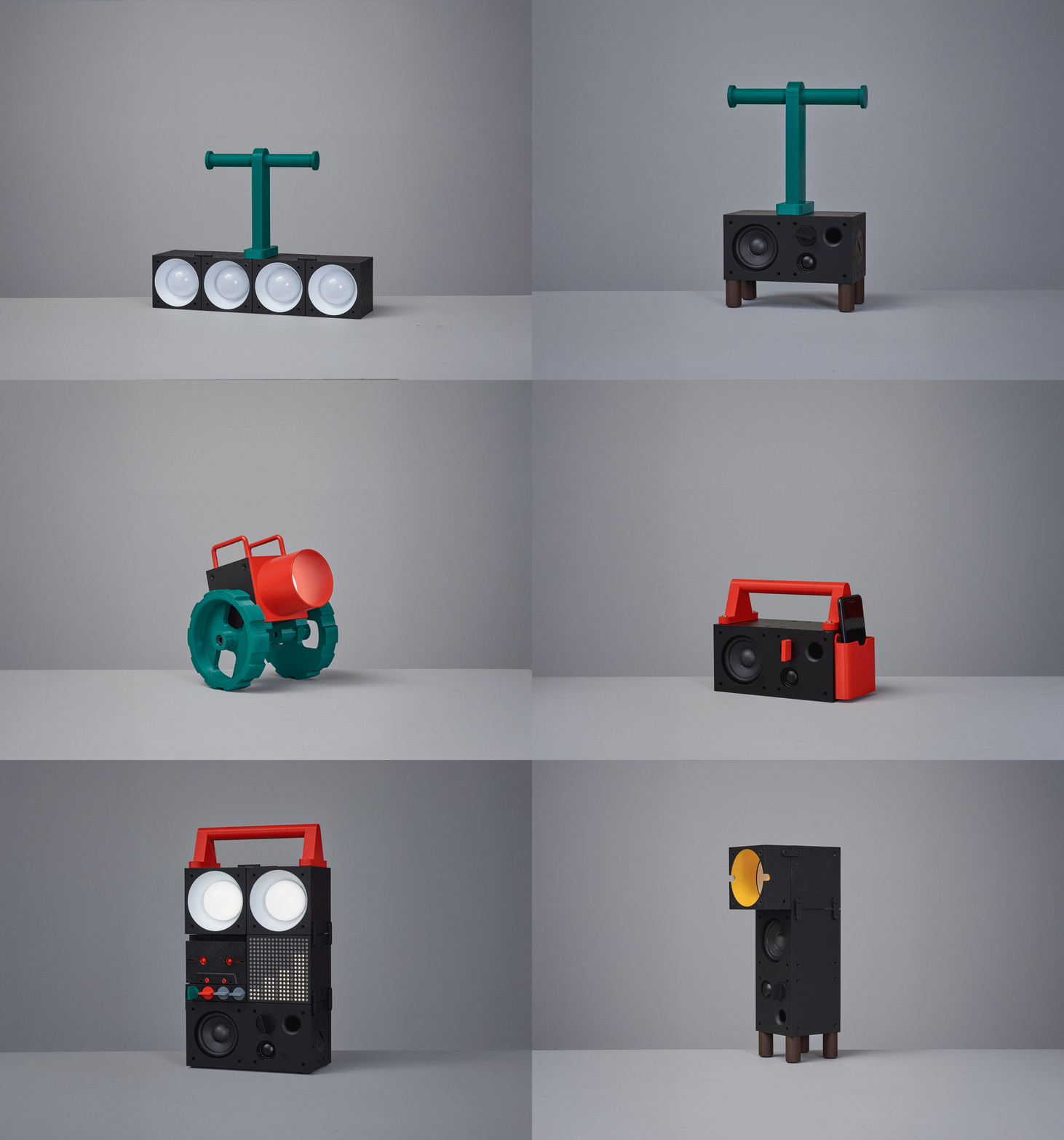
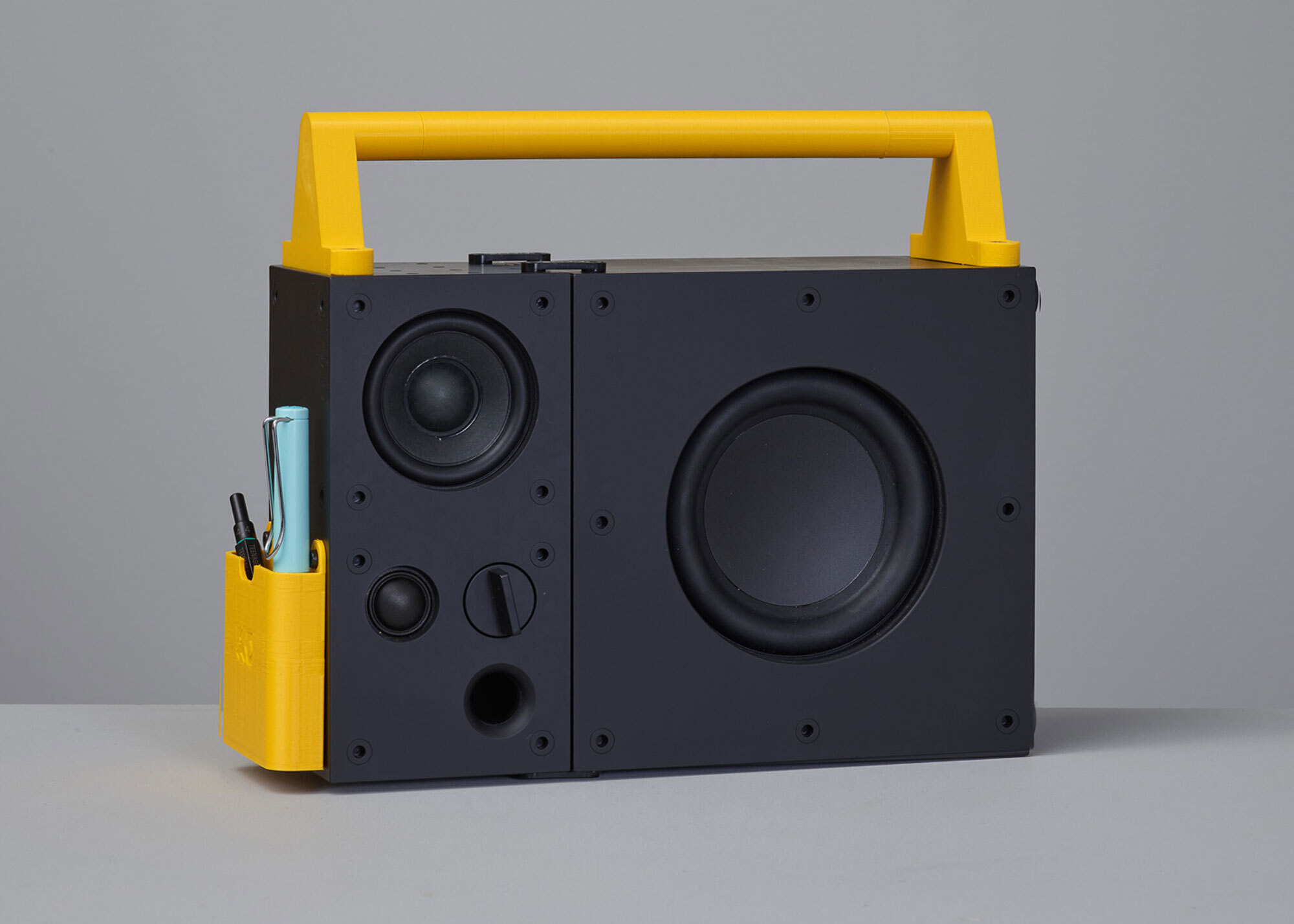
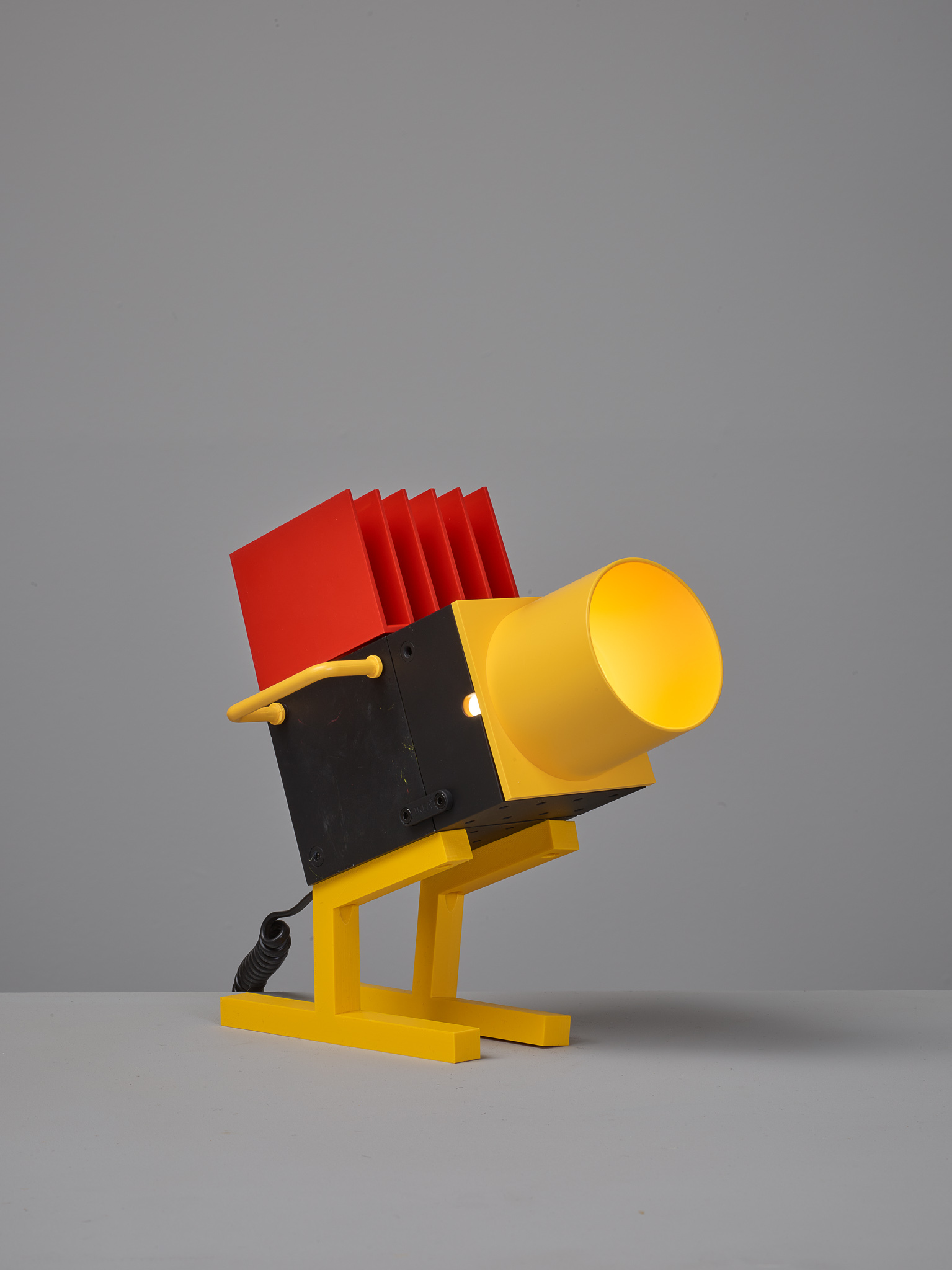
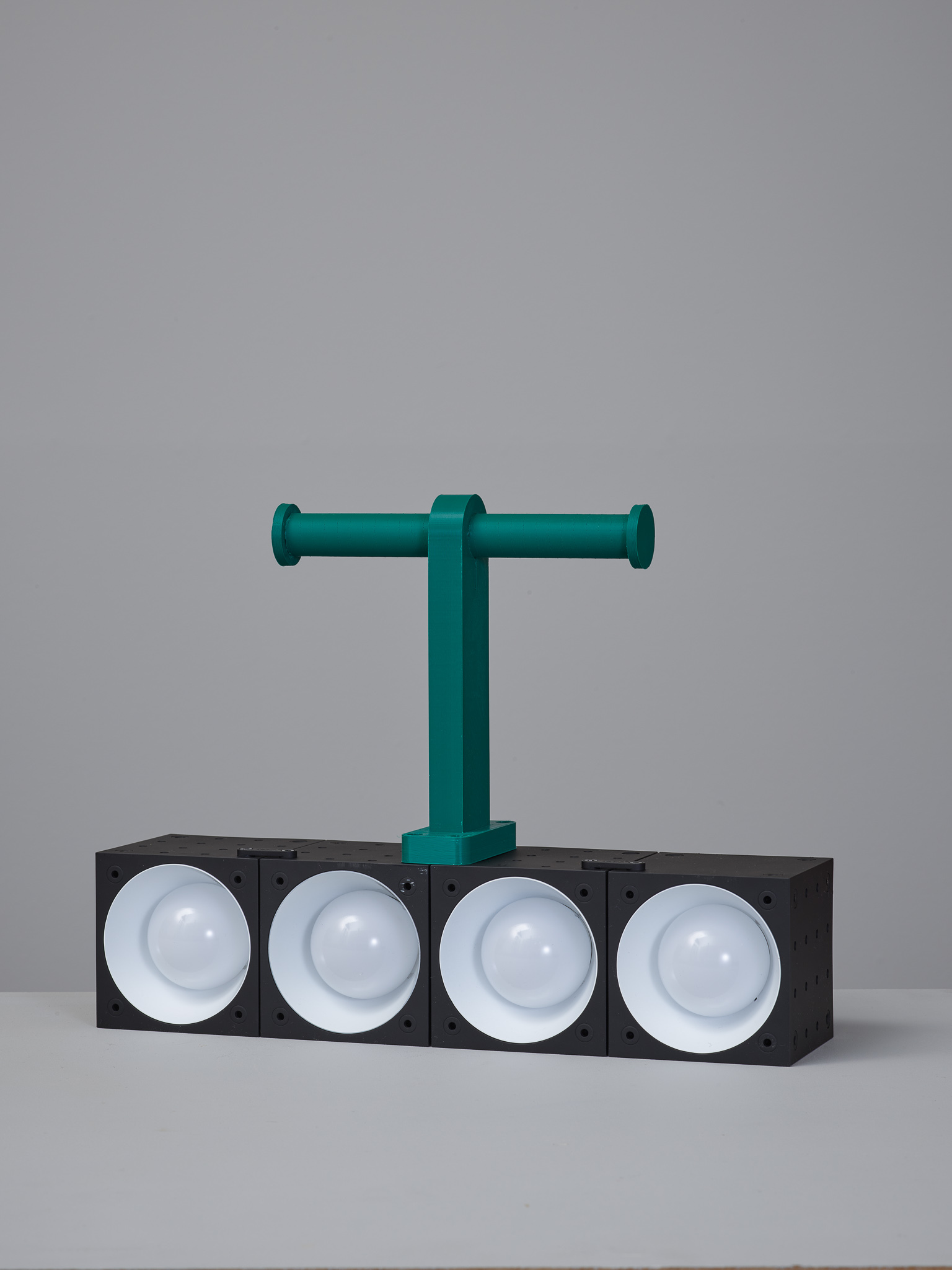
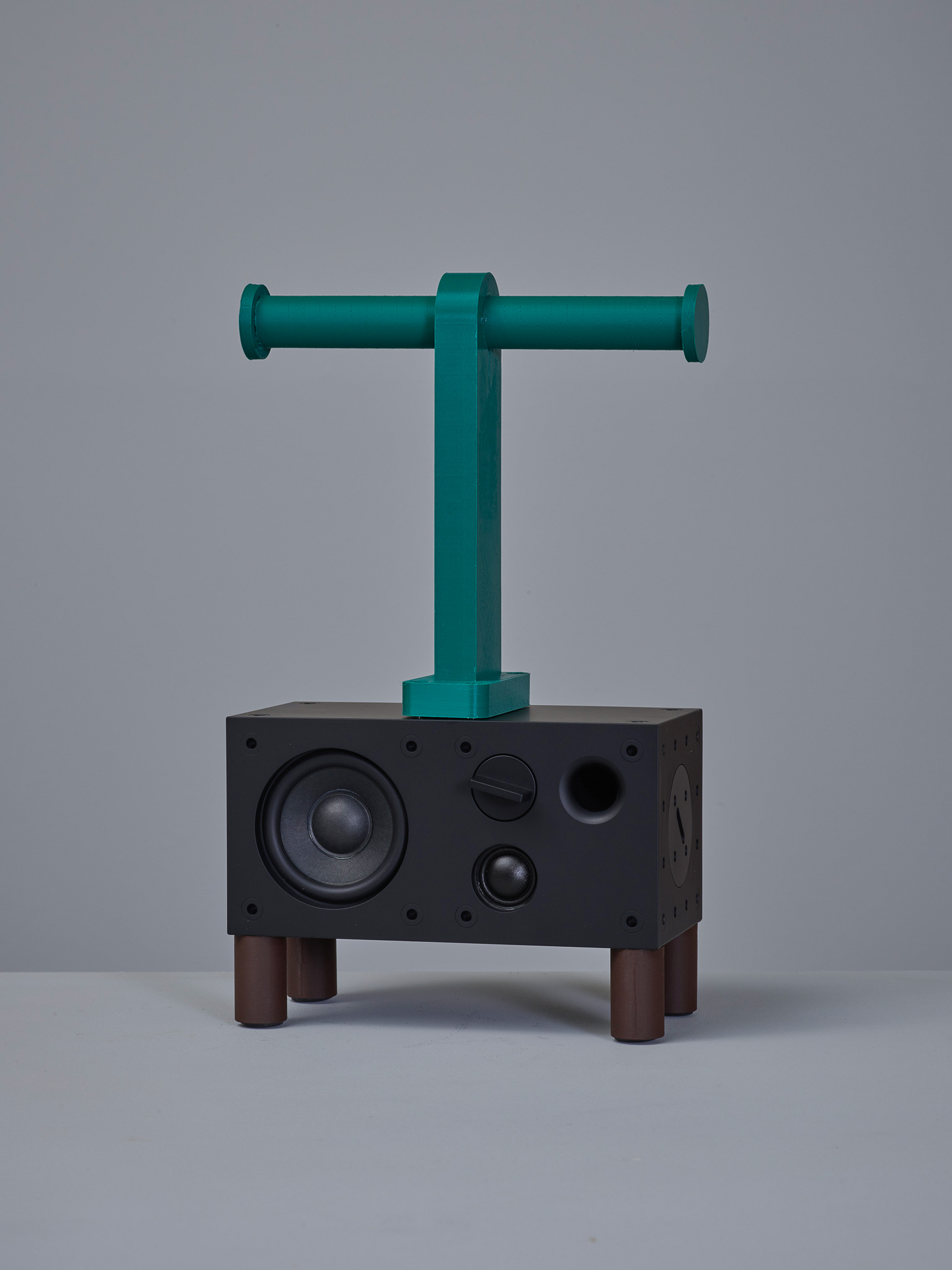
Within days of the launch teenage engineering adds something IKEA does not sell. On 5 February 2020 Engadget reports that the company publishes free CAD files for accessories owners can 3D print at home, among them a cup holder, handles, wheels and a wall mount.7 According to Domus, IKEA had not taken on these add-ons but allowed the designers to share the files free of charge, and teenage engineering lists all the hacks on a page of its own.6 designboom counts 12 of them, each with a print-ready file, a photo and assembly instructions.8
The hacks follow a wish Kouthoofd stated in the press kit: "I'm hoping people will start to create things with these objects and surprise us with how they use them."2 They also move the conversation from the IKEA store to teenage engineering's own channels, where the brand speaks in its own voice.
FREKVENS gives teenage engineering what its own catalogue does not: shelf space in IKEA stores and a price for the many. The company stays recognisable because IKEA asks it to, naming its aesthetic as the reason for the collaboration. And the free hacks keep the buyer connected to teenage engineering after the checkout, as a brand that people can build on.
Written with AI assistance, edited by a human. Find out more about our Use of AI.
1. Wikipedia, "Teenage Engineering", read 18 October 2026, for the founding in Stockholm in 2005, the OP-1 as the company's core product, Kouthoofd's earlier IKEA project Knäppa and the Bauhaus cues of the FREKVENS system. https://en.wikipedia.org/wiki/Teenage_Engineering
2. IKEA, "FREKVENS Collection | IKEA Press kit", press kit dated 2019, read 18 October 2026, for the limited collection, sales start in February 2020, the product list, the party items by other designers, the development process with around 50 items, the factory floor work, and the quotations from Jesper Kouthoofd, Head of design and founder, teenage engineering, and Michael Nikolic, Creative Design Leader, IKEA of Sweden. https://cdn.uc.assets.prezly.com/c48ba793-352f-49a5-984e-579c6f0fb801/-/inline/no/FREKVENS_Dossier%20de%20presse.pdf
3. Amy Frearson, Dezeen, "IKEA works with Teenage Engineering on range of portable speakers and lights", 7 June 2018, read 18 October 2026, for the presentation at Democratic Design Days in Älmhult alongside the work with Virgil Abloh, FREKVENS as the first product of the two companies, the synth shows at IKEA Festival Milan in 2017, the black, red and yellow cubes, the planned sale in July 2019, and the quotations from Michael Nikolic and Jesper Kouthoofd (spelled "Kuouthoofd" by Dezeen). https://www.dezeen.com/2018/06/07/ikea-teenage-engineering-frekvens-speakers-lights-party/
4. Declan McGlynn, DJ Mag, "Teenage Engineering and IKEA's house party collab is finally available", 7 February 2020, read 18 October 2026, for the collection reported as finally available nearly two years after the first preview. https://djmag.com/news/teenage-engineering-and-ikeas-house-party-collab-finally-available
5. IKEA Museum, "Democratic Design", undated, read 18 October 2026, for the definition of democratic design as good form, function, quality, sustainability and low prices for the many people. https://ikeamuseum.com/en/explore/the-story-of-ikea/democratic-design/
6. Andrea Nepori, Domus, "IKEA Freqvens, l'hi-fi modulare da stampare in 3D", 12 February 2020, read 18 October 2026, for the Italian price from 19.95 euros, IKEA allowing the designers to share the CAD files of the add-ons free of charge (original: "ha permesso però ai progettisti di condividere gratuitamente i file cad dei moduli aggiuntivi") and teenage engineering listing the hacks on its own page. https://www.domusweb.it/it/product-news/gallery/2020/02/12/ikea-freqvens-lhi-fi-modulare-con-gli-accessori-da-stampare-in-3d.html
7. Christine Fisher, Engadget, "Teenage Engineering wants you to 'hack' its IKEA line with 3D printing", 5 February 2020, read 18 October 2026, for the free CAD files for 3D printed accessories including a cup holder, handles, wheels and a wall mount. https://www.engadget.com/2020-02-05-teenage-engineering-ikea-3d-print-accessories.html
8. designboom, "teenage engineering hacks its own IKEA collection and you can do it too", undated, read 18 October 2026, for the 12 hacks, each with a print-ready STL file, a JPG photo and PDF assembly instructions. https://designboom.com/?p=775140