Care by Volvo
Volvo's vehicle subscription, announced in 2017 and offered in several European markets such as Germany, the UK and Italy, as well as in the United States.
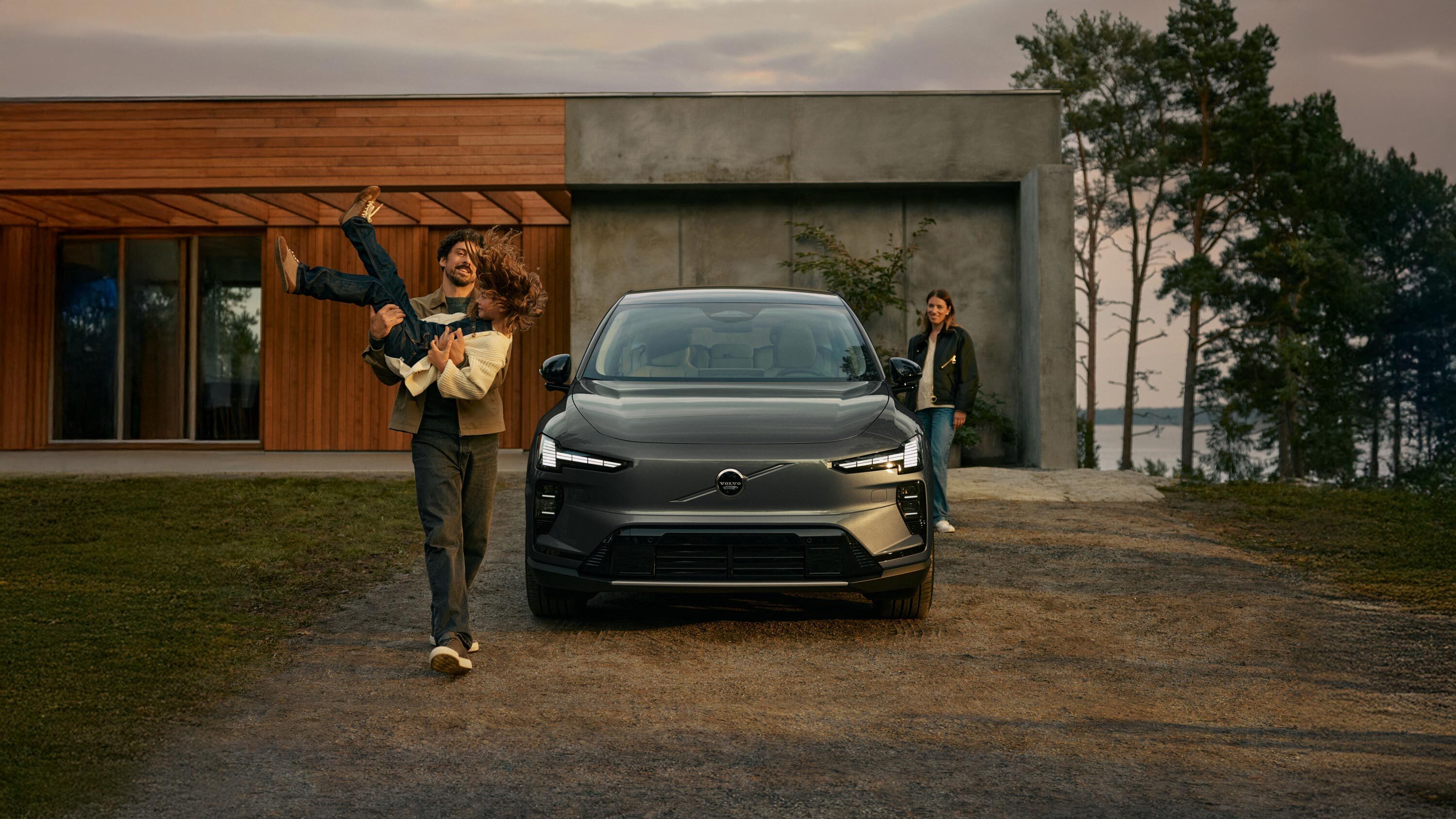
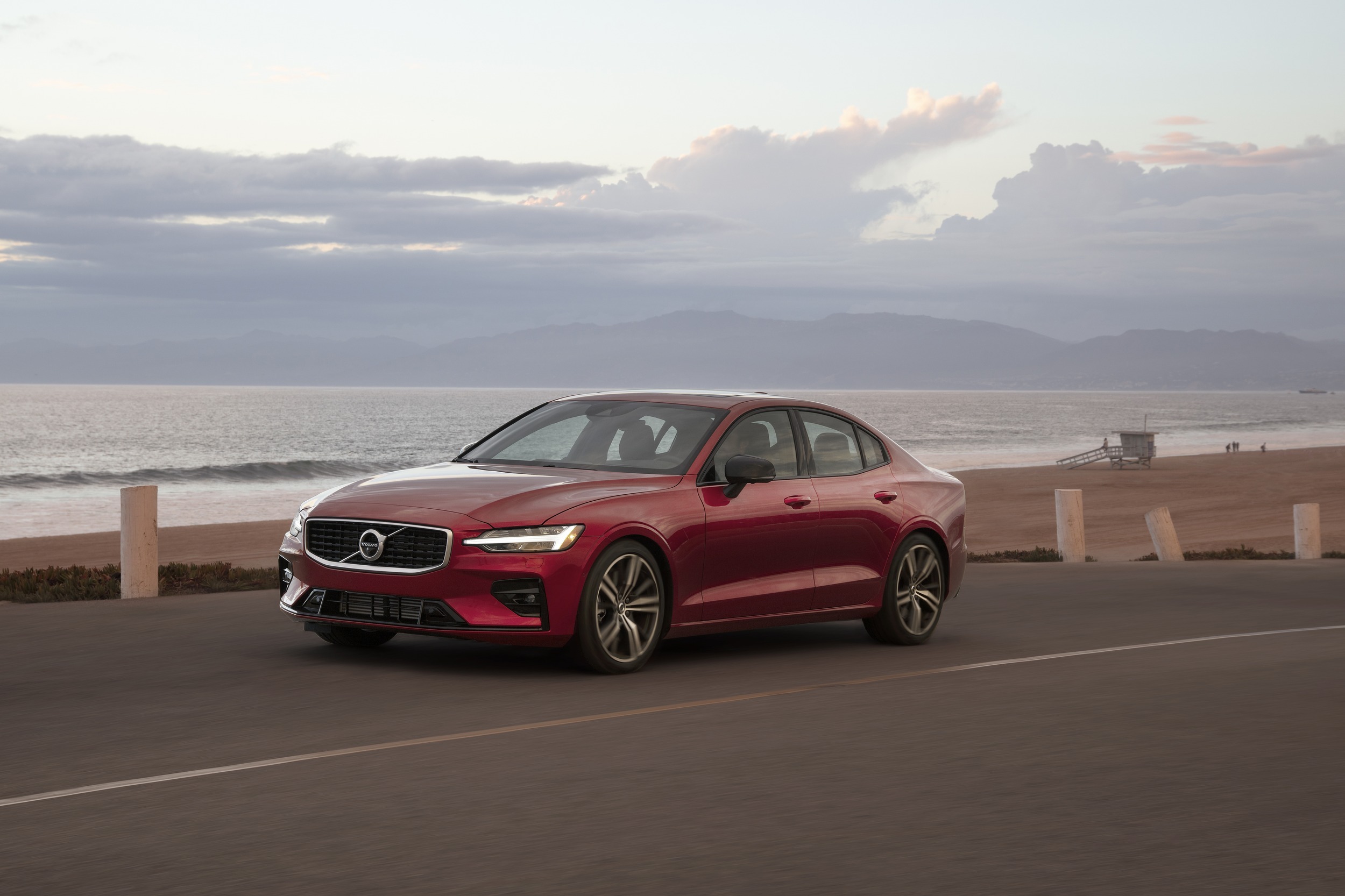
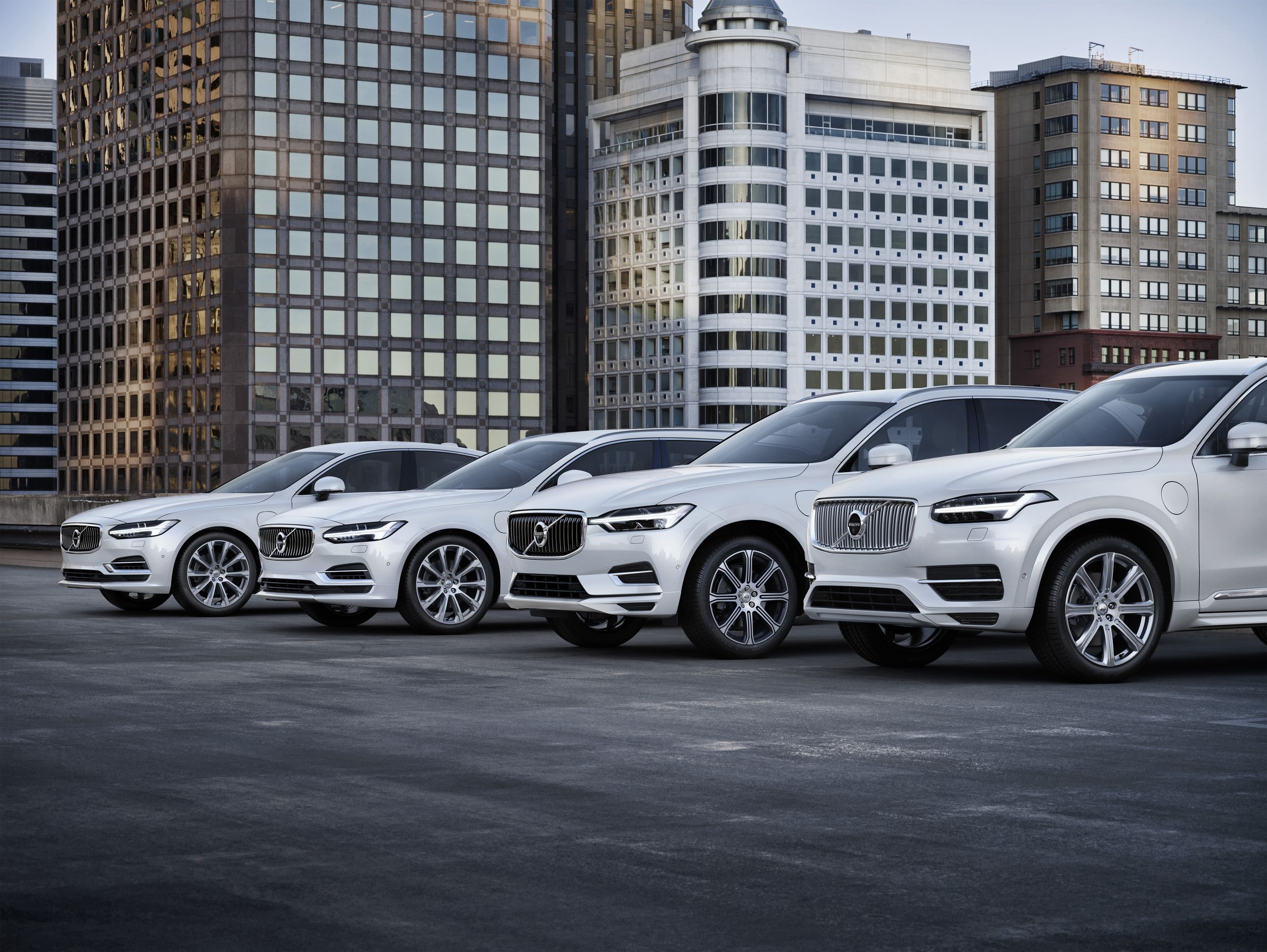
A Swedish carmaker whose brand rests on safety, from the three-point seatbelt it shared in 1959 to the speed limit it set in 2020, now carried into electric cars.
“For life”

Personal; Sustainable; Safe
Volvo Cars, Our storyFor life. We want to provide you with the freedom to move in a personal, sustainable and safe way.
Volvo Cars, Our storyWe want to disrupt the auto industry and be a leader in safety, sustainability, online business and set a new global people standard.
Volvo Cars, Our storyWe have made it our mission to make life easier, better and safer for everyone.
Volvo Cars, Our story
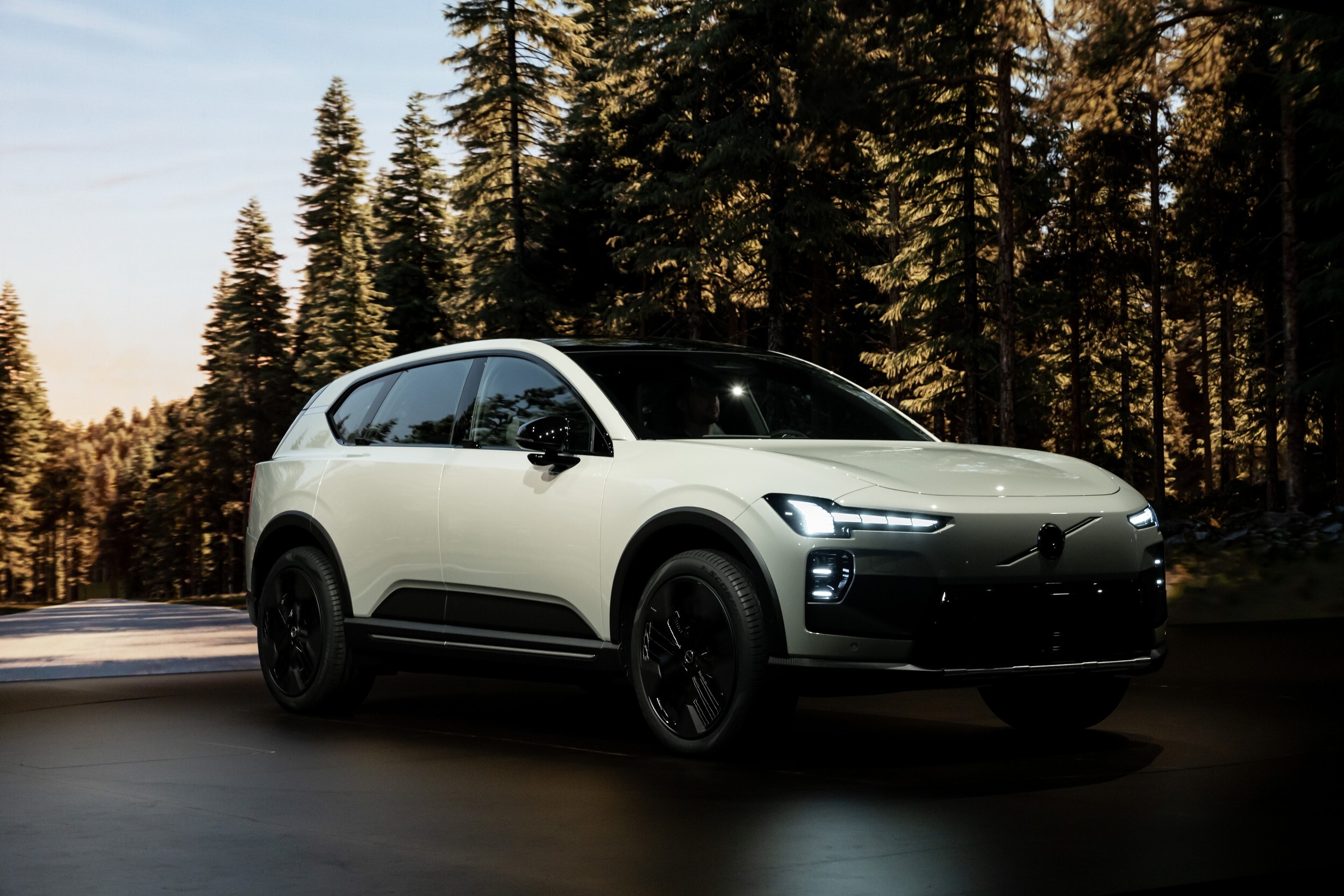
Volvo's former racing partner and performance arm, relaunched in 2017 as a standalone electric performance brand; Volvo Cars holds a minority stake of 18 per cent.
Volvo's vehicle subscription, announced in 2017 and offered in several European markets such as Germany, the UK and Italy, as well as in the United States.

returns as CEO, succeeding Jim Rowan

becomes CEO, succeeding Håkan Samuelsson
Unveiled in 2021, the redesign by Stockholm Design Lab with Trollbäck & Company flattened the Iron Mark into a thin monochrome outline, opened a gap in the ring to lift out the arrow, and set the spaced VOLVO capitals in black without their rectangular base. It readied the brand for an electric, digital future.
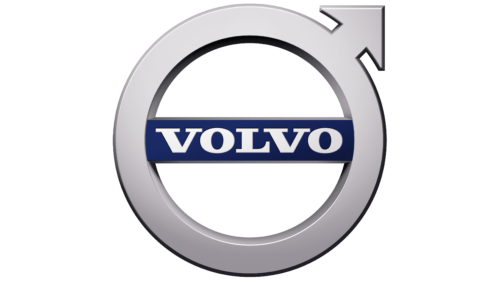
The 2014 revision simplified the Iron Mark to flat, unified colours without gradients or mirrored surfaces, narrowing the ring, curling the arrow and deepening the name plate. It began the move away from the heavy, three-dimensional badge.
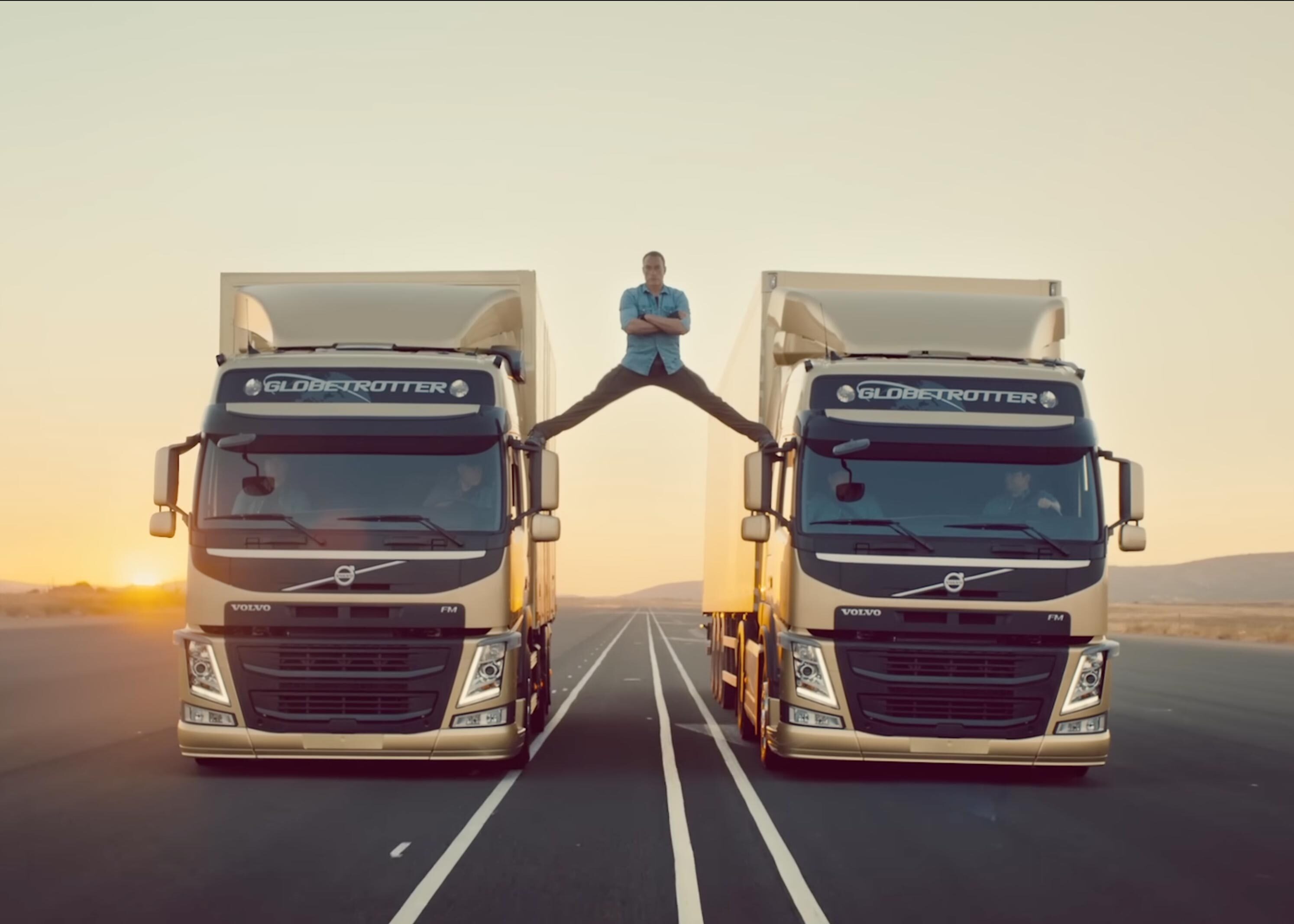
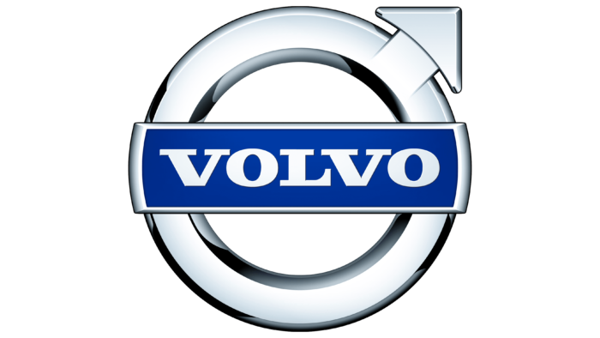
In 2013 the badge swapped its graphite texture for silver chrome, giving the ring a polished, rim-like finish with brighter highlights and a dark-grey border around the name plate. The change kept the 3D construction but sharpened its metallic sheen.
becomes CEO
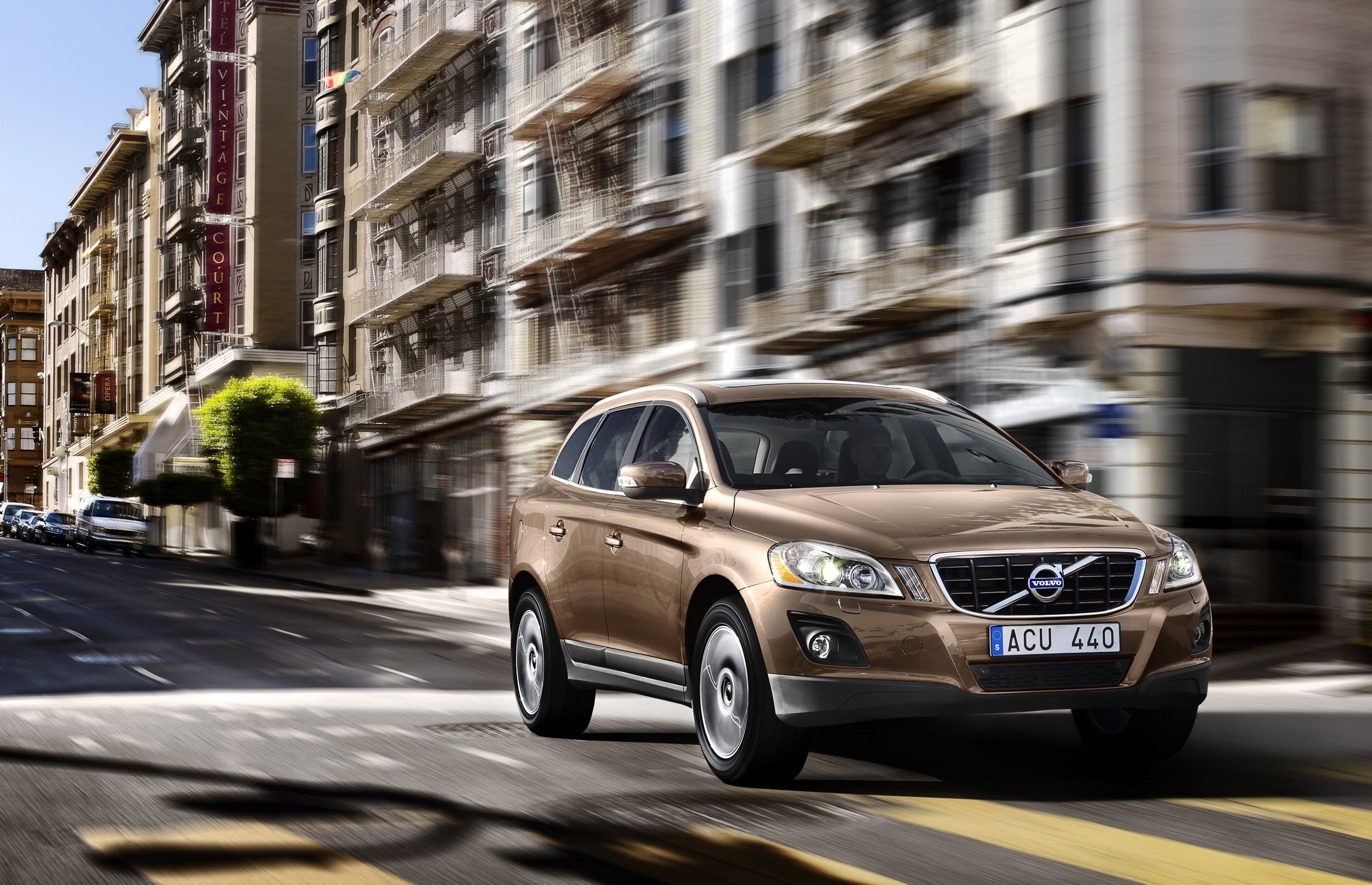
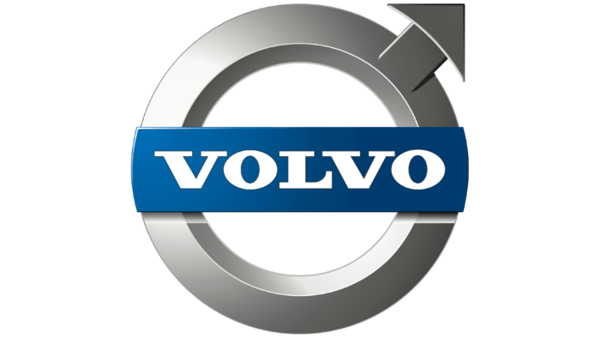
The 1999 badge turned three-dimensional, giving the Iron Mark convex metallic edges with shadows, highlights and gradients, and set a white “Volvo” on a blue oblong. It matched the glossier, more premium look carmakers favoured at the turn of the century.
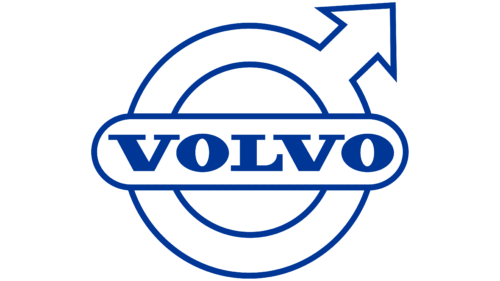
In 1970 the mark returned to a cleaner reading of the 1930 design: an open circle with the arrow flanked by thin lines, and the name set on a separate oval plate below. The cobalt serif wordmark stayed in use for decades.
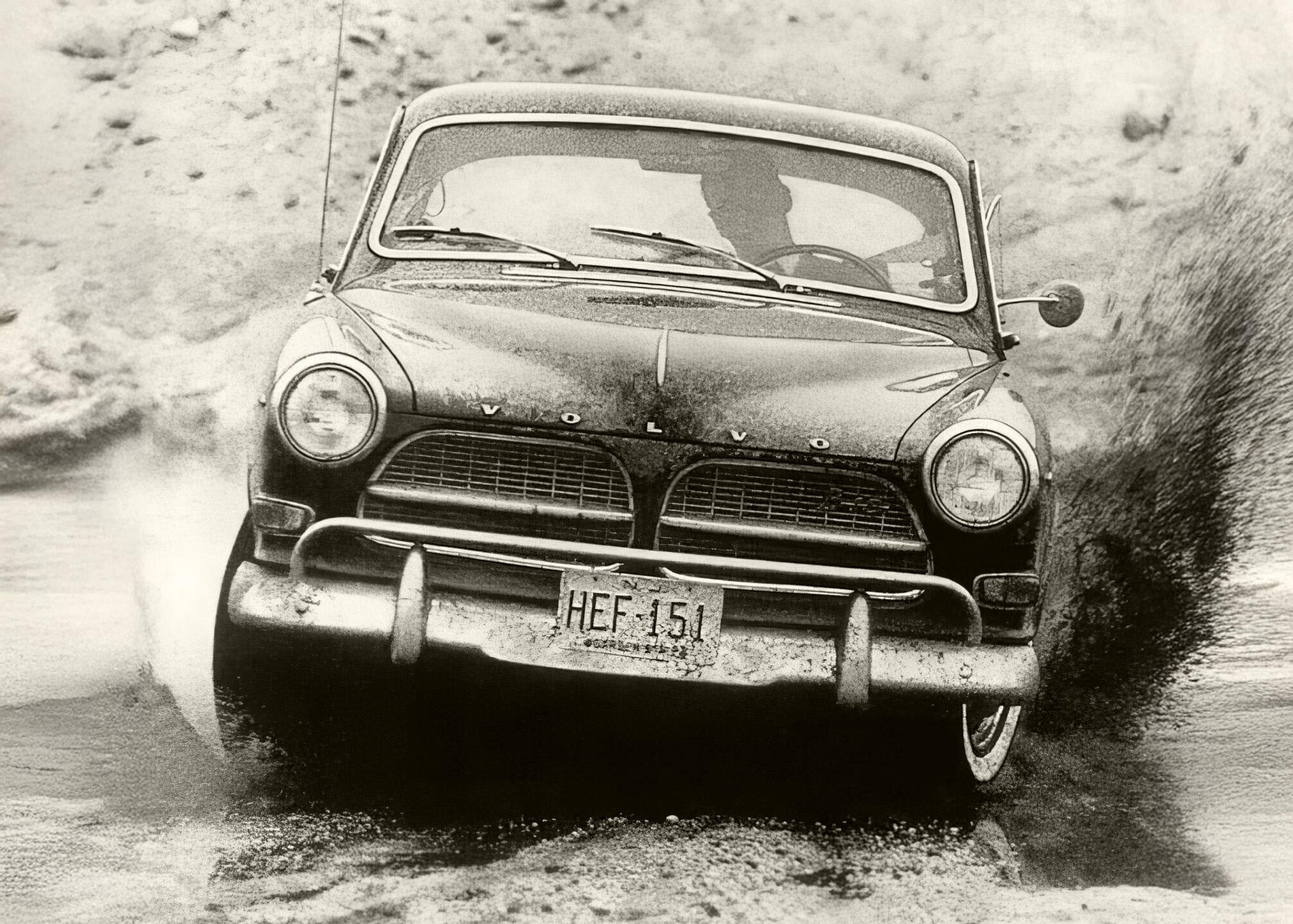
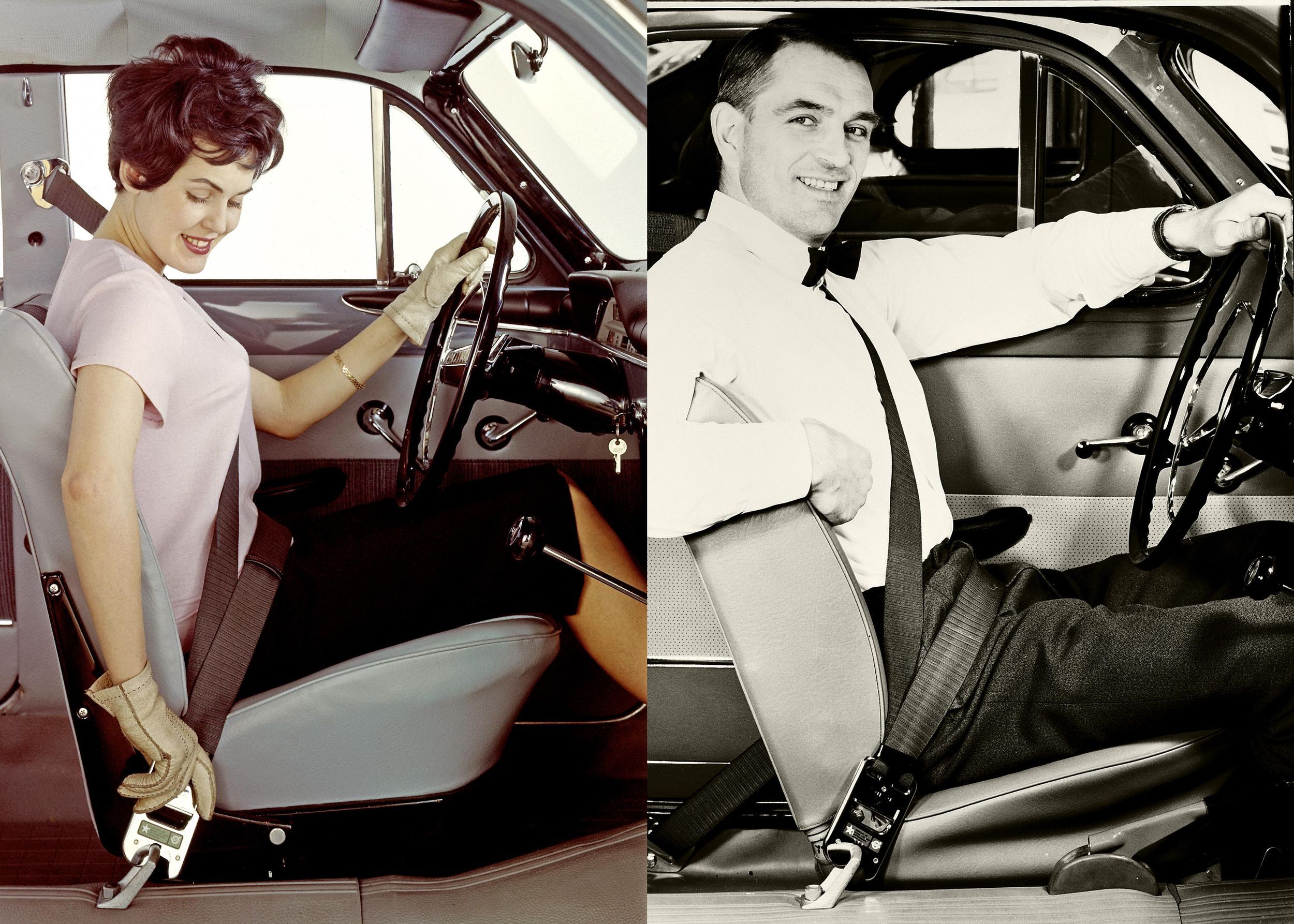
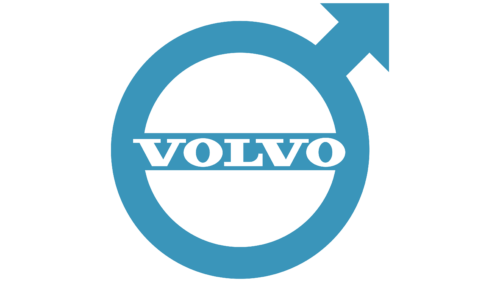
The 1959 emblem set a white uppercase VOLVO on a light-blue horizontal stripe through a white circle, framed by a blue ring with the arrow in the upper right. The wordmark shed its serifs and took on a lighter, more modern blue.
In 1930 Volvo adopted the Iron Mark that still defines it: a circle crossed by a diagonal band carrying the name, with an arrow pointing up and to the right — the ancient chemical symbol for iron and the planet Mars. It tied the young carmaker to Swedish steel and to strength.
The first Volvo car, the ÖV 4, left the Lundby works in Gothenburg on 14 April 1927 carrying this debut emblem: a serif Volvo wordmark above a “Gothenburg, Sweden” ribbon, set in a cobalt oval with a gold border. It put the name — Latin for “I roll” — on the grille for the first time.