
An apparel brand at the dinner table
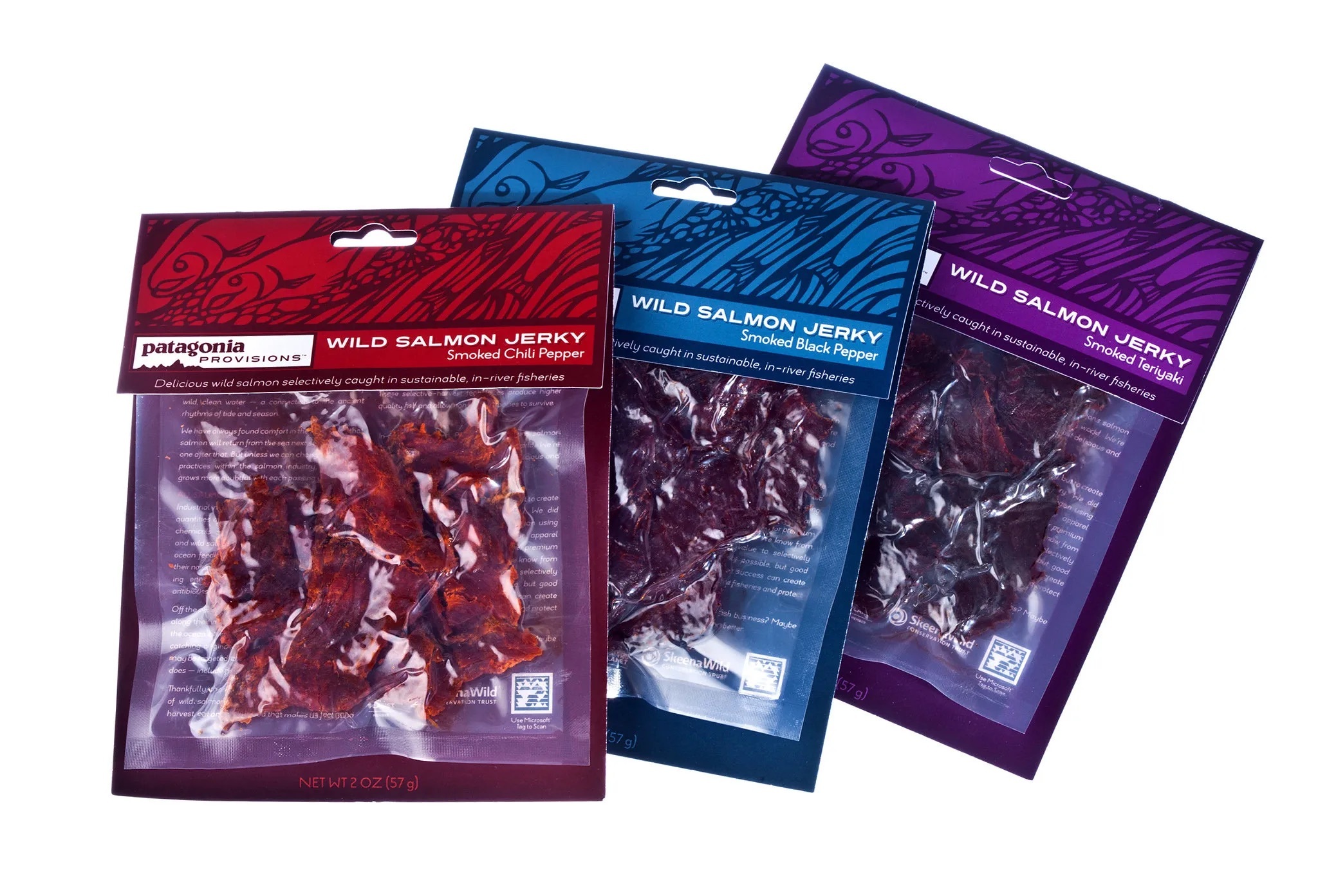
In April 2012, Patagonia introduced a product that had nothing to do with clothing. Its new food division, Patagonia Provisions, launched with Wild Salmon Jerky in three sockeye varieties, sold online and in the company's more than 50 stores across the United States.1 The fish came from the Skeena River watershed in British Columbia, harvested with traditional First Nations fishing methods in a project run with the SkeenaWild Conservation Trust.2 Yvon Chouinard, Patagonia's founder, explained the step by saying that "we believe in following our resources all the way to their origin".2
Chouinard co-founded the division with Birgit Cameron, who went on to lead it.3 In 2013, Provisions opened its own headquarters in Sausalito, California, a location chosen for the area's reputation as a centre of socially conscious food, and by Fortune's account Chouinard's interest in food predated his interest in outdoor clothing.4
What a brand extension is, and why food
A brand extension uses an established brand name to enter a new product category. The usual logic is closeness: a ski brand adds goggles, a running brand adds apparel, and customers follow because the new product sits near the old one. Patagonia's move into food did not follow product similarity. It followed purpose. When Provisions launched, Patagonia's mission statement read: "Make the best product. Cause no unnecessary harm. Inspire and implement solutions to the environmental crisis."1 The last part of that statement travels across categories more easily than any fabric.
Chouinard's own explanation is quoted on the Provisions page: "People buy a jacket every few years, but they eat several times a day. If we're going to save our home planet, it starts with food."5 The argument is one of frequency and impact. Clothing gives a brand an occasional moment with its customers, food gives it a daily one, and agriculture is where many of the environmental questions the brand cares about are decided. The division's mission line makes the same link: "Everything we eat impacts our home planet. That's why we make delicious, nutritious and responsibly sourced food."5
Cameron described the continuity in 2014: "Our brand is about examining the supply chain of everything we do."4 For the brand, the extension turned the supply chain itself into the product story. The scrutiny Patagonia applied to how its clothes were made now applied to how fish was caught and grain was grown.
From salmon to soil
Over the following years the focus moved from what is caught to how food is grown. In 2016, Provisions and Hopworks Urban Brewery in Portland, Oregon, released Long Root Ale, brewed with Kernza, a perennial grain developed by The Land Institute in Kansas, whose roots reach 10 to 20 feet deep and help hold soil in place.6 "Beer is a far-reaching product, and the idea here is to just highlight a better path forward," said Cameron, then senior director of Patagonia Provisions.6
In 2017, Patagonia was part of the coalition, with the Rodale Institute and Dr. Bronner's, that founded Regenerative Organic Certified, a standard that adds requirements for soil health, animal welfare and fairness for farmers and workers.7 Regenerative organic agriculture, farming that aims to rebuild soil rather than only avoid harm, gave Provisions a vocabulary that reached beyond any single product. The beer carried the idea in a familiar format, and the certification gave it a standard that other companies could adopt.
A food brand today
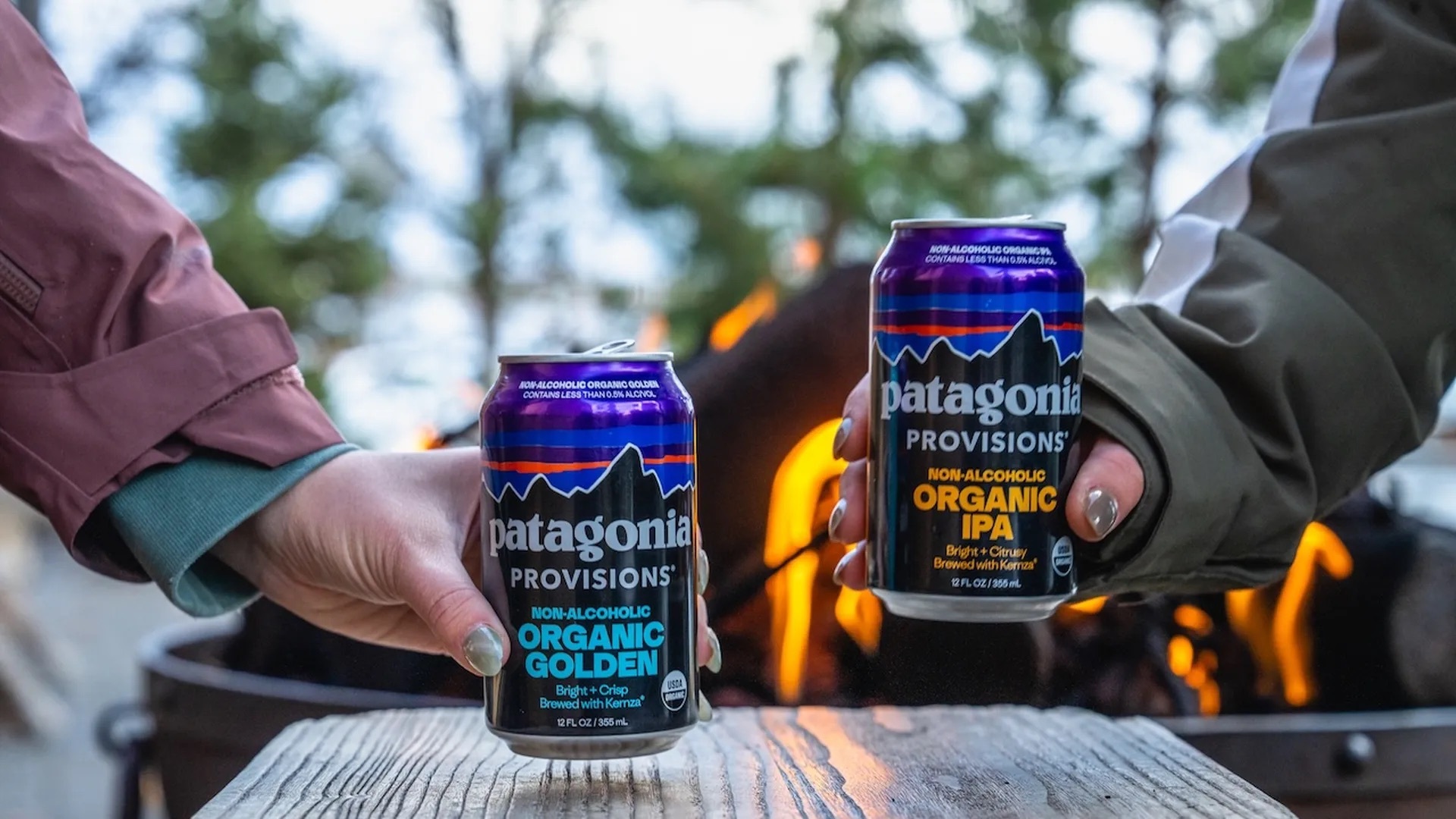
The extension continues. In November 2025, Provisions and Deschutes Brewery release a certified organic non-alcoholic IPA brewed with Kernza, the second non-alcoholic beer in a line sold in 49 states through more than 4,000 accounts, among them Whole Foods Market and Trader Joe's.8 Paul Lightfoot, general manager of Patagonia Provisions, ties it to changing habits: "Consumers are more mindful than ever, cutting back on alcohol and choosing cleaner ingredients."8 According to Axios, the partnership's non-alcoholic beers are among Deschutes' top sellers, and Jen Berliner, brand and innovation leader at Provisions, notes that "organic is another way that people are thinking about their health".9
Source: Patagonia Provisions Youtube
The extension and the parent brand
The food business also reflects back on the clothing. In November 2011, five months before Provisions launched, Patagonia ran its "Don't Buy This Jacket" advertisement in The New York Times on Black Friday, asking customers to think twice before buying.10 Both moves point the same way: a brand that asks people to buy fewer jackets finds a place in their lives that does not depend on selling more of them.
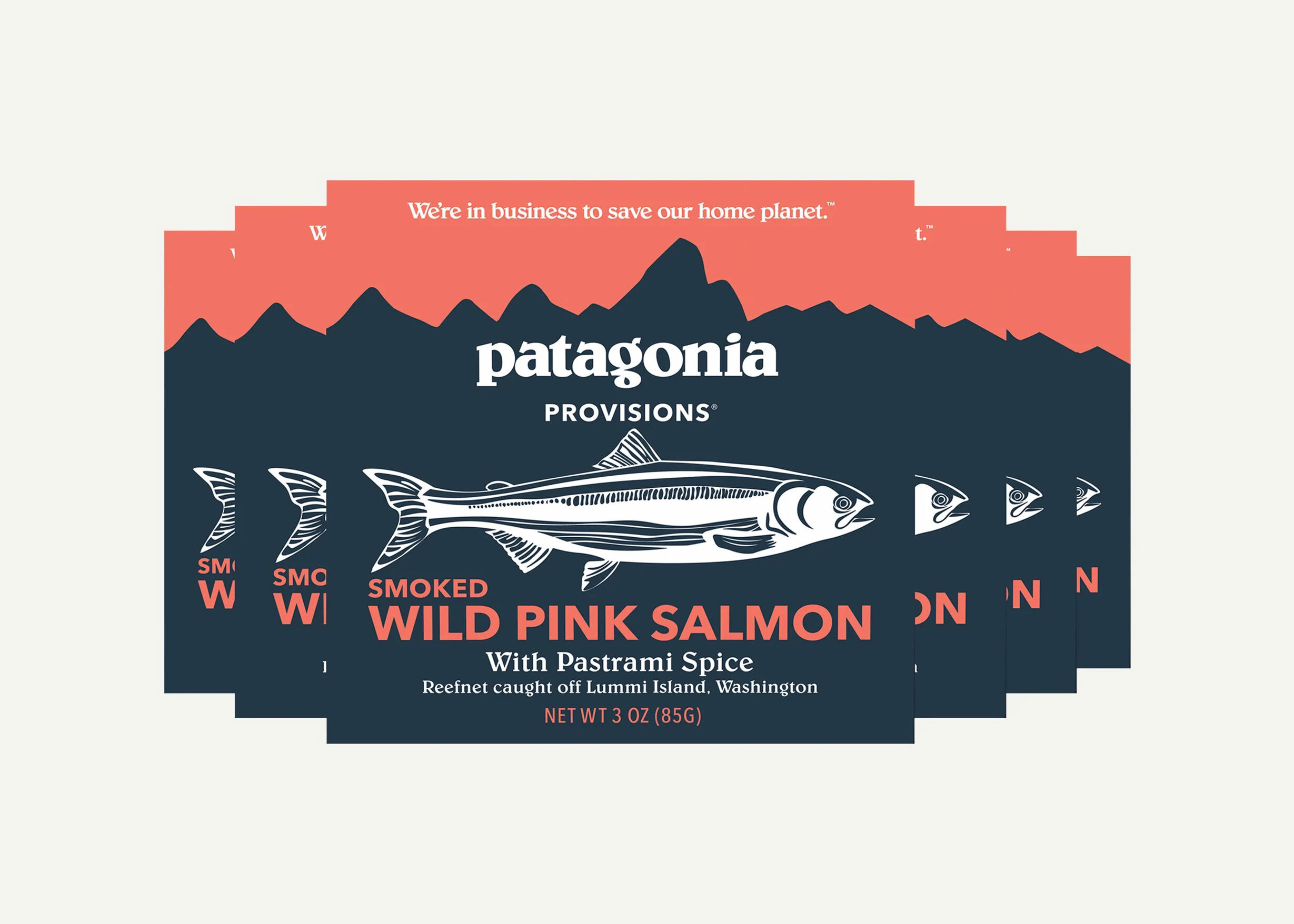
In September 2022, Chouinard announces that "Earth is now our only shareholder": the profits Patagonia does not reinvest go to the Holdfast Collective to fight the environmental crisis.11 Provisions belongs to that structure as a division of Patagonia. A tin of smoked mussels and a rain jacket have little in common on a shelf, but under the Patagonia name both answer the same question about what a company owes the places it takes its materials from.
Written with AI assistance, edited by a human. Find out more about our Use of AI.
1. SGB Media, "Patagonia Enters Food Business with Salmon Jerky", 12 April 2012, for the April 2012 debut of Patagonia Provisions with Wild Salmon Jerky in three sockeye varieties, sold online and in more than 50 Patagonia stores, and Patagonia's mission statement at the time, "Make the best product. Cause no unnecessary harm. Inspire and implement solutions to the environmental crisis.". https://sgbonline.com/?p=42347
2. California Apparel News, "Patagonia Launches New Line...of Fish", 3 May 2012, for the sourcing in the Skeena River watershed with traditional First Nations fishing methods, the project with the SkeenaWild Conservation Trust, and Yvon Chouinard's words "we believe in following our resources all the way to their origin". https://www.apparelnews.net/news/2012/may/03/patagonia-launches-new-lineof-fish/
3. Milken Institute, "Birgit Cameron", speaker biography, Future of Health Summit 2020, for the founding of Patagonia Provisions in 2012 by Birgit Cameron and Yvon Chouinard and Cameron's role as global director. https://milkeninstitute.org/events/future-health-summit-2020/speakers/birgit-cameron
4. Fortune, Erika Fry, "More than jerky: Patagonia expands in food", 9 April 2014, for the Sausalito headquarters opened in 2013 and the reason for the location, Chouinard's interest in food predating his interest in outdoor apparel, and Birgit Cameron's words "Our brand is about examining the supply chain of everything we do". https://fortune.com/2014/04/09/more-than-jerky-patagonia-expands-in-food
5. Patagonia, "Patagonia Provisions", accessed 17 October 2026, for Yvon Chouinard's quotation "People buy a jacket every few years, but they eat several times a day. If we're going to save our home planet, it starts with food." and the mission line "Everything we eat impacts our home planet. That's why we make delicious, nutritious and responsibly sourced food.". https://www.patagonia.com/provisions/
6. NPR via KPBS, Alastair Bland, "After A Long Day Of Fighting Climate Change, This Grain Is Ready For A Beer", 26 October 2016, for Long Root Ale by Hopworks Urban Brewery and Patagonia Provisions, Kernza and The Land Institute, root depths of 10 to 20 feet, and the quotation of Birgit Cameron, senior director of Patagonia Provisions. https://www.kpbs.org/news/2016/10/26/after-a-long-day-of-fighting-climate-change-this
7. Dr. Bronner's, "Regenerative Organic Certification", accessed 17 October 2026, for the founding of Regenerative Organic Certified in 2017 by a coalition including the Rodale Institute, Dr. Bronner's and Patagonia, and its three pillars of soil health and land management, animal welfare, and farmer and worker fairness. https://www.drbronner.com/pages/regenerative-organic-certification
8. Patagonia Provisions and Deschutes Brewery, press release via WebWire, "Patagonia Provisions & Deschutes Brewery Release New Certified Organic Non-Alcoholic IPA, Beer Brewed with Kernza Perennial Grain", 13 November 2025, for the non-alcoholic organic IPA with Kernza, the second non-alcoholic beer in the line, distribution in 49 states through more than 4,000 accounts including Whole Foods Market and Trader Joe's, and the quotation of Paul Lightfoot, general manager of Patagonia Provisions. https://www.webwire.com/ViewPressRel.asp?aId=346410
9. Axios Portland, John Frank, "Patagonia taps Deschutes to make NA beers", 16 January 2026, for the non-alcoholic beers being among Deschutes' top sellers and the quotation of Jen Berliner, brand and innovation leader at Patagonia Provisions, "Organic is another way that people are thinking about their health". https://www.axios.com/local/portland/2026/01/16/patagonia-deschutes-beer-organic-na
10. Patagonia, "Don't Buy This Jacket, Black Friday and the New York Times", 25 November 2011, for the advertisement in The New York Times on Black Friday 2011 and the message that customers need to think twice before they buy. https://www.patagonia.ca/story-18615.html
11. Patagonia, Yvon Chouinard, "Earth is now our only shareholder", 14 September 2022, for the ownership transfer to the Patagonia Purpose Trust and the Holdfast Collective and the use of profits not reinvested in the business to fight the environmental crisis. https://patagonia.com/ownership