
The high point of a revival
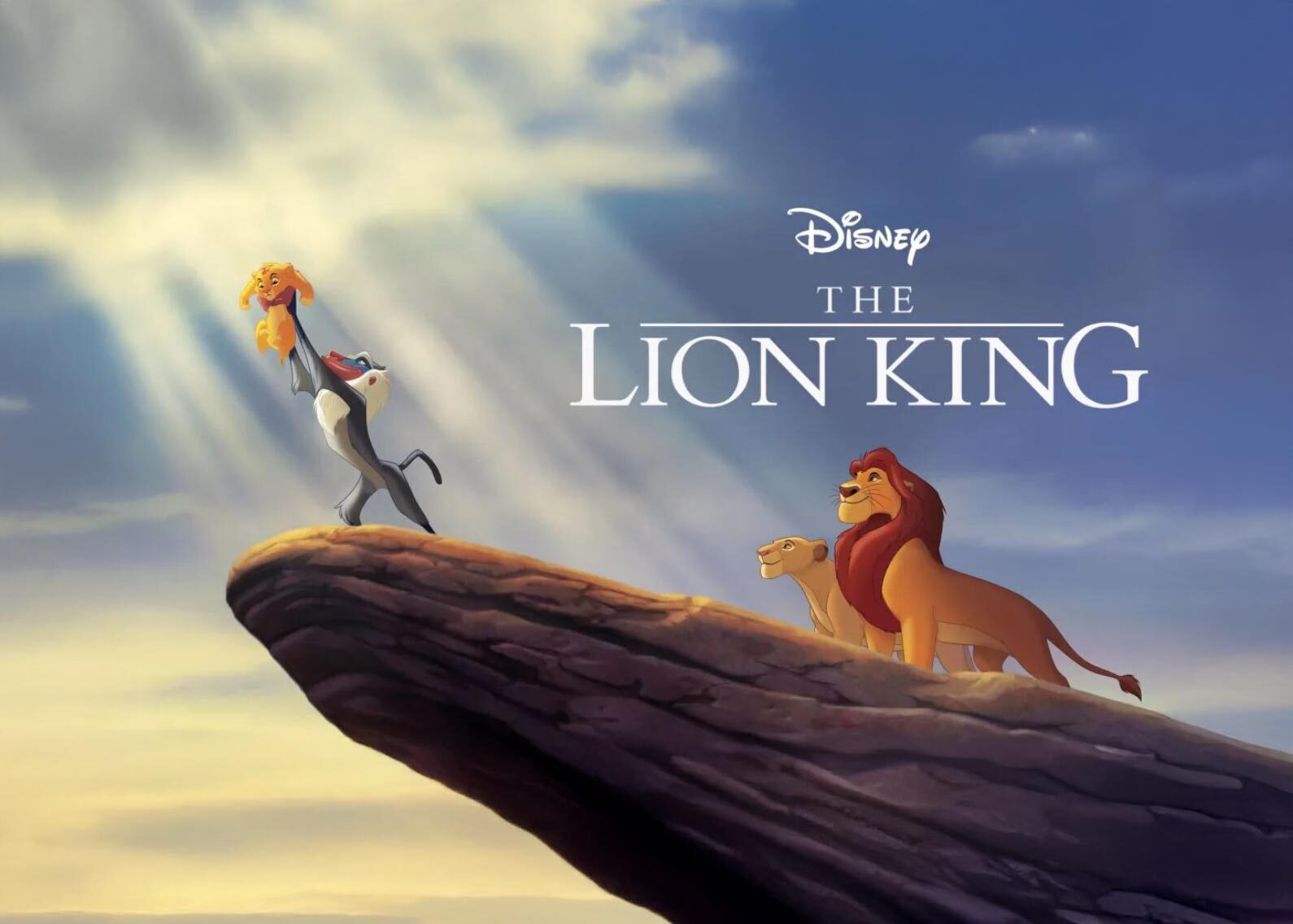
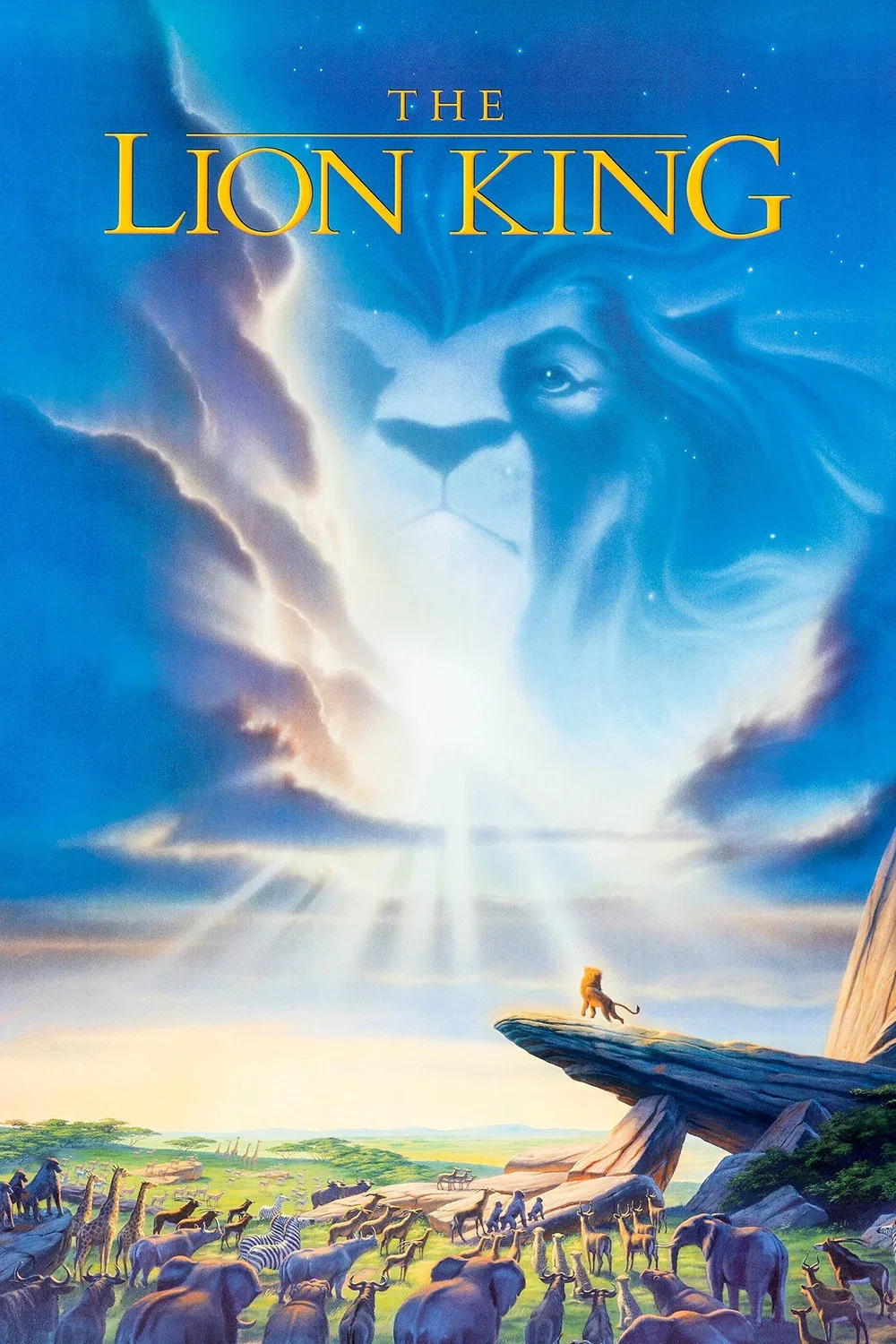
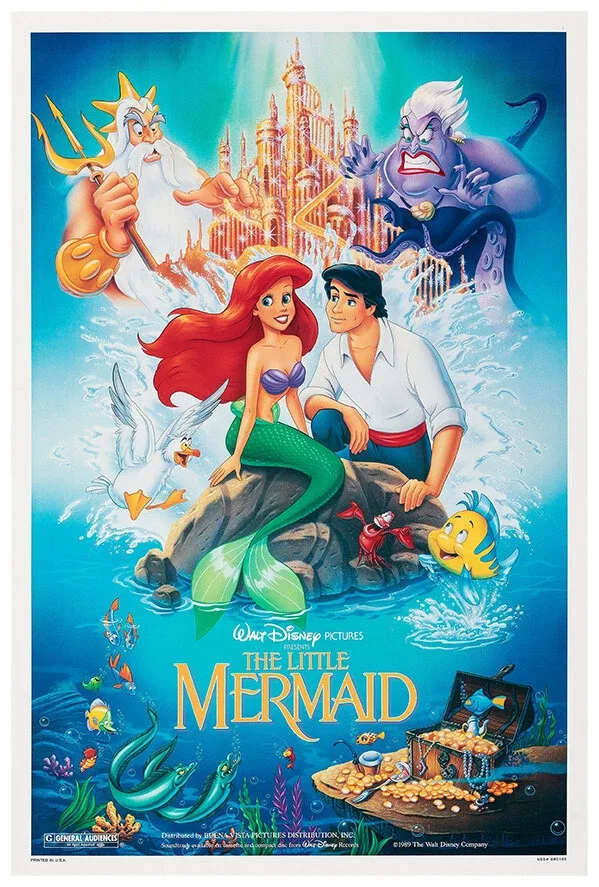
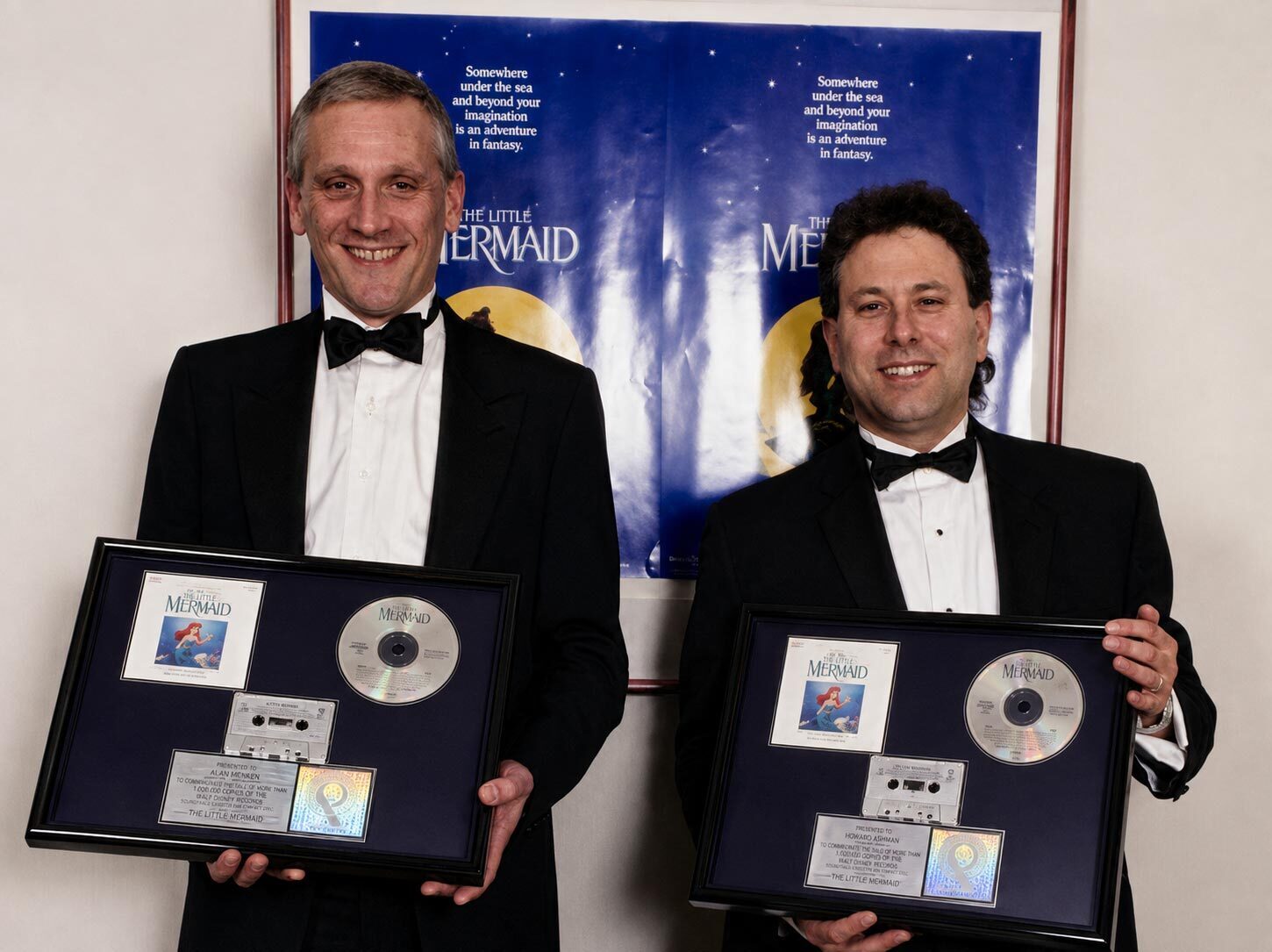
On 24 June 1994, Walt Disney Pictures released The Lion King into wide distribution. It became the commercial peak of the period known as the Disney Renaissance, the run of animated musicals that had restored the studio to the cultural centre it had lost in the decades after Walt Disney's death. Where The Little Mermaid had opened that revival in 1989, giving audiences Ariel and proving that the studio could once again build a hit around song and character, The Lion King demonstrated just how far the momentum could reach.
The film was an immediate and enormous success. It became one of the highest-grossing films of its time and the most commercially successful of all the Renaissance titles, a phenomenon that extended well beyond the cinema. For the Disney brand, The Lion King was more than another hit. It was the moment the revival reached full force, and it reshaped what audiences expected a Disney animated feature could achieve.
A story Disney invented
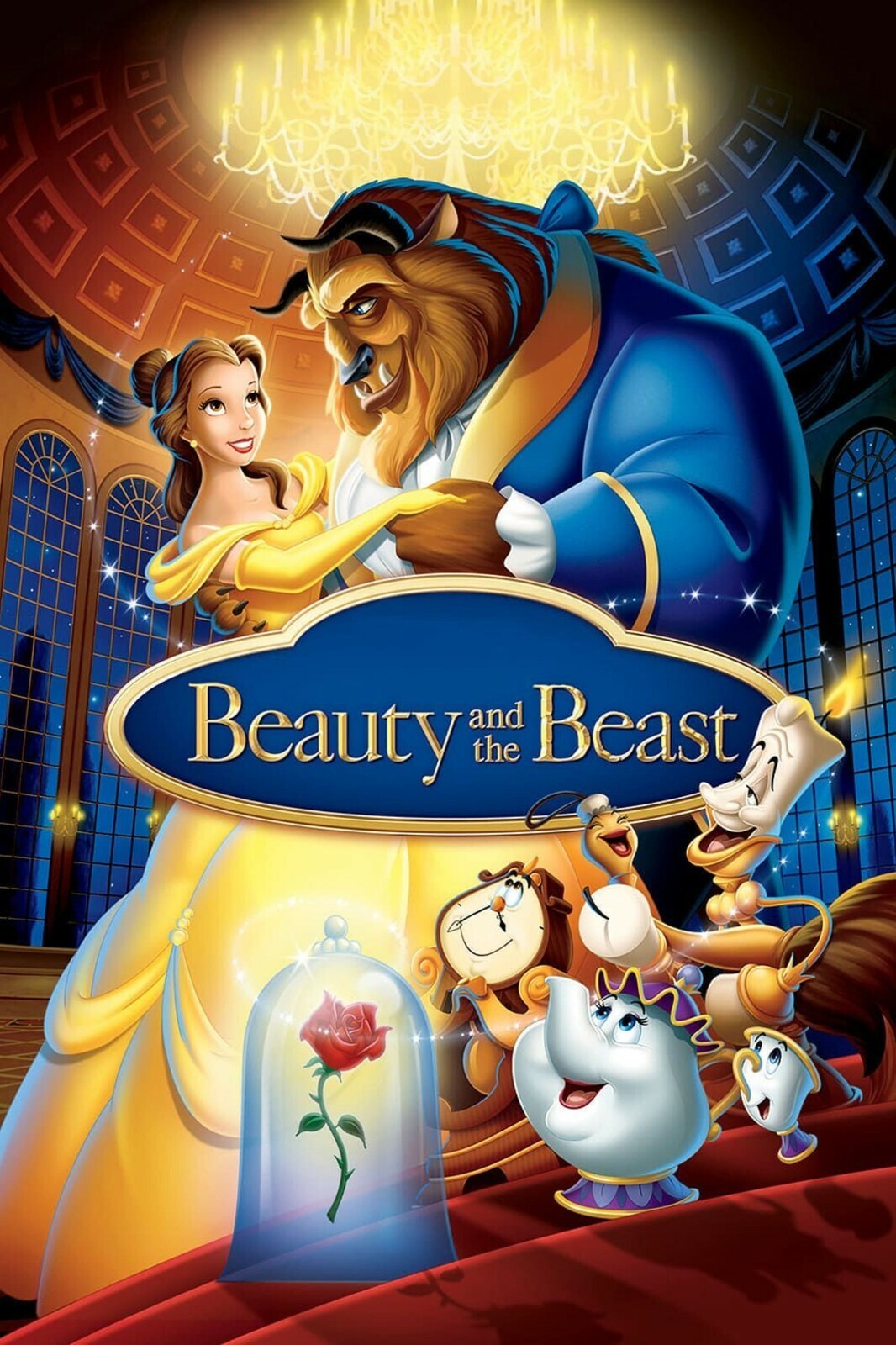
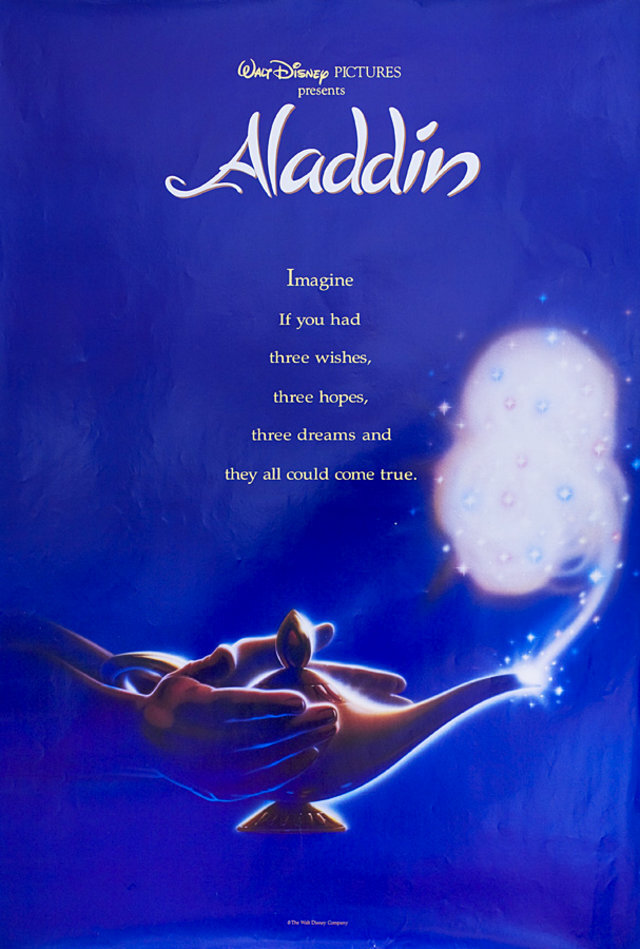
What set The Lion King apart from the films around it was its source. The Renaissance had been built largely on established fairy tales and literary works, The Little Mermaid on Hans Christian Andersen, Beauty and the Beast on the French fairy tale, Aladdin on the tales of the Arabian Nights. The Lion King, by contrast, was an original story, not adapted from a pre-existing text. It drew on broad mythic and literary echoes, including the shape of a Shakespearean tragedy, but the narrative itself was created by the studio.
This mattered for the brand. It showed that Disney's revived storytelling strength did not depend on borrowing plots, and that the studio could generate a modern classic from its own imagination. An original property also meant Disney owned the story outright, with no external source to share credit or rights, which gave the company complete control over how the world of the film could be extended.
Music at the centre
Like the other Renaissance films, The Lion King placed music at the heart of its storytelling. Its songs, created by a partnership between a celebrated pop songwriter and an experienced lyricist, and underpinned by a sweeping score, became hits in their own right. The opening sequence, built around the song Circle of Life, became one of the most recognised moments in animation, establishing the film's emotional scale within its first minutes.
The strength of the music was central to the film's reach. Its songs travelled far beyond the cinema, onto radio, into homes and eventually onto the stage, giving the brand multiple points of contact with audiences. The soundtrack itself became a major commercial success, extending the film's presence and reinforcing the association between Disney and memorable, story-driven song.
From film to franchise
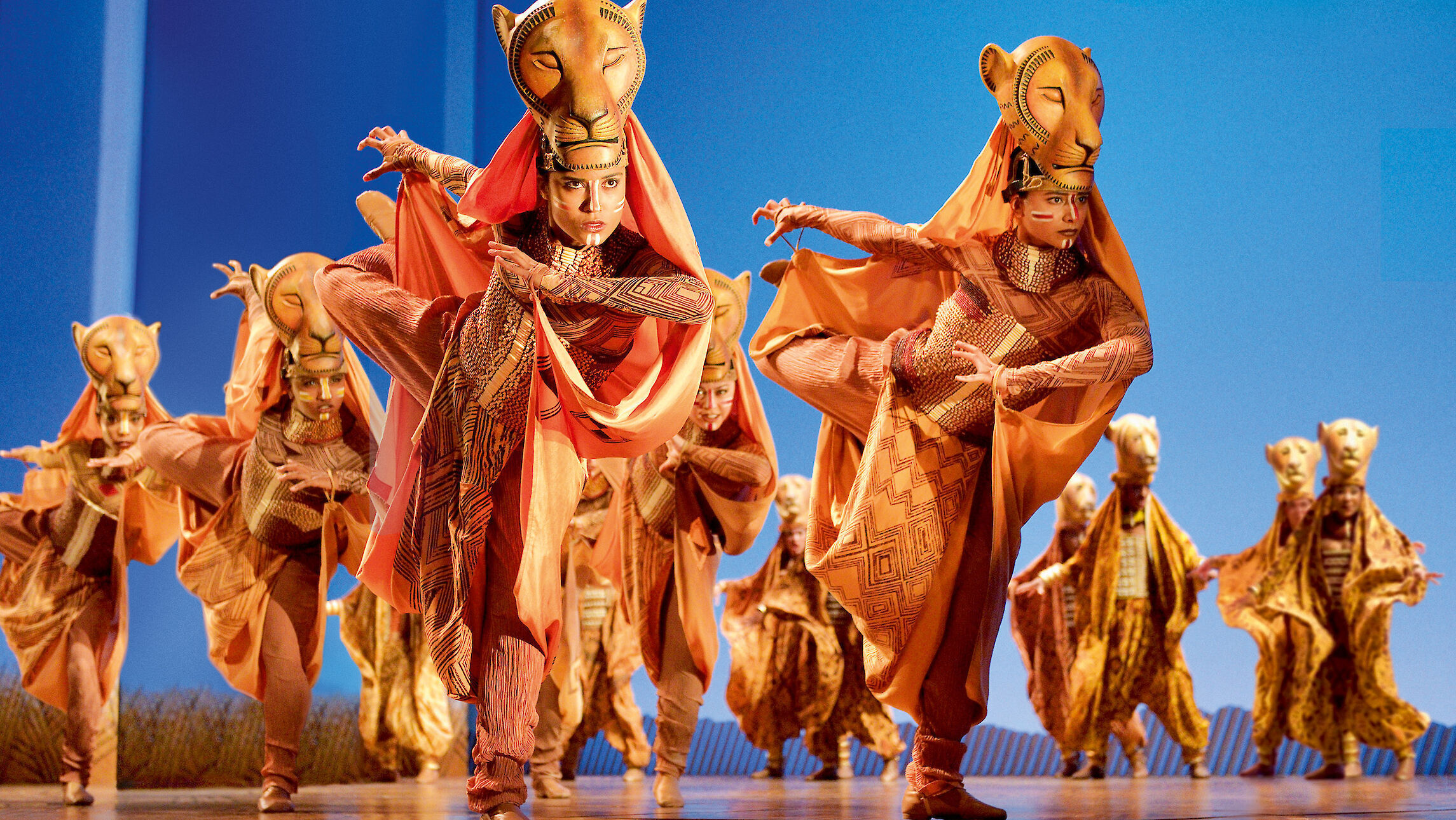
The Lion King illustrated, more clearly than any other Renaissance title, how a single animated feature could power the wider Disney machine. Because the story and its characters were original and wholly owned, the film became the foundation of a lasting franchise. It generated sequels and follow-ups, a vast range of merchandise, theme-park attractions and, most significantly, a stage adaptation that opened a few years after the film and went on to become one of the most successful theatrical productions in history.
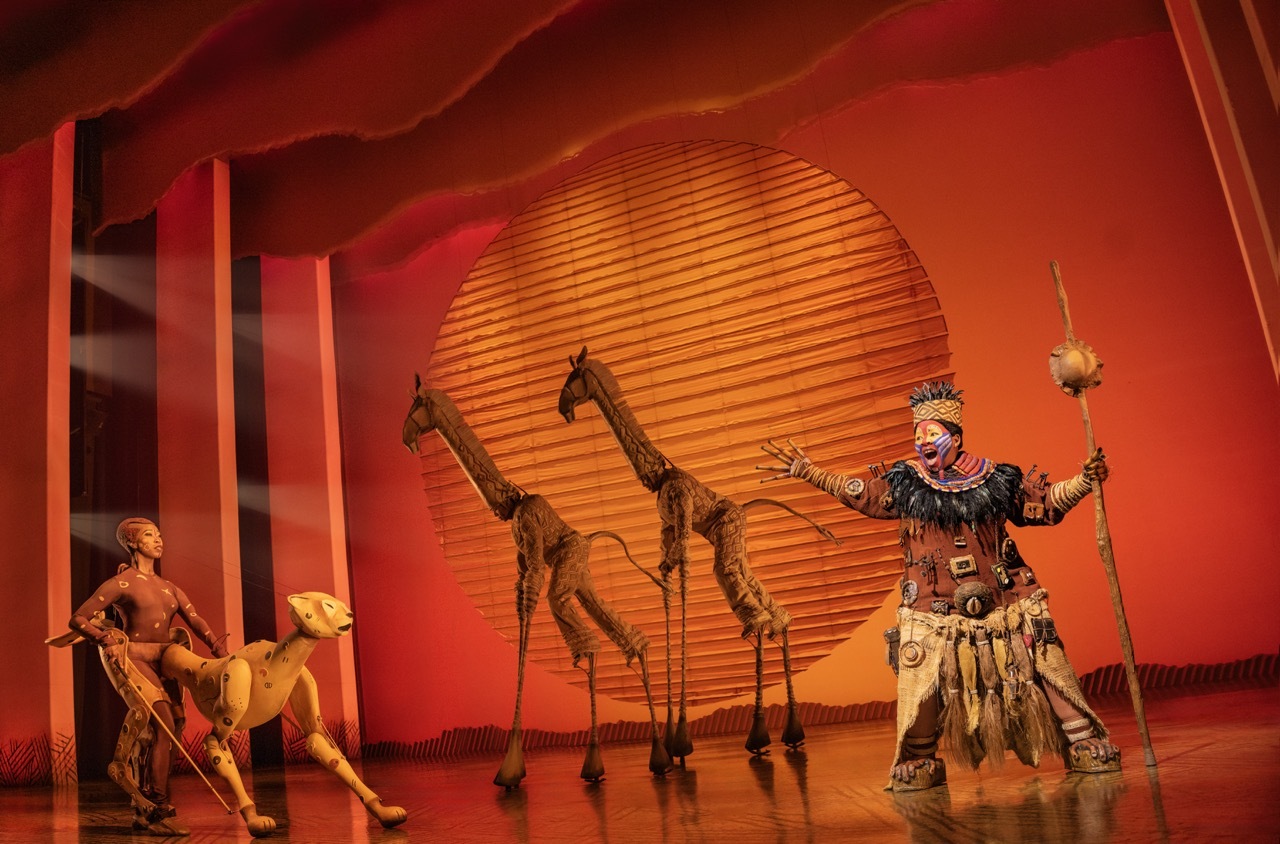
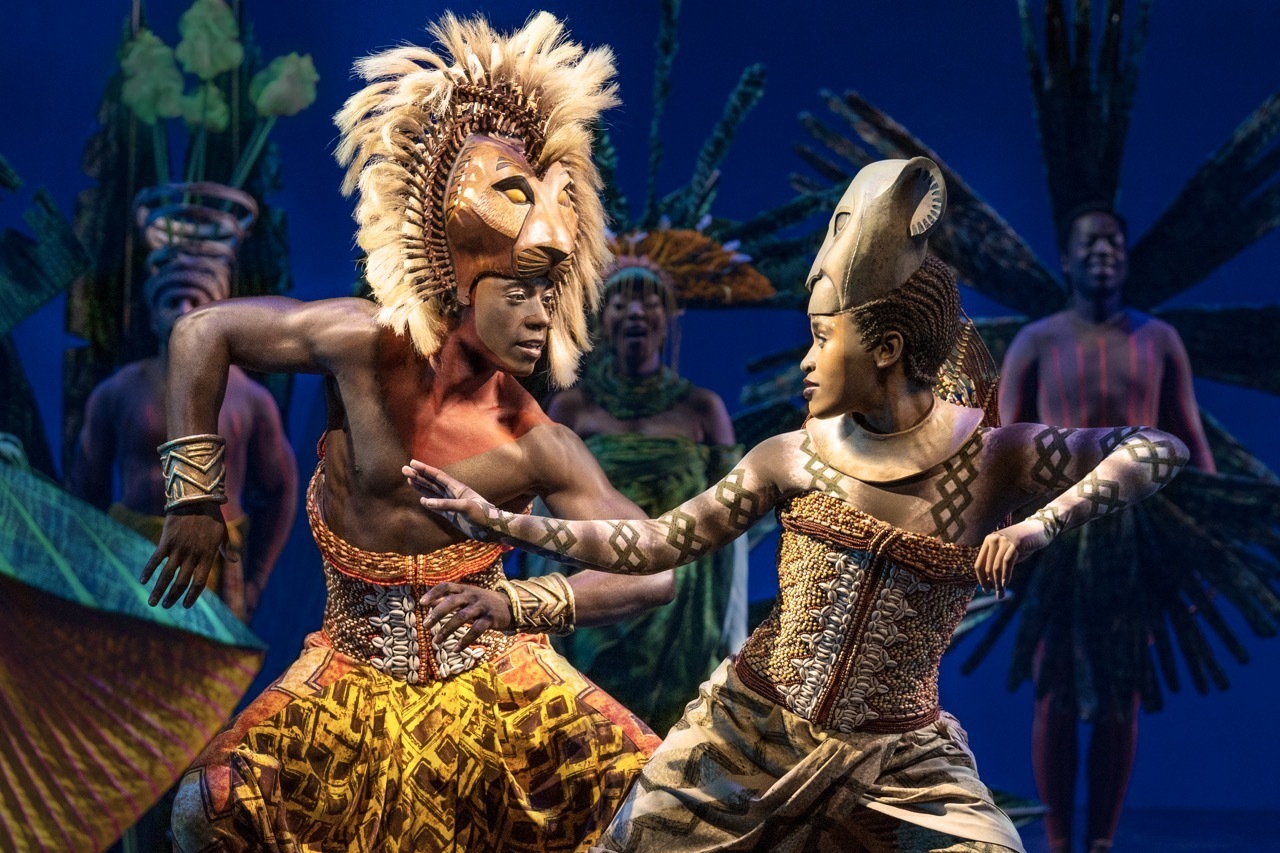
That stage musical, with its inventive puppetry and design, turned The Lion King into a live experience that ran for decades across the world, extending the brand into theatre in a way few films ever manage. The property continued to generate value long after its original release, including later reworkings for new audiences using advanced animation techniques.
Seen alongside the film that began the studio's revival, The Lion King represents the Renaissance at its most complete. The Little Mermaid reopened the door in 1989 and gave the era its first heroine in Ariel; The Lion King, five years later, showed how high the studio could climb once it trusted its own storytelling. In doing so it echoed the ambition of the Golden Age that Snow White had launched in 1937, proving once again that the Disney brand was strongest when its animated features combined original craft, powerful music and stories the whole company could build upon.
Written with AI assistance, edited by a human. Find out more about our Use of AI.