
An archive shoe becomes the shoe of the moment
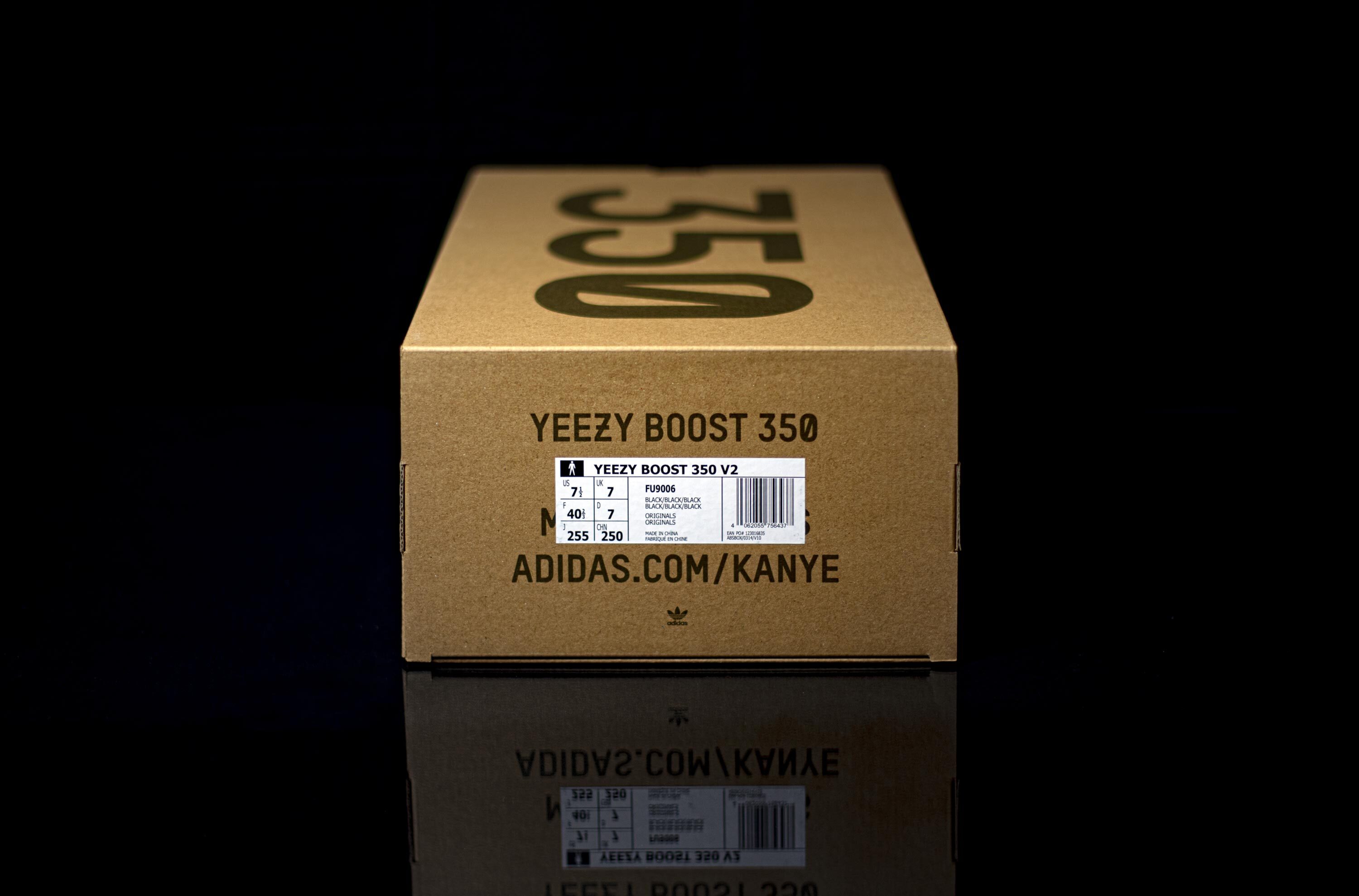
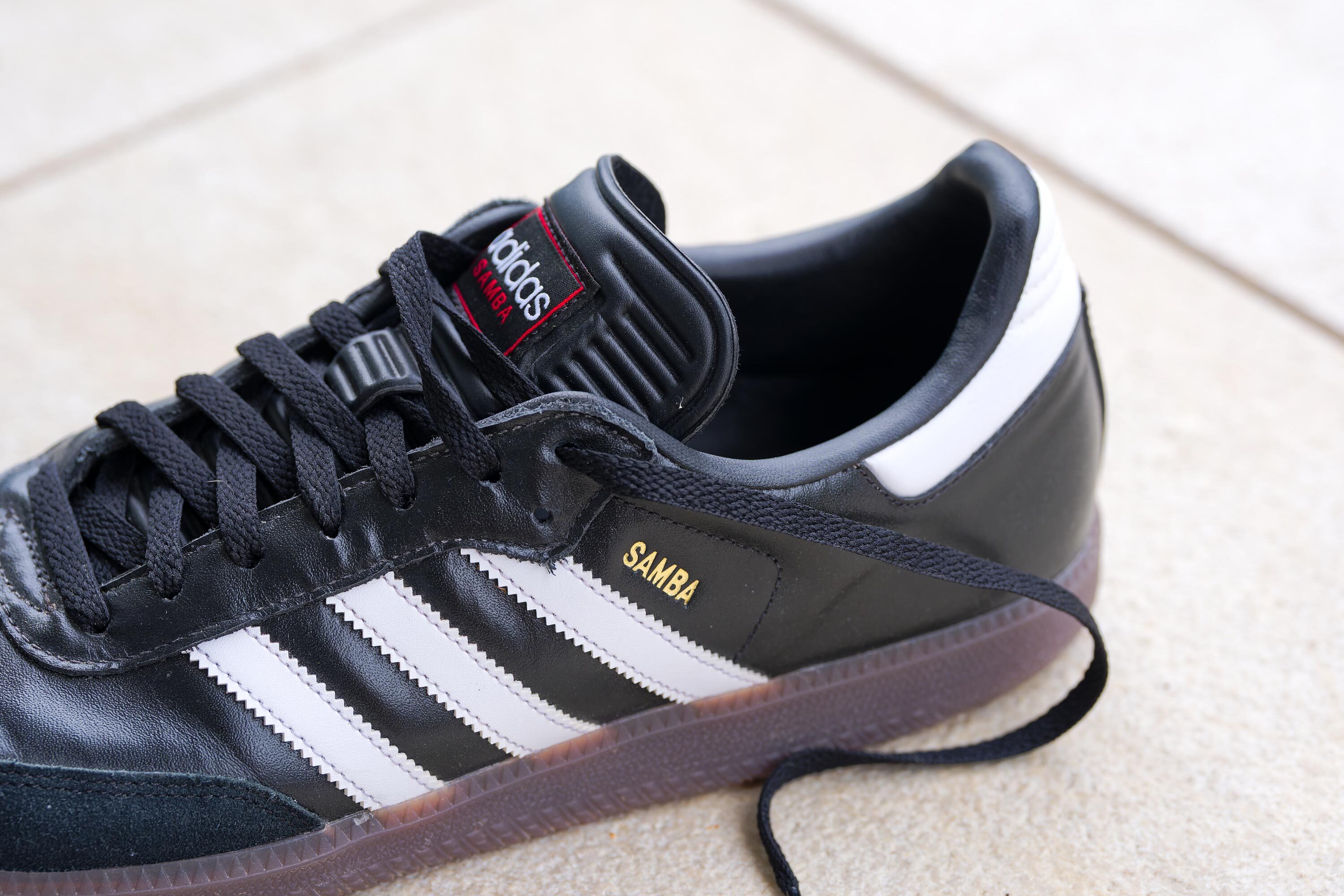
The adidas Samba, a low-profile football shoe first released in 1950 for training on icy, hard ground, has become one of the defining sneakers of the current fashion cycle.1, 2 In 2023 it won the Footwear News Shoe of the Year award, the brand's first such recognition since the Yeezy Boost 350 in 2015, and its sales rose sharply as waiting lists formed for new colourways.3, 4, 5 A design conceived for the pitch is now worn far from it, and adidas has built a substantial commercial moment on a product it has sold, largely unchanged, for decades.
The Samba's rise is part of a wider return of the terrace aesthetic, a style rooted in British football culture where flat, retro trainers are worn with everyday clothing.4, 6 Alongside the Samba, related adidas models such as the Gazelle and the Spezial have found the same audience.4, 7 The trend rewards the brand precisely because it owns the archive that defines it.
Craft of the collaboration engine
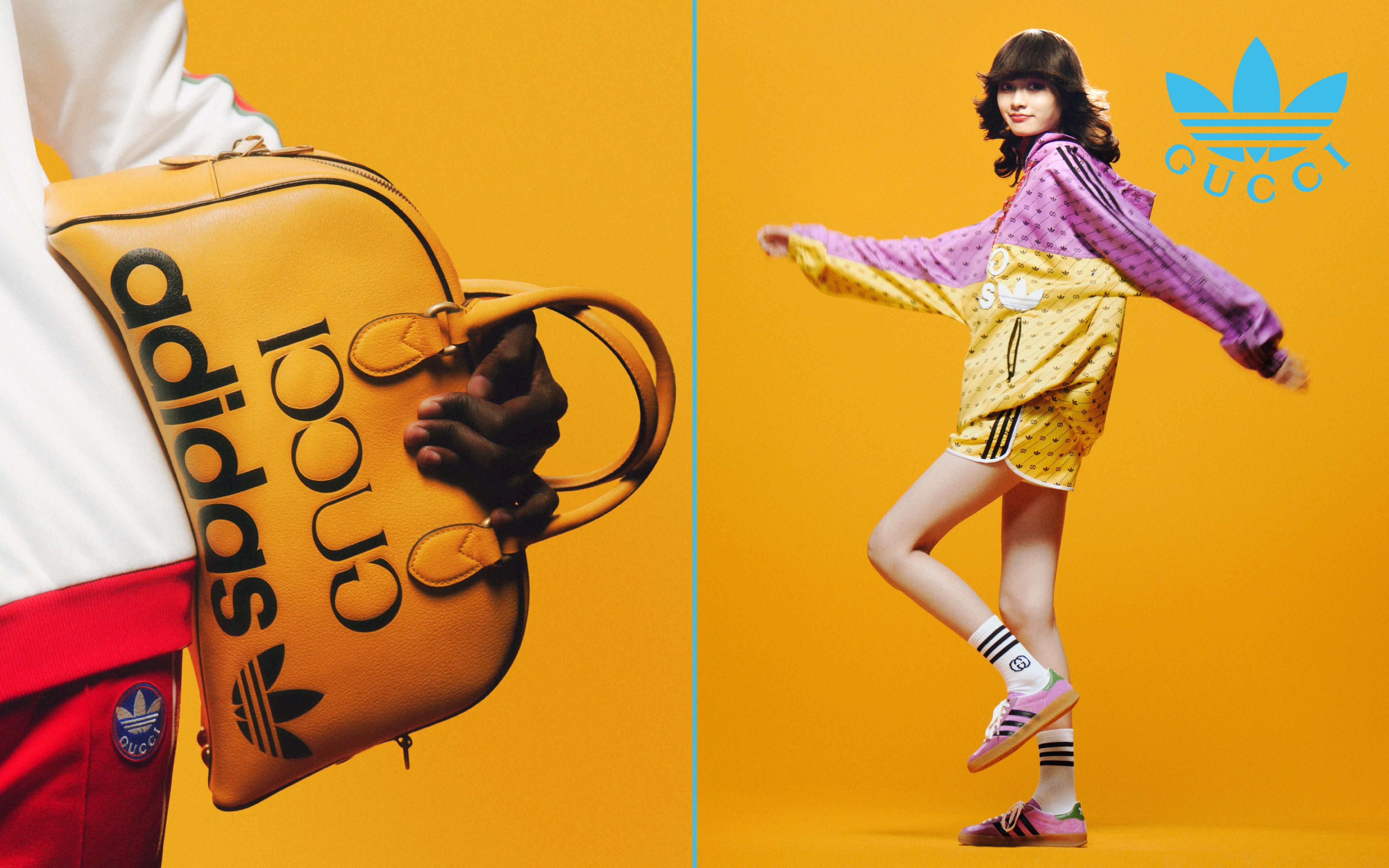
The revival did not happen by accident. adidas amplified the Samba through carefully chosen collaborations that gave the shoe fashion credibility before it reached the mainstream. The designer Grace Wales Bonner reworked the Samba from 2020 onward, and her versions are widely credited with sparking its crossover into fashion.1, 2 Further partnerships, including Pharrell Williams through his Humanrace line and later the musician Bad Bunny, kept the model visible and desirable across different audiences.2, 8
The approach shows a brand using external creativity to reposition an existing product rather than launching a new one. Each collaboration reframed the Samba for a specific community, from high fashion to music, while the standard version remained affordable and widely available. That combination of exclusive editions and accessible core product is central to how the revival was sustained.
The sequencing was important. High-fashion editions established desirability at the top of the market, and that credibility then flowed down to the standard shoe, which anyone could buy. adidas therefore captured both the prestige of the collaborations and the volume of the mainstream release, a structure that turned cultural attention into broad sales without cheapening the product.
Heritage as a renewable asset
The Samba story confirms a strategy that runs through much of adidas branding: the archive is a renewable asset. Because the shoe already carried decades of history and an authentic connection to football culture, adidas did not need to manufacture credibility. It needed only to place the product in the right hands and let cultural momentum build. The brand supplied the original design; collaborators and consumers supplied the new meaning.
This is the same logic that underpins the adidas Originals platform, which frames the company as the author of designs that culture continually reinterprets. The Samba is a live demonstration of that idea. A shoe from the brand's past becomes contemporary again through cultural adoption, and adidas captures the value without having to invent something new.
The economics of this are attractive. Reissuing an existing design carries far lower development cost and risk than creating a new franchise, and the archive shoe arrives with recognition already built in. For a brand with a deep catalogue, each revival is a chance to earn substantial returns from intellectual property it has held for decades.
Managing a peak
A phenomenon of this kind also carries a risk that adidas openly recognises: ubiquity. When a single model becomes too widespread, its desirability can fade, and the brand has signalled awareness that Samba demand will eventually cool.4 The response is to prepare successors from the same archive, promoting other heritage silhouettes so that the terrace momentum shifts to a new model rather than collapsing.1, 7
That planning reflects a mature understanding of trend management. Rather than depending on one product indefinitely, adidas treats the Samba as the current expression of a broader terrace movement it can extend across several shoes. The goal is to own the category rather than a single style, insulating the business from the decline of any one model.
Handled well, that rotation keeps the terrace story alive independently of any single silhouette. By moving attention from the Samba to the Gazelle, the Spezial or another archive model at the right moment, adidas can extend the trend for years and treat each shoe as a stage in a continuing narrative rather than a one-off hit.
The Samba's moment illustrates how a heritage brand can generate substantial growth without radical reinvention. By combining a genuine archive, a disciplined collaboration programme and an awareness of when to rotate its heroes, adidas turned a decades-old football shoe into a defining product of the present, and reinforced the idea that its history is one of its most valuable commercial resources.
Written with AI assistance, edited by a human. Find out more about our Use of AI.
1. Sneaker Freaker, Gabe Filippa, "Unlocking the Vault: The Archival Sneakers Igniting adidas' Comeback", 25 October 2024, for the Samba having been released in 1950 under the name "Special Football Boot for Icy and Snowy Pitches", for Grace Wales Bonner and the Samba having been the pairing that set adidas on its low profile comeback from 2020 and for the Samba being "still a steaming sales machine" because of it, for global search interest in the Samba having risen by nearly 500 per cent between 2022 and 2023, for the shoe being expected to drive 1.6 billion euros of revenue in 2024, around 7 per cent of the company total, and for adidas continuing to draw on its "extensive vault of terracewear classics deep into 2025". Off whitelist and used for corroboration only. https://www.sneakerfreaker.com/features/the-archival-sneakers-igniting-adidas-comeback
2. Wikipedia, "Adidas Samba", consulted 18 September 2026, for the shoe having been designed by adidas founder Adolf Dassler in 1949 "to enable football players to train on icy, hard ground", for the Samba Classic being "specifically designed for five-a-side and indoor soccer", for the Samba being "the second-highest selling Adidas design with over 35 million pairs sold worldwide, behind the Stan Smith model", and for the release dates of the two collaborations the verse names, Wales Bonner on 20 November 2020 and "Humanrace" by Pharrell Williams on 3 November 2023. https://en.wikipedia.org/wiki/Adidas_Samba
3. Footwear News, "How the Adidas Samba Changed Fashion and Sneakers in 2023 and Became the FNAA Shoe of the Year", 2023, the feature this verse's opening account of the award year and the Samba's crossover into fashion was written from; the publisher's paywall returned an error to every request and the page was not reachable on 18 September 2026. https://wwd.com/footwear-news/shoe-industry-news/adidas-samba-shoe-of-year-fnaa-2023-1237702694/
4. Fast Company, Reuters, "Sneaker sales for Sambas, the 2023 'Shoe of the Year', will likely peak soon, but Adidas has a plan", 4 May 2024, for the Samba having won Footwear News' 2023 "Shoe of the Year" award, for sales having jumped "from a couple of hundred thousand pairs a month at the start of last year to millions of pairs a month", for terrace shoes being "inspired by soccer fans' footwear in the 1970s and 80s" and for the Gazelle and the Spezial being counted among them, for Bernstein analyst Aneesha Sherman's estimate that terrace shoes would drive 1.5 billion euros of sales in 2024 and her prediction that they "will likely peak in all regions this year", and for the succession plan adidas chief executive Bjorn Gulden set out: "We will maintain the current franchises, and then time the activation of Superstar as we and the retailers need it. We will not push it globally in huge volumes." Off whitelist and used for corroboration only. https://www.fastcompany.com/91118038/sneaker-sales-sambas-2023-shoe-year-will-likely-peak-soon-but-adidas-has-plan
5. FashionNetwork.com US, Obi Anyanwu, "Kanye West's Adidas Yeezy Boost 350 named 'Shoe of the Year'", 28 October 2015, added during the retrofit for the one part of that sentence no listed source reaches: the Yeezy Boost 350 was Footwear News' Shoe of the Year ahead of the 2015 FN Achievement Awards, making it the adidas win the body dates to 2015. The same piece records that the Yeezy Boost 350 was "Adidas' second sneaker to win the award of Shoe of the Year, the first being the Adidas Stan Smith sneaker which won in 2014". Off whitelist and used for corroboration only. https://us.fashionnetwork.com/news/Kanye-west-s-adidas-yeezy-boost-350-named-shoe-of-the-year-,588688.html
6. Wikipedia, "Casual (subculture)", consulted 18 September 2026, added during the retrofit for the terrace style the verse describes: a subculture that "emerged in the United Kingdom during the late 1970s, as a significant number of young men attending football matches began wearing clothing produced by designer sportswear brands", among them adidas trainers worn with everyday clothes rather than as sportswear. https://en.wikipedia.org/wiki/Casual_(subculture)
7. Hypebeast, Andrea Sacal, "What Will Replace The adidas Samba As The Next Cult Sneaker?", 8 May 2024, for the Gazelle being counted among the adidas models carried along by the Samba's audience, and for the Spezial being named, alongside the New Balance 1000 and the PUMA Palermo, as the model that "will likely take the crown" from the Samba, on sell out figures of 420 per cent for the Samba in the first quarter of 2024 against 30 per cent for the Spezial. Off whitelist and used for corroboration only. https://hypebeast.com/2024/5/adidas-samba-cult-sneaker-edited-feature
8. adidas, "adidas and Humanrace Continue Their Collaboration with a New Perspective on the Samba", 30 October 2023, added during the retrofit for the Pharrell Williams partnership the verse names: two further Humanrace Samba colourways released globally on 3 November 2023, described by Humanrace Creative Director Edward Robinson as "conceived through our sense of creating products that are authentic and speak to a lifestyle which is relatable". This note does not cover the Bad Bunny clause in the same sentence, for which no source was found. https://news.adidas.com/originals/adidas-and-humanrace-continue-their-collaboration-with-a-new-perspective-on-the-samba/s/dd8de18c-d9c6-4a13-b540-2f1e27b8000b