
A building in a category made of software
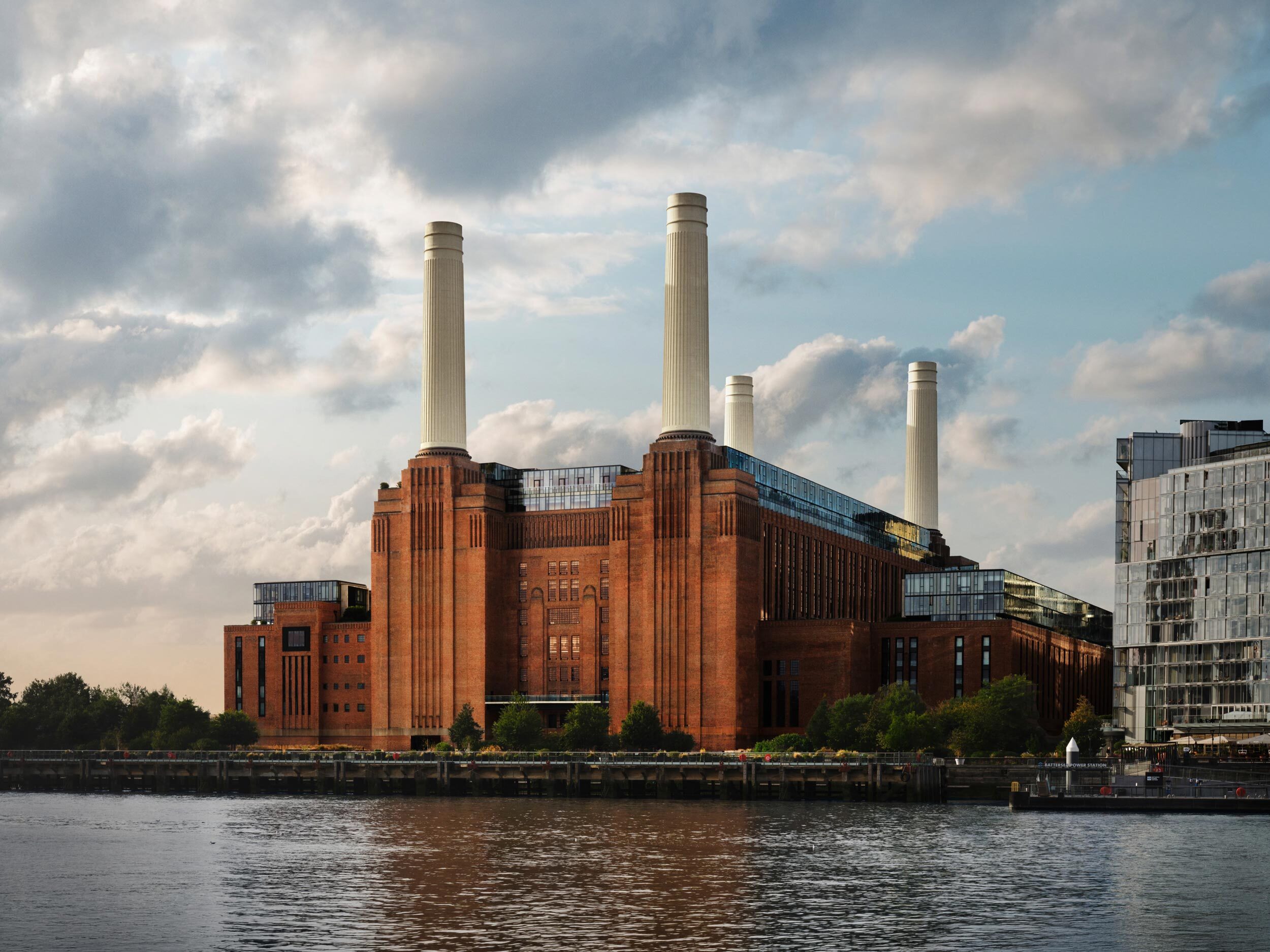
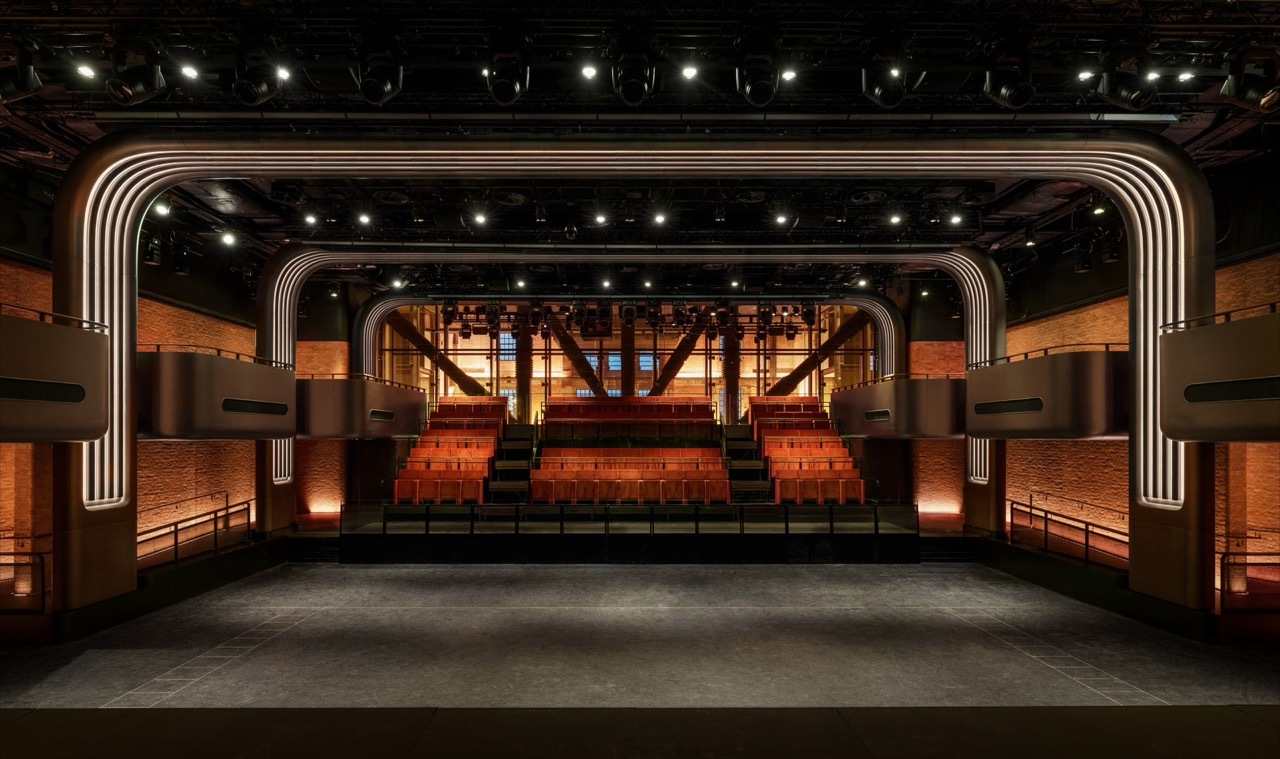
On 21 September 2026 Apple opens Apple Music Hall, a live music venue inside Battersea Power Station on the Thames in London. It seats 600. The stage is 38 feet wide and reconfigures between front-facing and in-the-round. A 48-speaker spatial sound system surrounds the audience.1
Behind the stage it is a production facility. Two recording and mix studios built to professional standards capture every performance as a multitrack and mix it in Spatial Audio, live or afterwards. The building is hardwired for sixteen or more cameras feeding a purpose-built broadcast control room, with infrastructure that runs iPhone video capture in parallel with traditional broadcast cameras. An artist plays one show and leaves with a finished Spatial Audio recording, a broadcast-ready mix and multicamera video. The performances are livestreamed globally.1
What a competitor cannot answer
Music streaming is contested on catalogue size, price, recommendation quality and audio format. Every one of those is software, and software has a property that is uncomfortable for whoever is ahead: it can be matched in a release. A rival can add a format, cut a price or rebuild a recommender, and the advantage lasts until the next update.
A 600-seat venue inside a listed power station has a different clock. It required a site, a landlord, construction and years. Whatever it is worth to Apple Music, no competitor answers it this quarter, and probably not this decade. That is the property Apple has bought here, and it is not a better feature. It is a difference with a lead time.
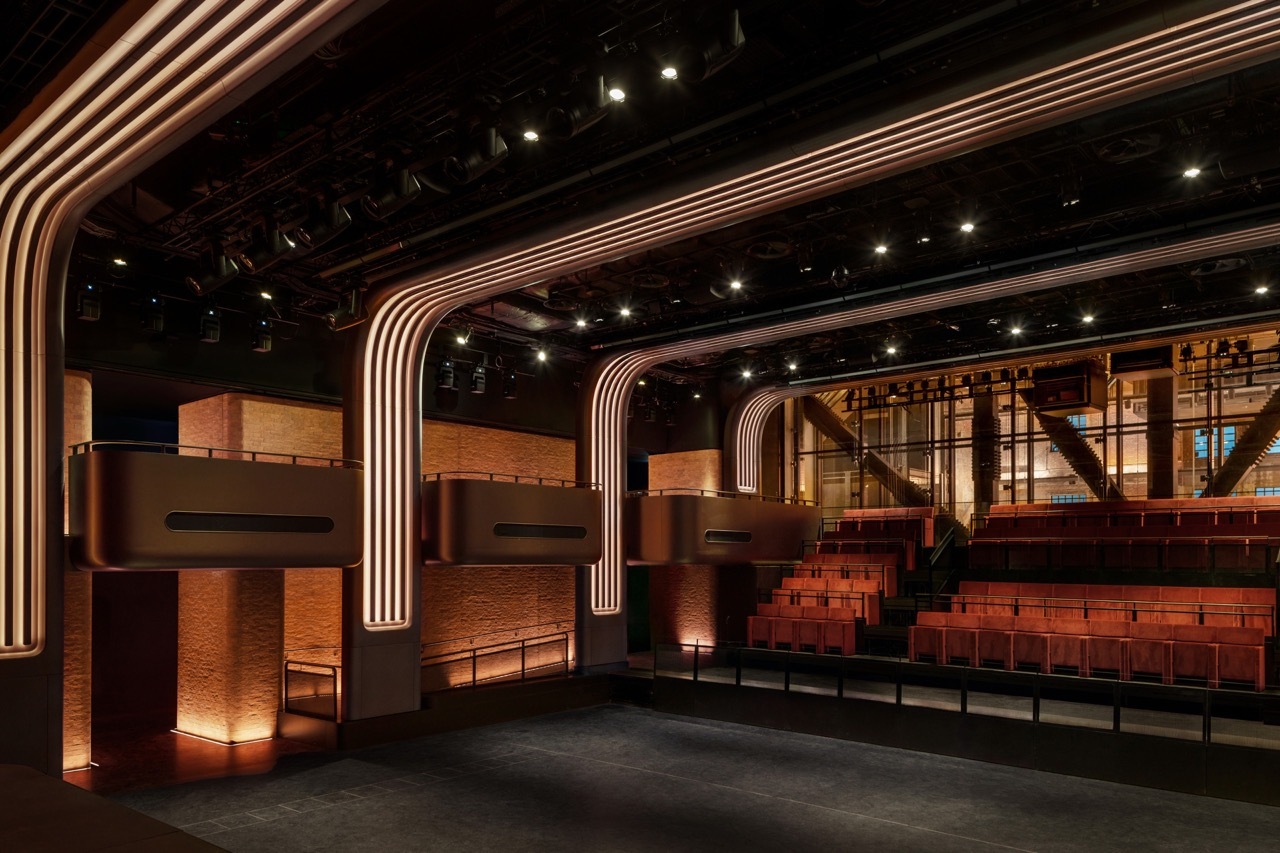
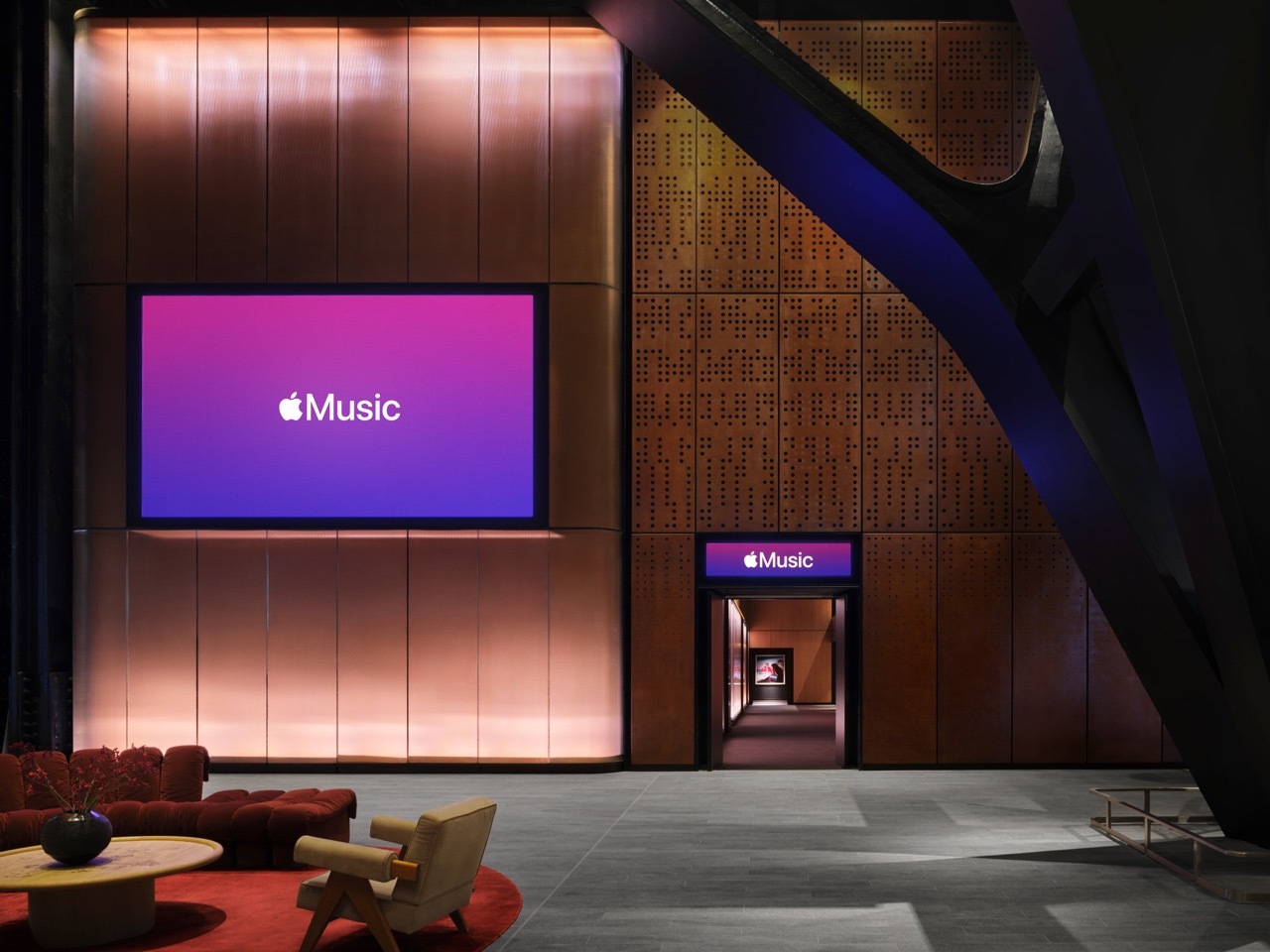
The claim, built at full size
Apple's argument for its music service has always been about the quality of the listening rather than the size of the library. Its own description of Apple Music leads on lossless audio and on immersive sound powered by Spatial Audio with Dolby Atmos, and calls the result "the world's best listening experience".1
That is a hard claim to demonstrate. It arrives at the listener through earbuds, in conditions the company does not control, against a comparison nobody can make side by side. Forty-eight speakers arranged around an audience is the same claim at a scale where it can be experienced rather than asserted, and the two mix studios behind the stage mean the format is not only played back in the building but produced there.
The service also acquires something a streaming service has never had: an address. Apple Music Hall has its own domain and its own accounts on Instagram and TikTok, separate from Apple's.1 A brand that has existed as an icon on a home screen now has a door people queue at.
Apple tried the rented version and stopped
Oliver Schusser, Apple's vice president of Apple Music and International Content, places the venue in a line: "Apple's deep love for music dates all the way back to the very beginning, from the launch of the iPod to the long-running iTunes Music Festival to the debut of Apple Music."1
That festival is the instructive part. Apple ran it in London every year from 2007, at the Institute of Contemporary Arts, then KOKO, then the Roundhouse from 2009 to 2016. Tickets were free, distributed by prize draw, and the shows were streamed to Apple Music and iTunes users at no charge. It was renamed the Apple Music Festival in 2015 and discontinued in 2017 after a ten-year run.2
A festival in someone else's venue is a line in a marketing budget, and it can be cancelled in a sentence, which is what happened. A building cannot. The same programme, in the same city, has been converted from an annual expense that had to be re-justified into an asset that has to be used.
Source: Apple Youtube
Radio moves in behind it
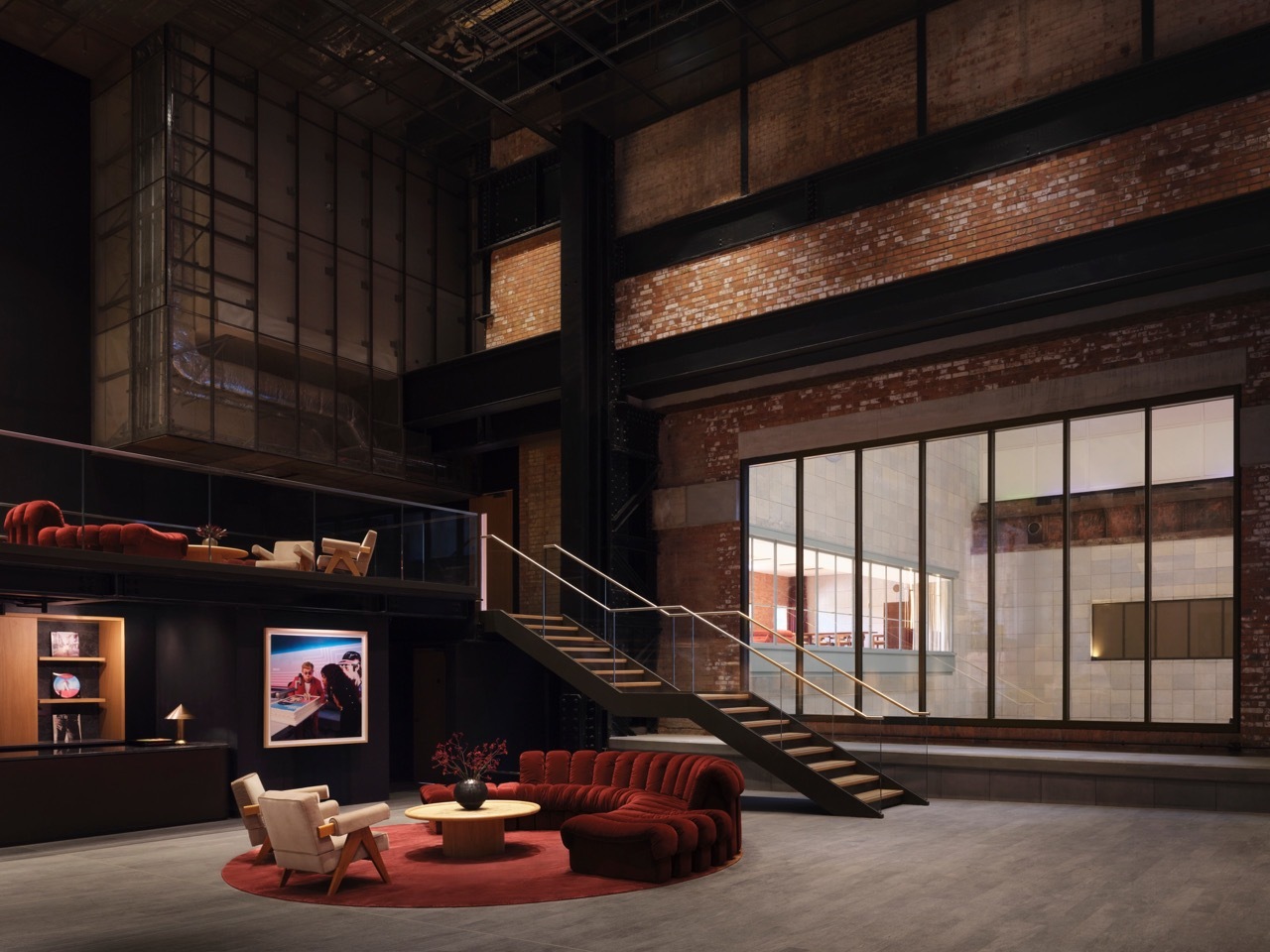
Apple announced on the same day that all of Apple Music Radio's London-based hosts and shows now broadcast from new studios at Battersea.1 That turns the venue into something larger than an events space. Editorial, live performance, recording and broadcast now sit in one building, and the interview-and-performance format that Apple Music Radio is built on becomes a matter of walking down a corridor.
Zane Lowe, Apple Music's global creative director and lead anchor for Apple Music 1, states the relationship the whole thing is meant to serve: "We're always looking for new opportunities to connect the artists and the fans because we are fans."1
What 600 seats cannot do
The number that defines the venue also limits it. Six hundred seats will not carry a business, and this is not built to. It is a brand asset funded out of a services margin, and its return is measured in what artists say about Apple and in footage that exists nowhere else.
It is also one room in one city, for a service Apple says is available in over 167 countries.1 The property that makes the investment defensible is the same property that makes it slow: what a competitor cannot copy quickly, Apple cannot repeat quickly either. The advantage bought here is durability, not reach.
Written with AI assistance, edited by a human. Find out more about our Use of AI.
1. Apple, "Apple opens Apple Music Hall, a brand-new state-of-the-art live music venue in London", Apple Newsroom press release, London, 21 September 2026, read 22 September 2026, for the opening and the location in Battersea Power Station, the capacity of 600, the 38-foot stage reconfigurable for front-facing or in-the-round sets, the 48-speaker spatial sound system positioned around the audience, the two recording and mix studios built to professional standards and the multitrack capture mixed in Spatial Audio live or after the fact, the hardwiring for sixteen or more cameras feeding a purpose-built broadcast control room with infrastructure supporting iPhone video capture in parallel with traditional broadcast cameras, the artist leaving with a finished Spatial Audio recording, a broadcast-ready mix and multicamera video, the global livestreaming of performances, the applemusichall.com address and the @applemusichall accounts on Instagram and TikTok, the quotation from Oliver Schusser, Apple's vice president of Apple Music and International Content, the quotation from Zane Lowe, Apple Music's global creative director and lead anchor for Apple Music 1, the announcement that all of Apple Music Radio's London-based hosts and shows now broadcast from new studios at Battersea, and the Apple Music boilerplate giving lossless audio, immersive sound powered by Spatial Audio with Dolby Atmos, "the world's best listening experience" and availability in over 167 countries and regions. Apple's summary sentence about what an artist leaves with is joined by an em dash, which this journal does not reproduce; that clause is paraphrased rather than quoted. https://www.apple.com/newsroom/2026/09/apple-opens-apple-music-hall-a-state-of-the-art-live-music-venue-in-london/
2. Wikipedia, "Apple Music Festival", read 22 September 2026, for the concert series inaugurated by Apple in 2007, for the London venues being the Institute of Contemporary Arts in 2007, KOKO in 2008 and the Roundhouse from 2009 to 2016, for tickets being free and distributed through localized prize draws to Apple Music, iTunes and DICE users, for performances being streamed live and available afterwards free of charge to Apple Music members, for the renaming from iTunes Festival to Apple Music Festival in August 2015, and for Apple confirming in 2017, after a ten-year run, that it would no longer host music festivals. Oliver Schusser refers to it in the press release as the "iTunes Music Festival"; the names recorded here are the ones the series carried. https://en.wikipedia.org/wiki/Apple_Music_Festival