
The day the name started to make sense
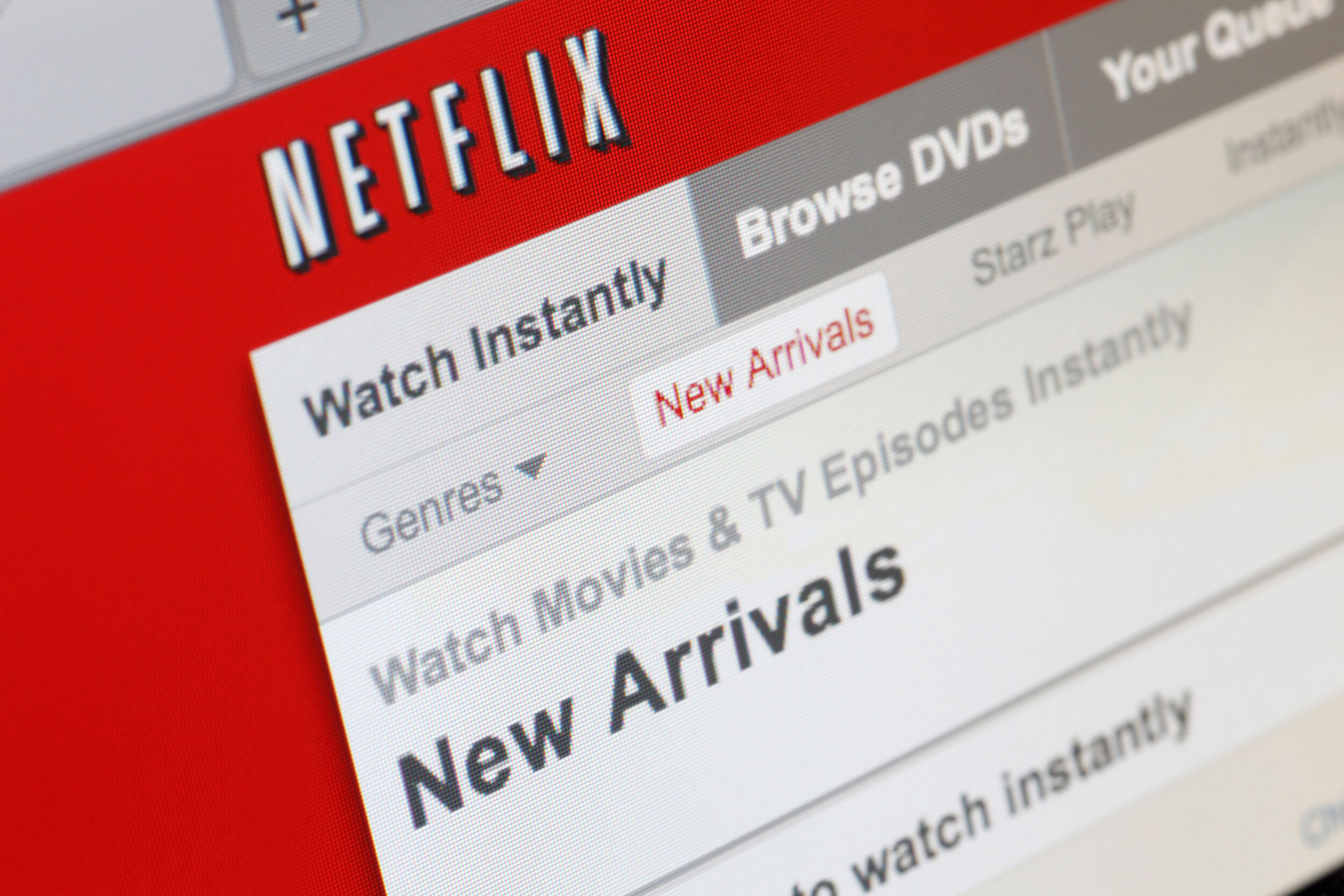
On 16 January 2007, Netflix announced Watch Now, a feature that let subscribers stream films directly in a web browser instead of waiting for a red envelope in the mail. The launch offered about 1,000 titles, a fraction of the 70,000 DVDs the company then stocked, and it looked modest next to the core business serving 6.3 million subscribers. In hindsight, it was the most consequential move in the company's history: the moment a logistics brand began turning into the streaming brand the name had always promised.
The promise was there from the start. Reed Hastings and Marc Randolph had named the company Netflix in 1997, not Mailflix, and Hastings had said for years that postal DVDs were a bridge technology while movies waited to travel over the internet. Watch Now, announced almost exactly on the company's tenth anniversary, was the first consumer-facing proof of that thesis.
A cautious first step
The launch mechanics reveal how carefully Netflix managed the transition. Watch Now was not a separate product but a free addition to existing DVD plans, with streaming allotments tied to the subscription tier; a subscriber on a plan of about $18 per month received roughly 18 hours of viewing. The feature required Internet Explorer and Windows Media Player, used adaptive streaming that adjusted quality to the viewer's bandwidth, and rolled out to the subscriber base over about six months. Netflix committed more than $40 million to the initiative in 2007.
The structure meant no subscriber had to choose between formats. Streaming was framed as a bonus of the brand people already paid for, which avoided the trap of positioning the new technology against the old one. The contrast with the era's dominant model was deliberate: while Apple and Amazon promoted download-to-own movies, Hastings emphasized convenience and simplicity, the same brand values that had beaten late fees a decade earlier. Owning a file was a transaction; Netflix sold a relationship, and Watch Now extended that relationship to a new screen without changing its terms.
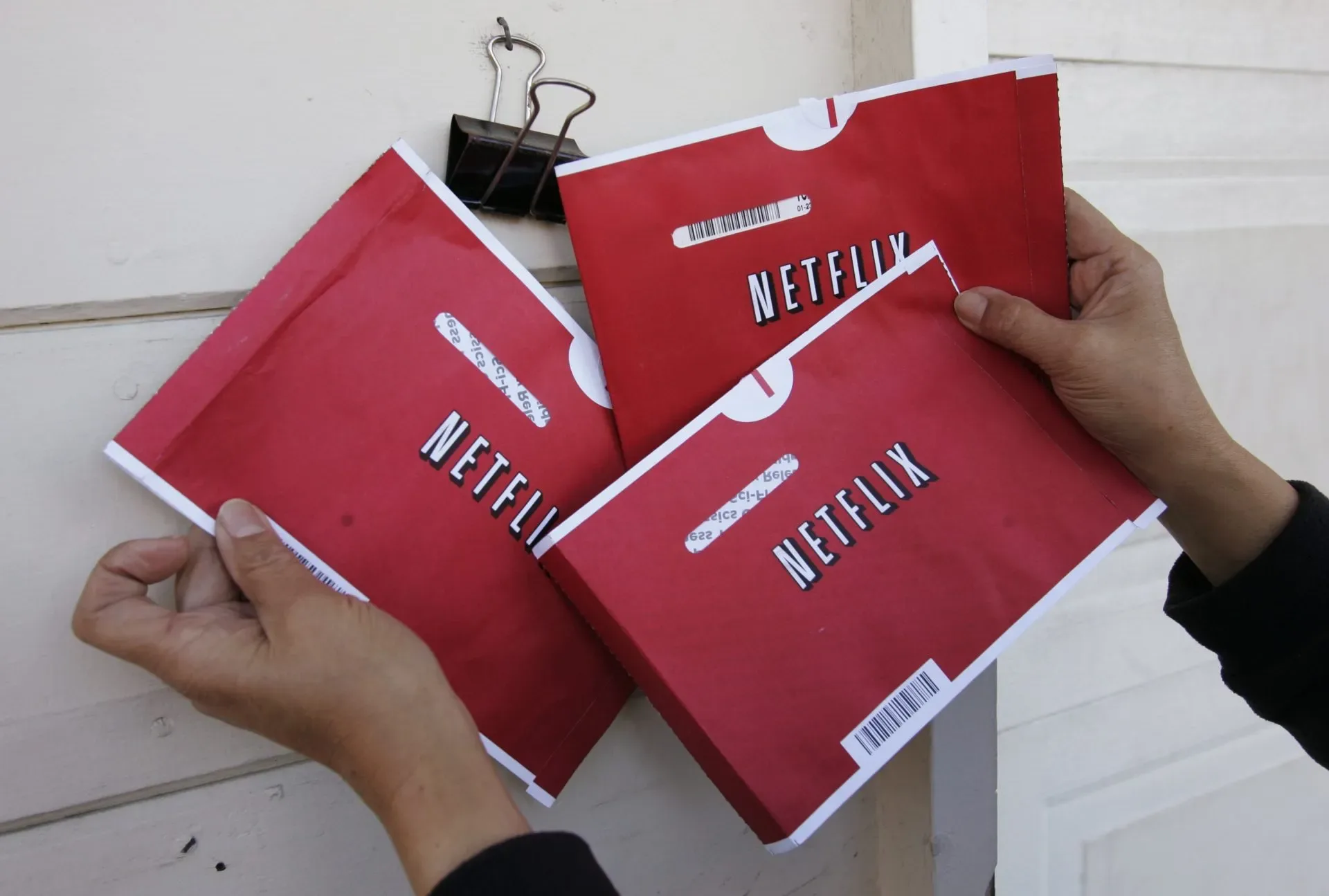
The caution also protected the company's most beloved physical asset. The red envelope was among the most recognizable brand objects in American households, a piece of packaging that customers photographed, joked about, and waited for. A pivot announced too aggressively would have told millions of loyal renters that the thing they loved was obsolete. By introducing streaming as an extra rather than a replacement, Netflix let the envelope retire on the audience's schedule instead of the company's.
Written with AI assistance, edited by a human. Find out more about our Use of AI.