
The brand sets sail
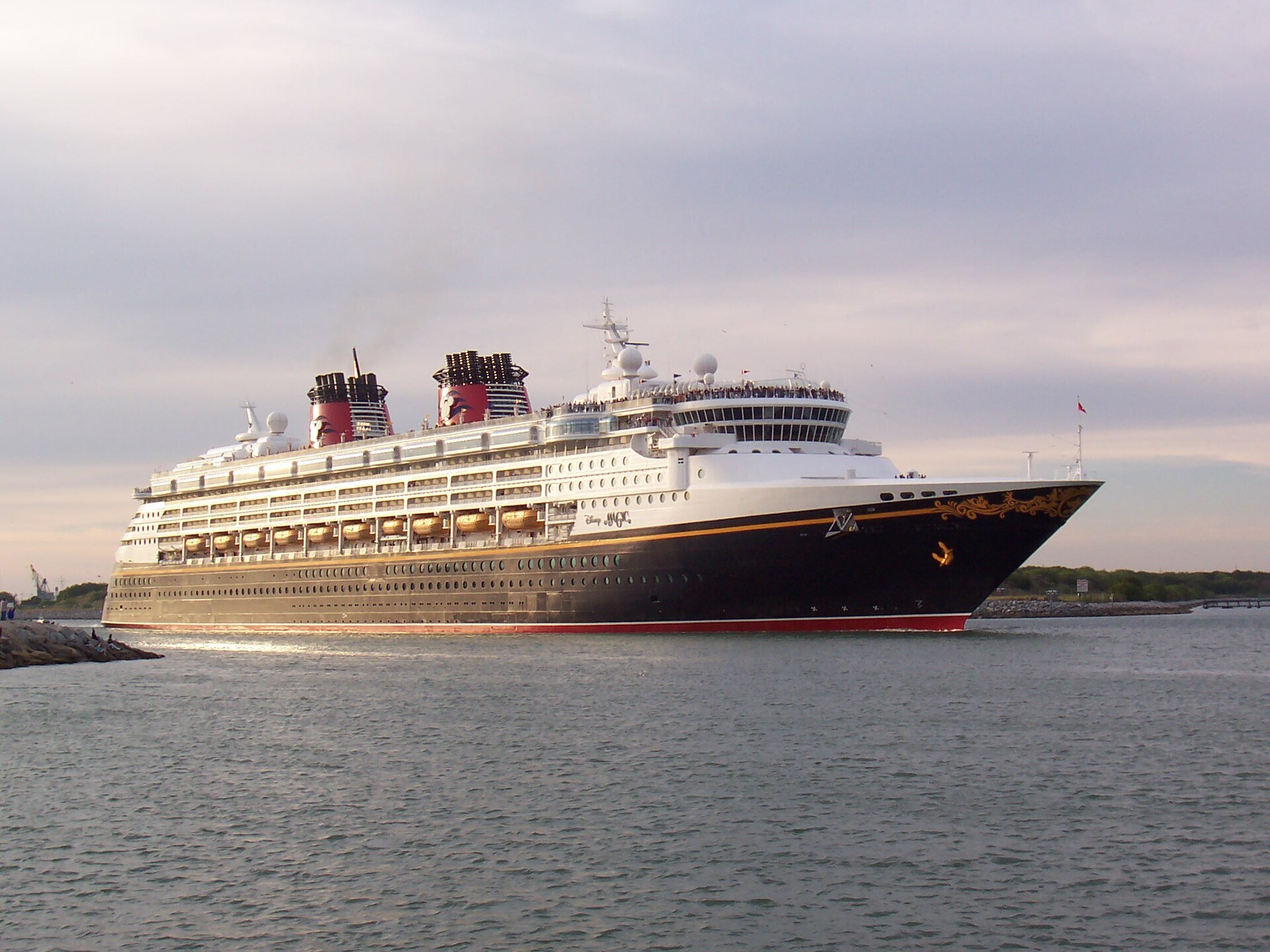
On 30 July 1998, the Disney Magic departed Port Canaveral in Florida on its maiden voyage, becoming the first ship operated by Disney Cruise Line. With it, Disney extended its brand into a new domain. The company had already taken its stories from the screen into theme parks; now it carried that same immersive approach onto the ocean, applying the discipline of a Disney resort to the very different environment of a passenger ship.
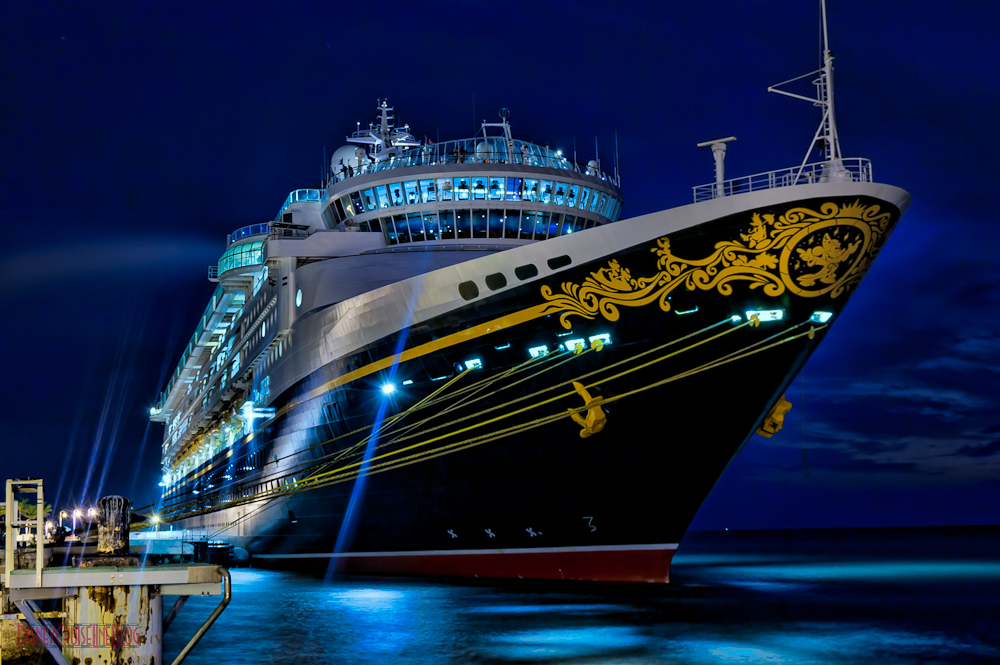
The Magic was a large, purpose-built vessel, constructed at the Fincantieri shipyard in Italy at a cost of around four hundred million US dollars. It could carry roughly 2,700 passengers across eleven decks and was staffed by a crew of close to a thousand. But its scale was less significant than its design intent. Every element of the ship was conceived to express the Disney brand, from its silhouette to the smallest detail of its interiors.
A ship designed as a story
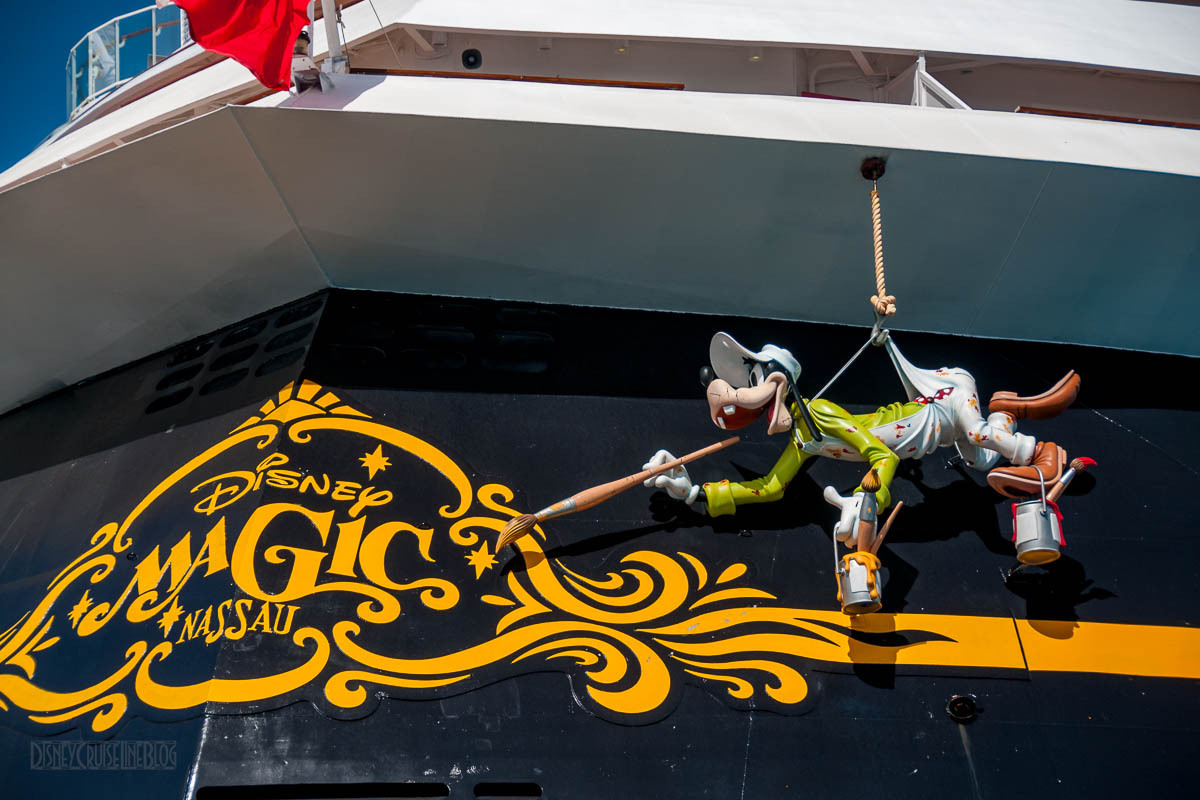
Rather than imitate the bright, casino-driven look common to the cruise industry of the time, Disney gave the Magic a deliberately classic profile. Its exterior evoked the golden age of transatlantic ocean liners, with a dark hull, two large funnels and elegant lines, a nod in part to vessels such as Cunard's Queen Mary. This choice positioned the ship as timeless and sophisticated rather than novelty-driven, while the Disney character was expressed through carefully placed details, including a stern decoration featuring a beloved Disney character in a playful pose.
Inside, the ship translated the theme-park philosophy into a floating environment. Spaces were themed and sequenced, entertainment was built around Disney's storytelling strengths, and the experience was structured to serve families as a whole while still providing distinct areas for children, teenagers and adults. Live shows, character interactions and rotational dining, in which guests moved through different themed restaurants over the course of a voyage while keeping the same serving team, brought the narrative consistency of a Disney resort onto the water.
Owning a piece of the destination
A defining feature of the new cruise line was that Disney did not simply sail its guests to existing ports. It created its own destination. Itineraries included a stop at Castaway Cay, a private island in the Bahamas that Disney developed and controlled, allowing the company to extend its brand experience to the shore excursion as well as the ship. This vertical control mirrored the logic of the theme parks, where owning and shaping the entire environment was central to protecting the quality and consistency of the brand.
By managing both the vessel and the island, Disney ensured that a guest's experience remained within its storytelling world from embarkation to beach and back, rather than handing part of the journey over to third parties. It was a characteristic Disney move: control the whole experience, and let no detail fall outside the brand.
A new pillar for the parks business
The Disney Magic was quickly joined by a sister ship, the Disney Wonder, in 1999, and the cruise line grew steadily in the years that followed with larger and more ambitious vessels. What began as a single ship became a substantial business and a further pillar of Disney's parks, experiences and products division, sitting alongside the resorts on land.
The cruise line also demonstrated the portability of the Disney model. The same principles that had made Disneyland work in 1955, immersive theming, consistent storytelling, control of the environment and a focus on shared family experience, proved adaptable to a completely different setting. A ship is a constrained, mobile space with its own operational demands, yet the brand translated onto it with remarkable coherence.
Seen in the longer view, the launch of the Disney Magic in 1998 confirmed a pattern that has defined the company's growth. Disney repeatedly takes the emotional connection audiences form with its stories on screen and gives it a physical form, whether a park, a resort or a ship, that people can enter and inhabit. The Magic carried that idea out to sea, proving that the Disney experience could travel, and opening a category the company continues to expand today.
Source: Disney Parks Youtube
Written with AI assistance, edited by a human. Find out more about our Use of AI.