One name for the model and the product
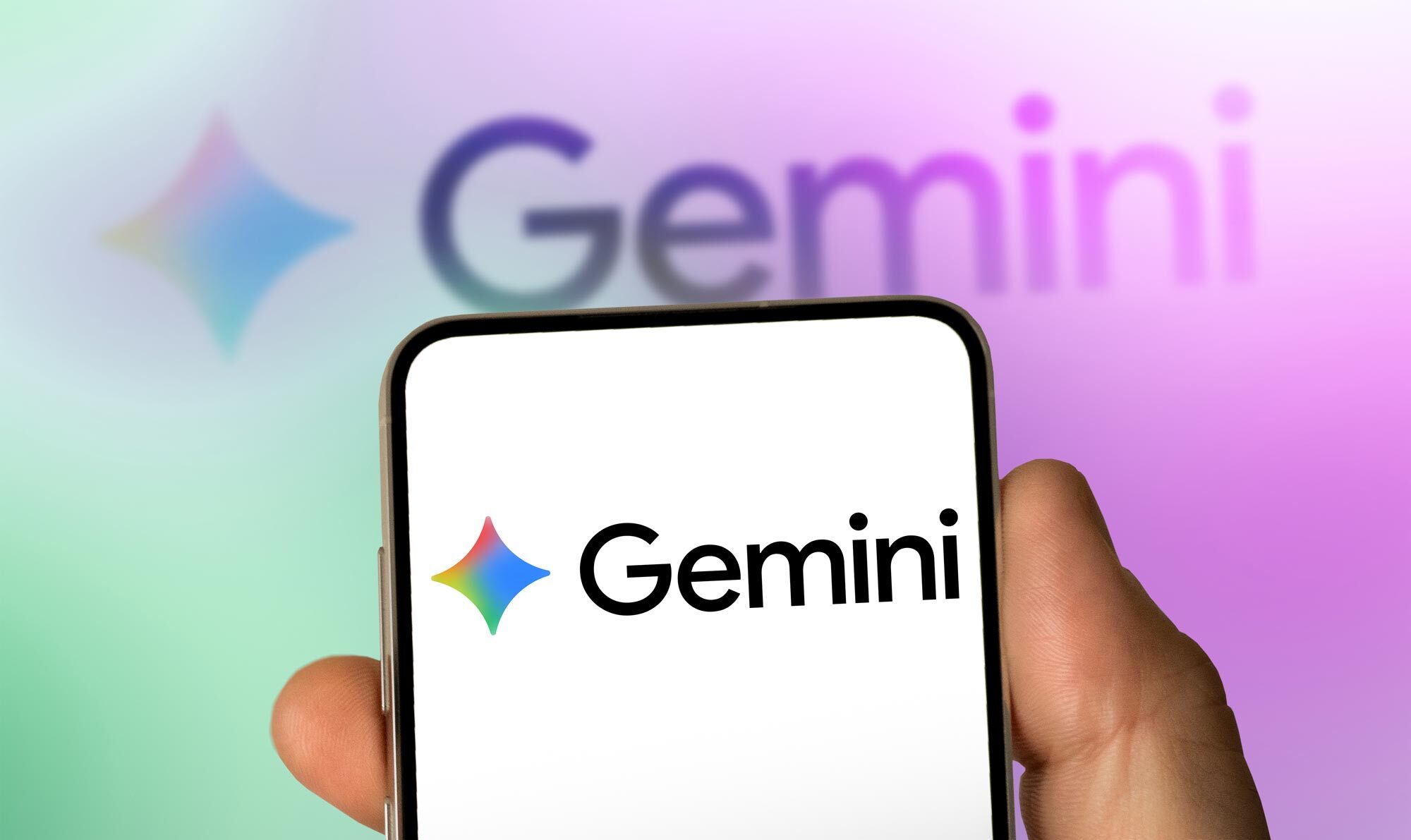
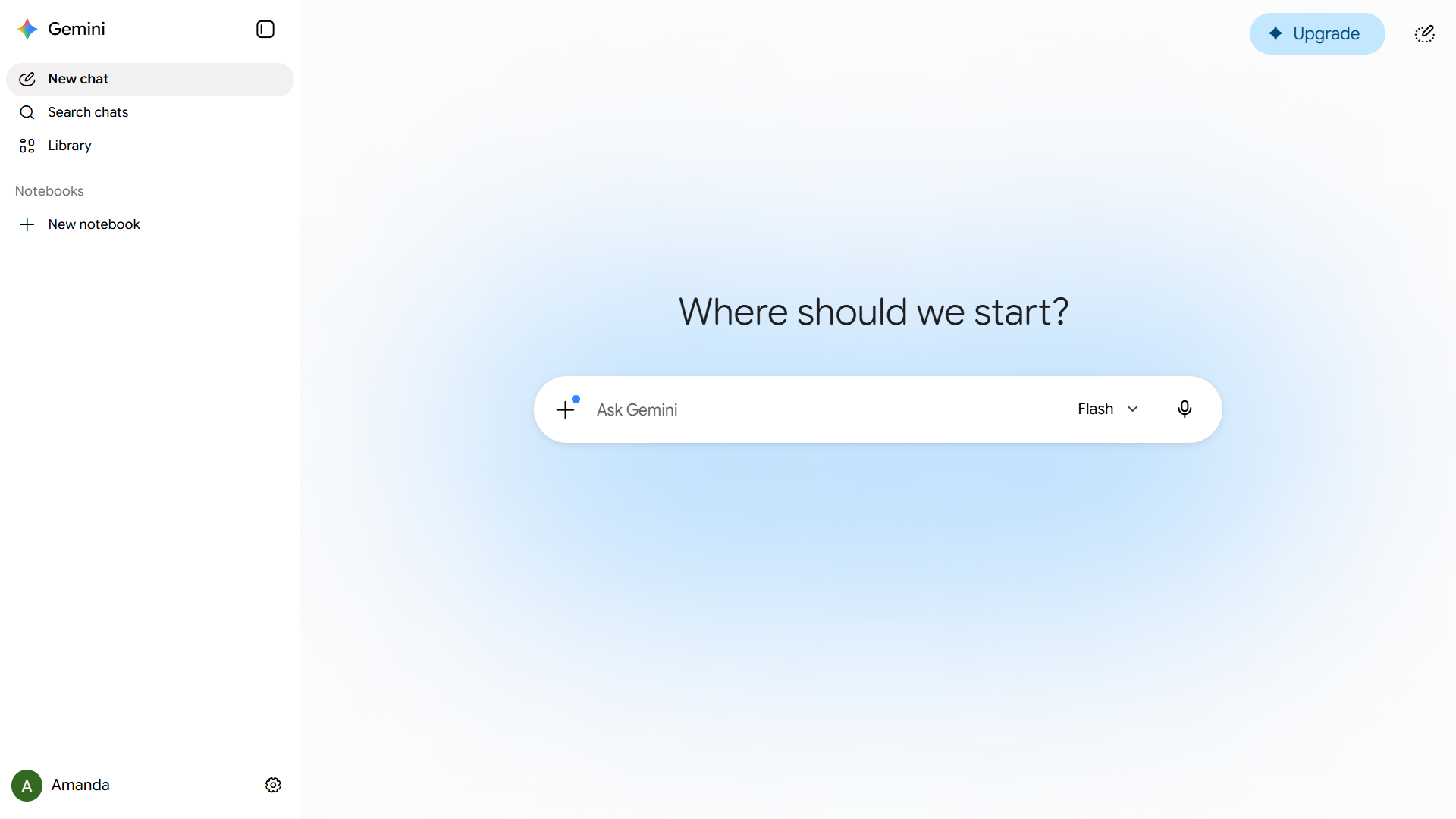
On 8 February 2024, Google retired the name Bard, the brand it had given its consumer AI chatbot less than a year earlier, and replaced it with Gemini.1, 2 The rename aligned the product with the underlying artificial intelligence model, also called Gemini, that had come to power it.3 In a single move, Google collapsed the distinction between the technology and the experience built on top of it, so that users would encounter one consistent name across the company's consumer AI offering.
The change was more than cosmetic. Bard had launched in early 2023 as Google's answer to a fast-moving competitive landscape in generative AI, and the name, evoking a poet or storyteller, suited a product framed as creative and conversational.2 Within a year, Google concluded that a clearer, more unified brand would serve it better, and Gemini became the banner for its consumer AI ambitions.
Why Google let go of Bard
The Bard name had done a specific job. When the chatbot first appeared, generative AI was new to most users, and a warm, literary name helped position the tool as approachable and expressive rather than technical. But as Google's underlying models advanced, the branding began to work against clarity. The company was developing an increasingly capable family of models under the Gemini name, and maintaining a separate product name created an unnecessary gap between what powered the experience and what users called it.1, 4
Consolidating under Gemini removed that gap. It let Google present a single, coherent story: Gemini was the model, Gemini was the app, and Gemini was the assistant. For a company competing hard in a field defined by rapid iteration and public perception, a unified name made the offering easier to communicate and easier to remember. The rename also signalled ambition. Gemini, with its associations of duality and pairing, suggested something more expansive and forward-looking than the more contained image of a lone bard.
Pulling the AI brands together
The rename went beyond the consumer chatbot. Google also folded Duet AI, the generative features it had been building into its Workspace productivity tools such as Docs and Gmail, into the Gemini brand.1, 3 What had been a scattered set of product names, Bard for the chatbot, Duet AI for the workplace assistant, and Gemini for the models, was reorganised under one label.4 Gemini became the umbrella for Google's consumer and productivity AI alike.
Alongside the rename, Google introduced a paid tier called Gemini Advanced, built on a more capable version of the model, and launched a dedicated Gemini app for Android, with access on iOS arriving inside the existing Google app.1, 3, 5 This turned Gemini from a web experience into a standalone mobile product with a clear commercial structure, positioning it directly against subscription AI assistants offered by competitors. The branding change and the product expansion arrived together, so the new name coincided with a genuinely new set of capabilities rather than a simple relabelling.
A brand built to grow
Unifying everything under Gemini gave Google a platform brand it could extend as the technology matured. Rather than coining a new name each time it shipped a new AI feature, the company could attach it to Gemini, building recognition and equity in a single name over time. That consolidation strategy mirrored how Google had long managed its broader identity, keeping a small number of strong, stable brands and letting them carry a growing range of products.
The Gemini brand continued to develop in the years that followed. Google gave it a distinct visual identity, including a spark icon and, later, a dedicated interface design language, as the assistant became central to how the company presented itself in the AI era.6, 7 The gradient treatments Google rolled out across its wider identity from 2025 onward were closely tied to the same Gemini-centred repositioning, extending the brand from a product name into a signal of the company's overall direction.6
Seen in that light, the 2024 rename was an early, decisive step in a larger shift. By retiring Bard and standardising on Gemini, Google traded a charming but narrow product name for a single, scalable brand, one it could build around as artificial intelligence moved from a feature to the centre of its identity.
Written with AI assistance, edited by a human. Find out more about our Use of AI.
1. Google, Sissie Hsiao, "Bard becomes Gemini: Try Ultra 1.0 and a new mobile app today", 8 February 2024, for the announcement of 8 February 2024 that "Bard will now simply be known as Gemini" and for Google's stated reason, that "Gemini represents our most capable family of models", for the Workspace generative features "formerly known as Duet AI" moving under the Gemini name, for Gemini Advanced giving access to Ultra 1.0 as part of the new Google One AI Premium plan at $19.99 a month, for the Gemini app rolling out on Android, and for iOS access being promised "right from the Google app in the coming weeks". https://blog.google/products/gemini/bard-gemini-advanced-app/
2. Google, Sissie Hsiao and Eli Collins, "Try Bard and share your feedback", 21 March 2023, for Bard having opened to users on 21 March 2023, beginning with the United States and the United Kingdom, and for Google's own framing of it as "an early experiment that lets you collaborate with generative AI", a tool to "boost your productivity, accelerate your ideas and fuel your curiosity". https://blog.google/technology/ai/try-bard/
3. Forbes, Richard Nieva, "Google Has Renamed Bard After Gemini, The AI Model That Powers It", 8 February 2024, off whitelist and used for corroboration only, for the rename being reported as the chatbot taking the name of the model that powers it, in the words of Google vice president Sissie Hsiao "Bard is the way to talk to our cutting edge models. And Gemini is our cutting edge model.", for Duet AI in Google Workspace being renamed Gemini for Google Workspace, for Gemini Advanced running on Gemini Ultra at $19.99 a month inside a Google One plan, and for the new app launching on Android while iPhone users reach Gemini through the existing Google app. https://www.forbes.com/sites/richardnieva/2024/02/08/google-gemini-bard-advanced/
4. CMSWire, Pierre DeBois, "Why Google Renamed Bard to Gemini", 8 February 2024, off whitelist and used for corroboration only, for the branding argument the verse follows, that while "having three AI names in the public domain might appear like a dominant position", "managing three 'brands' could dilute the company's AI marketing message", and that one name instead gives consumers "a focal point, enhancing the retention of interest", and for Google's own reason as quoted from the updated Bard page, its commitment to "giving everyone direct access to Google AI". https://www.cmswire.com/customer-experience/why-google-renamed-bard-to-gemini/
5. 9to5Google, Ben Schoon, "Google Bard to become 'Gemini' on February 7 with Android app", 3 February 2024, off whitelist and used for corroboration only, for the paid Gemini Advanced tier built on Gemini Ultra and the dedicated Gemini app on Android being reported before the announcement, and for iOS users reaching Gemini through the Google app rather than a standalone application. This piece expected the change on 7 February; Google made it on 8 February. https://9to5google.com/2024/02/03/google-bard-gemini-rebrand-android-app-date/
6. Google, "Google's 'G' gets a brighter look", 29 September 2025, for the brighter four-color gradient "G" being adopted from 29 September 2025 for all of Google, both the brand and the company, as a visual reflection of the company's evolution in the AI era, and for the same gradient design having been brought to the Gemini spark in June of that year. https://blog.google/company-news/inside-google/company-announcements/gradient-g-logo-design/
7. Google, Josh Woodward, "The Gemini app becomes more agentic, delivering proactive, 24/7 help", 19 May 2026, for the Gemini app receiving an interface design language of its own, introduced at Google I/O on 19 May 2026 as, in the company's words, "a stunning new design language we call Neural Expressive". https://blog.google/innovation-and-ai/products/gemini-app/next-evolution-gemini-app/