
Four brands were invited, one was qualified
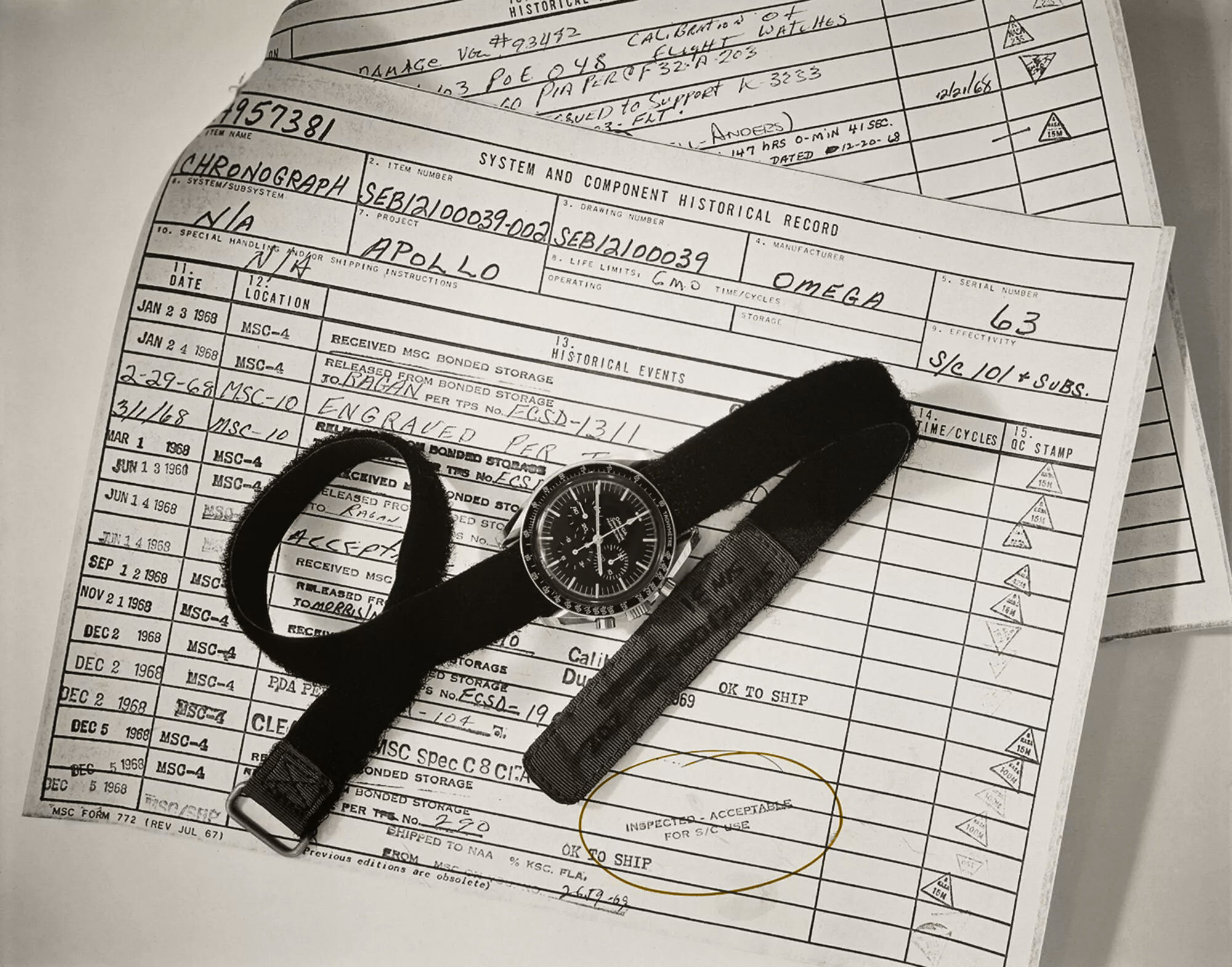
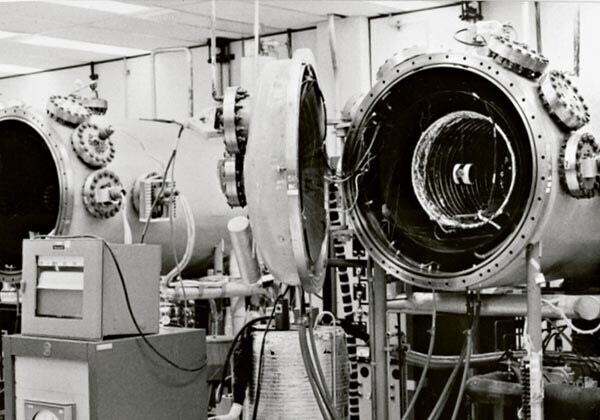
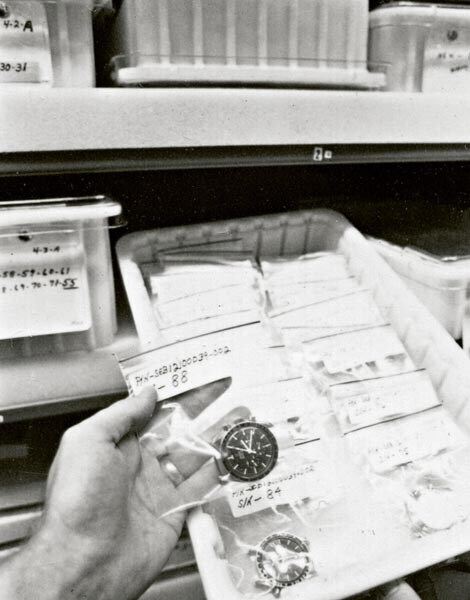
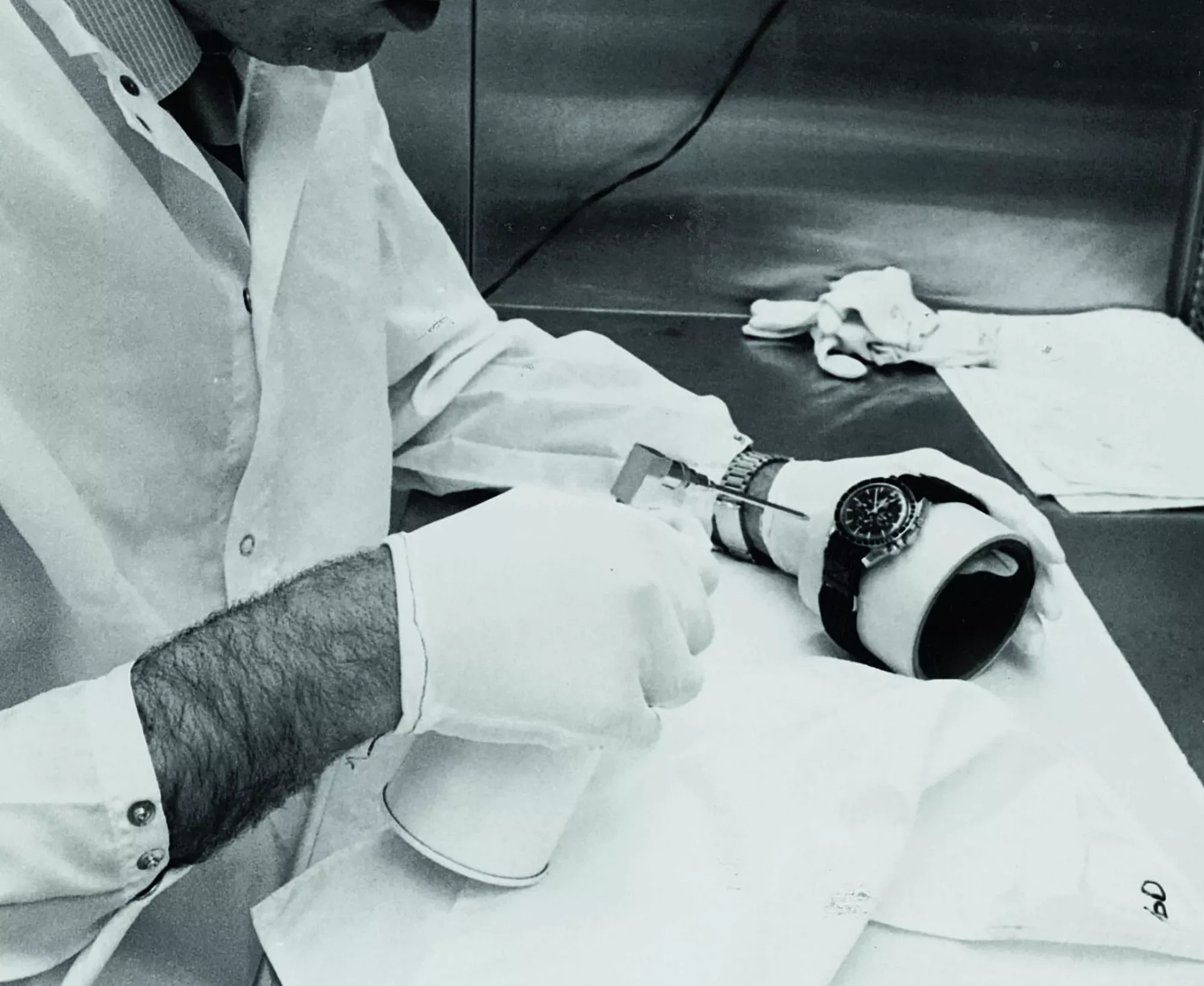
In 1964 NASA began looking for a wrist chronograph its astronauts could wear in flight, and it solicited bids from brands already familiar to the pilots joining the astronaut corps. Rival makers including Rolex and Longines-Wittnauer took part.1 Omega describes itself as one of four watch brands invited to submit timepieces, and the trials as challenges "intended to almost test them to destruction". In Omega's account only one watch survived them, and on 1 March 1965 the Speedmaster was qualified for all manned space missions and for extravehicular activity.2
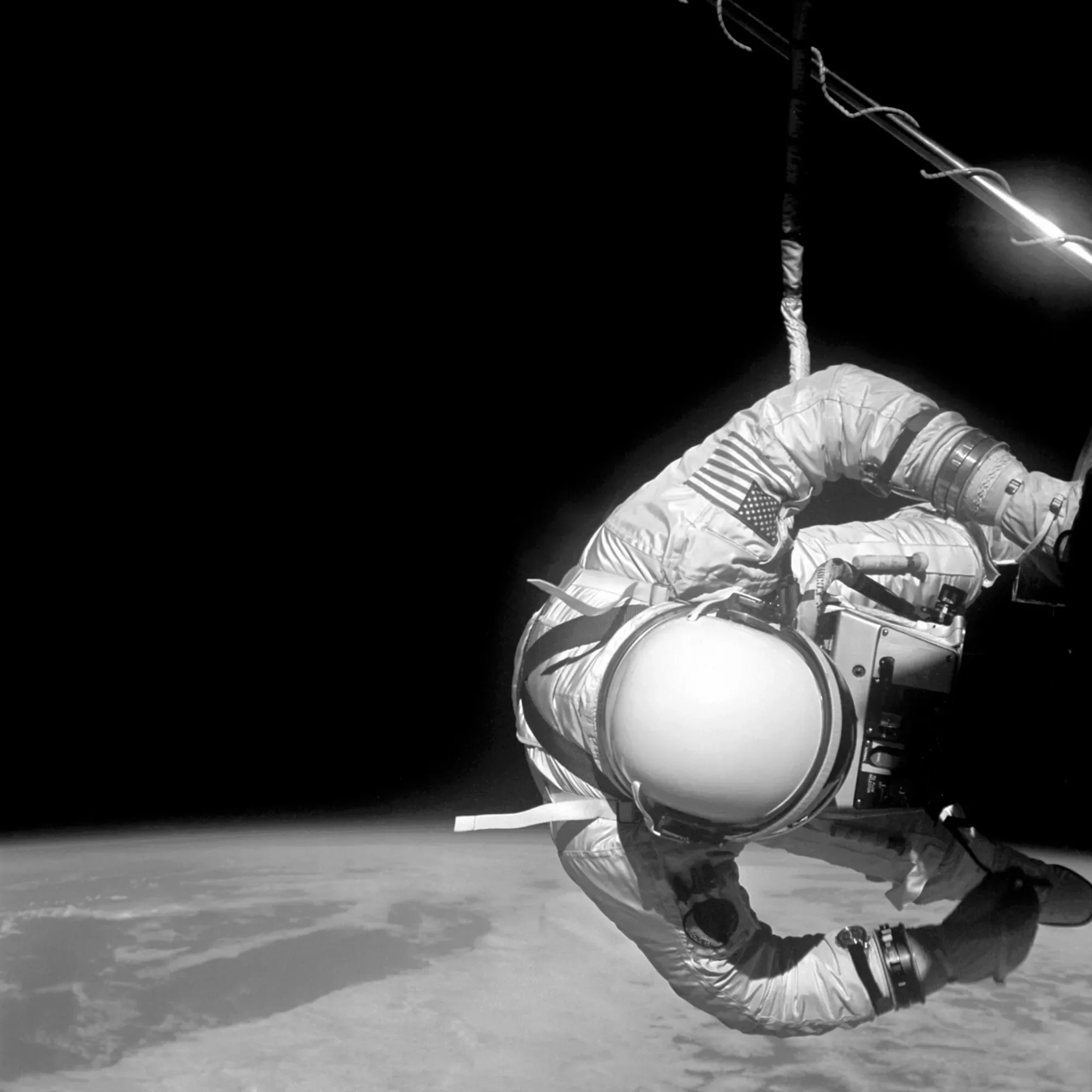
Three weeks later Gus Grissom and John Young wore the first officially qualified Speedmasters on Gemini 3, on 23 March 1965. In June of the same year Ed White made the first American spacewalk during Gemini 4 with a Speedmaster strapped to the outside of the left sleeve of his suit.1
A verdict Omega did not write
The qualification was a finding Omega did not author and could not have bought. NASA was not choosing a sponsor or a supplier of prestige. It was choosing equipment, against requirements written for its own purposes, in a competition with rival makers. For a luxury watch company, whose product claims are usually made in its own advertisements, this was a statement about the product made by the most technically demanding customer of the era.
Omega had worked with this kind of evidence before. From 1932 it had timed the Olympic Games, where the published results became its proof of precision.3 The NASA decision carried the same method from the stadium into spaceflight. A third party with every reason to be strict measured the watch, and the brand could quote the finding instead of arguing its own case. Precision is a claim customers have no way of checking for themselves, so a verdict from an institution that had tested to destruction was worth more than any description Omega could have written
The qualification moves onto the watch
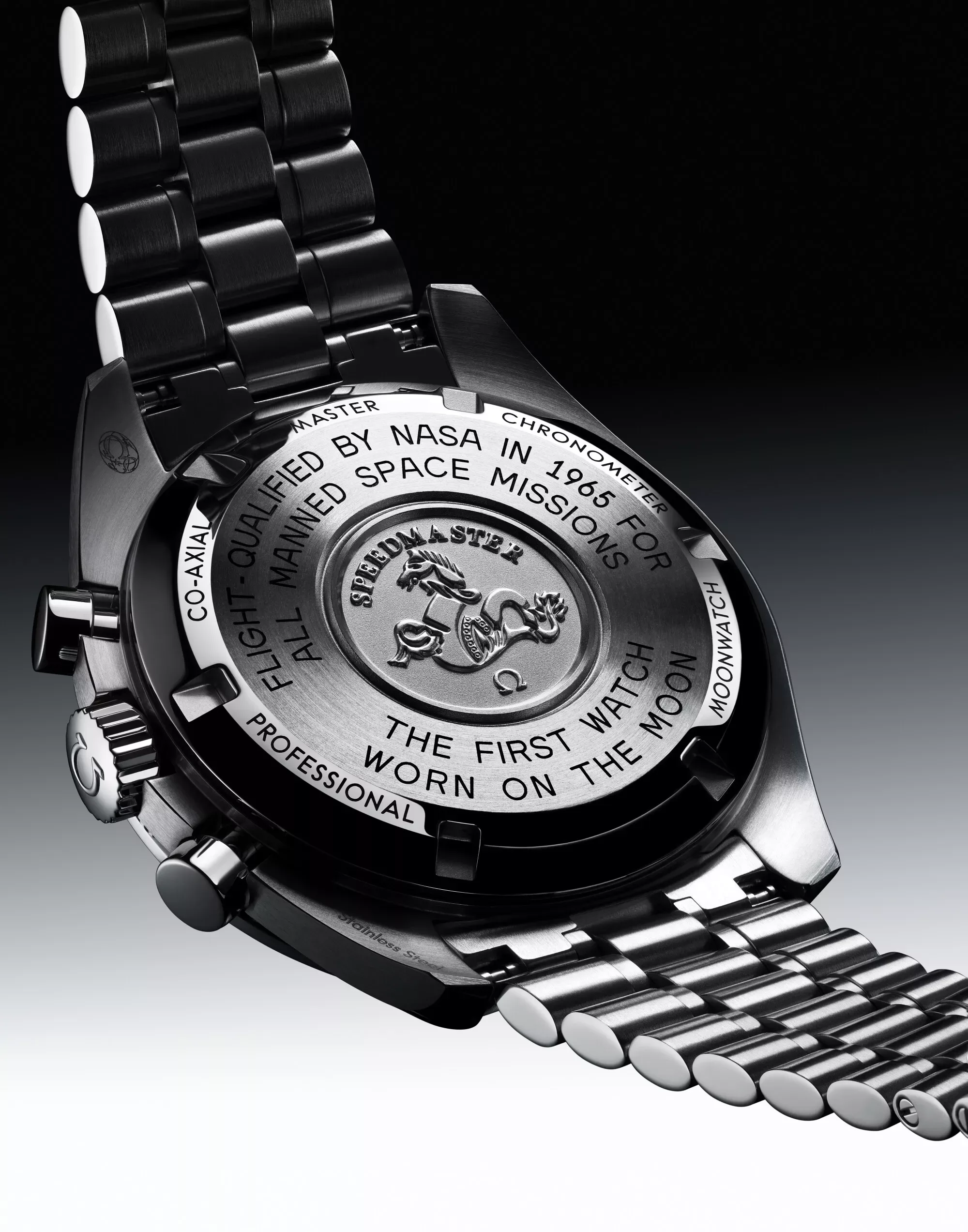
What makes 1965 a brand event and not only a procurement event is where the finding ended up. It did not stay in an archive or in a press release. It became text on the product. The Speedmaster Moonwatch Professional introduced in January 2021 carries the line "FLIGHT-QUALIFIED BY NASA IN 1965 FOR ALL MANNED SPACE MISSIONS" on its caseback.4
An engraving works differently from a campaign line. It cannot be refreshed, replaced or dropped at the end of a season. It turns a date and an institution into a permanent attribute of the object, and every owner carries the reference whether or not they ever turn the watch over. The later name Moonwatch rests on the same foundation: without the qualification there would have been no Speedmaster on the Moon to name.
Why the finding keeps its value
A test result usually ages. A watch that met a standard in 1965 would not ordinarily impress anyone decades later, because standards move on. Omega frames the result so that it does not age. More than half a century after the first qualification, the company states, the original Speedmaster Professional is still the only watch qualified by NASA, and by other international space agencies, for extravehicular activity.2 The claim is presented as continuous, not historical, and that is what keeps a decision from 1965 current in a boutique today.
The date itself has become an asset. On 1 March 2025, 60 years to the day after the qualification, Swatch released the MoonSwatch 1965, whose chronograph counters were redrawn so that the hours and minutes registers read 19 and 65.5 That a sister brand in the same group could build a product around a year shows how far the qualification had travelled, from a test report to a piece of shared memory. The number no longer needs explaining to the people who buy it.
What the brand had to accept
Evidence from outside comes with terms the brand does not set. NASA's finding applied to a particular watch, and it tied Omega's most valuable claim to that watch's design. Every later change to the Speedmaster Professional has to be weighed against the fact that the watch NASA qualified is the watch customers believe they are buying into.
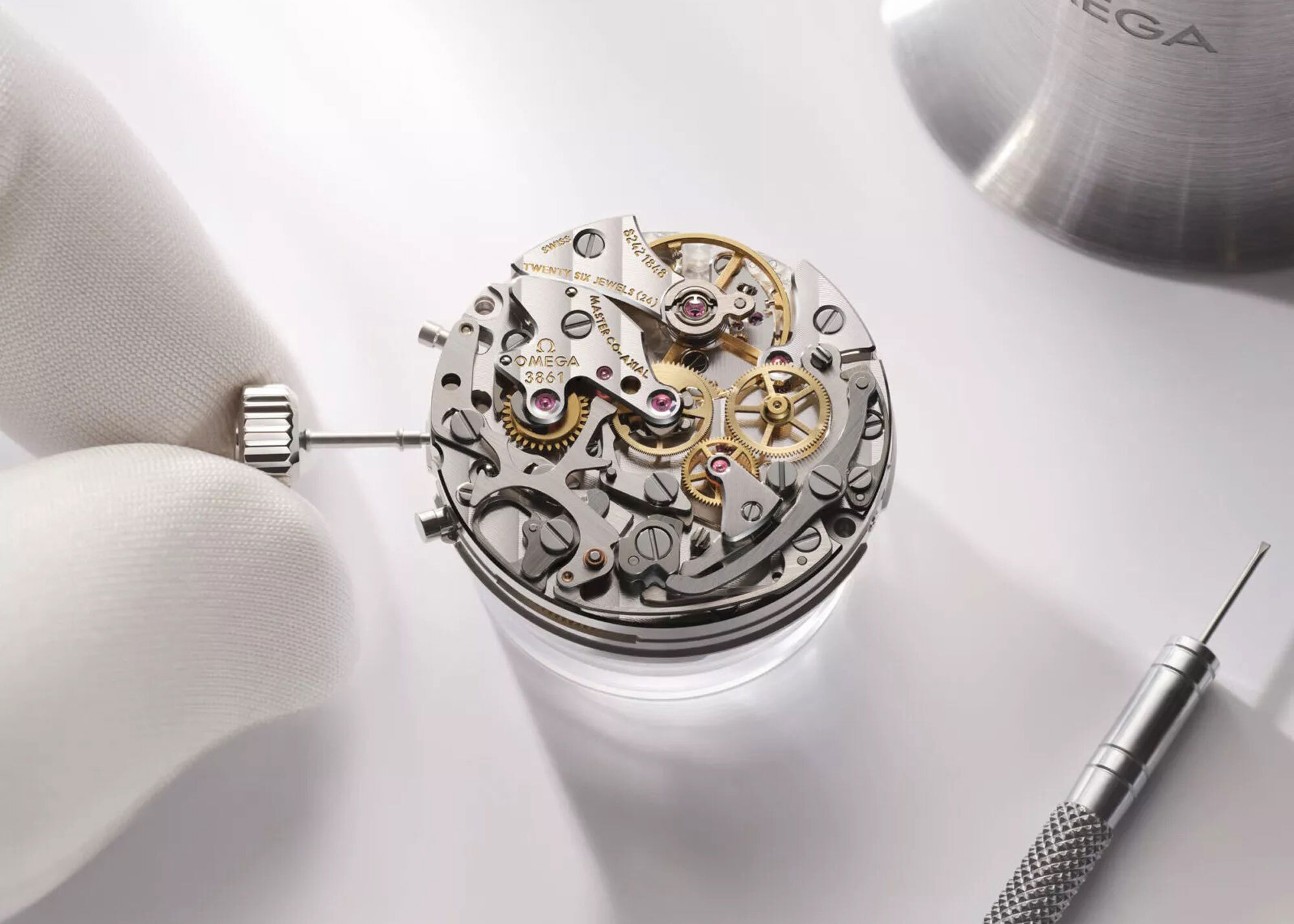
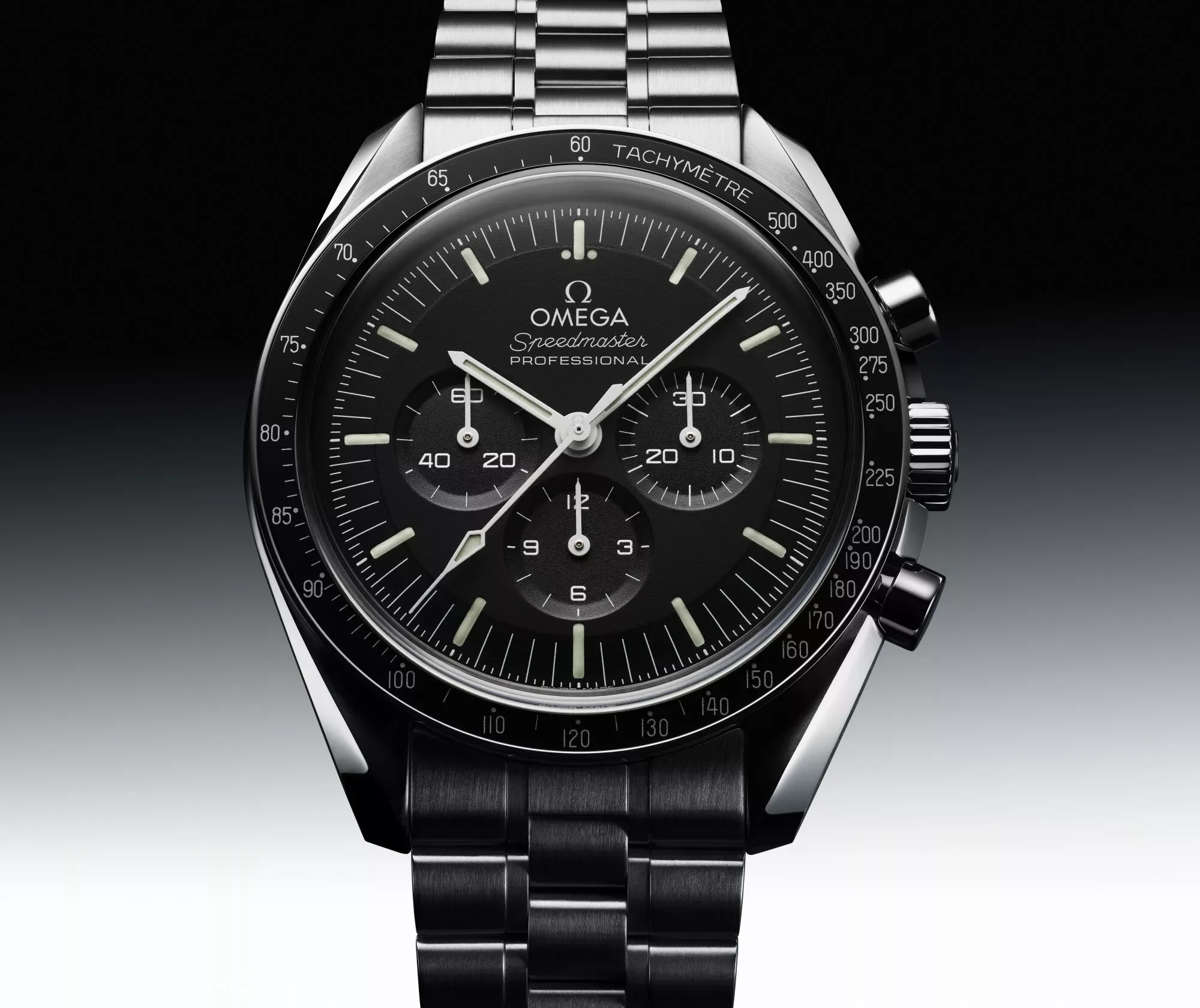
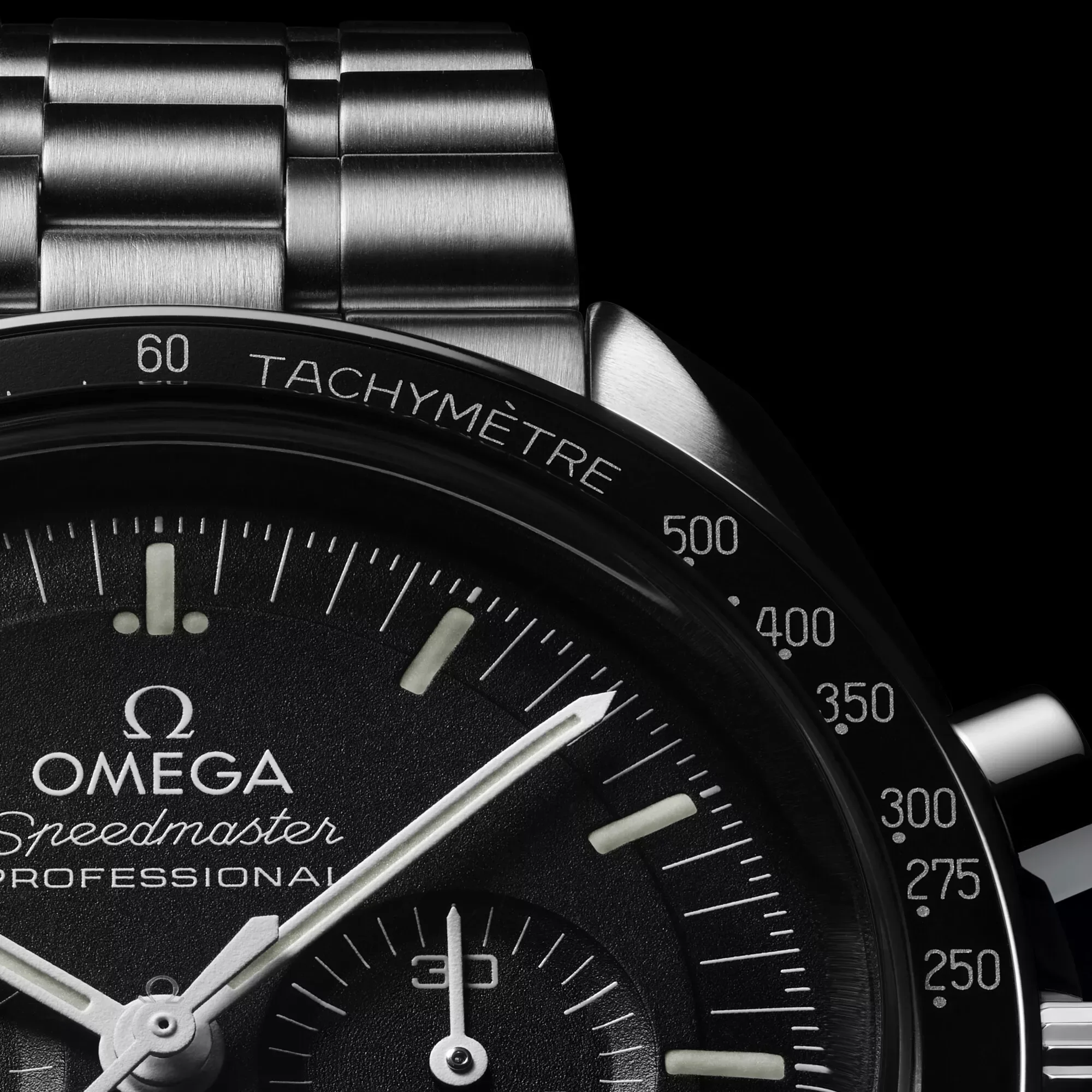
The 2021 generation shows how that weighs. It introduced a new movement and a new certification, and at the same time Omega drew on the 1964 reference ST 105.012 and brought back its step dial and the dot over 90 on the bezel.4 Modernisation was presented as a return to the watch that flew.
That is the price of a verdict written by someone else. It cannot be revised by the brand that benefits from it. It can only be kept, dated and quoted, which is what Omega has done with the decision of 1 March 1965 ever since, on the product, in its chronicle, and now in the numbers on another brand's dial.
Source: OMEGA Youtube
Written with AI assistance, edited by a human. Find out more about our Use of AI.
1. Wikipedia, "Omega Speedmaster", read 29 September 2026, for NASA soliciting bids from brands familiar to the pilots joining the astronaut corps, for Rolex and Longines-Wittnauer among the rival makers, for Gus Grissom and John Young wearing the first officially qualified Speedmasters on Gemini 3 on 23 March 1965, and for Ed White's spacewalk on Gemini 4 in June 1965 with a Speedmaster strapped to the outside of his left sleeve. https://en.wikipedia.org/wiki/Omega_Speedmaster
2. OMEGA, "1965: The Speedmaster is qualified by NASA for the space program", OMEGA Chronicle, dated 1 March 1965, read 29 September 2026, for OMEGA being one of four brands invited to submit timepieces, for the tests being "intended to almost test them to destruction", for only one watch surviving and being qualified for all manned space missions and Extravehicular Activity, and for the original Speedmaster Professional still being the only watch qualified by NASA and other international space agencies for EVA. https://www.omegawatches.com/chronicle/1965-nasa-tests-and-qualifies-the-speedmaster
3. Wikipedia, "Omega SA", read 29 September 2026, for OMEGA as Official Timekeeper of the Olympic Games since 1932. https://en.wikipedia.org/wiki/Omega_SA
4. Brice Goulard, "Review 2021 Omega Speedmaster Moonwatch Professional Master Chronometer", Monochrome Watches, 7 January 2021, for the caseback line "FLIGHT-QUALIFIED BY NASA IN 1965 FOR ALL MANNED SPACE MISSIONS", for the new Calibre 3861 with Master Chronometer certification, and for the reference ST 105.012 as the model behind the returning step dial and dot over 90. https://monochrome-watches.com/2021-omega-speedmaster-moonwatch-professional-master-chronometer-3861-review-price/
5. The Swatch Group, "MoonSwatch 1965", archive, 1 March 2025, for the release on the 60th anniversary of the NASA qualification and for the counters redrawn to read 19 and 65. https://www.swatchgroup.com/en/services/archive/2025/moonswatch-1965