
Thirteen episodes, released in one night
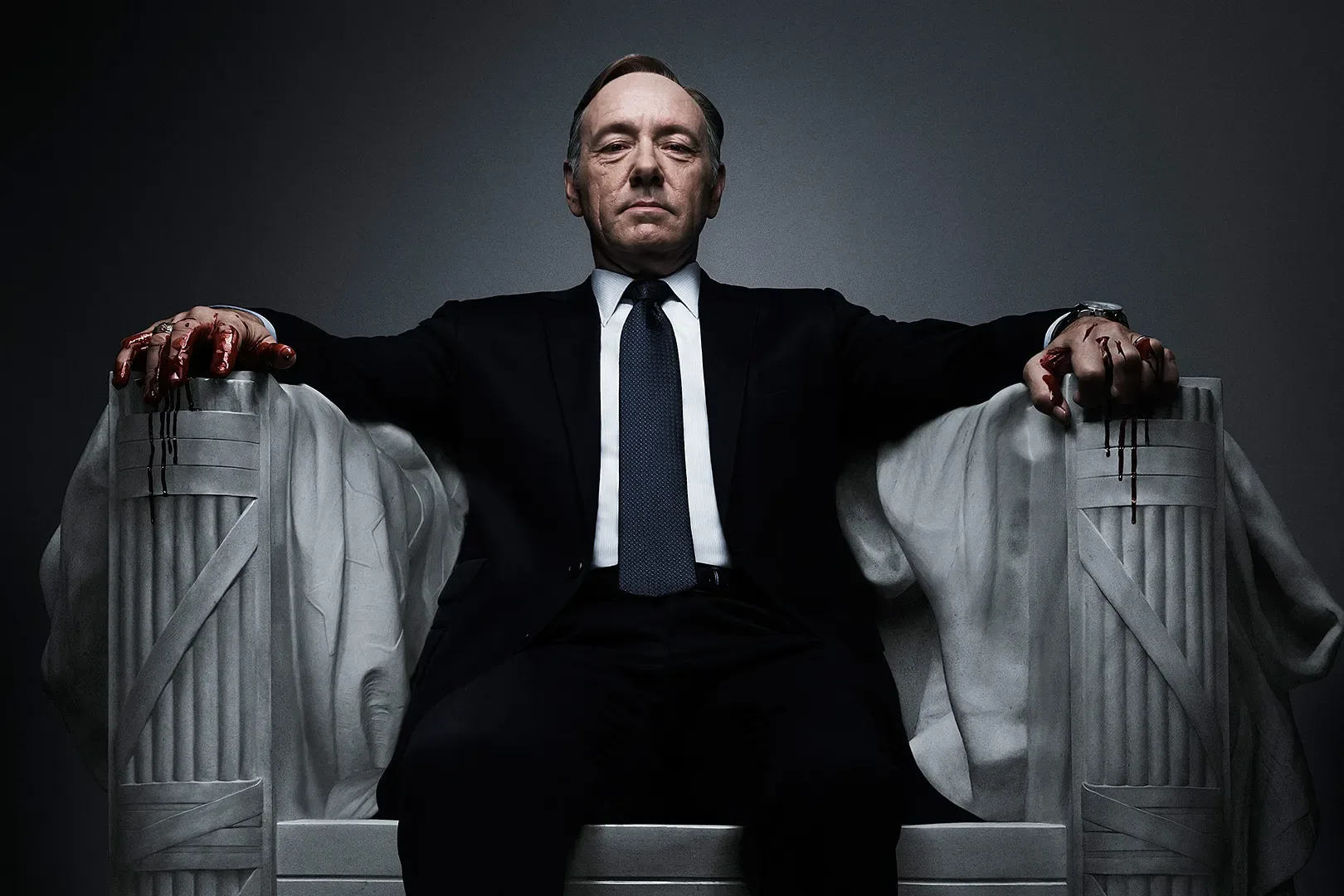
On 1 February 2013, Netflix released House of Cards, a political drama starring Kevin Spacey and Robin Wright, with David Fincher directing the opening episodes. The company put all 13 episodes online at once, discarding the weekly schedule that had structured television for 60 years. The release repositioned Netflix overnight: a service known for distributing other studios' work now presented itself as a maker of prestige television, and it introduced the release model, binge publishing, that became the signature behavior of the streaming era.
The commitment behind the show matched the ambition. Netflix ordered two full seasons upfront, a deal widely reported at around $100 million, outbidding HBO and AMC, the established homes of prestige drama. For a company that had launched streaming just six years earlier, buying a flagship series away from the networks that defined quality television was itself the message.
A bet placed on data
Netflix framed the decision as evidence of a structural advantage. The company's viewing data showed that its subscribers watched the original British House of Cards, films directed by Fincher, and films starring Spacey; the overlap of those three audiences suggested the adaptation would find viewers before a frame was shot. Whether or not the data made the decision as cleanly as the narrative implied, the story itself did branding work, positioning Netflix as a company that understood audiences empirically while traditional networks relied on pilots and instinct.
The binge release was the more radical brand statement. Dropping a full season at once treated the subscriber's time, not the broadcaster's schedule, as the organizing principle of television. It turned each release into an event without a time slot and made the service, rather than any channel, the destination. Netflix had trained this behavior since it began streaming complete seasons of licensed shows; House of Cards was the first time the model applied to a premiere.
Source: Netflix Youtube
Not the first, but the defining original
House of Cards was not technically the company's first exclusive series; the Norwegian-American production Lilyhammer had streamed a year earlier. But House of Cards was the first original Netflix commissioned at flagship scale, marketed with the ambition of a premium network launch, and it is the show the industry treats as the founding act of the Netflix originals era. Ted Sarandos, then chief content officer, summarized the strategy in a widely quoted line from a GQ interview that year: the goal was to become HBO faster than HBO could become Netflix.
The industry's institutions confirmed the repositioning within months. House of Cards earned nine Emmy nominations in its first season, and Fincher's win for directing made it the first series carried exclusively by a streaming service to win a Primetime Emmy. Awards recognition mattered commercially because it certified that streaming-only television could meet the category's highest standard, dissolving the quality distinction between internet and broadcast.
The originals brand as endgame
What followed turned a product strategy into brand architecture. The rest of 2013 filled out the originals slate at speed: the revival of Arrested Development arrived in May, and Orange Is the New Black premiered in July, giving the brand three flagship originals in its launch year. Netflix Originals grew into a marked content family with its own ident, and original programming became the brand's answer to a structural risk: licensed catalogues could be withdrawn by studios at any time, but originals belonged to the service and to the brand. Within a few years the red N badge on a poster functioned the way a network logo once had.
The binge model House of Cards normalized also changed how the brand entered conversation. A simultaneous release compresses a season's cultural life into a shared weekend, turning premieres into social events and the service's name into the verb attached to them. Competing networks eventually adopted streaming, but the behavioral association, a whole season and a lost weekend, stayed attached to Netflix.
House of Cards itself ended in 2018 amid the misconduct allegations against its star, a reminder that flagship associations carry risk in both directions. By then, the show had done its work for the brand. February 2013 marks the moment Netflix stopped being a better way to watch television and started being a reason to.
Written with AI assistance, edited by a human. Find out more about our Use of AI.