
Branding what is inside the shoe
In 2013 adidas introduced Boost, a midsole cushioning technology that it treated not as a hidden engineering feature but as a brand in its own right.1, 2 Rather than simply improving its shoes quietly, adidas gave the material a name, a distinctive appearance and a marketing story, turning a component into a selling point. Boost became an example of ingredient branding, where a part of a product is promoted as a brand that adds value to everything it appears in.
The technology was developed with the German chemical company BASF, which created a material of small thermoplastic polyurethane pellets fused together.1, 3, 4 The result was a midsole that offered both soft cushioning and high energy return, addressing a common weakness of running shoes whose soles lose responsiveness over time.1, 3 adidas had a genuine performance advance, and it chose to brand it prominently.
A recognisable ingredient
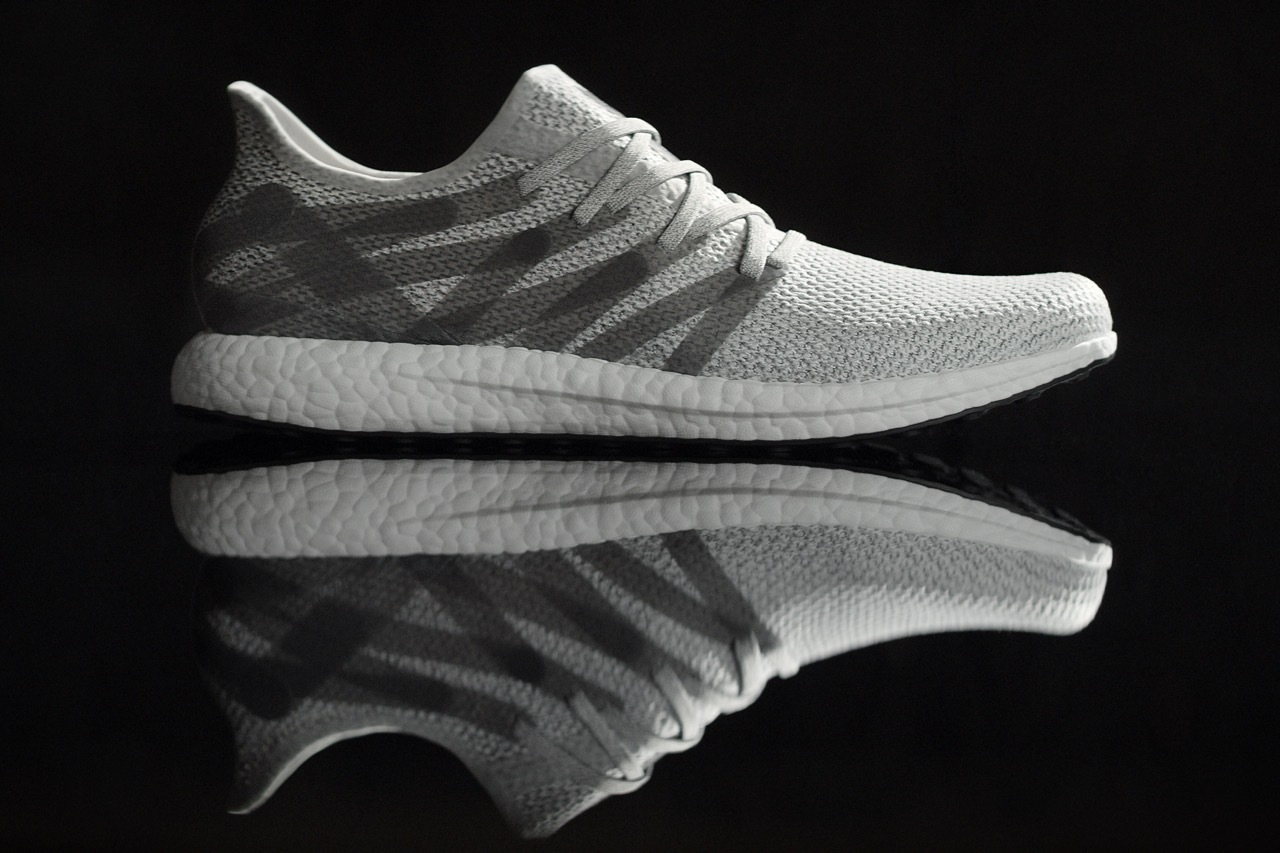
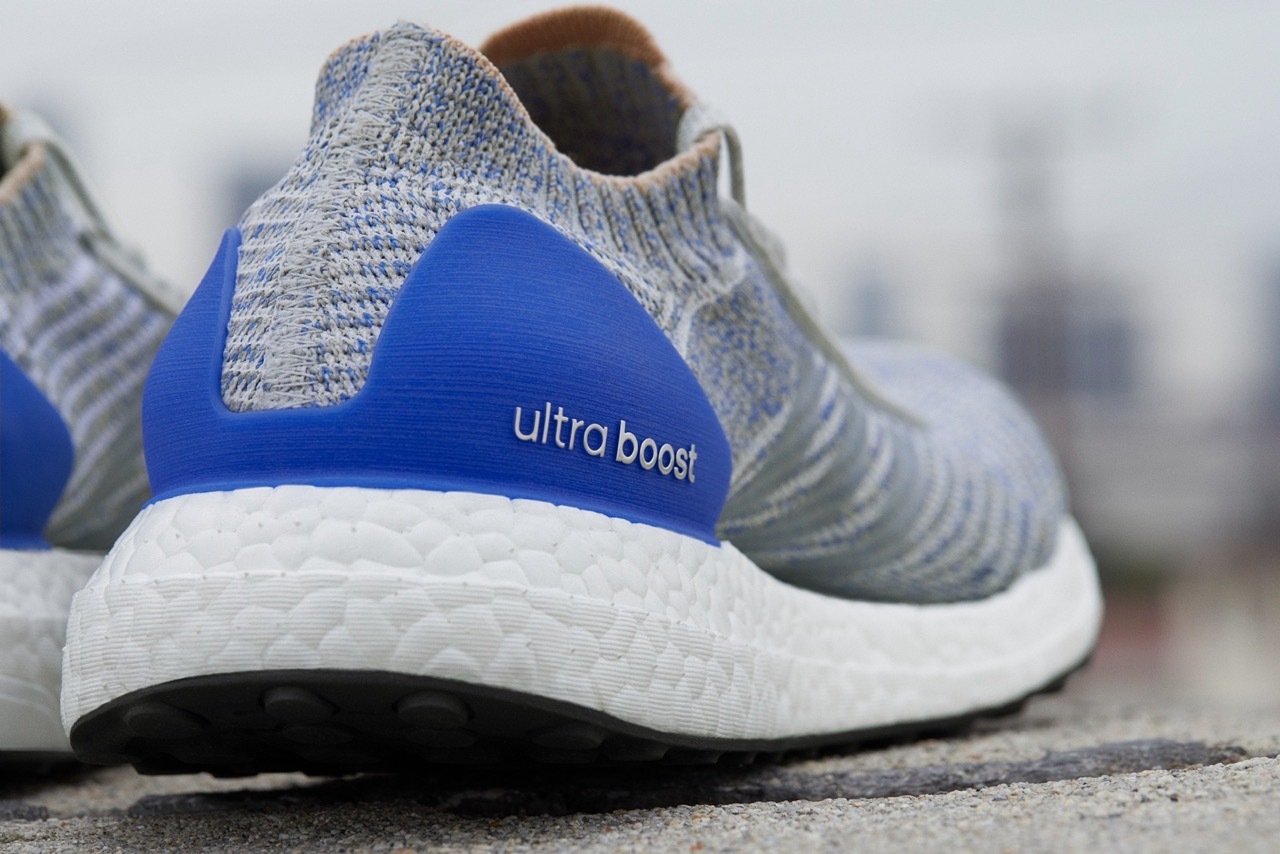
Boost was easy to recognise, which was central to its branding. The midsole had a distinctive granular, white appearance, visible on the side of the shoe, so that consumers could identify Boost at a glance. That visibility mattered: an ingredient brand only works if buyers can see it and learn to want it, and the material's look made it self-advertising.
adidas paired the appearance with a clear message about energy return, giving Boost a simple, repeatable claim.1 The combination of a visible signature and an understandable benefit allowed the technology to function like a brand, something consumers could ask for by name and trust across different shoes. It became a reason to choose adidas rather than a feature buried in a specification sheet.
Naming the material was itself the key decision. Competitors also used advanced foams, but by giving its cushioning a proper name and a consistent look, adidas made an invisible property into something consumers could remember and request. A feature that goes unnamed is quickly forgotten; a feature with a brand can be marketed, protected and built upon over years.
Extending across the range
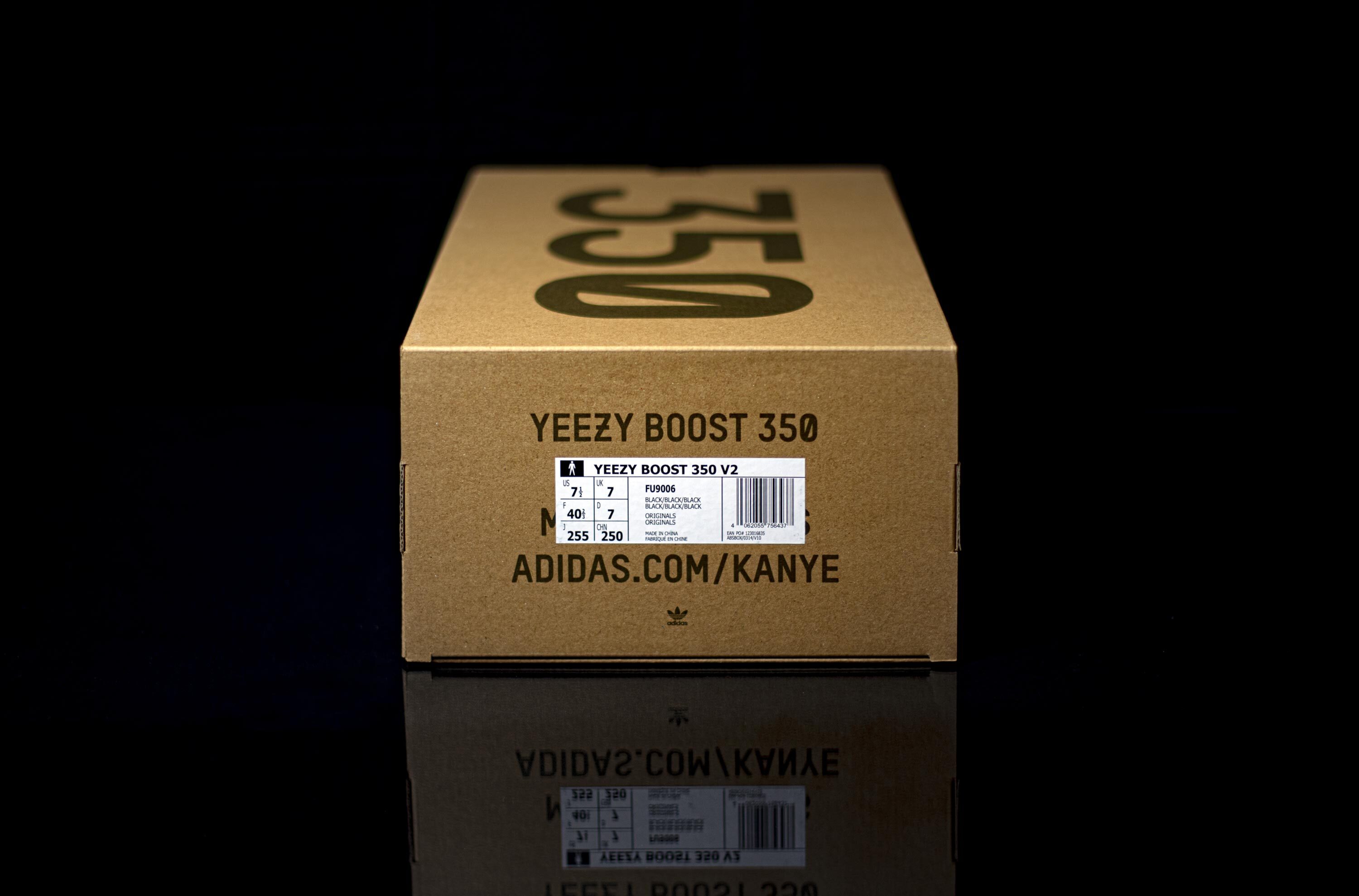
Because Boost was a branded ingredient rather than a single shoe, adidas could deploy it across many products.4, 5 It anchored performance running lines, most notably the Ultraboost introduced in 2015, and it also appeared in lifestyle models, including high-profile collaborations.4, 6, 7 Each use reinforced the same brand, so that the value built by one product carried over to others.
This flexibility is the strength of ingredient branding. A single technology brand can span categories and price points, unifying a diverse range under one recognisable promise. Boost let adidas tell a consistent story from elite running to fashion sneakers, and it gave the company a distinctive asset in a market where cushioning technology is a key battleground with rivals.
The collaborations amplified the reach. When Boost appeared in sought-after lifestyle releases, its performance reputation gained cultural cachet, and when it anchored serious running shoes, it borrowed credibility back from that visibility. The single ingredient brand moved fluidly between the two worlds, and each context strengthened the other rather than competing with it.
Owning a performance story
Boost gave adidas a clear technological narrative at a time when running was central to the competition between the major sportswear brands. By naming and promoting its cushioning, adidas could claim a specific, ownable advantage rather than competing on vague comfort. The approach mirrors ingredient branding in other industries, where a named component becomes a mark of quality that shapes the buyer's choice.
The strategy also demonstrated how a partnership with a supplier can be turned into brand value. The material came from BASF, but the brand was adidas, and it was the branding, not only the chemistry, that created the commercial advantage.3 adidas took a technical innovation and gave it a name and an identity that consumers could grasp and desire.
The model also proved durable in a way individual shoes are not. Styles come and go, but a technology brand can persist across many product cycles, giving adidas a stable asset to update and reissue. Long after specific Boost models were retired, the name still signalled a particular kind of performance, which is exactly what an ingredient brand is meant to achieve.
More than a decade later, Boost remains a recognisable part of the adidas range and a frequently cited example of ingredient branding in sportswear.8 It showed how a company can build brand value not just through logos and campaigns but through the visible, named technology inside its products. By branding what was under the foot, adidas turned an engineering achievement into a lasting commercial asset.
Source: BASF Youtube
Written with AI assistance, edited by a human. Find out more about our Use of AI.
1. adidas Group, Andy Barr, "Boost: innovation in true adidas Running style and where it found inspiration", 13 February 2014, for the introduction of Boost with the Energy Boost, "launched at the end of February 2013 in New York", for the material having been presented to adidas by the chemical company BASF and then made suitable for running shoes over three years by the adidas innovation team (ait) working with "the best minds at BASF", and for the two properties adidas built its message on, "very soft cushioning and endless energy return". https://www.adidas-group.com/en/magazine/innovation/boost-innovation-in-true-adidas-running-style-and-where-it-found-inspiration
2. adidas, "Celebration of an industry-changing technology: adidas Running launches anniversary pack to mark five years of BOOST™", press release, Herzogenaurach, 29 January 2018, for Boost having been introduced in 2013 with the Energy BOOST, "the first adidas Running model to feature BOOST™ technology", and for adidas presenting Boost under its own name as a technology in its own right, "the relentless energy-return technology that defined an industry". https://news.adidas.com/running/celebration-of-an-industry-changing-technology--adidas-running-launches-anniversary-pack-to-mark-fiv/s/84df16fa-baed-4537-b274-18f45a7c3527
3. BASF, "Infinergy® in the 'Boost' from adidas", undated product page, for BASF's foam Infinergy, made of small beads, being the material that "the German sports equipment manufacturer adidas uses" in its "Energy Boost" running shoe, for the sole that "springs back into its original shape immediately after impact" and a long-term durability "significantly better than that of conventional midsole materials", and for the division of names the verse turns on: the material is BASF's Infinergy, the product is adidas Boost. https://plastics-rubber.basf.com/global/en/performance_polymers/products/infinergy/Applications/adidas
4. Wikipedia, "Boost (material)", consulted 1 October 2026, for Boost as a trademarked material of pellets of proprietary thermoplastic polyurethane, compressed and moulded into midsoles, developed by adidas with "the German chemical company BASF" and first integrated into the adidas running line in 2013, and for the range of lines that carry it, among them Energy Boost, Pure Boost, Adizero Adios Boost, Ultraboost and NMD. https://en.wikipedia.org/wiki/Boost_(material)
5. WWD / Footwear News, "The Secret Sauce in Adidas Boost Footwear", date not established, the feature this verse's account of Boost across the adidas range and its role in the market was written from; wwd.com answered every request with an HTTP 402 paywall error and no archived copy could be retrieved, so no claim rests on this note alone; off whitelist; page not reachable on 1 October 2026. https://wwd.com/footwear-news/shoe-industry-news/the-secret-sauce-in-adidas-boost-footwear-1238704091/
6. Wikipedia, "Adidas Ultraboost", consulted 1 October 2026, added during the retrofit for the first Ultraboost, a performance running shoe, having been released in February 2015, and for it being "the first popular line" to use Boost foam. https://en.wikipedia.org/wiki/Adidas_Ultraboost
7. Wikipedia, "Adidas Yeezy", consulted 1 October 2026, added during the retrofit for Boost in the high-profile collaborations: most Yeezy shoes "utilized Adidas's Boost material", the first release, the Yeezy Boost 750, was limited to 9,000 pairs, and the Yeezy Boost 350 followed in a worldwide release on 27 June 2015. https://en.wikipedia.org/wiki/Adidas_Yeezy
8. adidas, "adidas Unveils New Ultraboost 5: Built to Provide the Most Energy Return Yet", press release, Herzogenaurach, 11 July 2024, added during the retrofit for Boost still being part of the adidas range more than a decade after 2013: the Ultraboost 5 is built on a "Boost-packed midsole", and Simon Lockett, Footwear Product Marketing Category Director at adidas, calls the Ultraboost "a true running icon". This note does not cover the description of Boost as a frequently cited example of ingredient branding. https://news.adidas.com/running/adidas-unveils-new-ultraboost-5---built-to-provide-the-most-energy-return-yet/s/2be9d5fd-10b1-44e0-b99a-75acb4c7e451