The most protected product in the portfolio, handed over
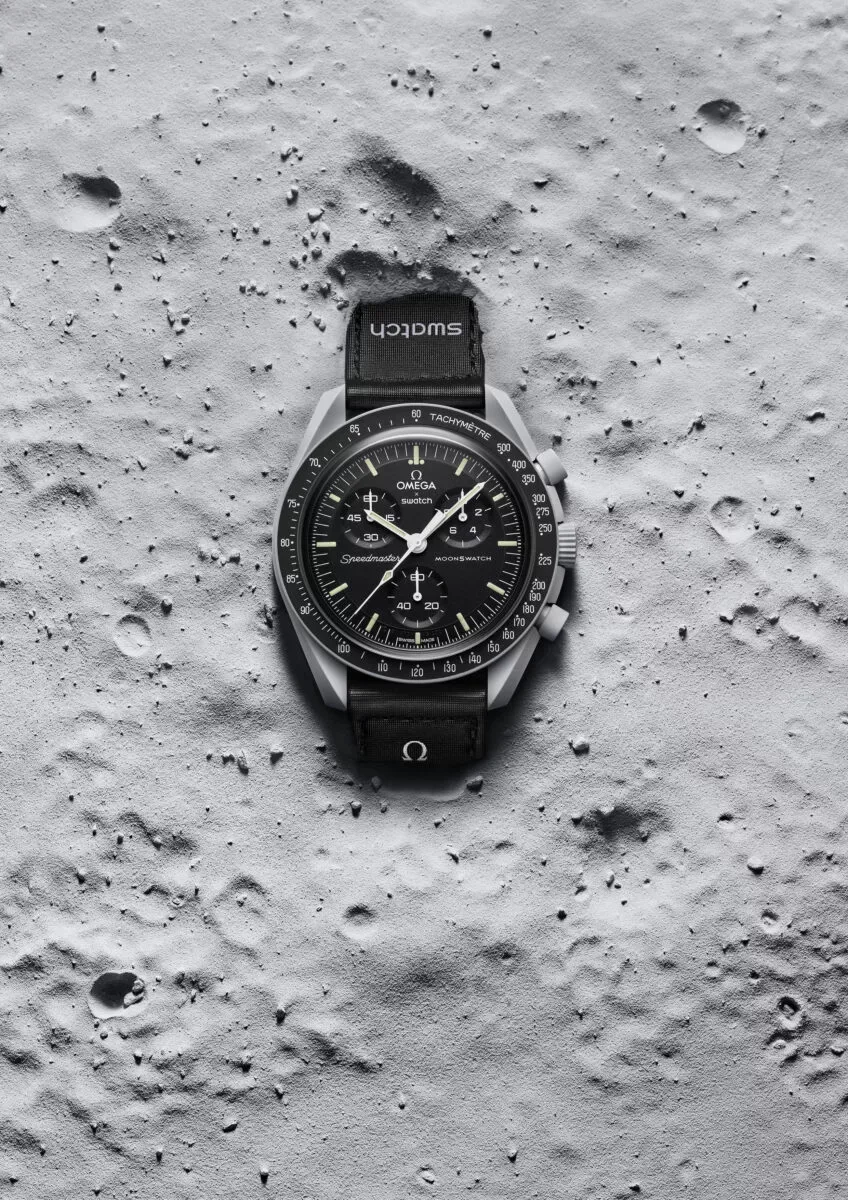
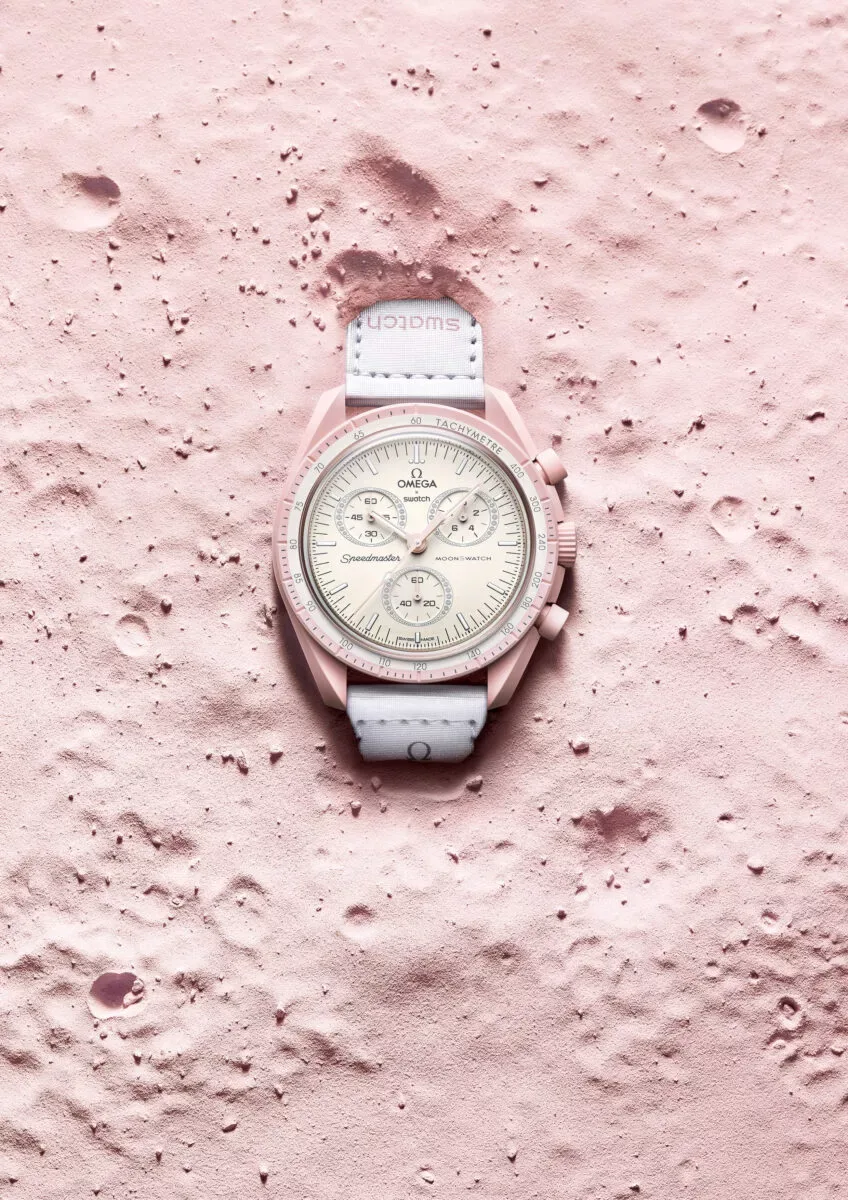
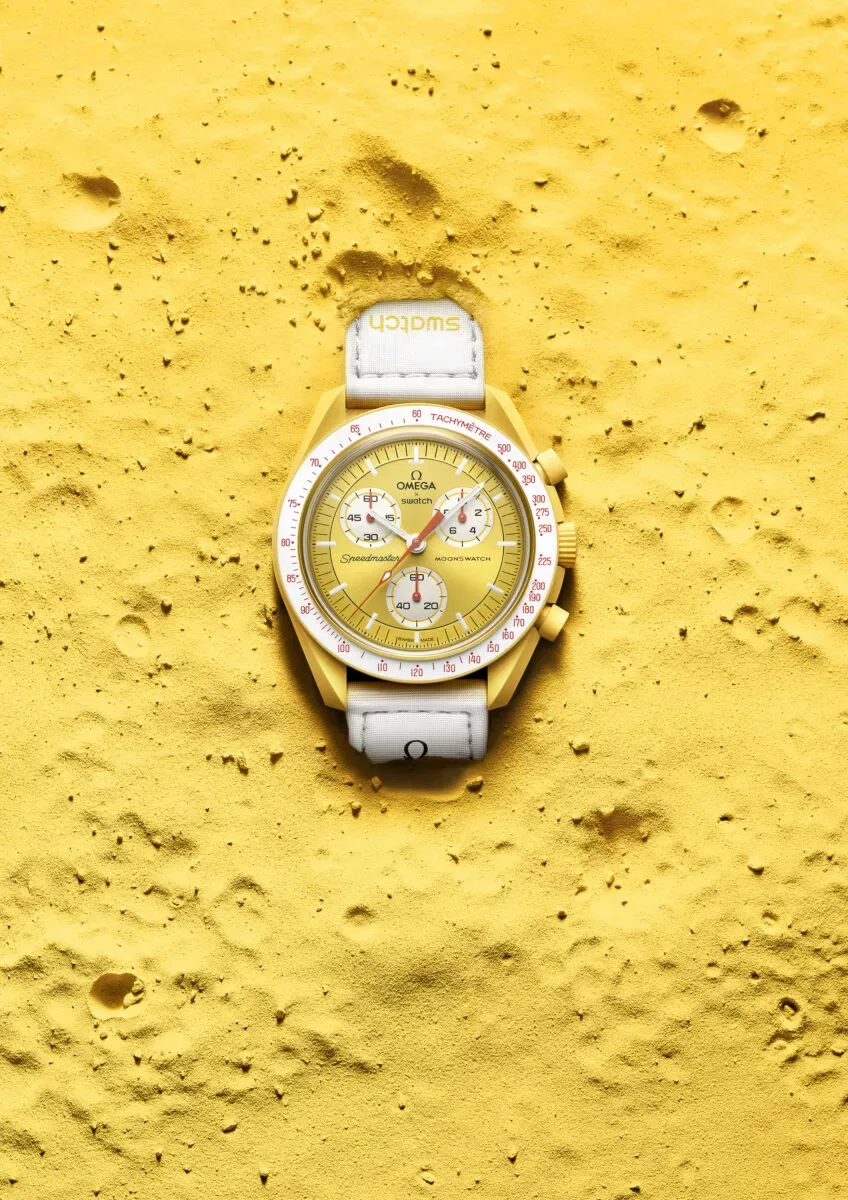
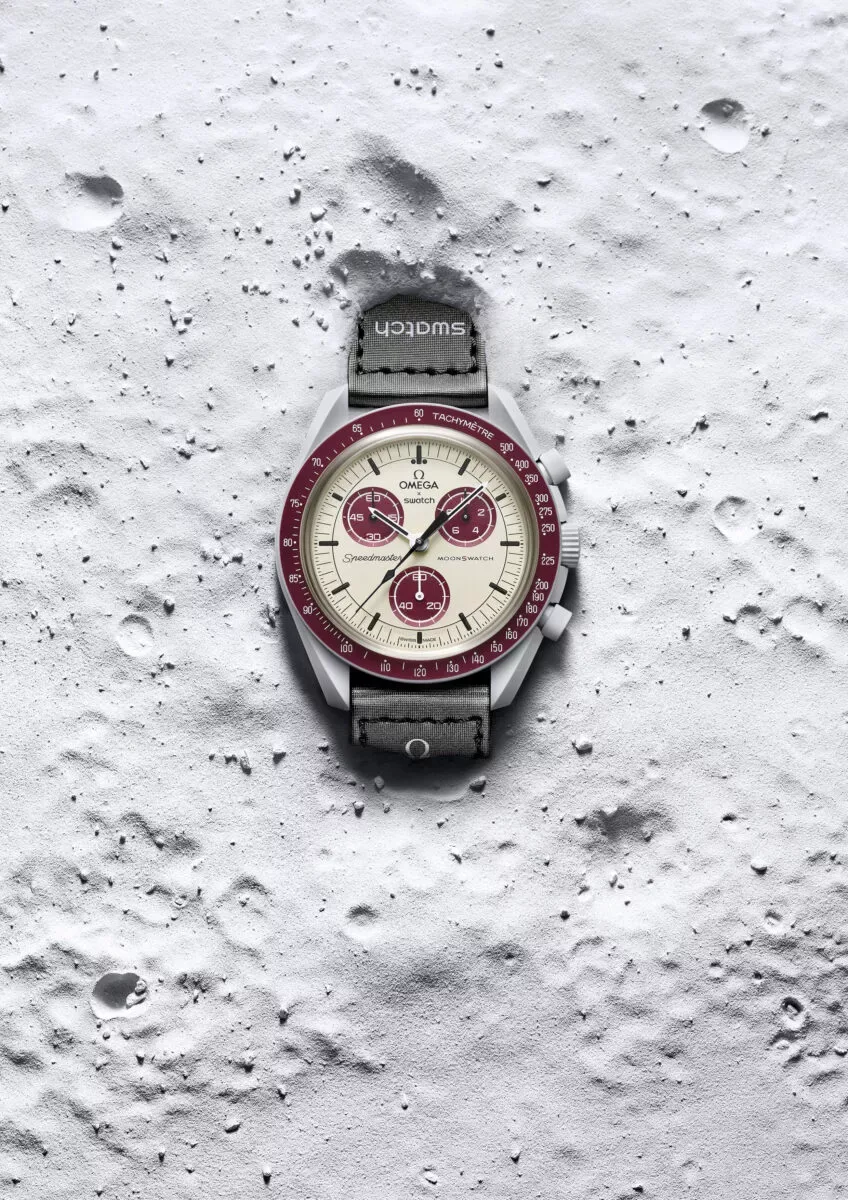
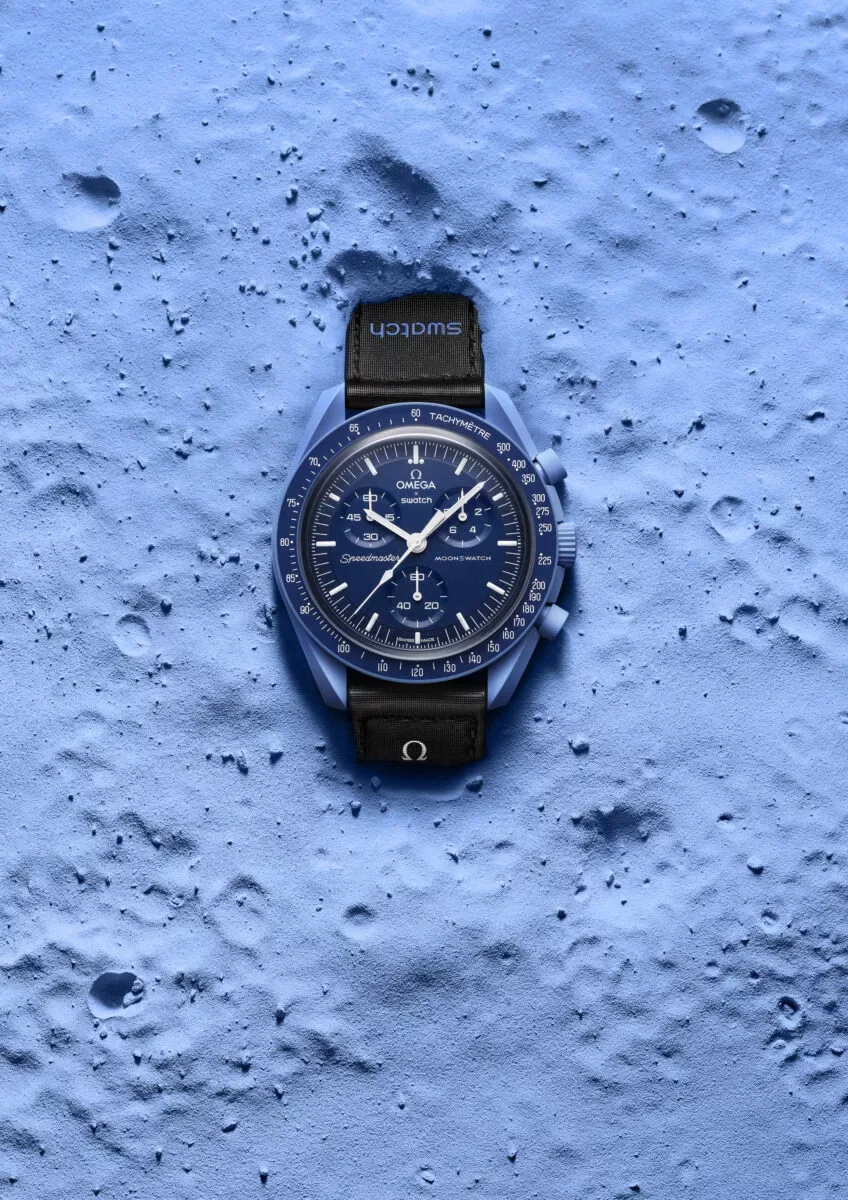
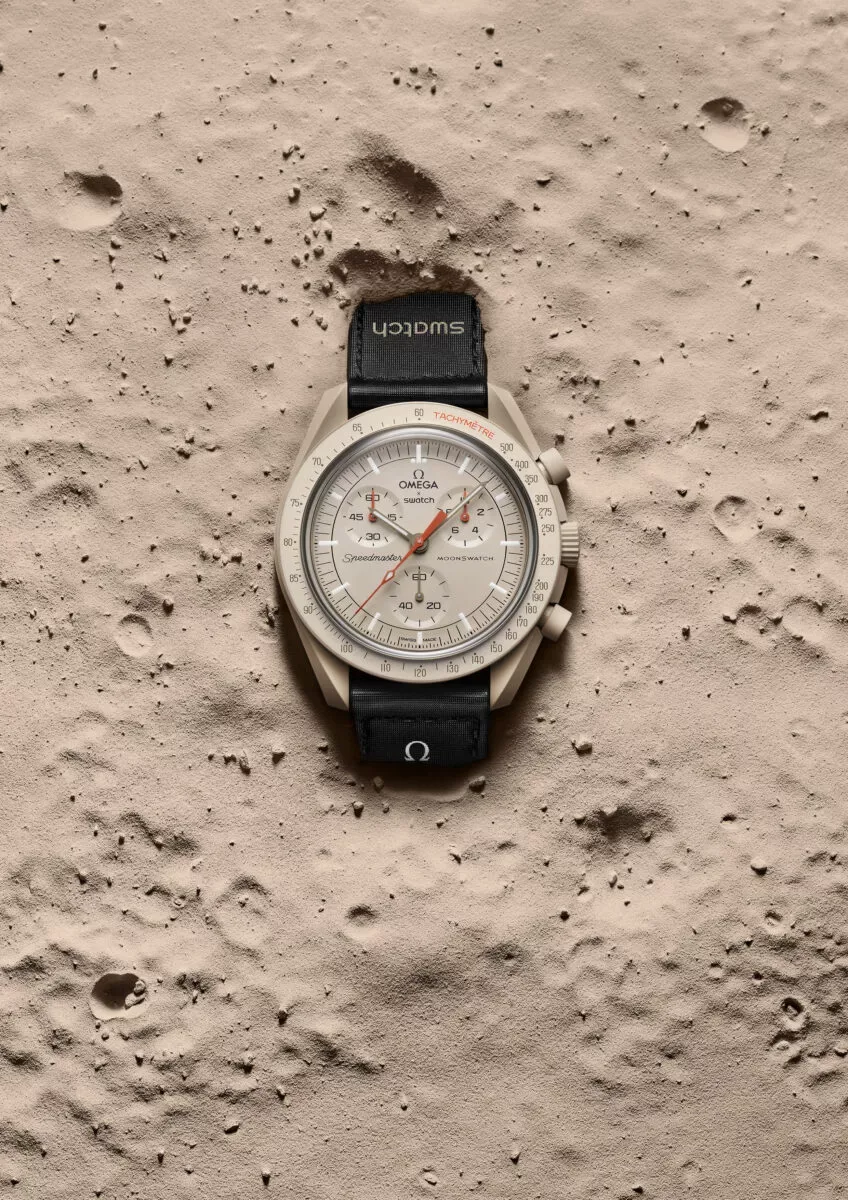
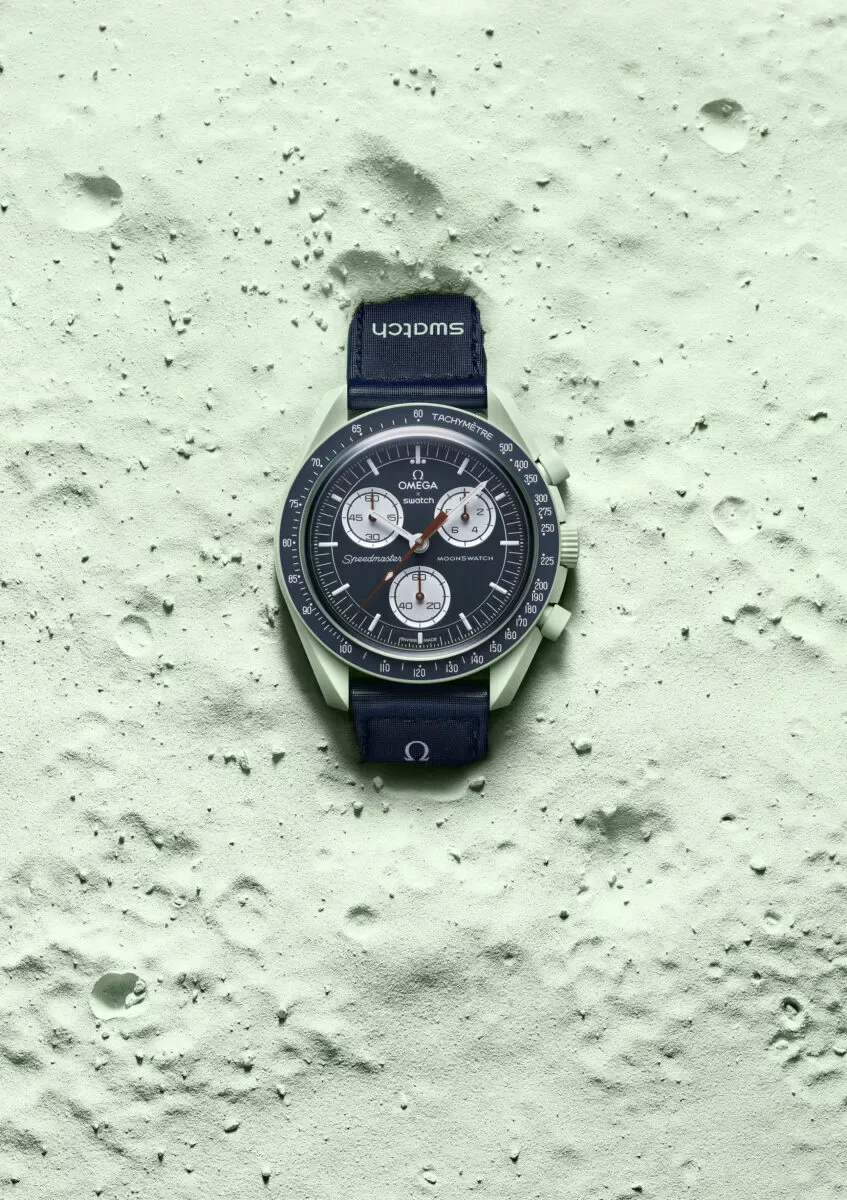
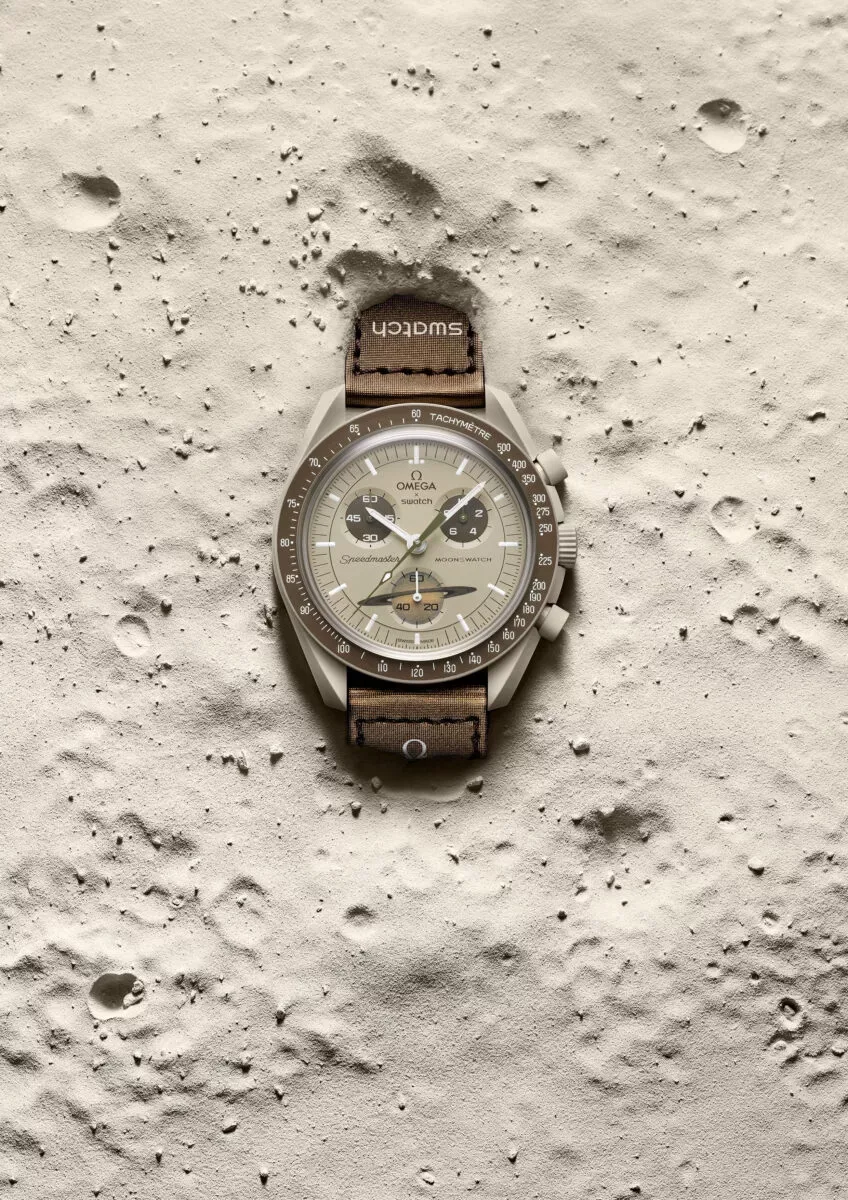
On 26 March 2022 Swatch put the MoonSwatch on sale: 11 versions of the Omega Speedmaster, each named after a body in the solar system, made in a material Swatch calls bioceramic, powered by a quartz movement, and sold at a fraction of the price of the watch they copy. They were available only in selected Swatch stores, with no online sale, and buyers were limited to two watches and then to one as demand ran ahead of supply. Queues formed in Australia, Canada, Italy, Japan, Switzerland and the United Kingdom, and in New York, London, Paris, Tokyo and Zurich.1
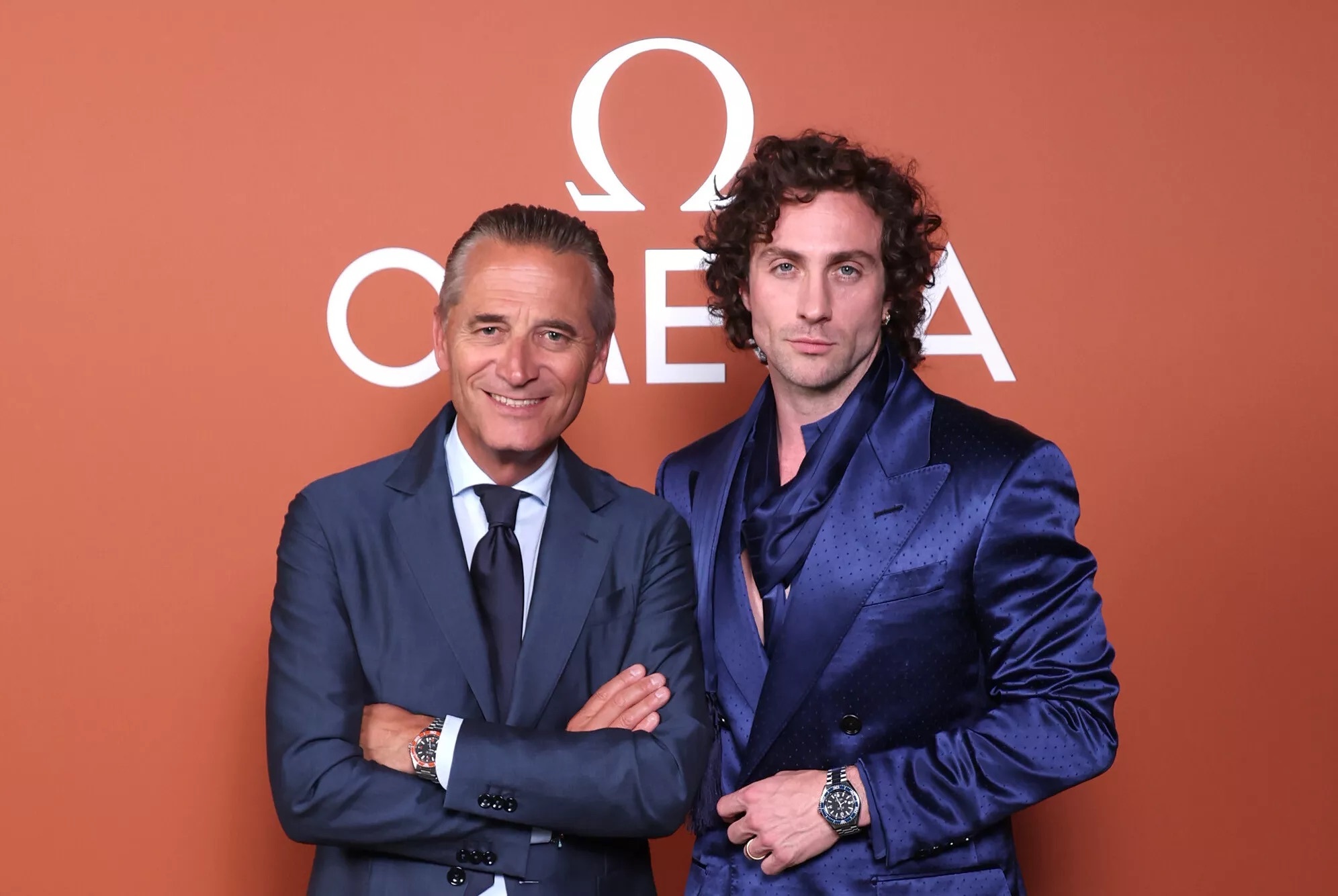
Both brands belong to the Swatch Group, which is what made the move possible and also what made it dangerous. Omega was not licensing a design to a stranger. It was handing its most protected product to the cheapest brand under the same roof.
The rule this broke
Luxury brand architecture is normally built to keep distance between price tiers. A group will run a premium brand and a mass brand and take care that the second never borrows the shapes, the names or the story of the first, because the premium price is paid for a claim of rarity and any dilution of that claim is paid for in margin. The Speedmaster is the extreme case. It is the watch NASA qualified for crewed spaceflight, and its value to Omega is almost entirely the value of that single fact.
The MoonSwatch copies the silhouette, the subdial layout, the name and the story, and sells it in plastic. On the conventional reading that is the textbook way to destroy a halo product.
Omega's exposure was asymmetric too. Swatch had little to lose and an obvious gain: the association lifted a mass brand into a conversation it had not been part of for years. Everything at risk in the arrangement belonged to the other party.
What happened instead
Nick Hayek, the Swatch Group's chief executive, said afterwards that the collaboration had lifted sales of the original Omega Speedmaster by roughly 50 percent.1
The mechanism is not mysterious once the product is looked at as communication rather than as inventory. A buyer who queues for a MoonSwatch has to learn what a Speedmaster is in order to want one, and learns it in the most persuasive setting available, which is a queue of other people who also want one. The cheap watch did not substitute for the expensive watch. It taught an audience that had never considered the expensive watch what the expensive watch means, and it did so at a price that made the lesson affordable.
It also did something a marketing budget cannot buy. Scarcity in luxury is normally asserted by the seller. Here it was demonstrated in public by the buyers, on a product cheap enough that the queue itself became the story.
The choice of subject matters as much as the price. Omega lent the Speedmaster rather than the Seamaster or the Constellation, which is to say it lent the model whose meaning is a documented historical fact rather than a matter of taste. A fact survives being reproduced in plastic. A claim about elegance would not have.
Why the tier separation held
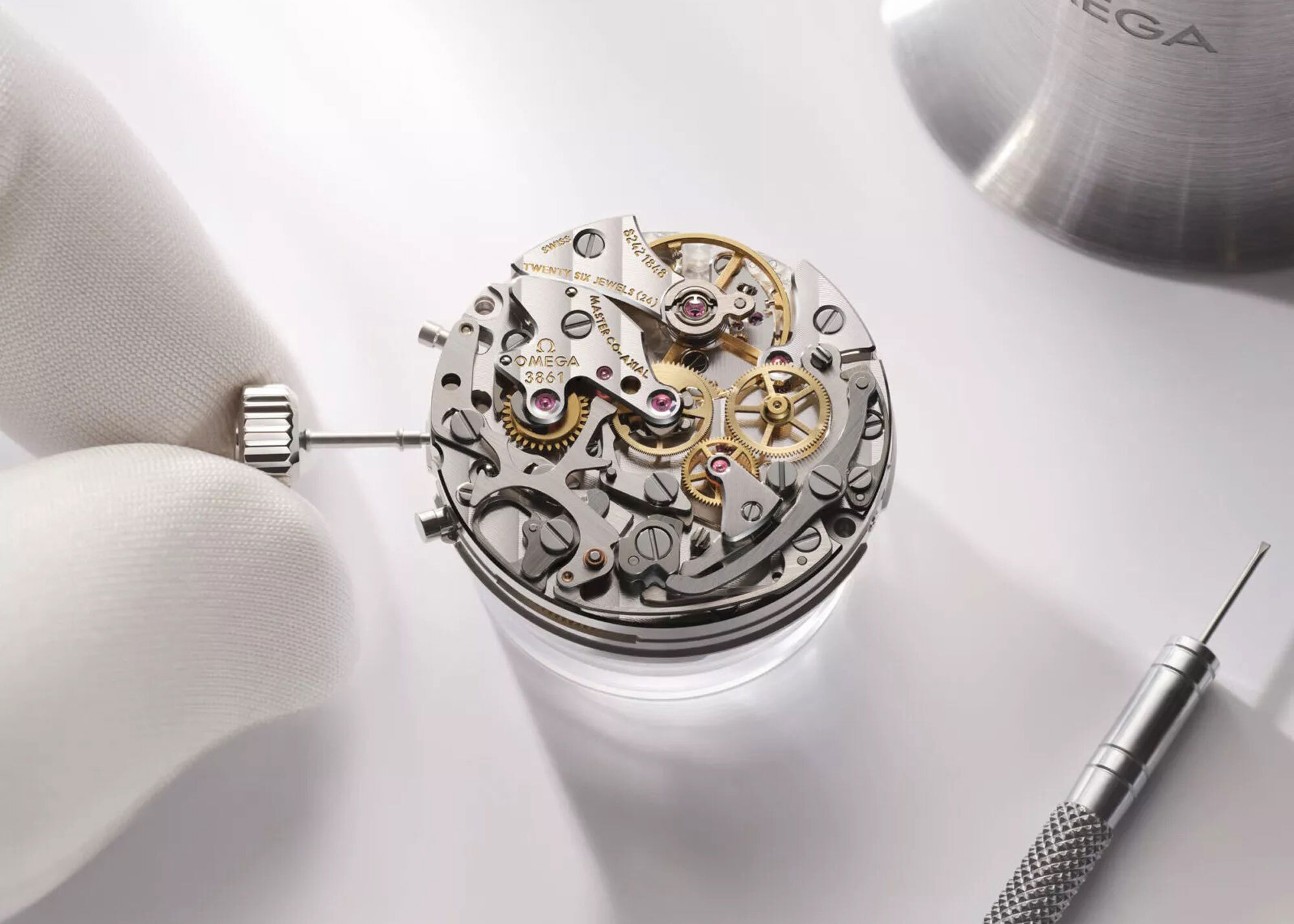
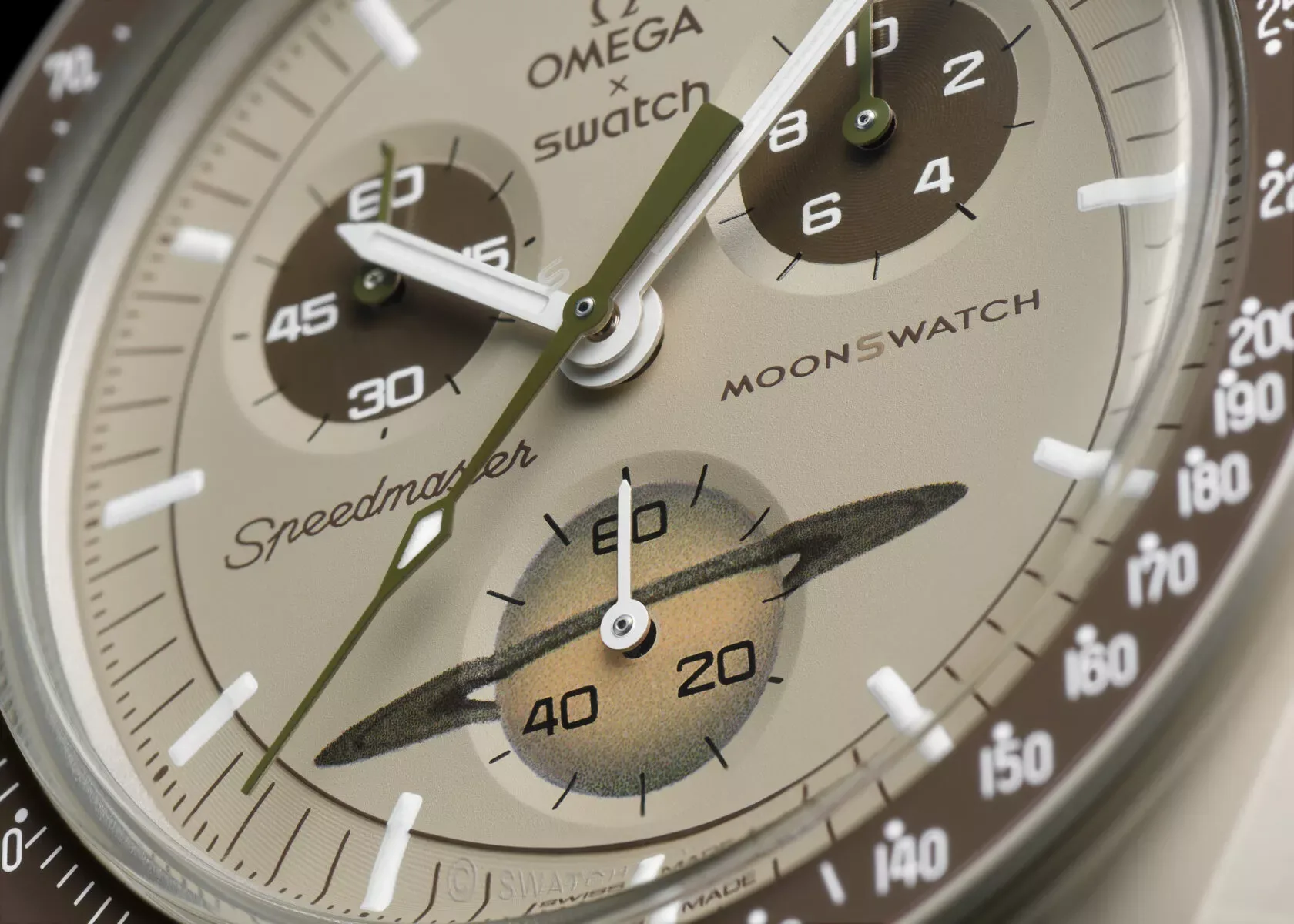
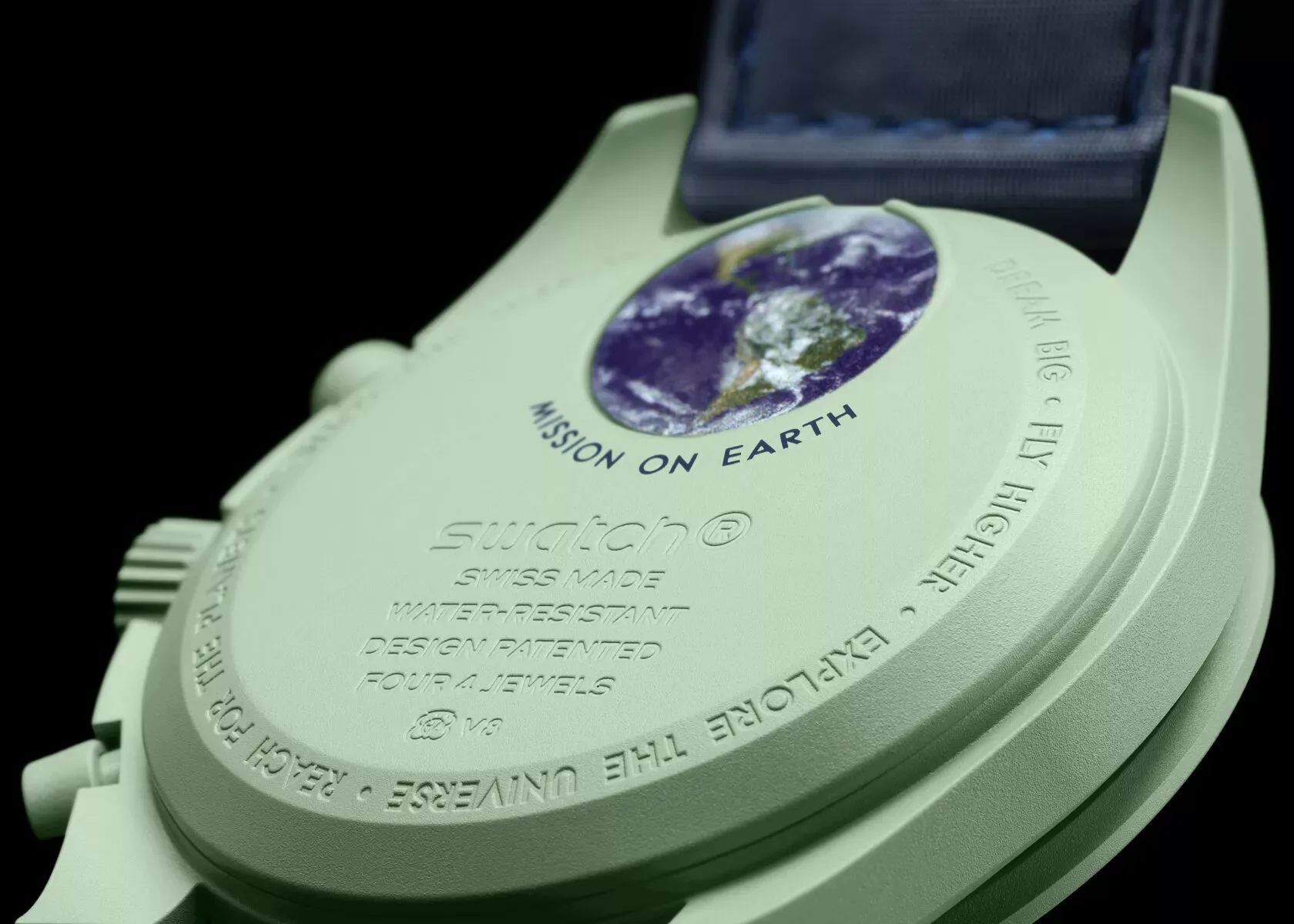
The distance between the two objects was preserved in the specification rather than in the design. The MoonSwatch is quartz and bioceramic. The Speedmaster Professional is a mechanical chronograph in steel. Anybody who compares them is confronted with a difference that cannot be argued away, and the comparison is exactly what Omega wanted made.
The naming carried the same load. MoonSwatch is a Swatch product with an Omega reference inside the word, not an Omega product at a lower price. What Omega lent was the shape and the story, on a watch whose own name announces the borrowing every time it is said aloud. A Speedmaster at a lower price would have been a transfer. A MoonSwatch is a quotation.
The cost of running it this way
The restrictions that produced the queues also produced the complaints. Limiting sales to physical stores with no online option, in a period when buyers expected to be able to order, generated frustration over availability and waiting times alongside the appreciation of the exclusivity.1 A brand that makes its customers stand in the street is trading goodwill for attention, and the exchange rate is not fixed.
The collection has also kept expanding. 11 models at launch had become 36 by December 2025.1 Each addition is a reason for a collector to return and a small subtraction from the event quality that made the first 11 work. That is the ordinary arithmetic of a successful limited product, and it is the open question the MoonSwatch still carries: the Speedmaster's meaning was lent, not sold, and a loan that runs long enough stops being distinguishable from a transfer.
Source: OMEGA Youtube
Written with AI assistance, edited by a human. Find out more about our Use of AI.
1. Wikipedia, "MoonSwatch", read 24 September 2026, for the launch on 26 March 2022, for the eleven original models and the 36 total released through December 2025, for the bioceramic case, the quartz ETA G10.212 movement and the Super-LumiNova indexes and hands, for sales being limited to selected Swatch boutiques with no online option, for purchase limits of two watches reduced to one, for the queues in Australia, Canada, Italy, Japan, Switzerland, the United Kingdom, New York, London, Paris, Tokyo and Zurich, for the criticism over limited availability and waiting times, and for Swatch Group chief executive Nick Hayek's statement that the release boosted sales of the original Omega Speedmaster by roughly 50 percent. https://en.wikipedia.org/wiki/MoonSwatch