A name the public chose before the house did
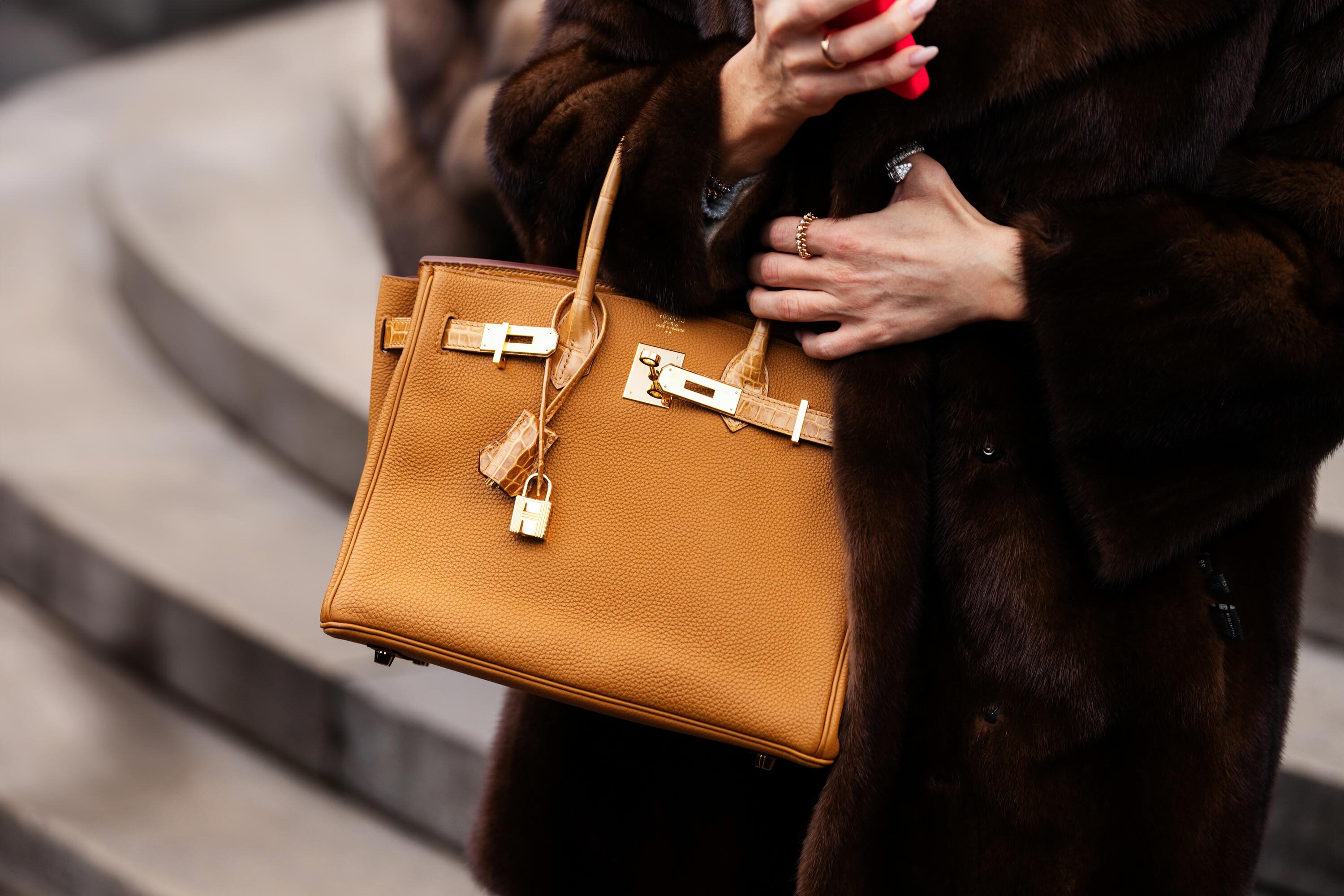
The bag Hermès now calls the Kelly began its life in the 1930s under a different name, the Sac à Dépêches, a structured leather bag with a single top handle and a distinctive triangular flap secured by straps. It went through several design revisions over the following two decades, but it remained a working bag in the Hermès catalogue rather than a signature product, known to regular customers but not to the wider public.
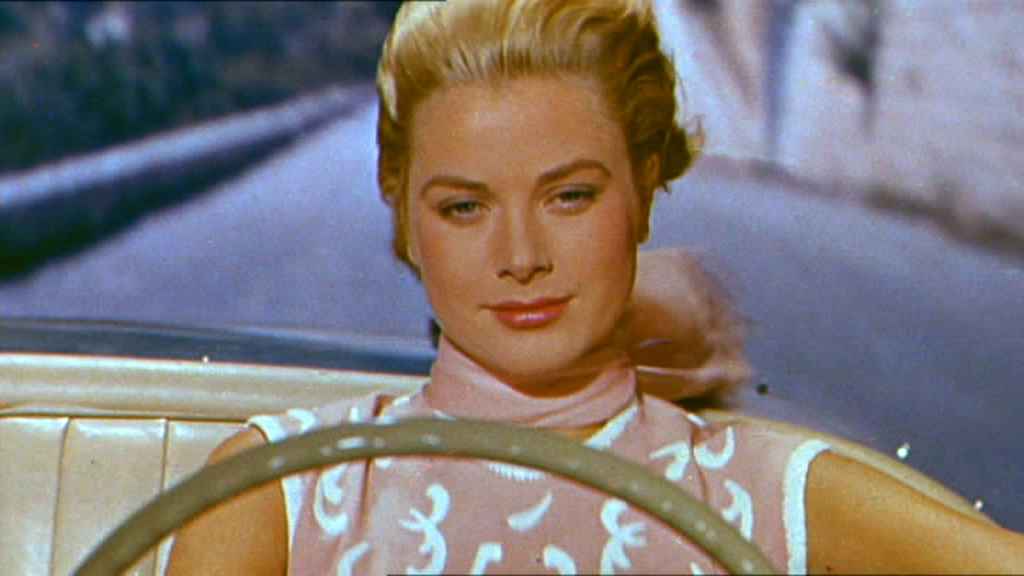
That changed through a connection to film rather than to marketing. In 1954, the costume department on Alfred Hitchcock's "To Catch a Thief" was permitted to buy Hermès accessories for its star, Grace Kelly, and Kelly reportedly kept using the bag after filming ended, carrying it in her own life once she had discovered it on set.
A photograph Hermès did not commission
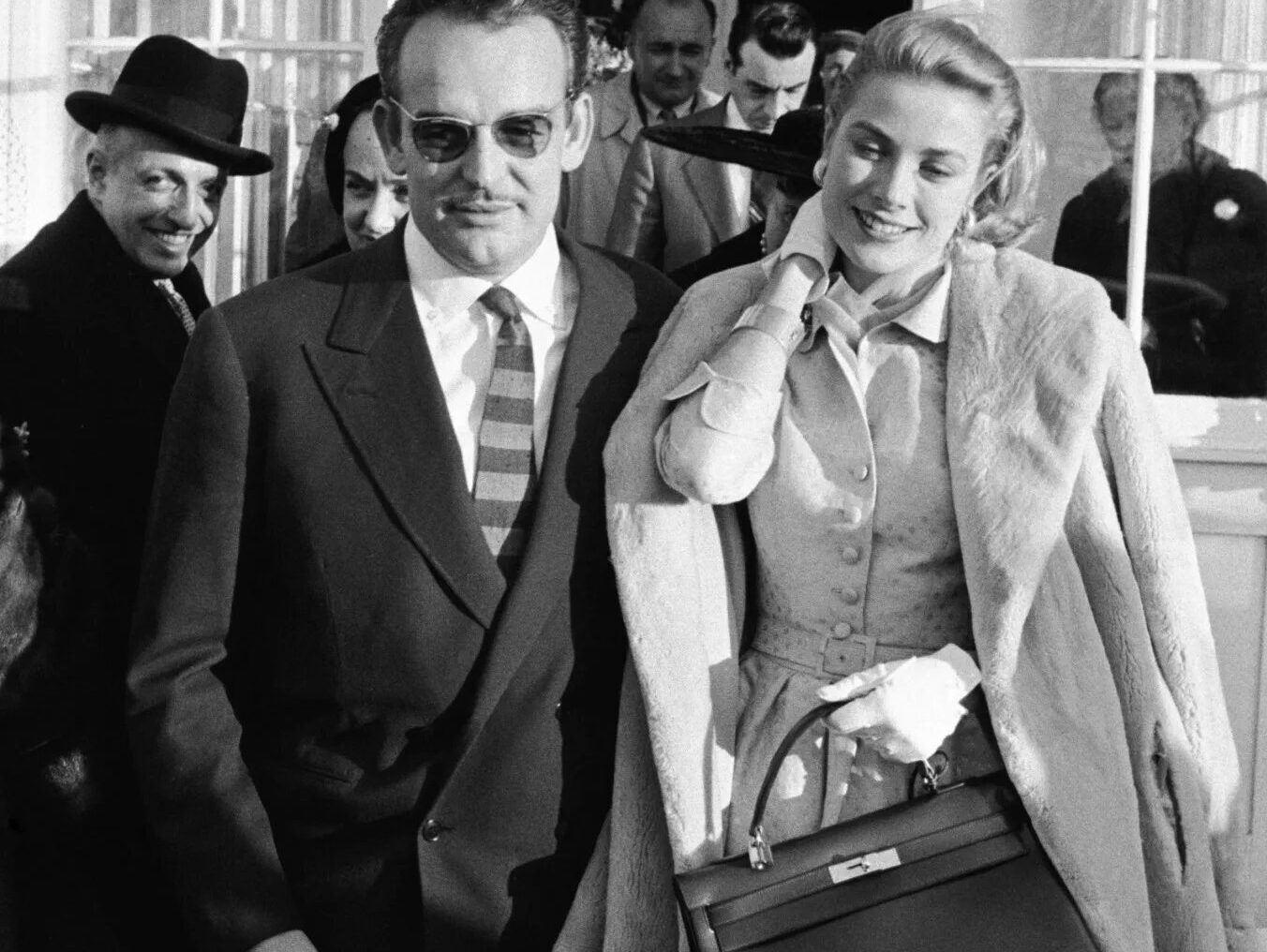
In 1956, shortly after her engagement to Prince Rainier III of Monaco was announced, Kelly was photographed in public visibly pregnant with her first child, using her Sac à Dépêches, held in front of her body, to shield her pregnancy from photographers. The picture ran in Life magazine and was reprinted widely elsewhere, and it turned an unplanned, practical gesture into one of the most reproduced images of the decade.
Demand followed almost immediately. Customers began asking Hermès boutiques for the bag Princess Grace had been photographed with, using her name for a product the house had not marketed under it, and the informal label stuck in public use years before Hermès made it official. The episode is now cited inside the fashion industry as an early example of a brand asset being named by its customers rather than by the company that made it.
Making the unofficial name official
Hermès did not act on the association immediately, continuing to sell the Sac à Dépêches under its original name through the 1950s, 1960s and into the 1970s even as customers kept calling it the Kelly bag. It was only in 1977, more than two decades after the Life photograph, that the house formally renamed the bag, and it did so after seeking and receiving permission from Princess Grace herself to use her name commercially, a step Hermès treated as a matter of course given how directly the association with her had built the bag's reputation.
The gap between the 1956 photograph and the 1977 renaming is itself informative about how Hermès manages naming decisions: rather than rushing to capture a moment of public attention, the house let the public's own use of the name settle for two decades before making it official, and only then with the named person's consent. The approach set a precedent the maison followed again decades later with another bag associated with a public figure, Jane Birkin, whose name Hermès attached to a new design from the outset in the 1980s rather than waiting for the public to do it first.
Both bags now anchor the house's leather goods category and are consistently cited among the most recognized handbags in the world, but only the Kelly carries the specific history of a name adopted after the fact, confirmed by the person it belonged to rather than assigned by a marketing department from the start.
The Kelly's naming history has become part of how Hermès explains its own restraint to journalists and historians: a house that waited twenty years to formalise a name already in daily use by its customers is unlikely to rename a product on the strength of a single season's attention, a pattern later renamings and product launches inside the maison have generally continued to follow.
The Kelly's rise also set an early template for what the fashion industry now calls an "it bag": a style that owes at least part of its fame to a specific, unplanned public appearance by someone the public already watched closely, rather than to a marketing campaign built around the object itself. Decades before social media made it possible to manufacture that kind of moment on demand, Grace Kelly created one simply by being photographed doing something practical.
The bag's continued scarcity, Hermès has never mass-produced the Kelly the way many competitors have mass-produced their signature styles, has also kept the naming story relevant rather than turning it into a piece of trivia. Waiting periods for a new Kelly are still measured in years in some markets, a scarcity that the house maintains deliberately and that keeps the 1956 photograph and the 1977 renaming part of the bag's active reputation rather than a closed chapter of company history.
Written with AI assistance, edited by a human. Find out more about our Use of AI.