
One more thing, without Steve Jobs
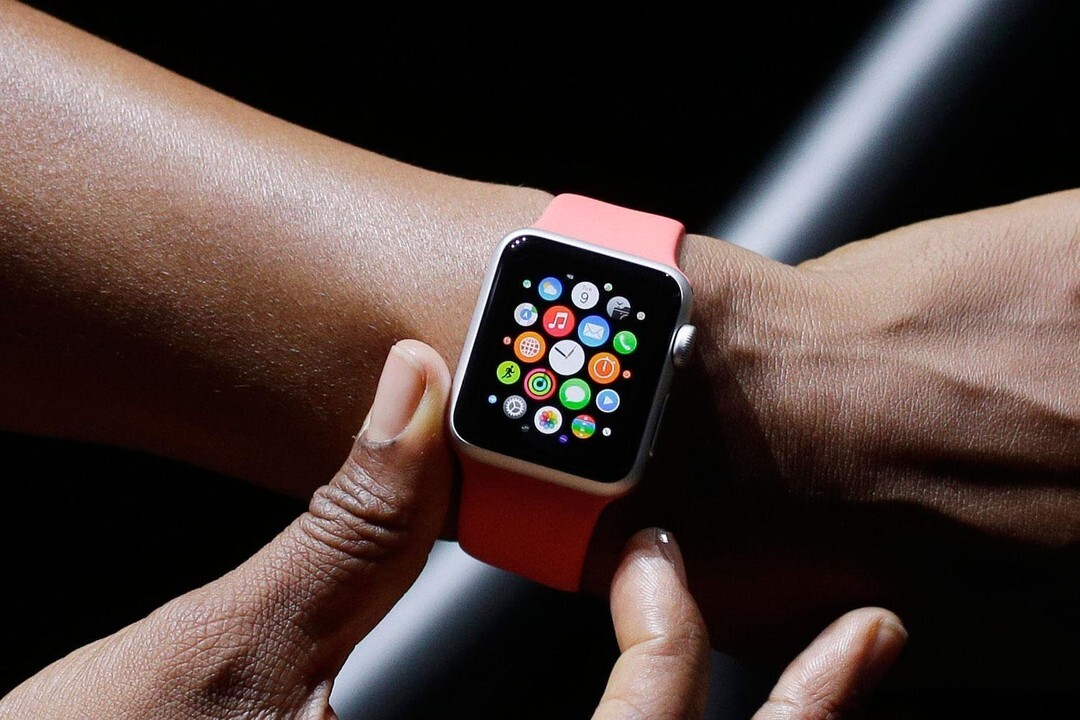
On 9 September 2014, at a hall in Cupertino, Tim Cook closed the keynote with a phrase Apple had made famous under Steve Jobs. He said "we have one more thing," and then introduced the Apple Watch. The gesture was deliberate. It borrowed the ritual of the founder to launch the first entirely new product category Apple had created since Jobs died in 2011. For a brand whose identity was tied so closely to one man, the Watch was as much a test of continuity as it was a piece of hardware.
Cook framed it in the company's own lineage. Apple, he said, had introduced several category-defining products, the Mac, the iPod, the iPhone, and the iPad, and was now poised to do it again. He called the Watch "the next chapter in Apple's story" and "the most personal device we have ever created." The product would not go on sale until 24 April 2015, after a seven-month wait that was itself a branding decision, giving the object time to be desired rather than merely bought.
From the pocket to the body
The strategic move behind the Watch was a change of location. The iPhone lived in the pocket and the hand. The Watch lived on the skin. By placing a product on the body, Apple entered the territory of jewellery and fashion, where meaning is carried by material and form rather than by specifications. This is why the launch spoke about gold cases, leather straps, and the choice between three collections. Apple was not selling a smaller screen. It was selling something worn, and worn things say who you are.
That ambition reshaped how Apple talked about itself. The company hired executives from fashion and luxury, staged the Watch in the pages of Vogue, and presented it at events that looked more like a boutique launch than a technology briefing. The positioning claim was that a device could be both a computer and an object of personal style, and that only Apple had the credibility in both worlds to make that claim believable.
Source: ProApple Youtube
A test of the brand without its founder
The Watch mattered to the brand for a reason beyond the product itself. The industry had spent three years asking whether Apple could still create, rather than refine, without Steve Jobs. The Watch was the answer Cook chose to give. It was the first bet the company made entirely on his watch, and the way it was introduced, with the founder's own closing line, acknowledged the question openly rather than avoiding it.
The early results were mixed as a piece of design storytelling. The first Watch was praised for its craft but criticised for a crowded interface and an uncertain purpose. Over the following years Apple narrowed the message, moving the Watch away from luxury fashion and toward health and fitness. That correction is part of the case study. A brand introduced a product with one story, listened to how people actually used it, and repositioned it around the body's wellbeing rather than its adornment.
Collaboration as positioning
To establish the Watch as an object of style, Apple did something it rarely does. It shared its stage. Partnerships with Hermès and Nike gave the product borrowed credibility, the first from the world of luxury leather goods, the second from sport and performance. Each collaboration was a way of telling a different audience that the Watch belonged in their world. For a company that guards its identity tightly, letting other names sit beside its own was a clear signal of how important the personal, fashion-facing positioning was.
These partnerships did more than sell straps. They let Apple occupy several meanings at once, luxury, athletics, and everyday utility, without diluting the core brand. The Watch became a platform for identity in the literal sense, an object a person configured to signal taste, discipline, or health.
What the Watch settled
Seen from today, the Apple Watch answered its founding question. Apple could still open a category and grow it into the largest watch business in the world by revenue. More important for the brand, the Watch proved that Apple's method, restraint in design, patience in launch, and a clear personal story, could outlive the person who created it. The most personal device the company had made turned out to be a statement about the company itself.
Written with AI assistance, edited by a human. Find out more about our Use of AI.