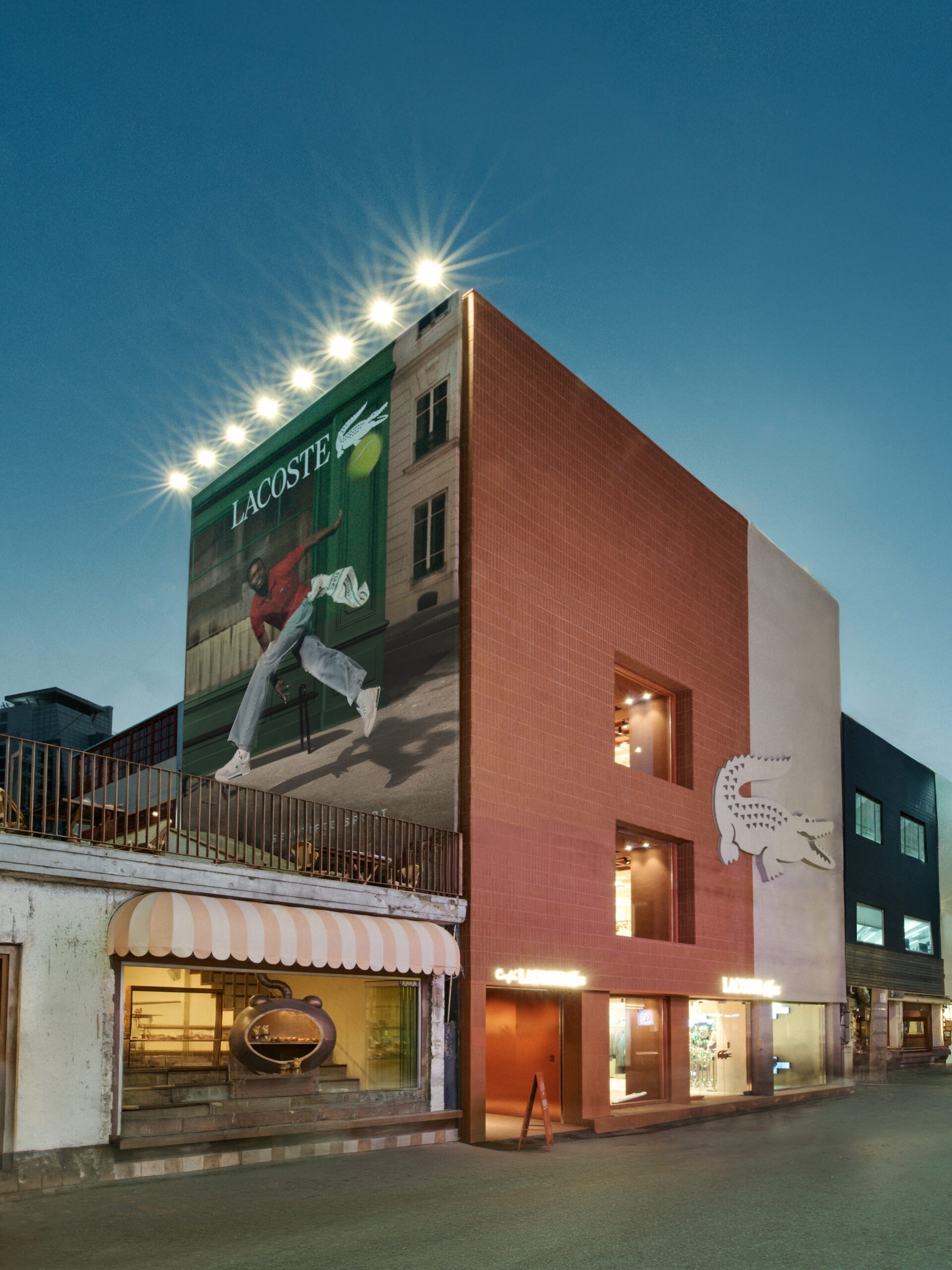
Lacoste's Seongsu flagship pairs the district's red brick with Roland-Garros clay and opens Korea's first Café Lacoste.
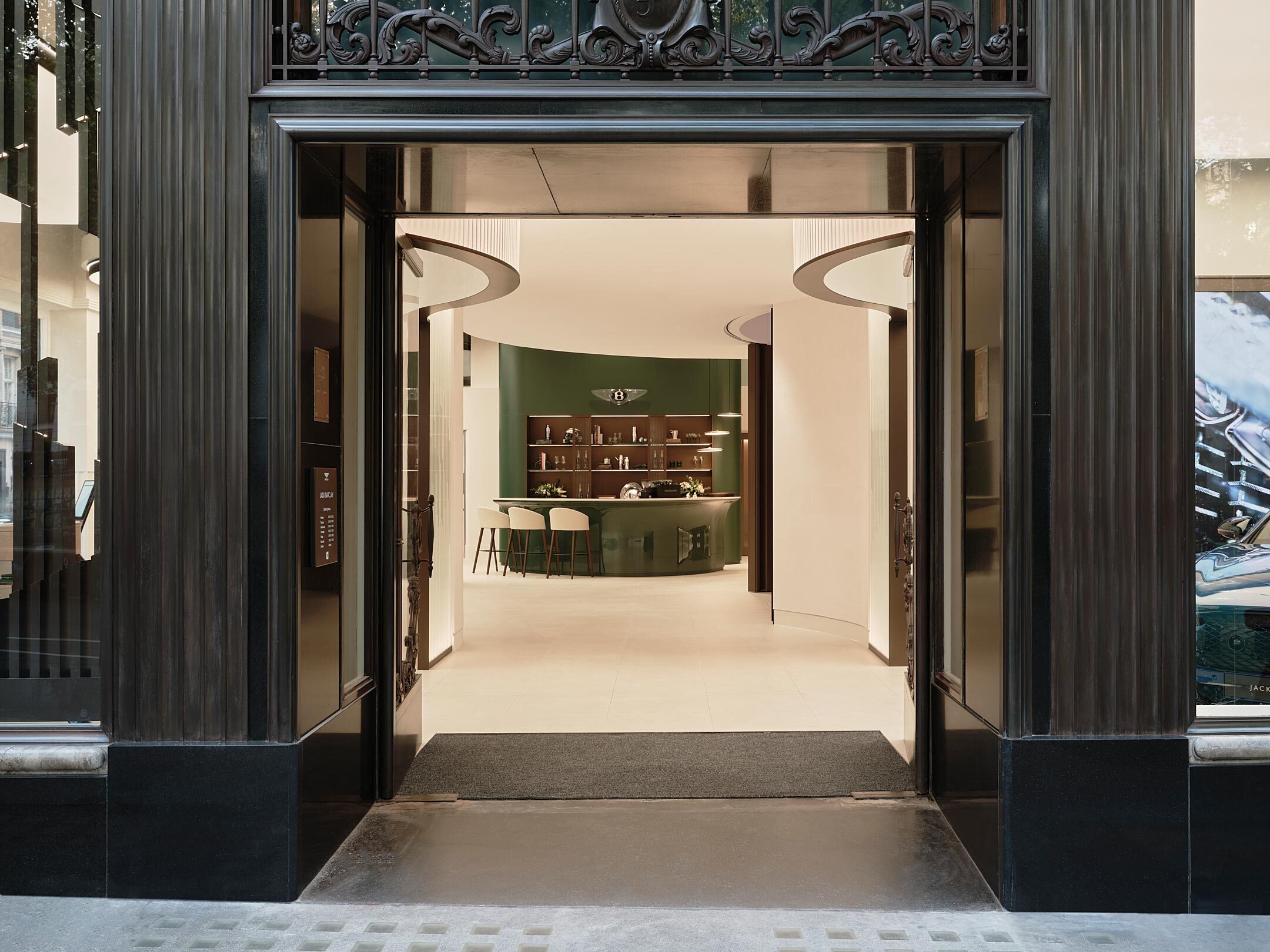
Bentley's new retail concept, designed with FutureBrand, opens at Jack Barclay in London and turns the showroom into a place of hospitality.
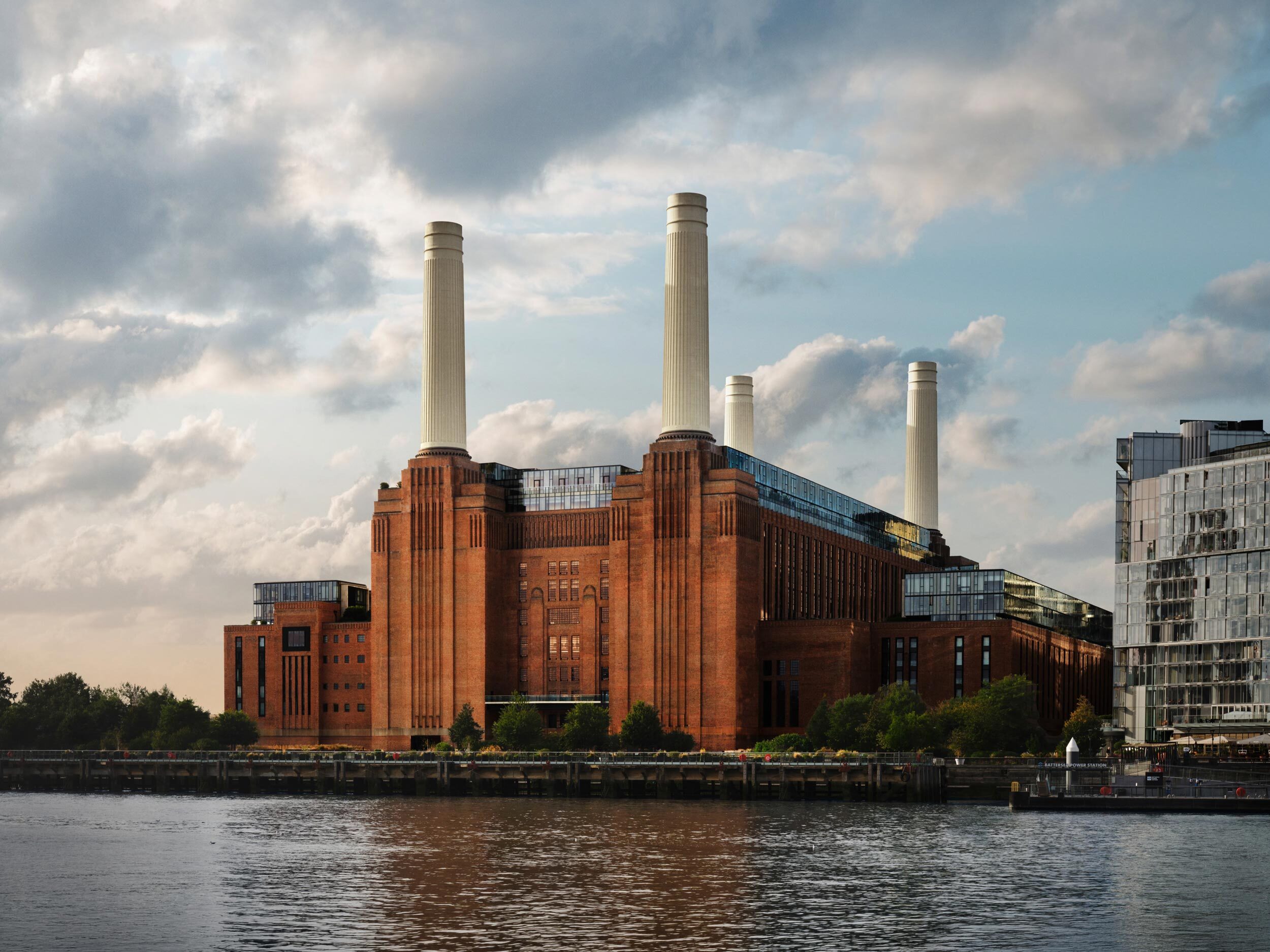
Apple Music competes in a category where everything ships in an update. Its answer is a 600-seat building that nobody can ship.
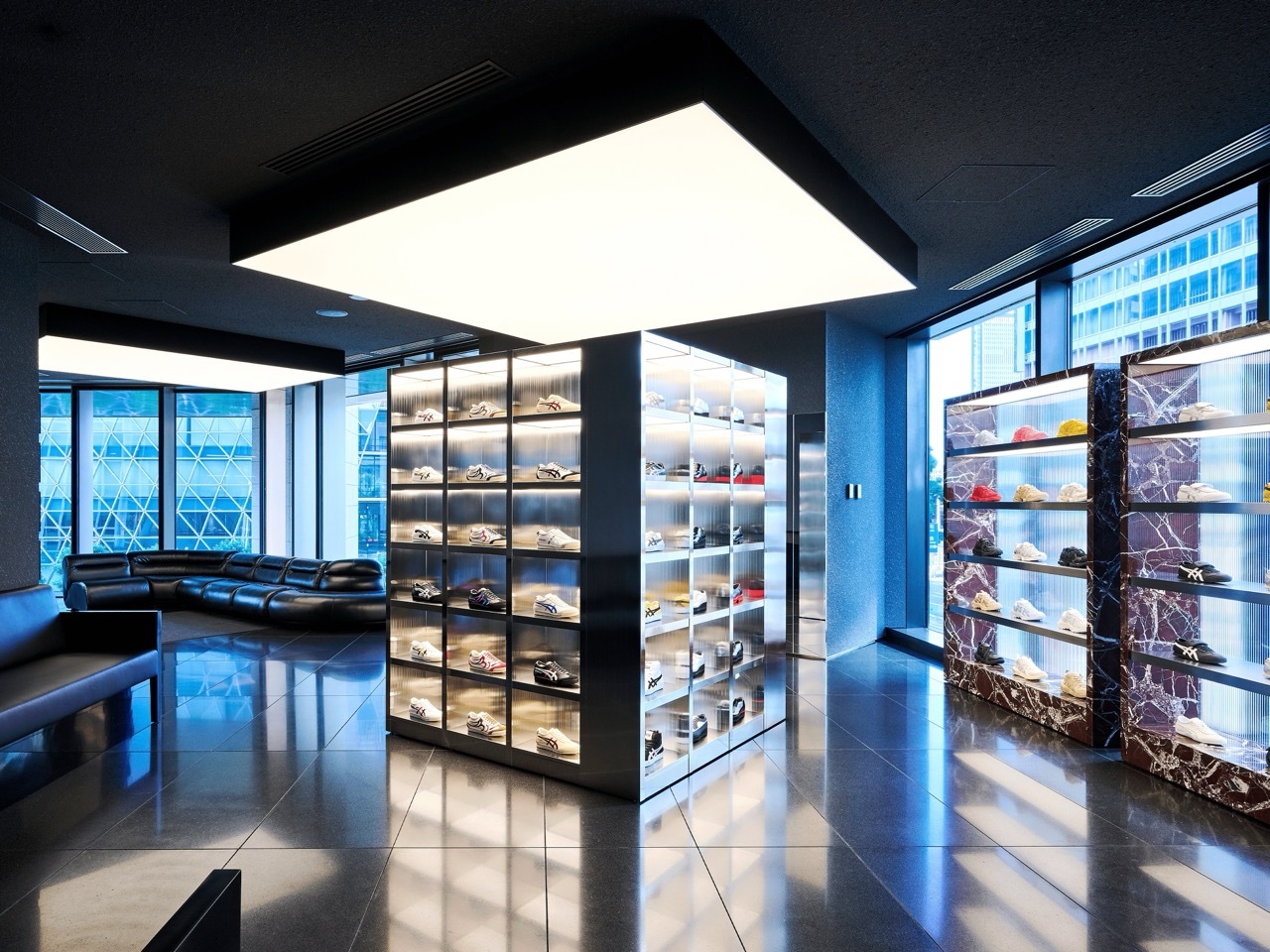
Onitsuka Tiger opens its largest store in Shinjuku and a second near Nagoya station, six months before it leaves ASICS.
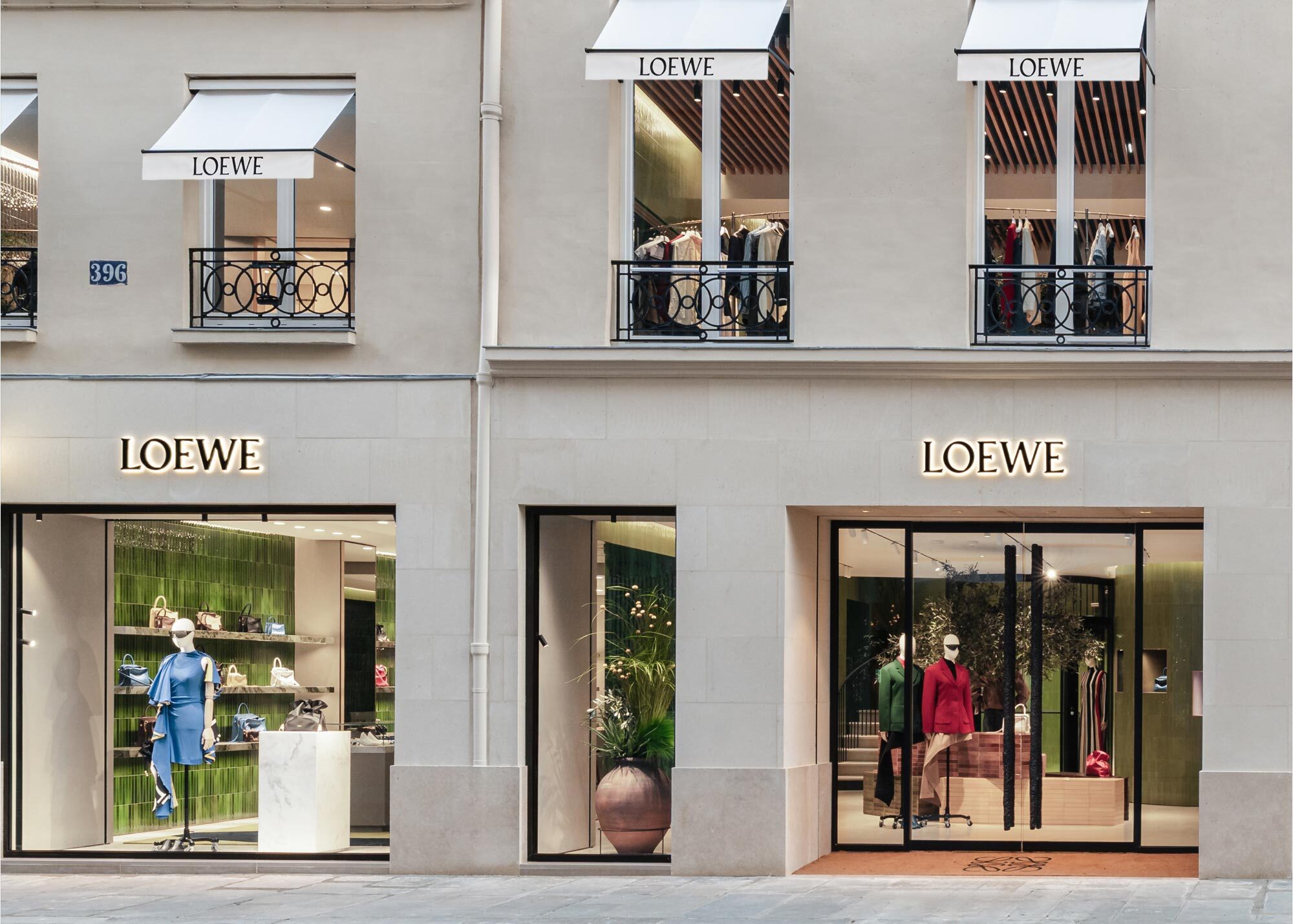
Loewe's Casa flagship format pairs bespoke local architecture with rotating art, and its second Paris Casa opened in March 2026.
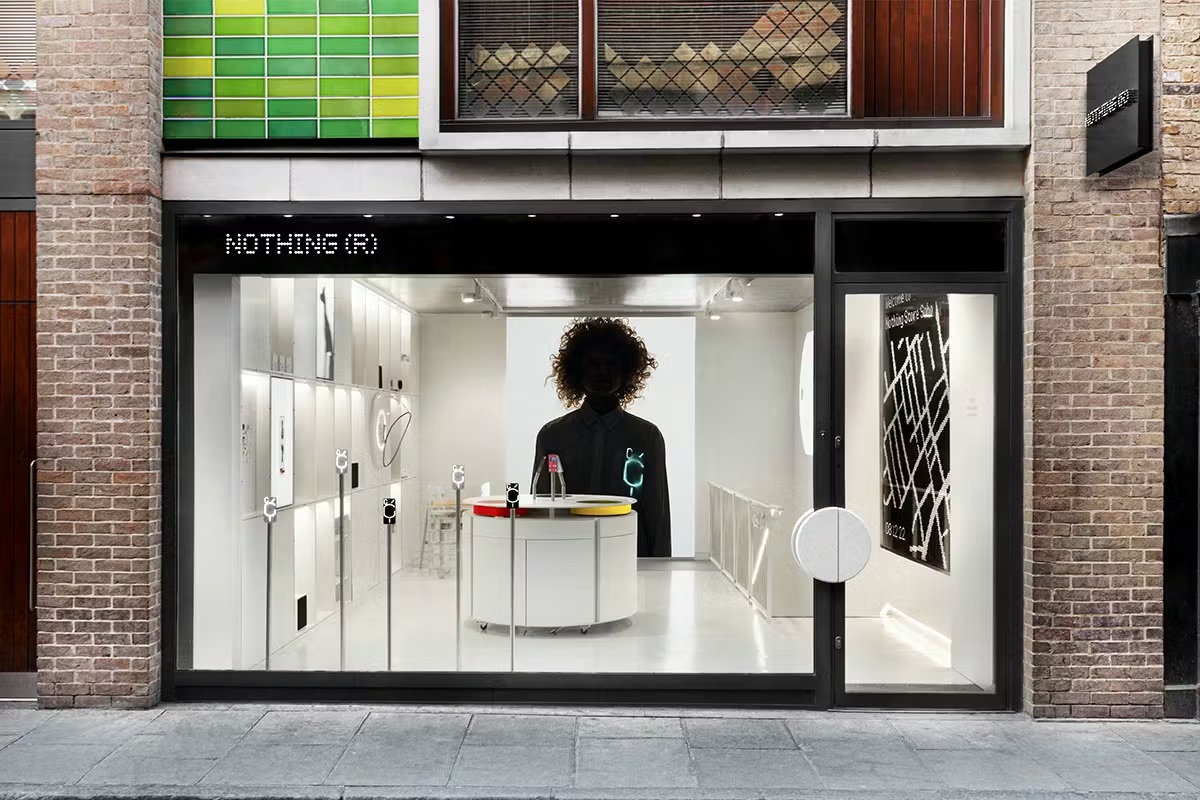
Nothing opens its first shop at 4 Peter Street, Soho: two floors with a flip-dot wall, a phone booth helpline and a gallery for events.
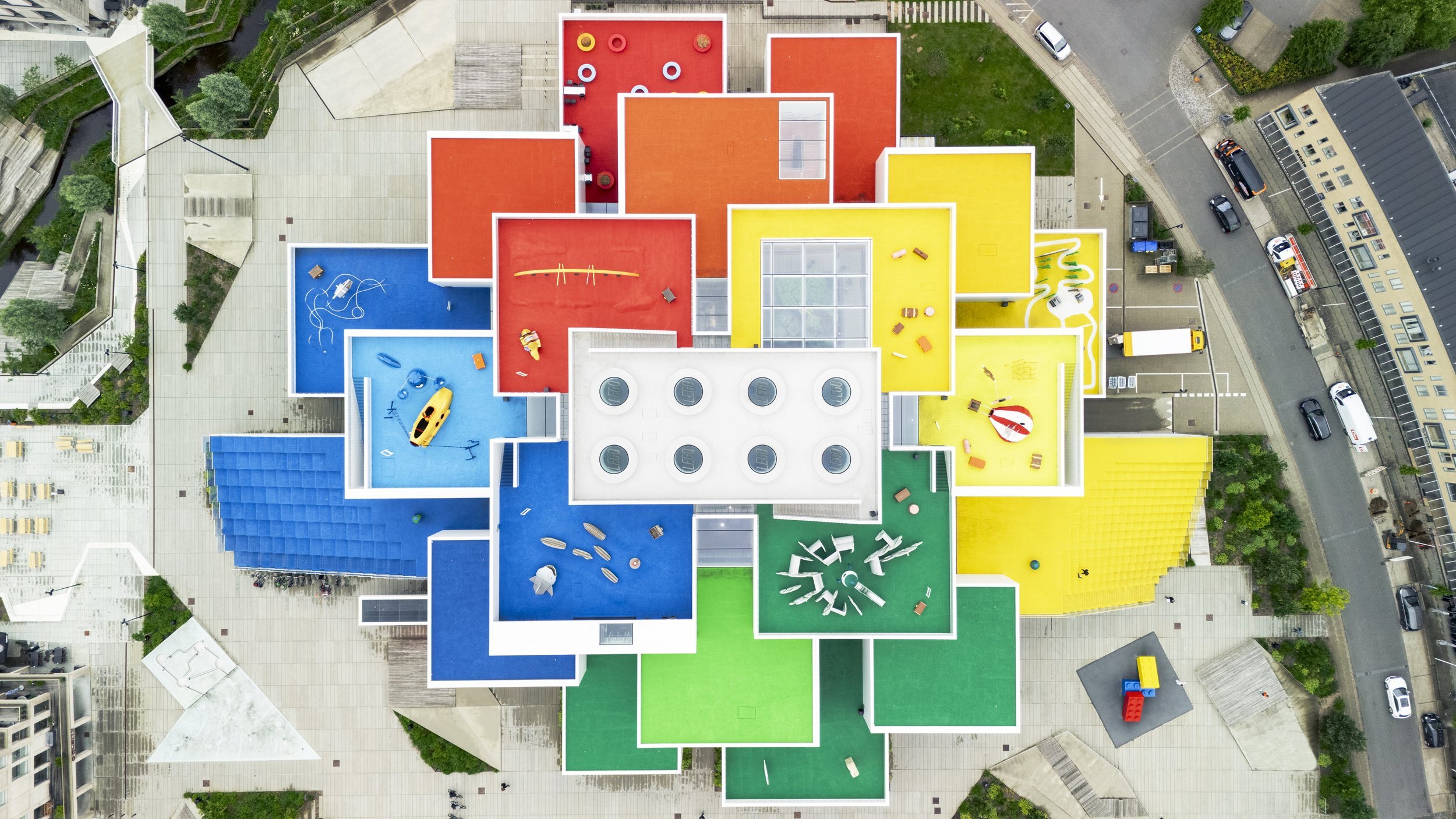
BIG's LEGO House opened in Billund in 2017: 21 stacked white blocks, four play zones and 25 million bricks in the brand's hometown.
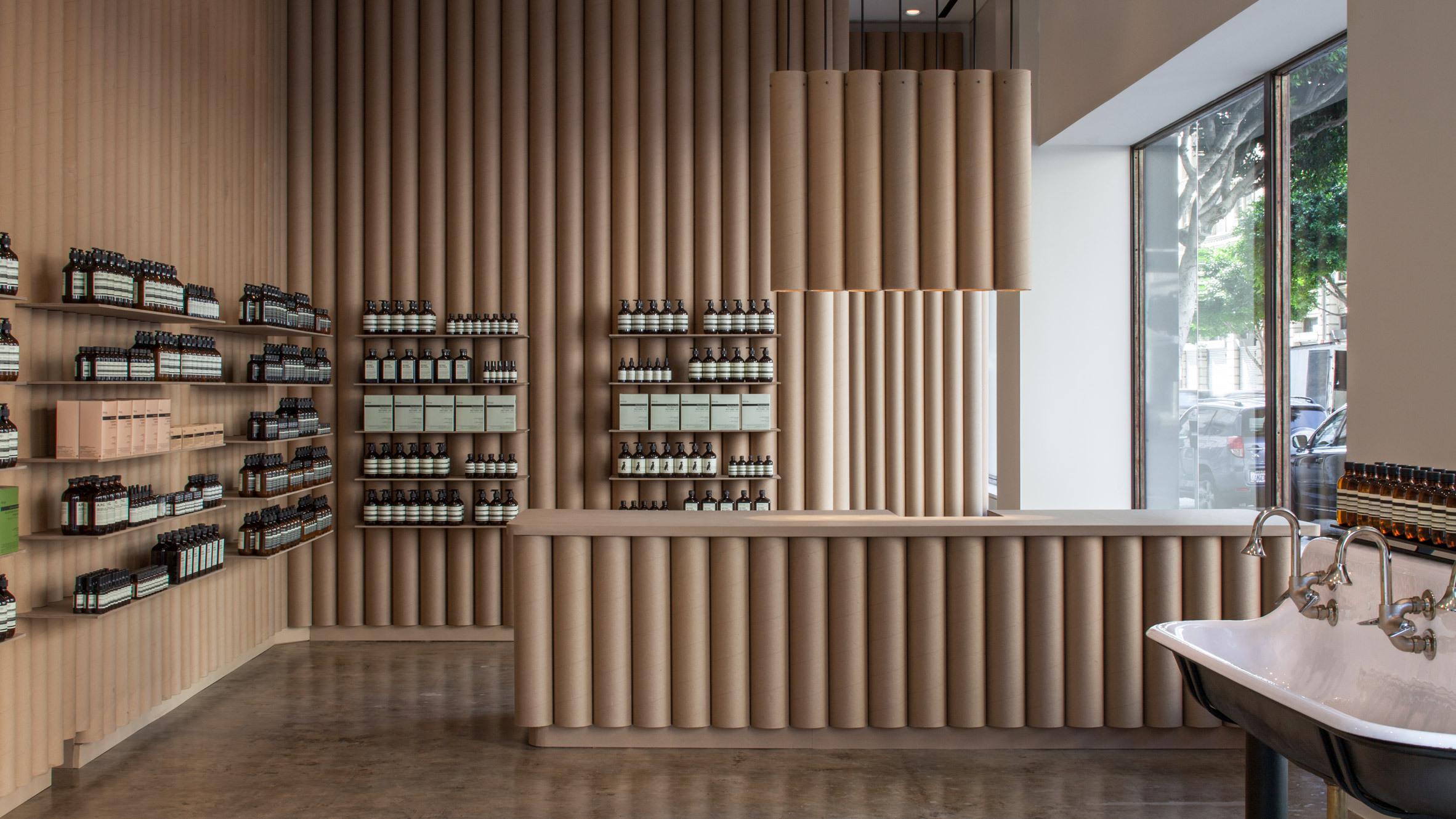
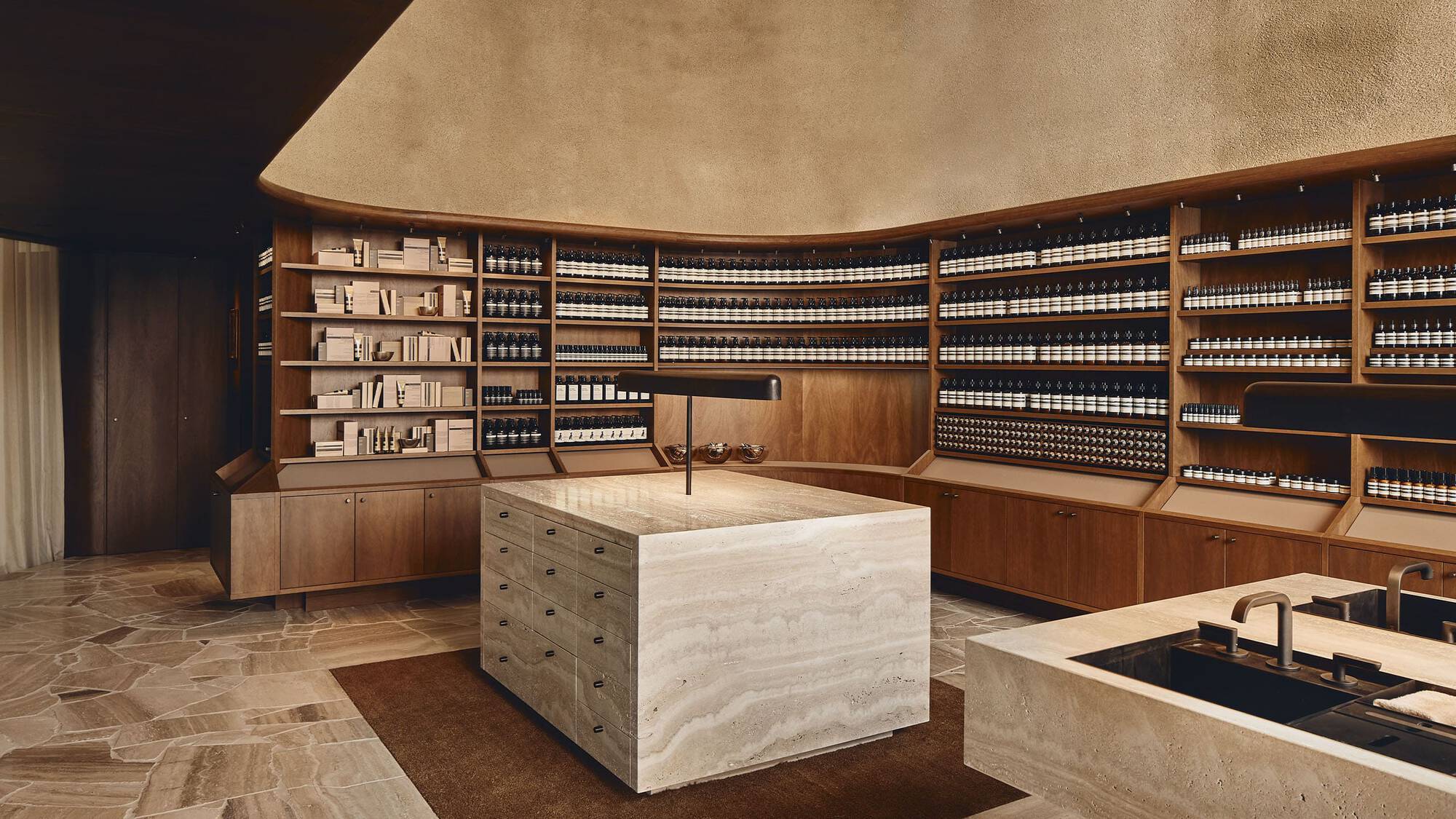
Aesop's 2017 Los Angeles store is built from cardboard tubing reclaimed from the neighbouring Fashion District.
Since founding, Aesop has commissioned a different architect for nearly every store, refusing a single repeatable format.
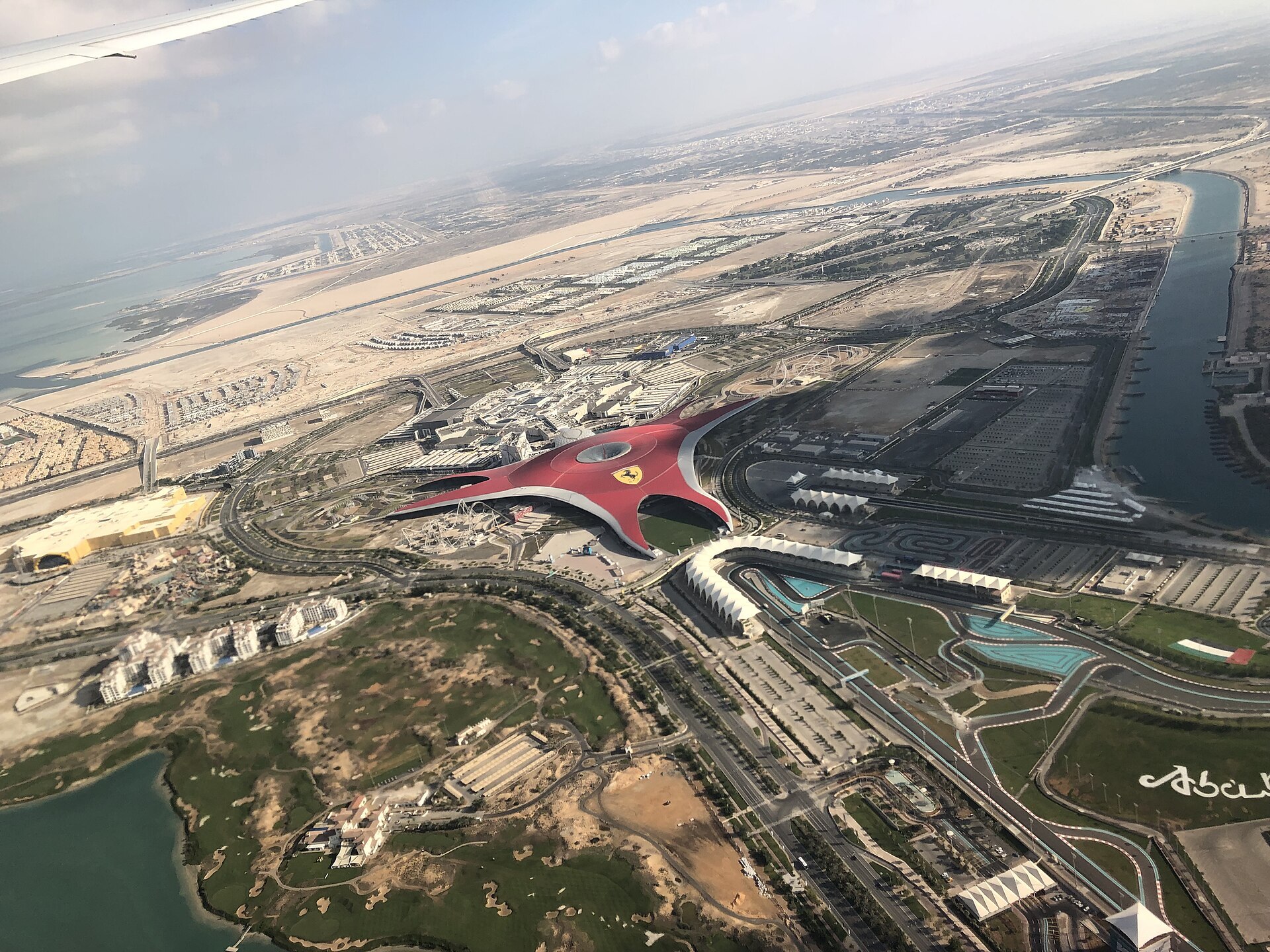
With Ferrari World Abu Dhabi, Ferrari extended its brand into a licensed theme park, lending its name and identity to an experience built by others.
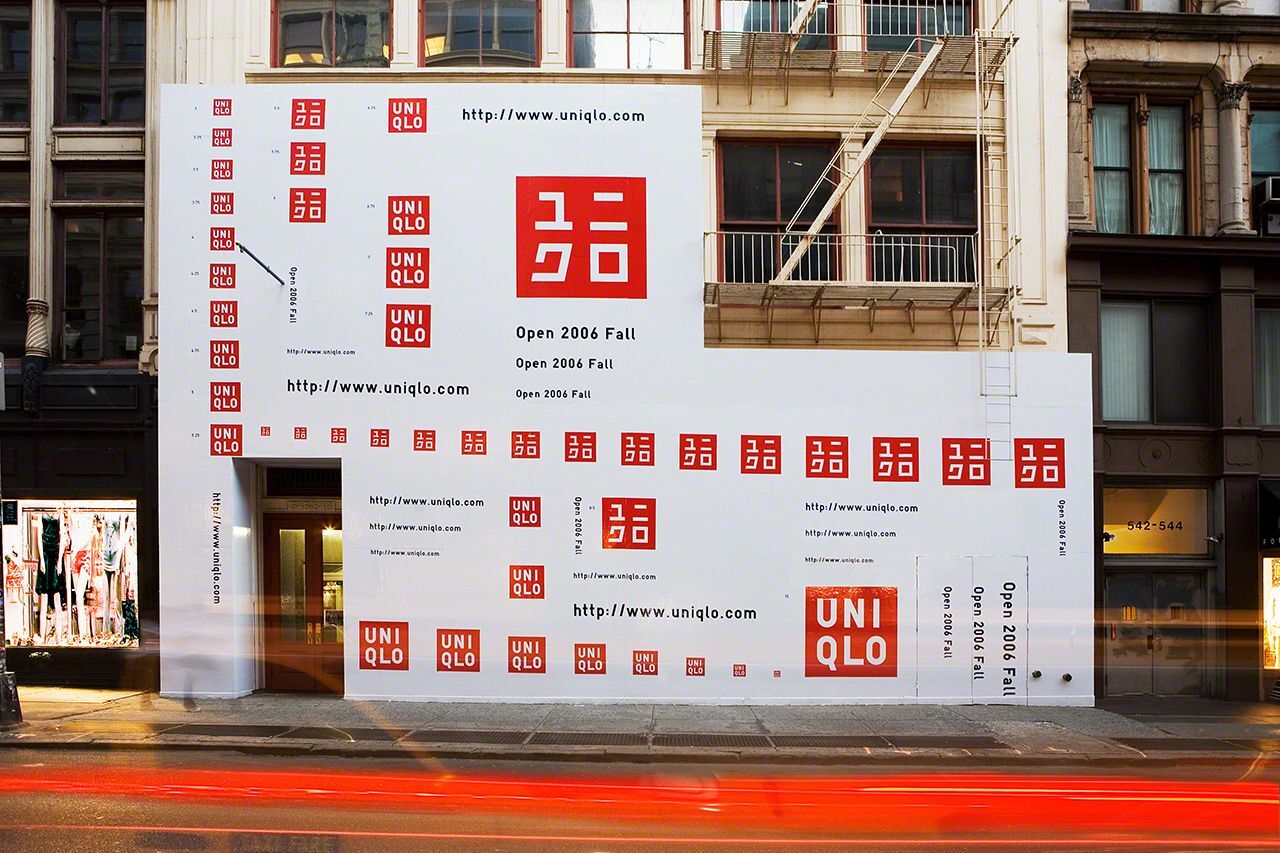
After setbacks in London and New Jersey, Uniqlo returned to the West with a 3,300 square metre Broadway store styled as Japanese design.
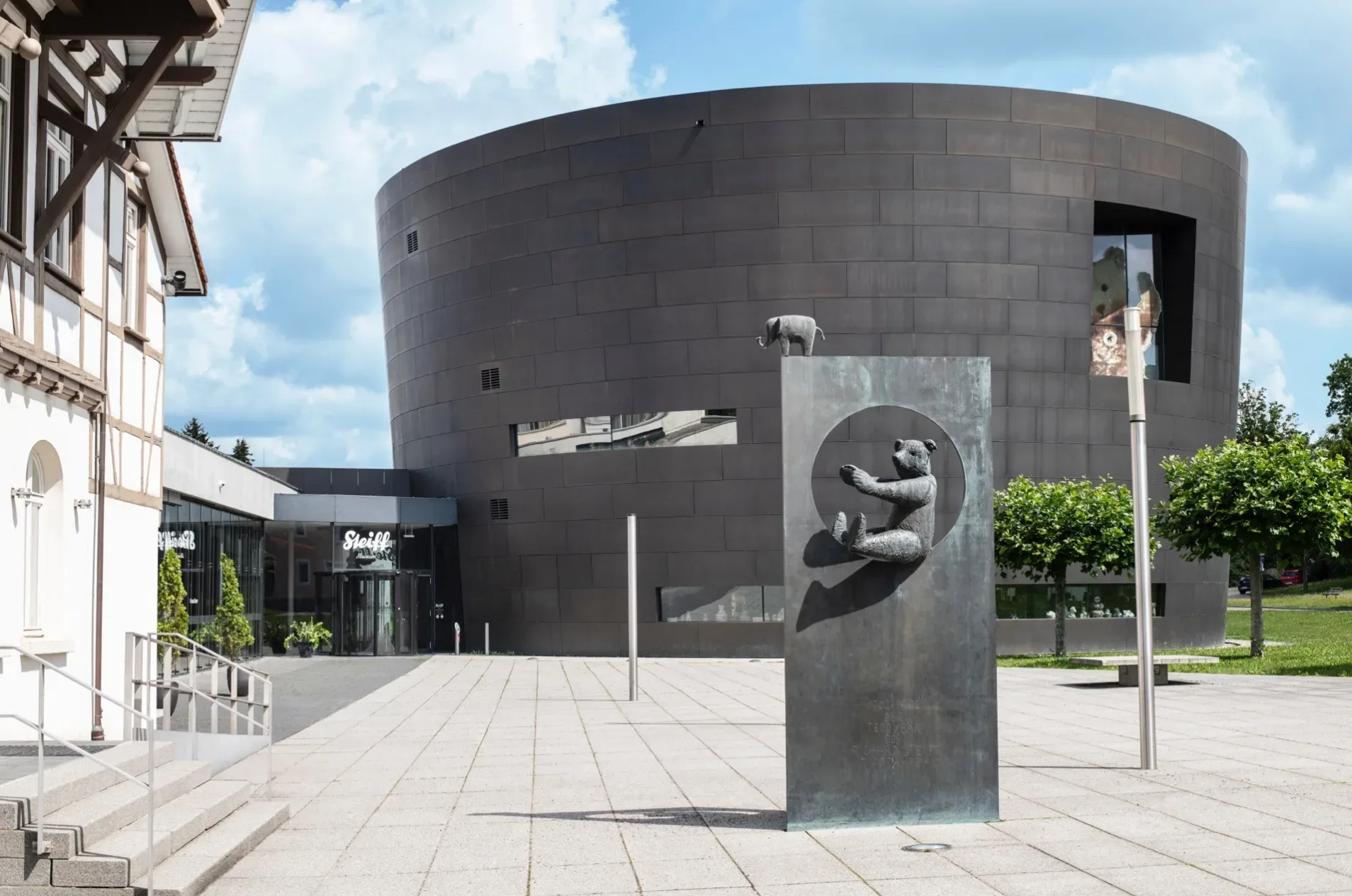
Steiff opens a 2,400 square metre brand world in Giengen for its 125th anniversary, designed by architect Andreas Ramseier.
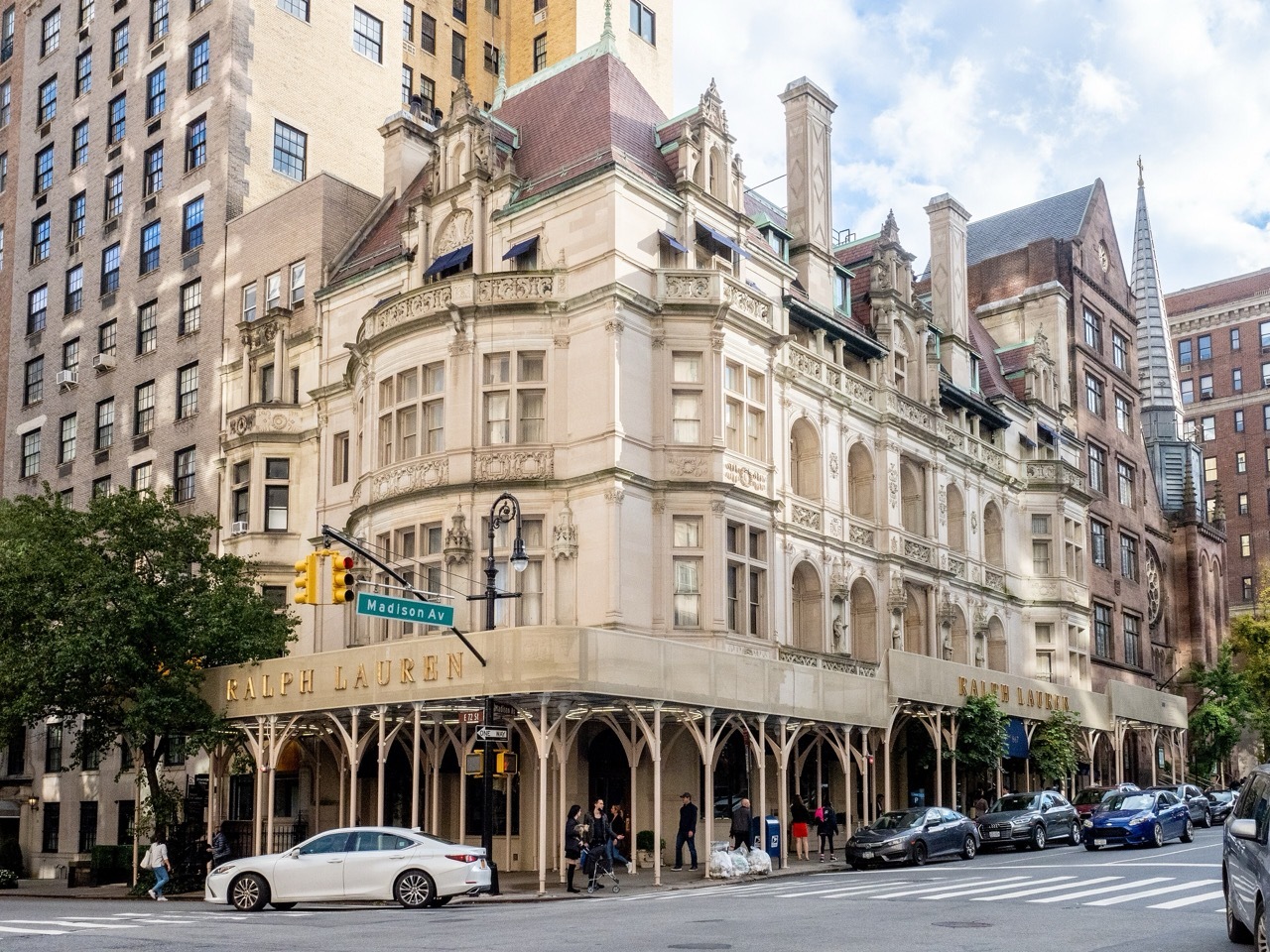
Ralph Lauren transformed the 1898 Gertrude Rhinelander Waldo House into the first designer-led department-store-scale flagship.
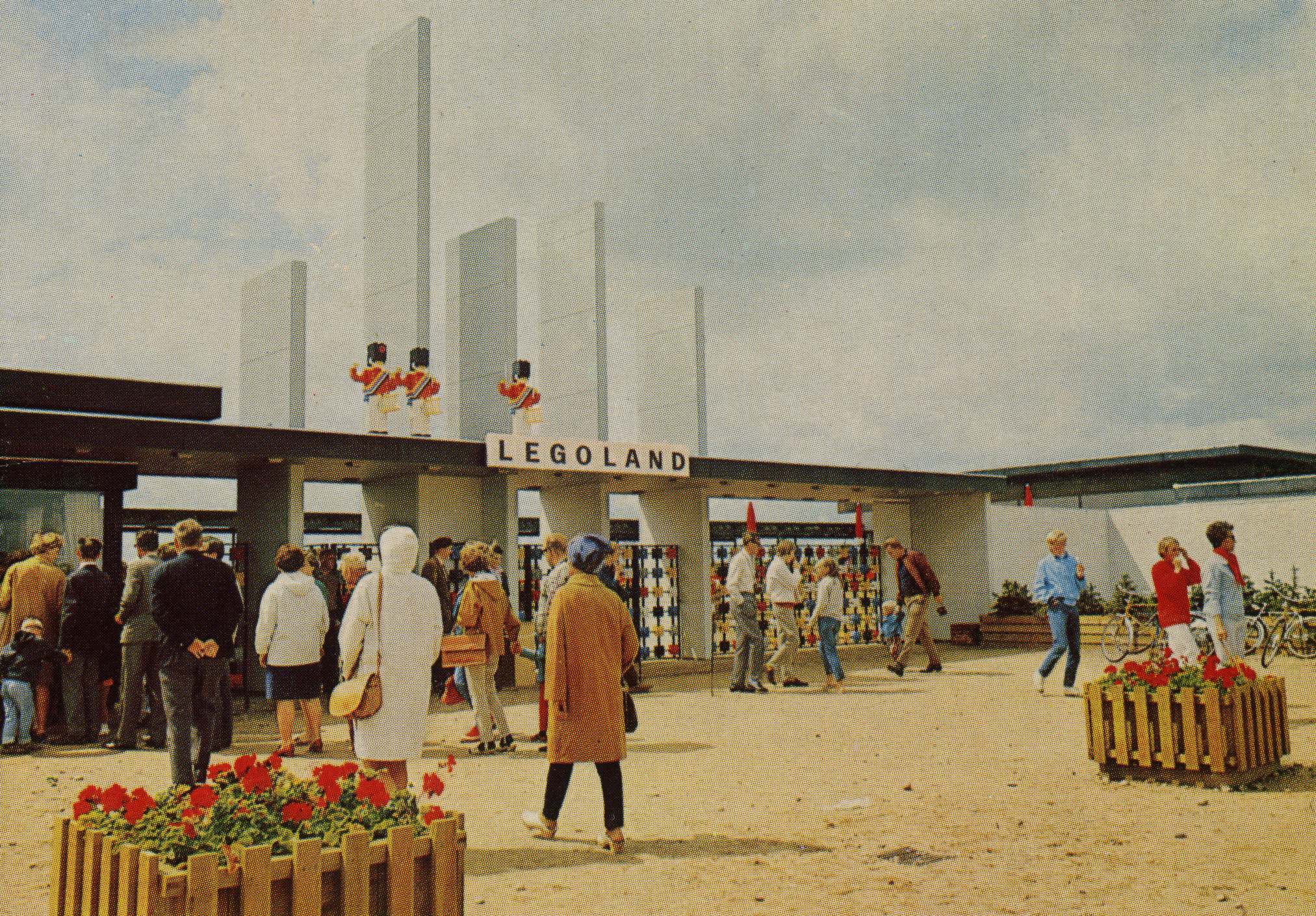
On 7 June 1968 LEGO opened a park built from its own bricks in Billund, turning factory visitors into a brand destination.
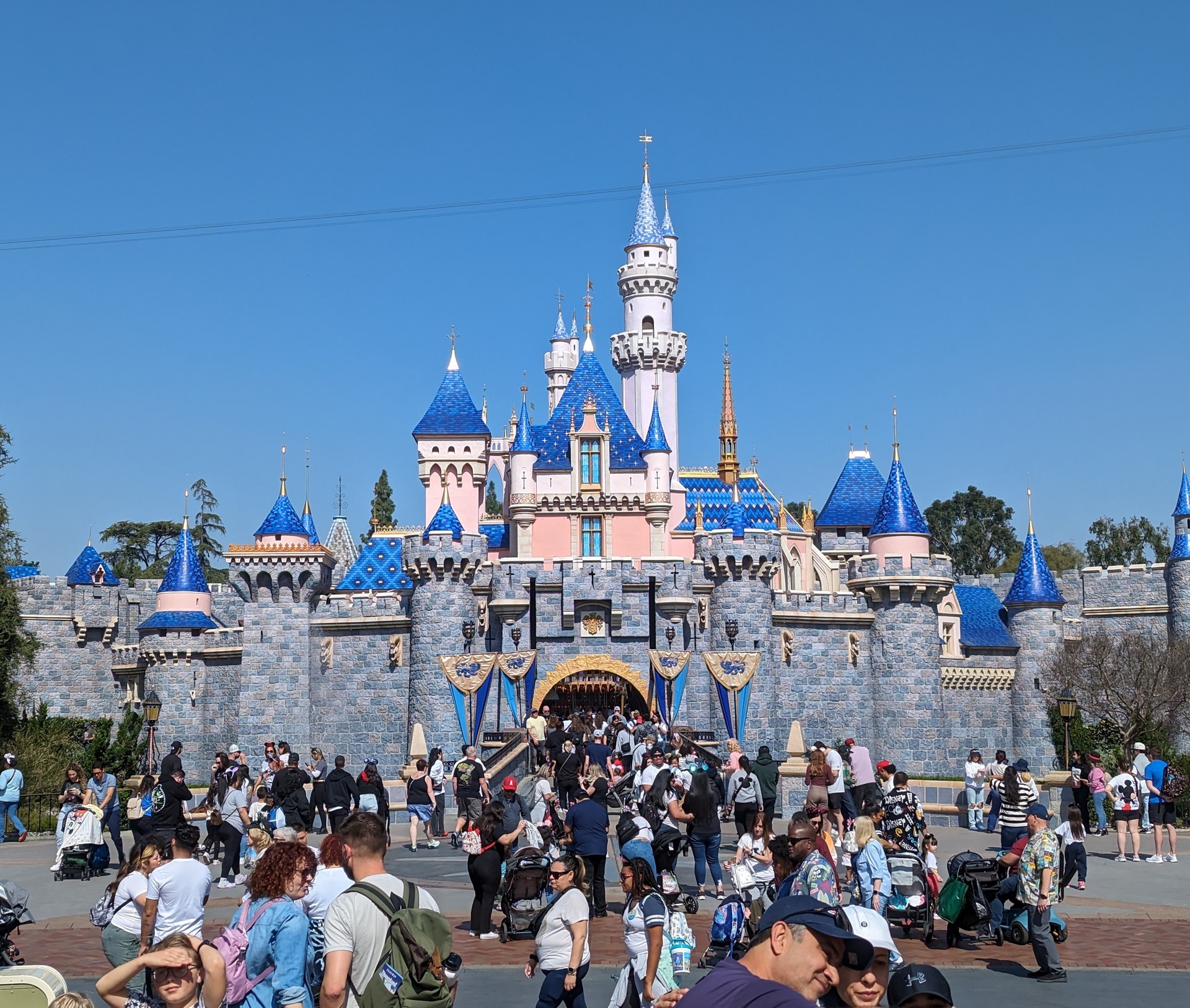
In 1955 Disneyland opened in Anaheim, extending the Disney brand from the screen into a physical, immersive world for the first time.