
A brand on a building the size of a stadium
When Ferrari World Abu Dhabi opened to the public in November 2010, it gave physical form to a question every strong brand eventually faces. How far can a name travel from the product that built it. Ferrari had spent decades as a maker of exclusive sports cars, but on Yas Island it lent its identity to something entirely different, the world's first Ferrari theme park and, at the time, the largest indoor theme park in the world.
The project rested on a brand licensing agreement signed in late 2005 between Ferrari and Aldar Properties, the Abu Dhabi developer that owned and built the park. Ferrari did not construct or operate the attraction itself. Instead it licensed its name, its visual identity and the right to translate the marque into rides, attractions and retail, while Aldar carried the investment and the operational responsibility. The arrangement let Ferrari place its brand at the centre of a major leisure destination without diverting capital or management away from cars.
Designing a place to look like a brand
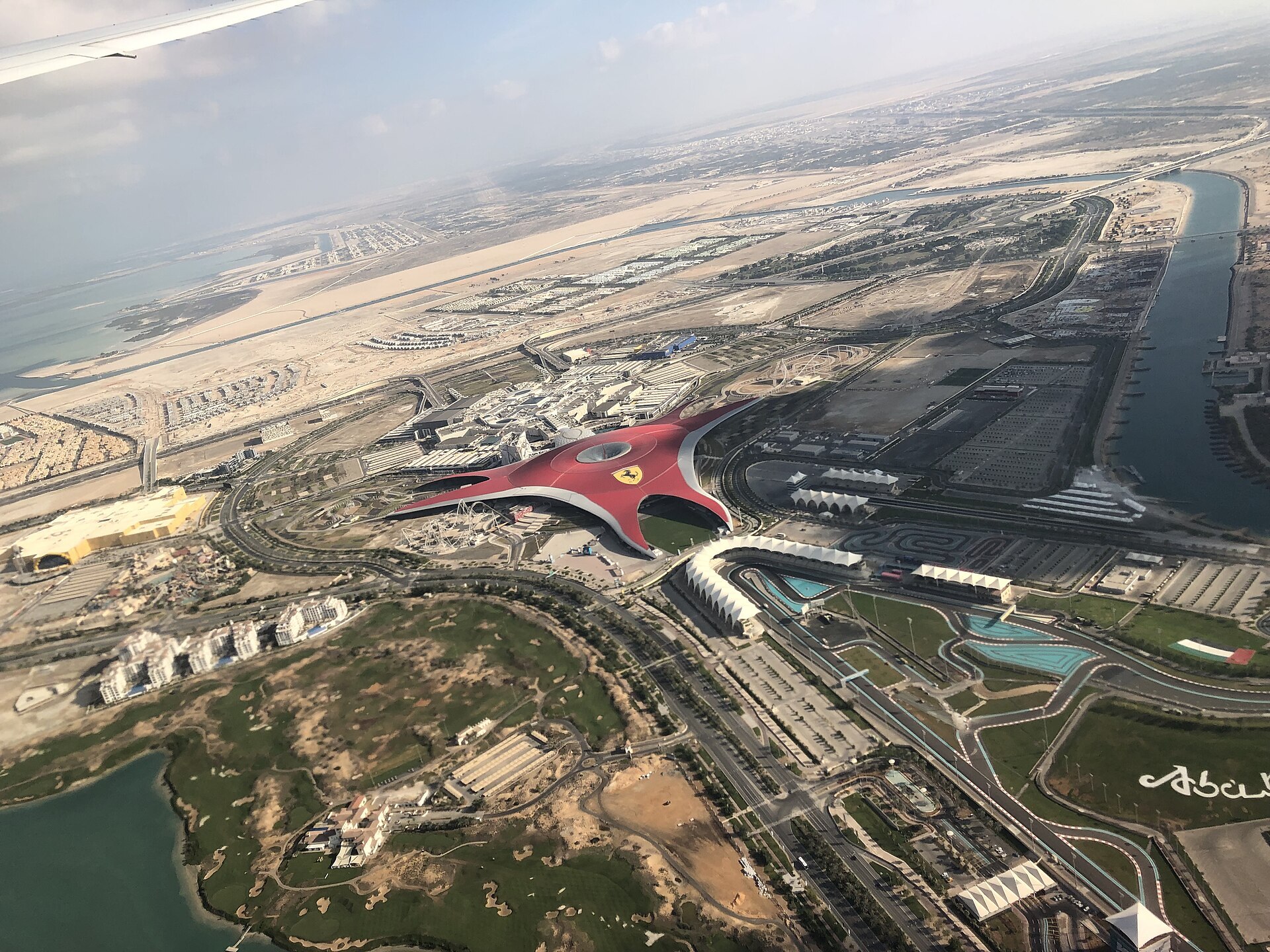
The architecture itself was conceived as branding. The park's vast red roof was inspired by the classic double-curve side profile of a Ferrari grand tourer, and at its centre sat the largest prancing horse emblem in the world, measuring tens of metres across. From the air and from the ground, the building read unmistakably as Ferrari before a visitor encountered a single ride.
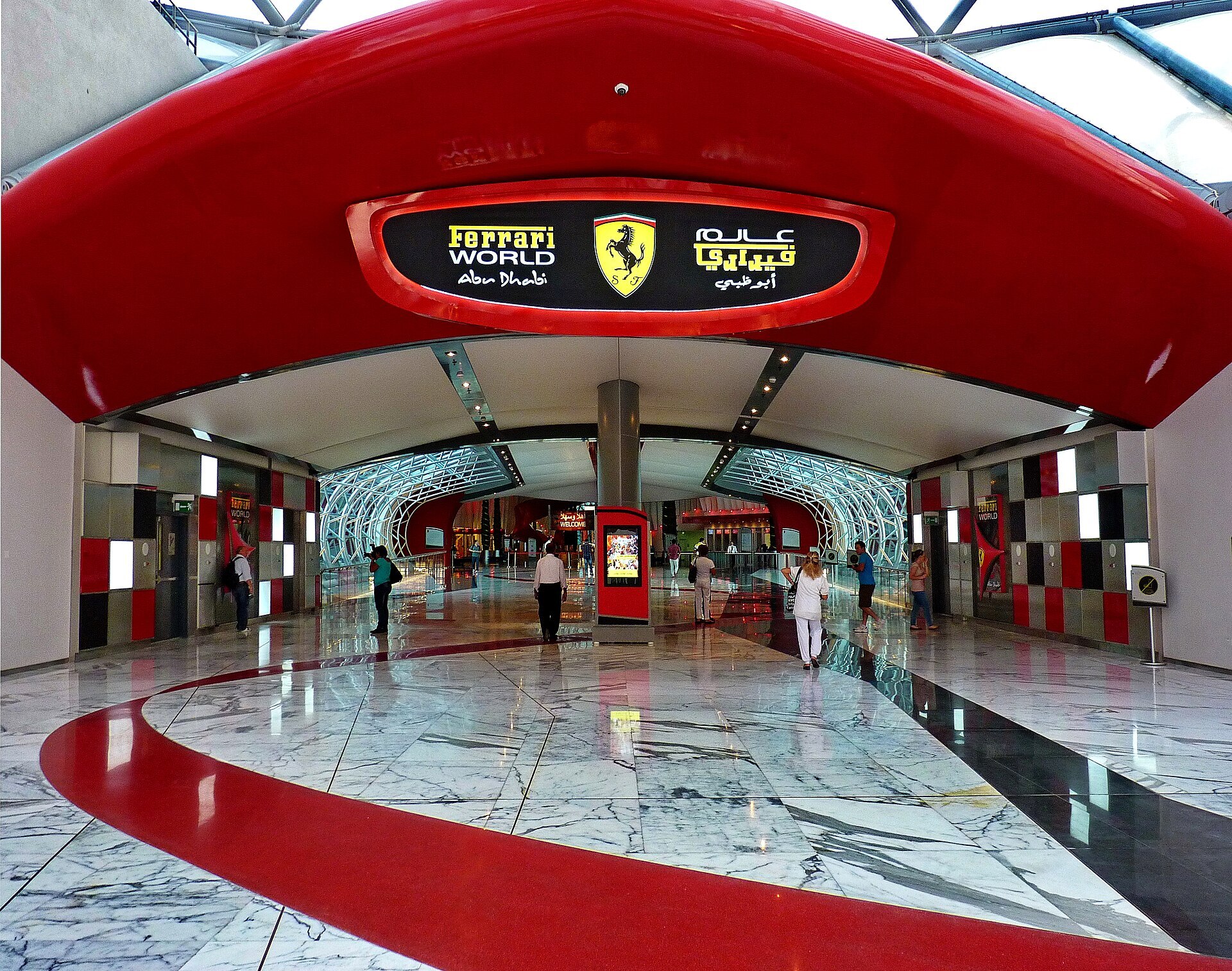
Inside, the attractions extended the same logic, drawing on Ferrari's motorsport heritage, its cars and the colours and language of the marque. The intention was not simply to entertain but to let visitors step inside the brand, to experience Ferrari as a place and a feeling rather than as a car most of them would never own. For a marque whose road products are defined by scarcity, a theme park offered the opposite, broad and affordable access to the world the brand represents.
The logic of licensing
Licensing is one of the most efficient ways for a luxury brand to extend its reach, and also one of the riskiest. Done well, it generates revenue and visibility in categories the brand could never enter on its own, and it deepens the relationship with admirers who cannot buy the core product. Done badly, it scatters the brand across products and experiences that fail to meet its standards, eroding the very prestige that made the name worth licensing in the first place.
Ferrari's challenge with the park was to keep control of the brand while handing the execution to a partner. The licensing model meant that the quality of the experience, the rides, the service, the retail, ultimately reflected on Ferrari even though Aldar delivered it. That dependence is the central tension of any licensing deal. The brand owner retains the upside of expanded presence but accepts that its reputation is, in part, in another company's hands.
Scarcity and access in one brand
Ferrari World illustrates how a single brand can operate on two opposite principles at once. The cars remain deliberately scarce, produced in limited numbers and allocated with care, which sustains their value and desirability. The theme park, by contrast, exists to admit as many people as possible. Reconciling the two requires the brand to be clear about what each channel is for. The park is not a substitute for ownership but a gateway to the brand, a way for families and younger audiences to engage with Ferrari long before, or instead of, any thought of buying a car.
This separation is what allows the extension to work without undermining the core. The exclusivity of the cars is not diminished by the existence of an accessible attraction, because the two occupy clearly different positions. The park trades on the emotional pull of the brand, its association with speed, competition and Italian craftsmanship, while leaving the scarcity of the product untouched.
Ferrari World also set a template the brand would build on. It established that the Ferrari name could anchor a large-scale leisure destination, and similar branded attractions followed elsewhere, extending the model to new markets. Each new park reinforced the idea that Ferrari is not only a manufacturer but a brand experience that can be licensed, located and visited around the world.
The opening on Yas Island marked a clear statement of how Ferrari understood its own value. The marque recognised that its identity, the prancing horse, the red, the heritage of competition, carried meaning far beyond the cars, and that this meaning could be extended into experiences through carefully structured partnerships. Ferrari World stands as an early and visible example of a luxury car brand treating itself as a brand first and a manufacturer second, willing to license its name to a destination while keeping firm hold of what that name is allowed to represent.
Written with AI assistance, edited by a human. Find out more about our Use of AI.