
Positioning models and frameworks
Positioning is one idea, but there is no single way to reach it. This chapter explains why so many models exist, how to read one without being trapped by it, and then links to each model we cover in detail.
Why there are different models
The models here were built for different problems, in different decades, by people looking at brands from different angles. Some start from purpose and work outward, like the Golden Circle, which asks why before what.1 Others start from the competitive frame and the target, like the Brand Key. A few are verbal, meant to sharpen a single sentence, while others are visual, meant to map a market. None is more correct than the rest. A model is a lens, and the useful question is which lens brings your particular problem into focus.
The limits of classic models
Classic positioning models share a weakness. They tend to look too far inward, treating the brand's own view of itself as the whole picture. That worked when markets looked like stable industries, but markets now behave more like networks, and advantage is temporary rather than permanent, so a purely inside-out model misses the competitive reality it is supposed to capture.2 A model that only describes how a brand sees itself is half a model.
Toward agile brand management
The response to that weakness is to treat a model as a live instrument, not a document filed once and forgotten. Agile brand management means reacting to a changing market in a way that is appropriate, targeted and fast, and that depends on real market intelligence, a continuous read of brand, customer and competitor.3 The model tells you where you stand today, market intelligence tells you when that has to change.
Compare the models
 Brand Holosphere
|
 Brand-Market Connector (BMC)
|
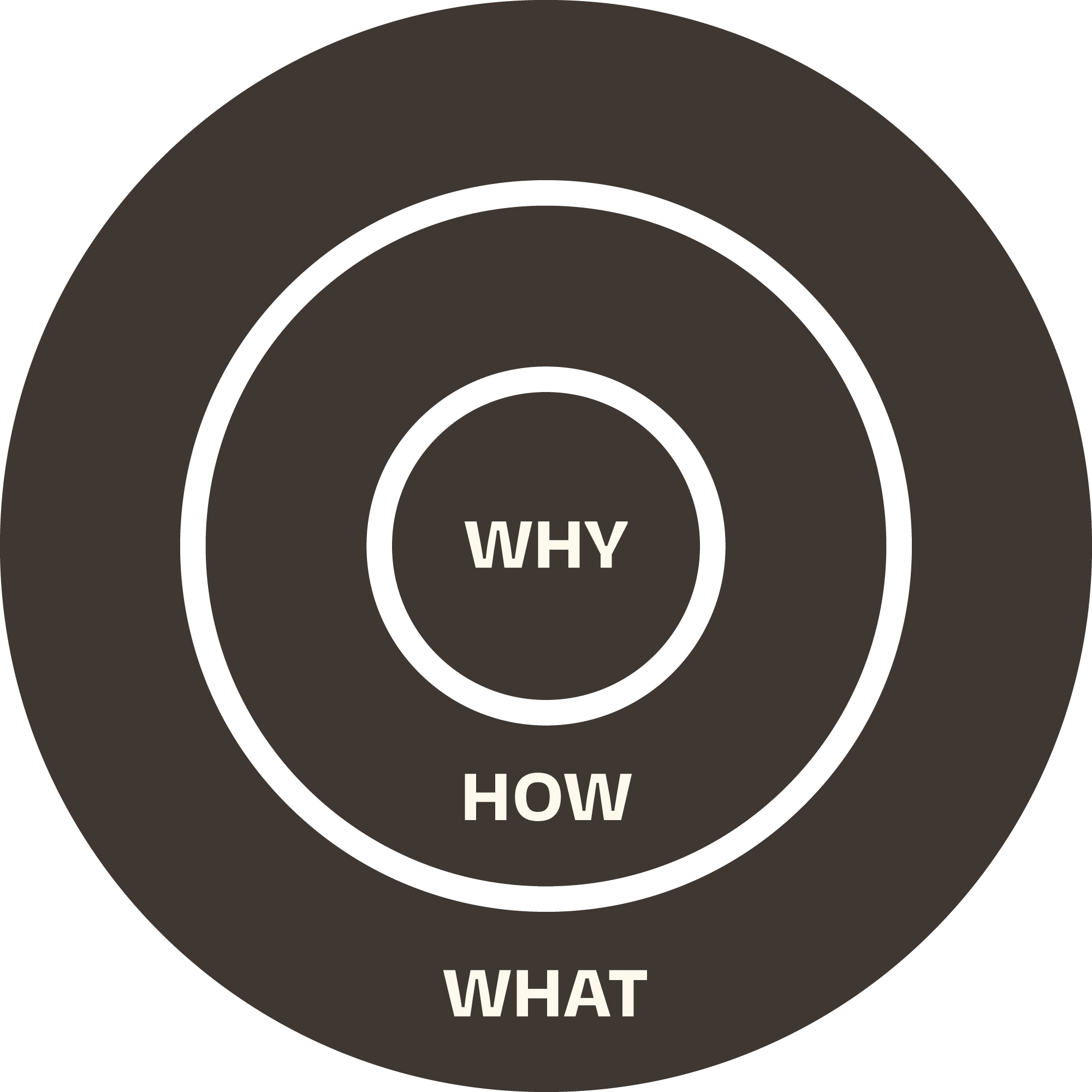 Golden Circle
|
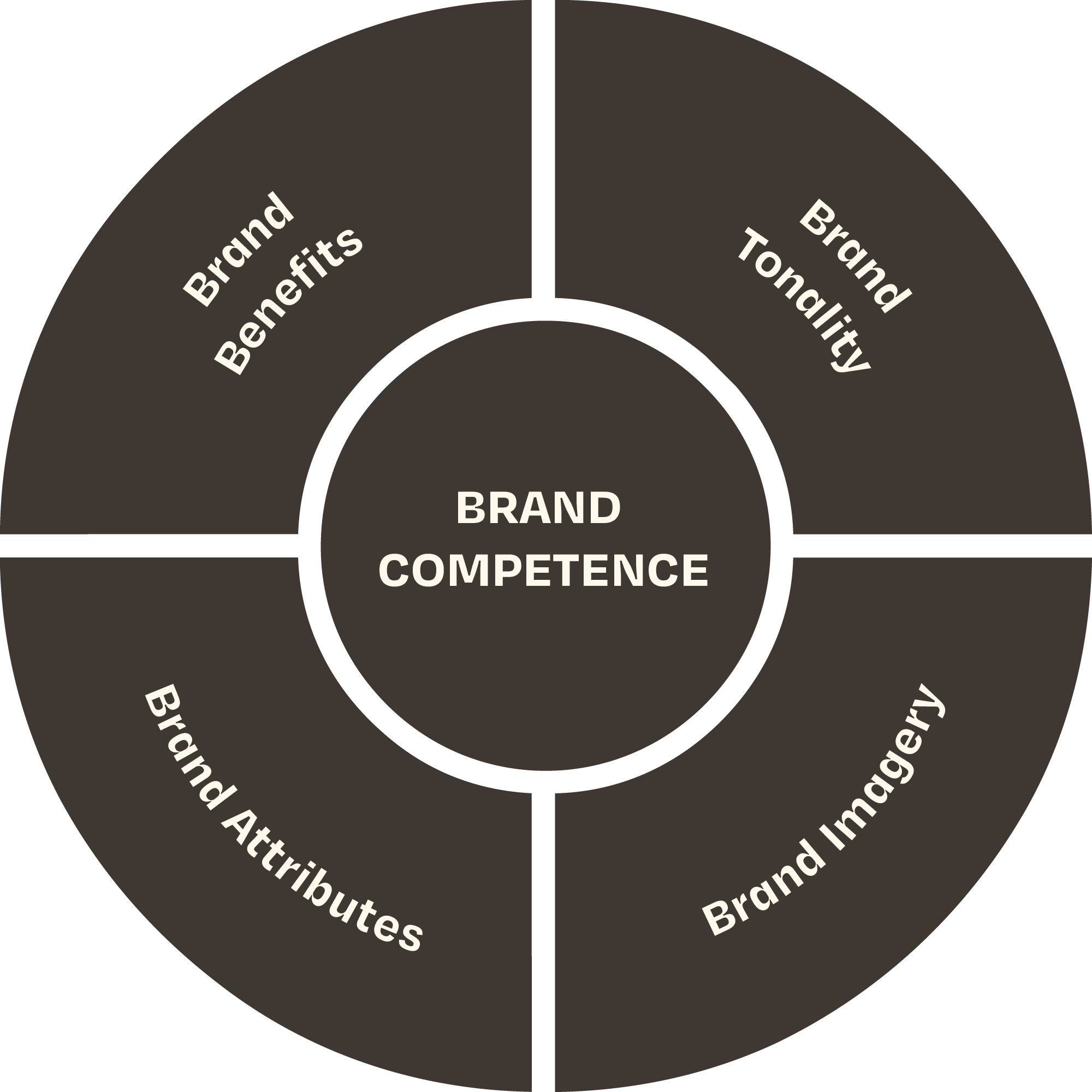 Brand Steering Wheel
|
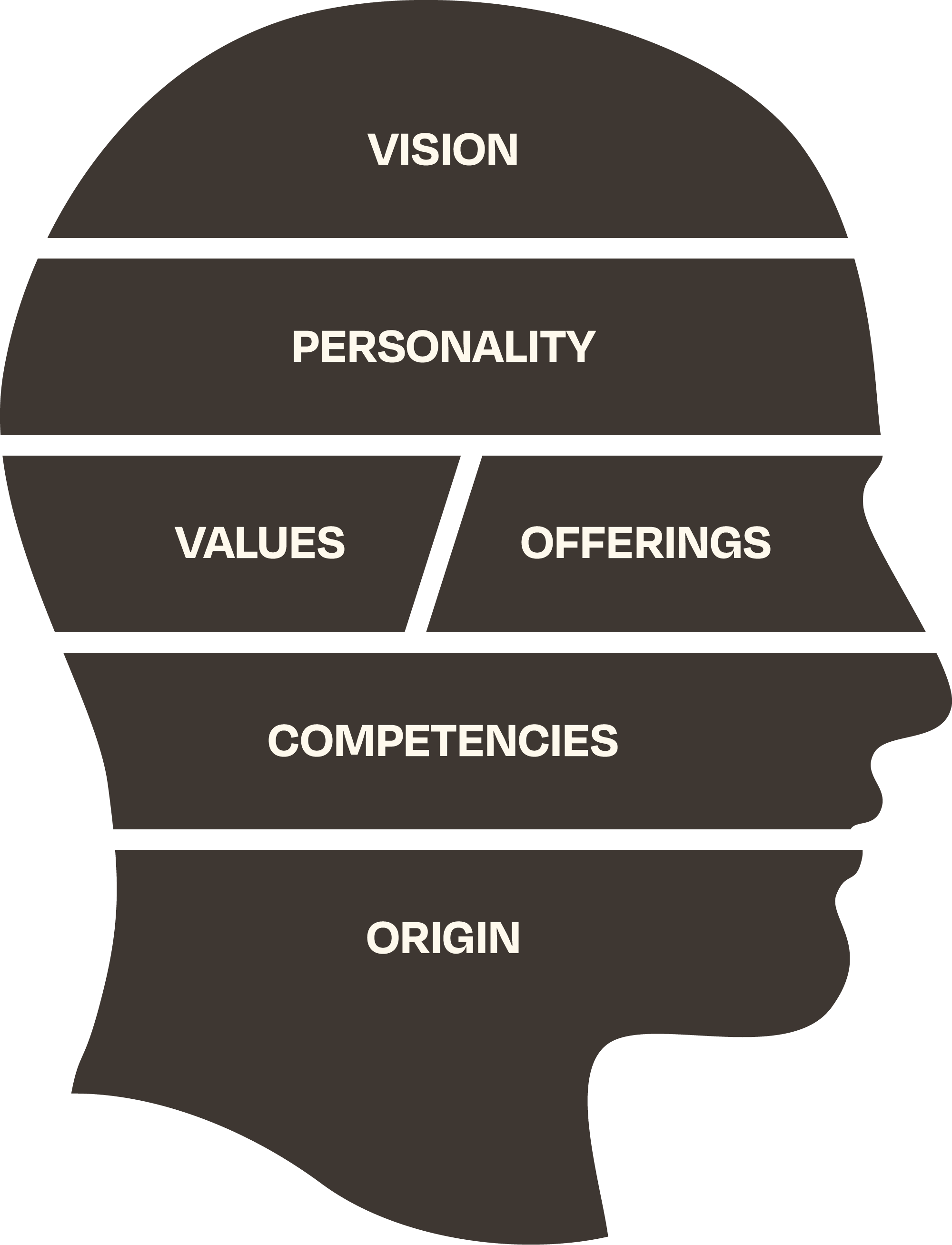 Burmann Brand Identity Model
|
 Unilever Brand Key
|
|
|---|---|---|---|---|---|---|
| Best for | Corporate and umbrella brands, holistic and agile brand management, dynamic markets | Brands in fast-changing markets, agile marketing teams, complexity reduction | Purpose-driven brands, founders, internal alignment | Systematic brand identity analysis, ensuring consistency, internal brand clarity | Defining brand identity, internal brand alignment, clarifying a brand's self-image | FMCG brands, product brands, multi-brand portfolios |
| Complexity | ★ ★ ★ | ★ ★ ★ | ★ ★ ★ | ★ ★ ★ | ★ ★ ★ | ★ ★ ★ |
| Practical Application | ★ ★ ★ | ★ ★ ★ | ★ ★ ★ | ★ ★ ★ | ★ ★ ★ | ★ ★ ★ |
| Market Analysis | ★ ★ ★ | ★ ★ ★ | – | – | – | ★ ★ ★ |
| Key Strength | The Brand Holosphere is a positioning model developed in 2018 by Uli Drömann, together with the Bran… | The Brand-Market Connector was developed by Annette Bruce and Christoph Jeromin as part of their con… | Simon Sinek's Golden Circle is a framework for leadership and inspiration consisting of three concen… | The Brand Steering Wheel (Markensteuerrad) by Franz-Rudolf Esch is one of Germany's most widely used… | The Burmann Brand Identity Model derives six components of brand identity from the traits of a stron… | The Unilever Brand Key is a positioning model developed in the mid-1990s by Unilever, one of the wor… |
| Year Introduced | 2018 | 2016 | 2009 | 2005 | 2003 | 1990 |
| Creator | Uli Drömann | Annette Bruce, Christoph Jeromin | Simon Sinek | Franz-Rudolf Esch | Christoph Burmann | Unilever (internal development) |
| View model | View model | View model | View model | View model | View model |
In practice, choosing a model
Start from two questions: what does the brand already know about itself, and what does it still have to decide. A young brand with no history needs a model that helps it choose a position from scratch, while an established brand defending its ground needs one that sharpens and protects what it already owns. Match the format to the gap, a verbal model to tighten a muddy message, a visual model to see a crowded market.
Then use the model to ask the questions your brand cannot yet answer, rather than to confirm what you already believe. Read the competitive picture from the outside in, not only from your own perspective, and revisit the model when your market intelligence says the ground has moved.
Common mistakes: treating a model as truth rather than a lens, reaching for the familiar model instead of the fitting one, and filling a model in from the inside only.
Recommended reading


1 Sinek, S. Frag immer erst Warum (Start with Why). (The Golden Circle starts from why.)
2 McGrath, R. (2013). The End of Competitive Advantage. Harvard Business Review Press. (Markets behave like networks and arenas, not stable industries.)
3 Bruce, A. Brand-Market Connector. (Agile brand management built on market intelligence about brand, customer and competitor.)