
Chapter 04Part 1: The phenomenon
What brands do with us as individuals
Brands give us status, belonging and a sense of who we are. That is why people defend their brand choices so fiercely, and why buying is rarely about the product.
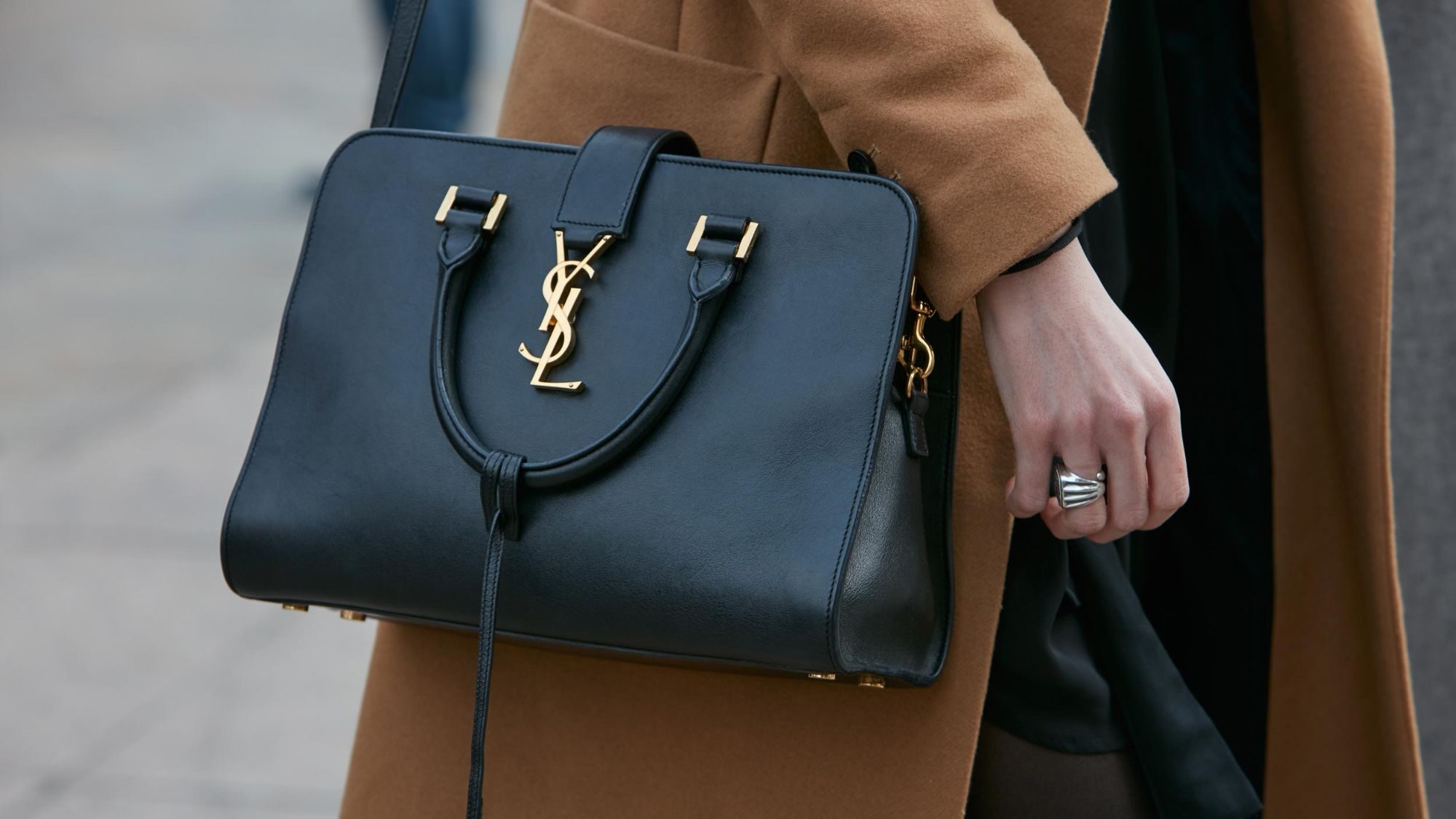
We buy feelings, not things
Much of what people buy, they do not strictly need. Yet they keep choosing one brand over another, often paying more for it. The reason rarely lies in the product itself. It lies in what the product does for the person who buys it.
Seth Godin, one of the most widely read marketing authors of our time and author of This Is Marketing, illustrates this with dog food. Expensive dog food may taste better, but nobody really knows, because none of us is a dog. What is certain is that the owners like it more. It gives them the satisfaction of caring well for an animal that repays them with loyalty, the status of buying something premium and the generosity of sharing it.1 From this Godin draws a rule: what is really sold are feelings, status and connection, not tasks or stuff.2
Donald Miller, who developed the StoryBrand framework, describes the same mechanism from another angle. Companies like to sell solutions to external problems, such as hunger, a broken pipe or termites. Customers, however, buy solutions to internal problems: the feeling that the obstacle triggers in them.3 A painter does not only fix an ugly house. He also takes away the embarrassment of living in one.4
This picture has little in common with the rational buyer of economics textbooks. It explains why brands can matter so much to people who would never call themselves brand fans. And it raises the next question: if we buy feelings, which feelings are they?
People like us
Brands are one of the last growing forms of tribal belonging.
Apple or Android, Adidas or Nike. People defend their brand choices with the energy others save for defending their home, and build friendships around shared logos. The first feeling a brand offers is that of belonging.
Godin believes that one question drives much of what we do: do people like me do things like this?5 People like me own a car, we do not take the bus. People like me want to see the new James Bond film.6 Nobody is truly original, autonomous and isolated in every respect. Most people want to do what confirms the story they tell about themselves.7
Andreas Freitag, a German brand consultant and author of Von Marken und Menschen, uses an image from the animal kingdom. Humans are herd animals, and through brands we signal which herds we belong to or would like to belong to.8 For Godin, this kind of belonging is horizontal. It does not ask who stands above me, but who stands next to me. Its message is not “I am better”, but “I am part of the family”.9 Belonging is the gentle side of what brands do for us, and its counterpart is the question of rank.
Status
Why do people prefer one restaurant to another, one university, one car? Choices that seem to make little sense at first glance often make perfect sense once status comes into view. For the person who made them, they are entirely logical.10
Godin defines status as our position in a hierarchy and, at the same time, our perception of that position. It protects us, helps us get what we want and gives us influence. The wish to protect or change our status drives almost everything we do.11 Status is always relative, it lies in the eye of the beholder, and it has inertia: most people work harder to keep their status than to raise it. Only a few actually strive for more.12
Brands are a tool for showing status, and one that is visible at a glance. Miller describes how they grant it: through access such as membership cards and tiers, through scarcity such as limited editions, and through special titles for their best customers. Luxury brands like Rolex, Mercedes or Louis Vuitton sell prestige and the impression they make, not only a product.13 Belonging and status explain why people care about brands. They do not yet explain how a brand manages to say so much without a single word.
Symbols that speak for us
A brand is a symbol, and symbols carry meaning far beyond what they show. The letters of a word are not the thing they name, yet they call it to mind instantly. Brands work the same way, only far more charged with meaning.
According to Godin, Nike spent billions of dollars teaching millions of people that the swoosh stands for human possibility and performance, as well as for status and success.14 Marty Neumeier, brand strategist and author of The Brand Gap, describes what happens on the receiving end. As a weekend athlete, he harbours two quiet doubts: that he might be lazy by nature and that he has little talent. He hardly thinks about shoes. But when Nike says “Just do it”, the brand speaks straight to those doubts, and he is ready to join the Nike community.15
A symbol works because it says something about the person who uses it. It may also explain why some people knowingly buy fake luxury goods. If the fake is the point, the purchase was never about the product. Symbols speak to others. The deepest effect of brands, however, concerns how we see ourselves.
Key takeaways
-
01
People rarely buy products for what they do. They buy the feeling they get from them.
-
02
Brands tell us what people like us do, and so create belonging.
-
03
Brands are a tool for showing status at a glance.
-
04
As symbols, brands say something about the person who uses them.
Frequently asked questions
People rarely pay only for what a product does. A brand also delivers a feeling: the reassurance of a familiar choice, the status that comes with a certain name, or the sense of belonging to a group that uses it. These benefits are hard to measure, but for the buyer they are real, and many are willing to pay more for them.
Loyalty has different roots. Some people are passionately attached to a brand and recommend it to others. Far more often, loyalty grows out of habit and convenience, because changing takes effort. And some brands keep their customers simply because they solve a recurring problem better than others. Most people have experienced all three kinds of loyalty, depending on the brand.
Brands make status visible at a glance. Luxury names signal rank without a word, while membership tiers, limited editions and special titles for top customers create a sense of being above others. At the same time, many brands offer a quieter form of status: belonging to a group of people who share the same taste and values.
Brand tribalism describes how people form groups around the brands they choose. Fans of one brand often share values, rituals and a sense of identity, and they may defend their choice against rival brands. These groups need no territory. What holds them together is the shared answer to the question of whether people like them use this brand.
Books on this topic




Sources
1. Seth Godin: Das ist Marketing! So wird man wirklich sichtbar. München, Redline, 2019, p. 63.
2. Ibid., p. 98.
3. Donald Miller: StoryBrand 2.0. Wie Sie mit starken Geschichten Ihre Kunden überzeugen. München, Vahlen, 2025, pp. 90, 106.
4. Ibid., p. 106.
5. Godin 2019, p. 123.
6. Ibid.
7. Ibid., pp. 122, 124.
8. Andreas Freitag: Von Marken und Menschen. Arbeit, Führung und das Gute Leben. Mainz, Verlag Hermann Schmidt, 2015, p. 50.
9. Godin 2019, p. 158.
10. Ibid., p. 144.
11. Ibid., p. 146.
12. Ibid., pp. 148, 149.
13. Miller 2025, p. 195.
14. Godin 2019, p. 166.
15. Marty Neumeier: The Brand Gap. Wie sich die Lücke zwischen Design und Unternehmensstrategie schließen lässt. Pearson, 2022, p. 33.