
A brand steps off the screen
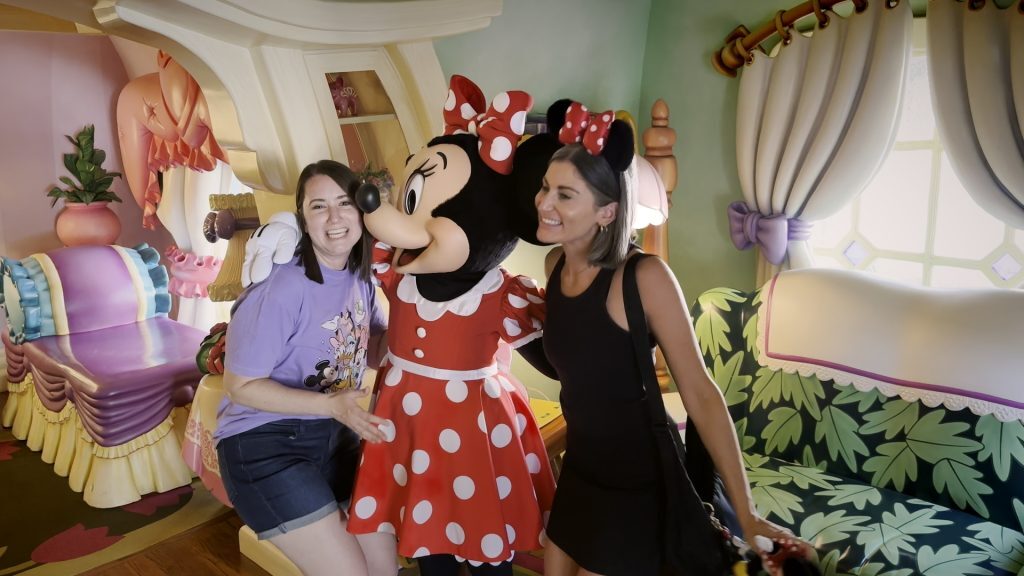
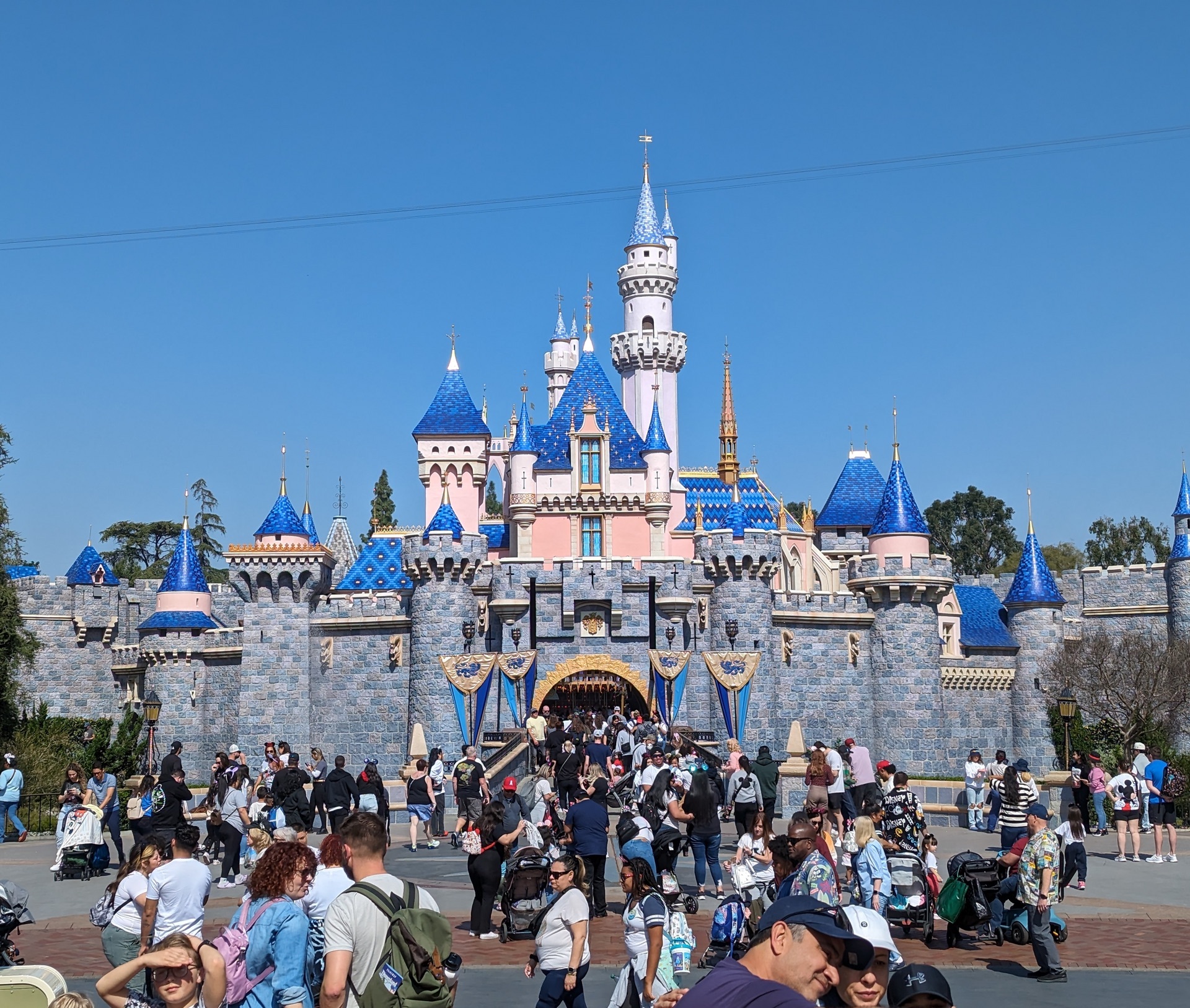
On 17 July 1955, Disneyland opened in Anaheim, California. It was the first theme park built by Disney, and it represented a fundamental extension of the brand. Until then, Disney existed on screens and on merchandise shelves. With Disneyland, the company created a place where audiences could physically enter its stories, walk through its worlds and meet its characters in three dimensions. It was, in effect, the Disney brand made habitable.
The idea grew out of Walt Disney's own dissatisfaction with the amusement parks of the era, which he found disconnected and often shabby. He envisioned something different: a clean, coherent environment in which every detail served a single narrative, and where families could share an experience together rather than being separated by age. That principle of total, controlled storytelling would become one of the defining contributions of Disneyland to the wider field of brand experience.
Designing an immersive world
Disneyland was organised into themed lands, each with its own consistent look, sound and story. Main Street, U.S.A. evoked an idealised early-twentieth-century American town; Adventureland, Frontierland, Fantasyland and Tomorrowland each offered a distinct setting drawn from Disney's films and from broader cultural themes. The design discipline was rigorous. Sightlines were managed so that one land would not intrude visually on another, and the everyday machinery of the park was hidden from guests so that the illusion was never broken.
This approach introduced ideas that are now standard in experiential branding. The park treated the visitor's entire journey as a designed sequence, from the moment of arrival through to departure, and it insisted that the brand be expressed consistently in architecture, landscaping, staff behaviour, sound and even litter management. Employees were cast members, visitors were guests, and the park was a show. The vocabulary itself reinforced the idea that the whole environment was a piece of storytelling.
A rocky opening and a rapid recovery
The opening day was famously troubled. A special preview event was overwhelmed by counterfeit tickets and larger crowds than expected, rides broke down, a heat wave softened freshly laid asphalt, and a plumbers' strike had forced difficult choices about water fountains. The press was initially harsh, and the day became known in Disney lore as Black Sunday. Yet the underlying concept was sound, and the public response in the weeks and months that followed was overwhelmingly positive. Disneyland drew millions of visitors far more quickly than anticipated.
The park's success proved that a media brand could translate into a physical destination, and that the experience could generate revenue on a scale comparable to the films themselves. It also created a powerful feedback loop. Films promoted the park, and the park deepened audiences' attachment to the films and characters, reinforcing the brand from both directions.
The blueprint for a global business
Disneyland became the model for everything that followed in Disney's parks business. The lessons learned in Anaheim were carried forward to a far larger project in Florida, Walt Disney World, which opened in 1971, and later to international resorts in Japan, France, Hong Kong and mainland China. Each was built on the same founding principles established at Disneyland: themed lands, immersive detail, controlled experience and consistent storytelling.
The park also gave Disney a distinctive asset that competitors could not easily replicate. Rival studios could produce films, but few could offer audiences a physical world to inhabit. The theme parks turned Disney's intellectual property into places, and those places became some of the most valuable and defensible parts of the company. Over time, the parks and resorts division grew into a major pillar of Disney's revenue, sitting alongside its studios and, much later, its streaming services.
Seen across seventy years, the opening of Disneyland in 1955 stands as one of the most consequential brand extensions in modern business. It established the idea that a story could be a destination, and that a company built on animation could invite its audience to step inside. Every Disney resort since has been an elaboration of the world that opened, imperfectly but unforgettably, in Anaheim on that summer day.
Written with AI assistance, edited by a human. Find out more about our Use of AI.