
A safety promise with a deadline
In a Reuters report from its crash test complex in Gothenburg, published on 1 May 2008, Volvo Cars set out its aim to eliminate death and injury in its cars by 2020. Reuters reported that no carmaker had set a target date for such a goal before.1 Volvo put the commitment into its own words in a release on 14 July 2008: "In the shorter perspective the aim is that by 2020 no-one should be killed or injured in a Volvo."2 The longer horizon went further: "At the Volvo Car Corporation, the vision is to design cars that should not crash."2 The goal later settled into the formula that by 2020 no one should be killed or seriously injured in a new Volvo car.3
Jan Ivarsson, head of Safety Strategy at the Volvo Car Corporation, compared the car with the aeroplane: "We don't accept that people lose their lives in airplane accidents, so why should we regard car accidents as inevitable?"2 The ambition rested on Volvo's Traffic Accident Research Team, which had studied crashes since 1970 and held data on more than 36,000 accidents.2
From reputation to commitment
Safety was already the attribute most closely tied to the brand. Volvo recalled in the same release that it had made its three-point seatbelt available to other manufacturers free of charge.2 Reuters quoted Jeff Bartlett, deputy online auto editor at Consumer Reports: "No other brand dominates a category the way safety is owned by Volvo".1 The same report also quoted Christian Mueller, industry consultant at Global Insight: "Being safe is not any more the outstanding quality of Volvo".1
The 2020 goal changed the form of the claim. A reputation is inherited; a target with a date has to be met. By naming a year and a measurable outcome, Volvo turned a general association into a public promise that others could later check against the facts.
Technology as evidence
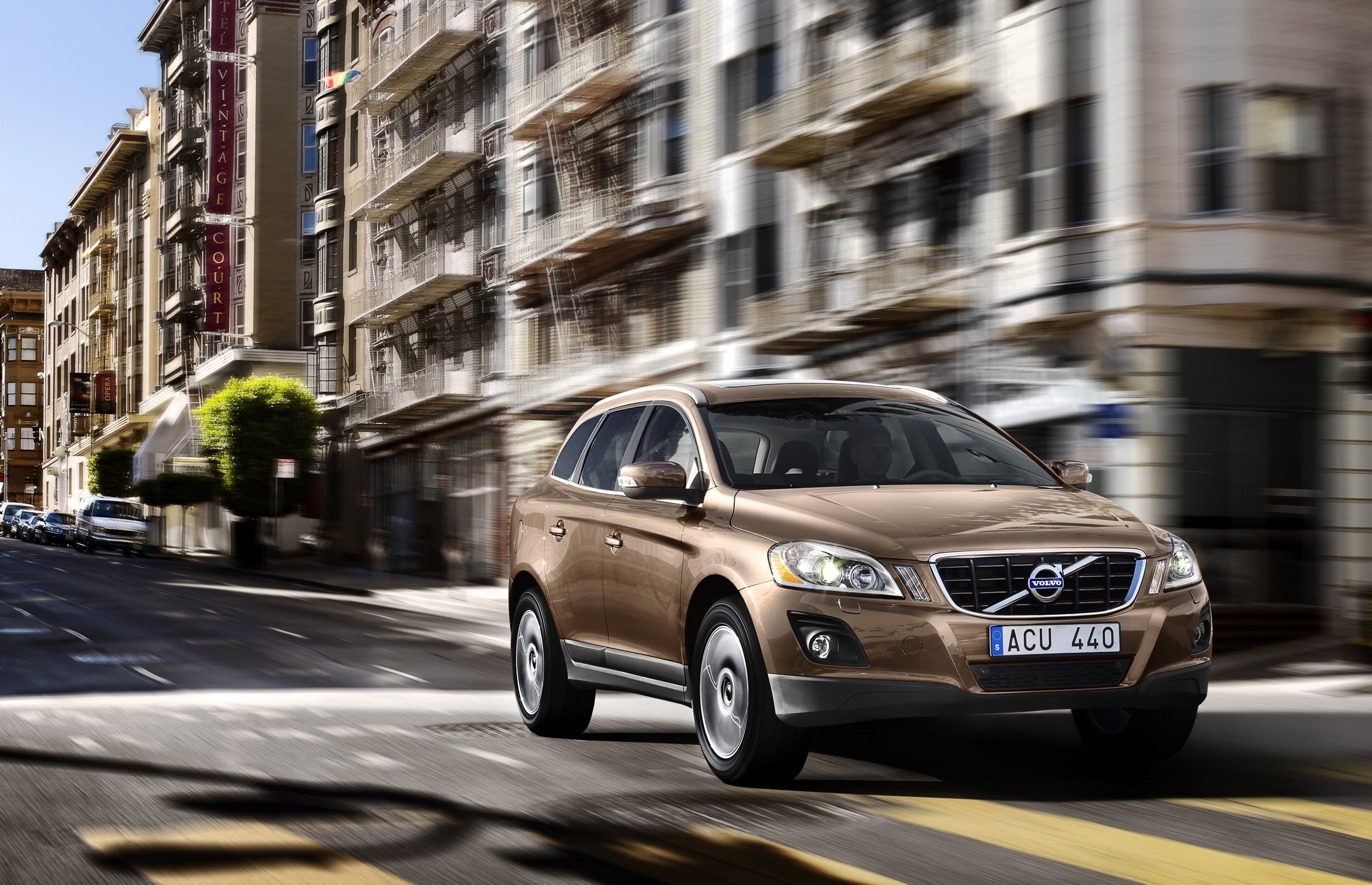
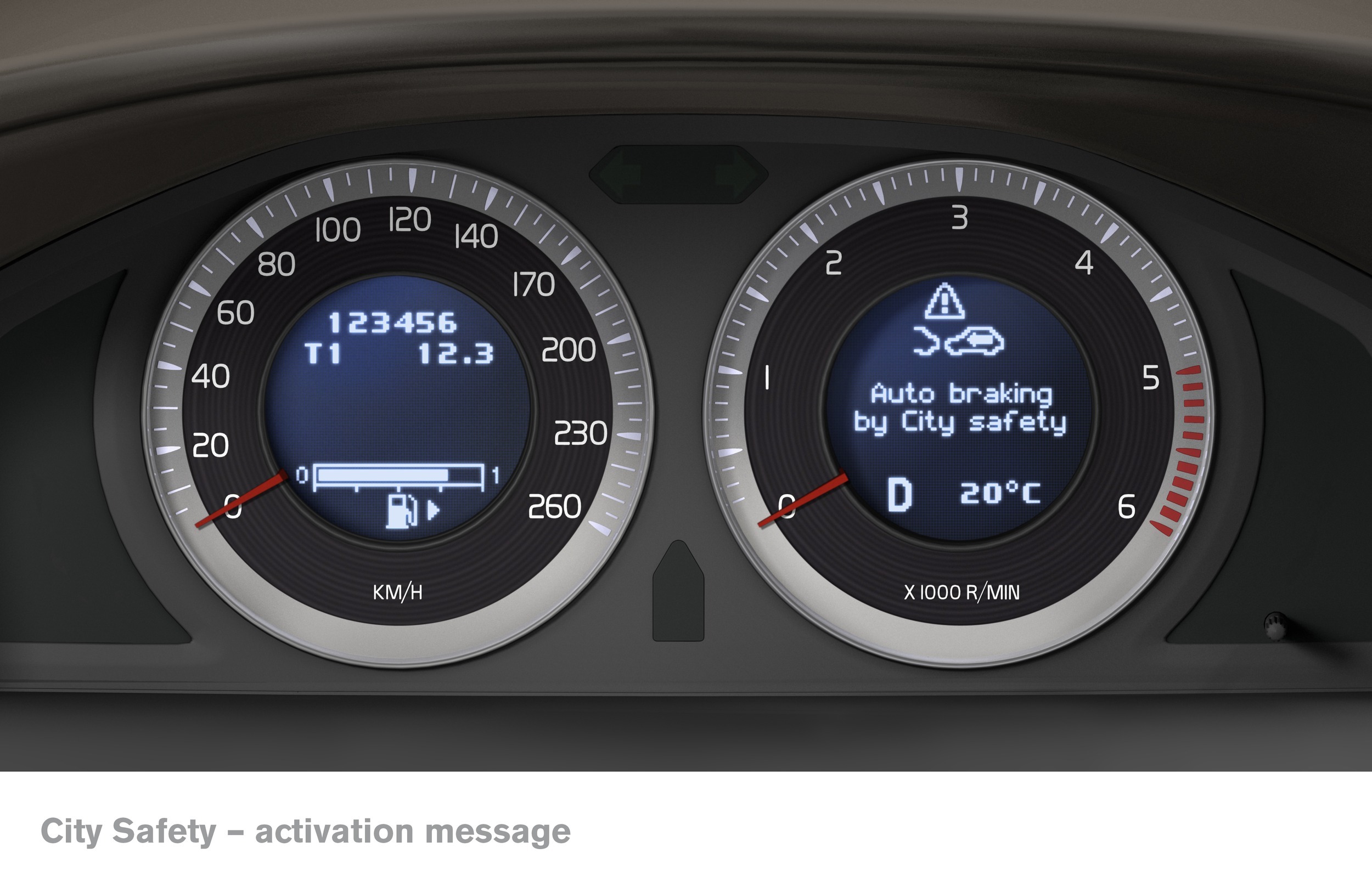
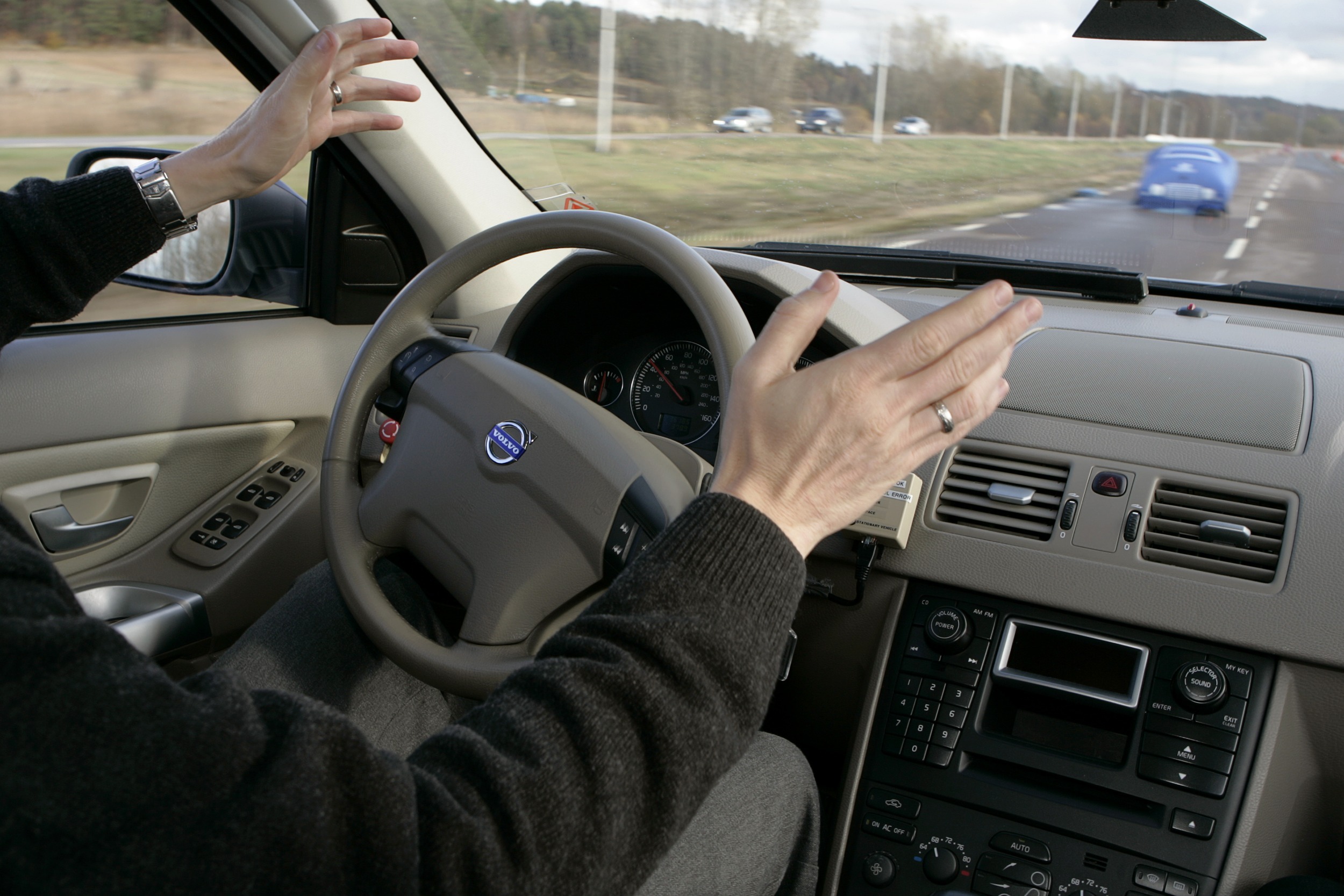
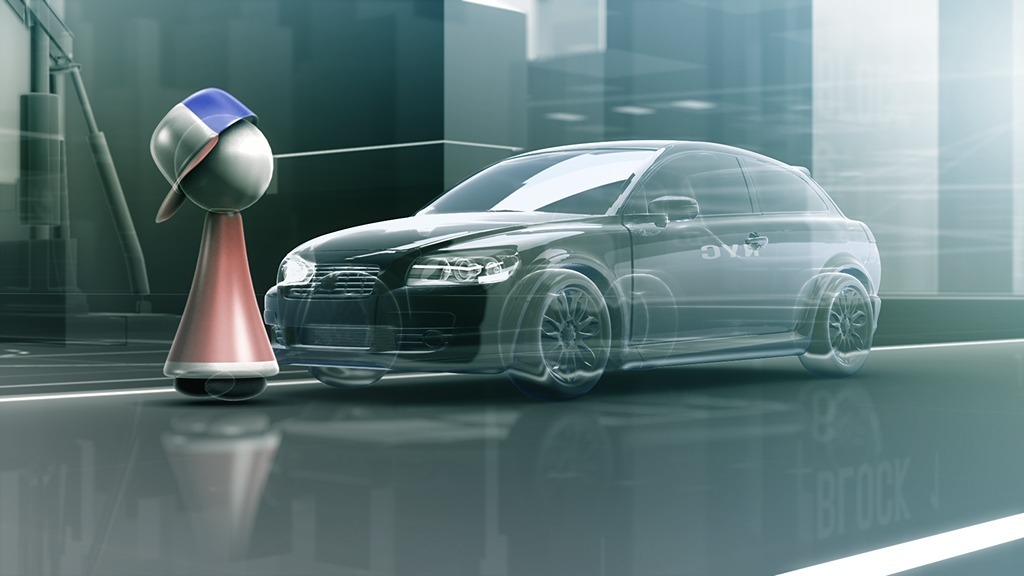
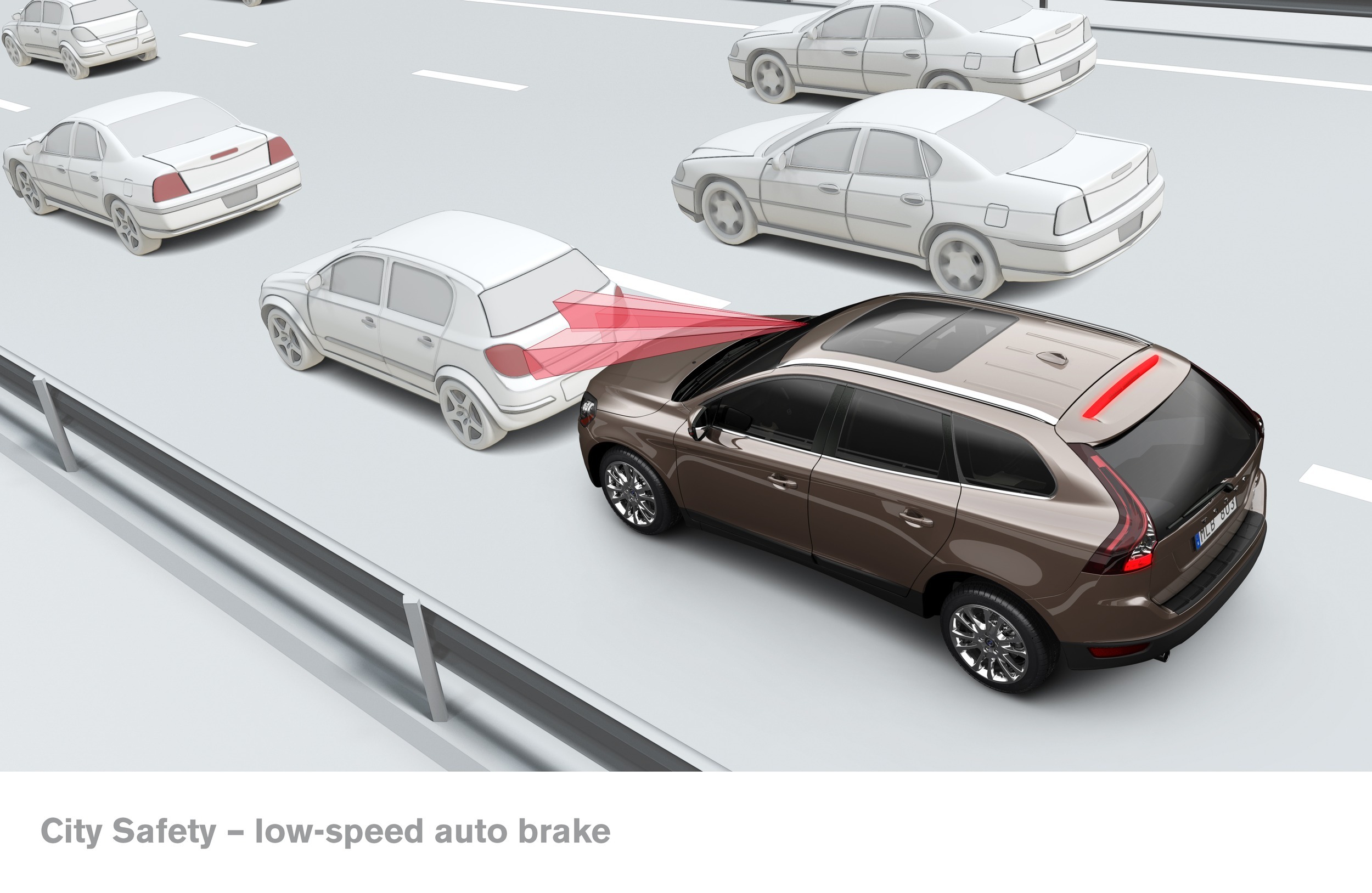
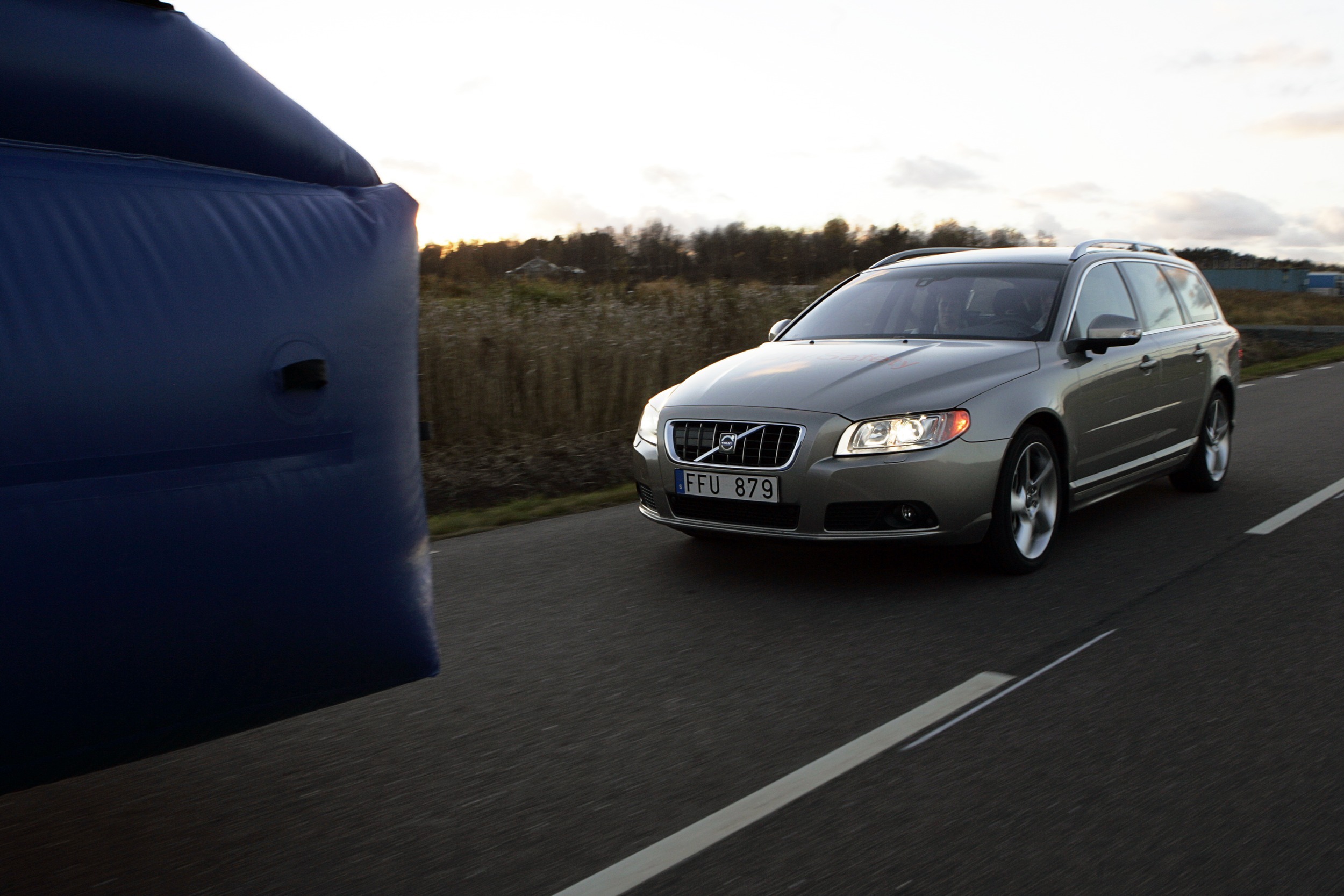
The promise needed products to point to. On 11 January 2008 Volvo presented City Safety, a system that brakes the car automatically to avoid or mitigate rear-end collisions at speeds up to 30 km/h, as standard equipment on the new XC60.4 Volvo cited statistics that 75 percent of reported collisions happen at up to 30 km/h and estimated that the technology could prevent about half of all rear-end collisions.4 Jonas Ekmark, manager for Preventive Safety at Volvo Cars Safety Centre, said: "The function offers benefits to all those involved."4 As standard equipment, it made the vision visible in an ordinary showroom car.
Turning to the driver
By 2019 Volvo referred to the goal as its Vision 2020 and said that technology alone would not reach zero, so it would address behaviour as well.5 On 4 March 2019 it announced that it would limit the top speed of all its cars to 180 km/h from 2020, beginning with model year 2021, and named speeding, intoxication and distraction as the remaining gaps.5 Håkan Samuelsson, president and chief executive of Volvo Car Group, said: "Volvo is a leader in safety: we always have been and we always will be".5 On 20 March 2019 Volvo opened a digital library of its safety research to the industry and launched the E.V.A. Initiative on safety gaps between women and men.6 Lotta Jakobsson, professor and senior technical specialist at Volvo Cars Safety Centre, said the cars are developed "with the aim to protect all people, regardless of gender, height, shape or weight".6 Both moves extended the promise from the car to its driver and to the wider industry.
The deadline and after
An independent study presented in 2019 analysed 62 fatal crashes involving modern Volvo cars in Sweden between 2010 and 2017 and found that almost half of the fatalities in and by Volvo cars could have been prevented by the safety technologies on the 2019 V60.3 When 2020 arrives, Volvo does not report a result of zero. In 2021 Ivarsson, now technical chief at Volvo's safety centre, tells Dagens PS: "The vision is just a vision. It is not a target." He adds: "We have now removed the year 2020 so that it is not confused with a goal."7
The wording shifts while the direction stays. In 2022 Jim Rowan, chief executive of Volvo Cars, describes the brand's work as continuing "until cars don't crash anymore, until there are zero collisions".8 In 2023 Thomas Broberg, senior technical advisor on safety at Volvo Car Corporation, says: "It's a vision and the vision still remains, yes, definitely."9 Volvo's corporate site now states the safety vision without a year: no one should be killed or seriously injured in a new Volvo.10
For the brand, the date gave a long-held reputation urgency and a story to tell for 12 years. Removing it returns the promise to a direction rather than a statistic, while the safety claim itself stays in place.
Written with AI assistance, edited by a human. Find out more about our Use of AI.
1. Reuters, via Insurance Journal, "Volvo's 2020 Vision: The Injury-Proof Automobile", 1 May 2008 (page metadata 30 April 2008), for the reporting from Volvo's crash test complex in Gothenburg, the target of eliminating death and injury in Volvo cars by 2020, Volvo as the first carmaker to set a target date, and the quotations from Jeff Bartlett, deputy online auto editor at Consumer Reports, and Christian Mueller, industry consultant at Global Insight. No dated Volvo announcement event before this report could be found, hence the approximate event date. https://www.insurancejournal.com/news/international/2008/05/01/89586.htm
2. Volvo Cars, "Volvo Cars aims for zero accidents", press release, 14 July 2008, for the 2020 aim and the long-term vision of cars that should not crash (both quoted), the Traffic Accident Research Team since 1970 and its database of more than 36,000 accidents, the free release of the three-point seatbelt to other manufacturers, and the quotation from Jan Ivarsson, head of Safety Strategy at the Volvo Car Corporation. https://www.volvocars.com/intl/media/press-releases/F9FAEFA6FFD1A0F1/
3. Matteo Rizzi, Per Hurtig, Simon Sternlund, Anders Lie and Claes Tingvall, "How Close to Zero Can Volvo Cars Get by 2020? An Analysis of Fatal Crashes With Modern Volvo Passenger Cars in Sweden", 26th ESV Conference, Eindhoven, June 2019, for the formulation of the goal that by 2020 no one should be killed or seriously injured in or by a new Volvo car, set out in 2008, and the analysis of 62 fatal crashes in Sweden from 2010 to 2017 with nearly half preventable by technologies on the 2019 V60. https://trid.trb.org/view/1758146
4. Volvo Cars, "Volvo Cars presents City Safety, a unique system for avoiding collisions at low speeds", press release, 11 January 2008, for City Safety as standard on the new XC60, its operation up to 30 km/h, the 75 percent statistic, the estimate of about half of rear-end collisions prevented, and the quotation from Jonas Ekmark, manager for Preventive Safety at Volvo Cars Safety Centre. https://www.volvocars.com/intl/media/press-releases/0DEBF7E7F95AB51F/
5. Volvo Cars, "Volvo Cars to impose 112 mph speed limit on all cars to highlight dangers of speeding", press release, 4 March 2019, for the name Vision 2020, the 180 km/h (112 mph) top speed limit from 2020 with model year 2021, the statement that technology alone will not reach zero, speeding, intoxication and distraction as remaining gaps, and the quotation from Håkan Samuelsson, president and chief executive, Volvo Car Group. https://www.volvocars.com/us/media/press-releases/F02BD6DDED7AA8D7/
6. Volvo Cars, "Volvo Cars celebrates 60 years of sharing safety knowledge with open-for-all digital library", press release, 20 March 2019, for the digital safety library, the E.V.A. Initiative, and the quotation from Lotta Jakobsson, professor and senior technical specialist at Volvo Cars Safety Centre. https://www.volvocars.com/us/media/press-releases/705A7C804E5C46EA/
7. Annika Hjerpe, Dagens PS, "Volvo menar att deras nollvision är svår att nå", 27 May 2021, for the absence of a reported zero result and the removal of the year 2020, and the quotations from Jan Ivarsson, teknisk chef på Volvos säkerhetscentrum (technical chief at Volvo's safety centre), in the original: "Visionen är just en vision. Det är ingen målsättning" and "Vi har tagit bort årtalet 2020 nu för att man inte ska blanda ihop det med ett mål." https://www.dagensps.se/motor/volvo-menar-att-deras-nollvision-ar-svar-att-na/
8. Lurah Lowery, Repairer Driven News, "Volvo predicts new EX90's ADAS will prevent millions of collisions", 22 September 2022, for the quotation from Jim Rowan, chief executive of Volvo Cars, on zero collisions. https://www.repairerdrivennews.com/2022/09/22/volvo-predicts-new-ex90s-adas-will-prevent-millions-of-collisions/
9. Feann Torr, carsales, "Volvo sticks to zero-fatality safety pledge", 3 February 2023, for the quotation from Thomas Broberg, senior technical advisor on safety at Volvo Car Corporation. The article dates the vision to 2014; Volvo's own release (note 2) and the ESV paper (note 3) date it to 2008. https://carsales.com.au/editorial/details/volvo-sticks-to-zero-fatality-safety-pledge-139426
10. Volvo Cars, "Volvo Cars' Safety Vision", corporate website, undated, accessed 1 November 2026, for the current wording of the safety vision without a year. https://group.volvocars.com/company/safety-vision