
BMW
Bayerische Motoren Werke Aktiengesellschaft, together with its subsidiaries, develops, manufactures and sells cars and motorcycles, as well as spare parts and accessories, worldwide.
- Founded
- 1916
- Industry
- Automotive
- Headquarters
- Germany
- Ownership
- Public company
Positioning
Brand Chronology
BMW’s “THE NEUE NEW” Campaign Marked a Transformative Shift Toward an Emotional, Multi-Channel Brand Era
2023
BMW Introduces a New Two-Dimensional Brand Mark
2020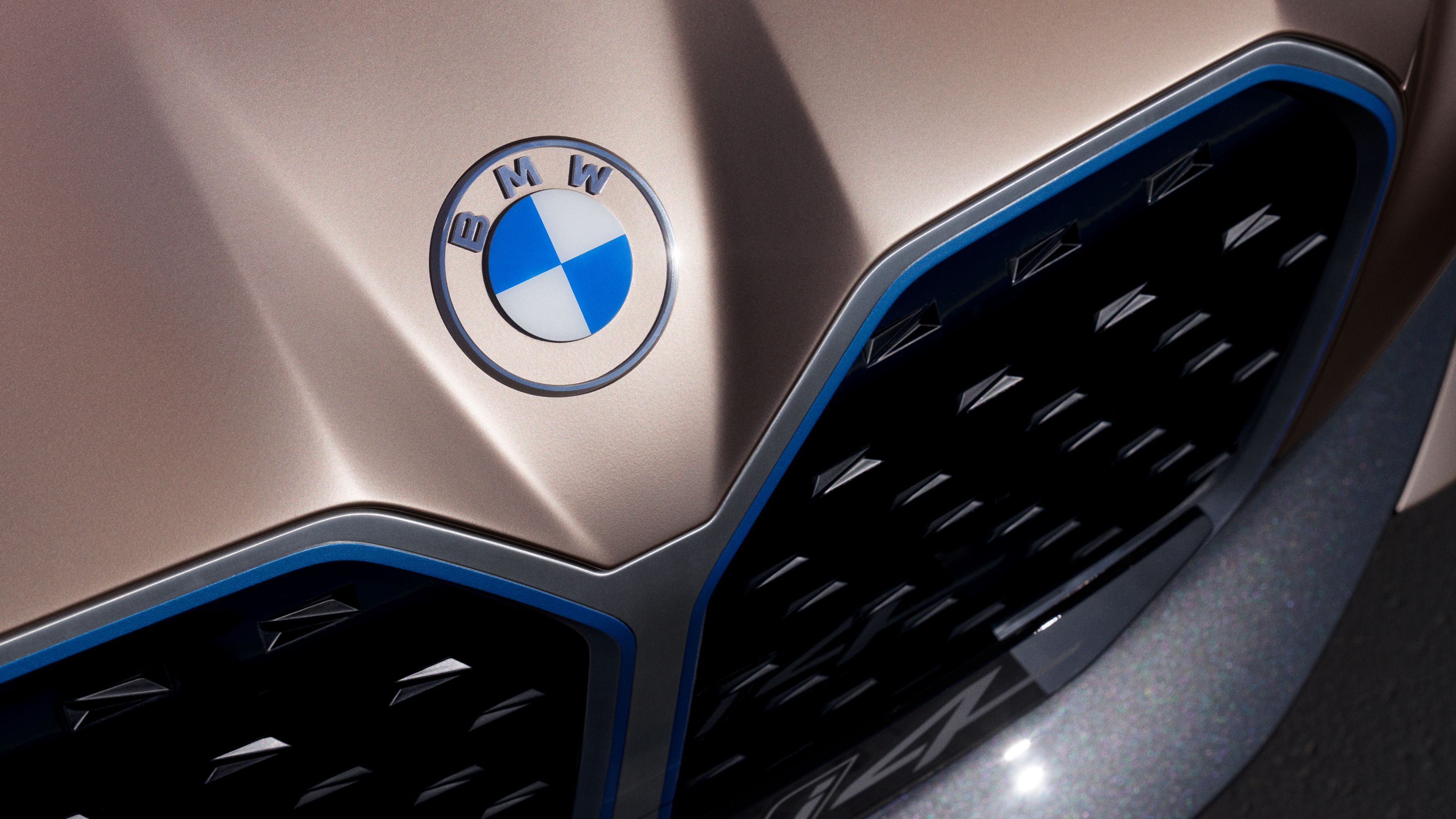
BMW Sent the X3 “to Mars” in a Virtual Reality Campaign That Turned Product Launch Into an Immersive Experience
2017
BMW’s “Joy Is BMW” Campaign Redefined the Brand Around Emotion and Driving Pleasure
2009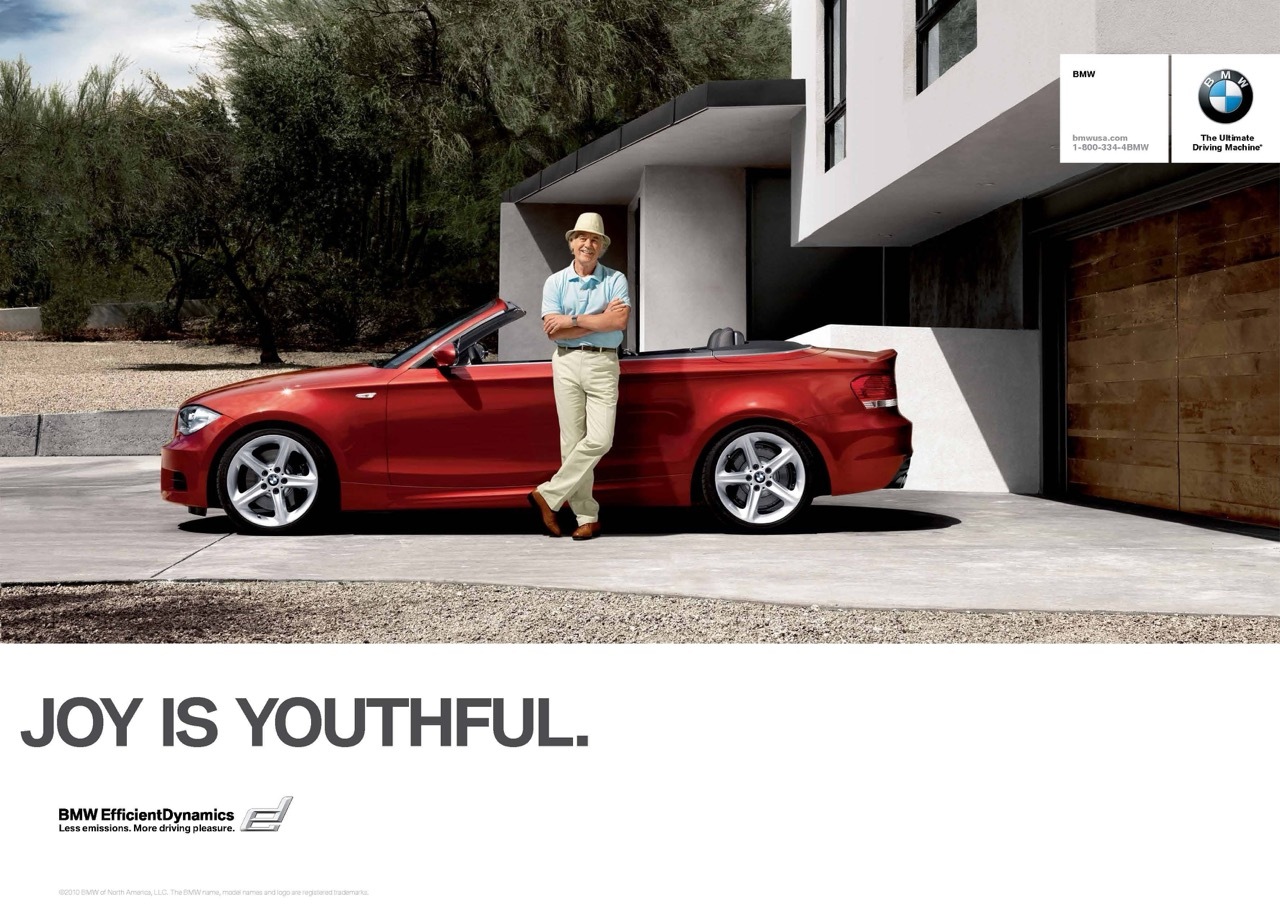
BMW’s “The Hire” Redefined Advertising as Cinematic Entertainment
2001
Logo Redesign
1997
This stage introduced a convex, three-dimensional center along with a metallic sheen on the black ring. The 3D effect was created through fine inner lines that highlight and intensify around the letter “B.”
BMW becomes the Ultimate Driving Machine
1975
Logo Redesign
1963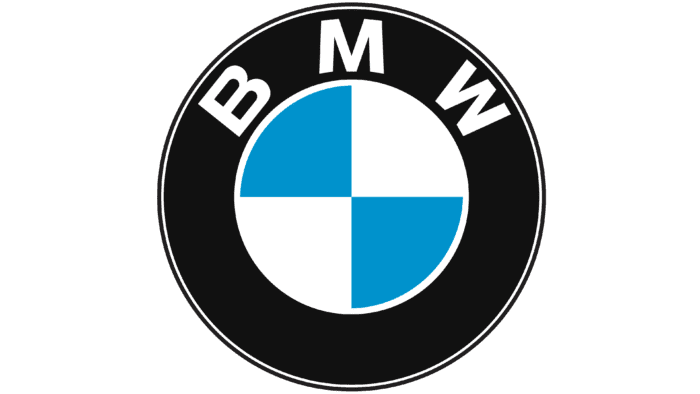
In 1963, BMW refined its logo with a cleaner, more modern typeface and a sharper outer ring. The design retained its circular form and Bavarian color scheme while improving clarity and overall finish. This version was widely used on vehicles, brochures, and advertising, reinforcing BMW’s image as a premium, performance-focused brand.
By this point, the emblem was well established in Europe and increasingly recognized worldwide, particularly in the growing U.S. market.
Logo Redesign
1936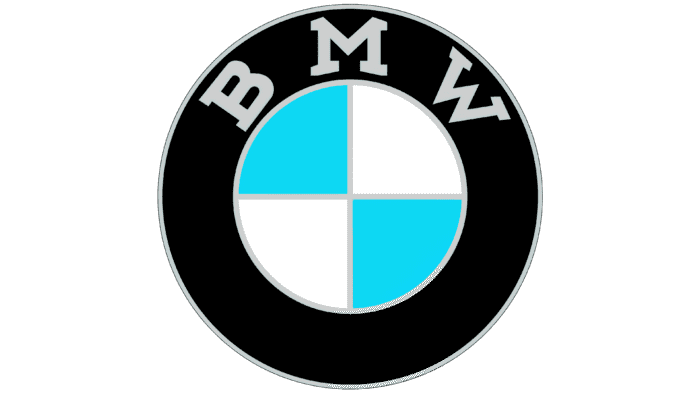
In 1936, the logo was refined to appear lighter and more balanced. Thick borders were replaced with thin white lines, the blue shifted to a lighter sky-blue tone, and the abbreviation was redesigned in a lighter color against a darker background for improved contrast.
Logo Redesign
1923
This period saw the first major logo redesign. Each element was outlined with a dark gold border, the blue tone became deeper and more saturated, and the typeface was widened and emboldened for a stronger visual presence.
Logo Design
1917
There are several early versions of what can be considered the “original” BMW logo.
A common interpretation is that the blue and white quadrants represent a spinning aircraft propeller viewed head-on, reflecting BMW’s early aviation history. However, this meaning was popularized later, notably through a 1929 advertisement that superimposed the emblem onto a rotating propeller.
In reality, the blue-and-white pattern originates from the Bavarian flag, referencing the company’s regional roots in southern Germany. This early identity shows how brand symbolism can be shaped both by geographic heritage and by narratives that develop after the design is created.


Why electric cars look like science fiction
2026