
A feature film about a building system
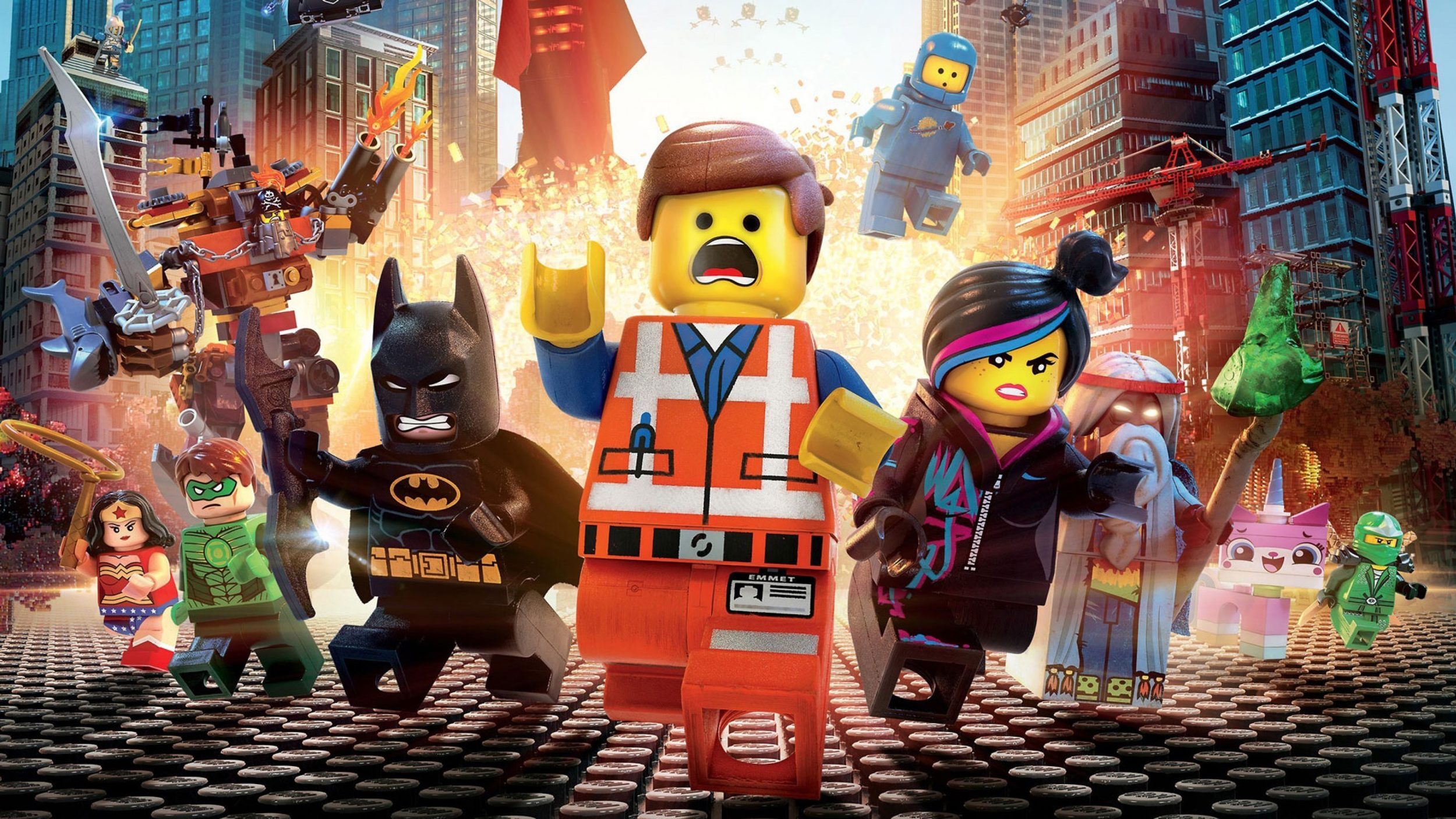
On 7 February 2014, The LEGO Movie opened in cinemas in the United States, after a premiere at the Regency Village Theatre in Los Angeles on 1 February and a Danish release on 6 February.1 Directed and written by Phil Lord and Christopher Miller, from a story by Dan Hageman, Kevin Hageman, Lord and Miller, the film was distributed worldwide by Warner Bros. Pictures.1 Among its production companies were Warner Animation Group, Village Roadshow Pictures, Vertigo Entertainment, Lin Pictures, the Australian animation studio Animal Logic and The LEGO Group itself.1
For a brand whose product had no fixed story, the film posed a question: could a building system, rather than a single character, carry a feature-length narrative?
A brand that did not need a movie
The project began with the producer Dan Lin, who pitched it at the company's headquarters in Denmark in 2008. The executives, he later recalled, "didn't feel they needed a movie. They were already a very successful brand. Why take the risk?"1 Jill Wilfert, the LEGO Group's vice president of licensing and entertainment, described what changed the company's mind: "Once we heard the pitch, how Dan felt he could bring the values of the brand to life."1 The LEGO Group, in other words, did not approve an adventure that merely featured bricks, but a film built on the brand's values.1
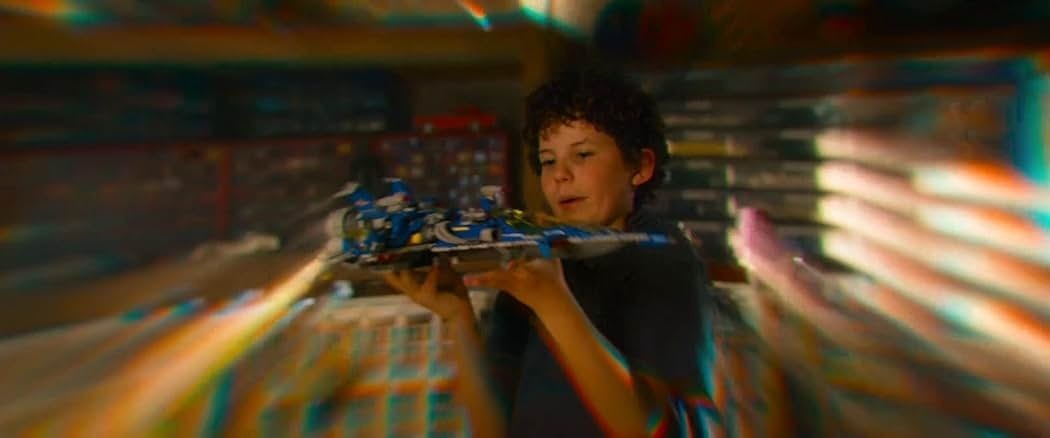
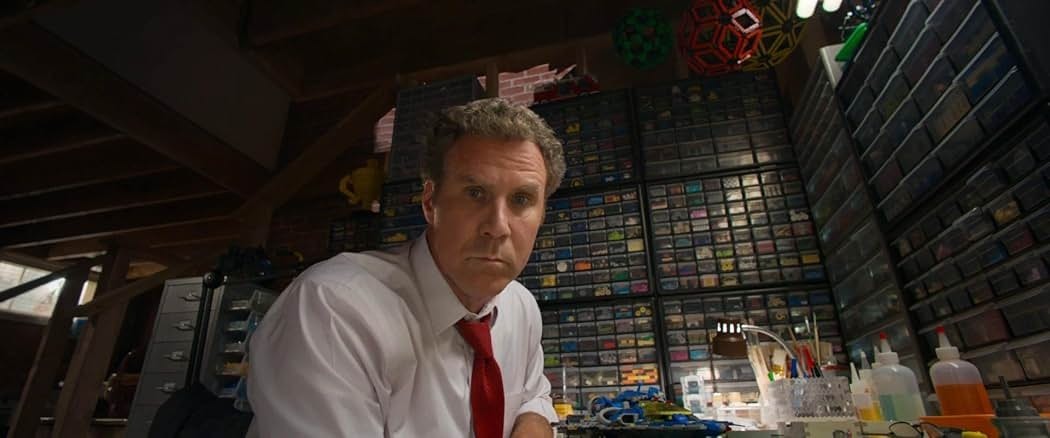
Chris McKay, who joined in 2011 as co-director and became animation supervisor, was candid about the risk. He described the premise as something one could claim to be "the most cynical cash grab in cinematic history".1 The answer to that suspicion was not to hide the product but to build the story around the act of playing with it. "We wanted to make the film feel like the way you play, the way I remember playing," McKay said.1
Animation that looks like bricks
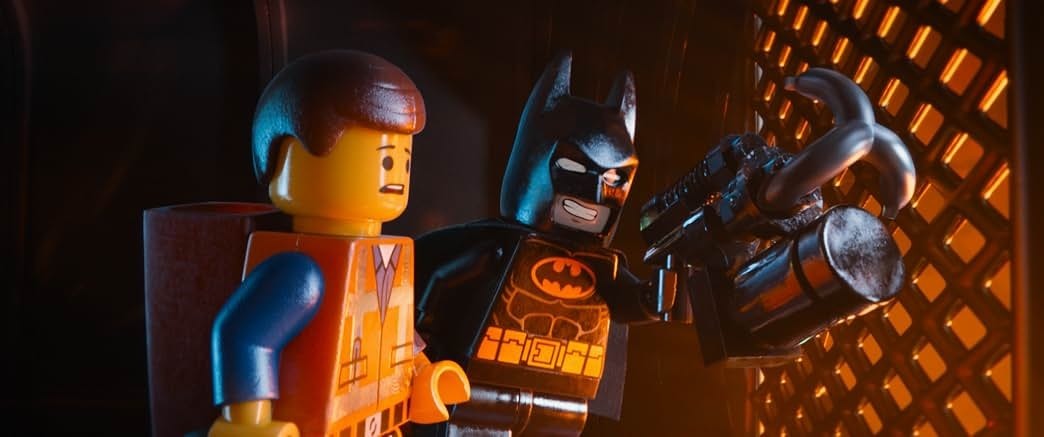
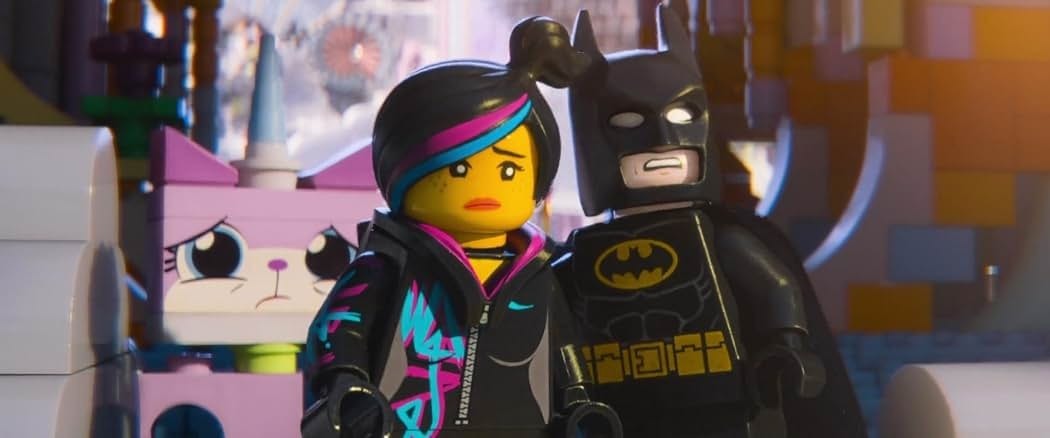
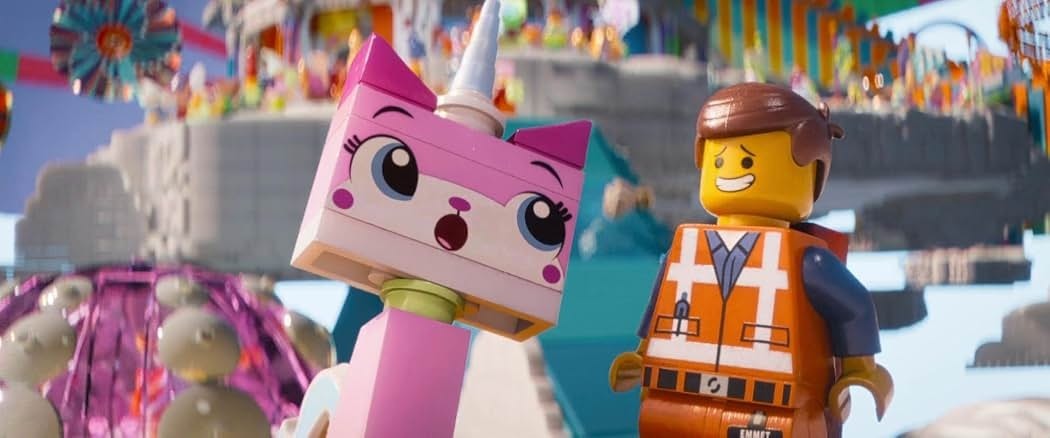
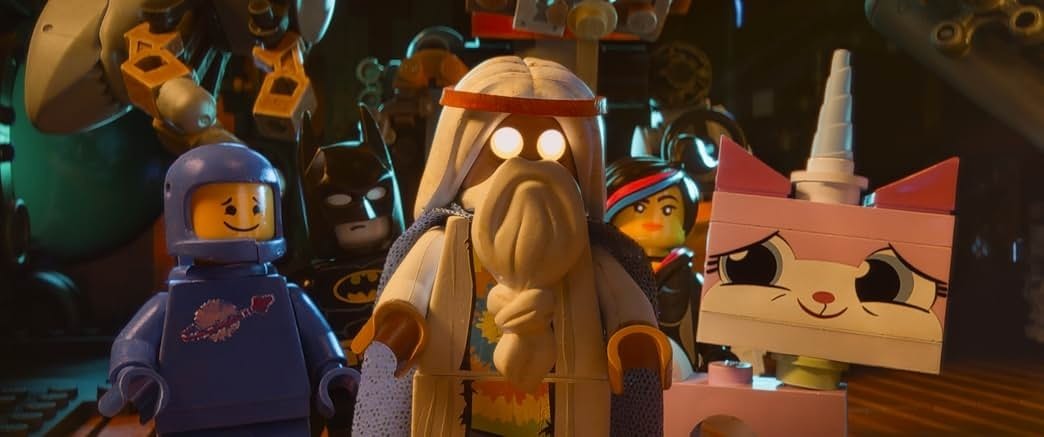
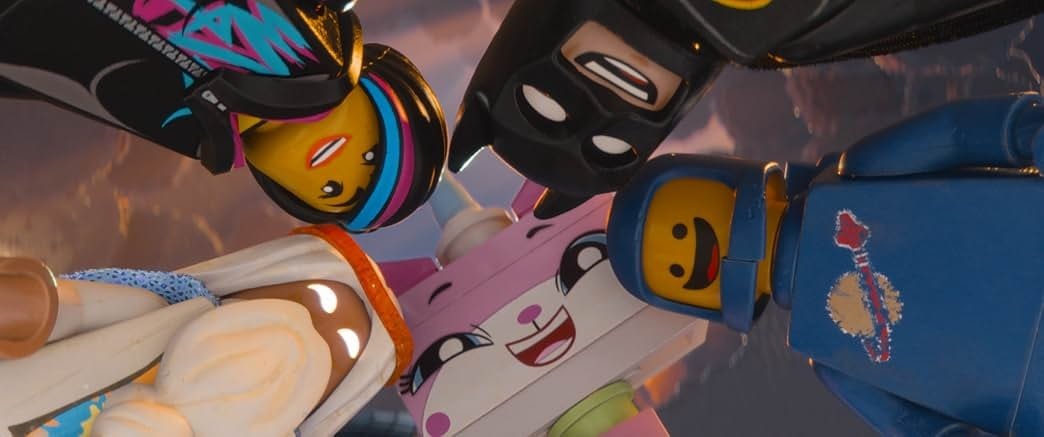
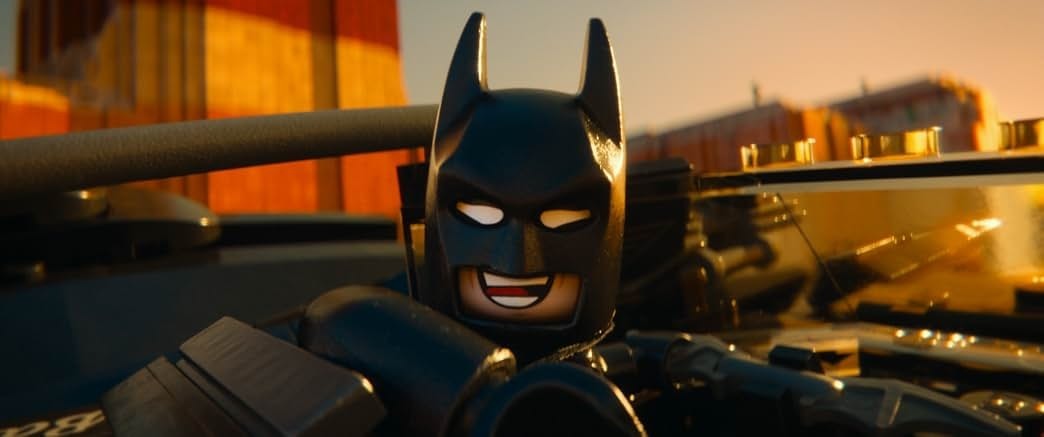
The look of the film followed the same principle. Lord and Miller wanted the animation to replicate stop motion, but everything was produced as computer animation by Animal Logic, which was expected to account for 80 per cent of the film.1 The animation rigs followed the same articulation limits as real LEGO figures, the camera systems imitated live-action cinematography, and the sets used the official LEGO Brick Library, simulating how each brick connects to the next.1
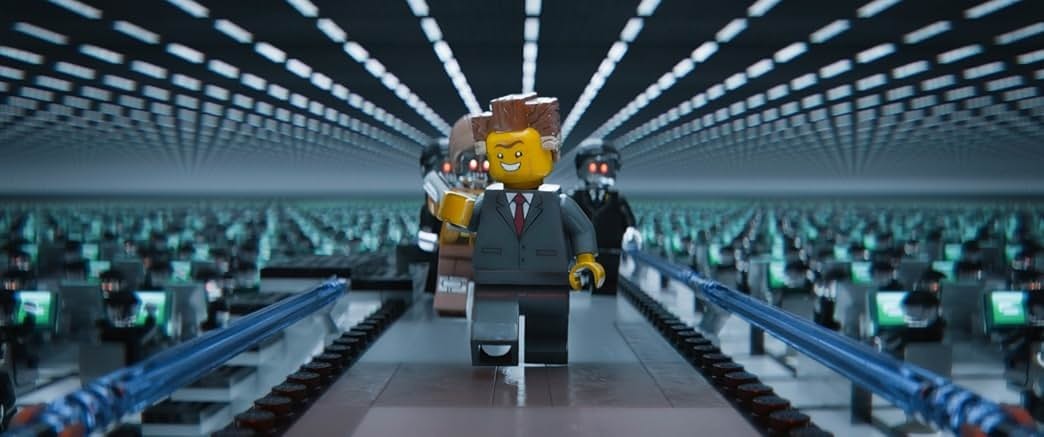
The cast drew on the brand's licensed and in-house worlds alike. Batman, Superman and Wonder Woman from DC Comics appeared next to C-3PO, Han Solo and Lando Calrissian from Star Wars, Gandalf, Dumbledore and Michelangelo of the Teenage Mutant Ninja Turtles, while the character Benny was based on minifigures from the Space sets of the 1980s.1 The plot pitted the Master Builders, "capable of building anything without instruction manuals", against Lord Business, who wanted to glue the LEGO universe into his vision of perfection with a superweapon called the Kragle.1 A tension familiar to builders, between following the manual and inventing something new, thus became the film's central conflict.1
Everything Is Awesome
The film's most durable asset was a song. "Everything Is Awesome", written by Shawn Patterson, Joshua Bartholomew and Lisa Harriton, was performed by Tegan and Sara featuring The Lonely Island and released as a single on 23 January 2014.1 The soundtrack followed on 4 February through WaterTower Music.1 The song was nominated for Best Original Song at the 87th Academy Awards.1
The song's title soon travelled beyond the film. It was strong enough to be turned against its owner later in 2014, when Greenpeace published a film titled after it in its campaign against the LEGO Group's co-promotion with Shell.2
Source: The Warner Bros Youtube
Reception and returns
Critics received the film warmly. Rotten Tomatoes recorded 96 per cent positive reviews out of 259, Metacritic a score of 83, and audiences polled by CinemaScore gave it an "A".1 The film was made on a production budget of 60 to 65 million US dollars, with a total cost including prints and advertising of 100 million US dollars, half of it financed by Village Roadshow.1
The LEGO Movie grossed 470.8 million US dollars worldwide, 258 million in the United States and Canada and 212.8 million in other territories.1 Deadline calculated its net profit at 229 million US dollars.1 The film was dedicated to Kathleen Fleming, former director of entertainment development at the LEGO Group, who had died in April 2013.1
From film to franchise
The success turned a single film into a series. The LEGO Batman Movie and The LEGO Ninjago Movie followed in 2017, and The LEGO Movie 2: The Second Part in 2019.1 Each linked a film to an existing product world, from a licensed superhero to the brand's own NINJAGO line. The results were uneven: The LEGO Batman Movie was considered a success, while The LEGO Ninjago Movie and The LEGO Movie 2 fell short financially, after which Universal Pictures set up a five-year film deal with the LEGO Group.1
For brand communication, the 2014 film remains a reference point. It showed that a brand can be the subject of a feature film without the film becoming an advertisement, provided the story is about what people do with the product rather than about the product itself. The bricks were everywhere on screen, but what the audience took home was an idea about play.
Written with AI assistance, edited by a human. Find out more about our Use of AI.
1. Wikipedia, "The Lego Movie", accessed 11 November 2026, for release and premiere dates, directors and writers, production companies and distributor, Dan Lin's 2008 pitch and recollection, Chris McKay's role, the stop-motion aim, Animal Logic's share, rig articulation, camera systems and Brick Library, the characters and plot, the soundtrack and song credits, the Academy Award nomination, reception scores, budget, costs and financing, box office, Deadline's profit calculation, the dedication to Kathleen Fleming, the sequels and the Universal deal, and the quotations from Dan Lin, Jill Wilfert, vice president of licensing and entertainment, and Chris McKay, animation supervisor. https://en.wikipedia.org/wiki/The_Lego_Movie
2. Managers (Chartered Management Institute), "How Greenpeace dismantled Lego chief's Shell resolve brick by brick", 9 October 2014, for the Greenpeace film using the song's title. https://www.managers.org.uk/insights/news/2014/october/how-greenpeace-dismantled-lego-chiefs-shell-resolve-brick-by-brick