
A partnership that began in the 1960s
On 9 October 2014, The LEGO Group announced that it would not renew its co-promotion contract with Shell once the existing agreement expired.1 The relationship was old: LEGO had produced Shell-branded play sets since the 1960s, and Channel 4 News described the decision as the end of a 50-year association with the oil company.2,3
The most recent contract dated from 2011. Quartz reported its value at 68 million pounds, about 110 million US dollars, for a deal to sell LEGO toys at Shell petrol stations in 26 countries.4 According to Greenpeace, more than 16 million Shell-branded LEGO sets had been sold or given away at petrol stations.1
Greenpeace targets the brand
The campaign that led to the decision began on 1 July 2014, when Greenpeace issued a press release with an image of a LEGO walrus.1 Its target was Shell's plan to drill for oil in the Arctic; its lever was the trust associated with the LEGO brand. John Sauven, executive director of Greenpeace UK, put the reasoning in one sentence: "Clearly Shell is trying to piggy back on the credibility of other brands."2
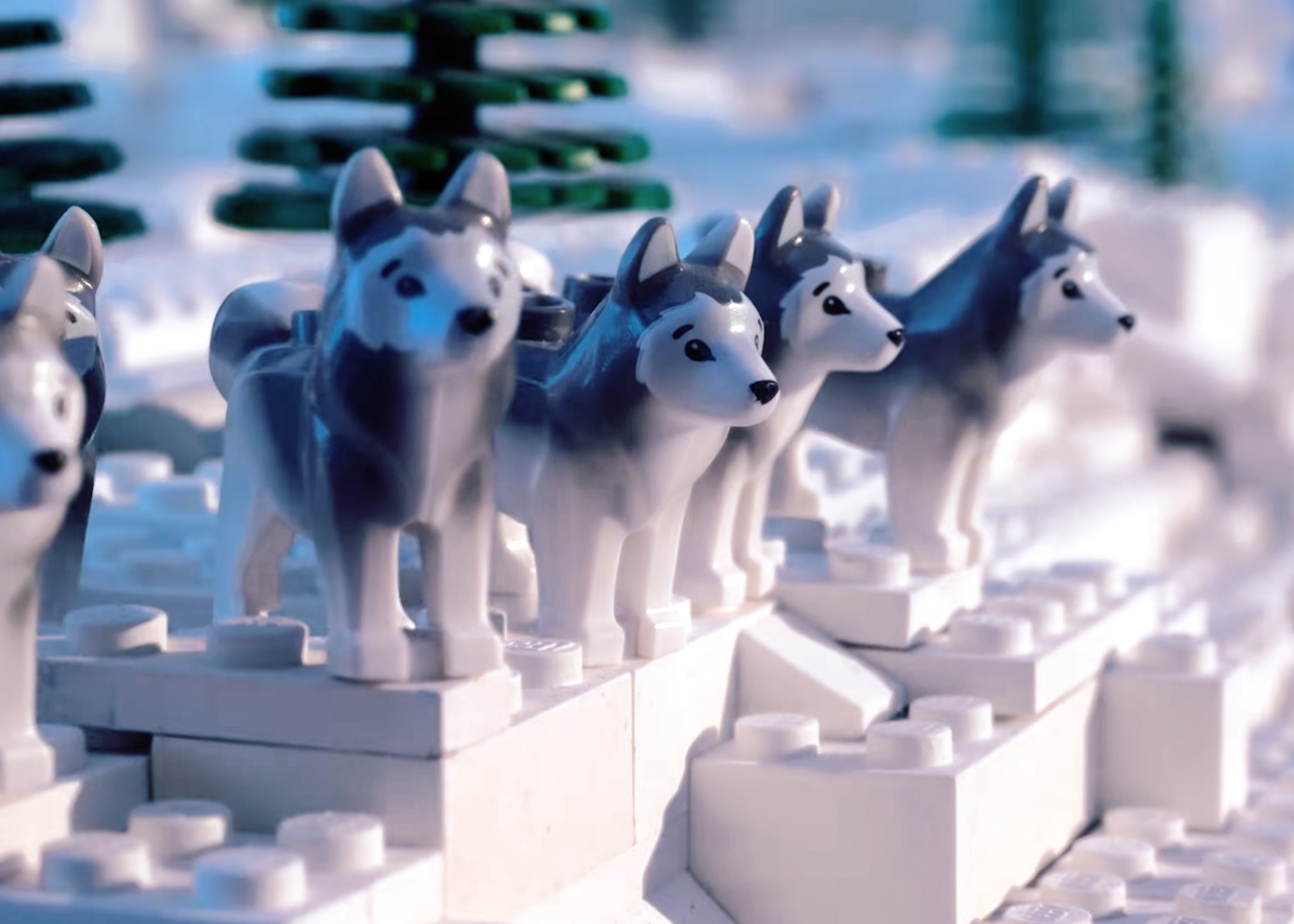
On 8 July Greenpeace published a film titled "LEGO: Everything Is NOT Awesome".1,2 Created by the London agency Don't Panic and directed by Martin Stirling, it opened on "a magical and playful Arctic wonderland made of LEGO", which changed once Shell moved in to drill.5,6 The soundtrack was a slowed-down cover of "Everything Is Awesome", the song from The LEGO Movie, which had opened five months earlier.5,6 The film closed with the line: "Shell is polluting our kids' imaginations. Tell Lego to end its partnership with Shell."6 The Chartered Management Institute's Managers reported that the film reached almost 5.9 million views, six times the official "Everything Is Awesome" music video at the time.1 YouTube briefly removed the video over an alleged copyright issue.2 Mel Evans, Arctic campaigner at Greenpeace, stated the demand at the launch: "We're calling on LEGO to stand up for the Arctic, and for children, by ditching Shell for good."5
The campaign also moved into public space. Channel 4 News described a series of small protests with LEGO figures outside Shell garages and national landmarks.3 More than a million people signed a petition calling on LEGO to stop promoting Shell, according to Channel 4; Common Dreams described the figure as over one million emails to the toy maker.3,2
Source: Greenpeace Youtube
The first response
The LEGO Group's chief executive, Jørgen Vig Knudstorp, responded on the day of the launch. "The Greenpeace campaign focuses on how Shell operates in a specific part of the world," he said, and added that the company intended "to live up to the long term contract with Shell, which we entered into in 2011".1 The position was that of a brand refusing to be drawn into a dispute between two other parties.
The October decision
Three months later the position changed. In his statement of 9 October 2014 Knudstorp said: "as things currently stand we will not renew the co-promotion contract with Shell when the present contract ends".1,4 He was explicit about the company's view of the campaign: "We do not agree with the tactics used by Greenpeace."4 And he described what had happened to the brand: "The Greenpeace campaign uses the Lego brand to target Shell."3 The company would honour the existing agreement, and Quartz noted that the announcement did not state when the contract was due to expire.4
Greenpeace presented the decision as a victory. Ian Duff, Arctic campaigner at Greenpeace UK, called it "a major blow to Shell. It desperately needs partners like Lego to help give it respectability".3 A Shell spokeswoman, quoted by Channel 4, said: "Our latest co-promotion with Lego has been a great success."3
A brand used as a medium
The case shows the reach of a co-promotion beyond its commercial terms. The Shell partnership placed LEGO sets at petrol stations; the Greenpeace campaign placed the LEGO brand at the centre of a debate about Arctic drilling. Knudstorp's own words describe the mechanism: the brand was used to reach another company.3
It also shows how a brand's own assets can be turned against it. The bricks, the minifigures and the song from the company's most successful film became the material of a protest film. The LEGO Group did not adopt Greenpeace's position, but it ended a partnership that had lasted for decades. The English Wikipedia entry on the company records the outcome in one line: LEGO would not renew its promotional contract with Shell following the Greenpeace campaign.7
Written with AI assistance, edited by a human. Find out more about our Use of AI.
1. Managers (Chartered Management Institute), Matt Packer, "How Greenpeace dismantled Lego chief's Shell resolve brick by brick", 9 October 2014, for the 1 July press release with the LEGO walrus, the 16 million sets quoted from Greenpeace, the film's publication on 8 July and its 5.9 million views, Knudstorp's statements of 1 July and 9 October 2014 and the 2011 contract. https://www.managers.org.uk/insights/news/2014/october/how-greenpeace-dismantled-lego-chiefs-shell-resolve-brick-by-brick
2. Common Dreams, Nadia Prupis, "LEGO ends Shell contract after Greenpeace Save the Arctic campaign", 9 October 2014, for Shell sets since the 1960s, the film title, the YouTube removal, the one million emails and the quotation from John Sauven, executive director of Greenpeace UK, as given to The Guardian. https://www.commondreams.org/news/2014/10/09/lego-ends-shell-contract-after-greenpeace-save-arctic-campaign
3. Channel 4 News, "Lego ends Shell partnership after Greenpeace campaign", 9 October 2014, for the 50-year association, the protests, the petition, the quotation from Jørgen Vig Knudstorp on the use of the brand and the quotations from Ian Duff, Arctic campaigner at Greenpeace UK, and a Shell spokeswoman. https://channel4.com/news/lego-ends-shell-partnership-greenpeace-campaign
4. Quartz, "Why Lego reluctantly agreed to disassemble its deal with an oil company", October 2014, for the deal value and 26 countries, the 9 October statement, the quotation on Greenpeace's tactics and the unstated expiry date. https://qz.com/278621/why-lego-reluctantly-agreed-to-disassemble-its-deal-with-an-oil-company
5. Greenpeace, press release "LEGO: Everything is NOT awesome", 8 July 2014, via Common Dreams Newswire, for the opening scene of the film, the cover of "Everything Is Awesome", Don't Panic and the quotation from Mel Evans, Arctic campaigner. https://www.commondreams.org/newswire/2014/07/08/lego-everything-not-awesome
6. The Stable, "Everything is not awesome: Don't Panic", July 2014, for the agency, the director Martin Stirling, the slowed-down cover and the closing line of the film. https://www.thestable.com.au/everything-is-not-awesome-dont-panic/
7. Wikipedia, "The Lego Group", accessed 11 November 2026, for the summary of the decision not to renew the Shell contract following the Greenpeace campaign. https://en.wikipedia.org/wiki/The_Lego_Group