
A line built on research
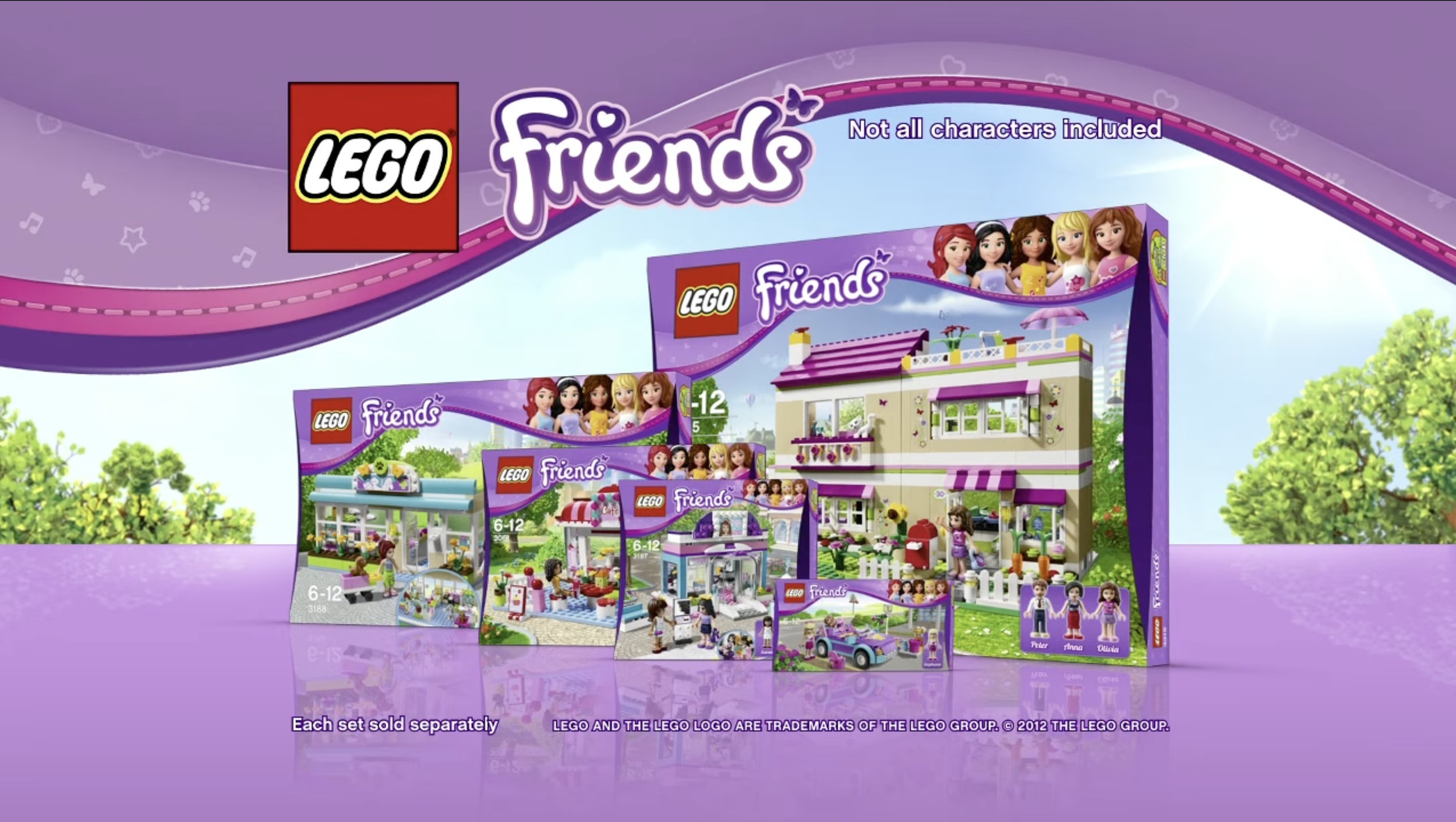
In January 2012 The LEGO Group launched LEGO Friends in North America with 14 sets, after a first release in France in December 2011.1 The line was aimed at girls, an audience the company had tried to reach several times before. Bali Padda, the LEGO Group's chief operating officer, acknowledged the history: "We tried reaching into the girls' audience a number of times over the last 15, 20 years, and this is the first time, with Friends, that we've had true success."1
The context was a portfolio with a strong tilt. According to Wikipedia, about 90 per cent of the sets the company sold at the time were aimed at boys.1 Friends was the result of extensive ethnographic research. Michael McNally, a spokesman for the LEGO Group, described its scale: "We embarked on four years of global research with 4,500 girls and their moms."1
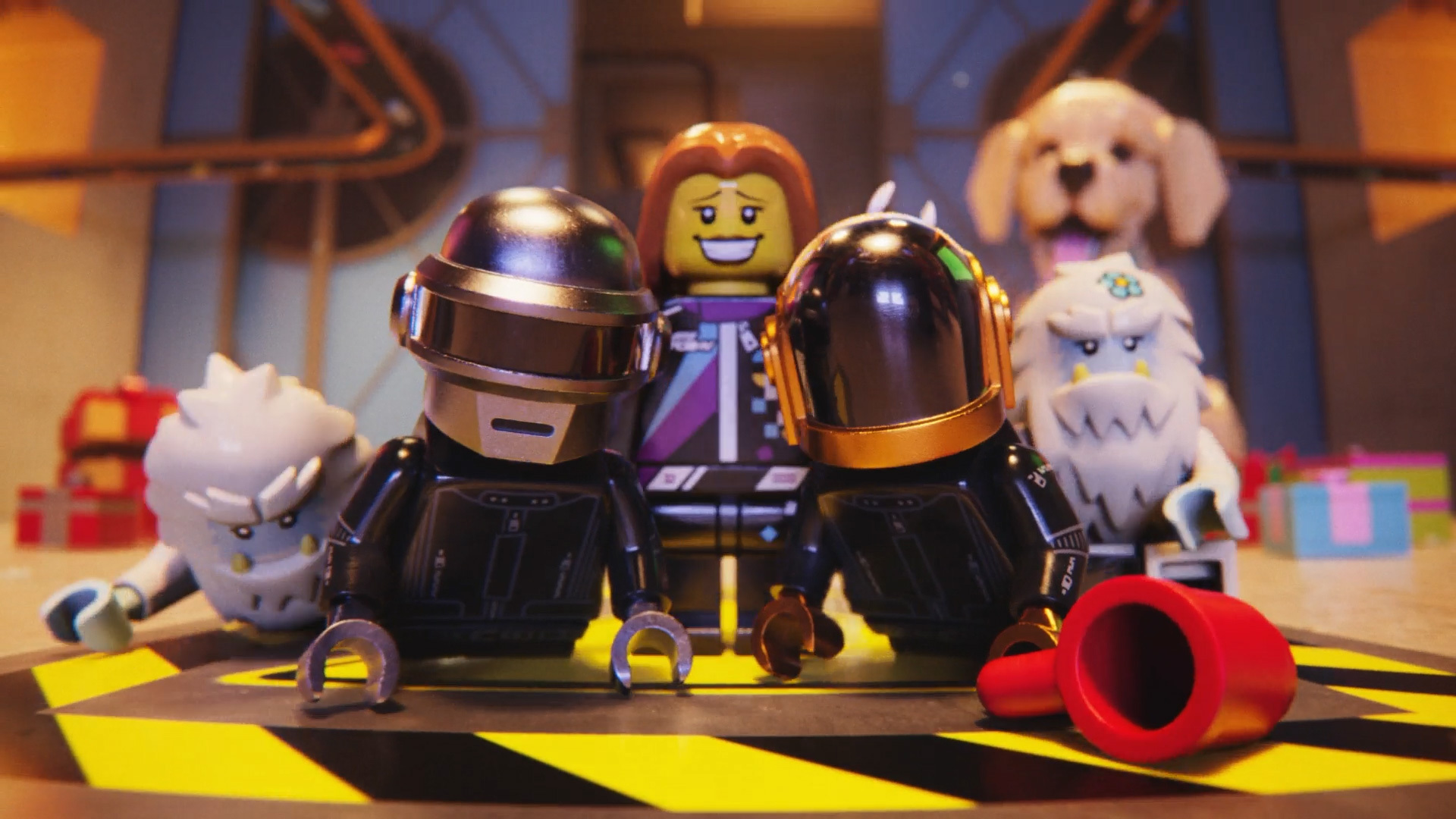
Mini-dolls instead of minifigures
The most visible change concerned the figure. Instead of the classic minifigure, Friends used slightly larger and more detailed "mini-doll" figures.1 The research had shown that the girls taking part did not identify with the existing figure. Mauricio Affonso, a Friends model designer, explained: "they couldn't really relate to the minifigure, it's too blocky."1 He also described a difference in the way children engaged with the figures: "Boys tend to be a lot more about good versus evil, whereas girls really see themselves through the mini doll."1
The palette changed as well. Friends introduced new brick colours, including purple, lavender, teal and turquoise.1
Source: LEGOClubTV Youtube
Heartlake City
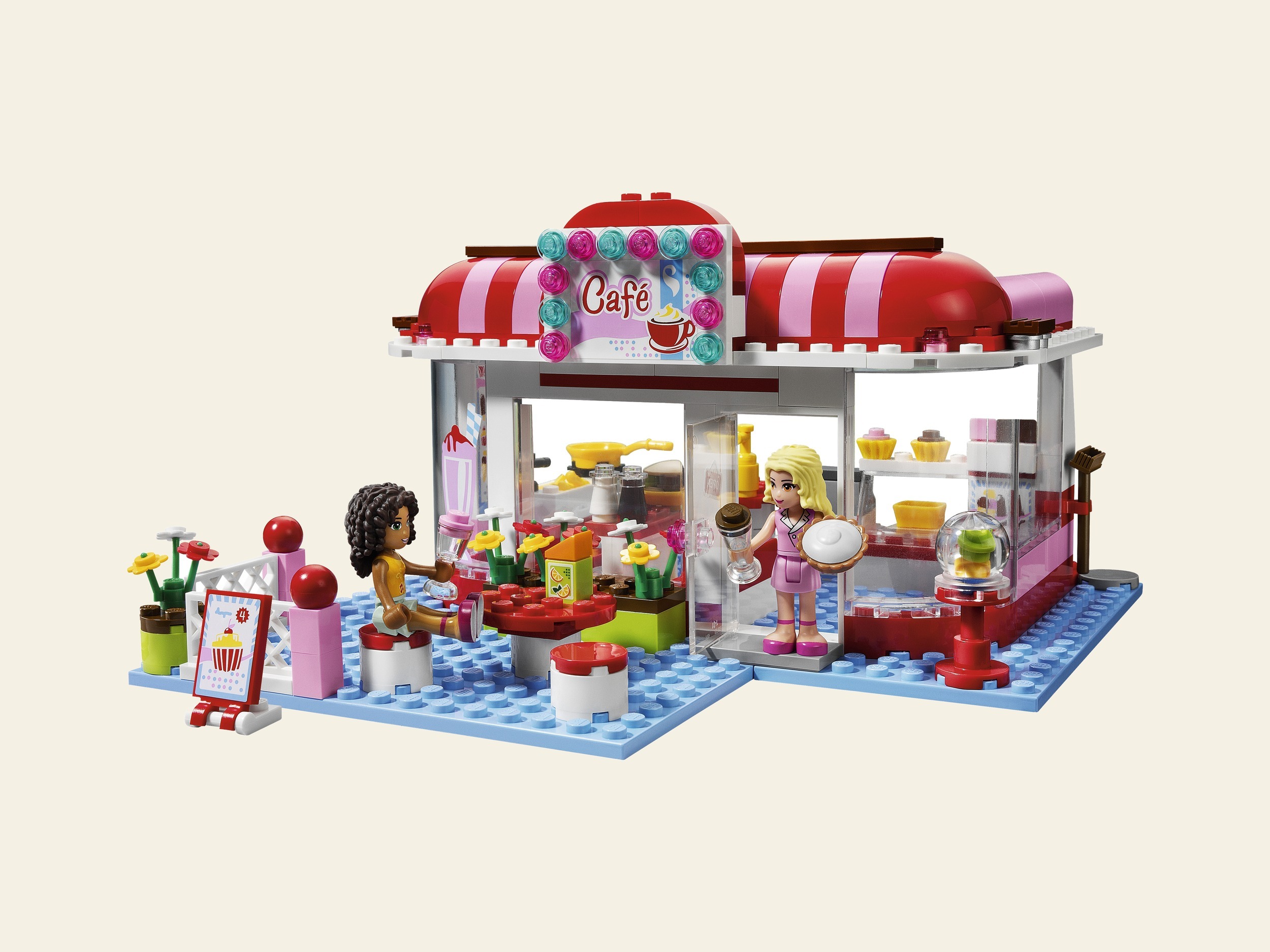
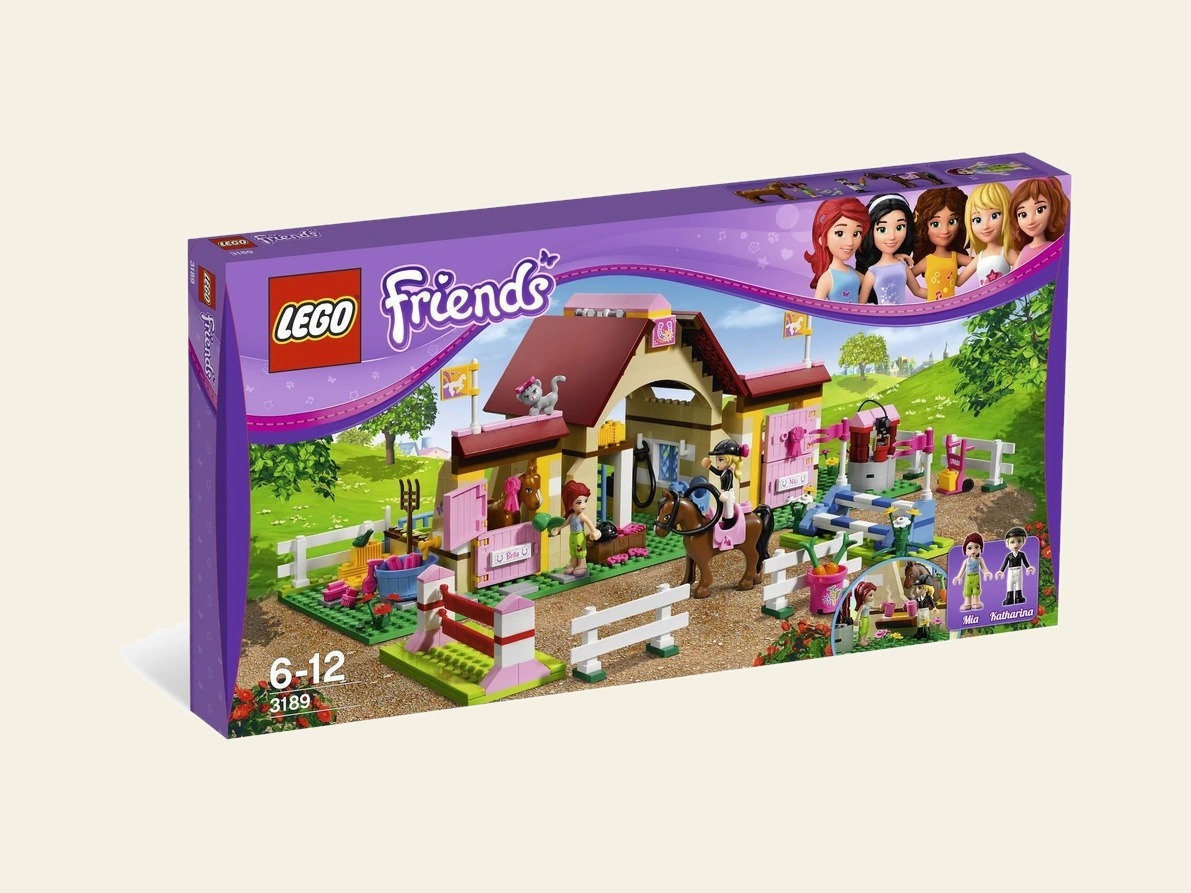
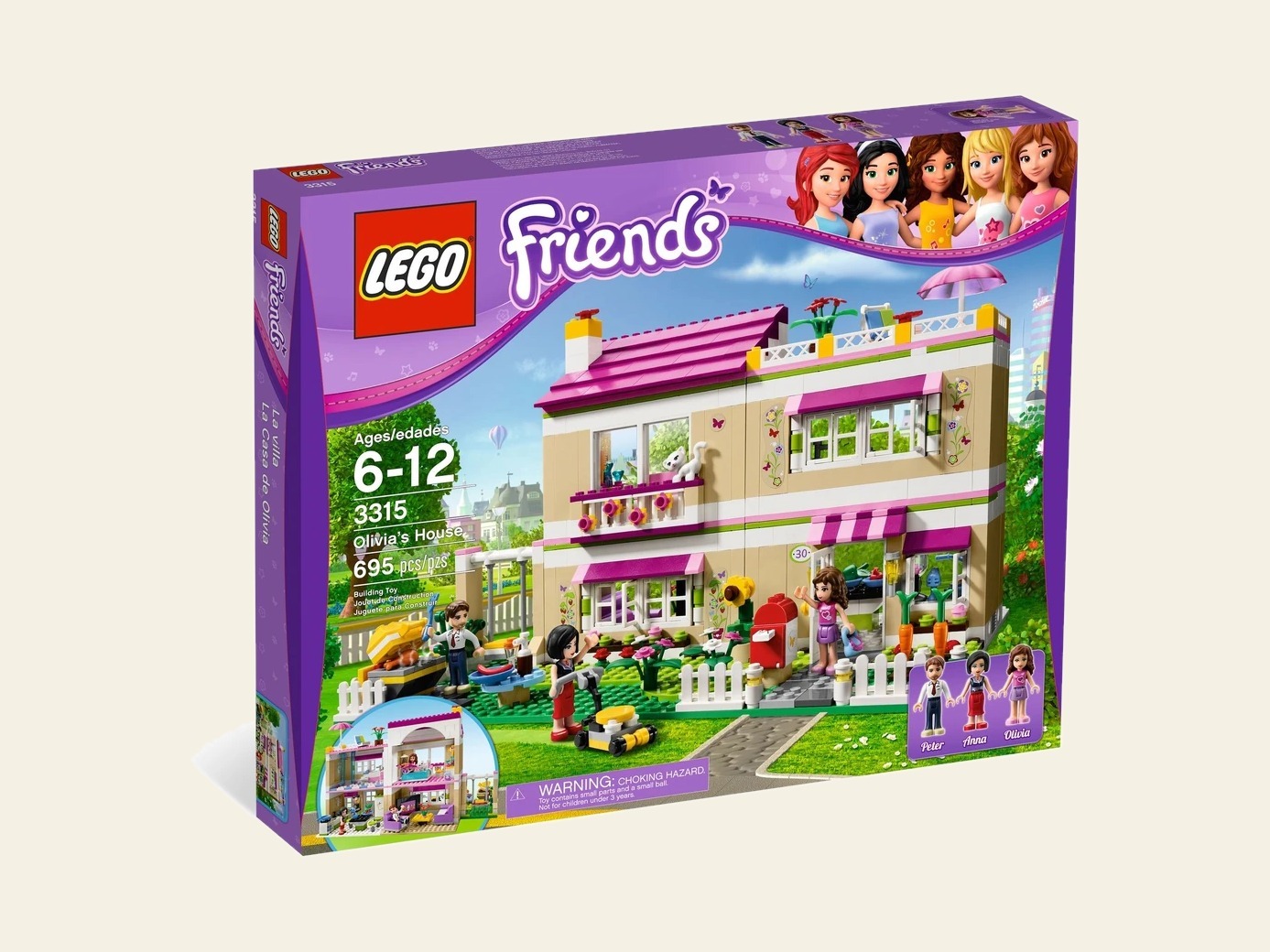
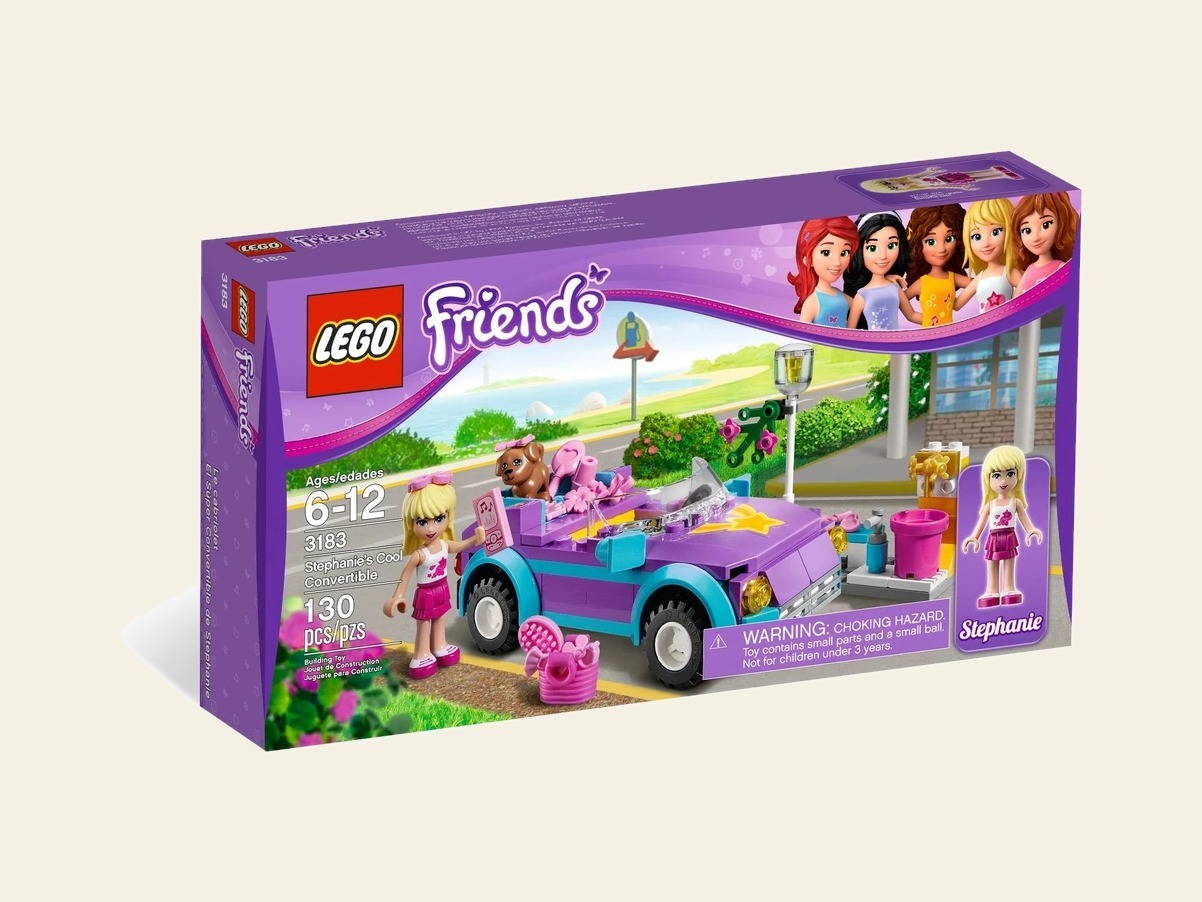
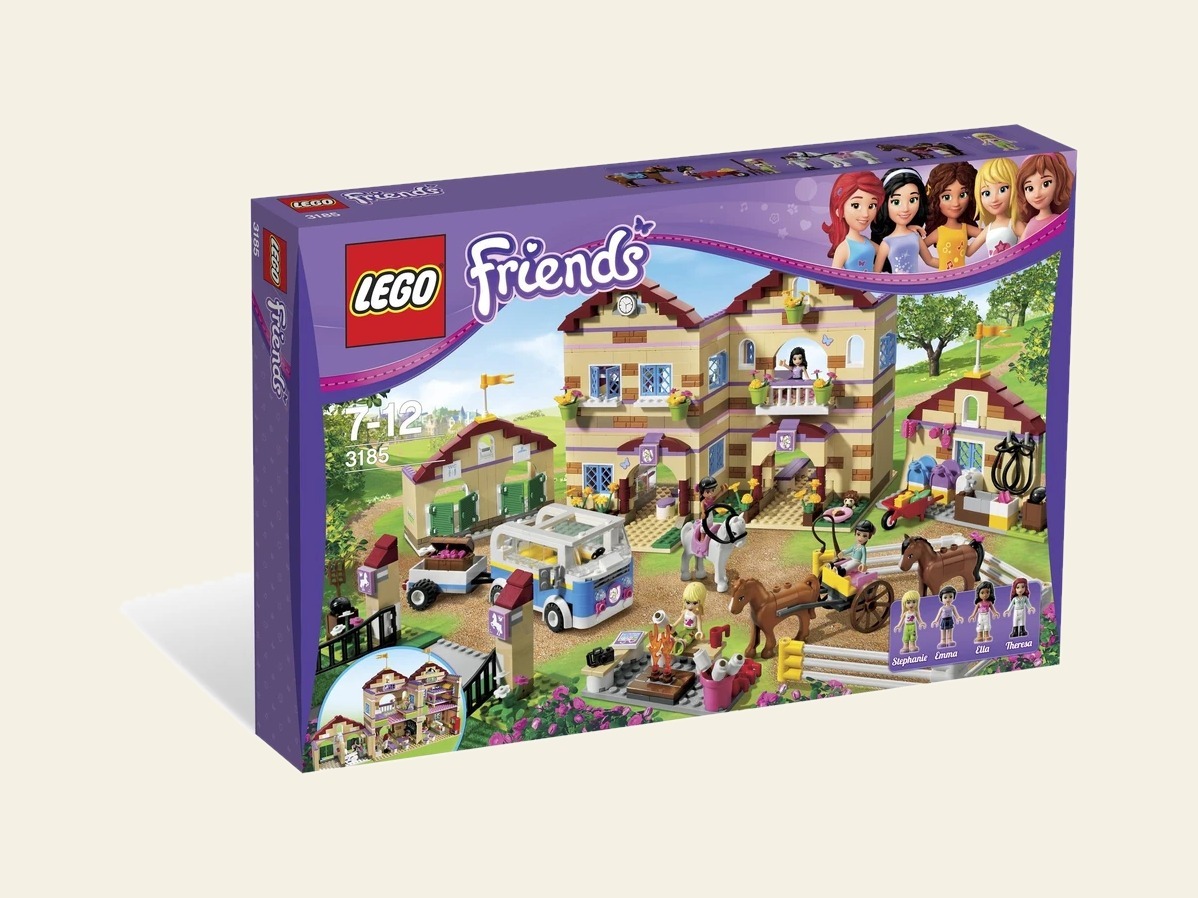
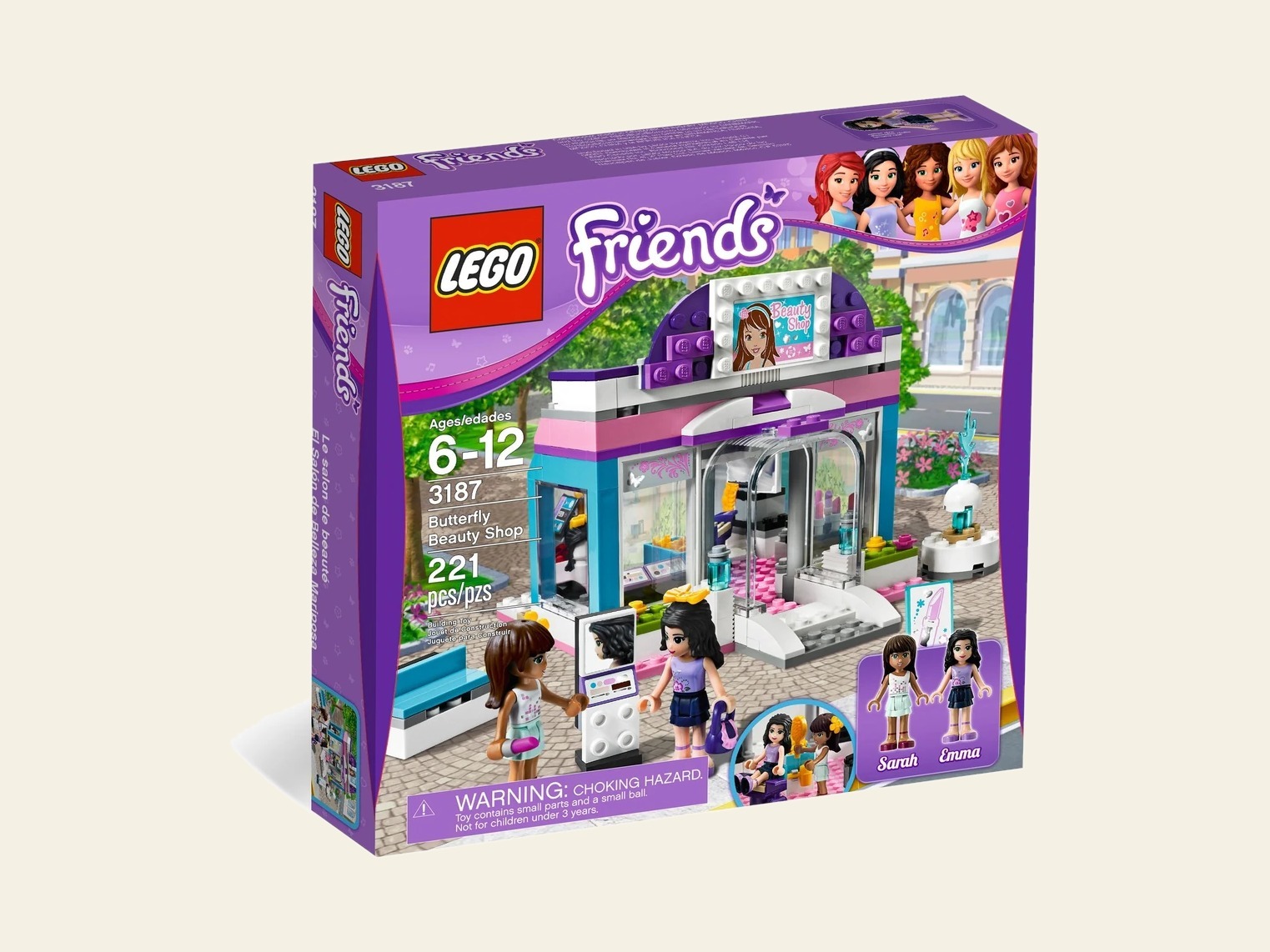
The line was built around five characters, Andrea, Emma, Mia, Olivia and Stephanie, who lived in the fictional Heartlake City.1 Early sets included Heartlake Vet, City Park Cafe, Butterfly Beauty Shop, Stephanie's Cool Convertible and Olivia's Invention Workshop.1 The sets were set in everyday places such as a vet, a café and a beauty shop rather than in scenes of conflict between good and evil.1
Commercial success
The response exceeded the company's plans. At launch, the line doubled sales expectations, and sales to girls tripled in the same year.1 In the first six months of 2012 the LEGO Group's net profit rose 35 per cent to two billion Danish kroner, a result partially attributed to the success of Friends.1 In later years Friends regularly appeared among the company's five best-selling themes.1
The debate
The success came with criticism. In the United Kingdom the campaign group Pinkstinks objected to the use of pink and to what it saw as stereotyped activities. Abi Moore of Pinkstinks said: "We want toys that offer all sorts of opportunities to all children."1 In the United States a petition launched by the SPARK Movement gathered 50,000 signatures, and the Campaign for a Commercial-Free Childhood nominated the line for its TOADY award.1 In its response the LEGO Group referred to 3,000 girls who had wanted to find relevance in LEGO construction sets, a figure that differs from the 4,500 cited elsewhere.1 McNally summarised the company's position: "We try being gender inclusive."1
The debate reached back into the brand's own archive. In 2014 the girl from a 1981 LEGO advertisement, Rachel Giordano, was photographed again for a then-and-now comparison, this time holding a LEGO Friends Heartlake News Van.2
Change over a decade
The line evolved in response. In 2018 the main characters were redesigned to be more diverse in appearance and to add more depth to their personalities.1 Fenella Charity, design director and creative lead of LEGO Friends, described the principle in 2021: "Lego Friends is grounded in the real world, so as designers we take our cues from what kids experience in their everyday lives."1
In October 2022 the LEGO Group announced a relaunch, developed with the Geena Davis Institute, with new sets from 1 January 2023 and eight characters, Aliya, Autumn, Leo, Liann, Nova, Olly, Paisley and Zac, among them male main characters.1 The characters feature a variety of skin tones, disabilities, cultures and neurodiversity.1
A theme as a positioning move
LEGO Friends shows how a brand can widen its audience without changing its core product. The brick remained the same; the figure, the colour range, the narrative world and the marketing changed. The line became one of the company's commercial pillars and, at the same time, the most discussed example of the gendering of construction toys, a discussion that shaped its development for more than a decade.1
Written with AI assistance, edited by a human. Find out more about our Use of AI.
1. Wikipedia, "Lego Friends", accessed 11 November 2026, for the launch dates and 14 sets, the share of sets aimed at boys, the research, the mini-doll, the new colours, the characters and Heartlake City, early sets, sales and profit figures, top-five theme rankings, the criticism by Pinkstinks, SPARK and the Campaign for a Commercial-Free Childhood, the 2018 redesign, the 2022 relaunch with the Geena Davis Institute and the quotations from Bali Padda, chief operating officer, Michael McNally, spokesman, Mauricio Affonso, Friends model designer, Abi Moore of Pinkstinks and Fenella Charity, design director and creative lead of LEGO Friends. https://en.wikipedia.org/wiki/Lego_Friends
2. HuffPost, Jessica Samakow, "Then and now: LEGO ad", February 2014, for the then-and-now photograph of Rachel Giordano with the LEGO Friends Heartlake News Van. https://www.huffpost.com/entry/then-and-now-lego-ad_n_4768560