Design as the reason, not the finish
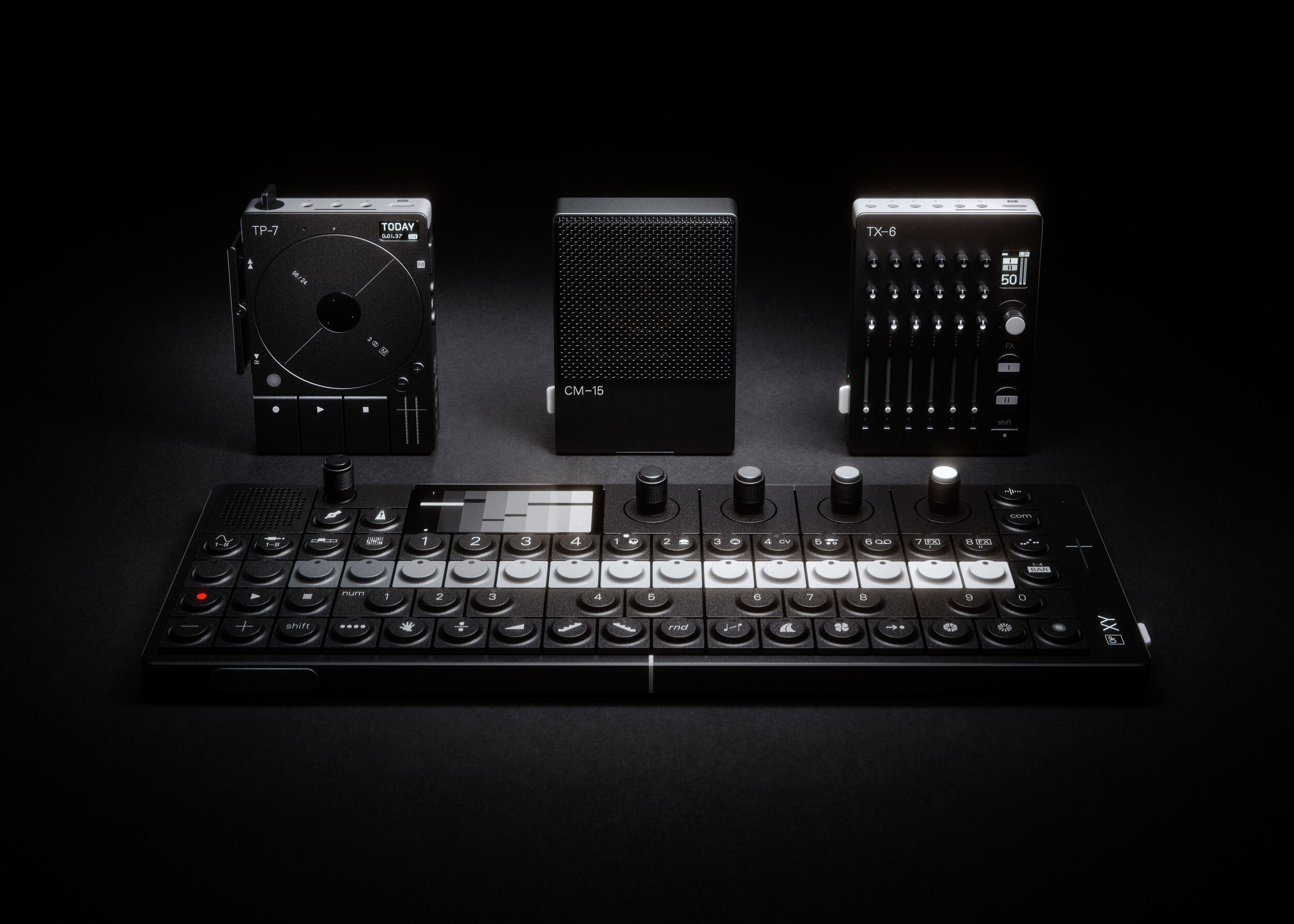
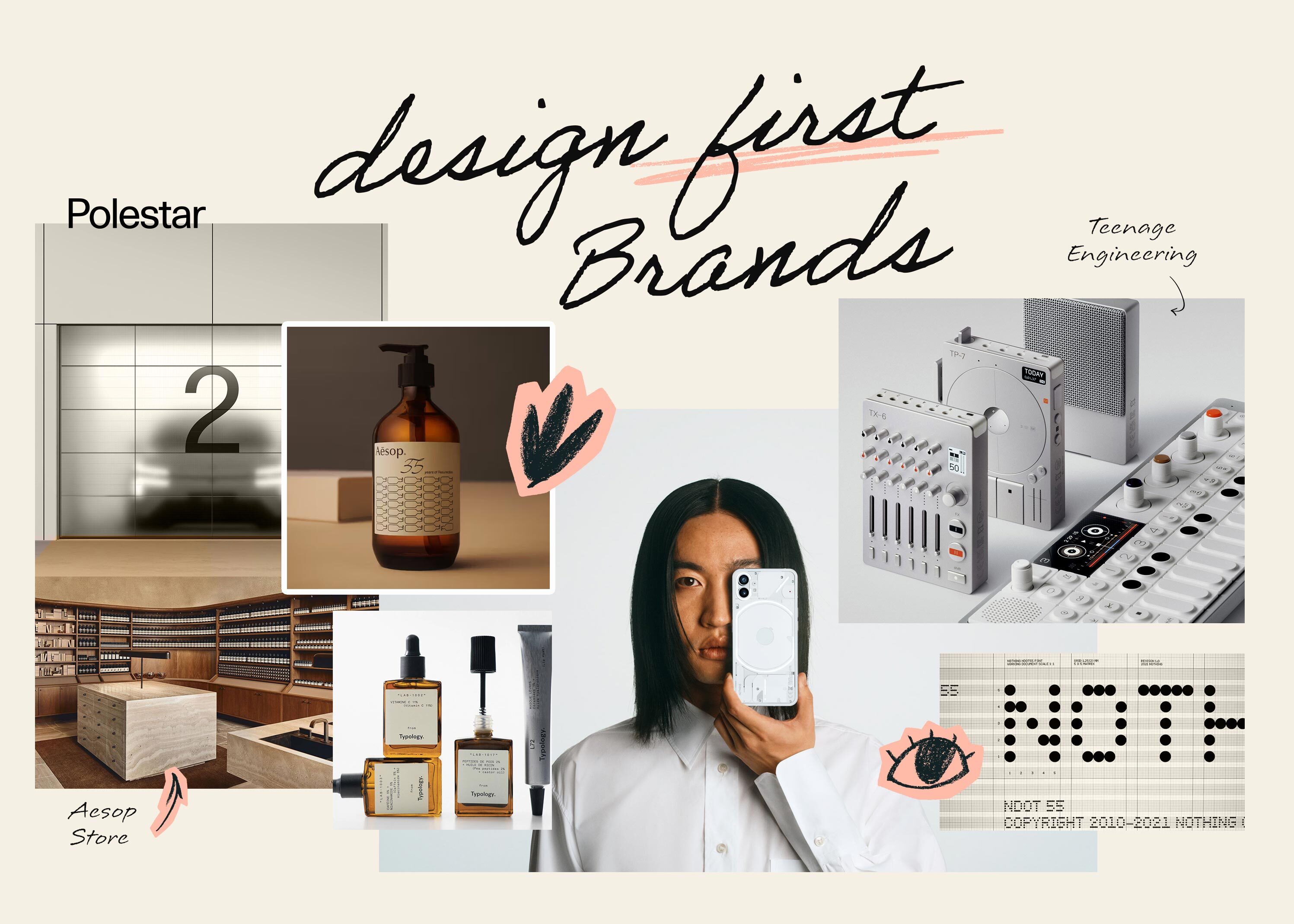
Almost every brand says it cares about design. In most companies that sentence describes a department. The product is defined by engineering, price and category, and design makes it presentable at the end. A small group of brands works the other way round. For them design decides what gets made at all, and if you took it away, nothing would remain that a customer could choose. Nothing, Aesop, teenage engineering, Polestar and Vitra belong to this group. Braun and Apple used to.
The interesting questions are not whether their products look good. They are why a company would bet everything on design, whether that is a sound strategy, and why the brands that defined design-first for decades no longer qualify.
Why they do it
Because design is the one form of communication that comes with the product. Aesop has built a global brand without conventional advertising.1 Nothing previewed its first phone at Art Basel, not at a trade show, with Carl Pei saying that "all the artists had left the industry."2 teenage engineering introduced itself in 2009 with a single synthesiser shown under glass.3 None of these brands had the budget to buy attention in a saturated category. They made objects that earned it.
There is a second reason, and it is the stronger one. Design-first brands enter their categories with distinctive assets from the first day. In Byron Sharp's How Brands Grow, brands are bought when they come to mind easily and often, and memory is built through assets such as colours, logos and typefaces that are recognisable and linked to the brand.4 Jenni Romaniuk has made the building and protection of such assets a discipline of its own.5 Most brands spend years and large budgets acquiring them. A design-first brand starts with an amber bottle, a transparent back or a star without its square, and every product it sells reinforces them.
Is it a good strategy?
For getting in, yes. For staying in, only under conditions. Design is the most visible part of a brand, which is exactly why it works and exactly why it is fragile. What can be seen can be copied. A style alone protects nothing. It only becomes a strategic asset when it is anchored in memory as belonging to one brand, and when the company keeps making decisions from it rather than about it.
For the brand this has a clear consequence: every product decision is a brand decision. That is why design-first brands tend to have designers or design-led founders at the top. Polestar's first chief executive was Volvo's head of design.6 teenage engineering's founder Jesper Kouthoofd now says the company will stop making synthesisers altogether, because "for us, the products aren't the business."7 Only a company whose identity lies in its way of designing can leave behind the product category that made it famous.
No compromises, and what they cost
Thinking design-first has a consequence that is easy to underestimate. It does not allow compromises, because design-first is not a property of the product. It is a promise that every touchpoint has to keep. The brand is only as design-first as its weakest touchpoint. One generic store, one standard trade-show stand, one off-the-shelf press release, and the customer learns that the design was a surface after all. That is why all of these brands carry their design philosophy into every field and every detail. They have no choice.
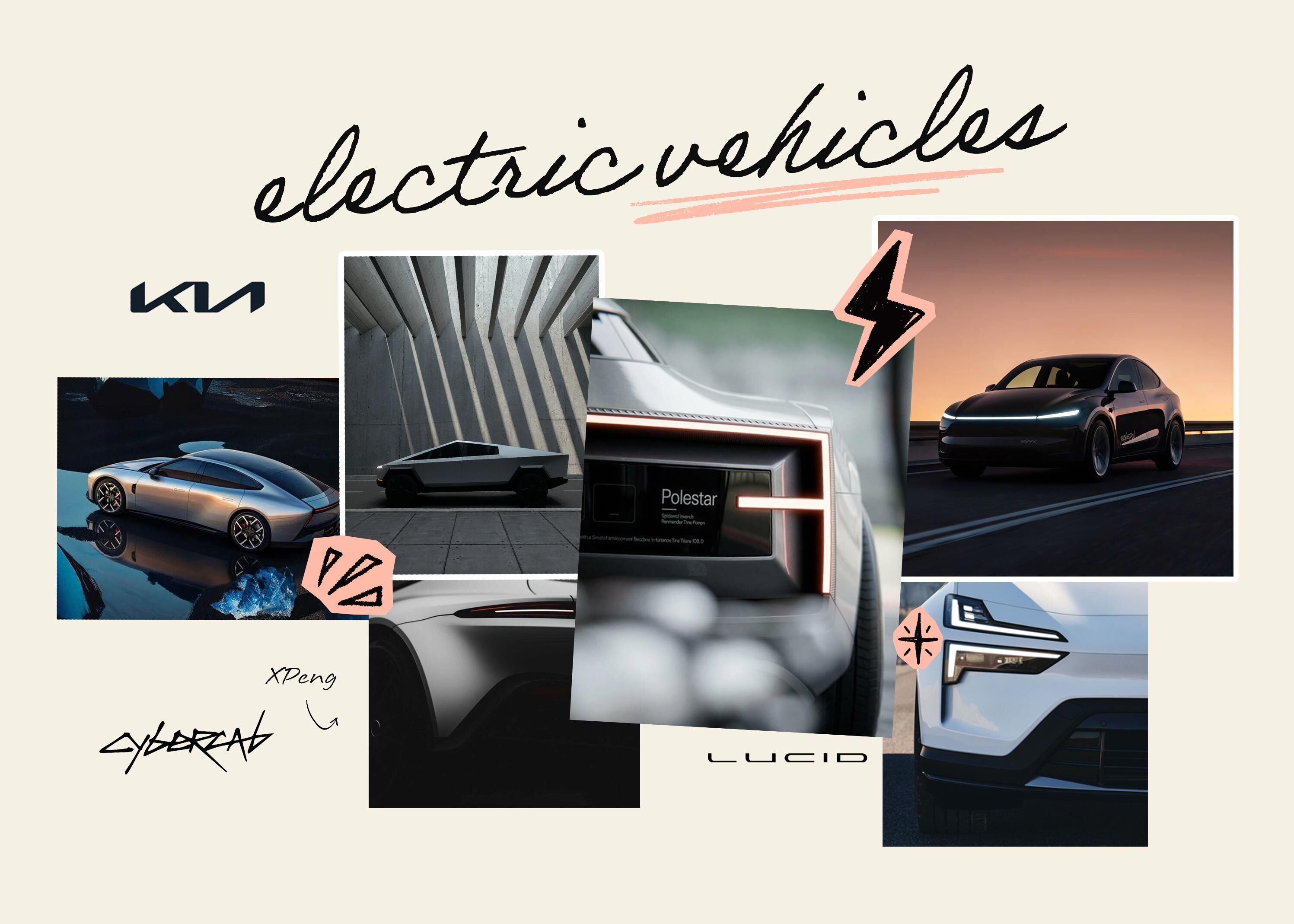
Aesop applies it to architecture. Dennis Paphitis never wanted "a standard Aesop shade of orange or green that was plastered onto stores with a nasty logo over it", and the company commissions a different architect for nearly every store.8 Polestar applies it to partners. Even a moped carries a frame in matt Polestar Snow and an Öhlins damper, and a boat carries hydrofoils in Polestar Gold.910 Nothing applies it to communication. Its first phone was previewed at an art fair, the first 100 serialised units were auctioned, the launch was staged as "Return to Instinct", and the company answers its critics in its own YouTube videos instead of through statements.21112 teenage engineering applies it even to a product for the mass market: its FREKVENS range for IKEA reached the shelves nearly two years after its first preview.13
This is where it gets expensive, and quickly. A brand without compromises gives up the economies of scale that everyone else lives on. Every store is a new commission instead of a rollout. Every collaboration has to be designed to the brand's standard, which narrows the choice of partners and ties the brand to their fate; CAKE, Polestar's partner for the Makka edition, filed for insolvency in 2024.14 Every launch is a production rather than an announcement. And every uncompromising product decision may need a second version for those who will not follow it, as Polestar's rear window shows.15 These costs do not fall once. They recur with every store, every product and every campaign, and they grow with the brand.
For the brand, this means two things. It needs an owner willing to pay for consistency that a spreadsheet cannot justify item by item. And it has to treat the cost as the price of its position, not as inefficiency. The moment a design-first brand starts to economise on a single touchpoint, it is no longer design-first, and the customer notices before the balance sheet does.
Why Braun and Apple no longer qualify
Braun and Apple show what happens next. Dieter Rams led design at Braun from 1961 and left in 1997.16 Braun became part of Gillette and then of Procter & Gamble, sold its kitchen appliances to De'Longhi in 2012 and today concentrates on shaving, grooming, beauty and hair care.17 Apple took its design cues from Braun so openly that its products paid tribute to Rams, and Jony Ive, the designer most associated with that era, left Apple in 2019.1618
Two forces did this, and neither is a failure of taste. The first is growth. Beyond a certain size a brand has to reach the masses to keep growing. Sharp's work puts it bluntly: the battle for market share is won or lost with light buyers, and the goal is "to recruit as many customers as possible."4 A design that has to please hundreds of millions of people can no longer polarise. It becomes good, safe and agreeable, and agreeable is not a reason to choose.
The second force is success itself. A design that wins leaves the niche and becomes the reference everyone else works from. Apple learned this from both sides. It borrowed from Braun, and then went to court against Samsung over the shape of a smartphone, a thin rectangle with rounded corners, winning a jury verdict of 1.049 billion US dollars in 2012.19 By then the shape was everywhere. When the whole category looks like you, your design stops being distinctive. It has become the standard. Braun and Apple still make well-designed products, but design is no longer why people choose them. Apple competes on its ecosystem today, Braun on its categories.
Do you have to stay niche?
No, but you have to protect the core while you grow. The current design-first brands show three ways of doing that.
The first is a second brand. Nothing launched CMF by Nothing in 2023 as an affordable line with its own team, while Nothing itself stays focused on premium products.20 Volume goes to the sub-brand, the polarising design stays with the parent.
The second is a parallel variant. Polestar keeps the windowless coupé and adds a Polestar 4 SUV with a rear window for buyers who want one.15 At the same time the brand is openly aiming wider: its chief executive says Polestar is "targeting the heart of the EV market, where customer demand and profit pools are high."21 That is exactly the pressure that changed Braun and Apple, and Polestar's answer, more colour, more buttons and a "bold evolution" of its design, is an attempt to grow without becoming agreeable.22
The third is to choose the niche deliberately. Vitra, founded in 1950, has stayed a design brand for 75 years and turned its factory site in Weil am Rhein into a campus with buildings by Frank Gehry, Zaha Hadid and Tadao Ando.23 teenage engineering is moving in the same direction by leaving its best-known products behind. Aesop is the open case. Under L'Oréal it is expected to join the group's "Billionaire Brands" club.24 Whether a brand of a different architect for nearly every store can scale to that size without becoming a chain is the question its next decade will answer.8
Can you change your form language?
Yes, but not your assets. The distinction matters. Expression may evolve: materials, colours, proportions, even product categories. The assets that carry the brand in memory may not. Aesop moved its tubes to recycled aluminium without changing how its packaging looks.25 Polestar keeps its Dual Blade headlights while integrating them into a new front.22 A brand that drops its assets for a fresher look throws away the one thing that made design worth putting first. That is what the wave of flattened, interchangeable logos of recent years did to many brands, and why several are now reversing it.
Holding everything constant is no answer either. A form language that never moves turns into heritage, and heritage is something a brand looks back at, not something it decides from. The art is to change enough that the design still leads, and little enough that it is still recognisably yours.
What they share, and what they do not
All five share three things. They own distinctive assets that come from the product itself: the amber bottle, the transparent back, the colour-coded encoders of the OP-1, the star and the Dual Blade lights, the campus.252262223 They let the product do the advertising. And design sits where the decisions are made.
They differ in almost everything else. Nothing and teenage engineering are led by their founders; Aesop belongs to L'Oréal, and Polestar's majority shareholder is Geely.2427 teenage engineering lends its design to others, from IKEA to Nothing; Aesop keeps its design to itself.2829 And their distinctiveness has different roots. Sharp advises brands to aim for "meaningless distinctiveness, rather than meaningful differentiation."4 Aesop's amber glass protects its ingredients from light, and Polestar's missing rear window gives rear passengers more headroom.2530 Their design means something. That is their real advantage over a logo, and their real risk: a reason can be copied faster than a memory.
Design-first is not a style. It is a decision about who leads. As long as design sits at the top table, it sets the direction. Once it moves into a department, it becomes what it is everywhere else: the finish.
Written with AI assistance, edited by a human. Find out more about our Use of AI.
1. Wikipedia, "Aesop (brand)", read 29 October 2026, for the brand not using traditional advertising and for the unique interior of each store. https://en.wikipedia.org/wiki/Aesop_(brand)
2. CGMagazine, "Nothing reveals phone (1) design at Art Basel", Nothing press release, 16 June 2022, for the Art Basel preview, the StockX auction of the first 100 serialised units, the transparent back, and Carl Pei's statement "For years now, it felt like all the artists had left the industry." https://www.cgmagonline.com/newswire/nothing-reveals-phone-1-design-at-art-basel
3. Nick Batt, Sonic State, "MESSE09: Teenage Engineering OP-1", 4 April 2009, for the single OP-1 prototype shown under glass at Musikmesse 2009. https://sonicstate.com/news/2009/04/04/messe09-teenage-engineering-op-1
4. Contagious, "How Brands Grow", undated, read 29 October 2026, summary of Byron Sharp, How Brands Grow (2010) and How Brands Grow Part 2 (2015, with Jenni Romaniuk), for mental availability, distinctive brand assets such as colours, logos and typefaces, light buyers as the place where the battle for market share is won or lost, and the quoted phrases "to recruit as many customers as possible" and "meaningless distinctiveness, rather than meaningful differentiation". https://contagious.com/iq/article/how-brands-grow
5. Oxford University Press, Jenni Romaniuk, "Building Distinctive Brand Assets", 2018, publisher's catalogue page, for the book on building and protecting distinctive assets. https://www.oup.com.au/books/higher-education/business-marketing/9780190311506
6. Volvo Cars Newsroom, "Polestar announces new management team to develop electrified performance brand for Volvo Cars", press release, 21 June 2017, for the appointment of Thomas Ingenlath, Senior Vice President Design at Volvo Cars, as CEO of Polestar. https://www.volvocars.com/us/media/press-releases/83D741CE658CC816/
7. Lukas Mauve, Highsnobiety, "Teenage Engineering Is Going to Stop Making Synths", 7 October 2026, for the plan to stop making synthesisers and the quotation from Jesper Kouthoofd, founder and CEO, teenage engineering. https://www.highsnobiety.com/p/teenage-engineering-interview/
8. Marcus Fairs, Dezeen, "'I was horrified at the thought of a soulless chain' - Aesop founder", 10 December 2012, for the policy of a different architect for nearly every store and the quotation from Dennis Paphitis on never wanting "a standard Aesop shade of orange or green that was plastered onto stores with a nasty logo over it". https://www.dezeen.com/2012/12/10/dennis-paphitis-aesop-interview/
9. Polestar Deutschland Newsroom, "Polestar enthüllt in limitierter Auflage produziertes Elektromotorrad in Zusammenarbeit mit CAKE", press release, 6 September 2021, for the Makka, Polestar edition by CAKE with a frame and battery cover in matt Polestar Snow and an Öhlins rear damper. https://media.polestar.com/releases/polestar-reveals-limited-edition-electric-bike-in-collaboration-with-cake
10. Polestar, "Polestar x Candela C-8", partnership page, read 28 October 2026, for the hydrofoils in Polestar Gold. https://www.polestar.com/de/about/partnerships/polestar-candela-c8/
11. Pocket-lint, "Nothing Phone (1) launch event: How to watch Return to Instinct", July 2022, for the launch event titled "Return to Instinct". https://www.pocket-lint.com/phones/news/nothing/161804-nothing-phone-1-launch-event-how-to-watch-return-to-instinct
12. Ubaid Zargar, afaqs!, "Nothing's content marketing is just as unique as its interface", 28 November 2024, for Nothing executives and Carl Pei responding to critics and reviews in the company's own YouTube videos. https://www.afaqs.com/news/mktg/nothings-content-marketing-is-just-as-unique-as-its-interface-7613499
13. Declan McGlynn, DJ Mag, "Teenage Engineering and IKEA's house party collab is finally available", 7 February 2020, for FREKVENS reaching sale nearly two years after the first preview. https://djmag.com/news/teenage-engineering-and-ikeas-house-party-collab-finally-available
14. electrive, "Swedish electric motorbike manufacturer Cake is insolvent", 7 February 2024, for CAKE's insolvency filing. https://electrive.com/2024/02/07/swedish-electric-motorbike-manufacturer-cake-is-insolvent
15. Fred Lambert, Electrek, "Polestar 4 SUV launches at €57,900 and it finally has a rear window", 2 September 2026, for the Polestar 4 SUV with a rear window alongside the windowless coupé. https://electrek.co/2026/09/02/polestar-4-suv-launch-price-rear-window/
16. Wikipedia, "Dieter Rams", read 29 October 2026, for his years at Braun from 1955 to 1997, head of design from 1961, and Apple products paying tribute to his Braun work. https://en.wikipedia.org/wiki/Dieter_Rams
17. Wikipedia, "Braun (company)", read 29 October 2026, for Gillette's majority stake from 1967, the acquisition of Gillette by Procter & Gamble in 2005, the sale of the kitchen appliance line to De'Longhi in 2012, and the current focus on shaving and grooming, beauty and hair care. https://en.wikipedia.org/wiki/Braun_(company)
18. Wikipedia, "Jony Ive", read 29 October 2026, for Apple's announcement on 27 June 2019 that Ive would depart after 27 years. https://en.wikipedia.org/wiki/Jony_Ive
19. Wikipedia, "Apple Inc. v. Samsung Electronics Co.", read 29 October 2026, for the lawsuit filed in 2011, the design patent on the shape of a smartphone as a thin rectangle with rounded corners, and the jury award of 1.049 billion US dollars in August 2012. https://en.wikipedia.org/wiki/Apple_Inc._v._Samsung_Electronics_Co.
20. Vlad, GSMArena, "Nothing introduces CMF by Nothing, an affordable sub-brand", 3 August 2023, for CMF as an affordable line run by a separate team and Nothing staying focused on premium products. https://www.gsmarena.com/nothing_introduces_cmf_by_nothing_an_affordable_subbrand_-news-59426.php
21. Polestar, "Polestar starts largest model offensive in its history: four new cars in three years", press release, 18 February 2026, for the quotation from Michael Lohscheller, Polestar CEO. https://investors.polestar.com/news-releases/news-release-details/polestar-starts-largest-model-offensive-its-history-four-new
22. Polestar, "Polestar strategy update | Polestar", YouTube, published 19 February 2026, English transcript read 29 October 2026, for Philipp Römers, Head of Design, on a "bold evolution", the Dual Blade headlights integrated differently into a new front, more buttons and more expressive, colourful materials. https://www.youtube.com/watch?v=3DU5_pSGcKU
23. Wikipedia, "Vitra (furniture)", read 29 October 2026, for the founding in 1950 and the campus in Weil am Rhein with buildings by Frank Gehry, Zaha Hadid, Tadao Ando, Herzog & de Meuron and SANAA. https://en.wikipedia.org/wiki/Vitra_(furniture)
24. L'Oréal, "L'Oréal completes acquisition of AESOP", 30 August 2023, for the completion of the acquisition and the quotation from Cyril Chapuy, President, L'Oréal Luxe, on Aesop joining the "Billionaire Brands" club. https://www.loreal.com/en/press-release/group/l-oreal-completes-acquisition-of-aesop/
25. Aesop Assistance, "What materials do Aesop utilise in its packaging?", undated, for amber glass chosen for its UV protection of botanical extracts and the 2023 move of the 75 mL and 100 mL tubes to recycled aluminium. https://us.assistance.aesop.com/hc/en-us/articles/7406664205327-What-materials-do-Aesop-utilise-in-its-packaging
26. Future Music, MusicRadar, "Teenage Engineering OP-1 review", 6 October 2011, for the four colour-coded rotary encoders. https://www.musicradar.com/reviews/teenage-engineering-op-1
27. Wikipedia, "Polestar", read 29 October 2026, for Geely as majority shareholder. https://en.wikipedia.org/wiki/Polestar
28. IKEA, "FREKVENS Collection | IKEA Press kit", 2019, for the FREKVENS range developed with teenage engineering. https://cdn.uc.assets.prezly.com/c48ba793-352f-49a5-984e-579c6f0fb801/-/inline/no/FREKVENS_Dossier%20de%20presse.pdf
29. Wikipedia, "Teenage Engineering", read 18 October 2026, for the partnership with Nothing announced in February 2021. https://en.wikipedia.org/wiki/Teenage_Engineering
30. Polestar, "Polestar 4 is a new breed of SUV coupé", press release, 18 April 2023, for the missing rear window allowing the rear header to move back for more rear headroom. https://investors.polestar.com/news-releases/news-release-details/polestar-4-new-breed-suv-coupe
About the author

Brands mentioned in Article

A London consumer tech brand that sets design, transparency and expression against a category it describes as looking, sounding and behaving the same.
11 Articles
Australian skincare brand built on restraint: plain, ingredient-led products, amber pharmacy-style packaging, no conventional advertising, and a retai…
9 Articles
A Stockholm design and electronics company that sells instruments as objects of play and lends its look to partners from IKEA and Panic to Nothing and…
13 Articles
A Swedish electric performance car brand that defines itself through minimalist design, a refusal of compromise and openly published carbon footprints…
13 Articles