From the crocodile to the GOAT
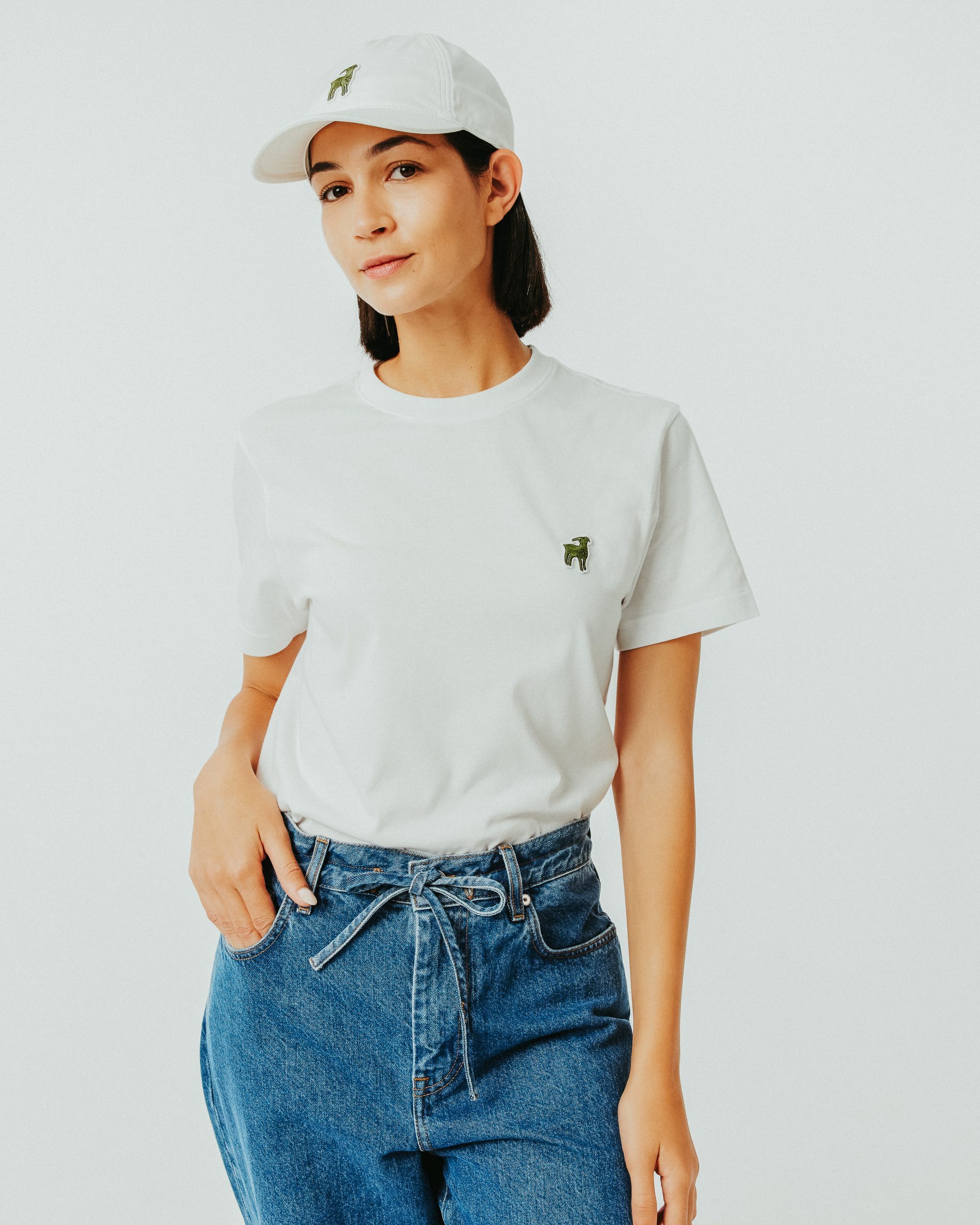
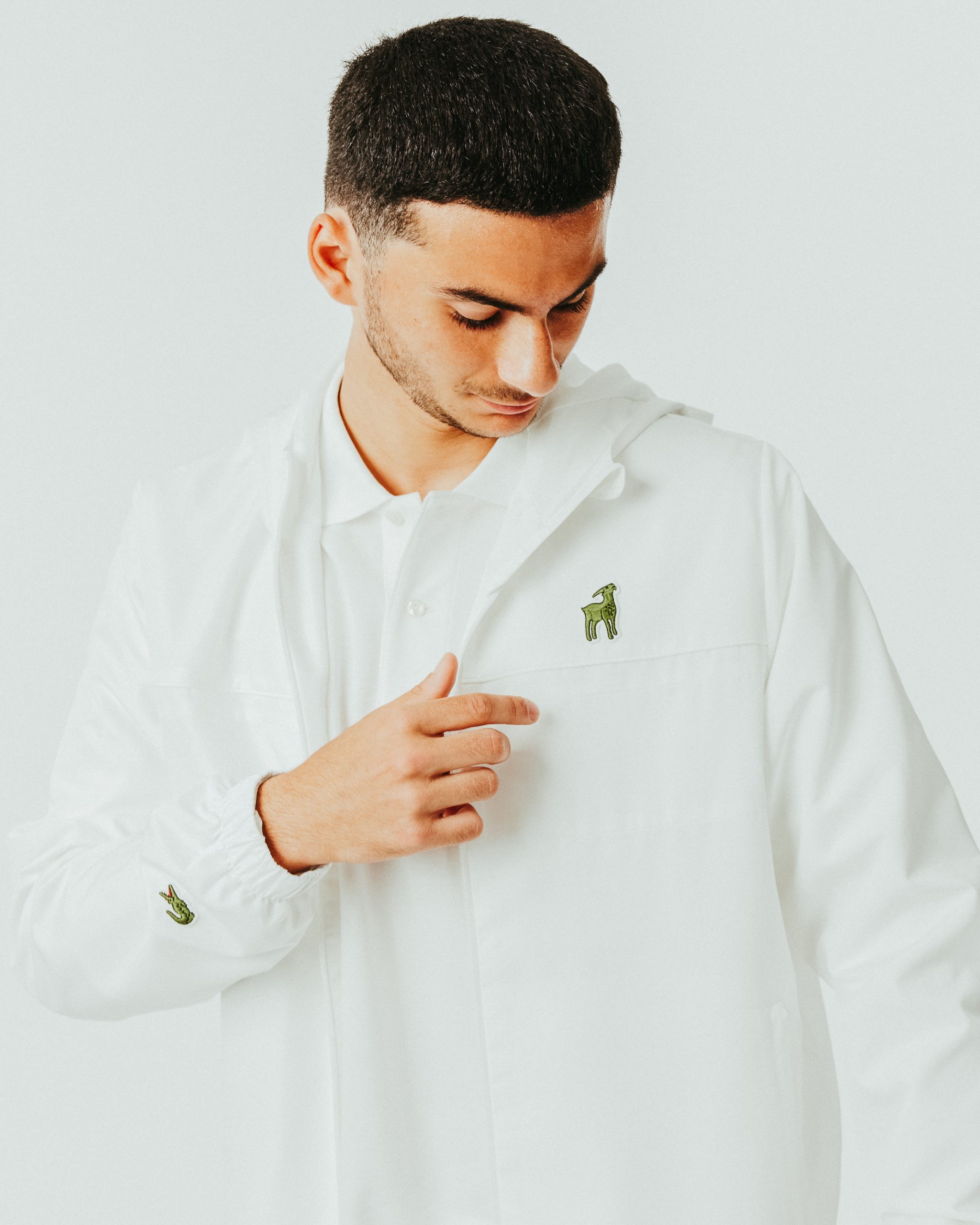
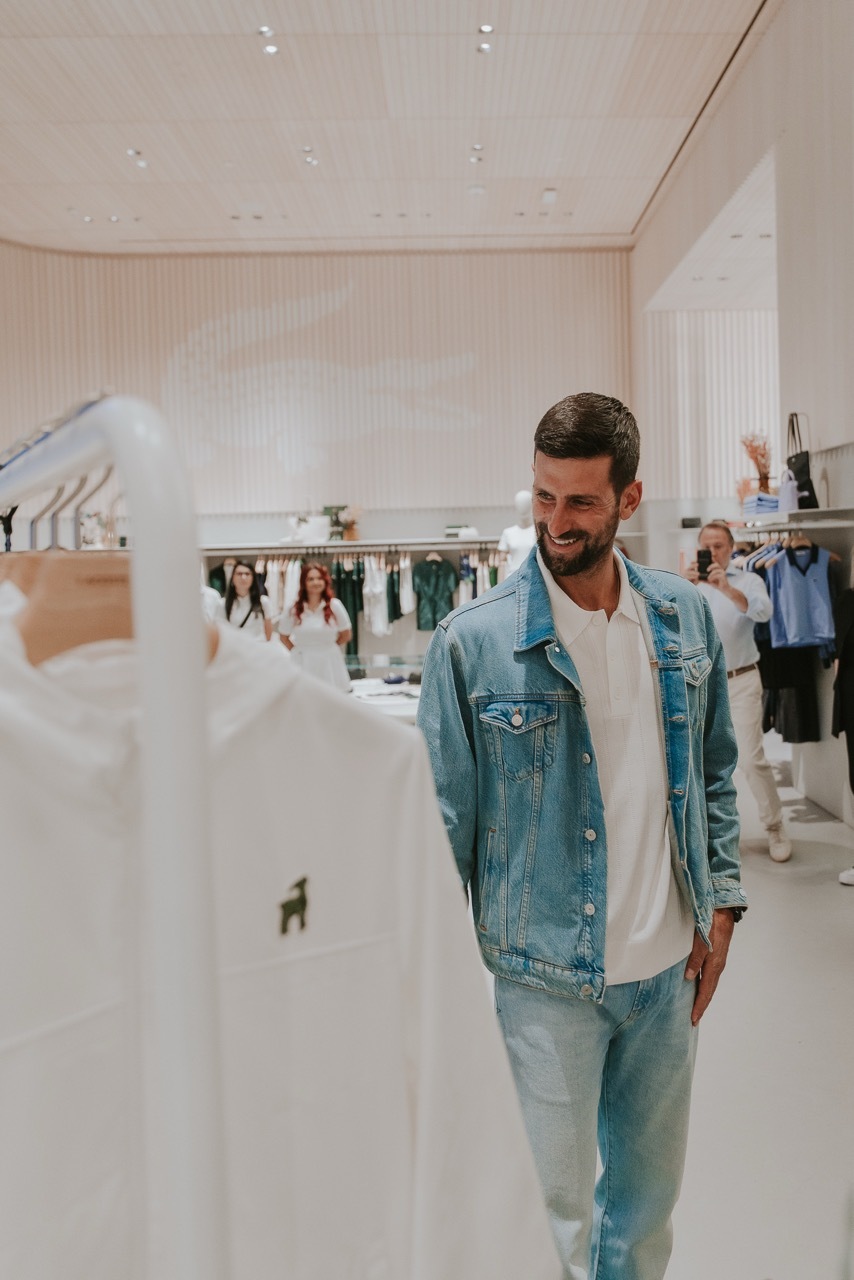
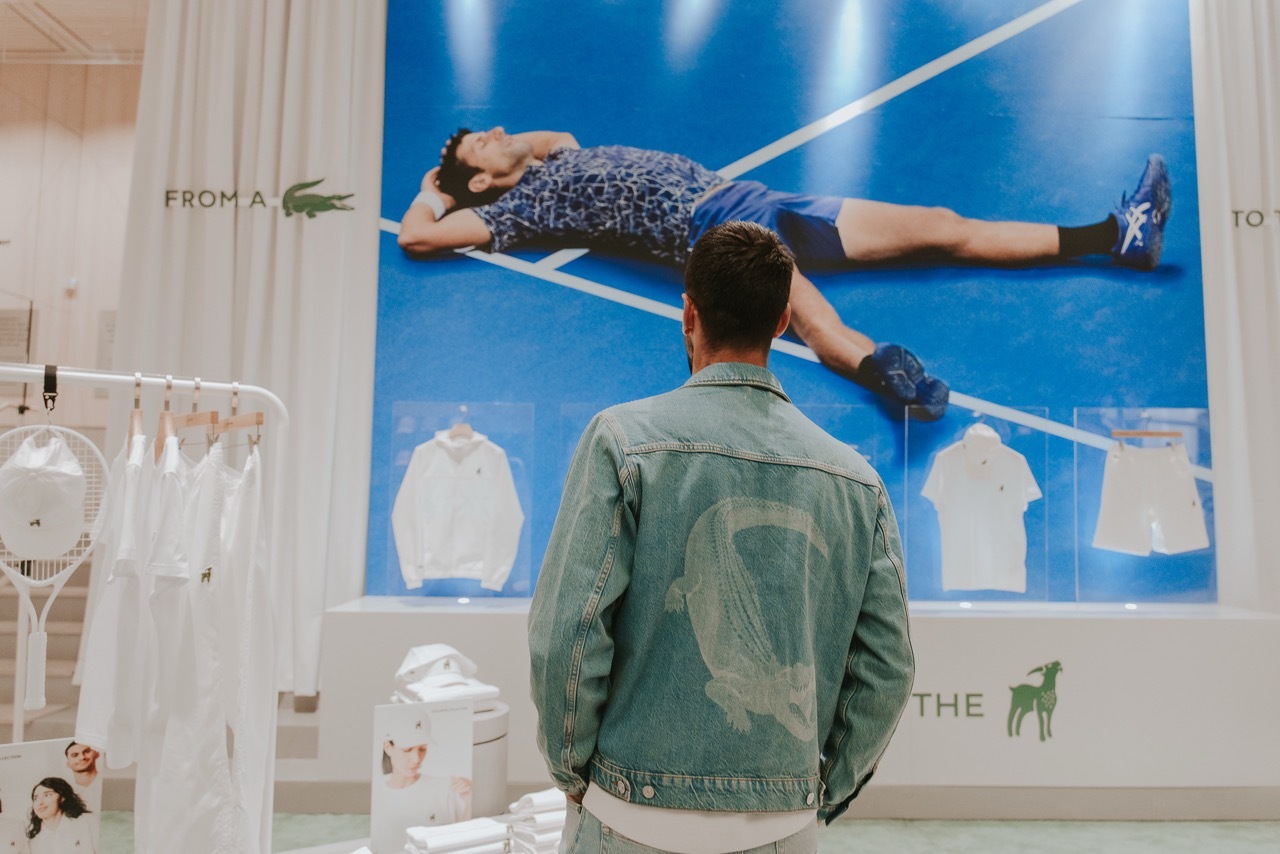
On 25 August 2025, on the eve of the US Open, Lacoste presents a rare creative gesture.1 The Maison replaces its embroidered crocodile, in place since 1933, with a goat emblem on a five-piece capsule that pays tribute to long-standing ambassador Novak Djokovic.1, 2 The acronym GOAT, short for Greatest Of All Time, anchors a line composed of a polo, a t-shirt, a tracksuit jacket, a cap and trousers, each carrying the new mark in lieu of the historic reptile.1 The capsule is described as a limited edition and is distributed across selected countries, with stock concentrated around the US Open period.1
The initiative, named "From the Crocodile to the Goat", recognises a partnership that has run for more than eight years.1 During that period Djokovic has secured 12 of his 24 Grand Slam titles in Lacoste apparel, an output the Maison frames as the most productive chapter of his career on tour.1 He also holds the records for most weeks at world number one, the highest tally of Grand Slam match wins in men's tennis, the most Masters 1000 victories, and remains the only player to have won each of those tournaments at least twice.1
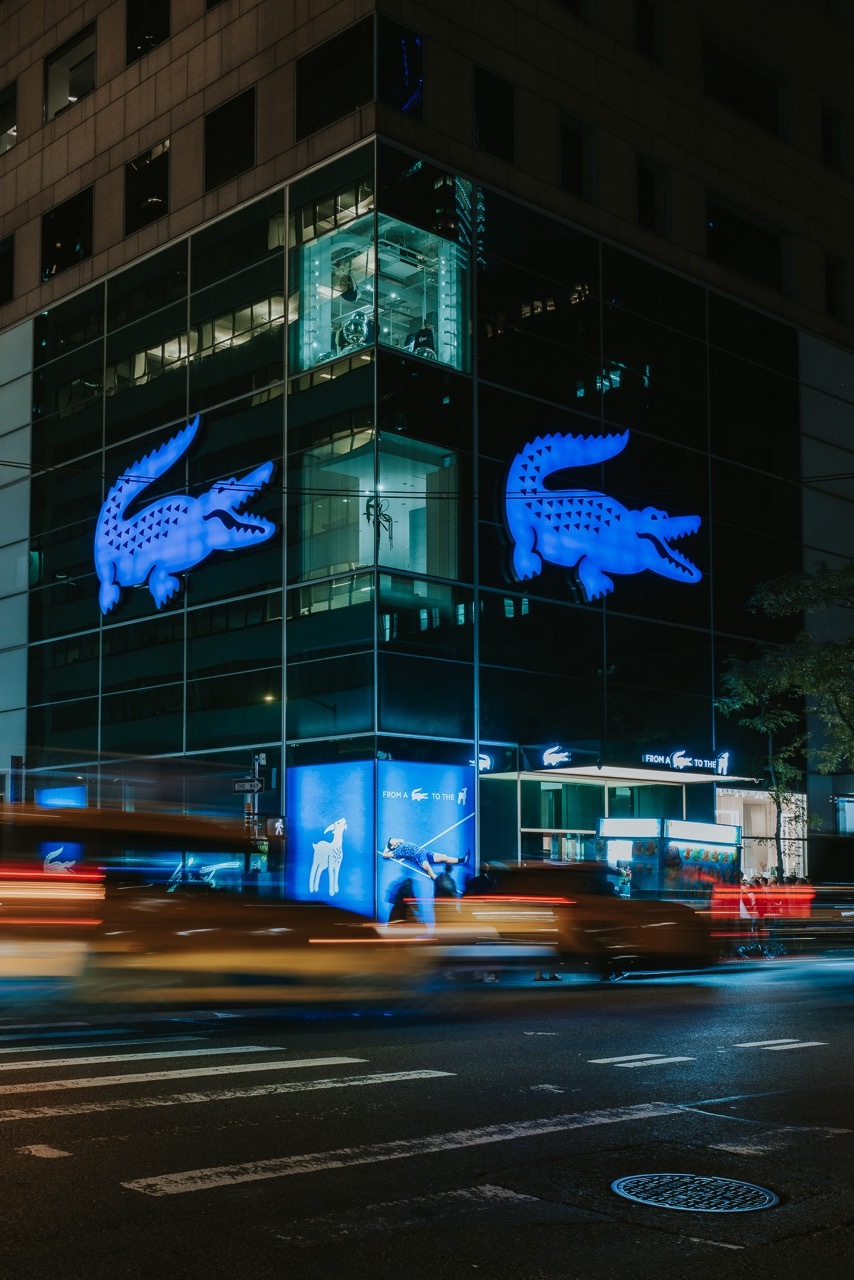
A launch staged on Fifth Avenue
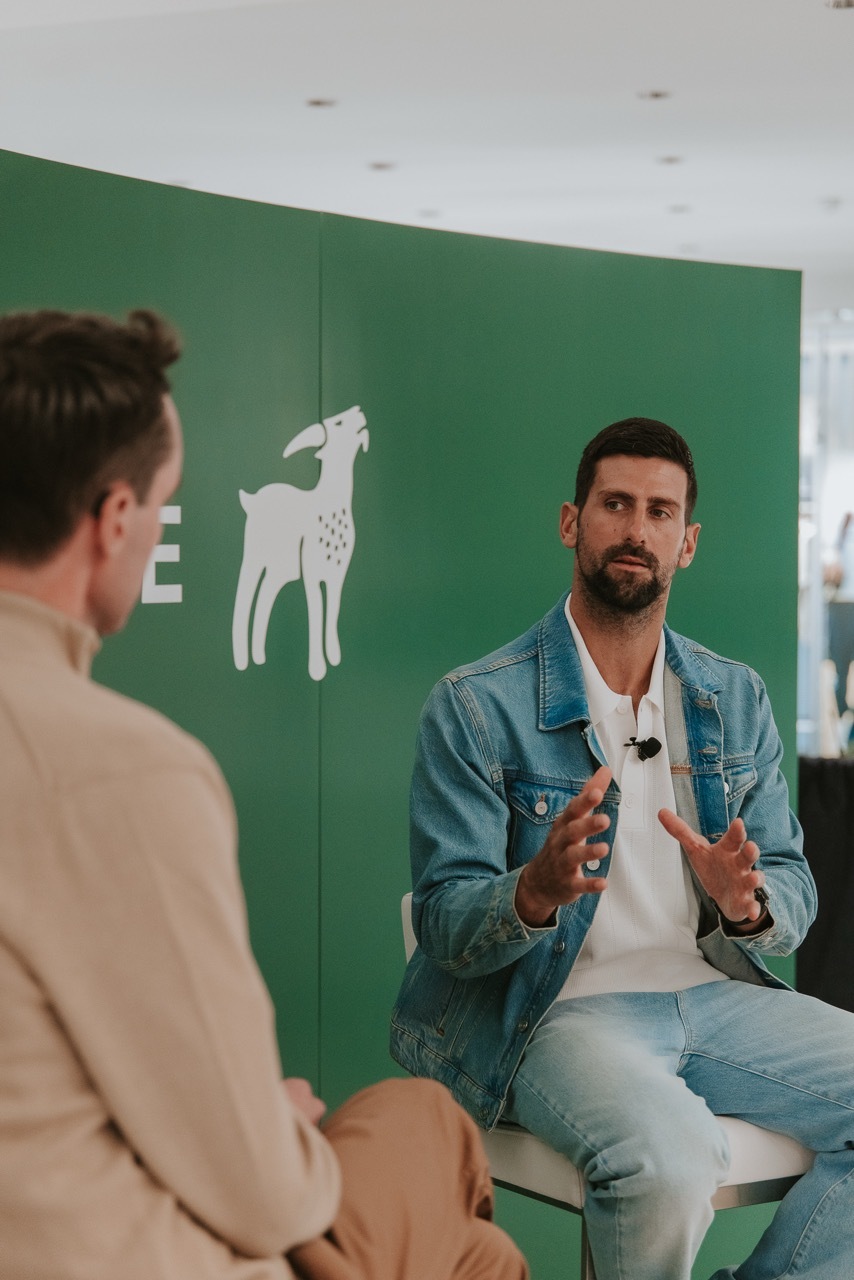
The collection is introduced from Lacoste's new flagship store on Fifth Avenue in New York, the Maison's American statement address that opened earlier in 2025.3 Djokovic personally greets fans inside the boutique on 22 August in a meet and greet format, three days ahead of the formal press release.1 The choice of New York is heavily symbolic for Lacoste. René Lacoste won the United States Championships there in 1926 and 1927, an American press box gave him the Crocodile nickname after a much-told bet involving an alligator-skin suitcase, and he conceived the original polo shirt for those tournaments.1, 4 The Maison stages the GOAT moment within that lineage, reading Djokovic's records as a continuation of an American legend rather than as a separate sponsorship story.
"Novak Djokovic has been part of the Lacoste family for over eight years. Together, we have shared an exceptional period, during which he won 12 Grand Slam titles, half of his career total. Beyond the extraordinary player, his tenacity, mindset and values have contributed to elevating and amplifying the brand. Transforming our Crocodile into a GOAT today to pay tribute to him, and unveiling the collection here, where René built his legend, was an obvious choice."1
The quote, attributed to Lacoste CEO Thierry Guibert in the press release, frames the GOAT idea as a reinterpretation of brand codes rather than a structural identity change.1 The crocodile remains the permanent visual identity of the Maison, and the goat appears only on the capsule, packaged as a temporary editorial layer rather than a successor mark.
Reading a logo swap as a brand move
Substituting a brand mark, even temporarily, is an editorial choice loaded with risk. The Lacoste crocodile is one of the most recognised emblems in apparel, traceable to the original blazer drawing by Robert George in 1927 and to the embroidered version that arrived on the L.12.12 polo in 1933.2, 4 Replacing it requires a narrative strong enough to justify the swap. The GOAT acronym does that work in a single visual move, linking sportswear heritage to a contemporary excellence story, and providing a self-evident shorthand that needs no translation across global tennis audiences.
The capsule also illustrates how Lacoste activates its ambassador relationships. Where many sportswear brands attach a player's silhouette or initials to a co-branded line, Lacoste here offers Djokovic a transformation of the brand mark itself, the highest editorial honour in the visual identity hierarchy. The choice fits the broader 2025 brand cadence, which includes the Novak Djokovic court inaugurated in Belgrade in May to support youth access to tennis, the Plaza Hotel afternoon tea launched in August, and the Olympic Heritage Seoul 1988 collection released in early September.5
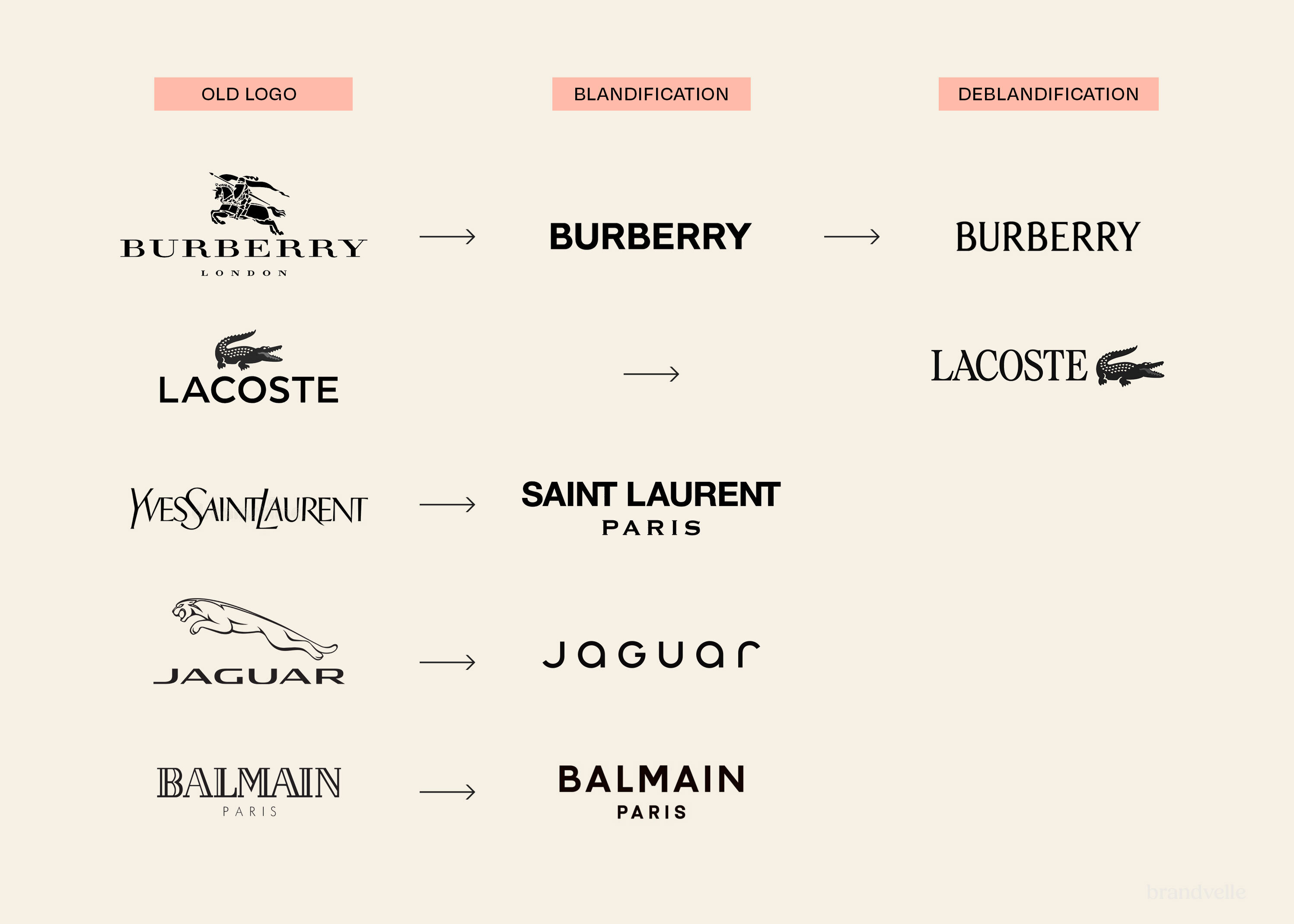
For a Maison whose 2026 visual identity refresh by Commission Studio later restores the historic green and elevates the crocodile's red tongue, the temporary substitution by a goat in 2025 is a calibrated departure that confirms the same principle.6 The mark moves only when the story justifies the move, and only for as long as the story requires. Read alongside the Fifth Avenue retail investment and the tennis-anchored programme of the period, the GOAT capsule operates as a public marker of a partnership at its peak rather than as a redirection of the visual system that carries the brand through its third century of preparation.
Written with AI assistance, edited by a human. Find out more about our Use of AI.
1. Lacoste, "Lacoste transforms its iconic Crocodile into a Goat to celebrate Novak Djokovic with an exclusive capsule collection", 25 August 2025, for the announcement of 25 August 2025 on the eve of the US Open, the replacement of the embroidered Crocodile by a goat emblem, the acronym GOAT for Greatest Of All Time, the five piece capsule of polo, t-shirt, tracksuit jacket, cap and trousers, the capsule being a limited edition distributed across selected countries, the initiative named "From the Crocodile to the Goat", the partnership of more than eight years, the 12 of 24 Grand Slam titles won in Lacoste apparel, the records for most weeks at world number one, most Grand Slam match wins in men's tennis and most Masters 1000 victories, and for Djokovic being the only player to have won each of those tournaments at least twice, the meet and greet with Djokovic at the Fifth Avenue flagship on 22 August, the reference to René Lacoste's United States Championships wins of 1926 and 1927, his Crocodile nickname and his invention of the polo shirt, and the quotation and job title of Thierry Guibert, CEO of Lacoste. The corporate page and the press release PDF carry the same release and share this note. https://corporate.lacoste.com/lacoste-transforms-its-iconic-crocodile-into-a-goat-to-celebrate-novak-djokovic-with-an-exclusive-capsule-collection/ https://corporate.lacoste.com/app/uploads/2025/08/GOAT-PRESS-RELEASE-ENG.pdf
2. Lacoste, "Our history", undated brand history page consulted on 18 September 2026, for the founding of Lacoste with André Gillier in 1933 and the petit pique polo shirt brought to the courts that year, and for Robert George having sewn the crocodile onto the white jackets René Lacoste wore when arriving on court. https://corporate.lacoste.com/our-history/
3. Lacoste, "Lacoste opens new flagship on New York's iconic 5th Avenue", 10 April 2025, for the opening of the flagship at 575 Fifth Avenue in New York in April 2025 and for Lacoste presenting the address as the centrepiece of its ambitions in the United States. https://corporate.lacoste.com/lacoste-opens-new-flagship-on-new-yorks-iconic-5th-avenue/
4. Wikipedia, "René Lacoste" and "Lacoste", encyclopaedic reference, off whitelist and used for corroboration only, consulted on 18 September 2026, for René Lacoste's United States Championships titles of 1926 and 1927, for the Boston bet over a suitcase made of alligator skin that led the American press to name him after the animal, and for Robert George's crocodile drawings of 1927, one of which was embroidered onto the white blazer Lacoste wore before matches, and for the crocodile being embroidered on the chest of the polo produced from 1933. Neither article carries the model designation L.12.12. https://en.wikipedia.org/wiki/Ren%C3%A9_Lacoste https://en.wikipedia.org/wiki/Lacoste
5. Lacoste newsroom, three releases of 2025 that make up the brand cadence named in the body: "Lacoste inaugurates the Novak Djokovic court in Belgrade to promote youth access to tennis", 15 May 2025, for the court inaugurated in Belgrade with Djokovic present on 14 May and operated with the Novak Djokovic Foundation to widen youth access to tennis; "Lacoste and The Plaza celebrate the launch of their tennis inspire afternoon tea at the iconic Palm Court", 13 August 2025, for the afternoon tea at The Plaza in New York; and "Lacoste celebrates the heritage of the Olympic Games Seoul 1988 with a retro-contemporary capsule collection", 3 September 2025, for the Seoul 1988 Olympic heritage collection. https://corporate.lacoste.com/lacoste-inaugurates-the-novak-djokovic-court-in-belgrade-to-promote-youth-access-to-tennis/ https://corporate.lacoste.com/lacoste-and-the-plaza-celebrate-the-launch-of-their-tennis-inspire-afternoon-tea-at-the-iconic-palm-court/ https://corporate.lacoste.com/lacoste-celebrates-the-heritage-of-the-olympic-games-seoul-1988-with-a-retro-contemporary-capsule-collection/
6. Lacoste, "Lacoste unveils a new visual identity", 21 April 2026, for the 2026 visual identity developed with Commission Studio, for the emblematic green being adjusted to match its original shade and for the crocodile's red tongue becoming more visible across certain expressions. https://corporate.lacoste.com/lacoste-unveils-a-new-visual-identity/