
A studio comedy set inside a brand
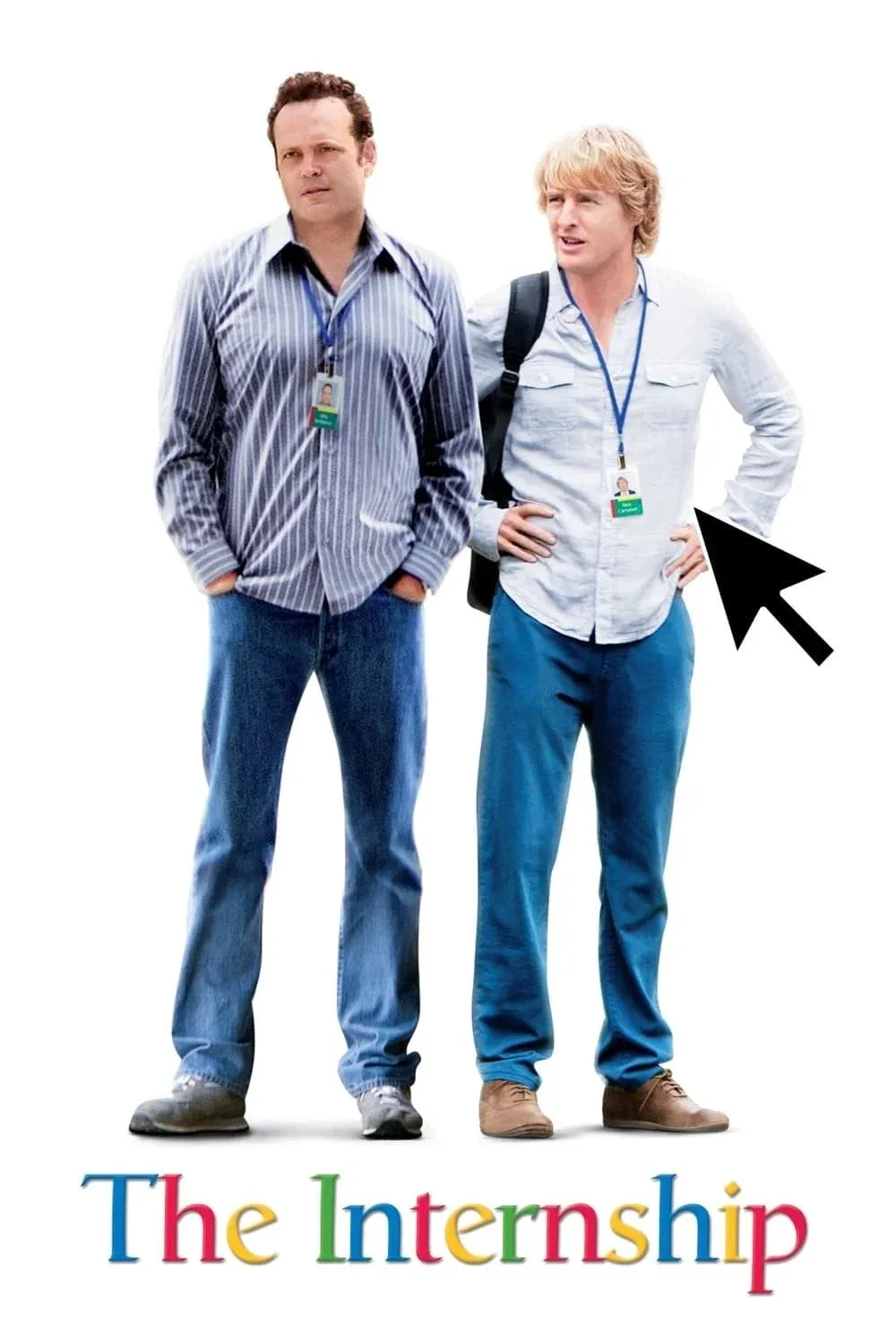
On 7 June 2013, the comedy The Internship opened in cinemas in the United States. Directed by Shawn Levy and starring Vince Vaughn, who also co-wrote it, alongside Owen Wilson, the film followed two middle-aged salesmen who, after losing their jobs, talk their way into an internship at Google. The premise was a fish-out-of-water comedy, but the setting made it something more unusual: a mainstream Hollywood film built almost entirely around a single real company and its brand.
What set The Internship apart from ordinary product placement was its scale. This was not a logo glimpsed in the background or a can of a particular drink held to the camera. The entire story took place within the world of Google, its campus, its culture, its language and its self-image. The brand was not a prop in the film. The brand was the setting.
An unusual arrangement
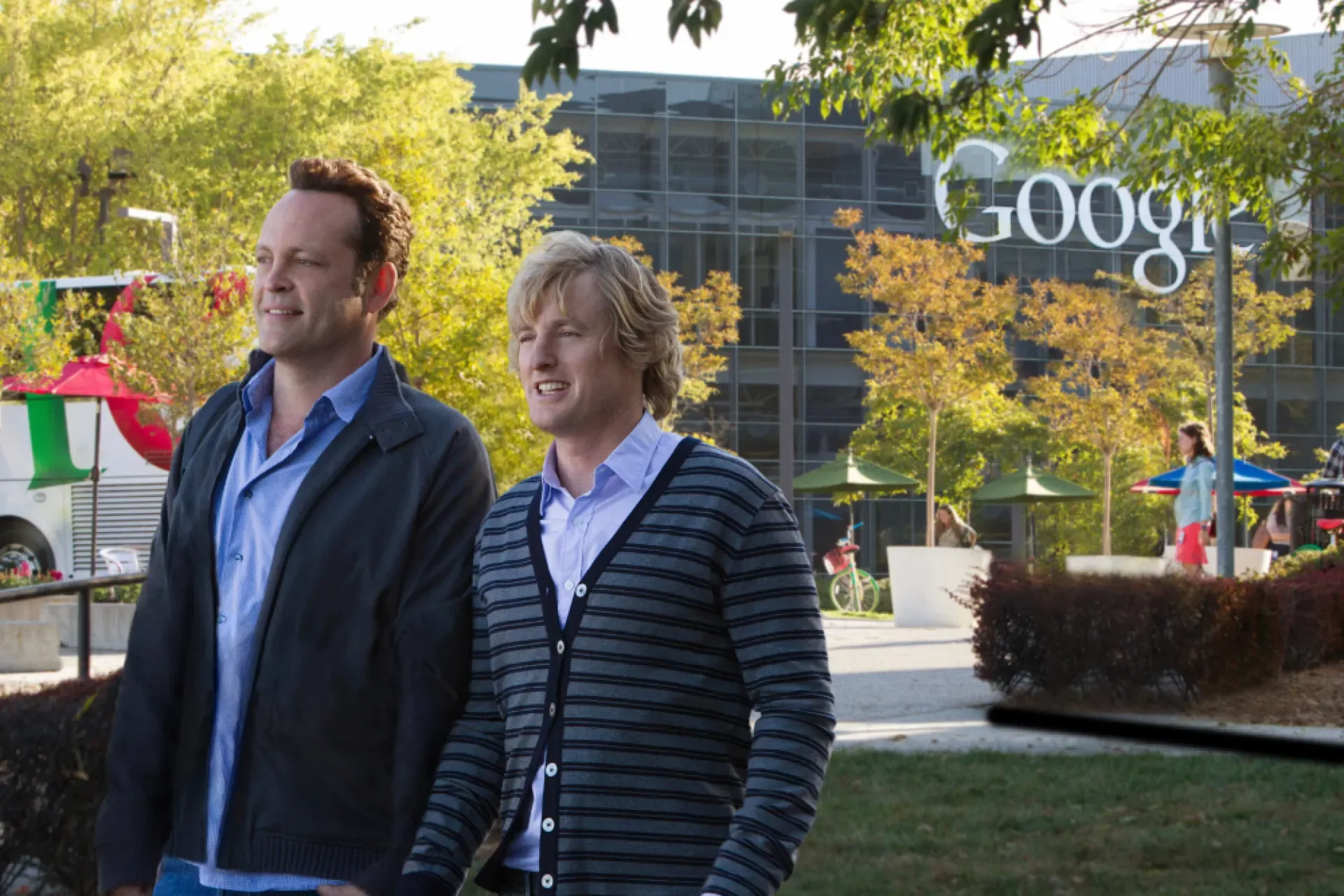
The commercial terms behind the film were as notable as the film itself. By the accounts given at the time, no money changed hands for the placement. Google did not pay the studio to feature its brand, and the studio did not pay Google for the association. Instead, the two sides cooperated. Google allowed the production to film for several days at its Mountain View headquarters, the Googleplex, and roughly a hundred real employees appeared as extras, lending the film an authenticity that a constructed set could not have matched.
That cooperation came with involvement. The production worked closely with Google to get the details right, and the company had a hand in how it was portrayed. Reports from the shoot described how the on-screen computer screens and whiteboards were prepared, checked or approved by Google staff so that they reflected the company accurately. Even the co-founders were referenced in the film's texture. The result was a portrayal that Google was comfortable with, because it had helped shape it.
Employer branding at feature length
Seen through a branding lens, The Internship functioned as an extended piece of employer marketing. The film presented Google as a place of free food, bright open spaces, nap pods, volleyball and a culture that prized curiosity and teamwork over conventional credentials. Its central message, that character and willingness to learn could matter as much as a traditional resume, flattered the company's image of itself as a meritocratic, unconventional employer.
For a company that competes intensely for talent, that portrayal had real value. A two-hour comedy seen by a wide audience showed millions of viewers an aspirational picture of what it might be like to work at Google, reinforcing the company's standing as one of the most desirable employers in the world. The film reached people who would never read a recruitment brochure, and it did so in the warm, forgiving register of a mainstream comedy.
The debate it provoked
The film's closeness to its subject drew comment. A number of critics described The Internship as effectively a feature-length advertisement for Google, questioning whether a studio comedy should be so thoroughly devoted to promoting a single corporation. The concern was not that the brand appeared, but that the film seemed, at times, to exist to celebrate it. Others were more relaxed, treating the Google setting as a contemporary backdrop in the way earlier comedies had used other recognisable workplaces.
Google, for its part, gained a largely favourable and highly visible portrayal without a conventional advertising outlay. Whatever the critical verdict on the comedy, the brand outcome was clearly positive: a sympathetic, aspirational depiction of the company and its culture, carried into cinemas worldwide and shaped with the company's own input.
The Internship stands as a distinctive case in the relationship between brands and entertainment. Rather than inserting a product into a story, it built a story inside a brand, and it did so through cooperation rather than a placement fee. For Google, the film became an unusually complete showcase of its identity as an employer and a culture, a reminder that a brand can be projected not only through advertising and design but through the stories that others choose to tell about it, especially when the brand helps tell them.
Source: Rotten Tomatoes Trailers
Written with AI assistance, edited by a human. Find out more about our Use of AI.