
A Ferrari shaped by Jony Ive and LoveFrom
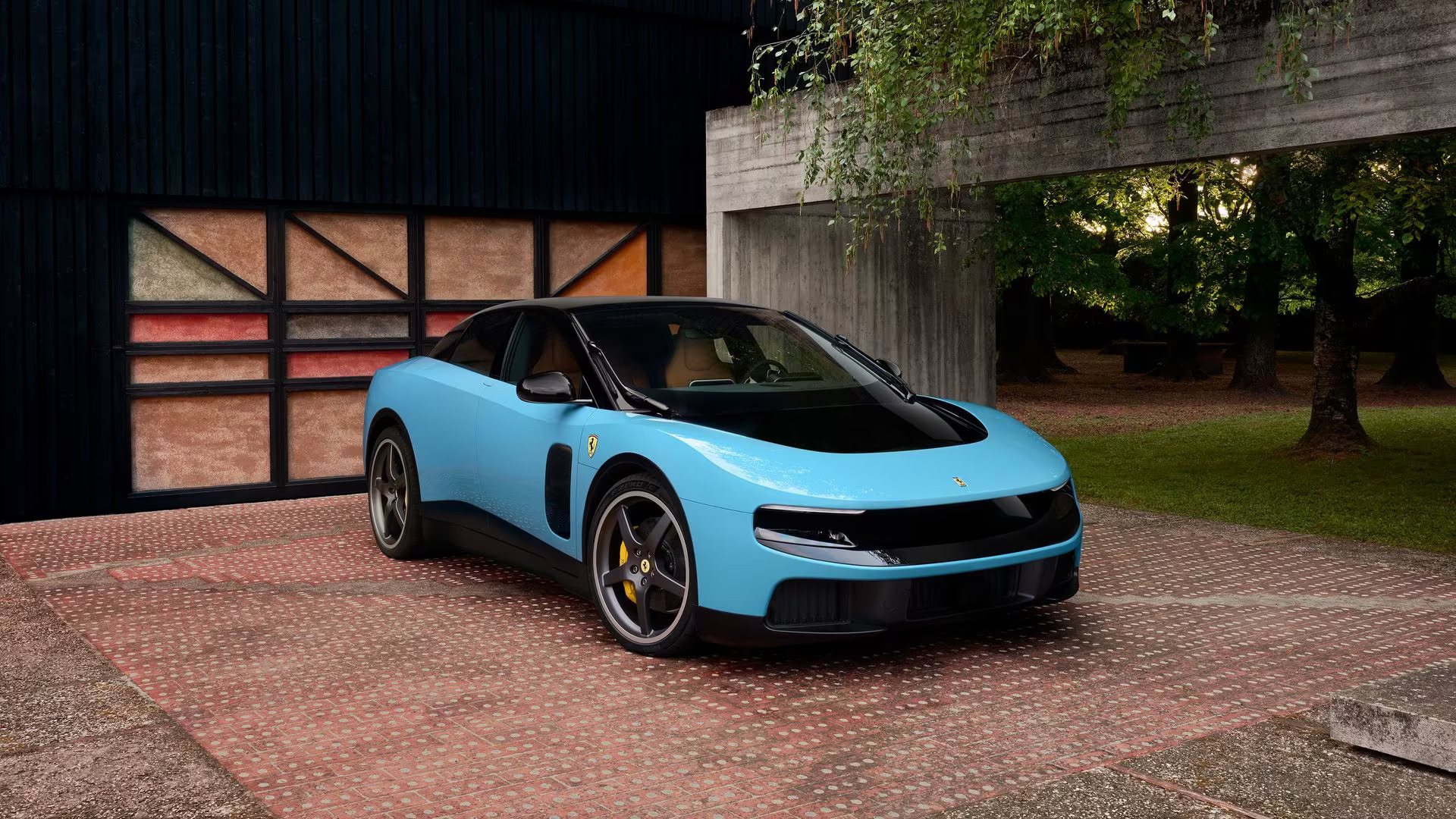
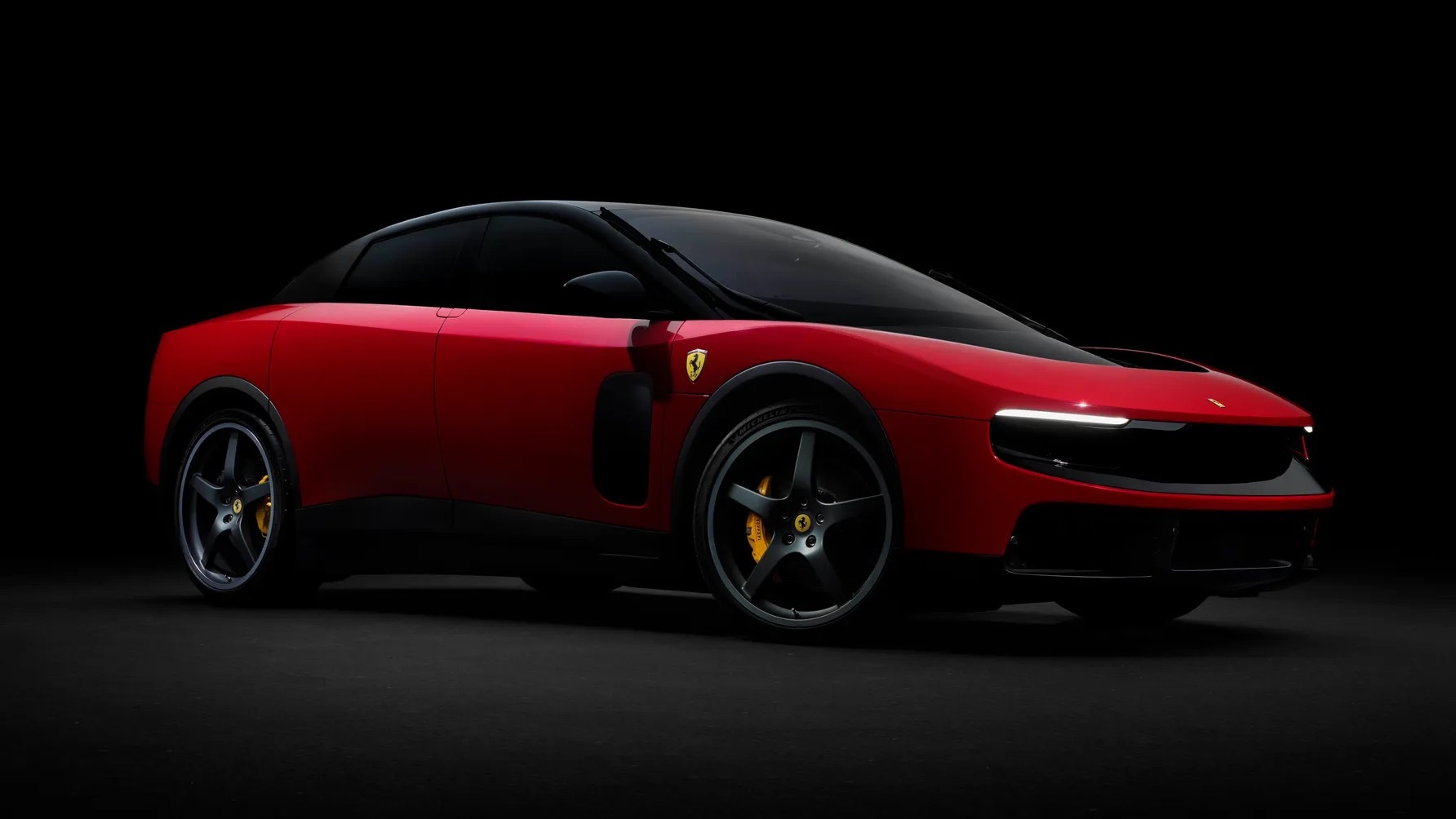
On 25 May 2026, in front of more than 200 journalists gathered in Rome, Ferrari presents the Luce, the company's first fully electric production car and the first automobile designed by Sir Jonathan Ive's studio LoveFrom.1, 2, 3 Ive, the former Apple chief design officer behind the iMac, iPod and iPhone, has spent the last five years working with co-founder Marc Newson and Ferrari's in-house teams on a vehicle that breaks with the marque's two-door, mid-engined template.4, 5 Ferrari CEO Benedetto Vigna frames the result as a deliberate test of the company's appetite for category change.1
The Luce sits at the intersection of two strategic ambitions: extending the Ferrari portfolio beyond combustion, and broadening its audience without diluting the marque. Ferrari estimates that most Luce buyers will be new to the company, a projection that explains why the project departs from the established supercar template rather than reinterpreting it.1
Why Ferrari turned to LoveFrom
The decision to hand exterior and interior execution to LoveFrom marks the first time Ferrari has invited an external studio to lead the design of a road car in living memory.6 LoveFrom was founded by Ive in 2019 after his departure from Apple, with Marc Newson, the industrial designer behind work for Apple, Louis Vuitton, Hermès and Qantas, as co-founder.7, 8, 9 The two designers have framed their practice as a long-form collaboration model with a small number of clients, in which the studio embeds with engineering teams rather than delivering finished proposals.1
That working method shapes the Luce. Ive and Newson describe a five-year partnership in which LoveFrom worked alongside Ferrari's engineers from initial concept through to production tooling.5 "We hold great engineers in such high esteem and Ferrari knows we weren't just throwing stuff over the wall," Ive notes during the Rome reveal.1 The studio's typographer Antonio, who grew up close to Maranello, drew a bespoke typeface for the car, named LF Maranello.1
Exterior choices and the platform argument
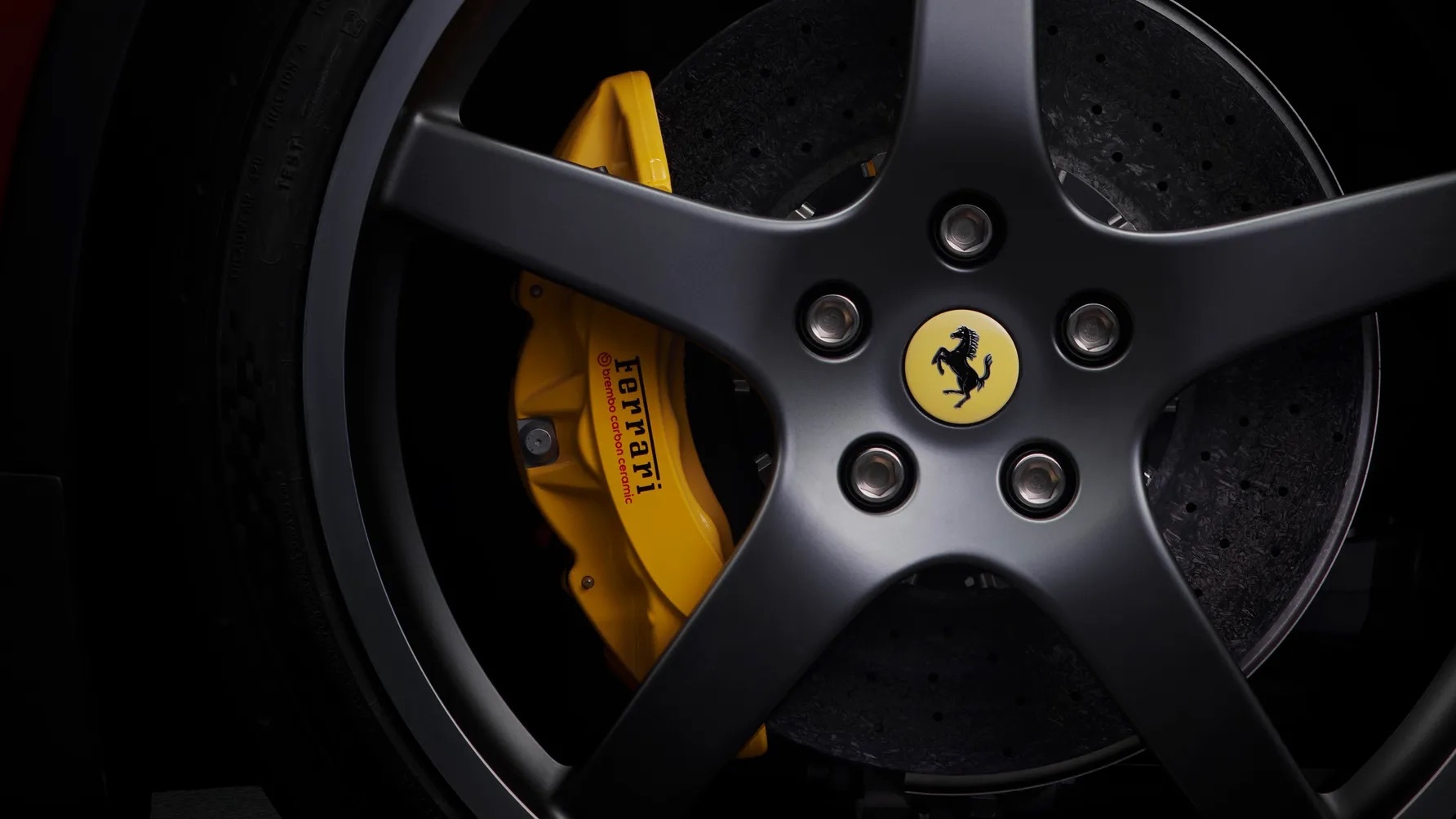
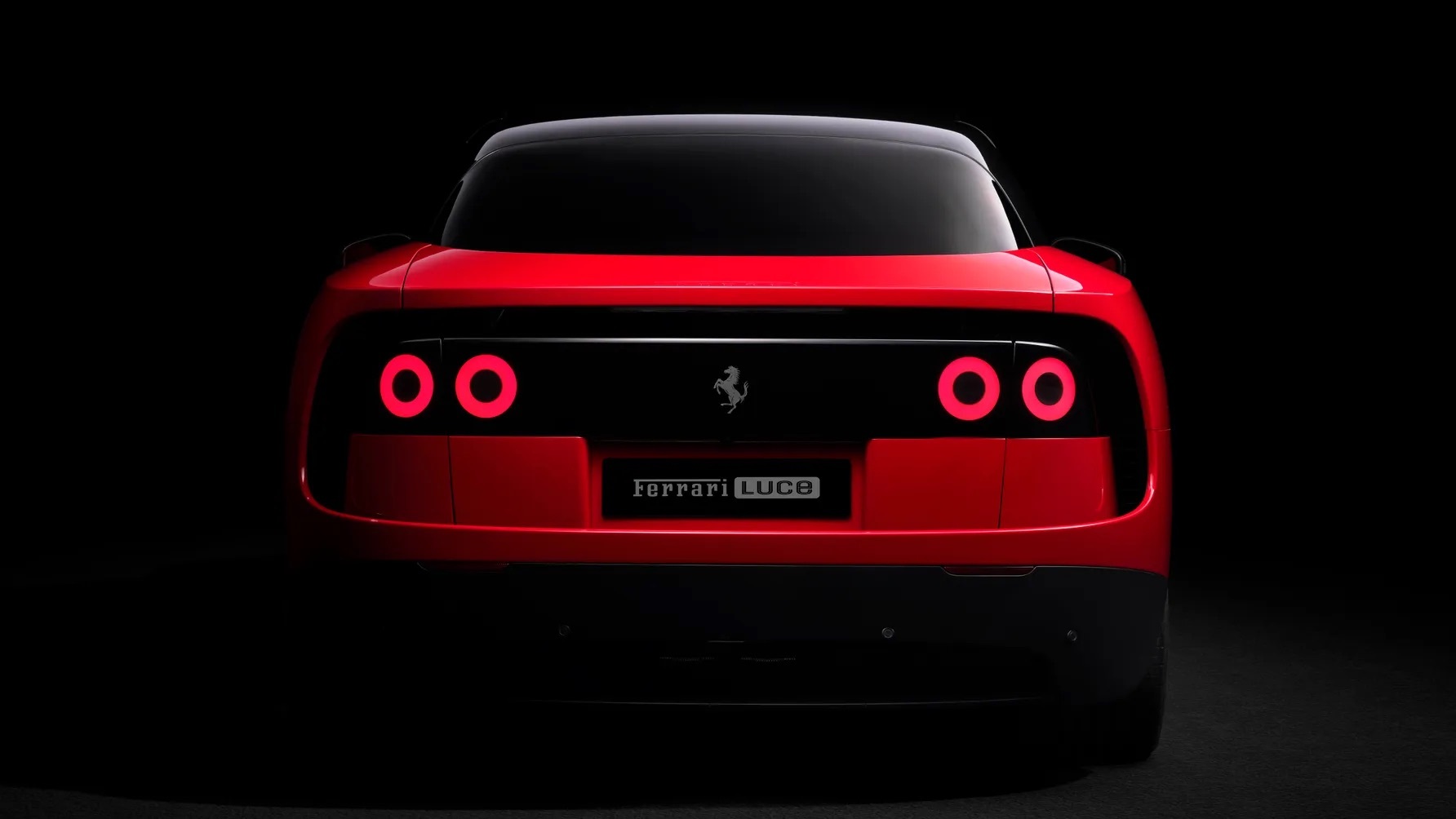
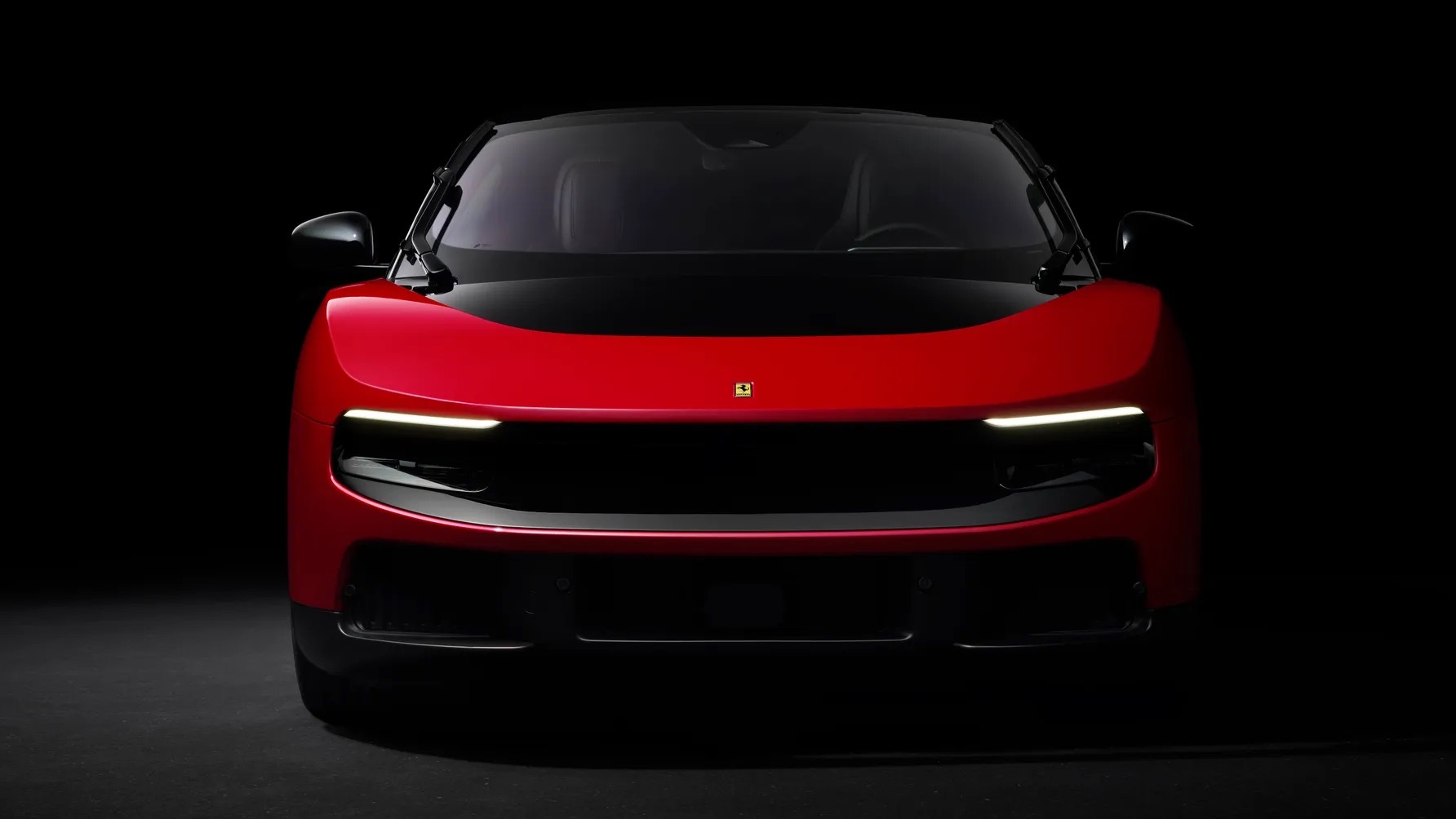
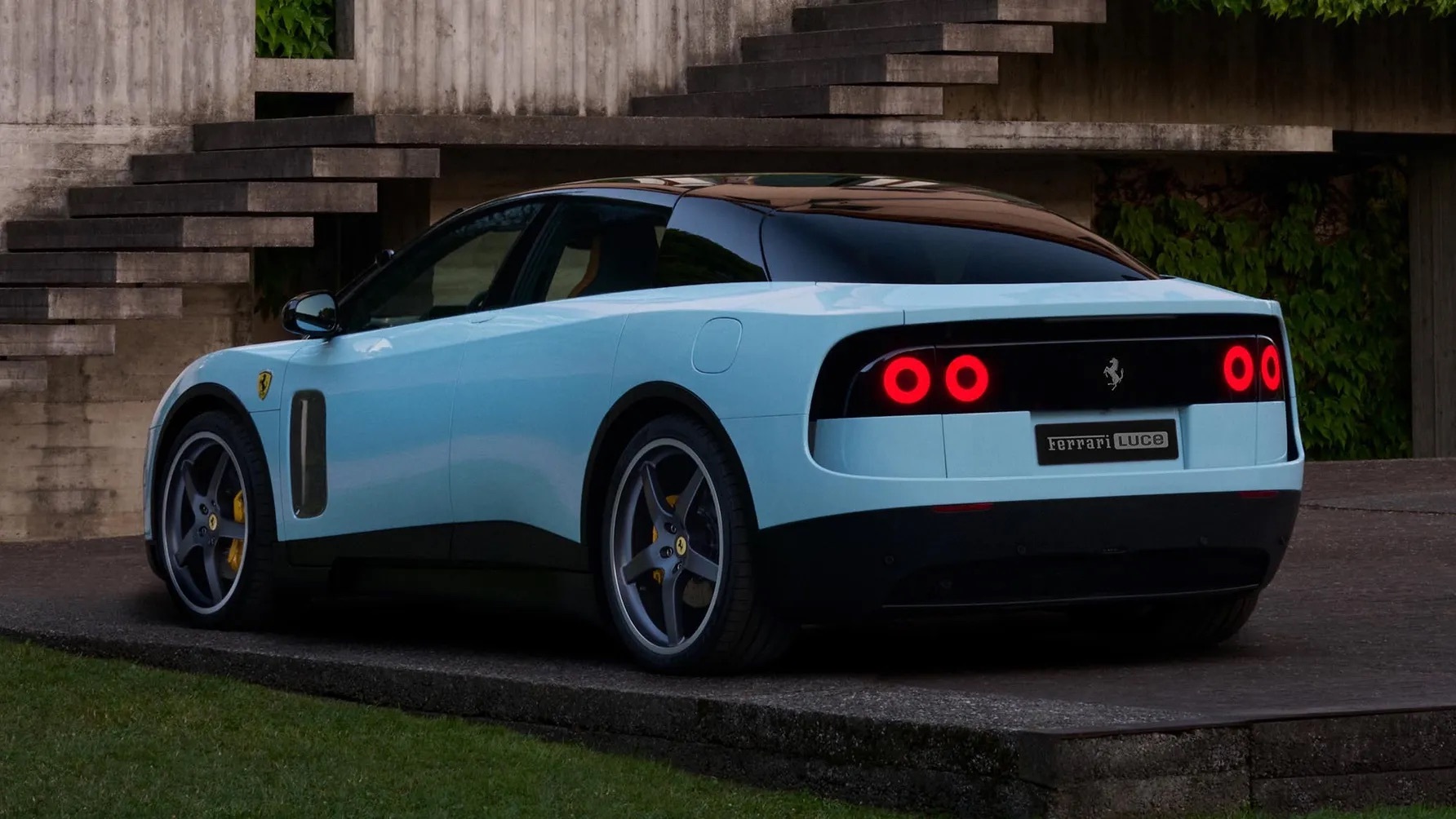
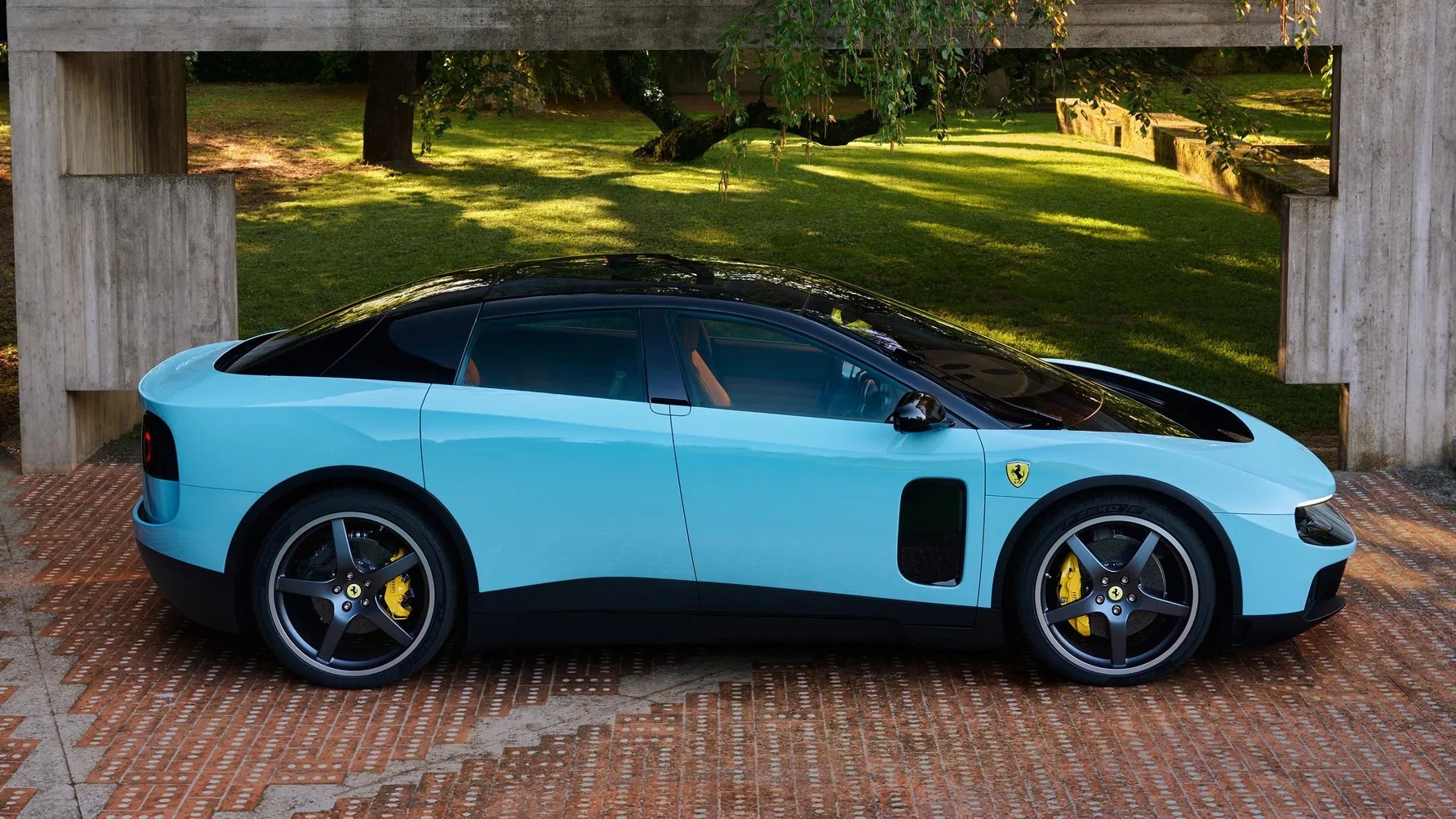
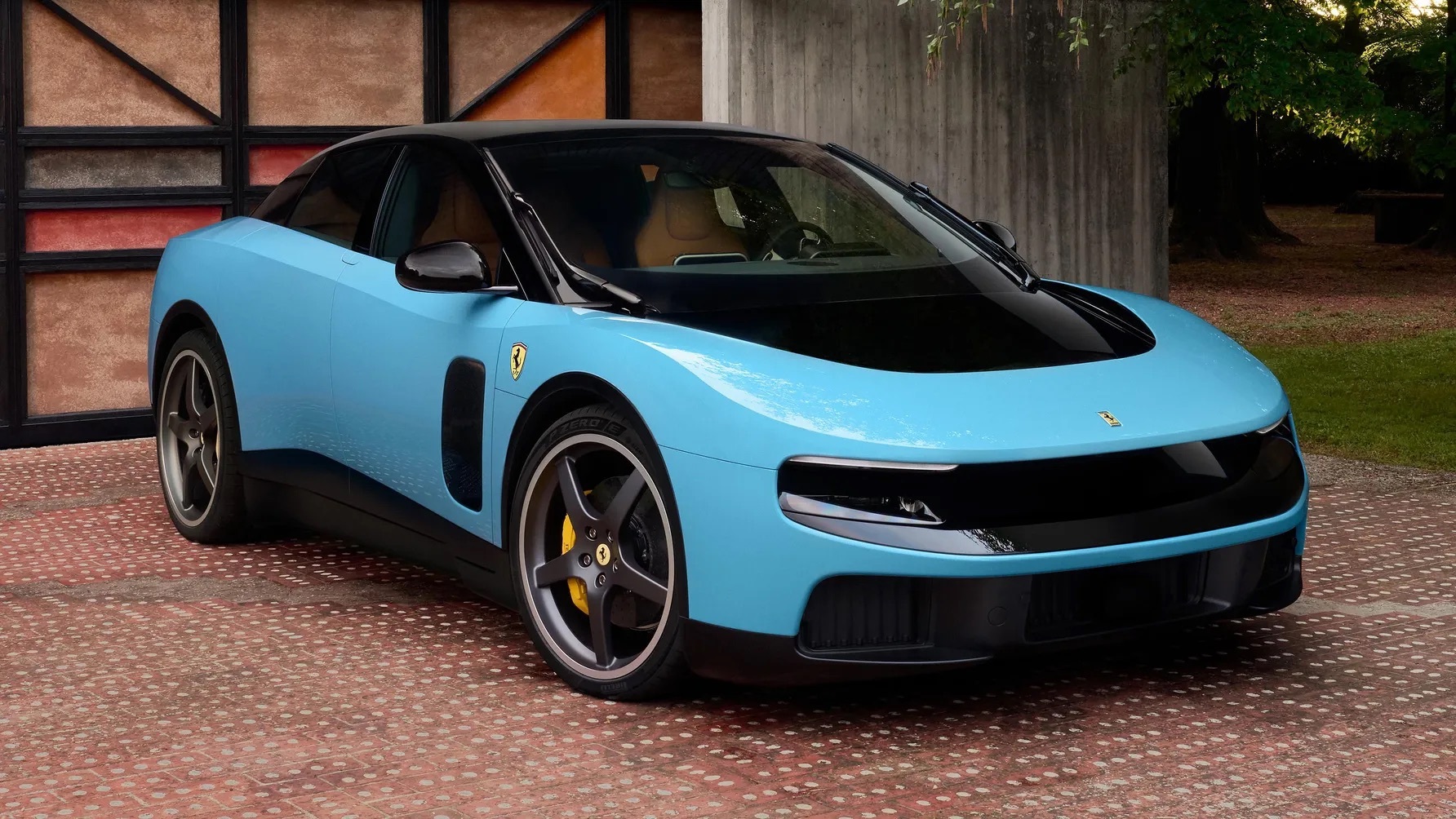
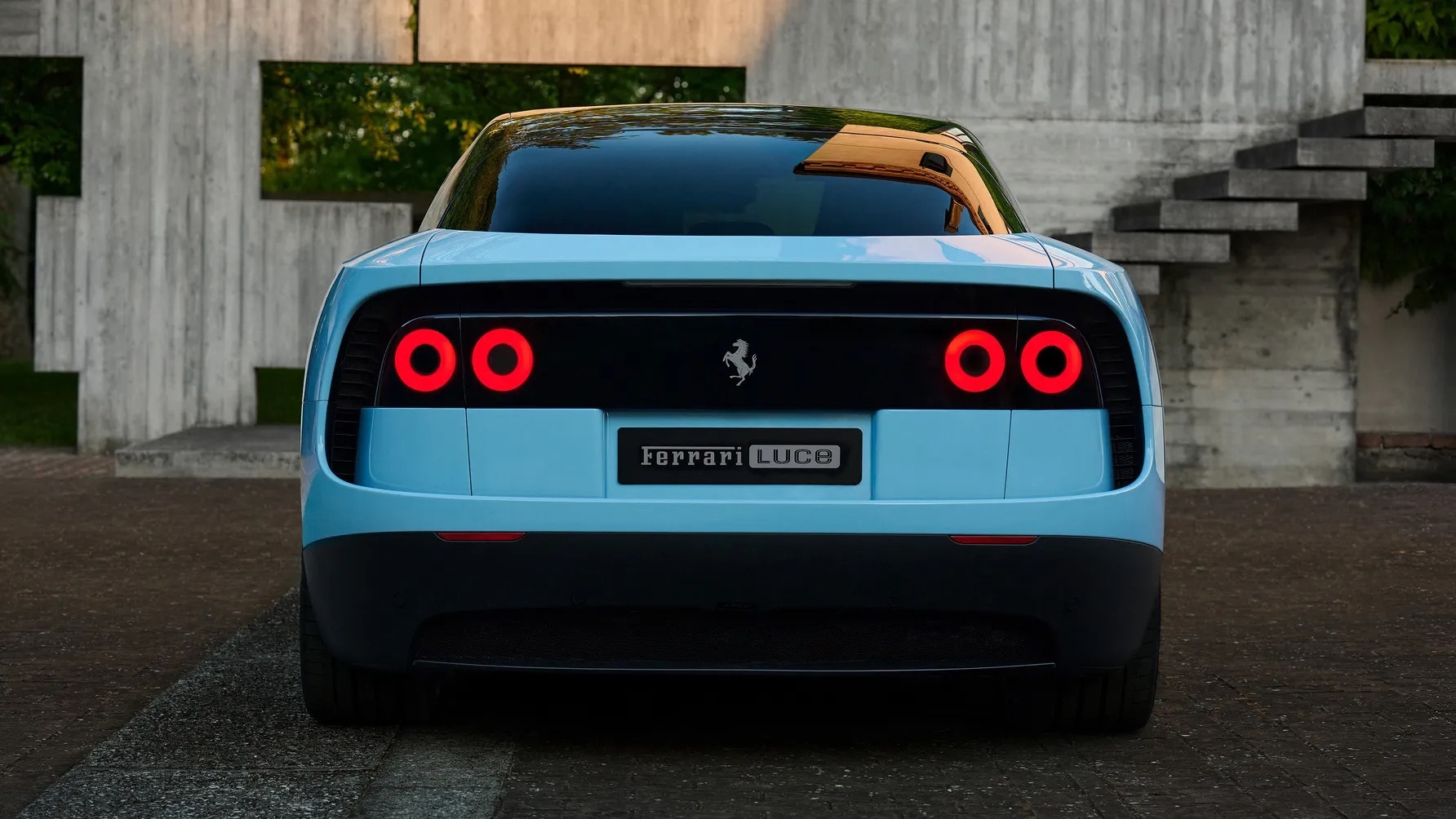
The visual outcome is a glasshouse-led monobox: a passenger cell wrapped in a continuous surface that includes the windscreen, side glass, rear window and a panoramic glass roof.5, 10 The drag coefficient of 0.254 is the lowest Ferrari has recorded.5, 11 Doors are rear-hinged, the C-pillar functions as a flying bridge, and wheels measure 23 inches at the front and 24 inches at the rear.5, 10 Ferrari states that 95 per cent of the Luce's components are new.1
Matteo Lanzavecchia, head of vehicle engineering, explains why the team did not pursue a mid-engined electric supercar in the manner of the Ferrari F80.1, 10 Removing the combustion engine and fuel tank from a mid-engined layout, he argues, offers no meaningful gains in centre of gravity or moment of inertia.1 The Luce instead locates the battery low in the structure, integrated into the body for torsional rigidity, with a centre of gravity 95 millimetres lower than the Purosangue.1 A new vehicle control unit updates 200 times per second, and the Side Slip Control system reaches its tenth iteration on this platform.1
An interior anchored in physical detail
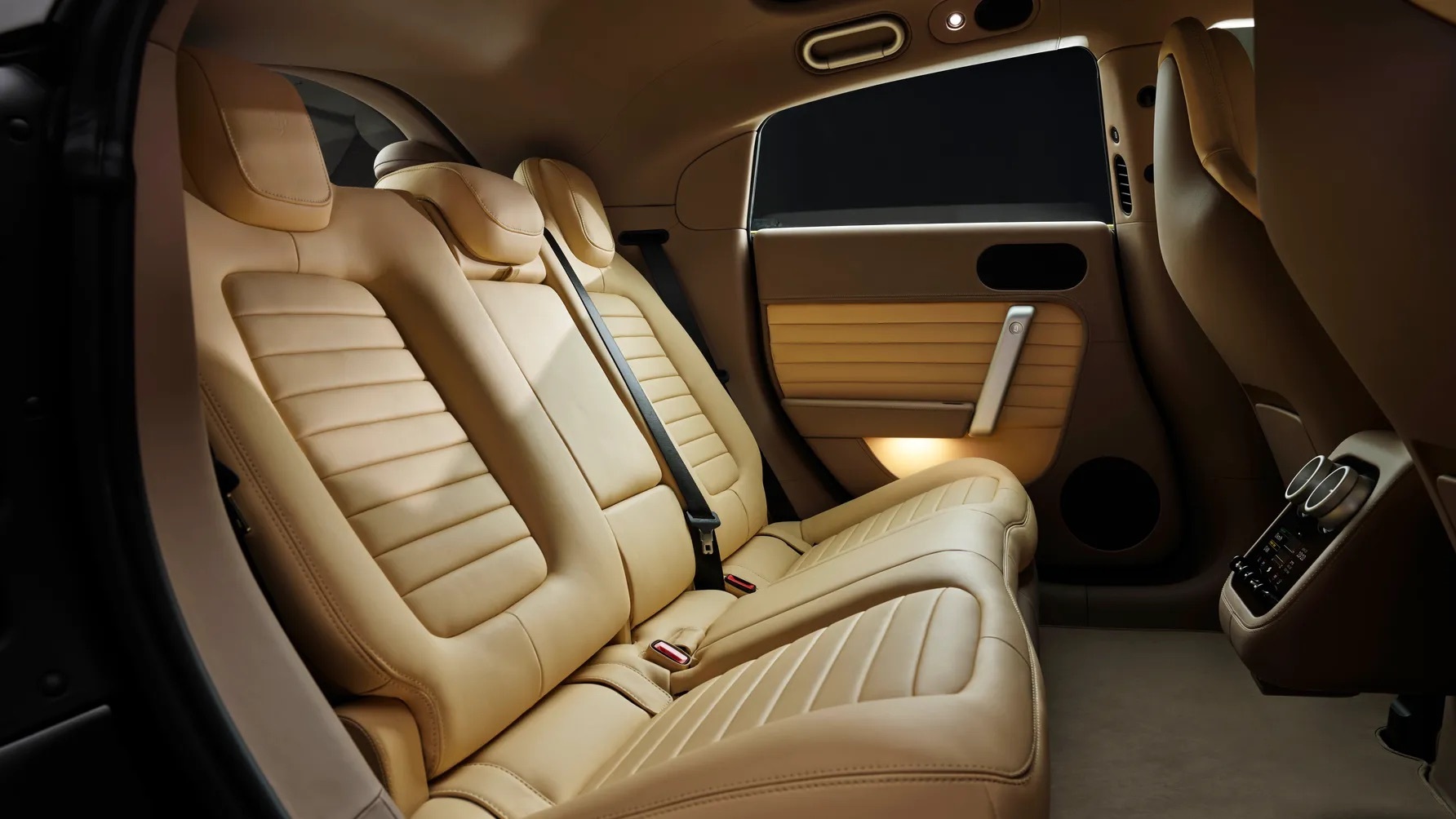
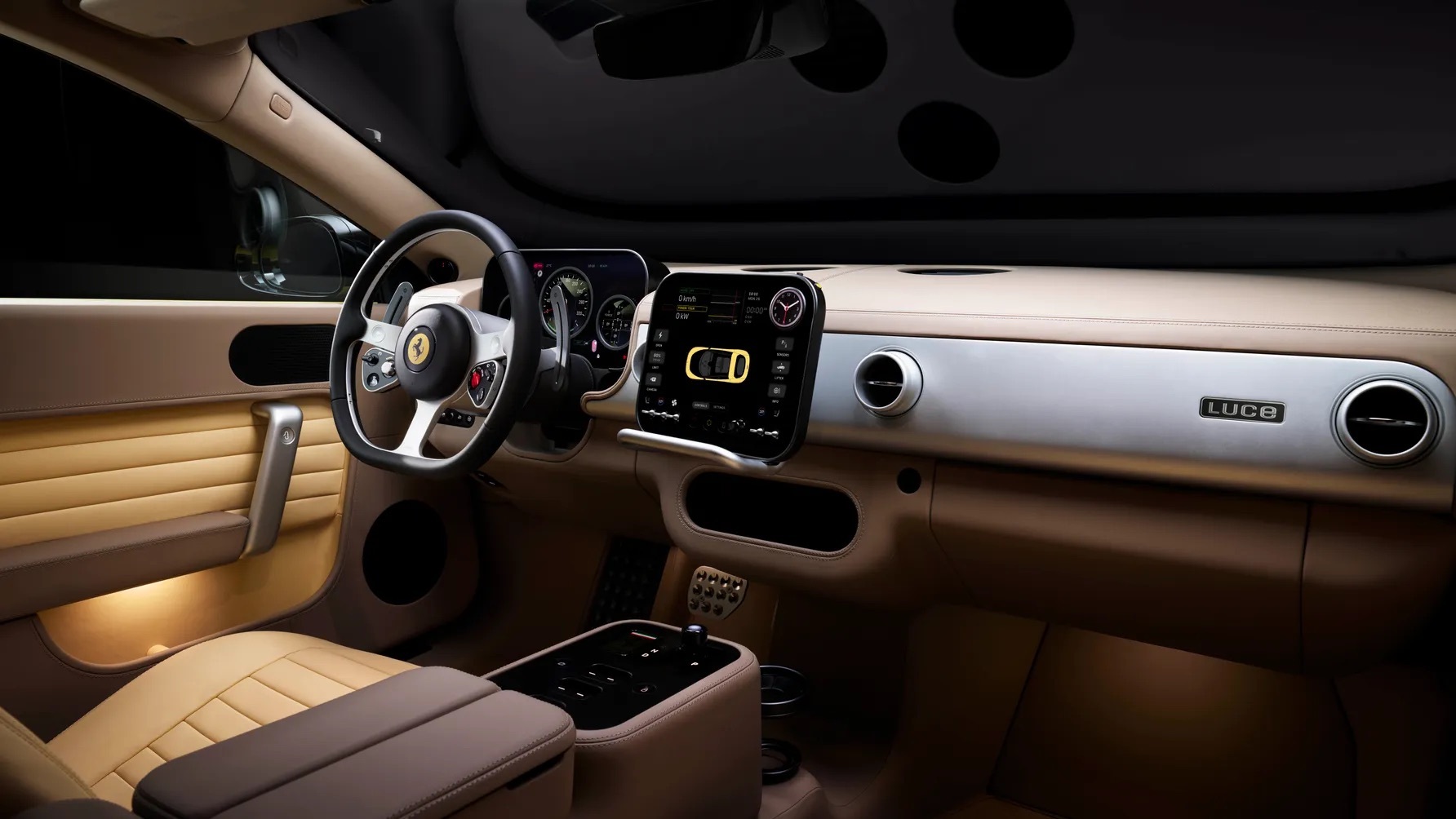
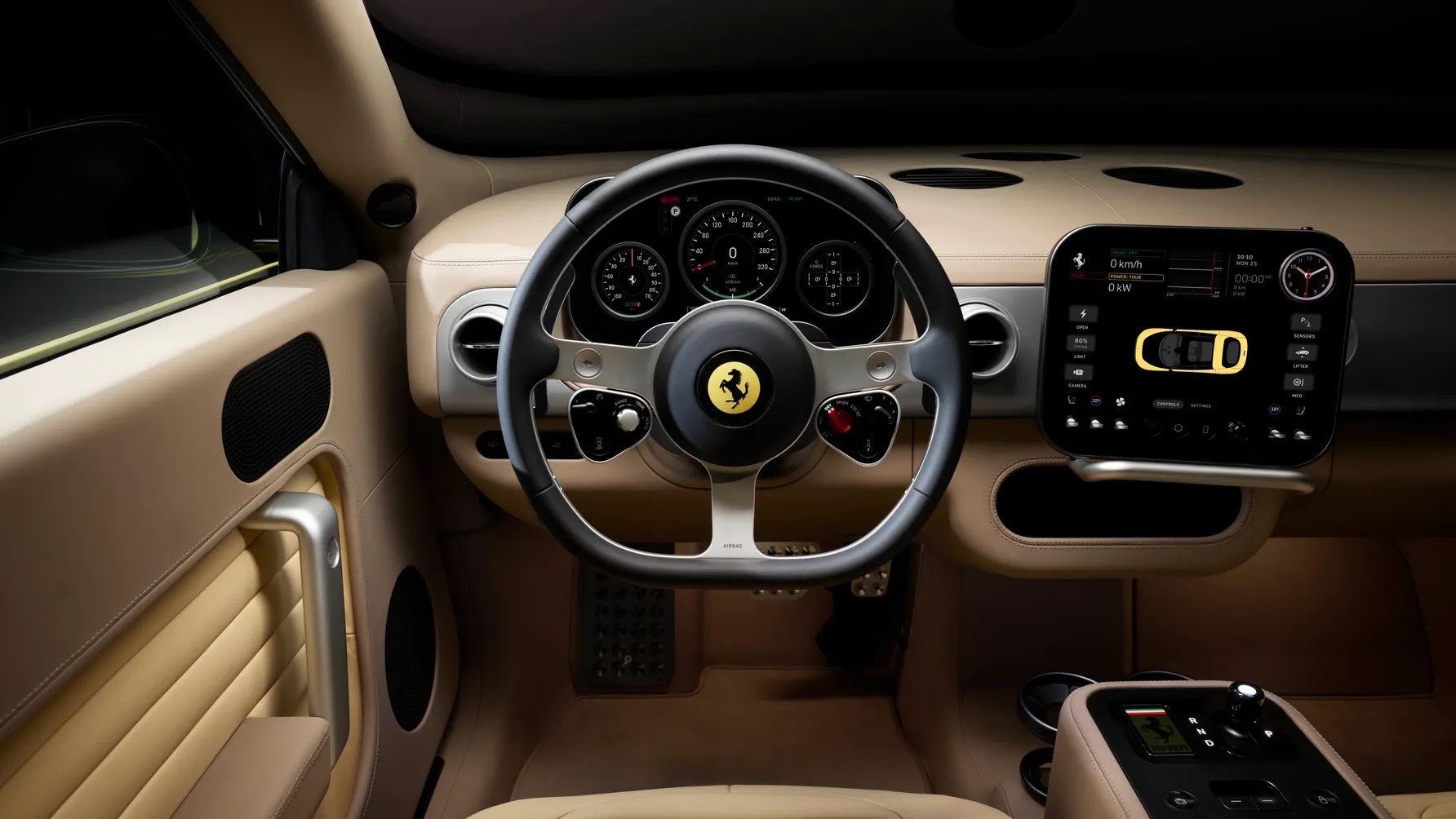
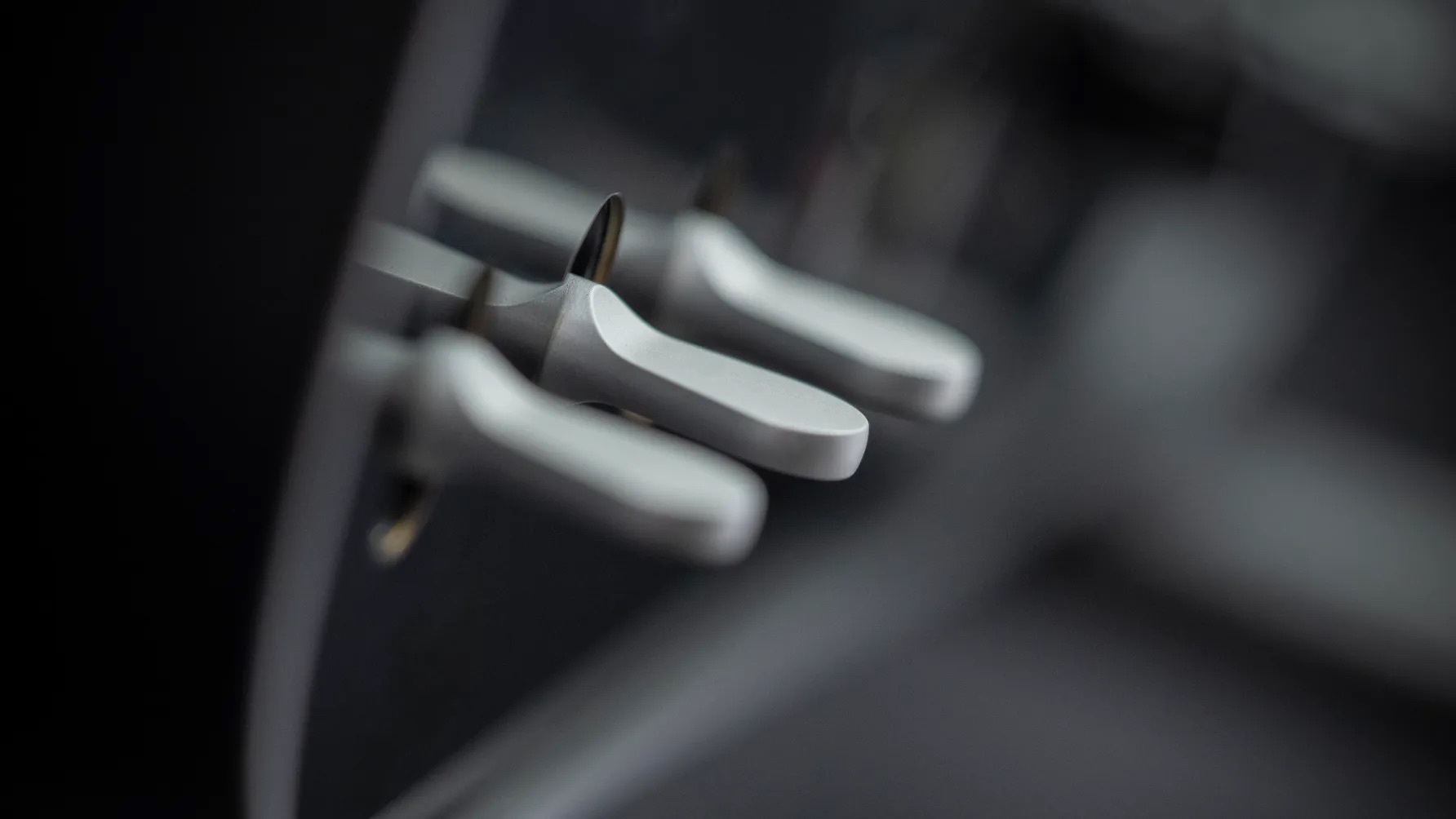
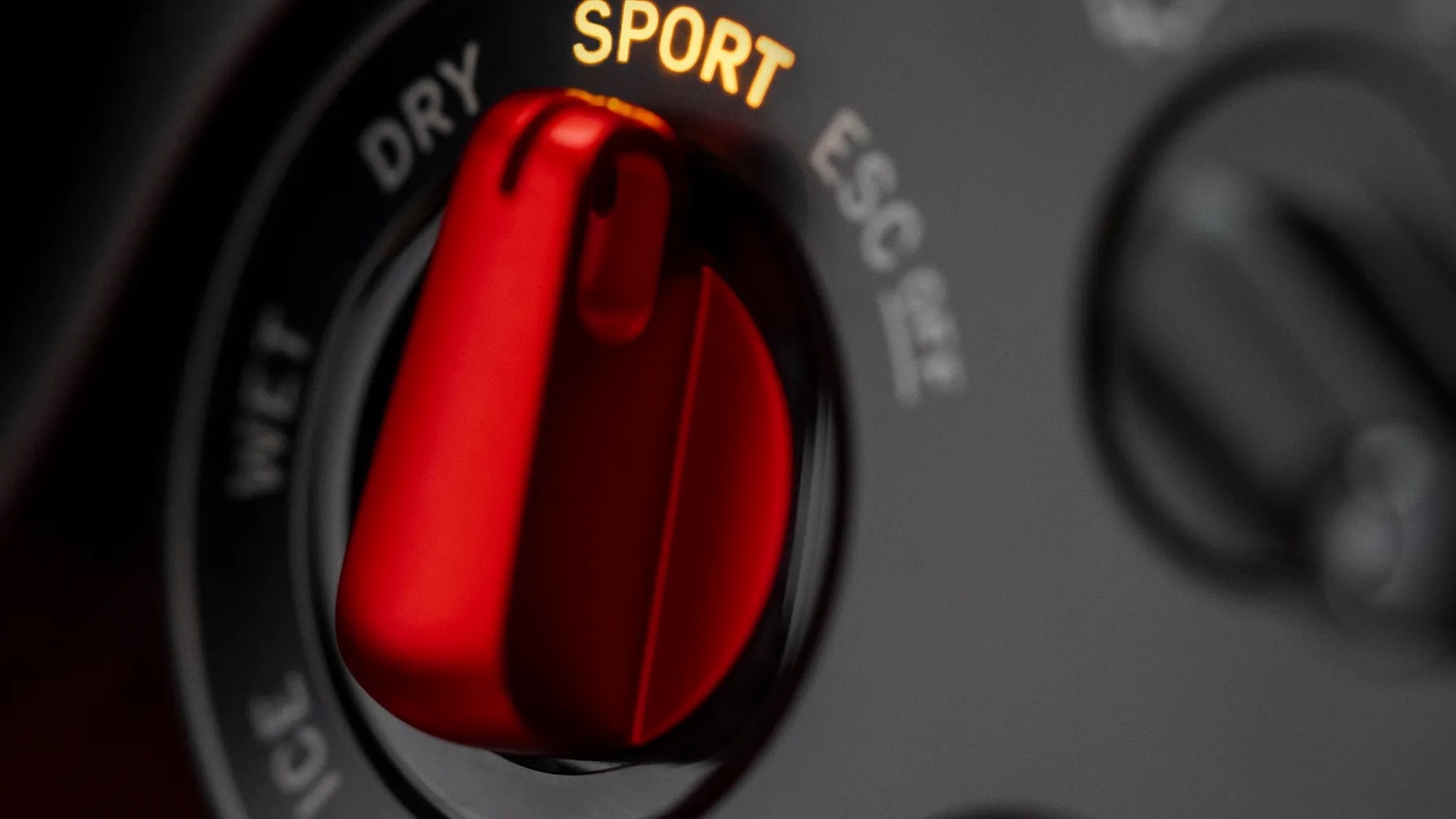
The interior carries Ive's design philosophy into Maranello's product language. Ferrari and LoveFrom retain physical controls for the climate system, sit them under protective bump bars, and reserve digital displays for instruments and the centre console.1, 12, 13 The three-spoke steering wheel, a deliberate reference to earlier Ferraris, is machined from recycled aluminium and contains 19 separate CNC-machined parts.1, 3 The chassis and body consist of 75 per cent recycled aluminium.1 Glass surfaces are developed with Corning, the long-term Apple supplier behind the iPhone's Gorilla Glass.1
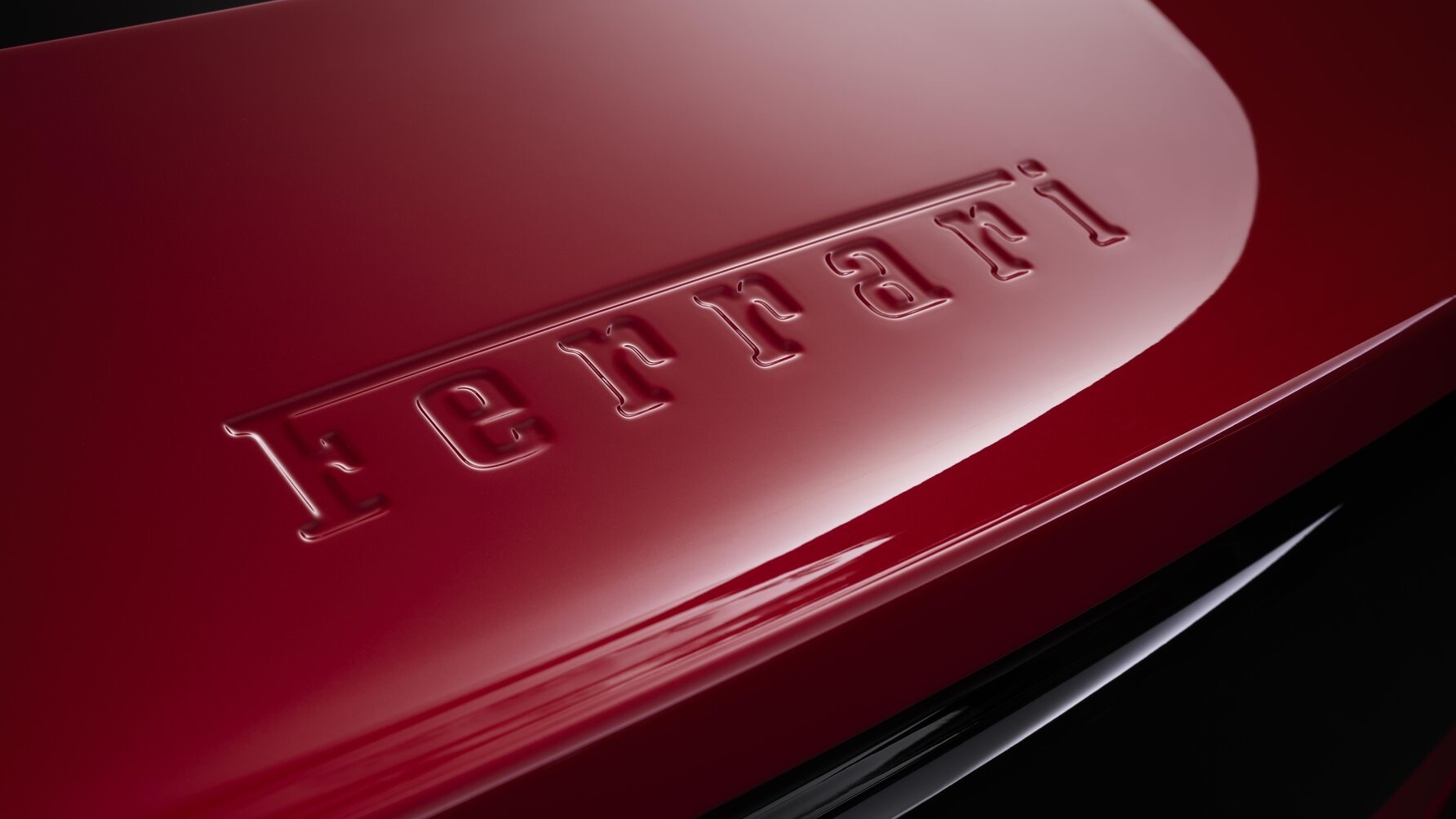
The Ferrari logo on the boot lid is laser etched at adjustable intensity.1 The key uses electronic ink, transferring its yellow accent into the drive selector when docked.1, 3 The audio system uses 21 speakers and 3,000 watts.1 An accelerometer at the rear axle captures the dynamic vibration of the rotating components, then equalises and amplifies that signal in a manner the company compares to an electric guitar.1, 3
Powertrain, pricing and brand consequence
The Luce uses four electric motors, one per wheel, delivering a combined 1,035 horsepower, with a 0 to 100 km/h time of 2.5 seconds and a top speed exceeding 310 km/h.1, 2, 14, 15 Range is approximately 530 kilometres from a 122 kWh battery on an 800-volt architecture.2, 5 The car measures five metres in length and weighs 2,260 kg.1, 2 Ferrari cites more than 60 new patents tied to the project.1, 5
Pricing starts at 550,000 euros in Europe, equivalent to approximately 640,000 US dollars.2, 11 Production begins in late 2026, with European deliveries in the fourth quarter and a US market launch in the second quarter of 2027.2, 3, 16, 17 Ferrari emphasises that the Luce does not replace combustion in the line-up.1 Six, eight and twelve-cylinder Ferraris remain in production, and the Luce opens a new segment rather than displacing existing ones.1 For Ferrari, the Luce is the first concrete instance of brand extension into electrification, executed in partnership with the designer most closely associated with the consumer-technology shifts of the past two decades.
Source: Ferrari Youtube
Written with AI assistance, edited by a human. Find out more about our Use of AI.
1. Top Gear, Jason Barlow, "It's finally here: meet the Ferrari Luce, Maranello's first ever fully electric car", 25 May 2026, for the Luce as Ferrari's first fully electric car, for Benedetto Vigna's framing of the project as a company taking on the challenge of new technologies and his statement that it rests on more than 60 new patents, for Ferrari reckoning that most of the Luce's buyers will be new to the company, for the way LoveFrom worked alongside Ferrari's engineers rather than handing over finished proposals and for the Ive quotation reproduced in the body word for word, for LoveFrom's in-house typeface expert Antonio, who grew up close enough to Maranello to hear Ferraris being tested, and the LF Maranello typeface, for the figure of 95 per cent new components, for Matteo Lanzavecchia as head of vehicle engineering and his argument on centre of gravity and moment of inertia, the battery pack integrated into the body and a centre of gravity 95 millimetres lower than the Purosangue, for the vehicle control unit updating 200 times per second and Side Slip Control in its tenth version, for the physical switchgear with protective bump bars, the three-spoke steering wheel in recycled aluminium with 19 CNC machined parts, 75 per cent recycled aluminium in chassis and body, the centre console glass developed with the long-term Apple supplier Corning, the laser etched boot lid logo with adjustable intensity, the e ink key that transfers the yellow of the Ferrari logo to the drive selector, the 21 speaker 3,000 watt audio system and the rear axle accelerometer whose signal is amplified like an electric guitar, for four motors and a combined 1,035bhp with 2.5 seconds to 62mph, 2,260kg and a length of five metres, and for Ferrari continuing to sell cars with six, eight or twelve cylinder engines. https://www.topgear.com/car-news/electric/its-finally-here-meet-ferrari-luce-maranellos-first-ever-fully-electric-car
2. Wikipedia, "Ferrari Luce", read on 17 September 2026, for the reveal on 25 May 2026 at the Vela di Calatrava complex near Rome with roughly 200 journalists present, for 1,035 hp from four permanent-magnet motors with 0 to 100 km/h in 2.5 seconds and a top speed above 310 km/h, for the 122 kWh battery on an 800 volt architecture, for the kerb weight of 2,260 kg and the length of 5,026 mm, for the European price of 550,000 euros, and for deliveries beginning in the fourth quarter of 2026. https://en.wikipedia.org/wiki/Ferrari_Luce
3. Electrek, Fred Lambert, "Ferrari Luce first look: going where combustion can't follow", 25 May 2026, off whitelist and used for corroboration only, for the unveiling in Rome, for the Luce being the first Ferrari co-designed by LoveFrom and LoveFrom's first vehicle of any kind, for the three-spoke steering wheel machined from recycled aluminium, for the E Ink key that changes colour when docked, for the accelerometer at the centre of the rear axle whose signal is filtered, equalised and amplified in the manner of an electric guitar amplifier, and for first deliveries expected in October 2026. https://electrek.co/2026/05/25/ferrari-luce-first-electric-ferrari-hands-on-rome-launch/
4. Wikipedia, "Jony Ive", read on 17 September 2026, for Ive as Apple's chief design officer from 2015 until his departure in 2019, for his role in the design of the iMac, the iPod and the iPhone, for his knighthood as Knight Commander of the Order of the British Empire, and for the launch of LoveFrom in June 2019 together with Marc Newson. https://en.wikipedia.org/wiki/Jony_Ive
5. Dezeen, Benedict Hobson, "First electric Ferrari launches with aerodynamic shell wrapped around sweeping glasshouse", 25 May 2026, off whitelist and used for corroboration only, for the five year collaboration between LoveFrom and Ferrari from concept to production, for the glasshouse enclosing the windscreen, side windows, rear window and a panoramic glass roof, for the drag coefficient of 0.254 described there as by far the lowest of any car in Ferrari's history, for wheels of 23 inches at the front and 24 inches at the rear, for the 122 kilowatt hour battery on an 800 volt system with a range of up to 530 kilometres, and for more than 60 new patents. https://www.dezeen.com/2026/05/25/electric-ferrari-luce-jony-ive-marc-newson-lovefrom/
6. CarExpert, Paul Maric, "How Jony Ive's team designed the first electric Ferrari", 9 June 2026, added during the footnote retrofit, off whitelist and used for corroboration only, for the Luce being the first vehicle from Ferrari to have its design led by a studio outside Maranello. https://www.carexpert.com.au/car-news/how-jony-ives-team-designed-the-first-electric-ferrari
7. Wikipedia, "LoveFrom", read on 17 September 2026, for LoveFrom having been established in 2019 by Jony Ive after he left Apple, for Marc Newson as a founding member who joined in 2019, and for the studio working with a short list of clients including Apple, Airbnb, Moncler and Ferrari. https://en.wikipedia.org/wiki/LoveFrom
8. Wikipedia, "Marc Newson", read on 17 September 2026, for Newson as an Australian industrial designer, for his appointment as a senior vice president of design at Apple in September 2014, for his Louis Vuitton work, and for his role as creative director for Qantas. https://en.wikipedia.org/wiki/Marc_Newson
9. Marc Newson Ltd, "Client: Hermes", project index on the designer's own studio site, read on 17 September 2026, added during the footnote retrofit because the Wikipedia entry on Newson does not name Hermes, for his work for Hermes, listed there with the Nautilus retractable pen of 2014. https://marc-newson.com/projects/client/hermes/
10. Top Gear, Jason Barlow, "'The Luce is not an act of heresy': a closer look at Ferrari's first ever electric car", 13 July 2026, added during the footnote retrofit, for the monobox form, for the rear-hinged doors, for the flying bridge C-pillar, and for Matteo Lanzavecchia's argument that removing the engine and fuel tank from a mid-engined car and replacing them with a battery pack and electric motor gains nothing in centre of gravity or moment of inertia. https://www.topgear.com/car-news/big-reads/luce-not-act-heresy-a-closer-look-ferraris-first-ever-electric-car
11. Motor1, "This Is Ferrari's First EV: The Luce", page carrying no visible byline or date when it was fetched on 17 September 2026, off whitelist and used for corroboration only, for the drag coefficient of 0.254, for wheels of 23 inches at the front and 24 inches at the rear, for four electric motors with one per wheel, and for the price of 550,000 euros given there as roughly 640,000 US dollars. https://www.motor1.com/news/796895/ferrari-luce-specs-price-debut-details/
12. Ferrari S.p.A., "Ferrari Luce: Revealing Interior and Interface Design and the Name", corporate article, for Ferrari's own account of the interior and interface design, including the retention of physical controls and the allocation of digital displays, page not reachable on 17 September 2026. https://www.ferrari.com/en-EN/corporate/articles/ferrari-luce-revealing-interior-interface-design-and-the-name
13. 9to5Mac, Marcus Mendes, "Ferrari Luce EV debuts with Jony Ive-designed cockpit and familiar design cues", 25 May 2026, off whitelist and used for corroboration only, for the interior having been designed by LoveFrom with an emphasis on physical controls over touchscreens, and for the physical controls on the steering wheel, the dashboard and the side panel. https://9to5mac.com/2026/05/25/ferrari-luce-ev-debuts-with-jony-ive-designed-cockpit-and-familiar-design-cues/
14. Ferrari S.p.A., "Ferrari Luce", official model page, for the manufacturer's own performance figures for power, acceleration and top speed, page not reachable on 17 September 2026. https://www.ferrari.com/en-EN/auto/ferrari-luce
15. Robb Report, "Ferrari's First EV Is Finally Here: What to Know About the 1,035 HP 4-Door Luce", 25 May 2026, title as it stands in search listings on 17 September 2026, off whitelist, for the combined output of 1,035 horsepower, page not reachable on 17 September 2026, and equally unreachable at the address it now resolves to, robbreport.com/motors/cars/ferrari-electric-luce-ev-1238185567/. https://robbreport.com/motors/cars/ferrari-reveals-all-electric-luce-1238185567/
16. The Detroit News, "Ferrari presents Luce 5-seat EV, Italian carmaker's first all-electric", 25 May 2026, off whitelist, for the United States market launch in the second quarter of 2027, page not reachable on 17 September 2026. https://www.detroitnews.com/story/business/autos/foreign/2026/05/25/ferrari-luce-5-seat-ev-reveal/90255010007/
17. HiConsumption, Ryan Calder, "The 2027 Ferrari Luce Is a Five-Seat, 1,035-HP Electric Sedan and the Internet Hates It", 26 May 2026, added during the footnote retrofit as a reachable replacement for the Detroit News report, off whitelist and used for corroboration only, for European orders opening later in 2026 and for the United States market launch in the second quarter of 2027. https://hiconsumption.com/motors/2027-ferrari-luce/