
A supercar maker on the catwalk
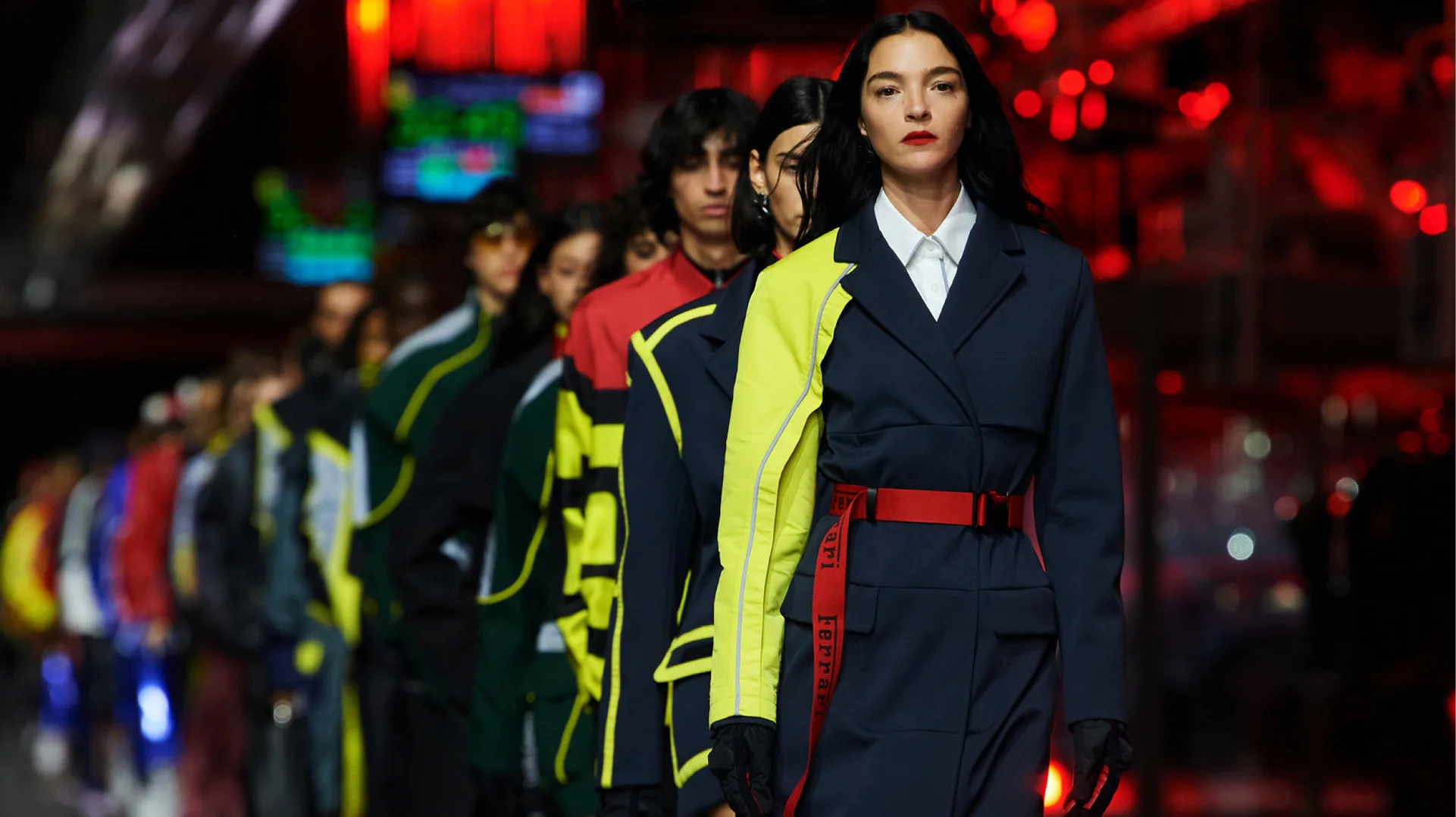
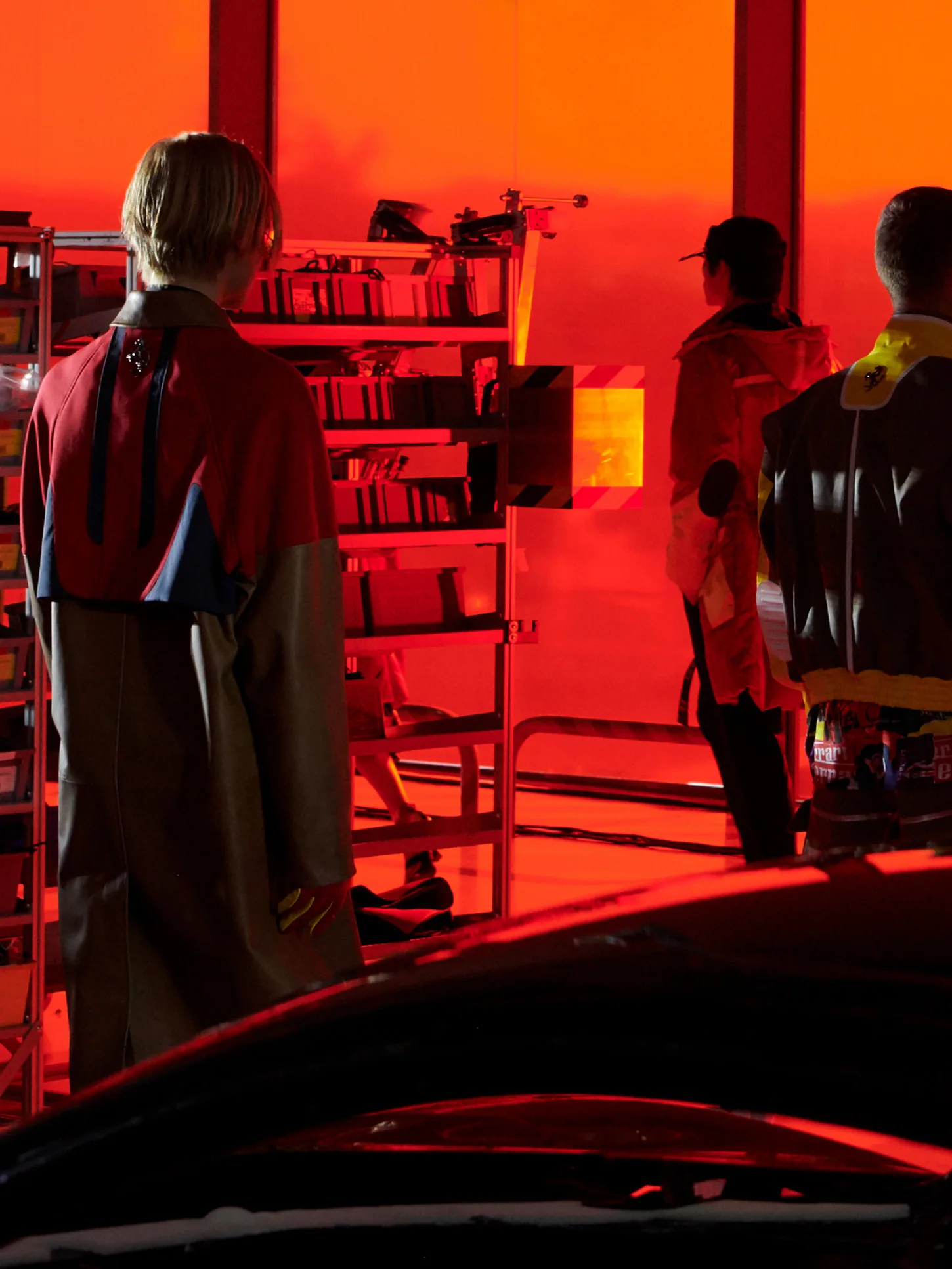
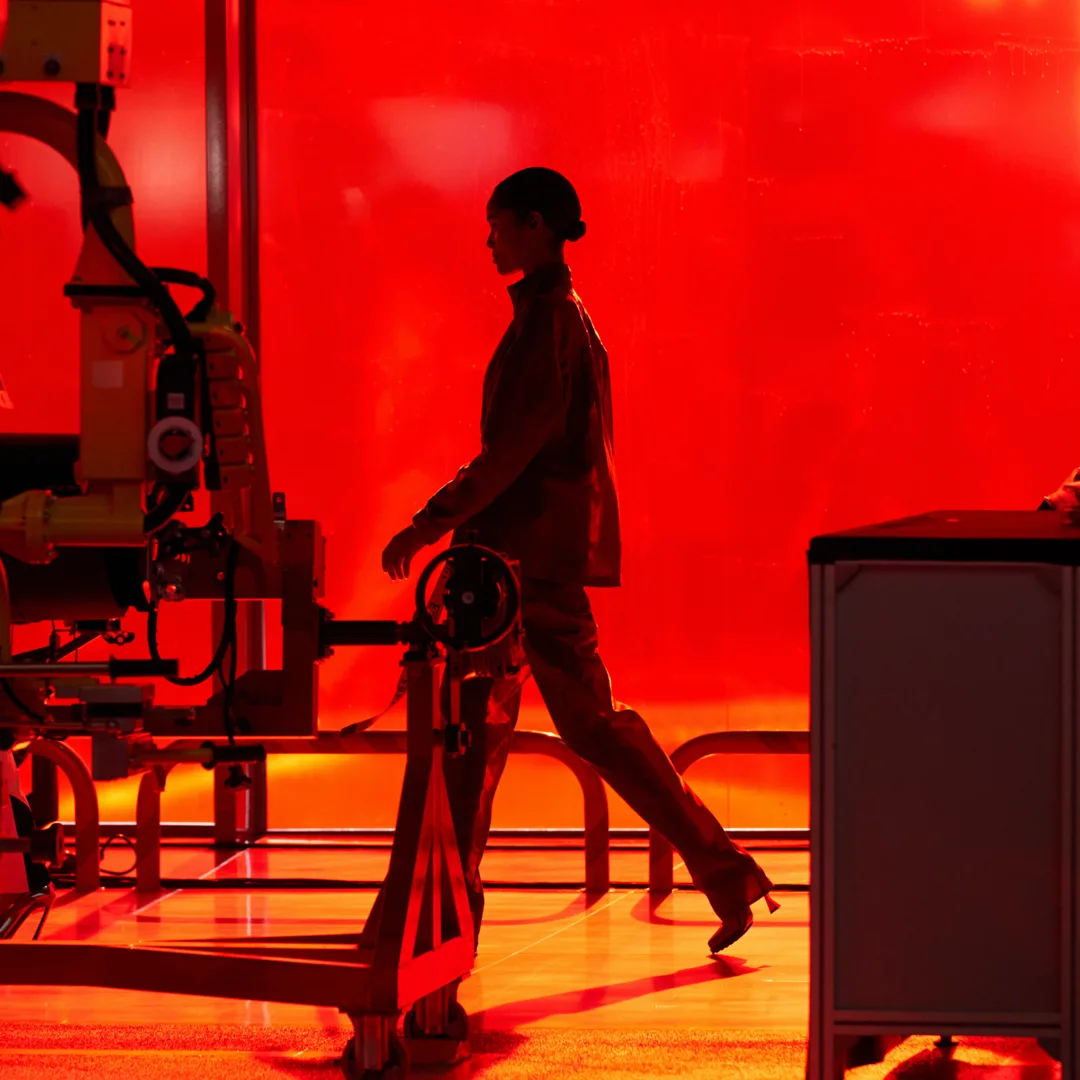
In June 2021 Ferrari stages a fashion show inside its factory in Maranello, sending models down a runway laid along the road that runs through the company's industrial site. The event marks the public debut of Ferrari's first fashion collection, and signals a deliberate strategy to extend the brand beyond cars. The collection is the work of Rocco Iannone, whom Ferrari appointed in 2019 to a newly created role overseeing brand diversification.
The move is unusual for a manufacturer defined by exclusivity and a strictly limited annual output. Ferrari builds a small number of cars each year and guards access to them tightly. Fashion operates on the opposite logic, reaching a far wider audience at lower price points. Reconciling the two is the central challenge of the project, and the reason Ferrari approaches it as a brand extension, a move into a new product category that carries the existing brand, rather than as a simple licensing deal.
The strategy behind the collection
Ferrari's stated ambition is for activities beyond cars, including fashion and lifestyle, to contribute a meaningful share of profit over the following decade. The collection is developed in-house rather than licensed to an outside manufacturer, which gives Ferrari control over design, quality and distribution. Iannone, whose career includes periods at Giorgio Armani and Dolce & Gabbana, leads the design.
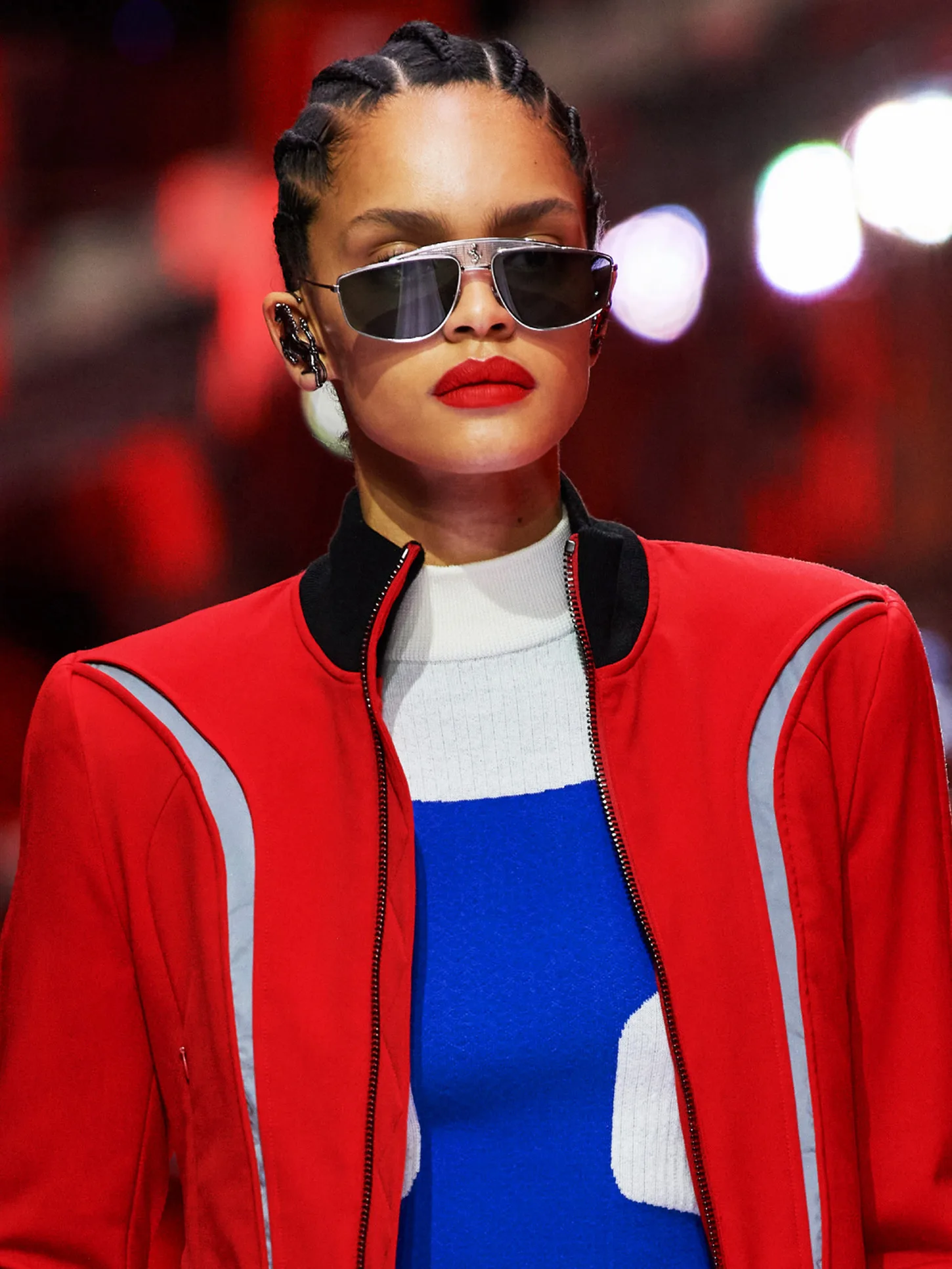
The first collection spans a broad range of items, from t-shirts priced in the low hundreds of euros to coats costing several thousand. A large proportion of the pieces are designed to be genderless. Many carry the Ferrari name or logo, drawing on the brand's existing assets, while the palette references Ferrari red and other colours associated with the marque. The intent is to translate the visual language of the cars into clothing without reducing the result to motorsport merchandise.
Building a system around the brand
The fashion line sits within a wider plan to build what Ferrari describes as a system of experiences around the brand. Alongside clothing, the company develops monobrand retail stores and a restaurant in Maranello created in collaboration with the chef Massimo Bottura. Each element is intended to let people engage with Ferrari at a level below car ownership, broadening the brand's reach while protecting the scarcity of the cars themselves.
This is the strategic tension at the heart of the project. A luxury car brand derives much of its value from exclusivity, and any extension risks diluting that value if it becomes too widely available or too far removed from the core product. Ferrari attempts to manage the risk by keeping design in-house, controlling distribution through its own stores, and positioning the clothing as a considered fashion proposition rather than a souvenir.
An extension with precedent and risk
Ferrari is not the first luxury or automotive brand to move into lifestyle categories, and the logic is familiar. A strong brand can generate revenue and visibility in adjacent markets, deepen its relationship with admirers who cannot buy the core product, and recruit younger audiences who may become customers later. Ferrari explicitly frames the collection as a way to reach a younger demographic, using fashion as an entry point to the brand.
The risk is equally clear. If the clothing underperforms or appears inconsistent with the brand's standards, it can weaken the perception of exclusivity that gives Ferrari its position. By developing the line internally and launching it on home ground in Maranello, Ferrari signals that it treats the venture as a core brand activity rather than a peripheral one. Whether the fashion business reaches the share of profit the company targets remains to be seen, but the project establishes Ferrari's intent to operate as a luxury brand across categories, not only as a car maker.
Iannone's approach to the runway itself underlines the strategy. By staging the show inside the factory, on the road that links Ferrari's buildings, the company frames the clothing as an expression of the place where the cars are made rather than as a separate fashion venture bolted onto the brand. The setting ties the new product directly to the source of Ferrari's authority, using the factory as both a stage and a statement of authenticity.
The collection is supported over the following period by dedicated retail space, including a flagship store, which gives the clothing a controlled environment in which to be presented and sold. Physical retail under the brand's own management is consistent with the in-house logic of the whole project. Rather than placing Ferrari-branded clothing in third-party stores, the company builds settings it controls, where the presentation, service and context can reinforce the positioning the collection is meant to establish.

Written with AI assistance, edited by a human. Find out more about our Use of AI.