
Global technology company defining premium consumer electronics, software, and services through an identity built on simplicity, craft, and a tightly …
22 Articles
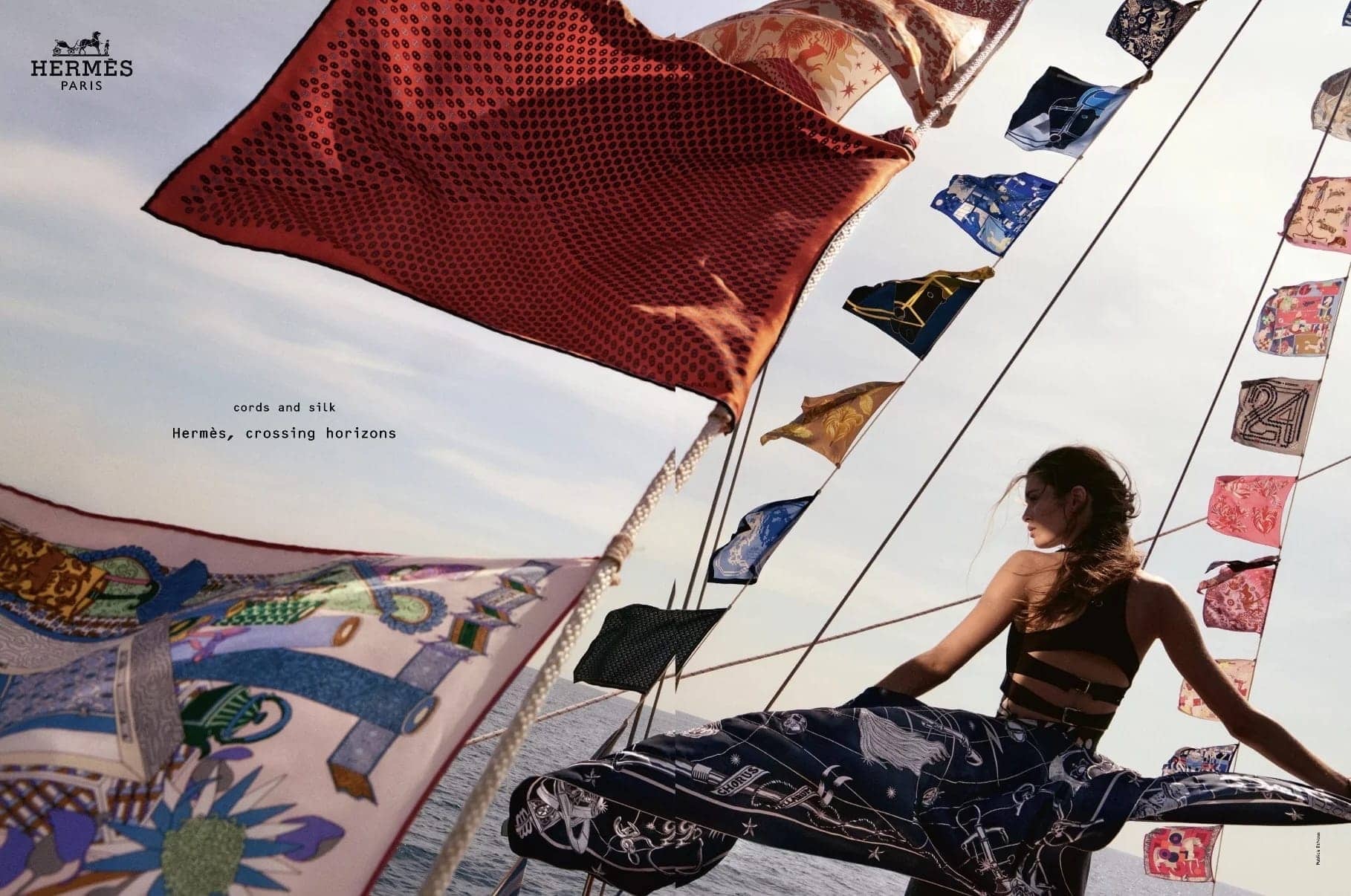
Hermès is an independent French luxury house rooted in saddlery and leather craft, positioned around artisanal quality, scarcity and durability rather…
8 ArticlesApple's first fashion partnership
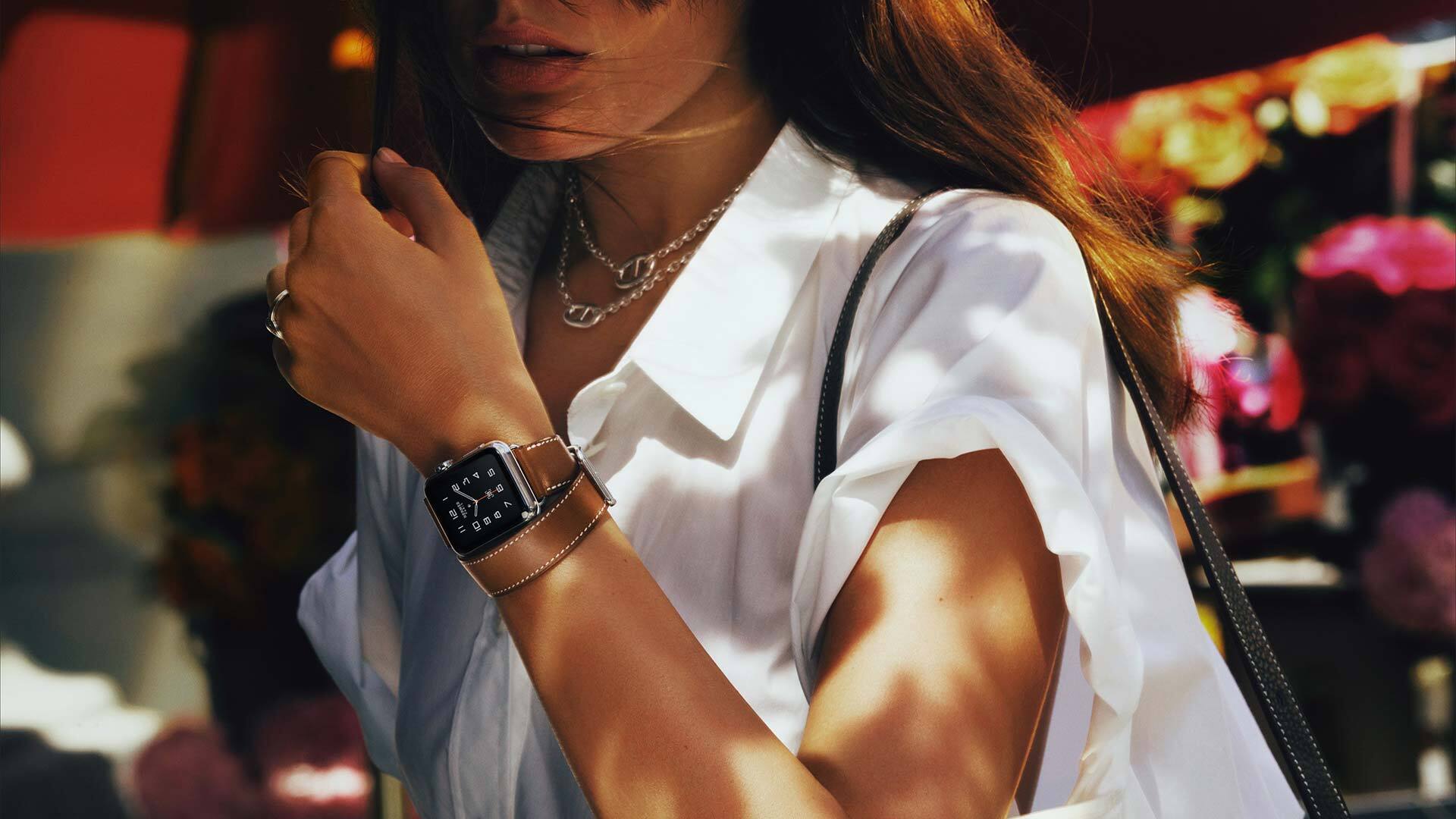
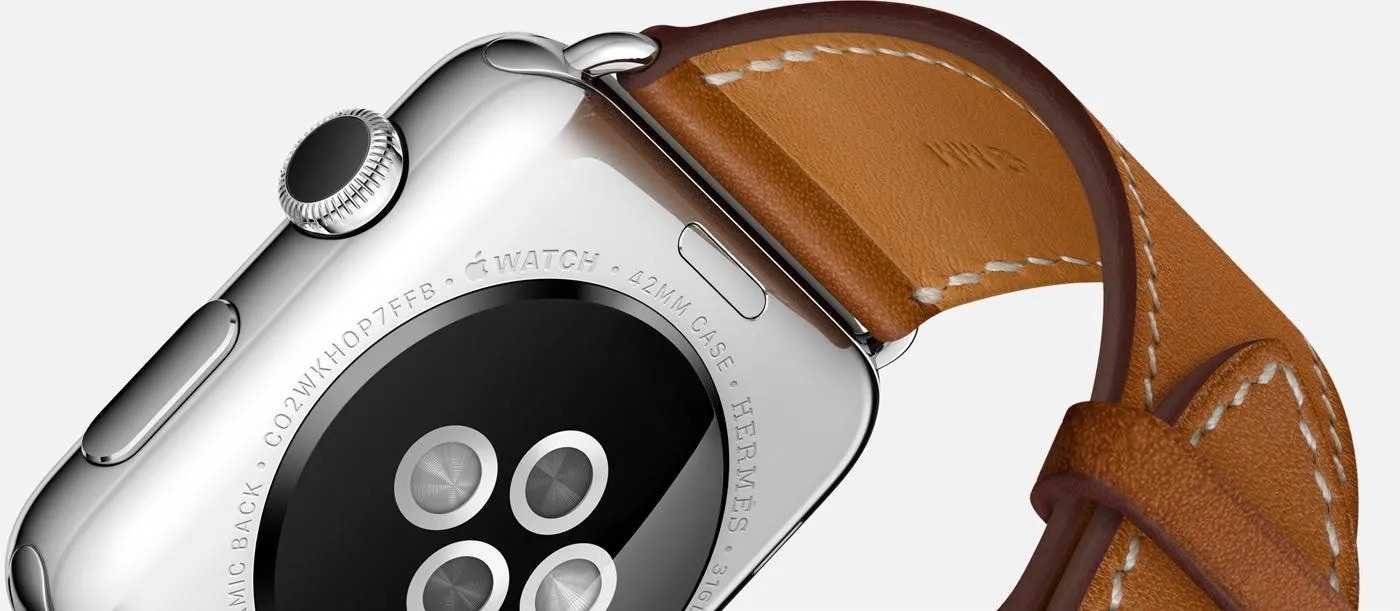
On 9 September 2015 Apple and Hermès presented the Apple Watch Hermès, the first time Apple had released a watch in partnership with another brand. The collection paired the standard Apple Watch hardware with handcrafted leather straps made by the Paris house, and it became available from 5 October 2015 through select Apple and Hermès stores. For a company that had built its identity on doing everything in-house, the decision to share a product with an outside brand was a notable departure.
The reason lay in positioning. The Apple Watch had launched earlier in 2015 into an uncertain category, somewhere between a gadget and an accessory. By aligning with Hermès, a house founded in 1837 and synonymous with leather craft and enduring luxury, Apple sought to place the Watch firmly on the side of the fashion object rather than the electronic device. The collaboration was a statement about what kind of product the Watch was meant to be.
Craft meets hardware
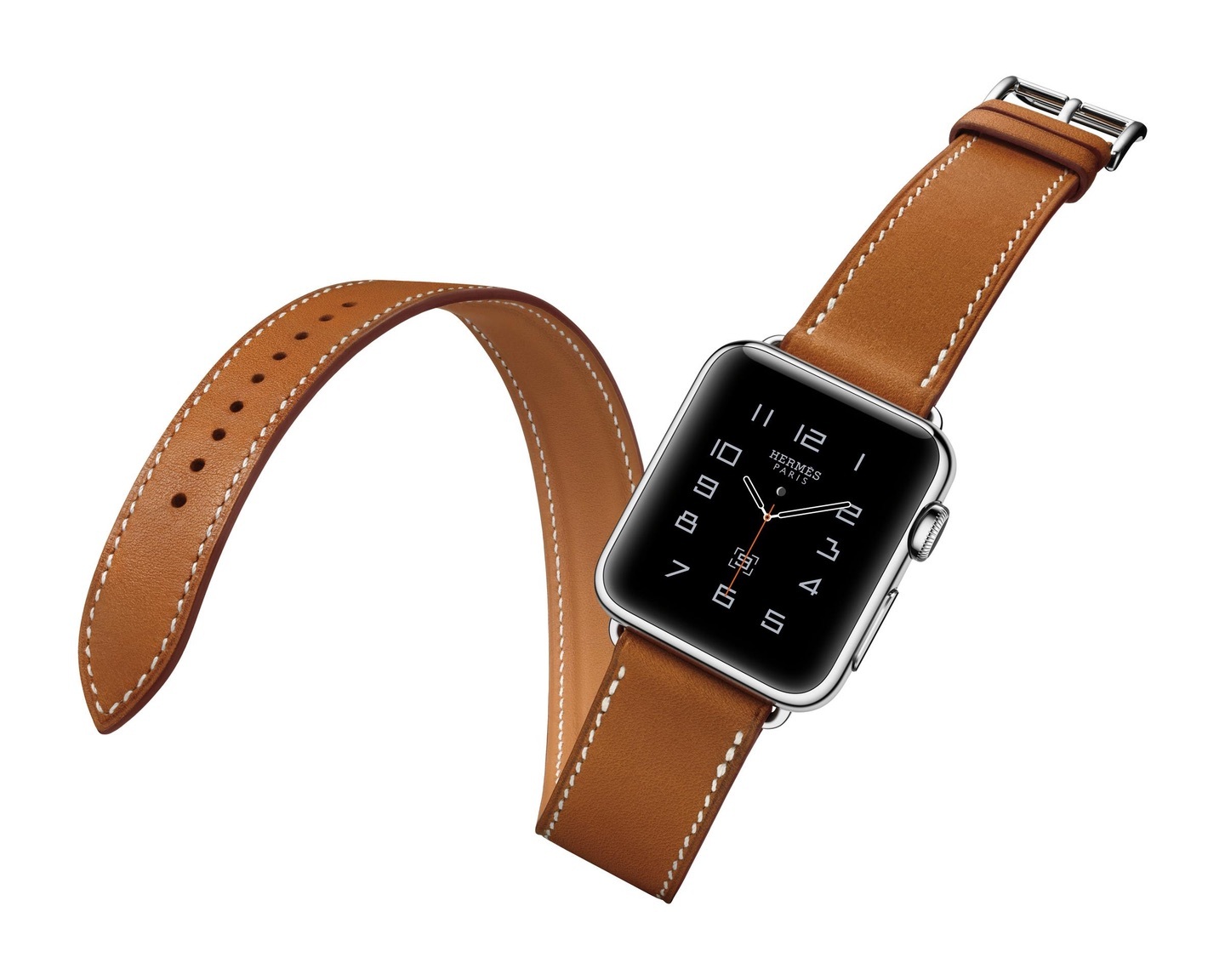
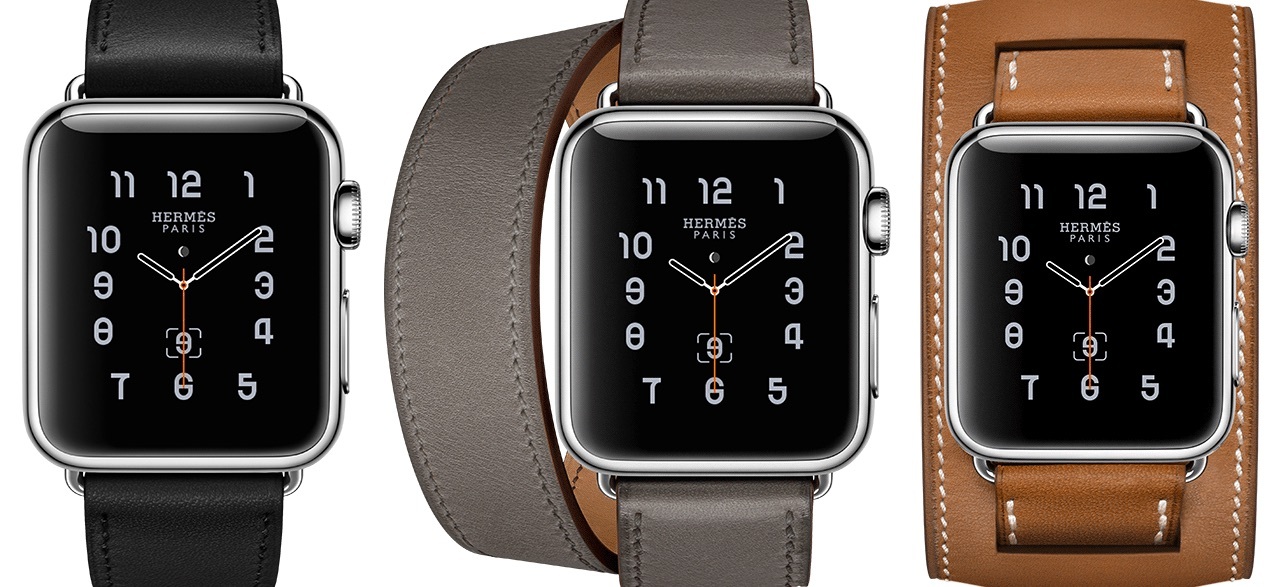
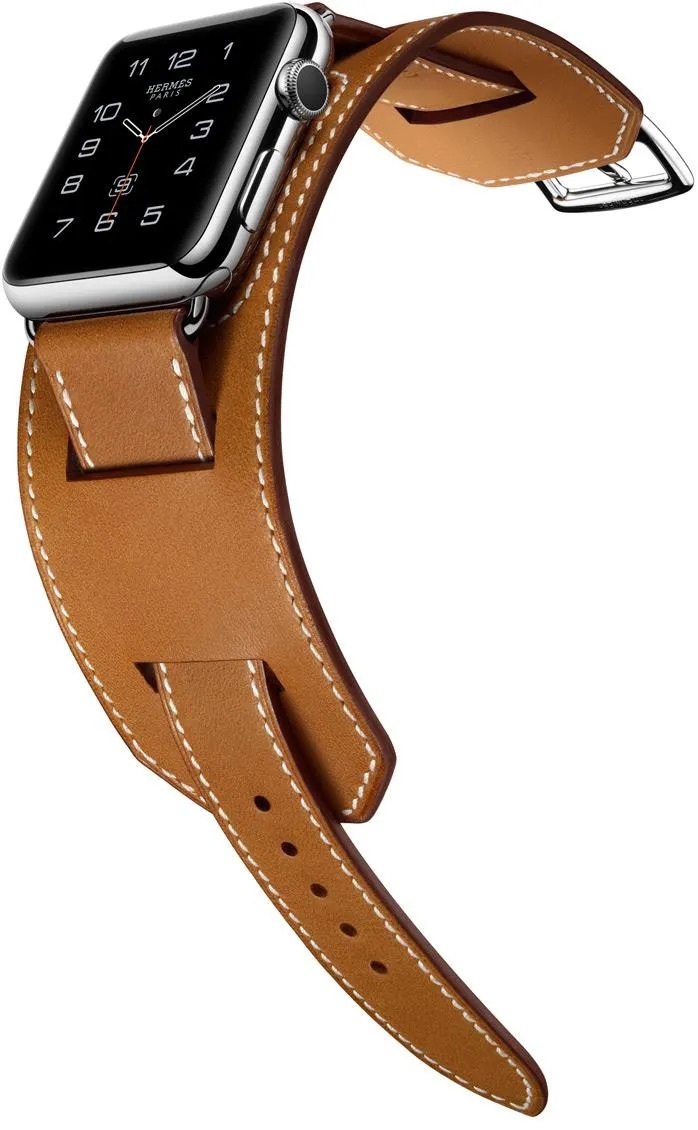
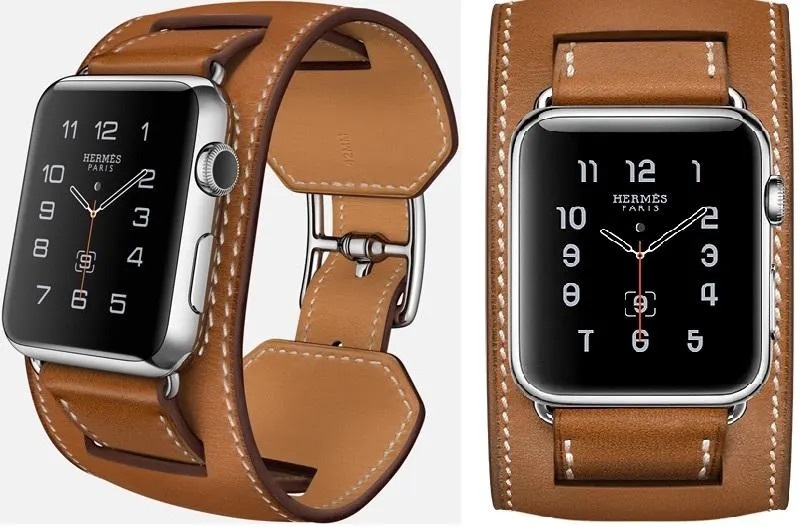
The collaboration was expressed through material and detail. Hermès created leather straps in several forms, including the Single Tour, the Double Tour that wrapped twice around the wrist, and the Cuff, each handcrafted in the house's own workshops. The watches carried the Hermès signature etched on the case, and the collection included an exclusive Hermès watch face whose numerals were drawn from the typography of the house's classic Clipper, Cape Cod and Espace timepieces.
That watch face was the key gesture. Rather than simply attaching a luxury strap to an Apple product, the partnership brought Hermès design language onto the screen itself, so that the house's aesthetic appeared in both the physical and digital layers of the Watch. It signalled that Hermès was a genuine design collaborator, not merely a supplier of straps, and it gave the edition a coherence that a strap alone could not have provided.
What each brand gained
For Apple, the alliance conferred luxury credibility that money alone cannot manufacture. Heritage and craft are earned over generations, and Hermès brought both. The partnership helped justify the premium pricing of the collection, which started well above the standard Apple Watch, and it associated the device with a clientele Apple did not yet reach. It framed the Watch as an object of taste, not just of technology.
For Hermès, the collaboration offered a route into the digital world without compromising its identity. A house built on physical craft risked appearing distant from a connected, screen-based future, and partnering with Apple gave it a credible presence in that space. The arrangement also introduced Hermès to a younger, tech-oriented audience, extending the brand's reach while keeping its contribution rooted in the leather work it was known for. Each brand supplied what the other lacked.
A template for luxury and technology
The Apple Watch Hermès became an ongoing line rather than a single release, updated across later Apple Watch generations with new straps, colours and faces. Its continuity showed that the pairing was strategic rather than promotional, and it set a widely noticed precedent for how a technology company and a heritage luxury house could work together over time.
The edition also influenced how rivals approached the category. It demonstrated that a smartwatch could command luxury pricing when paired with authentic craft and a heritage name, and it encouraged other technology and fashion brands to explore similar pairings. For Apple, the Hermès line became a permanent premium tier of the Watch, one that signalled taste and exclusivity without altering the shared technology inside every model. It also gave Apple retail a genuine luxury proposition, sold with the presentation and service that Hermès customers expected, further distancing the collection from the idea of a disposable gadget.
The collaboration also clarified a wider question in the industry: whether a mass-produced electronic device could be genuinely luxury. By involving Hermès in the design rather than only the packaging, Apple argued that it could, provided the craft was real and visible. The etched signature, the handmade straps and the typographic watch face gave the claim substance beyond marketing.
Placed alongside Apple's fitness partnership with Nike, the Hermès edition revealed a deliberate strategy of using collaboration to give one device several distinct meanings. The Nike+ line positioned the Watch as a running tool; the Hermès collection positioned it as a luxury accessory. Two partners, chosen for opposite strengths, let Apple address very different audiences with the same underlying product, and the Hermès collaboration in particular showed how technology could borrow the language of heritage craft to redefine what a gadget could be.
Written with AI assistance, edited by a human. Find out more about our Use of AI.