
A near-discontinued design saved by the screen
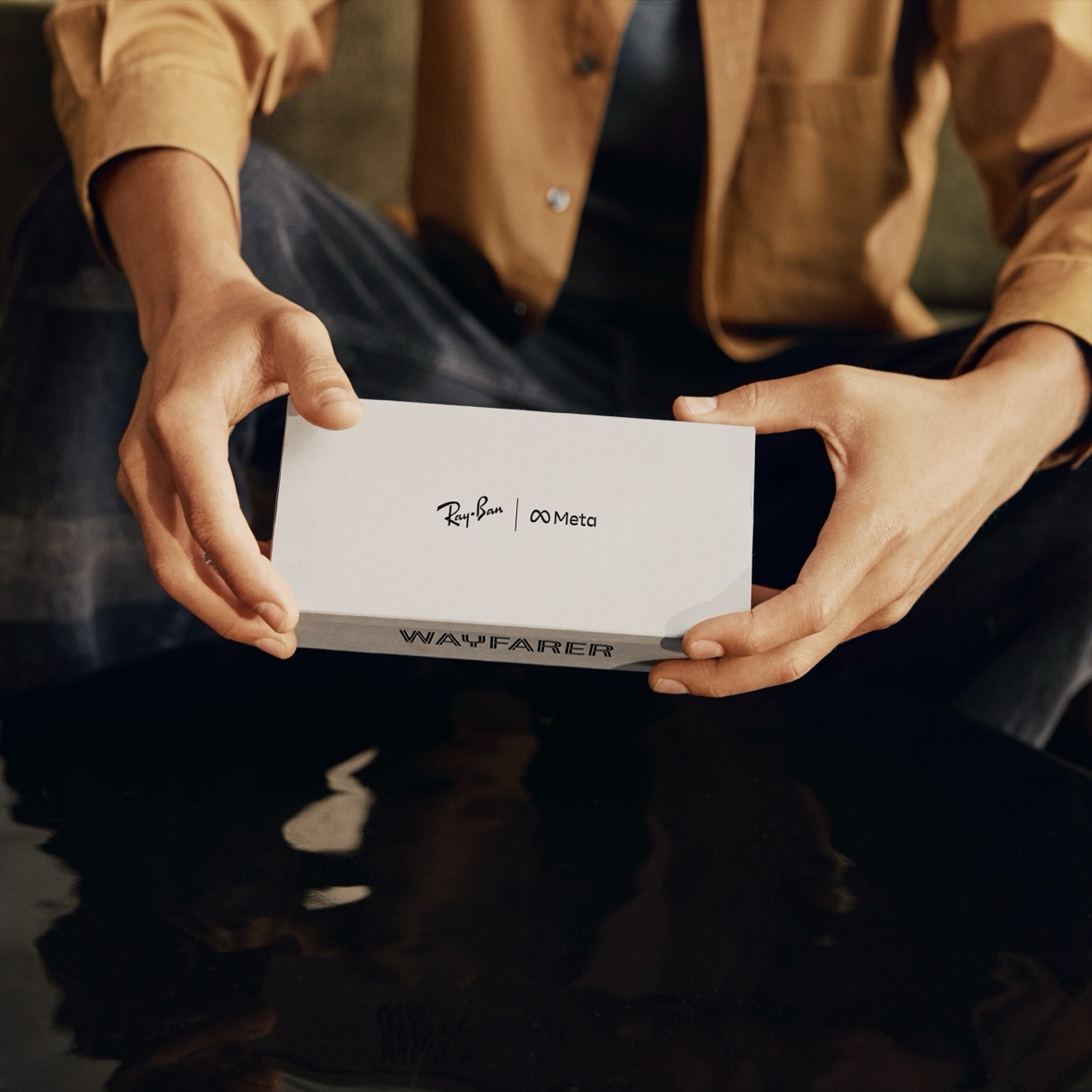
The Ray-Ban Wayfarer is one of the most recognised sunglasses ever made, yet by the early 1980s it was close to disappearing. Bausch & Lomb had introduced the Wayfarer in 1952, with a moulded plastic frame that broke from the metal construction of the Aviator and gave the model a bolder, more angular look. The design was popular through the 1950s and 1960s, but by 1981 it had fallen so far out of favour that only around 18,000 pairs were sold that year, and the model faced discontinuation.
What revived the Wayfarer was not a redesign or an advertising campaign in the conventional sense. It was a sustained strategy of placing the glasses on screen, in films and television, where they were worn by characters audiences wanted to emulate. The approach turned the Wayfarer from a fading product into a cultural fixture, and it remains a frequently cited example of product placement, the paid or arranged appearance of a product within entertainment.
The 1982 placement deal
In 1982 Ray-Ban signed an agreement with Unique Product Placement, a Burbank agency, reportedly paying around 50,000 dollars a year to have its eyewear featured in films and television programmes. The arrangement was systematic rather than occasional. Over the following years Ray-Ban products appeared in dozens of movies and television shows annually, placing the brand repeatedly in front of large audiences in contexts that associated it with leading characters.
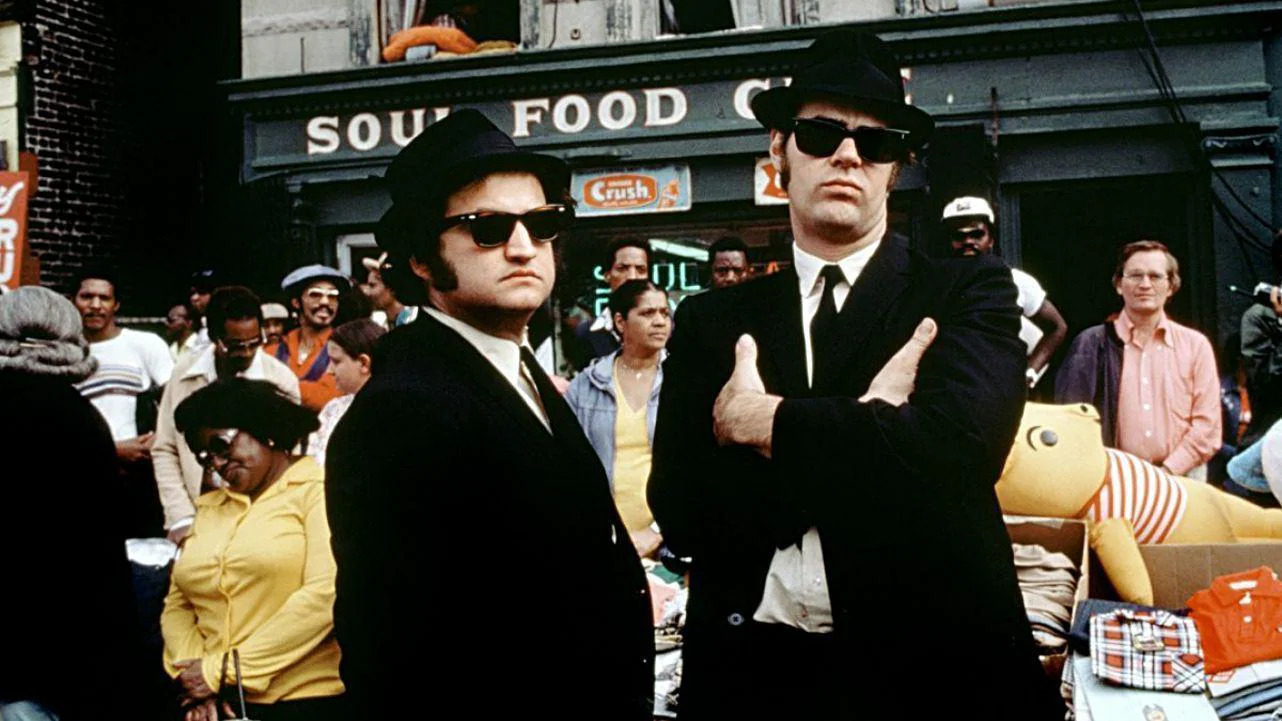
The strategy built on an earlier success. The Wayfarer had appeared in the 1980 film The Blues Brothers, worn by characters whose look became closely tied to the glasses. That appearance demonstrated the model's screen appeal, and the placement deal that followed turned an occasional effect into a deliberate, ongoing programme.
Tom Cruise and the turning point
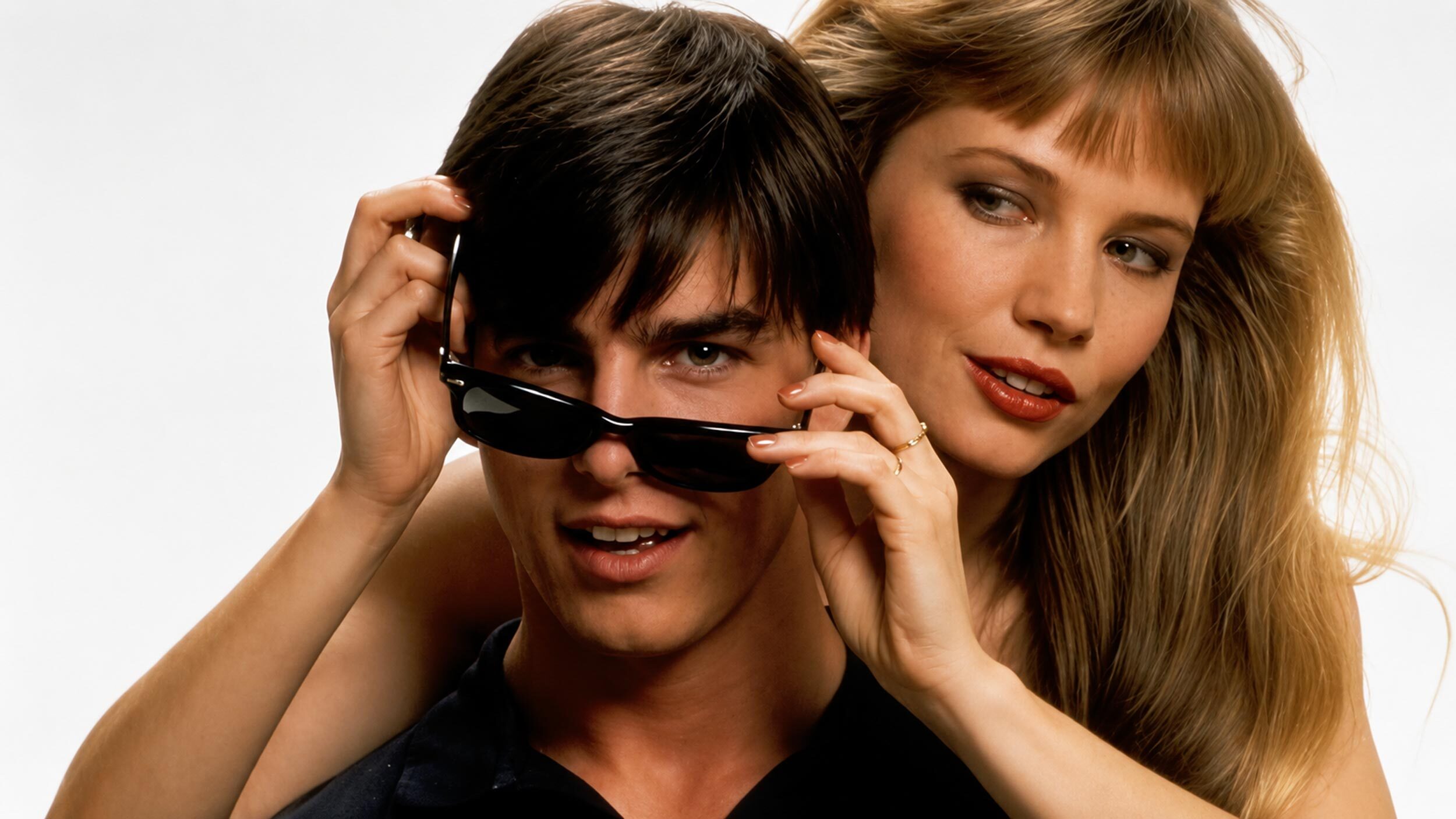
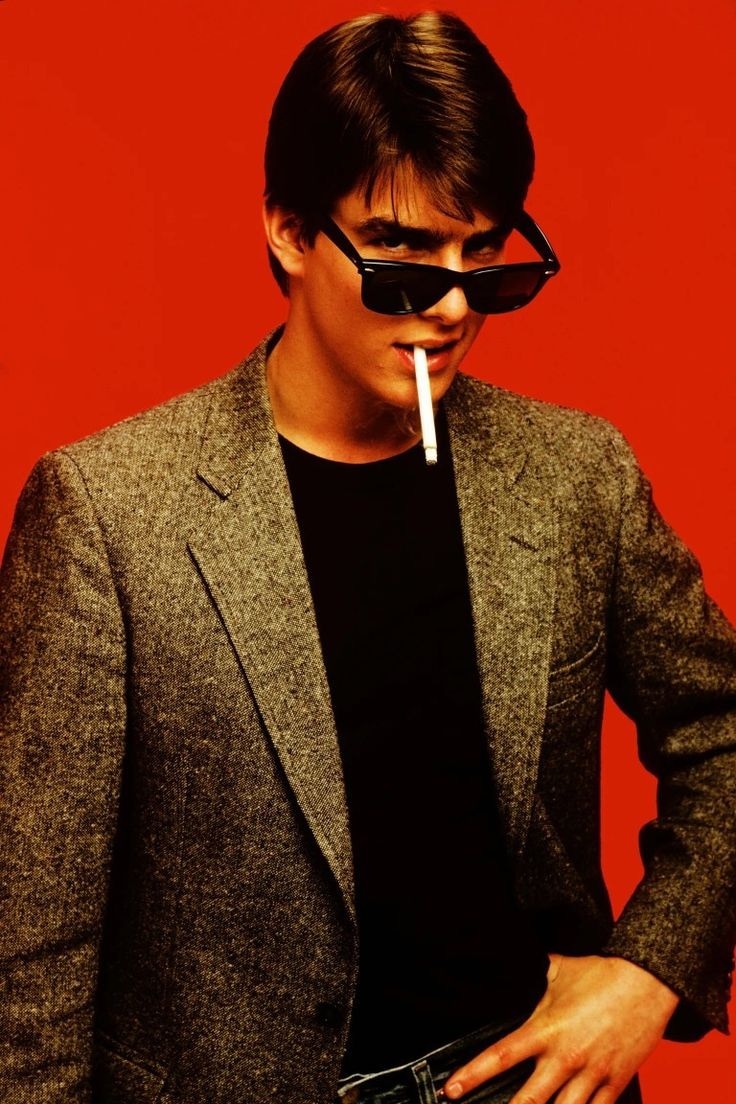
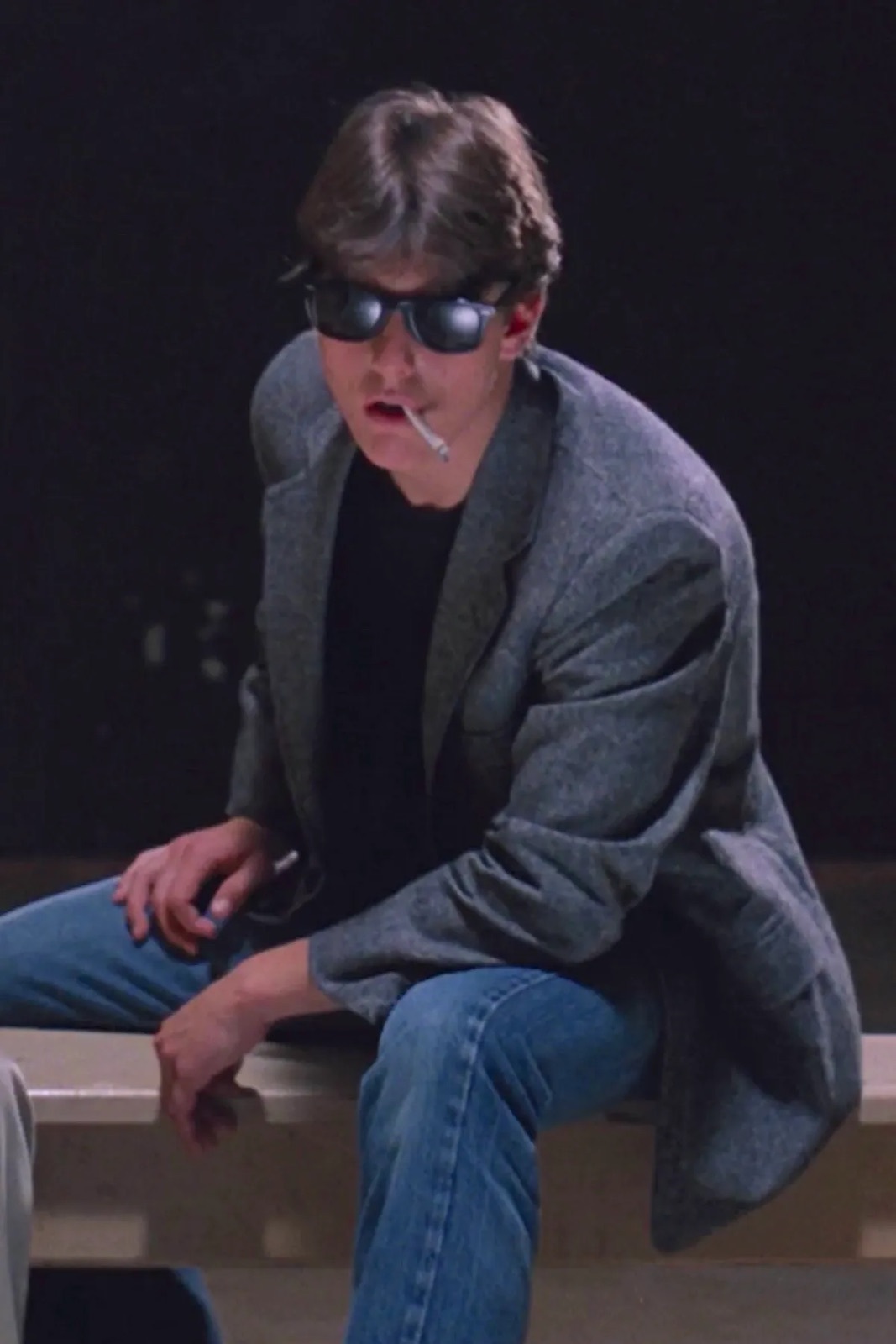
The decisive moment came in 1983, when Tom Cruise wore Wayfarers in Risky Business. The film was a commercial success, and the glasses became strongly associated with its lead. Ray-Ban reported a dramatic sales increase that year, with Wayfarer sales rising to around 360,000 pairs, a transformation from the brink of discontinuation only two years earlier.
The momentum continued through the decade. Wayfarers appeared in films such as The Breakfast Club and in television series including Miami Vice and Moonlighting, each placement reinforcing the model's presence in popular culture. By the later 1980s annual Wayfarer sales reached well over a million pairs. The cumulative effect of repeated, high-profile appearances rebuilt the model into one of the brand's most important products.
Why the strategy worked
The Wayfarer revival worked because it placed the product in the hands of aspirational figures in moments audiences remembered, rather than describing the product's qualities in an advertisement. Viewers saw characters they admired wearing the glasses, and the association transferred to the product. For a fashion item, where the appeal is partly about identity and belonging, this form of demonstration proved more persuasive than conventional advertising.
The episode also shows the value of a distinctive design in making placement effective. The Wayfarer's shape was instantly recognisable, so even a brief appearance registered as a Ray-Ban. A more generic design would have struggled to convert screen time into brand recognition. The strong, ownable silhouette meant that every appearance reinforced the specific brand rather than the category in general.
There was a strategic logic to the volume as well. By placing the glasses across many films and shows at once, Ray-Ban avoided depending on any single appearance and built a steady, cumulative presence in popular culture. A character in one film wearing Wayfarers might be noticed, but the same glasses recurring across the decade's most talked-about releases established them as the default cool eyewear of the era. Frequency, not any one placement, did the work.
The Wayfarer's recovery became a standard reference in discussions of entertainment marketing, an example of how a heritage product can be returned to relevance through cultural placement. The model that nearly vanished in 1981 became, within a few years, a symbol of 1980s style, and it has remained a core part of the Ray-Ban range ever since.
Seen from the present, the Wayfarer campaign reads as an early version of a strategy now central to marketing. The idea of placing a product on admired figures in the content audiences choose to watch anticipates the logic of influencer marketing and branded entertainment that dominates today. Ray-Ban arrived at it decades earlier, with a distinctive product and a disciplined, sustained programme of placement, and the result became a textbook case of how culture, rather than conventional advertising, can carry a brand.
Written with AI assistance, edited by a human. Find out more about our Use of AI.