
One brand, two product worlds
In April 2026 Ray-Ban, owned by EssilorLuxottica, names the musician Jennie as its first global brand ambassador.1, 2, 3 The appointment is notable less for the choice of figure than for what the campaign is asked to do. For the first time, the brand brings its classic sunglasses and its Ray-Ban Meta smart glasses together under a single creative campaign, presenting two very different product worlds as one brand.4, 5
The decision addresses a structural question that has grown more pressing since Ray-Ban entered wearable technology with Meta.6 The brand now sells both a heritage fashion product, built on designs such as the Wayfarer, and a connected device with cameras, audio and AI features.6, 7 Until now those two lines have largely been marketed apart. The Jennie campaign is the first attempt to hold them inside one consistent brand image rather than letting them drift into separate identities.5
A single identity across categories
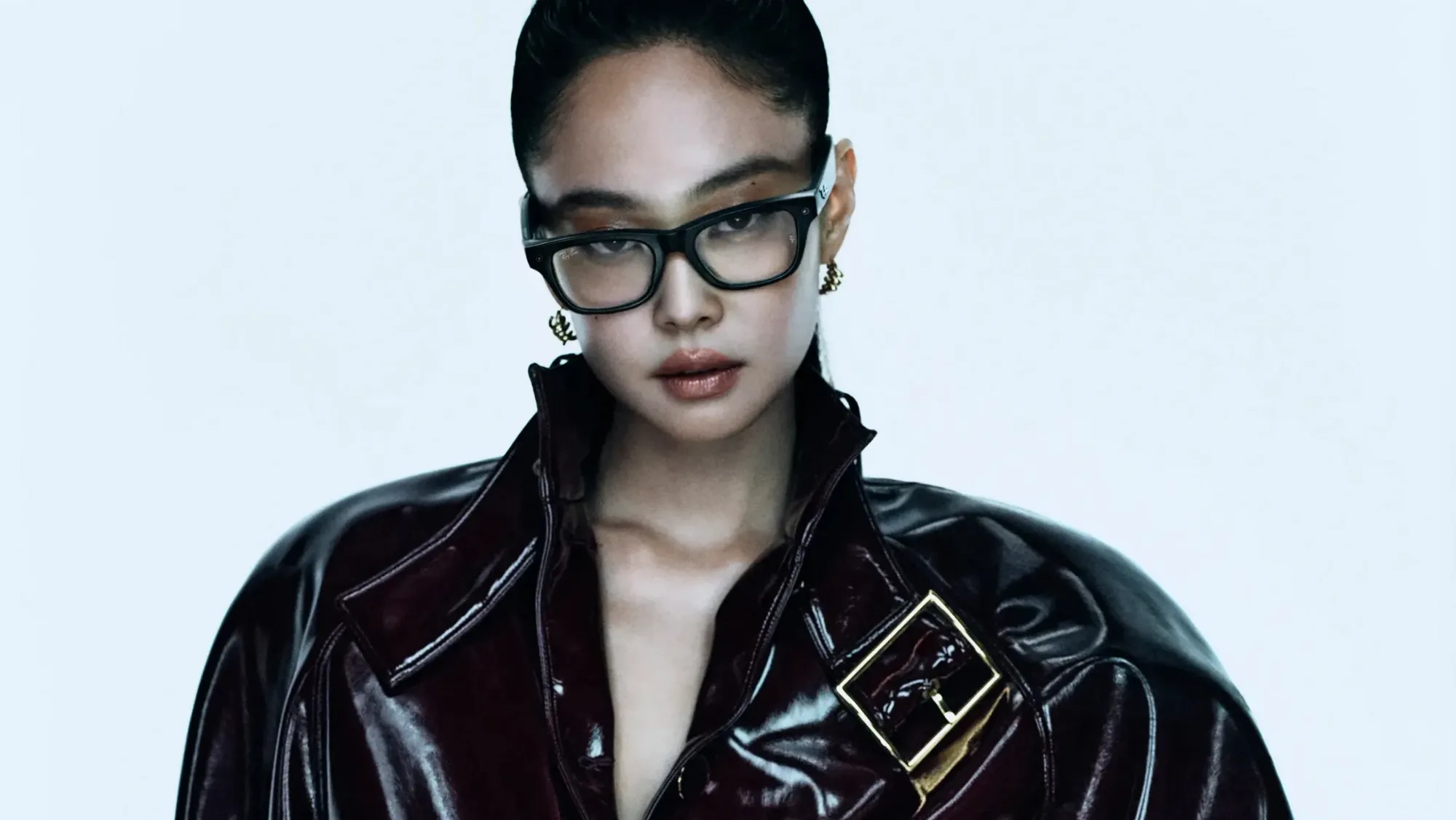
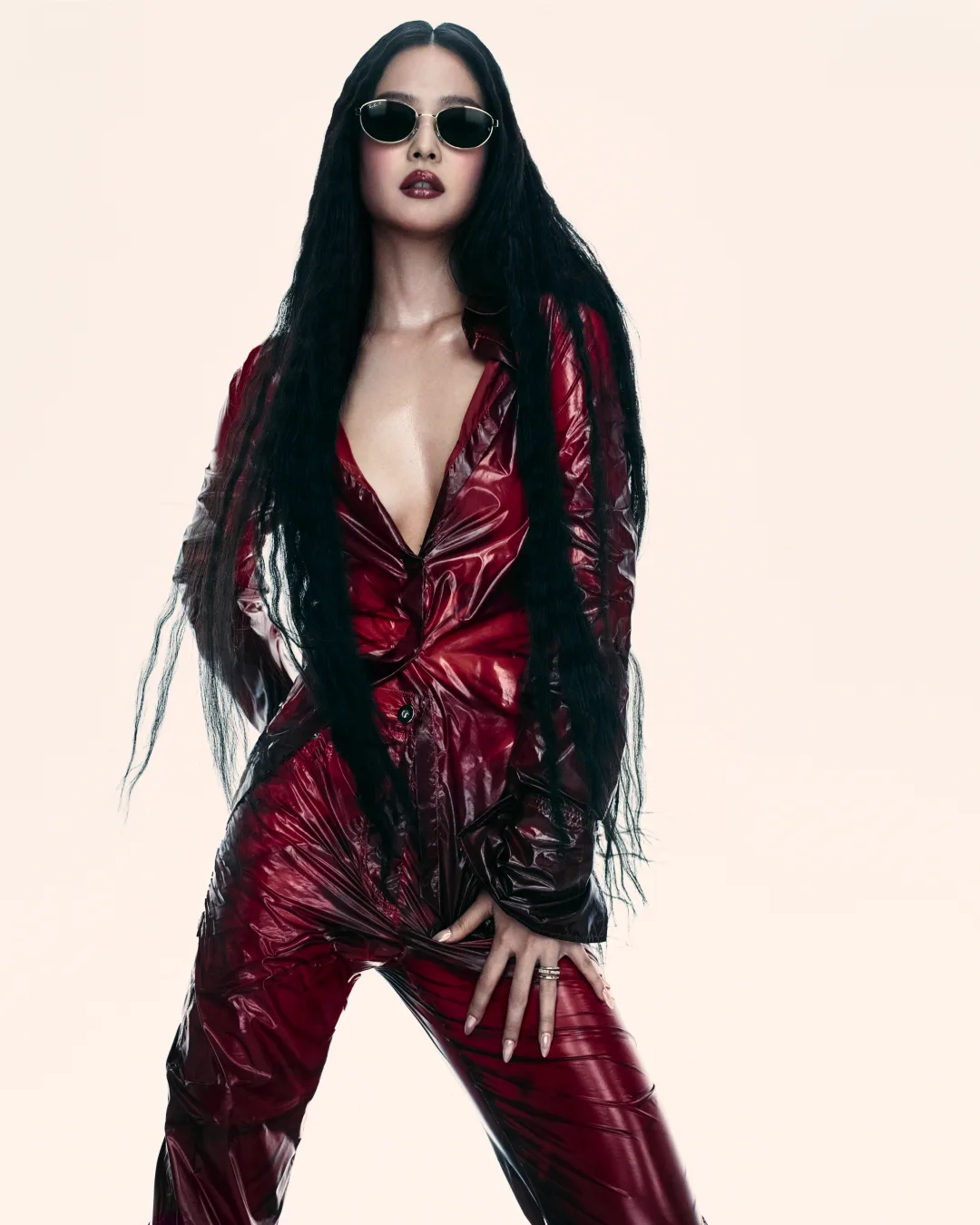
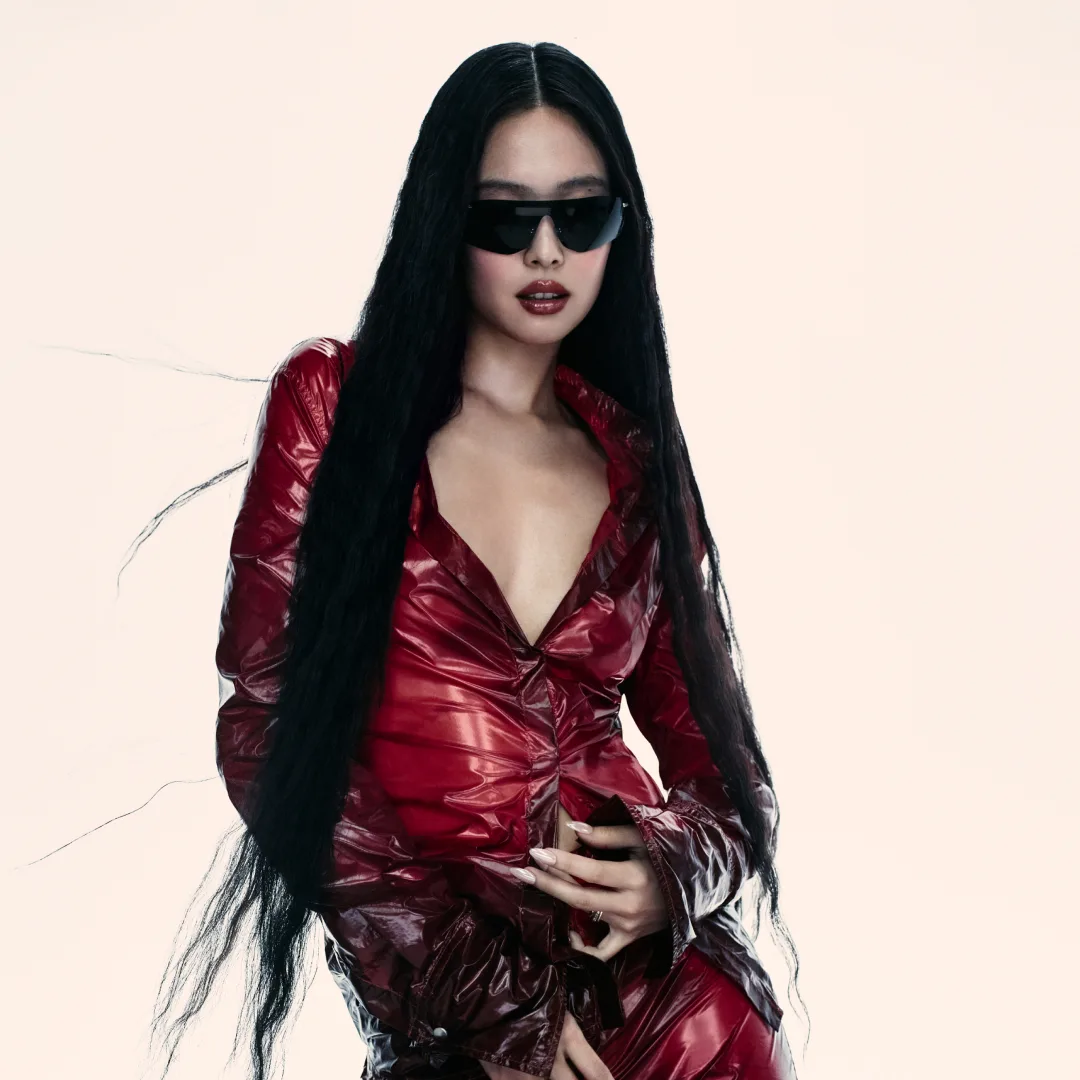
The campaign uses visual language to keep the two product lines distinct while signalling that they belong to the same brand. The classic Ray-Ban photography leans on deep red tones, a reference to the artist's Jennie Ruby Jane stage name, while the Meta material uses soft blue hues to draw attention to the technical features of the smart glasses.2, 5 The same ambassador and the same campaign architecture run across both, so the difference reads as two expressions of one brand rather than two brands.
This is a brand-architecture decision, a choice about how a company organises and presents its portfolio of products. Rather than spin the smart glasses into a sub-brand with its own personality, EssilorLuxottica keeps Ray-Ban Meta firmly inside the Ray-Ban identity. The risk of the alternative is clear. A separately branded gadget would lose the fashion credibility that makes the technology acceptable to wear, while a poorly integrated one could make the heritage line feel like a vehicle for electronics.
Positioning technology as lifestyle
The campaign also carries a positioning aim, the work of shaping what a product stands for in the mind of the buyer. The stated goal is to present Ray-Ban Meta as a lifestyle essential rather than another gadget.2 By placing the smart glasses alongside the classic Wayfarer in the same campaign and on the same ambassador, the brand frames the connected eyewear as a natural extension of an established fashion object, not as a separate technology purchase.2
The choice of ambassador supports that framing. The campaign draws on the artist's reputation for understated confidence and her reach across music and fashion, qualities the brand wants to associate with both product lines. In a statement shared by the company, Jennie connects the partnership to the way the brand sits in daily life.
"To me, confidence isn't loud; it comes from feeling comfortable with yourself and expressing who you are in a quiet way. Ray-Ban has that same energy: simple, expressive and easy to live in."2, 4
That framing matters most for the smart glasses. Connected eyewear has struggled for years against the perception that it looks like a device worn on the face. Anchoring it to a fashion narrative, rather than a feature list, is the brand's answer to that resistance.
A pattern in connected eyewear
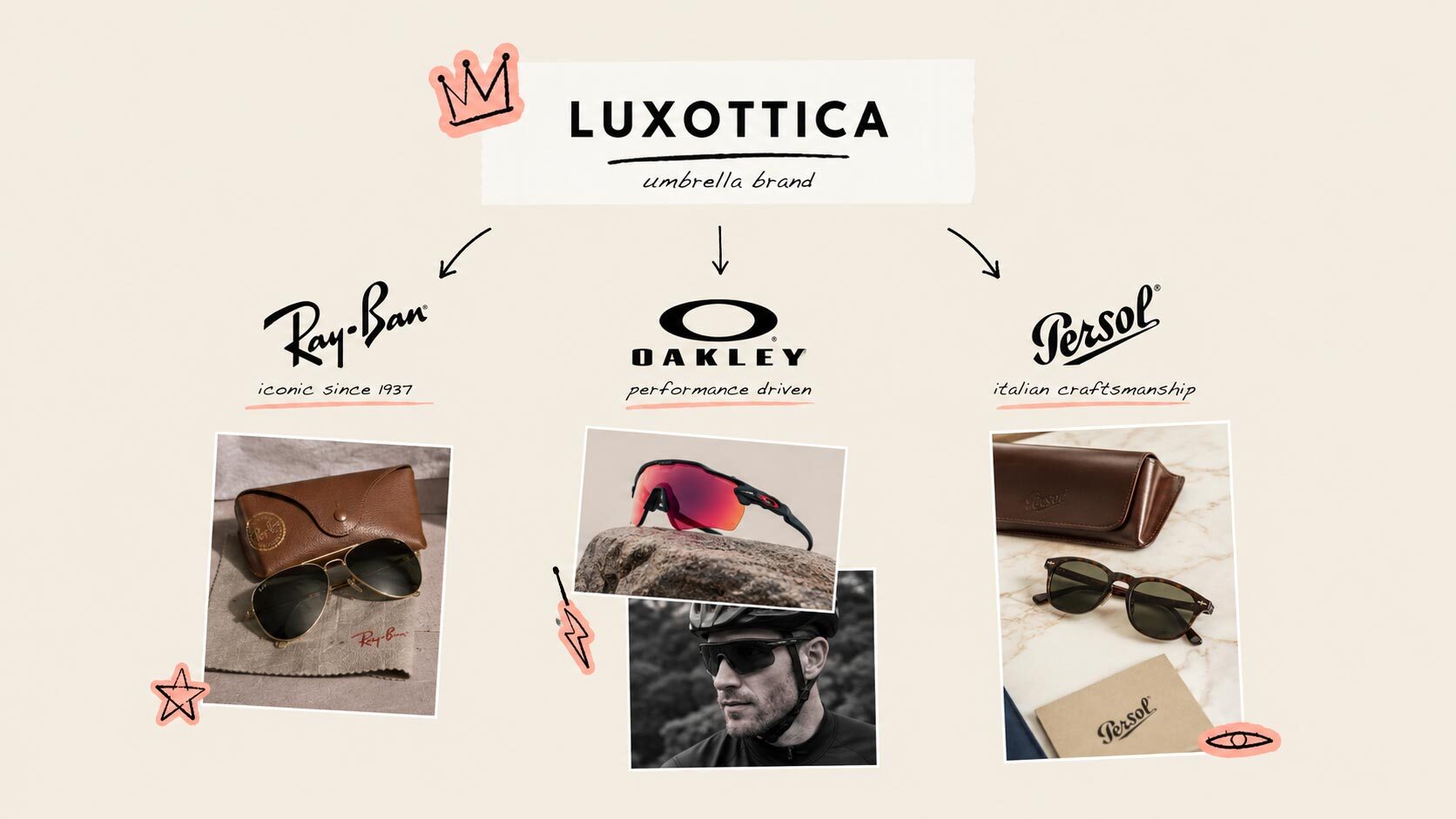
The appointment continues a wider pattern at EssilorLuxottica. Earlier smart-glasses efforts drew on figures such as the Formula One driver Lando Norris and the skateboarder Paul Rodriguez, while the group's Oakley brand has long used athletes to launch performance frames.2, 8 The Jennie campaign differs in scope. Where those earlier partnerships supported individual products, this one is built to carry the whole Ray-Ban brand across both its classic and connected ranges at once.
The shift in ambassador type is itself telling. Athletes and drivers suit a product sold on performance, but a single campaign meant to span fashion sunglasses and everyday wearable technology needs a figure read primarily through style and culture. A musician whose public image rests on personal taste rather than competition fits a brand trying to make a device feel like an accessory, and signals which of the two worlds the brand wants to lead with.
The campaign launches globally with a collection that spans the classic Wayfarer and Headliner shapes alongside the smart-glasses line.2 For Ray-Ban, the move marks a maturing of its technology strategy. Having established that it can put a credible device inside a familiar frame, the brand now turns to the harder branding task of making the heritage product and the connected one feel like a single, coherent identity. The Jennie campaign is the first full test of whether one brand image can stretch across both.
Written with AI assistance, edited by a human. Find out more about our Use of AI.
1. allkpop, AKP STAFF, "BLACKPINK's Jennie becomes Ray-Ban's global brand ambassador", 9 April 2026, for the announcement falling in April 2026, specifically on 9 April 2026, and for Ray-Ban naming Jennie its global brand ambassador, off whitelist and used for corroboration only. https://www.allkpop.com/article/2026/04/blackpinks-jennie-becomes-ray-bans-global-brand-ambassador
2. Maxim, Frank Tanner, "Jennie Named Global Ambassador For Ray-Ban & Ray-Ban Meta Smart Glasses", 13 April 2026, for EssilorLuxottica as the parent company behind Ray-Ban and for Jennie being named global ambassador for both Ray-Ban and Ray-Ban Meta, for the deep red tones of the classic Ray-Ban imagery as a reference to the stage name Jennie Ruby Jane and the soft blue hues used to highlight the technical features of the smart glasses, for the campaign positioning Ray-Ban Meta as a "lifestyle essential", for the Wayfarer and Headliner silhouettes carried by the collection and for the collection being available globally, for the wording of the quoted Jennie statement, and for the earlier smart eyewear ambassadors, the Formula One driver Lando Norris and the skateboarder P-Rod, Paul Rodriguez, off whitelist and used for corroboration only. https://www.maxim.com/entertainment/jennie-named-global-ambassador-for-ray-ban-ray-ban-meta-smart-glasses/
3. WWD, "Blackpink's Jennie Joins Ray-Ban as Global Brand Ambassador", April 2026, for Jennie joining Ray-Ban as a global brand ambassador, off whitelist and used for corroboration only, and only the headline could be confirmed because the article body sits behind the publisher's paywall, page not reachable on 17 September 2026. https://wwd.com/fashion-news/fashion-scoops/blackpink-jennie-ray-ban-global-brand-ambassador-1238895415/
4. FashionNetwork.com US, Jennifer Braun, "Ray-Ban names Jennie global ambassador", 19 April 2026, for the partnership bringing the two categories together for the first time under a single creative direction, and for the wording of the quoted Jennie statement, which the piece reproduces in the same form as the body, off whitelist and used for corroboration only. https://us.fashionnetwork.com/news/Ray-ban-names-jennie-global-ambassador,1824750.html
5. INVISION, "Jennie Named Global Ambassador for Ray-Ban & Ray-Ban Meta", 16 April 2026, a reprint of the Ray-Ban announcement text, for Ray-Ban and Ray-Ban Meta coming together for the first time under one unified creative vision, which is the basis for the claim that the two product worlds are presented as one brand and held inside one consistent brand image, and for the deep red of the Ray-Ban visuals as a nod to the stage name Jennie Ruby Jane alongside the soft blue hues of the Ray-Ban Meta visuals, off whitelist and used for corroboration only. https://invisionmag.com/jennie-named-global-ambassador-for-ray-ban-ray-ban-meta/
6. English Wikipedia, "Ray-Ban Meta", as read on 17 September 2026, for Ray-Ban's entry into wearable technology with Meta, a partnership announced on 20 September 2020 with the first Ray-Ban Stories launching on 9 September 2021, and for the device features summarised in the body, a 12 megapixel camera, directional speakers with a five microphone array, and Meta AI with multimodal input. https://en.wikipedia.org/wiki/Ray-Ban_Meta
7. English Wikipedia, "Ray-Ban", as read on 17 September 2026, for the Wayfarer being one of the two lines the brand is most notable for, which is the basis for describing the heritage fashion product as built on designs such as the Wayfarer. https://en.wikipedia.org/wiki/Ray-Ban
8. English Wikipedia, "Oakley, Inc.", as read on 17 September 2026, for Oakley sitting in the same group portfolio as Ray-Ban after Luxottica completed its acquisition on 15 November 2007, and for Oakley's technical designs and gear having been developed with extensive athlete input and field testing, which is the basis for the description of the group's Oakley brand using athletes to launch performance frames. https://en.wikipedia.org/wiki/Oakley,_Inc.