
A new corporate structure for an old idea
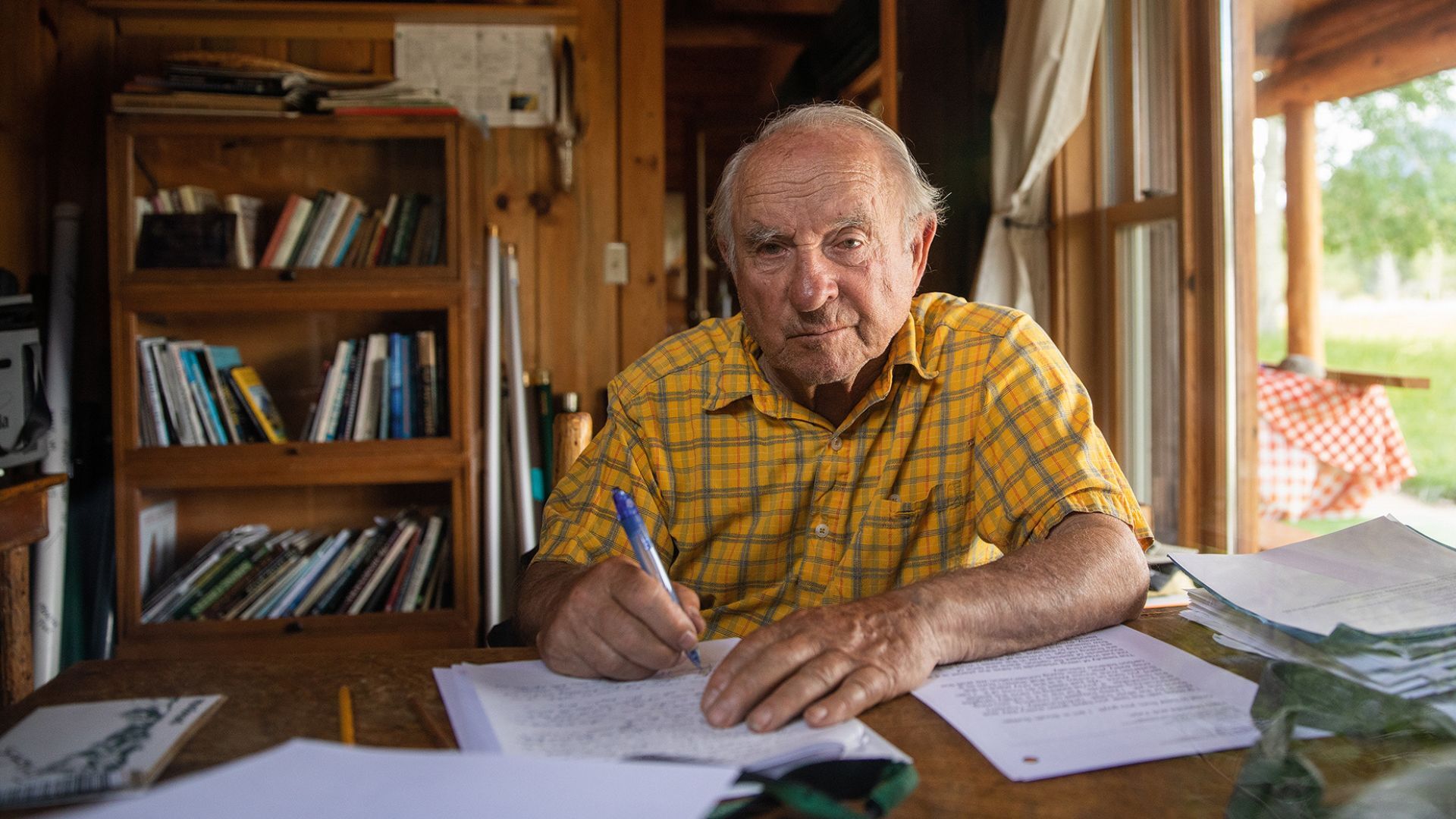
On 14 September 2022 Patagonia announces that founder Yvon Chouinard, his wife Malinda and their two children Fletcher and Claire have transferred the entire ownership of the company to two newly created entities. The Patagonia Purpose Trust now holds all of the company's voting stock, which represents approximately two per cent of the total stock by economic value. The Holdfast Collective, a 501(c)(4) non profit organisation registered in Delaware, holds the remaining 98 per cent in the form of non voting stock and receives all dividends that the company distributes. The headline that Chouinard writes for the announcement reads, Earth is now our only shareholder.
What the structure does
The Patagonia Purpose Trust is the smaller of the two entities and exists to anchor the brand's long stated mission inside a permanent legal structure. The trust controls the voting stock and is therefore the entity that elects the board of directors, approves any sale of the company and oversees any material change to the corporate documents. The trust is administered by members of the Chouinard family and by a small group of executives close to the brand. Its trust deed names the Patagonia mission, We're in business to save our home planet, as the binding instruction that the trust must apply to every governance decision.
The Holdfast Collective is the much larger entity by share count. It holds the 98 per cent non voting stake and therefore receives every dollar of dividend that Patagonia distributes from its operating profits. The Holdfast Collective is classified under section 501(c)(4) of the United States Internal Revenue Code rather than under the more common 501(c)(3) charitable status. The distinction matters. A 501(c)(4) organisation can engage in unrestricted political lobbying, which a 501(c)(3) cannot, and the Chouinard family states in the announcement that the collective is structured to allow Patagonia's dividends to fund environmental advocacy as well as direct conservation.
The two entities together replace the previous Chouinard family ownership of the company. The legal control of Patagonia therefore now sits with a trust whose deed prevents the company from being sold, and the economic upside sits with a non profit whose stated purpose is environmental protection. The company's day to day operations, its product lines, its brand strategy and its retail footprint remain unchanged.
Why the announcement matters as a brand move
The 14 September announcement is, on its surface, a corporate restructuring. In brand terms it is a positioning statement. Patagonia has stated since the 2018 update to its mission that the company exists to save its home planet. The 2022 transfer changes the legal architecture that surrounds that mission. The brand's claim that it is run for environmental benefit rather than for shareholder return is now embedded in the documents that govern the company, rather than expressed through annual marketing decisions.
The move addresses a particular kind of brand vulnerability. Companies that build a long term purpose narrative are subject to a recurring scepticism: that the narrative will outlast the founder and that the next owner will dismantle it. Patagonia's previous structure left that question open. The 2022 transfer answers it. The Patagonia Purpose Trust deed makes a sale of the company functionally impossible. The Holdfast Collective receives the dividends regardless of who runs the company. The brand position is therefore now load bearing on the legal documents rather than on the founder's continued involvement.
The financial framing
The Chouinard family valued the company at approximately three billion dollars at the time of the transfer. The estimated annual dividend that the Holdfast Collective will receive is approximately one hundred million dollars, a figure that depends on the operating performance of the company in a given year and on the dividend policy that the Patagonia Purpose Trust approves. The structure does not extract a one off liquidity event. The Chouinard family does not receive proceeds from the transfer. The annual dividend stream replaces what would otherwise have been the family's personal wealth growth.
The transfer also avoids the United States federal estate tax that would have applied on the family's death and the capital gains tax that would have applied on a sale to a strategic buyer or to a private equity buyer. The structure is therefore tax efficient. The family acknowledges this in the announcement and frames the efficiency as a feature rather than a contradiction, on the grounds that the savings now flow to environmental work rather than to the United States Treasury.
The reception
The announcement reaches major newspapers on the same day. The Washington Post, the New York Times and the Financial Times publish front page or near front page coverage on 14 September 2022. The Harvard Business School subsequently builds a case study around the transfer, written by professors George Serafeim and Lynn Paine, which becomes one of the most widely taught business school case studies on purpose driven ownership in the subsequent academic year. The case is titled Patagonia: Earth Is Now Our Only Shareholder.
The reception is not uniformly positive. Tax policy commentators question the use of a 501(c)(4) for dividend recipient status. Sustainable finance analysts at Bloomberg note that the structure depends on the operating company continuing to generate the cash flow that funds the Holdfast Collective, which makes the brand's environmental funding directly dependent on its commercial performance. Both points are factually correct and the Patagonia announcement does not contest them.
What the move continues to model
The transfer establishes a corporate template that subsequent brand owners have continued to study. The combination of a purpose trust, a non profit dividend recipient and an operating company is now a recognised reference structure in sustainable business literature. The structure has not been widely replicated, partly because few founders are willing to forgo the personal wealth event that a conventional sale would deliver, and partly because the legal complexity of the arrangement requires a level of long term planning that is uncommon at the closely held company level.
The brand outcome for Patagonia is the more durable result. The Earth is now our only shareholder line carries a precision that previous Patagonia communication did not have. The brand can now point to the documents that govern its corporate life rather than to the marketing claims that surround it. The 14 September 2022 announcement is therefore both a structural change and a brand statement, with the structure carrying the statement and the statement carrying the brand into its next chapter.
Source: Patagonia Youtube
Written with AI assistance, edited by a human. Find out more about our Use of AI.