
A Madrid workshop reaches Tokyo, Hong Kong and Brussels
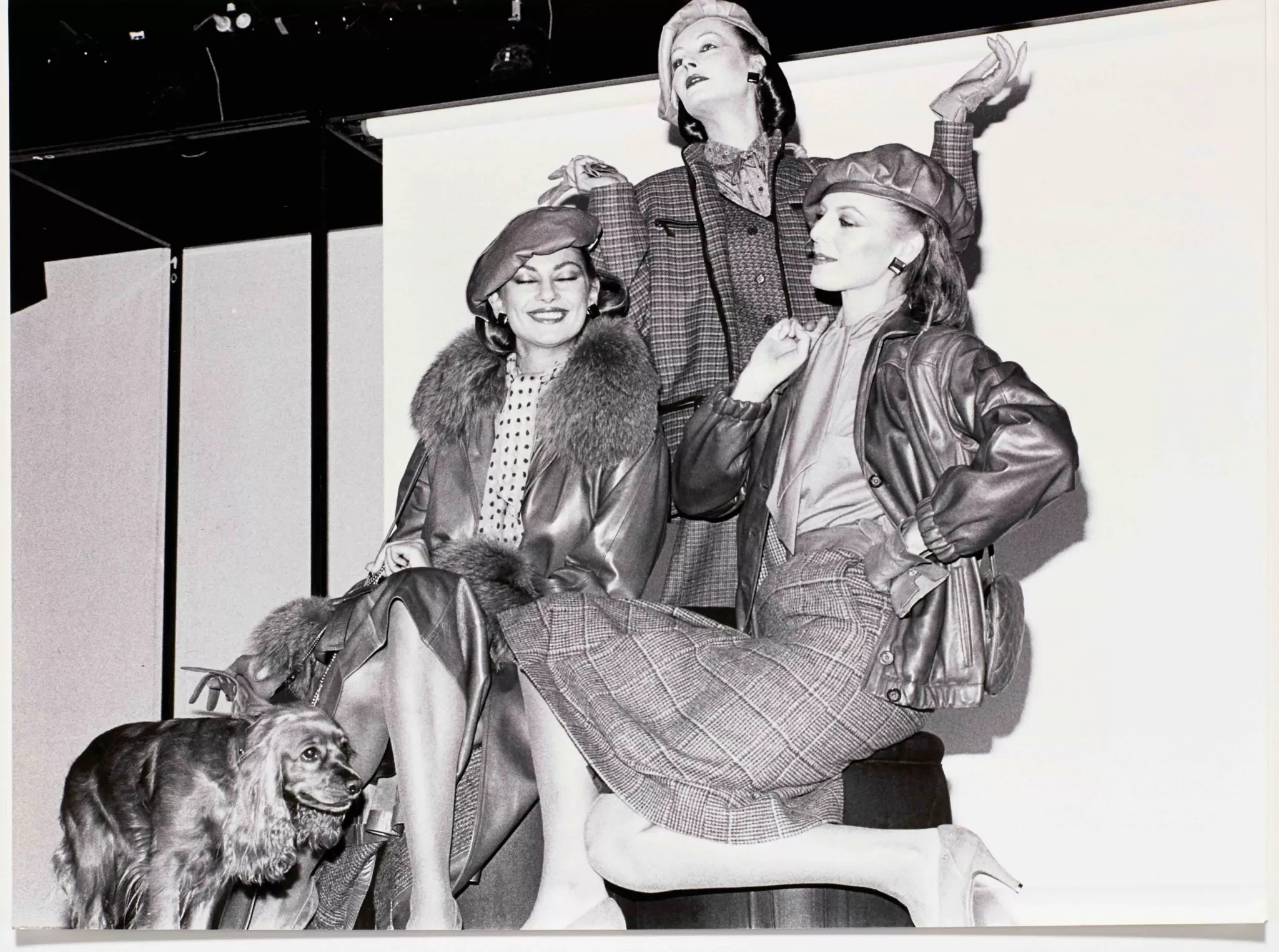
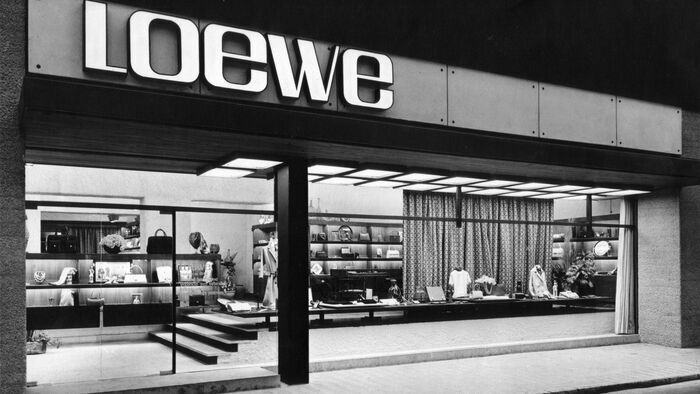
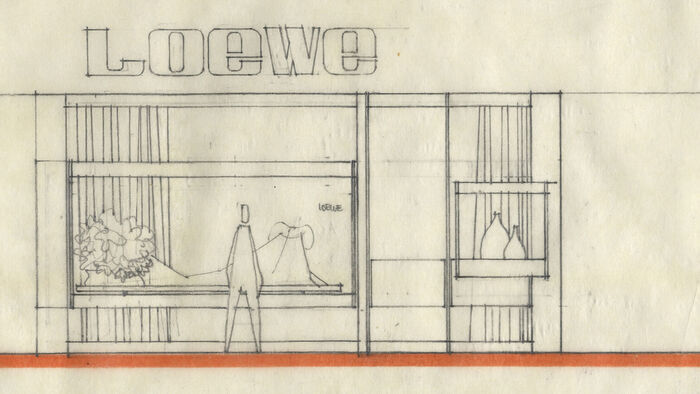
Loewe introduced its first women's ready-to-wear collections in 1960, moving the house beyond leather goods and saddlery into full clothing for the first time. Rather than expanding that new category only within Spain, the house pushed the ready-to-wear line into international markets over the following decade, and by the 1970s Loewe's collections were reaching customers through stores and stockists in cities including Brussels, Hong Kong, Honolulu, Tokyo, Singapore and Osaka.
That specific list of cities describes a deliberately double-pronged expansion rather than a single regional push: Brussels gave the house an early foothold in continental Europe beyond Spain, while Hong Kong, Honolulu, Tokyo, Singapore and Osaka represented a concentrated, early move into Asian and Pacific markets, well before most European luxury houses treated Asia as a priority growth region rather than a marginal export market.
Asia as an early priority, not an afterthought
The Asian side of that expansion proved particularly durable. Loewe opened a dedicated boutique in Hong Kong in 1976, and the house's reputation in Japan grew steadily enough across the following decades that Japan became one of Loewe's largest markets by store count alongside Spain itself. Enrique Loewe Lynch, a fourth-generation member of the founding family, is generally credited with driving much of that Asian push during the 1970s, at a point when the house was still privately controlled and had not yet passed through the ownership changes of the 1980s and 1990s.
Building stockist and stand-alone store relationships across six cities on three continents within a single decade, using 1970s logistics and communications rather than the global retail infrastructure available to luxury houses today, represented a considerable operational commitment for a company that had only introduced its core ready-to-wear category a decade earlier. It suggests Loewe's leadership treated international retail distribution as a priority alongside product development, rather than waiting until the ready-to-wear line had fully matured domestically before testing it abroad.
A pattern the house returned to decades later
The 1970s expansion also predates, by roughly four decades, the flagship-scale Casa store format Loewe now uses to enter or deepen its presence in major cities. Where the 1970s strategy relied on stockists and smaller boutiques to establish a presence quickly across many cities at once, the current Casa approach concentrates investment into fewer, architecturally ambitious flagships per city, a shift from breadth-first to depth-first retail expansion that reflects how much more capital-intensive luxury retail has become since Loewe first arrived in Tokyo and Hong Kong.
The house's early Asian expansion also set up market relationships that outlasted every subsequent change in ownership and creative direction. Loewe's American entry followed a full decade later, in 1983, the same year the house introduced menswear with a three-storey Trump Tower store in New York, suggesting Asia and neighbouring Pacific markets were treated as a nearer-term priority than the United States throughout the 1970s, even though the American market would later become significant to the house's overall business under LVMH.
Read together with the 1960 domestic ready-to-wear launch that preceded it, the 1970s international rollout marks the point at which Loewe stopped being a primarily Spanish leather goods company that happened to sell clothing, and became a genuinely international ready-to-wear house, a transition that took roughly a decade to complete and that the house's later flagship strategy, from the 1983 Trump Tower store through the current Casa network, has continued to build on ever since.
Measured against the scale of Loewe's operation in 1960, when the company was still a single-country leather and clothing maker, reaching stockists across six cities in Europe, East Asia and the Pacific within a decade represented one of the fastest geographic expansions of any Spanish fashion house in the period, setting a template for international ambition that the family-run business pursued well before its 1984 change of majority ownership and its eventual full acquisition by LVMH in 1996.
The decade of expansion also unfolded against a distinctive backdrop in Spain itself. Francisco Franco's government controlled the country for most of the 1970s, restricting currency movement and foreign investment in ways that complicated international business for many Spanish companies of the period. Loewe's stockist and boutique expansion into Brussels, Hong Kong and the Pacific rim during these same years suggests the family ownership found ways to work around, or secure exemptions from, restrictions that kept many other Spanish firms confined largely to the domestic market until after Franco's death in 1975 and the country's subsequent transition to democracy.
That political context makes the 1970s expansion a more unusual achievement than the bare list of cities suggests: building retail relationships across Europe and Asia from a Spain still operating under significant capital controls required a level of institutional connections and logistical persistence that few domestic competitors of the period could match.
Written with AI assistance, edited by a human. Find out more about our Use of AI.