
The first full statement
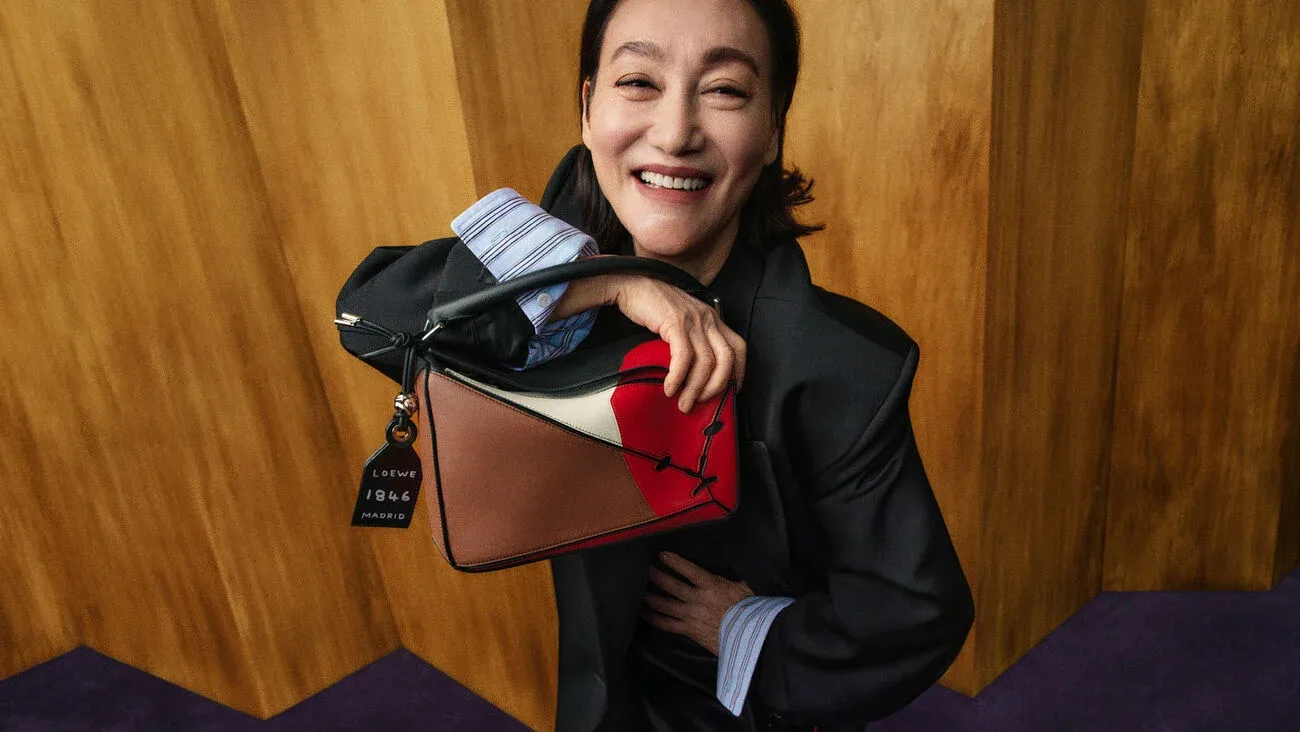
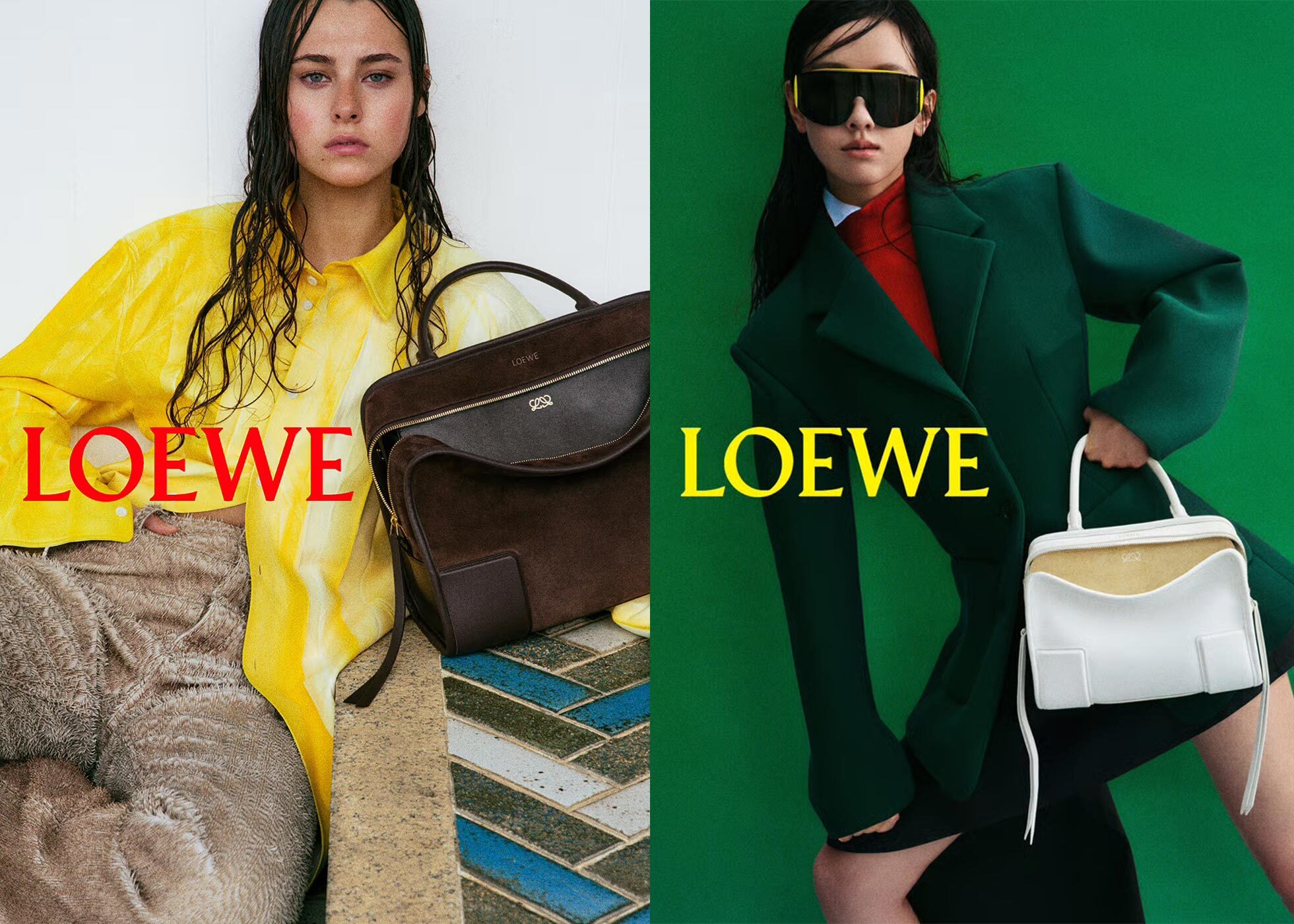
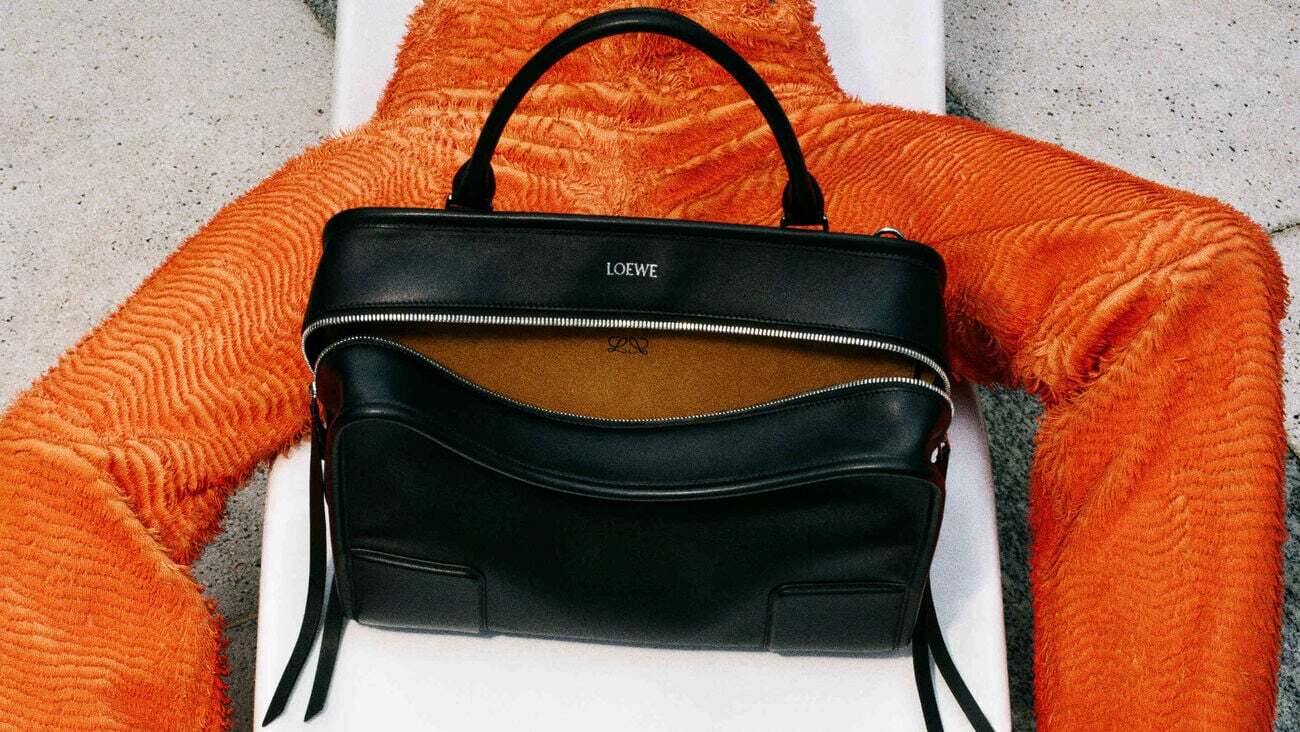
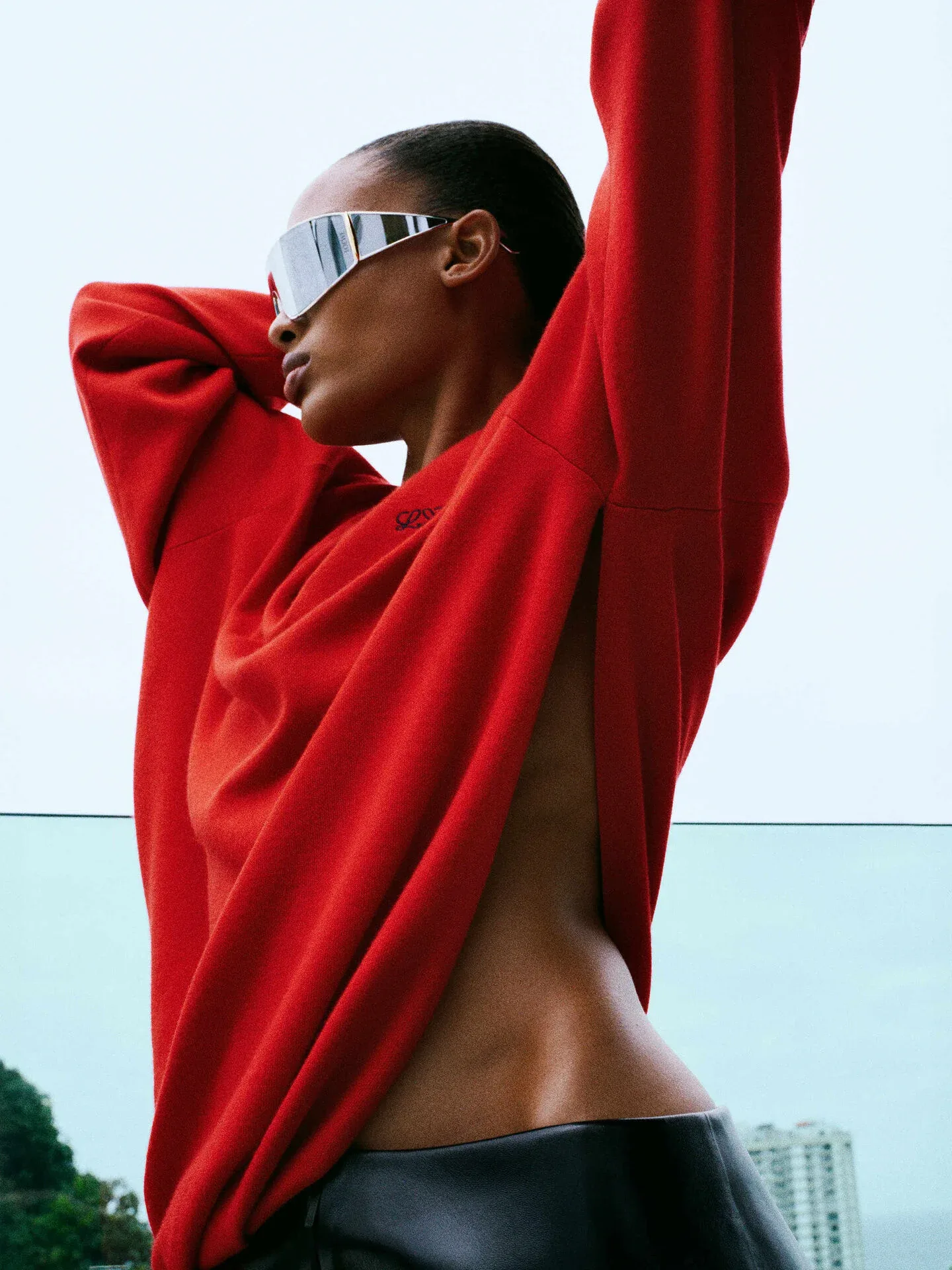
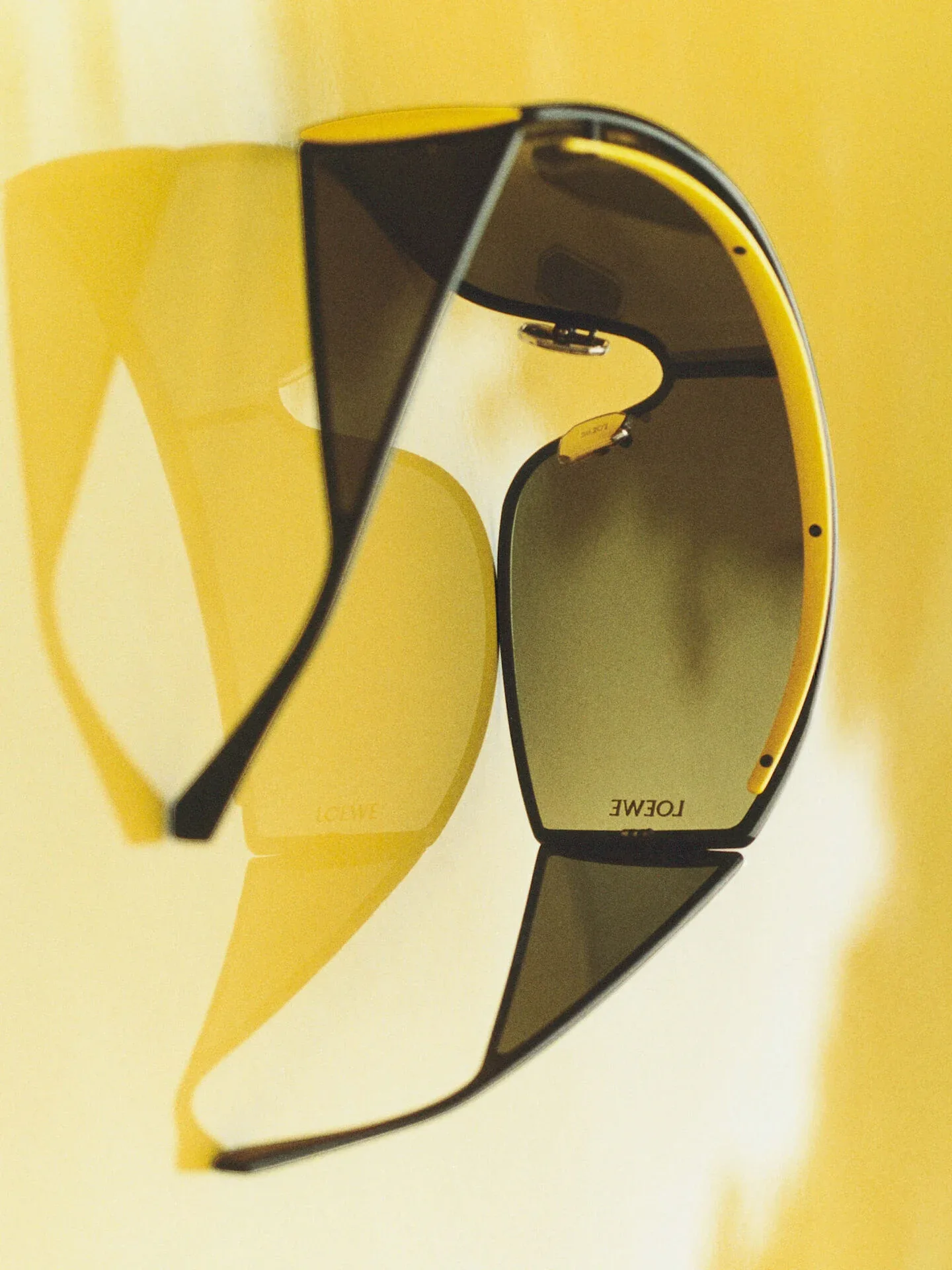
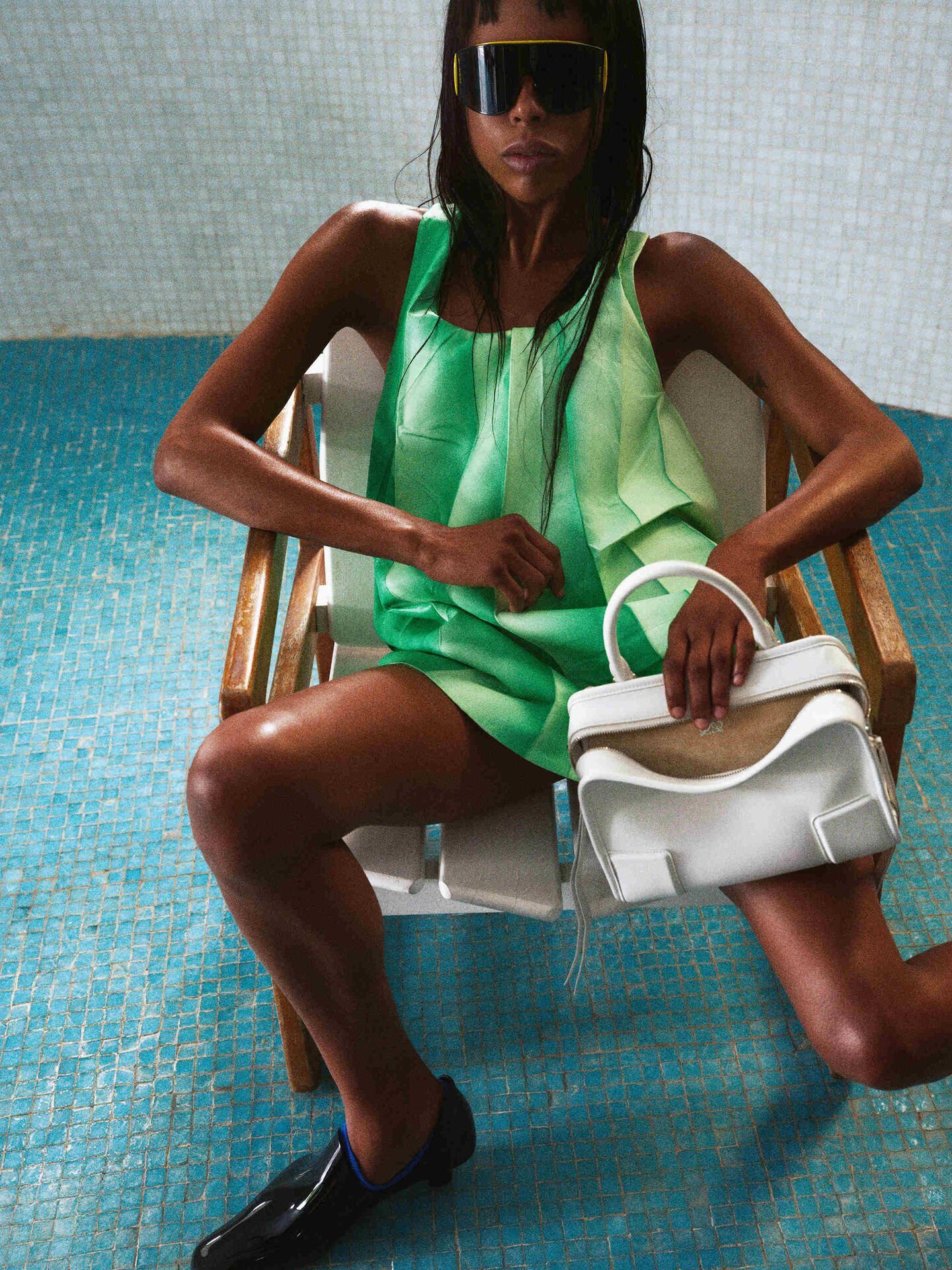
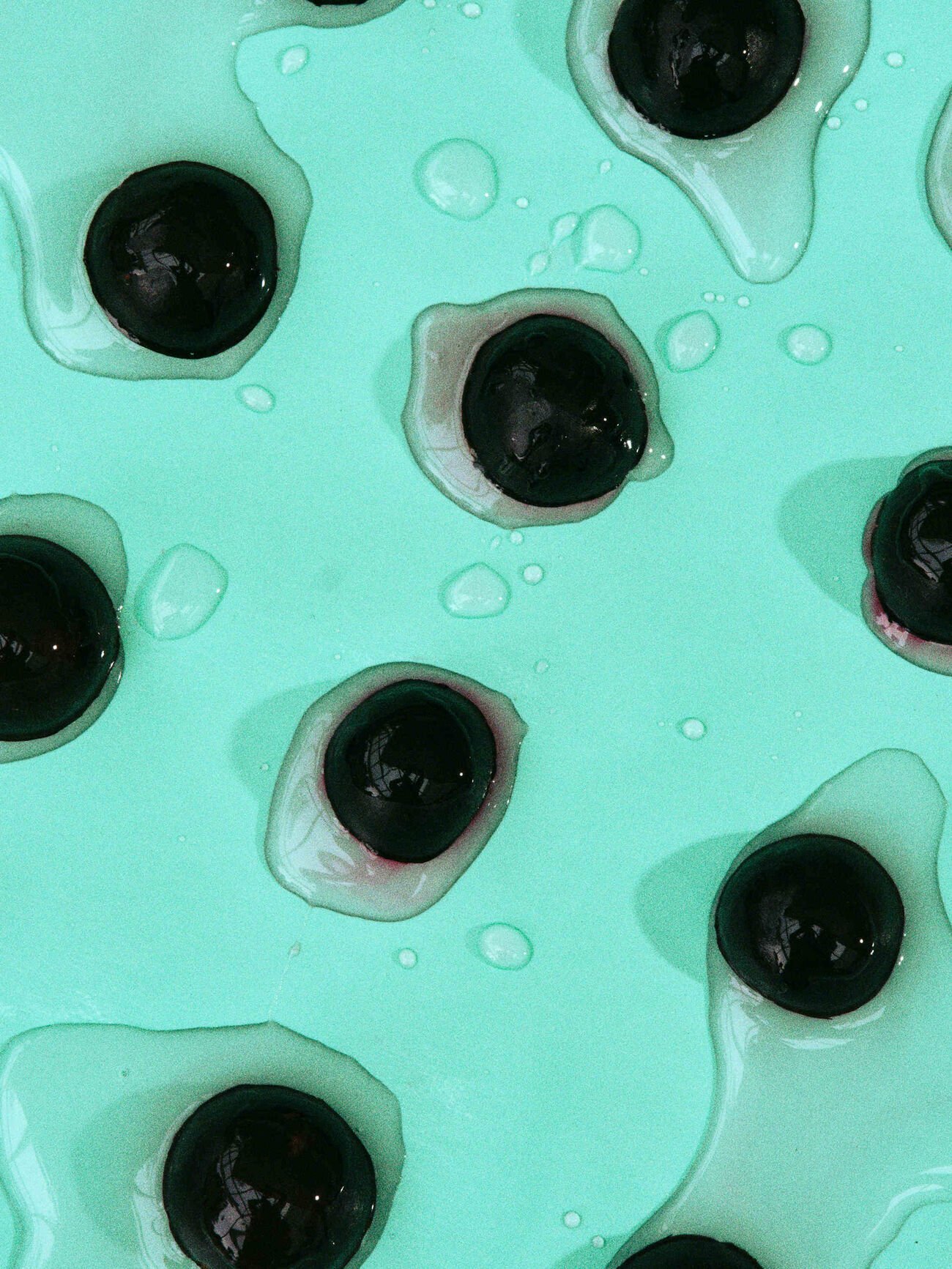
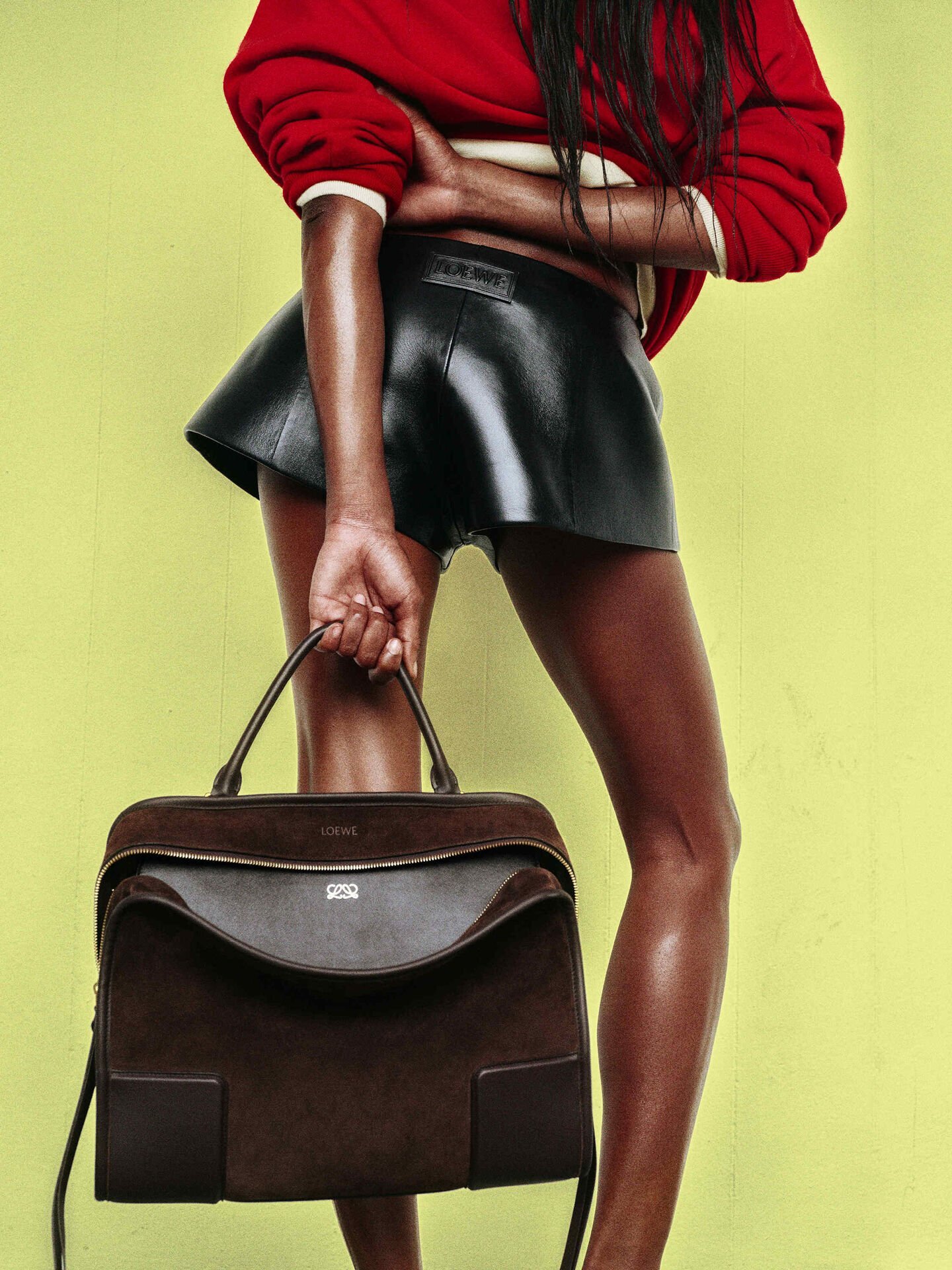
Loewe presents the first campaign developed for the house by Jack McCollough and Lazaro Hernandez, its creative directors since 2025.1, 2 A debut collection reveals a designer's clothes; a debut campaign reveals how the house intends to present itself, and it is often the clearer signal of direction. For a brand whose recent identity was shaped as much by imagery and art direction as by product, this first campaign is a defining moment in the transition from the Jonathan Anderson era.
The campaign follows the directors' runway debut, the spring/summer 2026 collection shown in October 2025, and gives their vision a considered, controlled form.1, 3 Where a runway show is read in the moment, a campaign is composed: it fixes the tone, the casting, the photographic language and the relationship between product and image that the house wants to own. This is the first time the new team has set all of those elements at once.
Continuity over rupture
Early readings of the work note a continuity of language rather than a clean break. That is a deliberate and defensible choice. Loewe spent more than a decade building a distinctive visual world, and the equity in that world is substantial.4 Discarding it on day one would risk the recognition the brand worked to earn. Evolving it, by contrast, lets the new directors introduce their sensibility while keeping the audience oriented.
The approach mirrors the strategy visible in the debut collection, which observers described as extending the house's existing aesthetic rather than replacing it.3 Taken together, the collection and the campaign suggest a transition managed for stability: the directors are establishing authorship gradually, through refinement, rather than through a dramatic reset. For a house of Loewe's standing within LVMH, that measured pace protects value while the new leadership settles in.4
Why the campaign carries weight
In contemporary luxury, campaigns do heavy positioning work. They travel further than any single collection, reaching audiences who will never attend a show or enter a boutique, and they set the terms by which the brand is understood online and in the press. Under Anderson, Loewe used campaigns and cultural projects to build an identity that felt literate and art-minded, and that reputation became a genuine competitive asset. The new directors inherit both the tool and the expectation that comes with it.
The campaign therefore functions as a test of whether the house can sustain that reputation under different authorship. The question is not only whether the imagery is accomplished, but whether it continues to say something specific about Loewe rather than reverting to generic luxury codes. Maintaining a distinctive voice through a change of leadership is difficult, and it is precisely the challenge the brand set itself when it chose an established outside duo.5
Much also depends on execution over time. A single campaign, however accomplished, cannot settle the direction of a house on its own; it sets an intention that subsequent seasons must confirm. The value of this first outing lies in what it rules out and what it promises: it signals that Loewe will not abandon its recent identity overnight, and it commits the new directors to developing that identity in public, campaign by campaign.
A transition taking shape
The first campaign completes the opening phase of the new era. The appointment answered who would lead; the debut collection showed the product direction; the campaign now sets the brand's public face. Together they form the initial evidence base against which the industry will judge the succession, and they point toward evolution rather than reinvention.
That trajectory carries both reassurance and risk. Continuity preserves the recognition and cultural standing Loewe accumulated over the previous decade, but it also invites the question of when and how the new directors will make the house unmistakably their own. Managing that balance, honouring inherited equity while asserting a fresh point of view, is the central task of any high-profile succession, and the first campaign shows Loewe choosing to move carefully.
For now, the house has established its footing. The campaign confirms that the transition is proceeding in an orderly way and that Loewe intends to protect what made it distinctive while a new creative partnership grows into the role. The collections and campaigns that follow will show how far the directors choose to move, but the starting position is clear: evolution, handled with restraint, on foundations built to last. In a market where a change of creative director can unsettle a brand for years, that measured start is itself a meaningful signal.
Source: LOEWE Youtube
Written with AI assistance, edited by a human. Find out more about our Use of AI.
1. FashionUnited, Jaime Martinez, "Loewe unveils first campaign under new creative direction", 16 February 2026, for the campaign being the first one created for the house by Jack McCollough and Lazaro Hernandez, for their appointment as creative directors in March 2025, and for the campaign following the collection the two designers showed in October 2025. https://fashionunited.com/news/fashion/loewe-unveils-first-campaign-under-new-creative-direction/2026021670619
2. Loewe, "LOEWE Spring Summer 2026: The First Campaign by McCollough & Hernandez", house campaign page, accessed 17 September 2026, for Loewe itself presenting the work as the first campaign by its creative directors Jack McCollough and Lazaro Hernandez. https://www.loewe.com/usa/en/pd/stories-collection/ss26-collection-campaign.html and https://www.loewe.com/
3. FashionUnited, Jaime Martinez, "McCollough and Hernandez embrace Anderson's legacy in their debut for Loewe", 3 October 2025, for the runway debut being the spring/summer 2026 collection, shown on 3 October 2025 during Paris Fashion Week, and for that collection having been read at the time as extending the house's existing aesthetic rather than replacing it, the piece finding "it would be difficult to find a piece that Anderson himself might not have designed for Loewe". Added during the footnote retrofit of 17 September 2026. https://fashionunited.uk/news/fashion/mccollough-and-hernandez-embrace-andersons-legacy-in-their-debut-for-loewe/2025100384273
4. Wikipedia, "Loewe (fashion brand)", accessed 17 September 2026, for Jonathan Anderson having been creative director from 2013 until March 2025, the more than a decade the article refers to, and for LVMH having been the sole owner of Loewe since February 1996. https://en.wikipedia.org/wiki/Loewe_(fashion_brand)
5. Numero, Camille Bois-Martin, "Who are Loewe's new creative directors?", 24 March 2025, updated 14 April 2025, for Jack McCollough and Lazaro Hernandez being the founders of Proenza Schouler and an established design duo appointed from outside the house. https://numero.com/en/fashion/who-are-loewes-new-creative-directors/