
The woman who made a shop window a stage
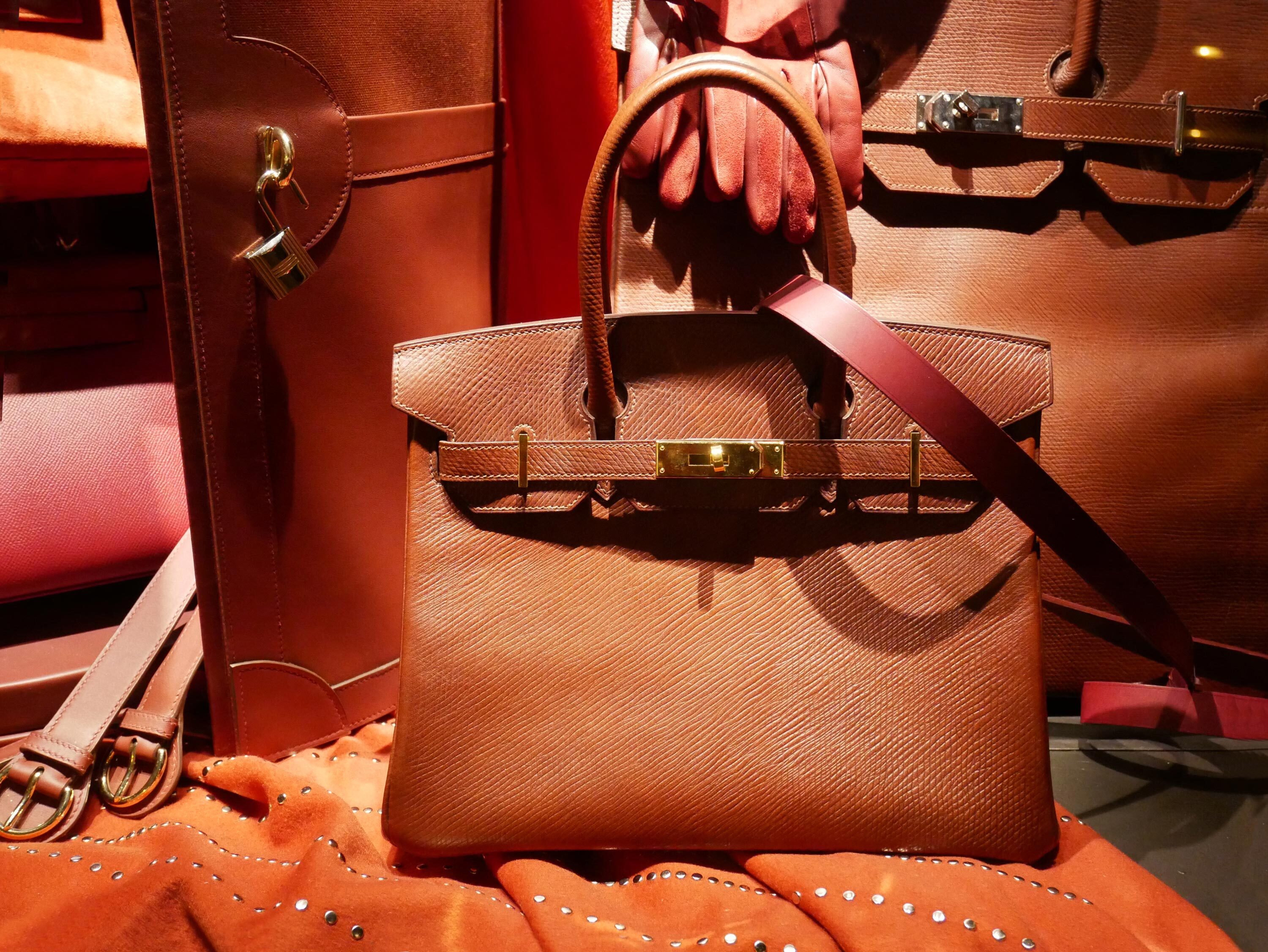
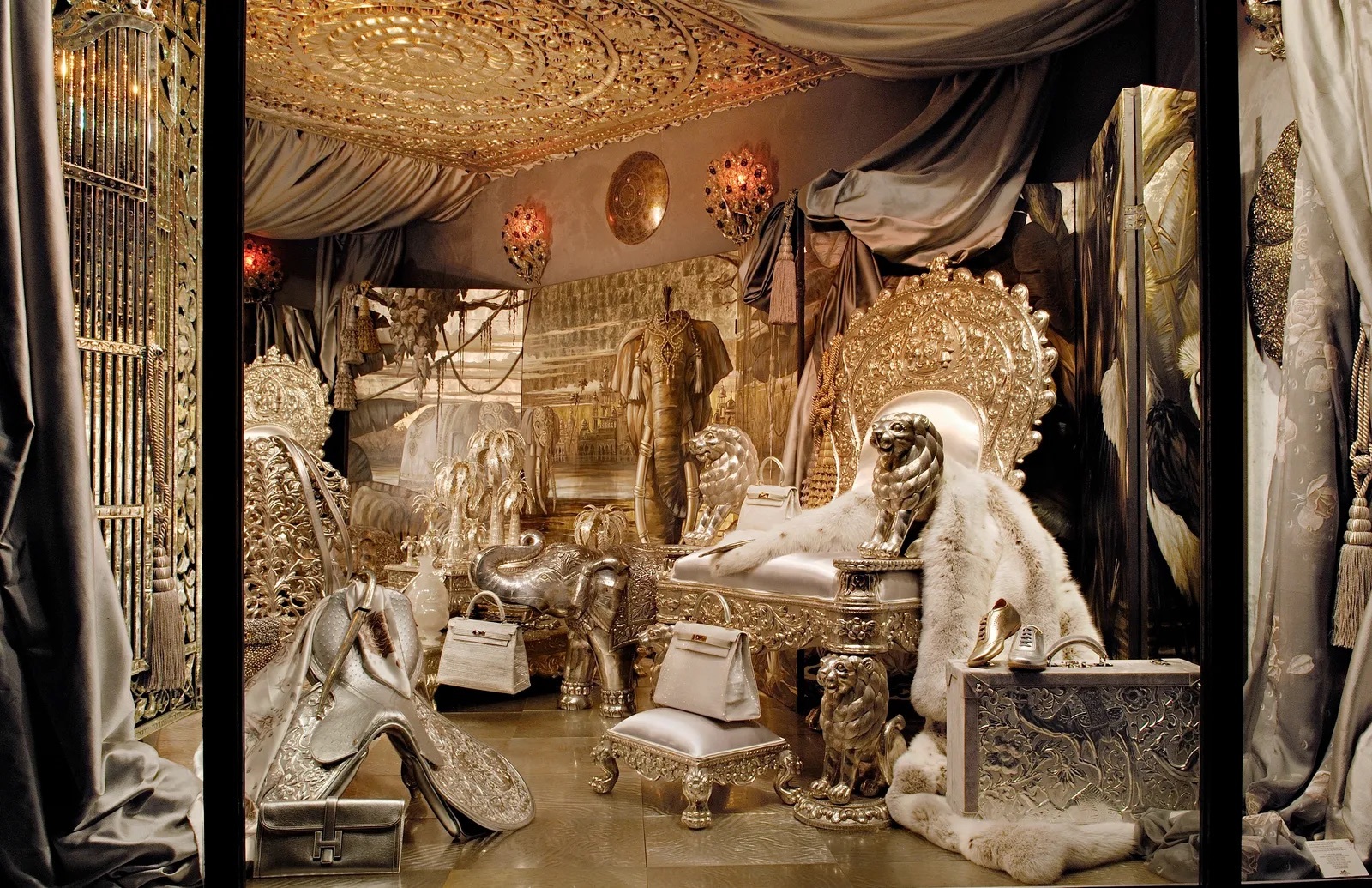
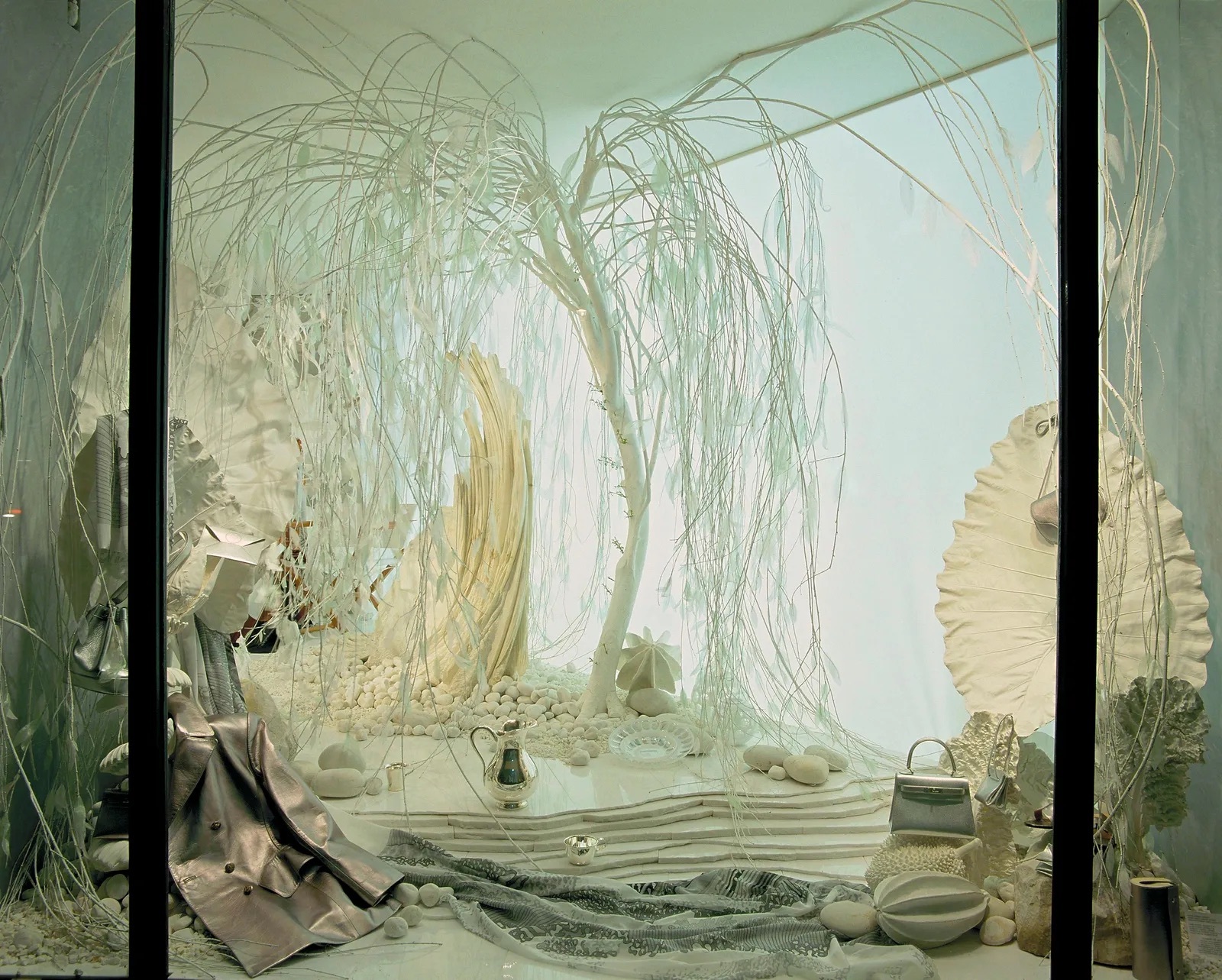
From 1978 to 2013, Leïla Menchari designed the windows of the Hermès flagship at 24 rue du Faubourg Saint-Honoré in Paris. Over those thirty-five years she produced roughly 136 window displays, elaborate scenes that turned the store's façade into a form of theatre. Her tableaux included aluminium stallions, mother-of-pearl reconstructions of Moroccan souks, undersea grottoes and gardens built from precious materials, each arranged so that the Hermès objects on show appeared almost incidental to the world staged around them.
Menchari worked to a slow rhythm. Rather than change the windows constantly, she developed a small number of major themes each year and gave each display the scale and finish of a stage set. Passers-by on the Faubourg Saint-Honoré came to treat the windows as a destination in themselves, and the press covered new displays as cultural events. In doing so, Menchari made the store's windows one of the house's most consistent pieces of brand communication at a time when Hermès did comparatively little conventional advertising.
From painter to window designer
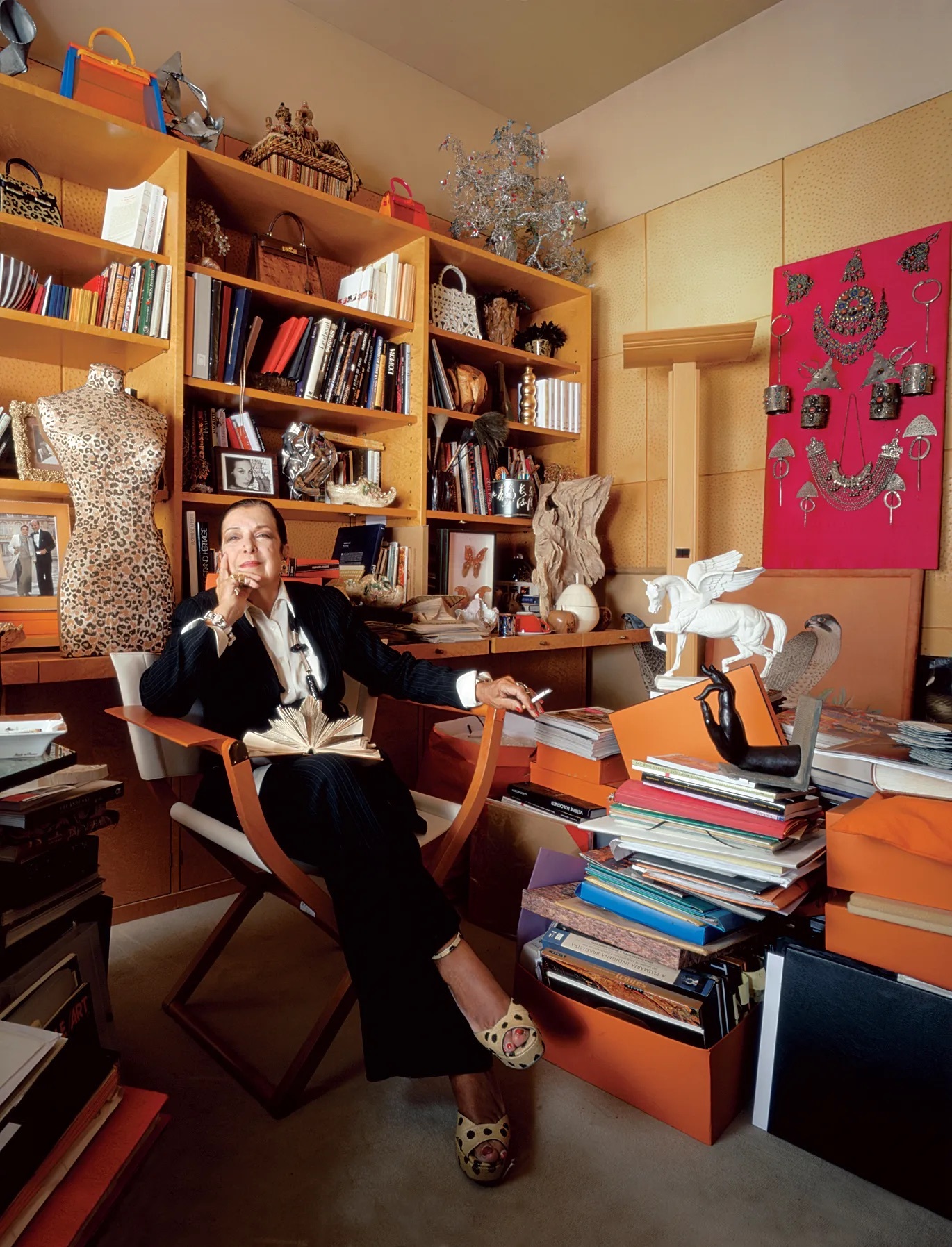
Born in Tunis in 1927, Menchari trained as a painter in Tunis and then in Paris. After a brief period modelling for the couturier Guy Laroche, she joined Hermès in 1961 to work under Annie Beaumel, the house's head of windows, whose displays had already established the Faubourg Saint-Honoré store as a site of visual invention. Menchari took over the role in 1978 and held it for the rest of her working life, developing a personal language of colour, material and staging that became closely identified with the house.
Her method drew on craft skills rather than retail conventions. She commissioned artisans to gild, sculpt, weave and cast the elements of her scenes, treating a window as she might a painting or a stage. Colour was central: she was known for saturated, unexpected palettes and for materials chosen for how they behaved under light. The results were less product presentations than invitations into an imagined world, with Hermès goods placed as if they belonged to it.
A brand medium hiding in plain sight
The strategic value of the windows lay in their location and their consistency. The Faubourg Saint-Honoré flagship is the historic heart of Hermès, and a display there is seen by a stream of visitors, tourists and journalists year after year. By investing in the windows as an ongoing artistic project rather than a rotating merchandising task, Hermès built a recognisable brand experience that reinforced its identity as a house of craft and imagination without stating it as a slogan.
Menchari's windows also travelled. Displays and their motifs were documented in books, reproduced in other Hermès stores and absorbed into the house's visual memory. She became a public figure in her own right, described in the French press as the enchantress of the rue du Faubourg Saint-Honoré, an unusual level of recognition for a role that most retailers treat as anonymous.
The scale of the commitment set the windows apart from ordinary retail display. Menchari typically built her year around a handful of major themes rather than frequent changes, and each scene was fabricated by specialist craftspeople using real materials, from gilded metal and blown glass to woven and carved elements made specifically for a single display. Hermès gave her an unusual degree of creative latitude and the budget to match, treating the windows as an authored body of work rather than a merchandising cost. That investment is what allowed a shop window to carry the weight of the brand rather than simply present its products.
The Grand Palais retrospective
In 2017, four years after she stepped back from the role, Hermès staged a retrospective of her work at the Grand Palais in Paris, titled "Hermès à tire-d'aile, les mondes de Leïla Menchari." The exhibition presented eight tableaux, conceived with the scenographer Nathalie Crinière, that recreated and reinterpreted her windows at full scale, allowing visitors to step inside scenes that had previously existed only behind glass on the Faubourg.
Menchari died in 2020, and Hermès continued to run its windows as a designed, authored medium in the tradition she had shaped. The house's later window programmes, staged around its annual themes and often produced with outside artists, extend a principle she helped establish: that a shop window can be a considered piece of brand storytelling rather than a display of stock. Few luxury houses have identified a single person so closely with their retail image, and fewer still have treated the shop window as a decades-long creative commission rather than a seasonal chore.
Written with AI assistance, edited by a human. Find out more about our Use of AI.