
A digital archive of a single garment
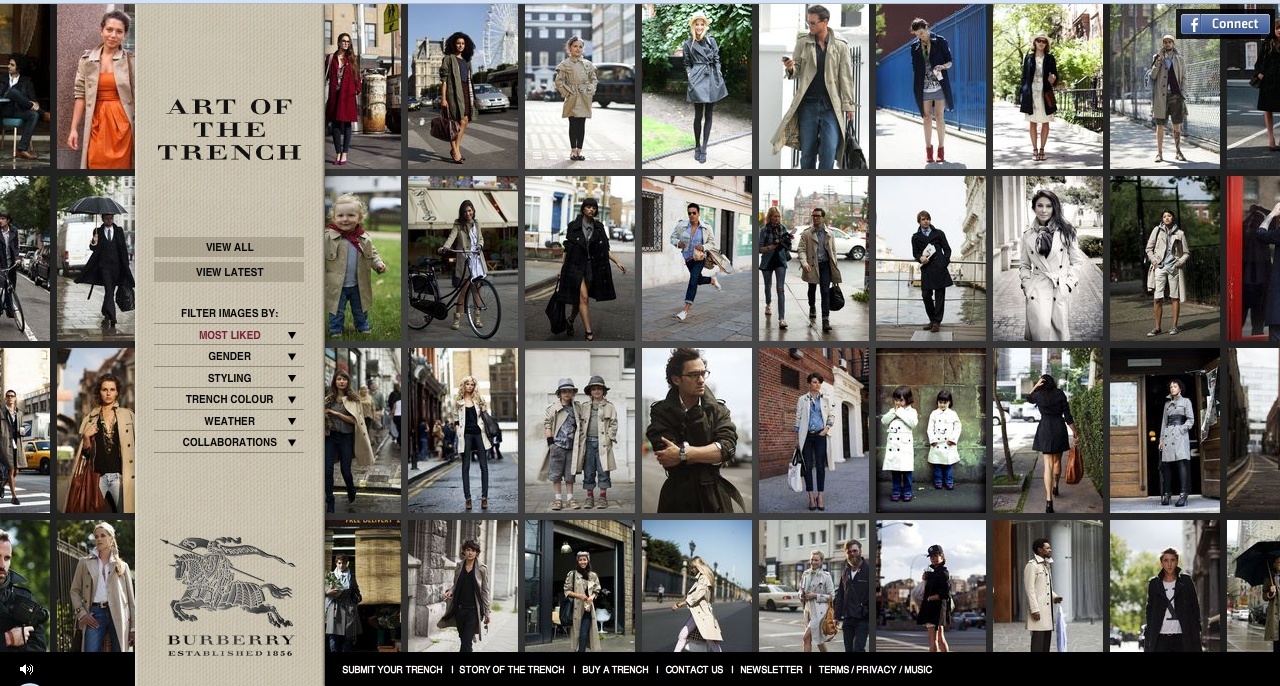
In November 2009, Burberry launched Art of the Trench, a dedicated public website built around a single product, the Burberry trench coat. The site allowed visitors to upload, view, comment on and share photographs of themselves and others wearing the trench, and connected directly to Twitter and Facebook for sharing. The launch programme was led by Chief Creative Officer Christopher Bailey, who had become the most senior creative voice inside the house earlier the same year. The opening photographic content was commissioned from Scott Schuman, the American photographer behind the street-style blog The Sartorialist, who shot subjects in their trench coats in cities including New York, London, Paris and Milan.
Why the trench, and not the brand
The strategic decision behind Art of the Trench was that the site would not promote Burberry as a whole. It would promote one product, the trench coat, in the words and images of the people who wore it. This was a sharp departure from the standard luxury communications model of the period, which centred on hero campaigns and celebrity testimonials. By selecting the trench coat as the sole subject, Burberry ensured that every contribution reinforced the most recognisable garment in the house's portfolio. The garment itself, with its gabardine cloth invented in 1879 and its silhouette refined for the British Army during the First World War, carried the heritage story implicitly. The platform did not need to argue for it.
An early luxury experiment in social
The launch placed Burberry ahead of its peer set in the use of social media. In 2009 most luxury houses were still cautious about user-generated content, fearful of losing control of brand image and visual quality. Burberry chose the opposite stance. It accepted that customers were already photographing themselves, and offered them a curated, branded environment in which to do so. Schuman's launch images set the visual reference. Subjects were professional, considered and stylish, but the format was approachable. Subsequent uploads followed that template. The site was widely cited inside marketing trade press as an early case study in how a luxury brand could use participation without diluting its register.
Christopher Bailey and the digital house
Art of the Trench arrived at a period when Bailey was repositioning Burberry as a leading digital luxury brand. In February 2010, Burberry would livestream a runway show for the first time, with global broadcast partners and 3D capture, marking another industry first. The Art of the Trench launch in November 2009 was an early signal of that trajectory and gave the company an active, growing digital asset that operated independently of the seasonal show calendar. The site continued to grow over subsequent years and became a central element of the case studies cited by management consultants and business schools when describing Burberry's transformation under Bailey and chief executive Angela Ahrendts.
Earned reach through the Sartorialist association
Schuman's involvement gave the launch immediate editorial credibility outside the conventional luxury press. The Sartorialist had become one of the highest-traffic fashion blogs of the late 2000s and reached a readership that traditional Burberry advertising did not always touch. Schuman's images were syndicated widely and drove referral traffic to the new site, accelerating the early upload volume. This approach prefigured the now-standard tactic of luxury and beauty brands collaborating with culturally embedded creators rather than relying solely on in-house photography. In the Burberry case, the partnership was unusual at the time precisely because Schuman was a documentary photographer rather than a campaign photographer.
What the platform left behind
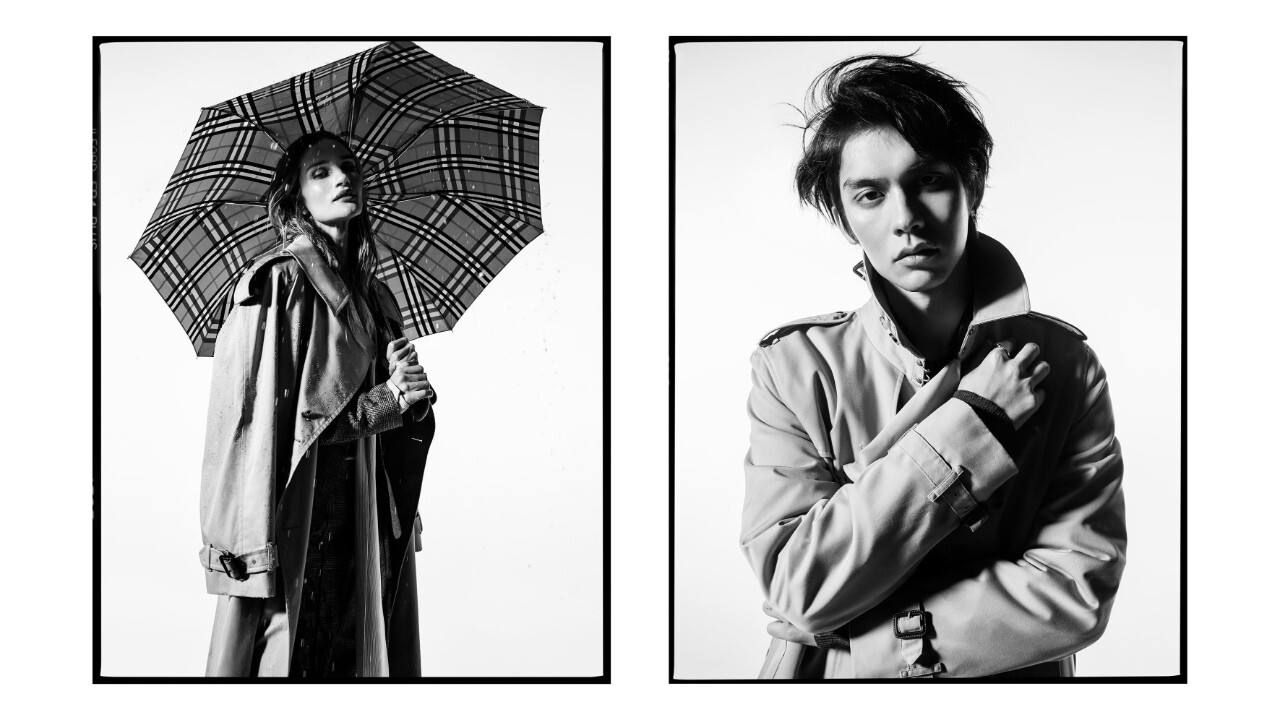
Art of the Trench remained active for several years and was eventually wound down as Burberry's primary social activity migrated to Instagram, which had grown to dominate fashion image-sharing by the mid-2010s. The site's deeper legacy is structural rather than digital. It established a precedent inside Burberry that the trench coat is the central asset of the house and can be activated independently of any seasonal collection. That precedent is visible in subsequent campaigns, including the 2024 launch of It's Always Burberry Weather, which again places the trench and the wider outerwear category at the centre of the brand. Art of the Trench also influenced the wider luxury sector, which gradually accepted that customer participation could be cultivated rather than feared, and that doing so could deepen, rather than weaken, brand equity.
A 2009 case that still informs 2026
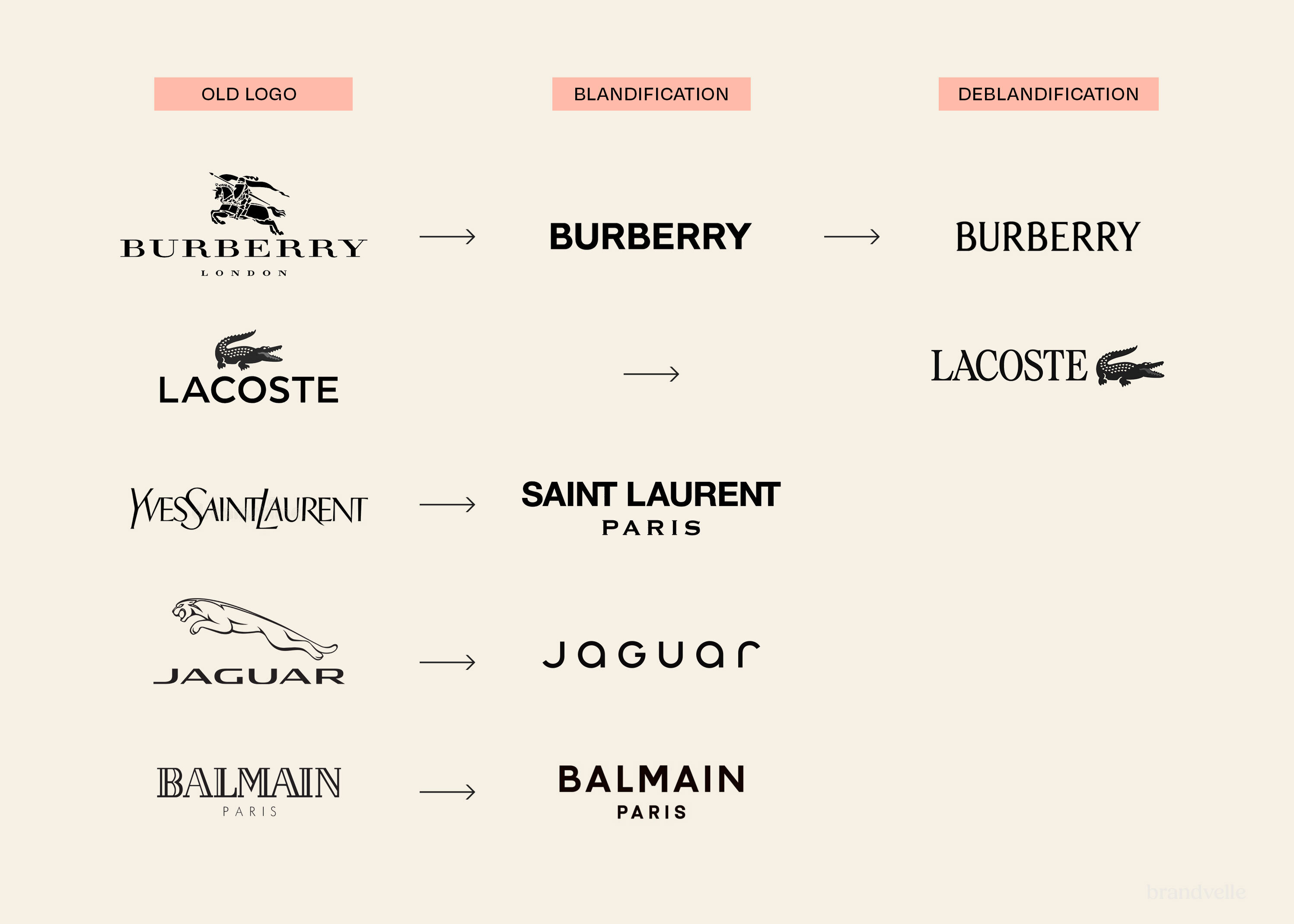
Read alongside Burberry's later identity work, Art of the Trench reads as one of the earlier moments at which the house treated its own most distinctive product as the protagonist of its communications. The discipline of placing the gabardine trench at the centre of the brand story has proven durable across very different creative leaderships, including the 2018 Tisci sans-serif period and the 2023 Daniel Lee restoration. The 2009 decision to build a participatory platform around that one garment helped establish the editorial logic that the house has continued to follow in the years since.
Written with AI assistance, edited by a human. Find out more about our Use of AI.