
The end of a defining alliance
In October 2022 adidas terminated its partnership with Kanye West, the musician also known as Ye, after a series of antisemitic public statements.1, 2 The decision closed one of the most commercially successful collaborations in the history of sportswear, and it demonstrates in the clearest terms both the power and the danger of building a brand around a single person. What had been a strategic asset became, within weeks, a liability the company felt it had to sever.
The scale of what adidas walked away from is central to the story. The Yeezy line generated an estimated two billion dollars in annual revenue by 2022, and the company acknowledged that ending the partnership would cost it hundreds of millions of euros in the near term.3, 4 Few brand decisions carry such an immediate and quantifiable price, which is what makes the case instructive.
How the partnership was built
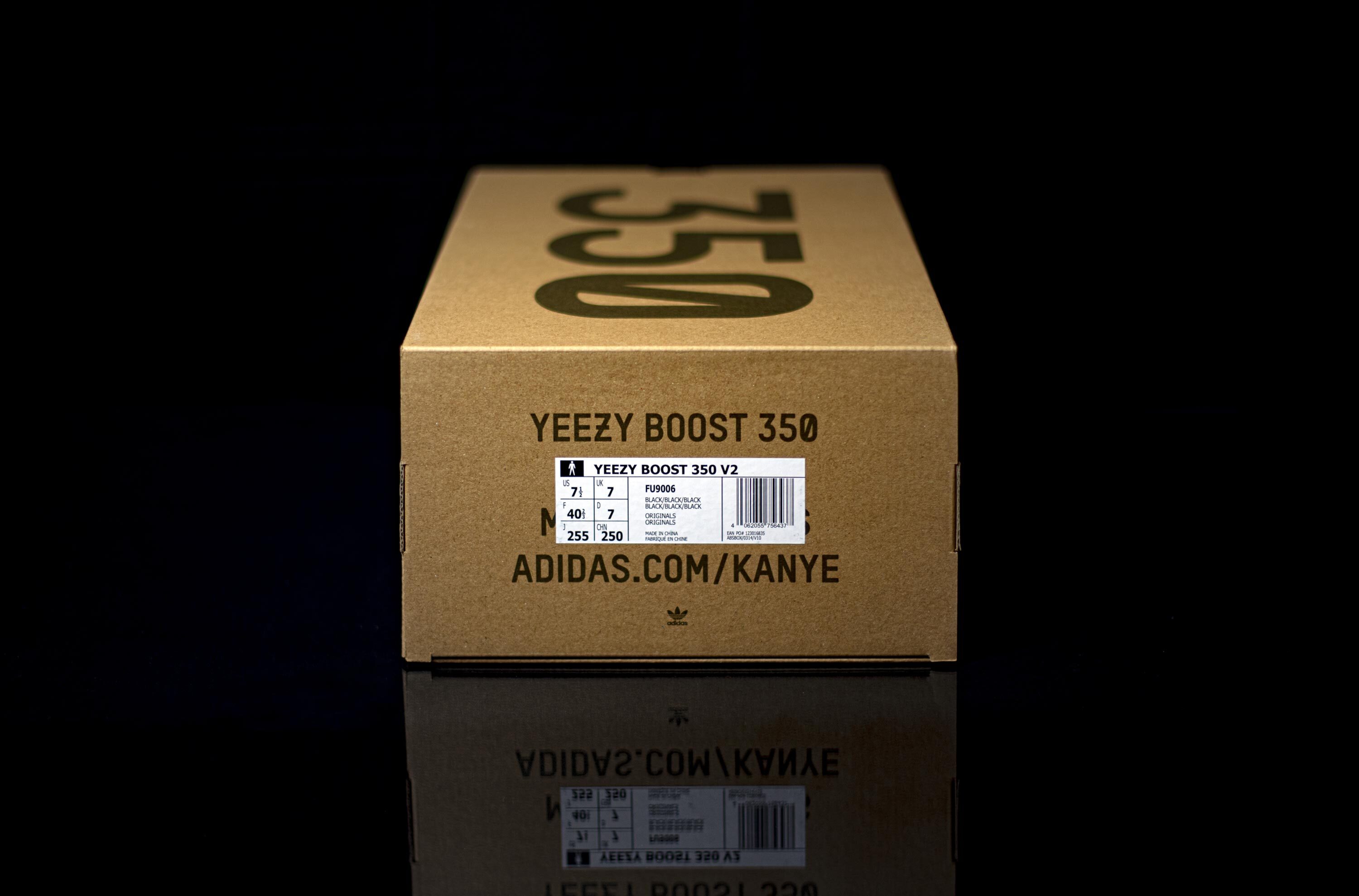
The alliance began at the end of 2013, when West moved to adidas after his earlier relationship with Nike ended.5 adidas offered him something Nike had reportedly declined: royalties on a scale rarely granted to an outside collaborator.6 The first Yeezy Boost sneakers arrived in 2015, and the line expanded across models such as the Boost 350 and the Yeezy Slide, each released in limited quantities that fuelled resale demand and cultural status.5, 6
The structure was unusual. Yeezy operated as a co-branded label that carried West's name more prominently than the adidas mark, and its success rested largely on his personal creativity and celebrity. That arrangement produced enormous returns, but it also concentrated risk. The brand's fortunes were tied not to a product line the company fully controlled, but to the reputation and conduct of one individual.
The financial design reinforced that dependence. Because Yeezy revenue came from tightly limited releases sold at speed, the line relied on continuous cultural attention, and that attention was generated largely by West himself. The model produced exceptional margins while it worked, but it left adidas with little ability to sustain the brand independently of the person whose name it carried.
Why adidas cut ties
When West made repeated antisemitic remarks in 2022, the association became untenable.2 adidas faced mounting public and commercial pressure, and it announced that it would end the partnership immediately, stop production of Yeezy products and halt payments to West and his companies.2, 4 The company stated plainly that it did not tolerate antisemitism and hate speech, framing the decision as a matter of values rather than only of commerce.4
The termination created a difficult operational problem. adidas was left holding large quantities of Yeezy inventory, and it spent the following period deciding how to dispose of the stock responsibly while absorbing the financial impact.7, 8 The episode showed how deeply a single collaboration had become embedded in the company's business.
The market reaction was immediate. Analysts moved quickly to estimate the lost revenue and the write-down on unsold stock, and the company's guidance was revised to reflect the gap Yeezy left behind.3, 7 That a single partnership could move a global corporation's financial outlook so sharply underlined just how large, and how concentrated, the dependency had grown.
The lesson in celebrity branding
The Yeezy case sits within a long adidas tradition of partnering with cultural figures, a tradition that reaches back to the Run-DMC deal of 1986.9 That history has repeatedly shown how cultural credibility can drive sales, but the Yeezy ending exposes the other side of the strategy. When a brand's value depends on one person, the brand inherits that person's risks as well as their appeal.
The distinction matters for how companies structure such deals. A partnership built on a broad cultural association, as with Run-DMC and the Superstar, spreads its meaning across a movement. A partnership built on a single named individual concentrates meaning, and therefore exposure, in that individual. The higher returns of the concentrated model come with a higher and less controllable risk.
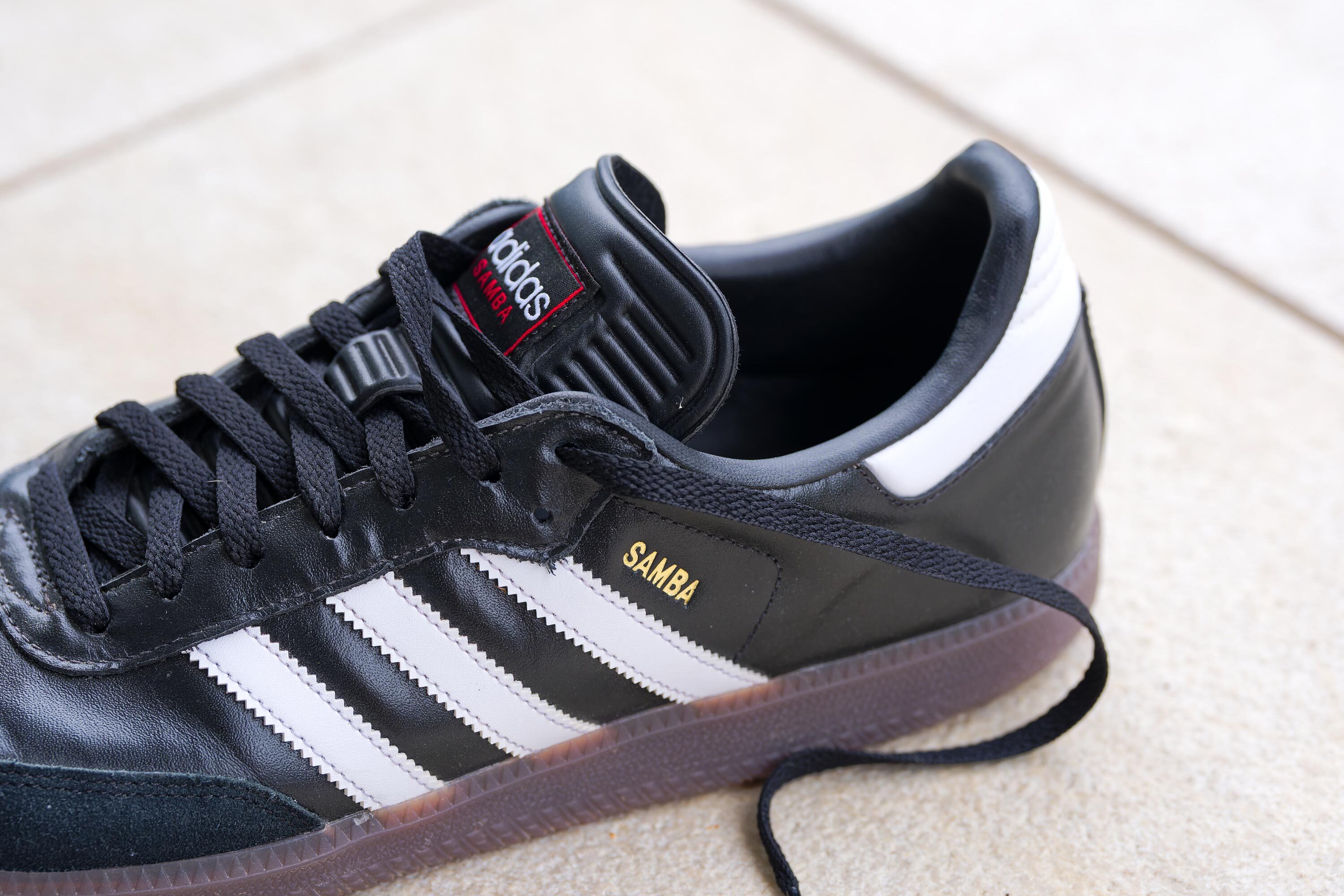
For adidas, the termination was costly but clarifying. It reaffirmed that a brand's stated values can override even its most profitable line, and it prompted the company to lean again on its own archive and controlled products, such as the reviving terrace silhouettes, rather than on borrowed celebrity. The Yeezy chapter remains one of the most striking examples in modern branding of how quickly an asset can turn into a risk when it is inseparable from one name.
Written with AI assistance, edited by a human. Find out more about our Use of AI.
1. CNN Business, "Kanye West: Adidas terminates partnership with Ye", 25 October 2022, for adidas ending its partnership with Ye in October 2022, as the headline and URL date state. The article body could not be retrieved for this retrofit, so this note rests on its headline and date only; off whitelist and used for corroboration only; page not reachable on 25 September 2026. https://www.cnn.com/2022/10/25/business/adidas-ye-ends-partnership
2. CNBC, "Adidas terminates Ye partnership, Gap removes Yeezy items over rapper's antisemitic remarks", 25 October 2022, for adidas ending its partnership with Ye, formerly known as Kanye West, on 25 October 2022 after the musician made a series of offensive and antisemitic comments, for the pressure the company had faced from the public and its own employees to cut ties after opening a review of the partnership on 6 October, and for its announcement that it would terminate the partnership immediately, end production of Yeezy branded products and stop all payments to Ye and his companies; off whitelist and used for corroboration only. https://www.cnbc.com/2022/10/25/adidas-terminates-partnership-with-ye-following-rappers-antisemitic-remarks.html
3. The Washington Post, "Adidas ends massive deal with Kanye West after antisemitism controversy", 25 October 2022, for the estimate by Morningstar analyst David Swartz, published on the day of the termination, that Yeezy was generating about $2 billion a year for adidas, close to 10 percent of its annual revenue; off whitelist and used for corroboration only. https://www.washingtonpost.com/business/2022/10/25/adidas-kanye-west-partnership-ends/
4. adidas, "adidas terminates partnership with Ye immediately", press release, Herzogenaurach, 25 October 2022, for the decision to terminate the partnership with Ye immediately, end production of Yeezy branded products and stop all payments to Ye and his companies, for the company's statement that it "does not tolerate antisemitism and any other sort of hate speech" and that Ye's recent comments and actions violated its values of diversity and inclusion, mutual respect and fairness, and for the expected short-term negative impact of up to €250 million on its 2022 net income, the figure the company gave on that date. https://www.adidas-group.com/en/media/press-releases/adidas-terminates-partnership-with-ye-immediately
5. Complex, Brendan Dunne, "Adidas Terminates Kanye West's Yeezy Deal", 25 October 2022, for West having signed with adidas at the end of 2013 after his relationship with Nike soured, and for the Yeezy Boost 350 and the Yeezy Slide as models of the line; off whitelist and used for corroboration only. https://www.complex.com/sneakers/a/brendan-dunne/adidas-terminate-yeezy-deal-kanye-west
6. Wikipedia, "Adidas Yeezy", accessed 25 September 2026, for Nike having declined to pay West royalties for his shoe designs and adidas having agreed to pay them, for the collaboration officially debuting in February 2015 with the Yeezy Boost 750, whose first release was limited to 9,000 pairs, for the Yeezy Boost 350 released worldwide on 27 June 2015, and for the Yeezy Slides released in December 2019. https://en.wikipedia.org/wiki/Adidas_Yeezy
7. Retail Dive, Daphne Howland, "Adidas will continue to sell Yeezy product without the Yeezy name", 9 November 2022, for adidas lowering its 2022 guidance on that date to reflect the end of the Yeezy partnership, which it expected to cost 500 million euros in revenue and up to 250 million euros in net income, and for its stated plan to use the Yeezy designs, whose rights it owns, without the Yeezy name; off whitelist and used for corroboration only. https://www.retaildive.com/news/adidas-will-continue-selling-yeezy-product-without-name-revenue-loss/636140/
8. adidas, "adidas to release existing YEEZY product in May 2023", press release, Herzogenaurach, 19 May 2023, for adidas having sought feedback from employees, organisations, communities and consumers on how to responsibly manage the existing Yeezy product, and for its decision to begin selling some of the remaining inventory from the end of May 2023. https://adidasapp.adidas.com/confirmed/adidas-yeezy-inventory-press-release.html
9. Guinness World Records, "First non-sporting sneaker endorsement", for Run-DMC's endorsement agreement with adidas, signed in mid-1986 and recorded as the first sneaker deal secured by individuals outside sport; off whitelist and used for corroboration only. https://www.guinnessworldrecords.com/world-records/776615-first-non-sporting-sneaker-endorsement