
A song that became a deal
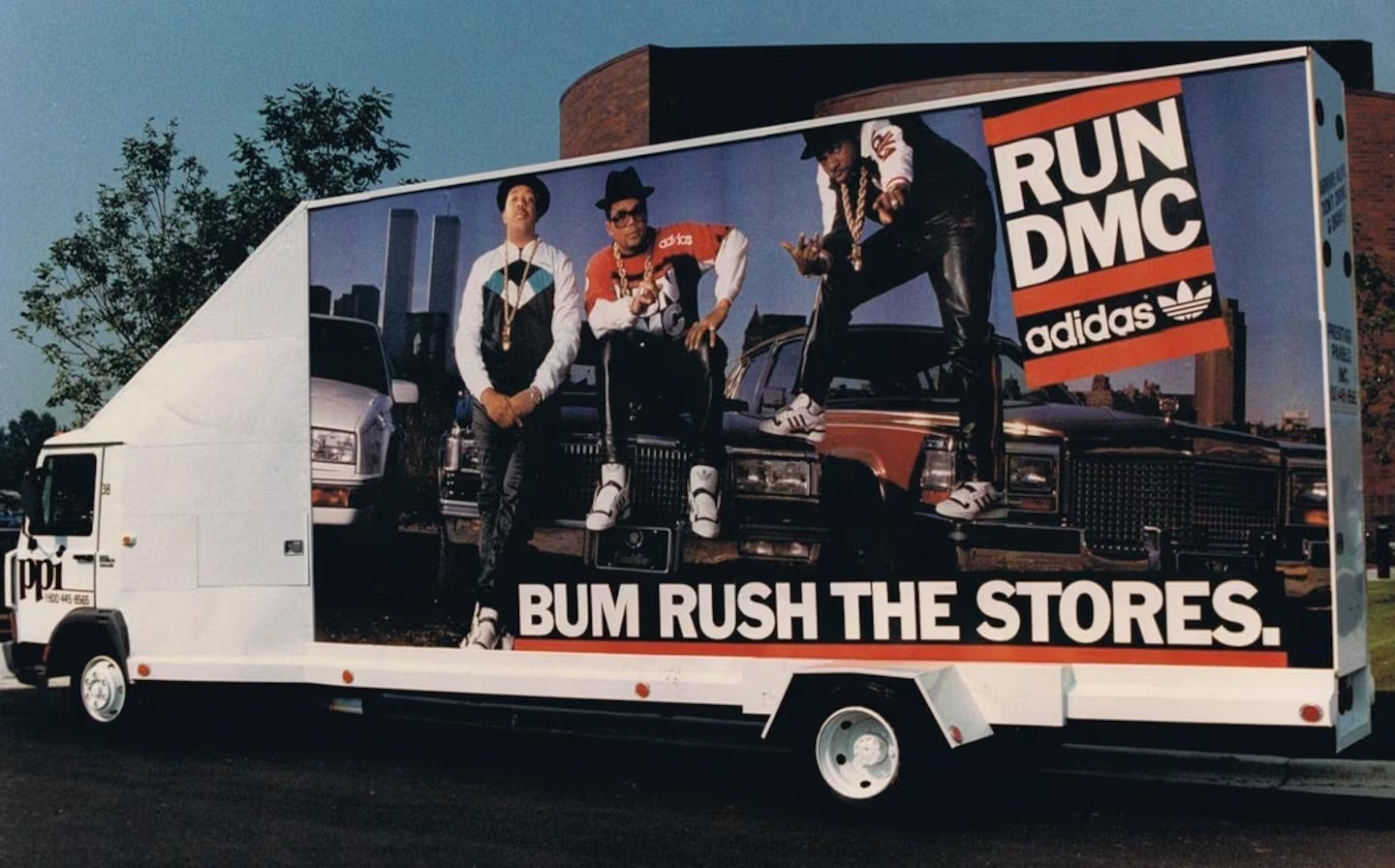
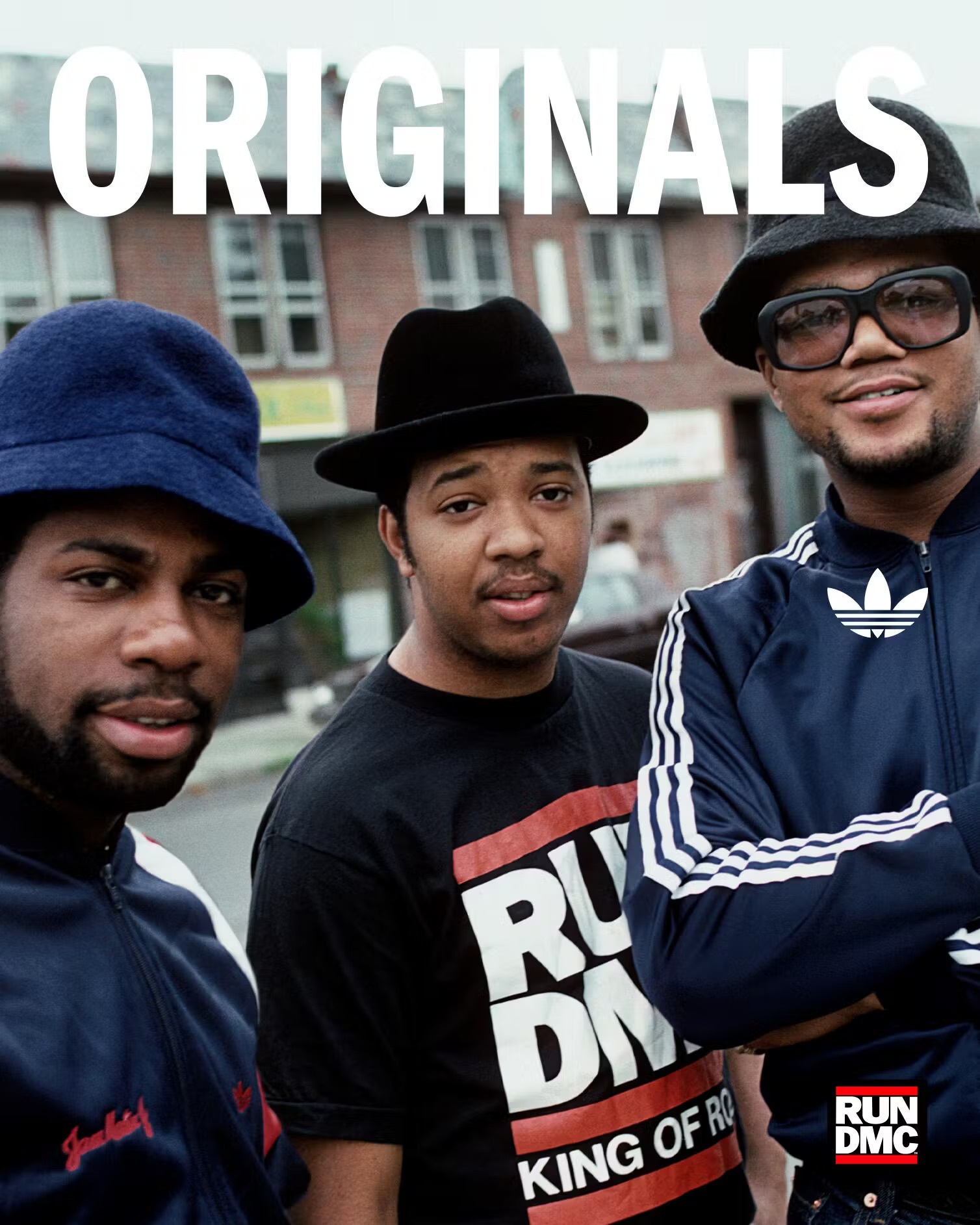
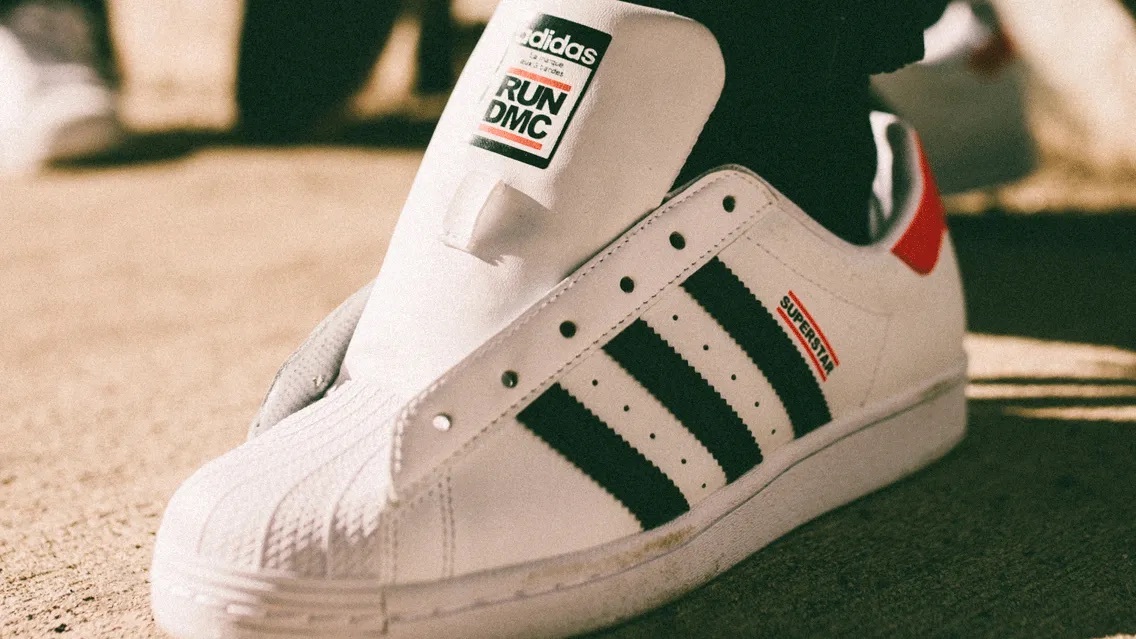
In 1986 the hip-hop group Run-DMC did something no marketing department had planned: they wrote a love letter to a shoe. Their single My Adidas, released on 29 May 1986, paid tribute to the adidas Superstar, the low-top shell-toe sneaker that the group and their fans wore without laces.1, 2, 3, 4 The song was not commissioned by the brand. It grew out of a genuine attachment, and it turned a piece of athletic footwear into a symbol of a musical movement.
The record connected. My Adidas reached the upper end of the American R&B and hip-hop charts and drove a noticeable rise in adidas sales on the United States East Coast.1, 2 For a brand whose footwear had been designed for the basketball court, the idea that a rap group could move product simply by naming it in a song was both unexpected and commercially significant.4
The Madison Square Garden moment
The turning point came on stage. Run-DMC's management invited the adidas executive Angelo Anastasio to the group's concert at Madison Square Garden on 19 July 1986.1, 2 During their performance of My Adidas, the group asked the crowd to hold their sneakers in the air, and thousands of shoes rose across the arena.1, 5 The demonstration of devotion made the argument that no sales presentation could.
The result was an endorsement deal reported at 1.6 million dollars, signing Run-DMC to adidas.1, 5 It was a straightforward commercial arrangement in form, but a radical one in substance, because the people being paid to represent an athletic brand were not athletes. The deal formalised a relationship the audience had already created.
The concert scene has become part of branding folklore precisely because it inverted the usual order. Normally a company recruits a face and then builds demand; here the demand existed first, visible and unpaid, and the executive present simply recognised it. That reversal is why the moment is retold so often, and why it carried more conviction than any campaign adidas could have staged.
The first endorsement beyond sport
Until that point, athletic brands had built their marketing on sport. Endorsements went to footballers, runners and basketball players, and the logic was simple: buy what champions wear. Run-DMC broke that logic. The group's authority came from culture rather than competition, and adidas paid for access to that cultural standing. It was the first time a sportswear company had signed performers from outside sport to an endorsement contract.1, 2, 3
The significance lay in what it proved. Cultural influence, adidas discovered, could sell shoes as effectively as athletic achievement, sometimes more so, because it reached consumers through music, style and identity rather than performance. The Superstar was no longer only a basketball shoe; it was a statement of belonging to a scene, and the brand had learned that such meaning could be commercially decisive.
The timing helped. Hip-hop was moving from a regional sound toward national prominence, and Run-DMC sat at its centre, which meant adidas was aligning with a culture on the rise rather than one already saturated. Backing an emerging movement carried some risk, but it let the brand attach itself to authenticity before the mainstream arrived, a position competitors would spend years trying to replicate.
A template for brand culture
The Run-DMC deal set the pattern for decades of partnerships that followed.1, 2 Every later alliance between a sportswear brand and a musician or cultural figure descends from the template established in 1986, when adidas recognised that a song and a stage could be worth more than a stadium billboard. The arrangement showed brands how to convert cultural credibility into sales, and it made the endorsement of non-athletes an ordinary part of the industry.
For adidas specifically, the episode secured the Superstar's place as a cultural object rather than merely a product. The shoe became one of the defining silhouettes in the brand's archive, valued for its association with hip-hop as much as for its design. That heritage would later underpin the reissue business at the centre of adidas Originals, where archive shoes are sold on the strength of the cultural stories attached to them.
The lasting lesson of My Adidas is that the most powerful brand moments are often not manufactured. Run-DMC chose adidas before adidas chose Run-DMC, and the brand's insight was to recognise the endorsement its customers were already giving it and to make it official. In doing so, adidas turned an unpaid tribute into a landmark deal and helped invent the modern relationship between brands and popular culture.
Written with AI assistance, edited by a human. Find out more about our Use of AI.
1. Guinness World Records, "First non-sporting sneaker endorsement", record entry, consulted 8 October 2026, off whitelist and cited as the register that holds the record, for the release of My Adidas on 29 May 1986 as a tribute to the brand and its Superstar low-top shoe, its peak at No. 5 on Billboard's Hot R&B/Hip-Hop Songs chart and the sharp increase in adidas footwear sales on the US East Coast that followed, for co-manager Lyor Cohen inviting the adidas executive Angelo Anastasio to the Madison Square Garden concert of 19 July 1986, where the group asked the fans to hold up their adidas, for the deal of 1.6 million dollars, for Run-DMC as the first individuals outside sport to be given a deal for sneakers, and for the deal having paved the way for later deals between hip-hop artists and fashion brands. https://www.guinnessworldrecords.com/world-records/776615-first-non-sporting-sneaker-endorsement
2. Wikipedia, "My Adidas", read 8 October 2026, for the release on 29 May 1986 as the first single from Raising Hell on Profile Records, its peak at No. 5 on the Billboard Hot Black Singles chart, for co-manager Lyor Cohen inviting the adidas executive Angelo Anastasio to the Madison Square Garden concert of 19 July 1986, for the song having led to the first endorsement deal between a musical act and an athletic company, and for the deal being credited with influencing later endorsement deals between brands and musicians. https://en.wikipedia.org/wiki/My_Adidas
3. Highsnobiety, Daniel So, "Run DMC x adidas: The Original Collab That Changed Sneakers Forever", 18 October 2023, labelled a sponsored story paid for by an advertiser, off whitelist and used for corroboration only, for the group wearing the Superstar laceless with the tongues pushed out, and for adidas offering the group an endorsement deal and so becoming "the first major sports brand to partner with hip-hop artists". https://www.highsnobiety.com/p/run-dmc-adidas-originals-collaboration/
4. Wikipedia, "Adidas Superstar", read 8 October 2026, for the Superstar introduced in 1969 as a low-top version of the Pro Model basketball shoe and named shell toe after its rubber toe cap, for My Adidas as the group's tribute to the shoe, and for the Run-DMC deal as the first endorsement deal between hip-hop artists and a major corporation. https://en.wikipedia.org/wiki/Adidas_Superstar
5. Complex, Brendan Dunne, "Run-DMC, Adidas, and the Superstar as Hip-Hop Icons", 15 August 2023, off whitelist and used for corroboration only, for the adidas employee Angelo Anastasio watching fans lift their Superstars at a Madison Square Garden show and for adidas then signing the group to a landmark deal. https://www.complex.com/sneakers/a/brendan-dunne/run-dmc-adidas-superstar-deal